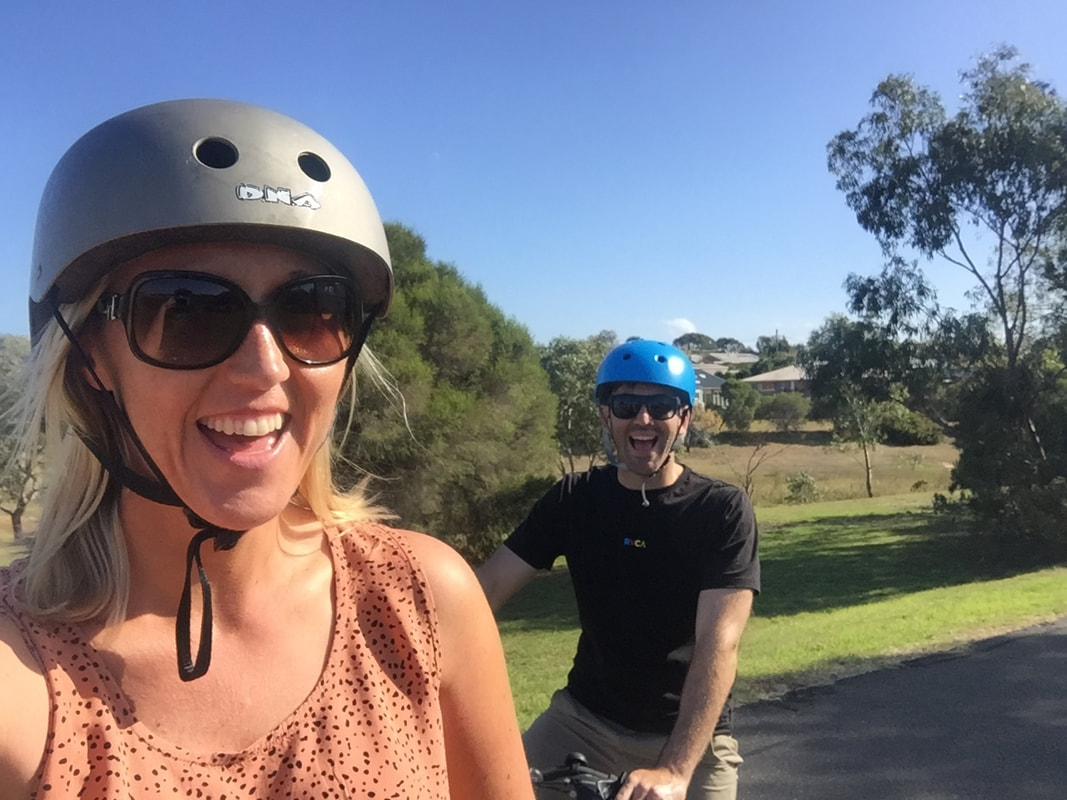
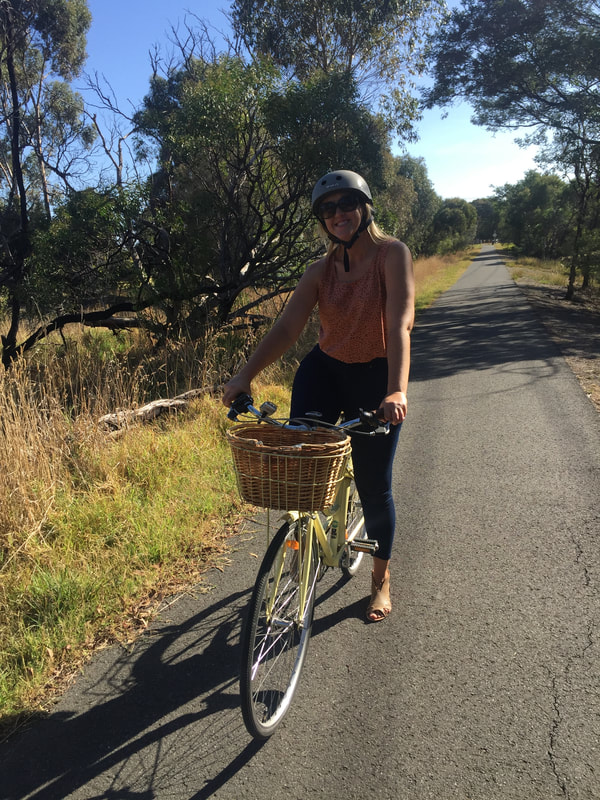
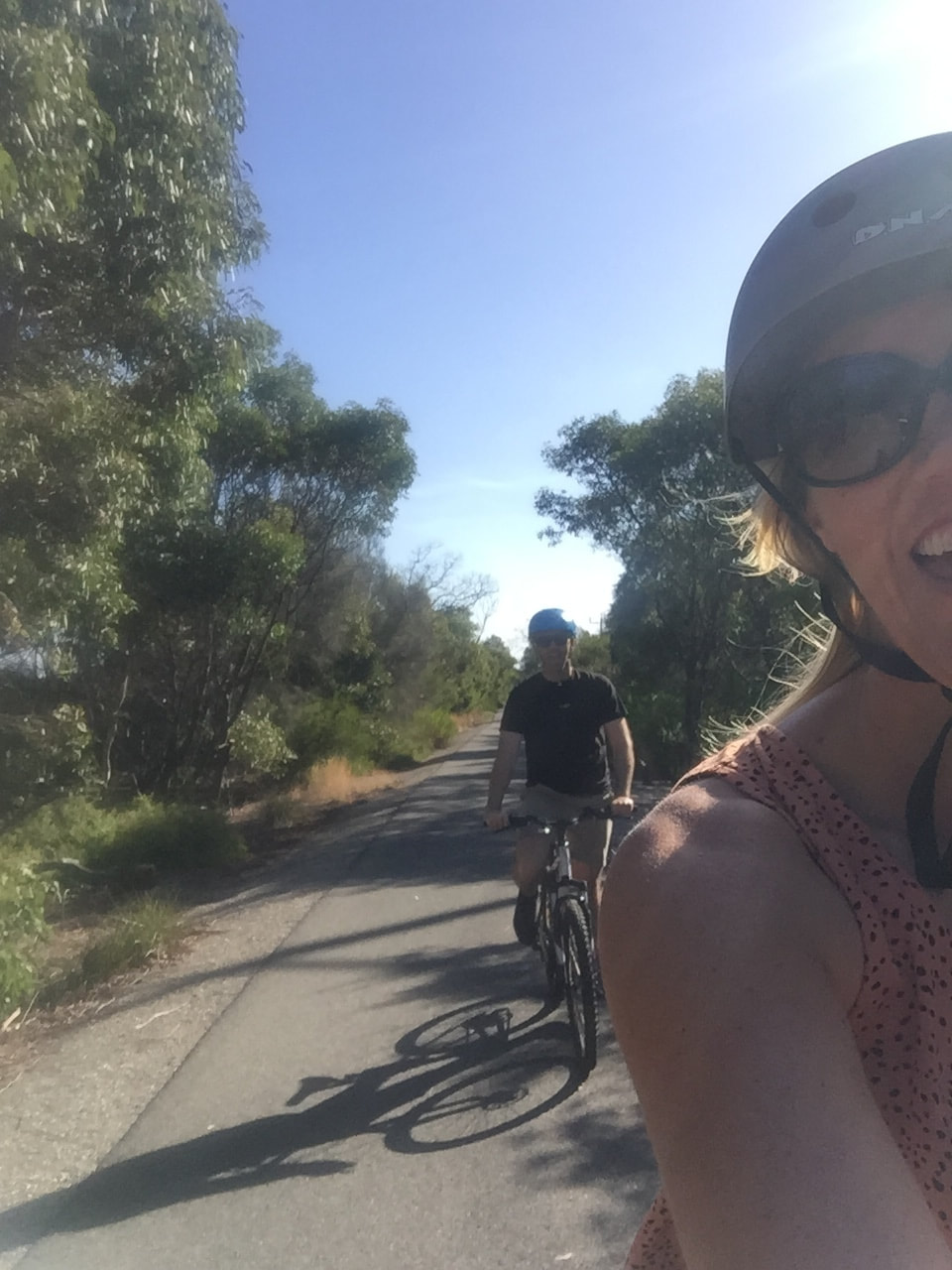
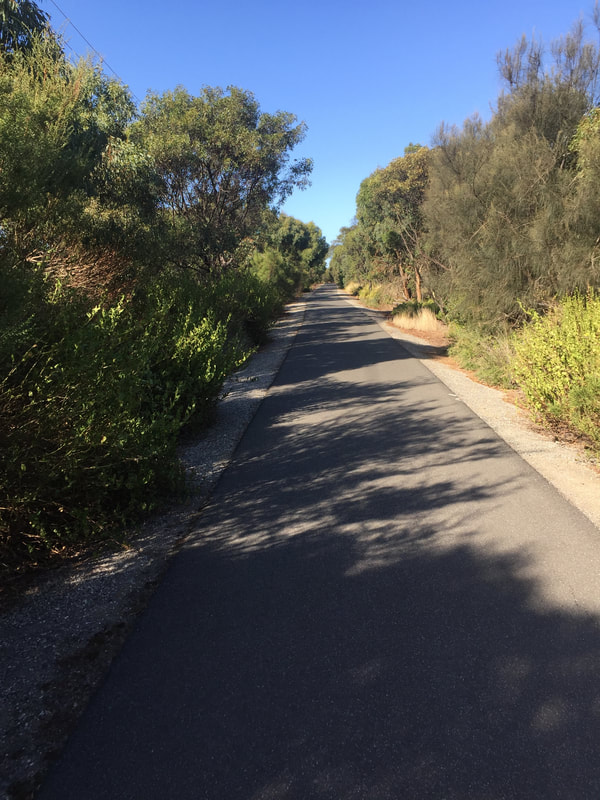
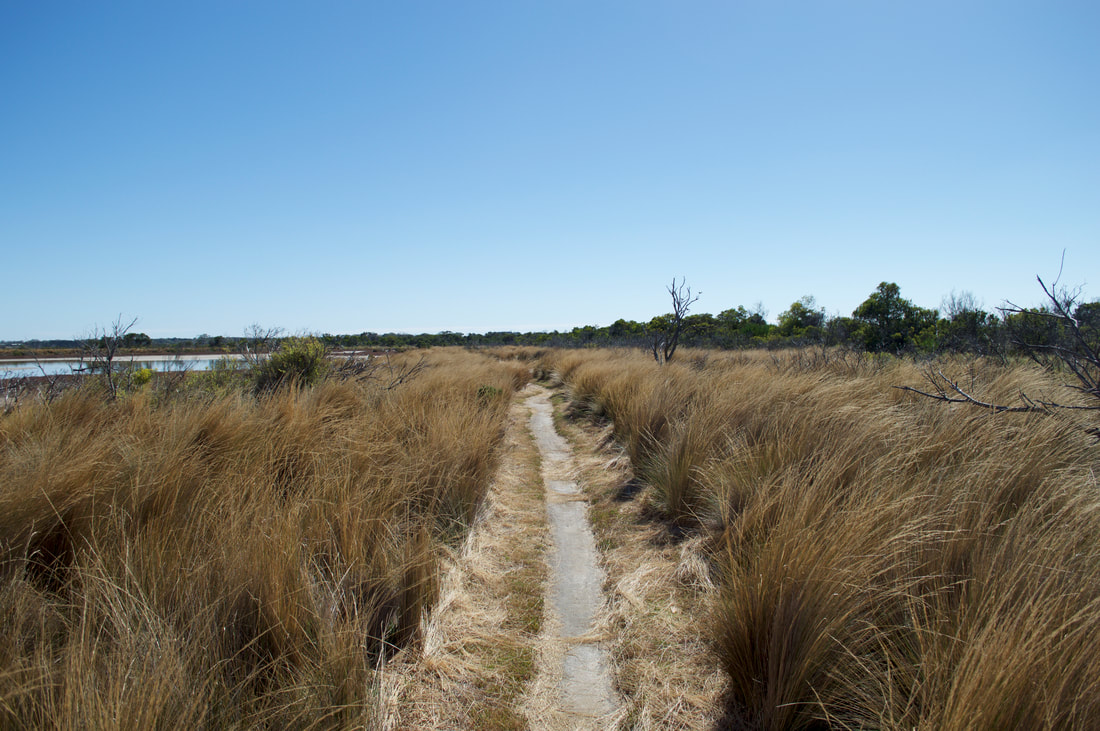
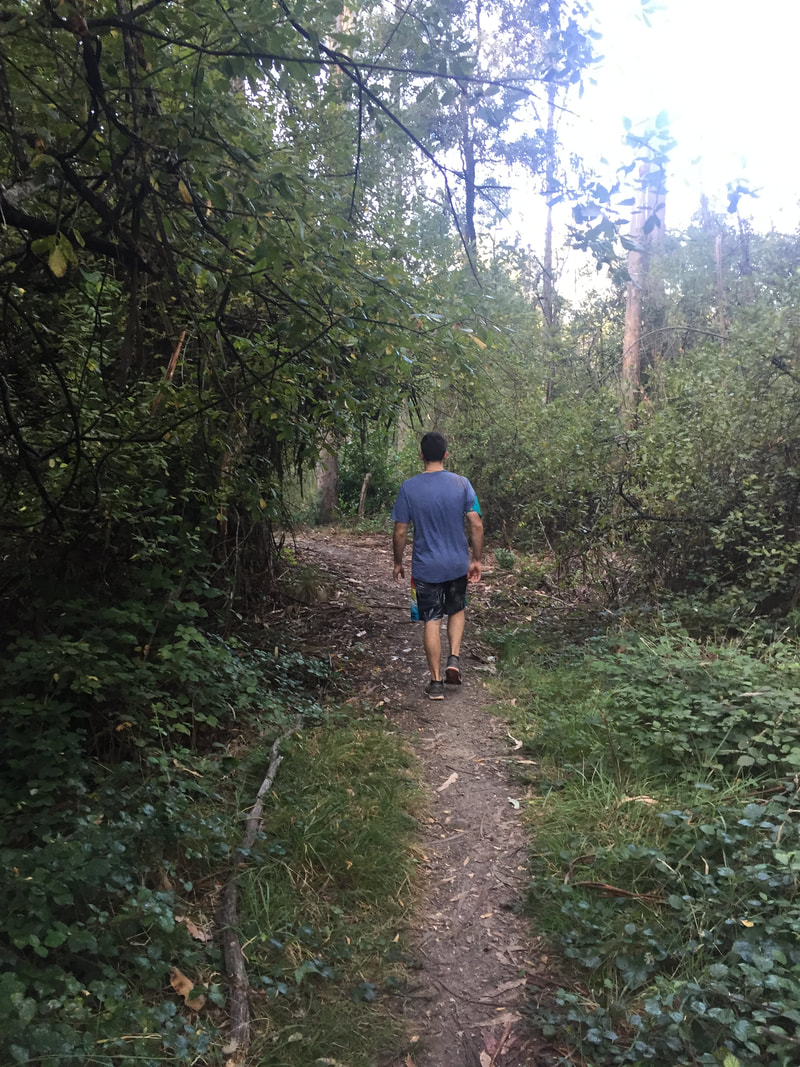
The 35 kilometre rail trail stretches from South Geelong to Queenscliff. Shovel and I rode the rail trail from Coppards Road to Curlewis and returned by the same route. Riding about 17 kilometres round trip. 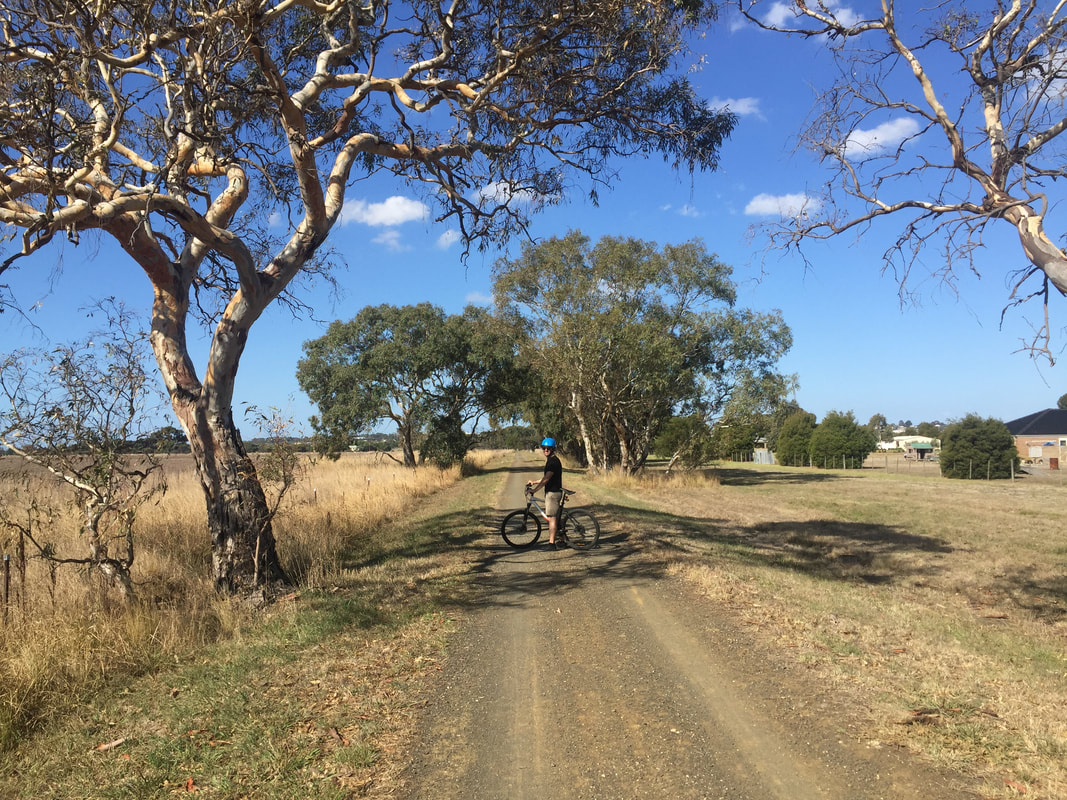
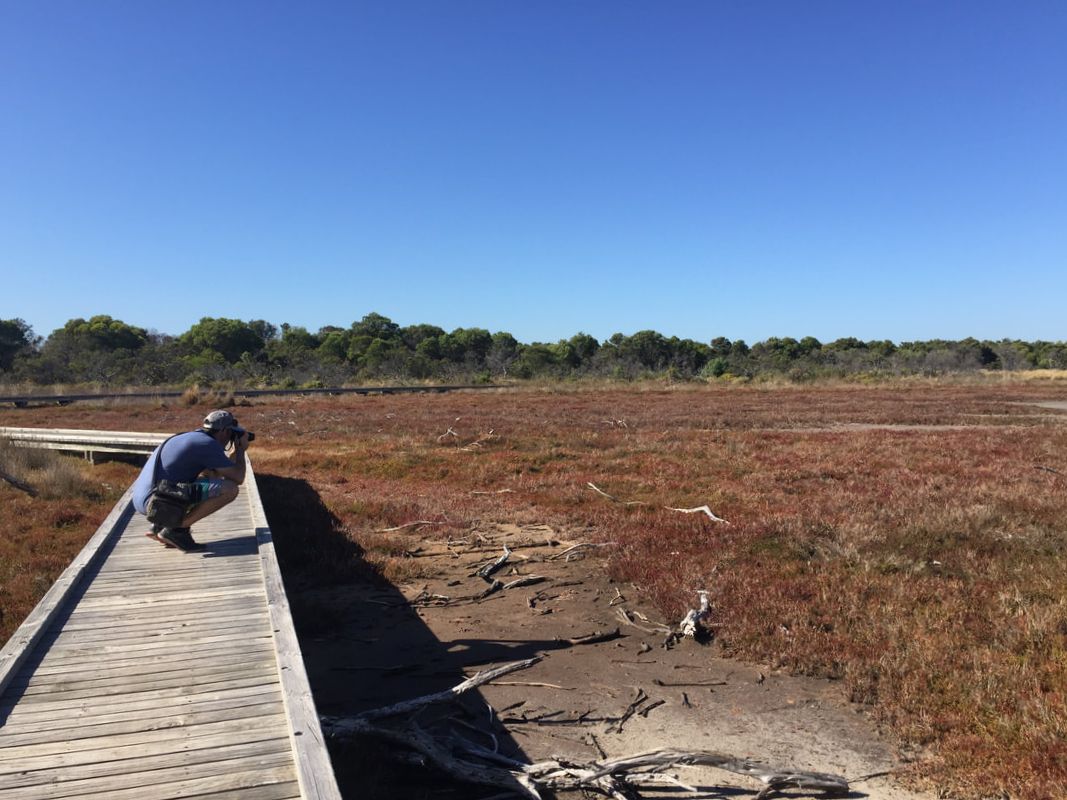
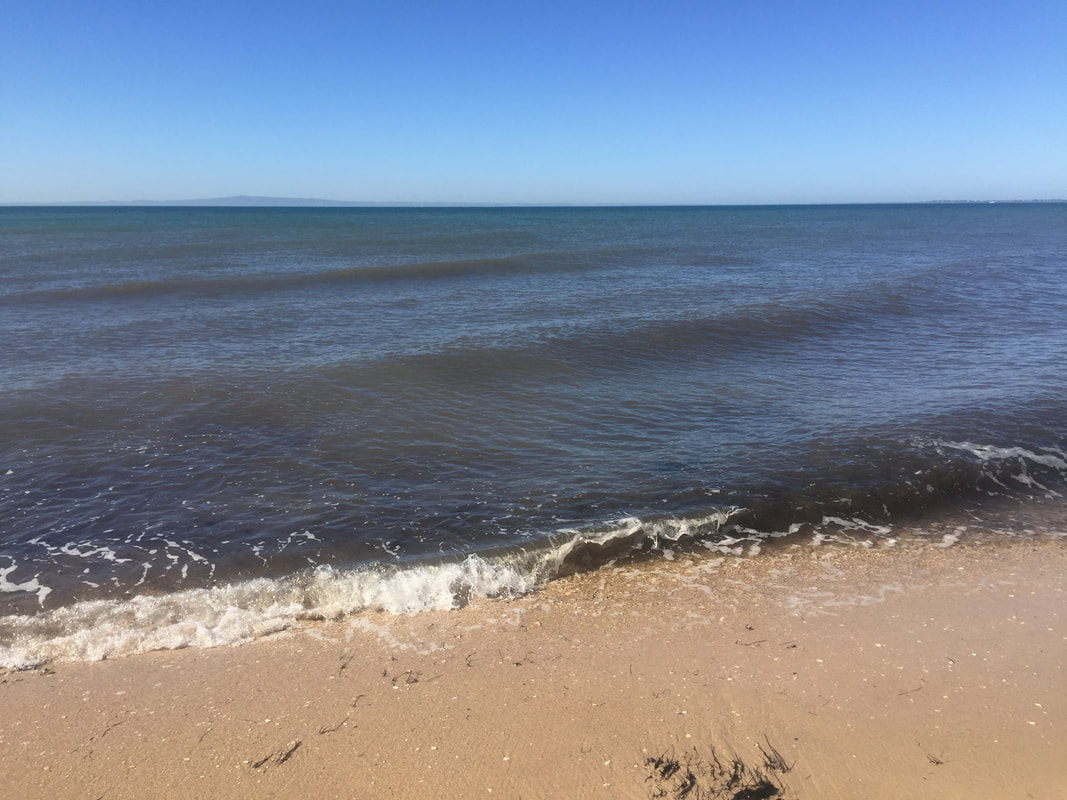
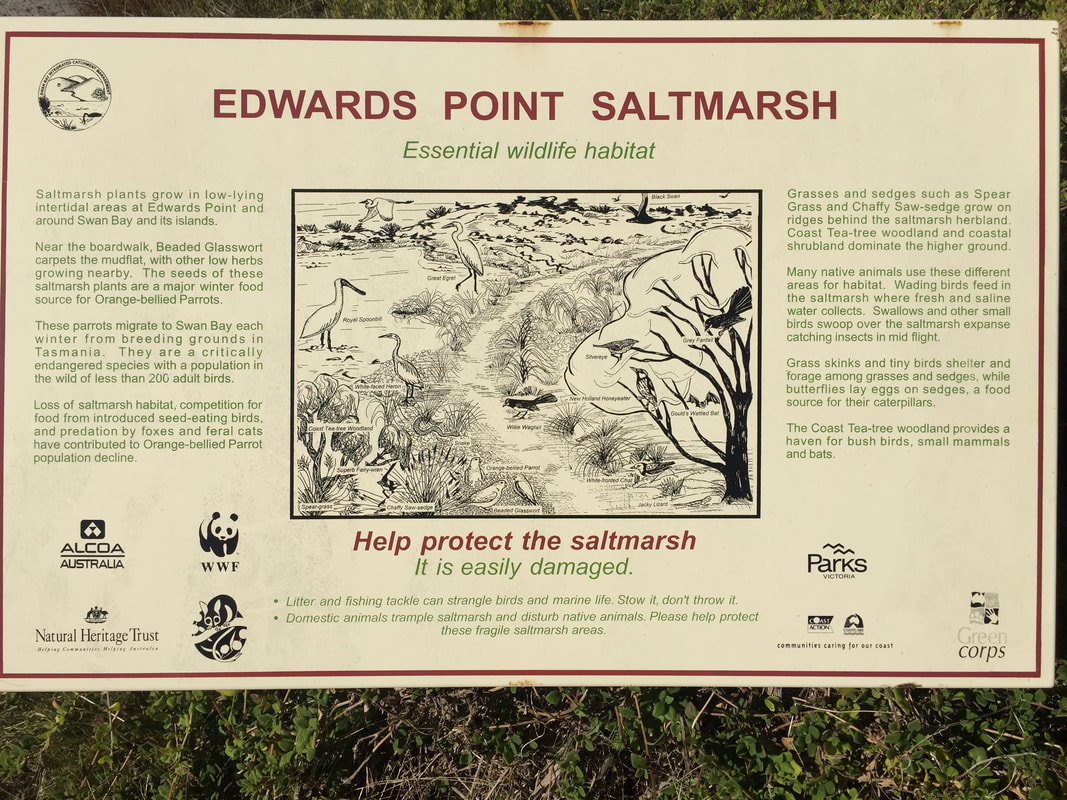
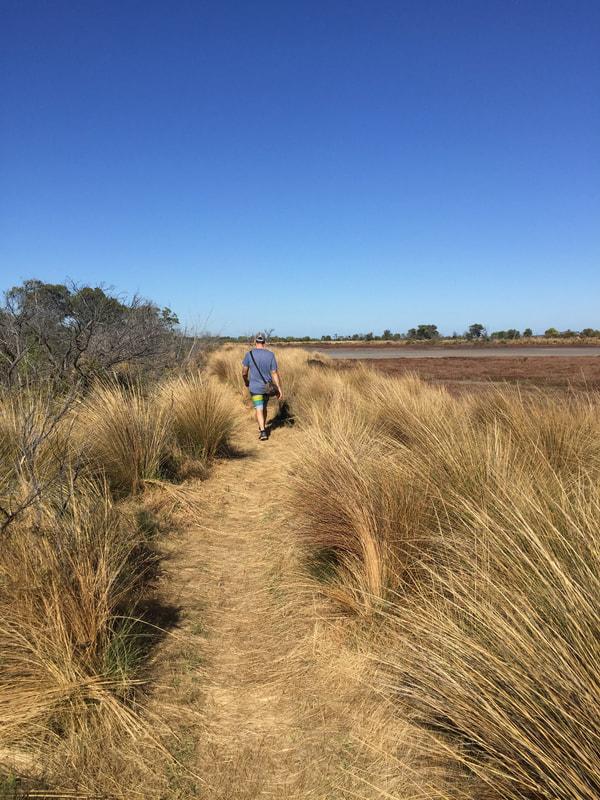
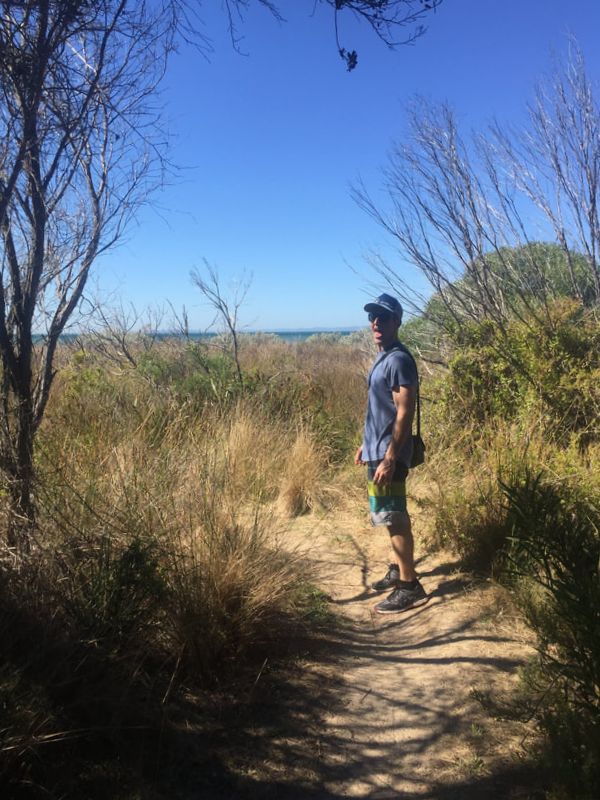
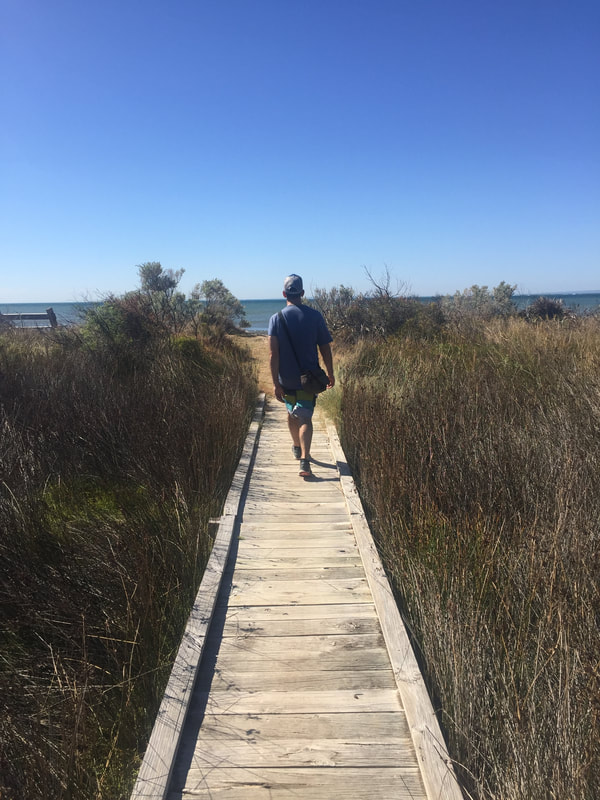
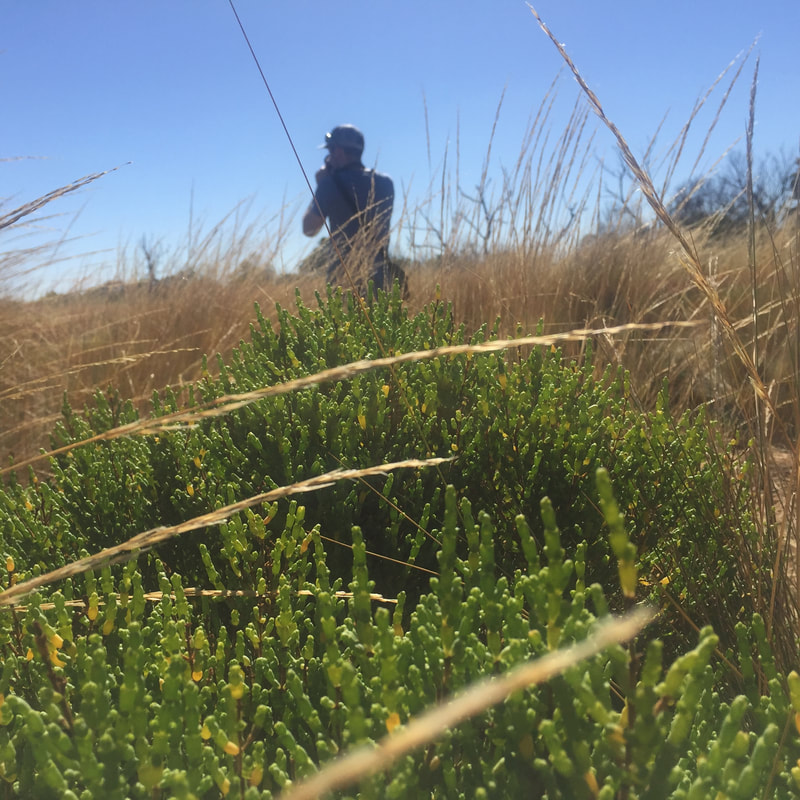
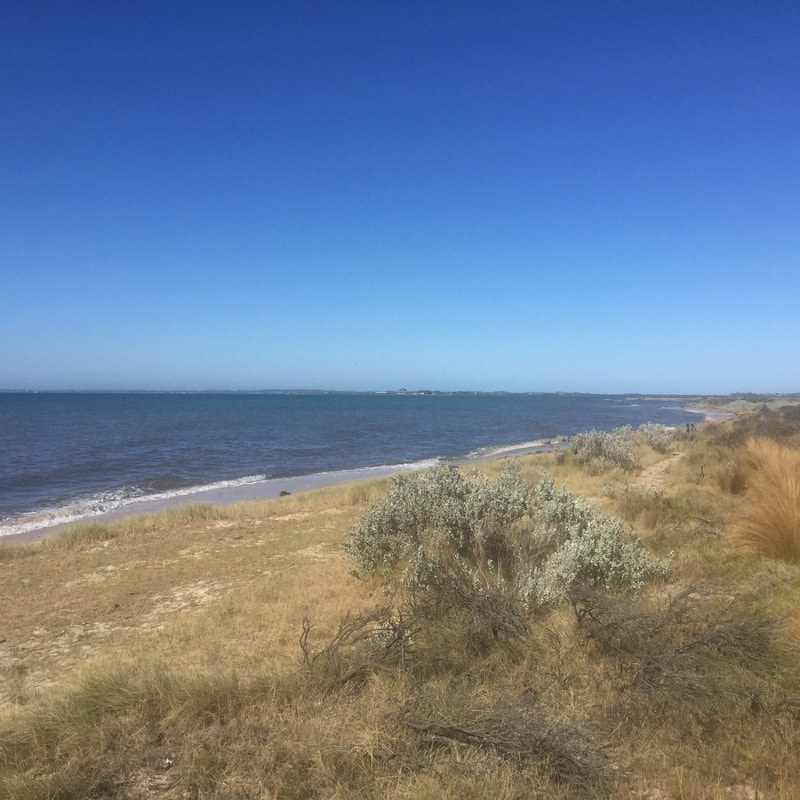
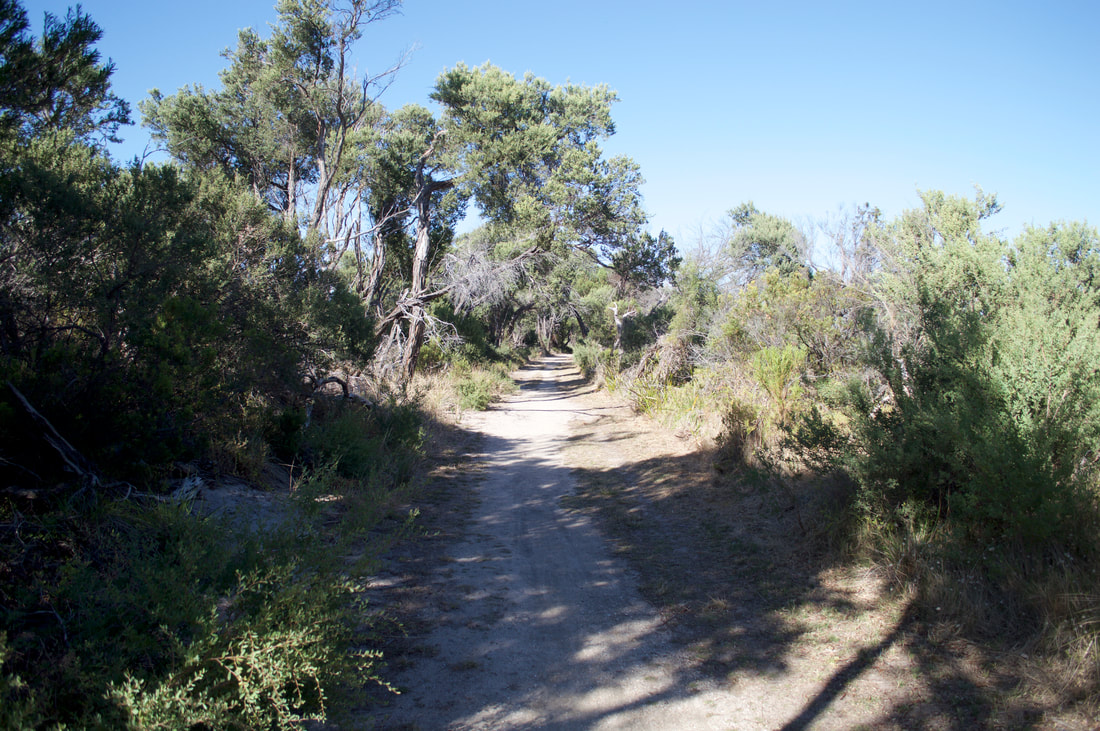
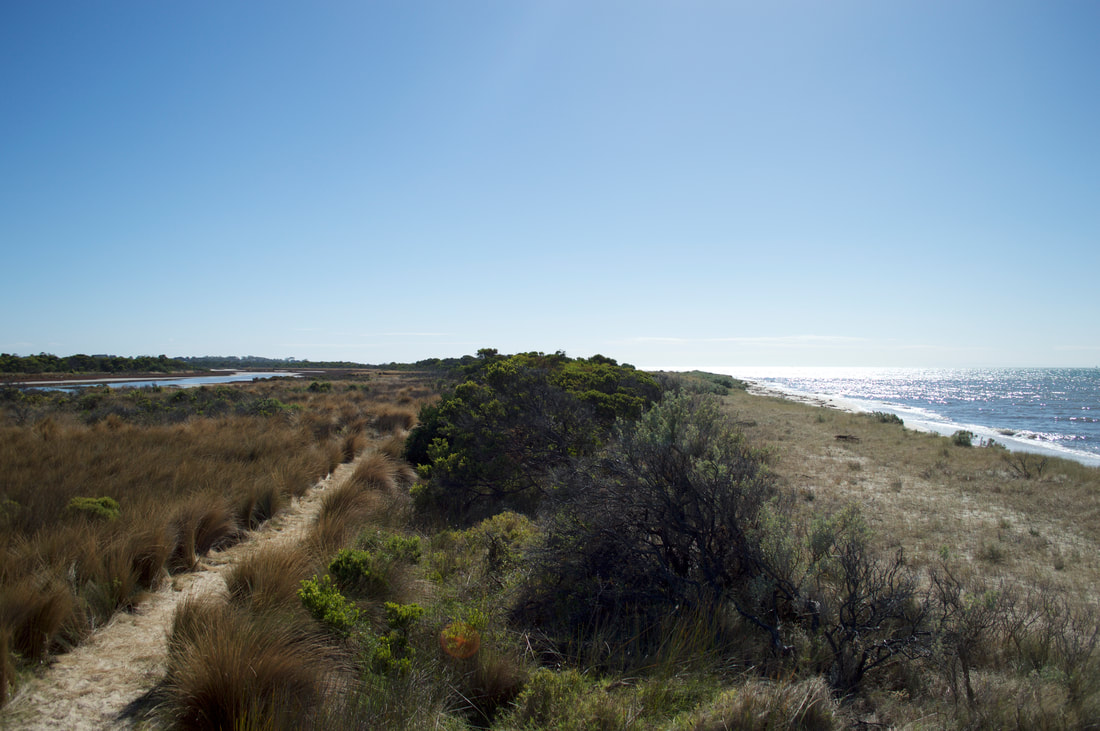
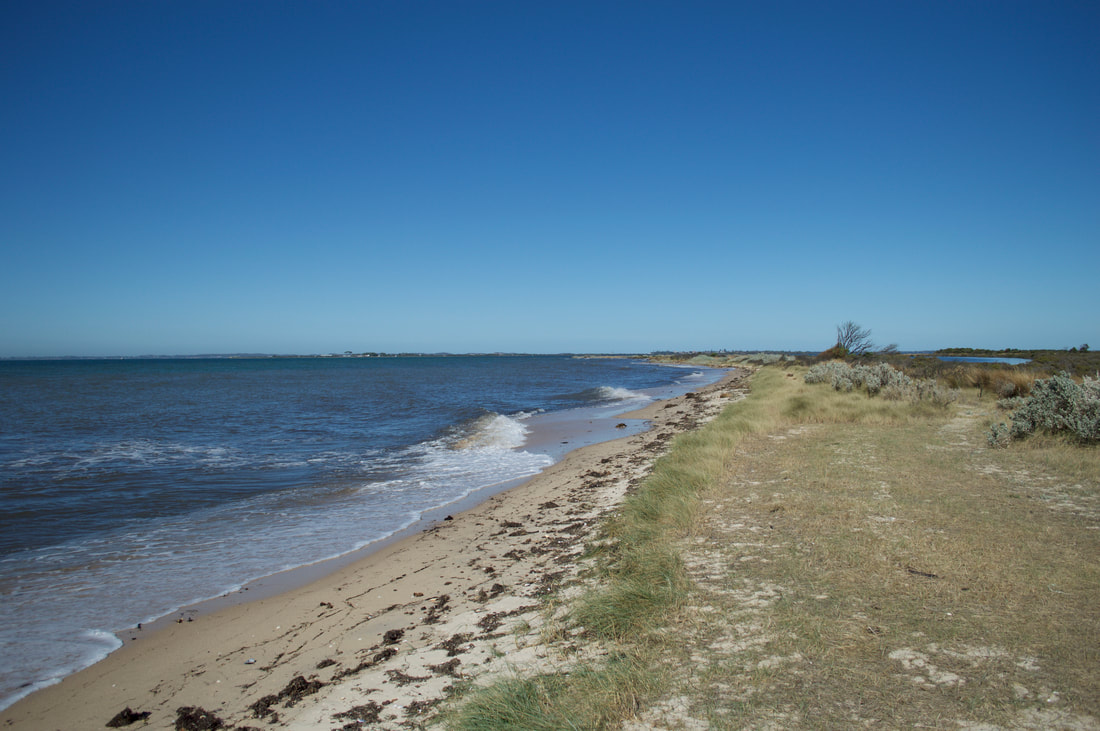
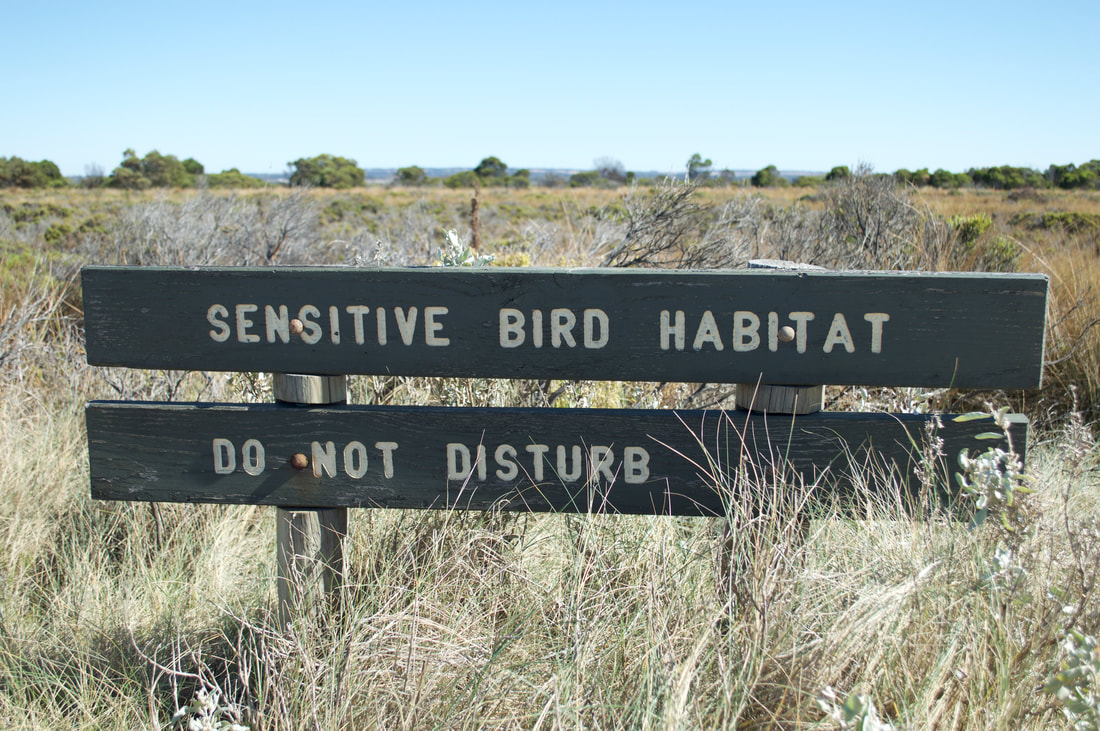
Located in the sleepy bayside town of St Leonards, approximately 40 kilometres out of Geelong on the Bellarine Peninsula is the fascinating Edwards Point Nature Reserve. The nature reserve is the last remaining area of coastal moonah woodland on the Peninsula and reaches out between two bays, Port Phillip and Swan. The low lying shrub protects the sand from erosion and is protected under the Victorian Flora and Fauna Guarantee Act 1988.
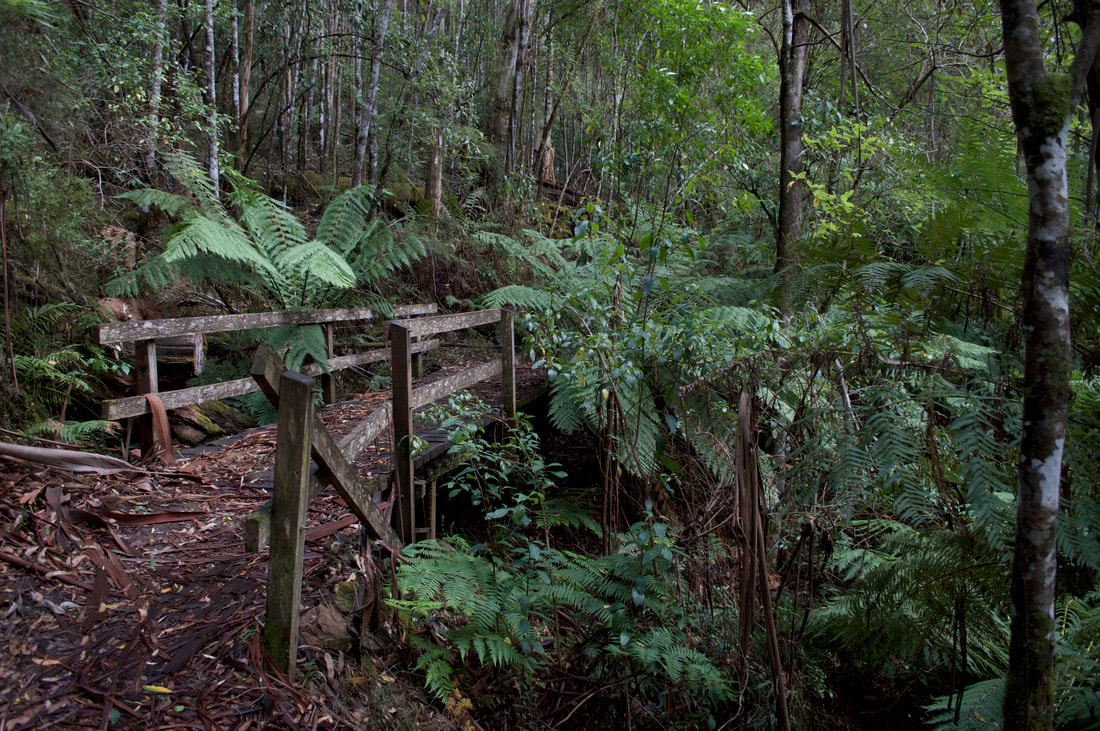
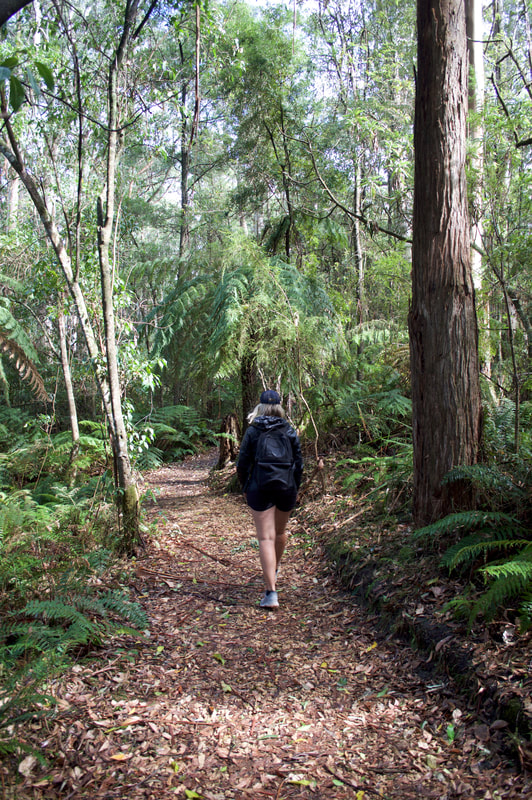
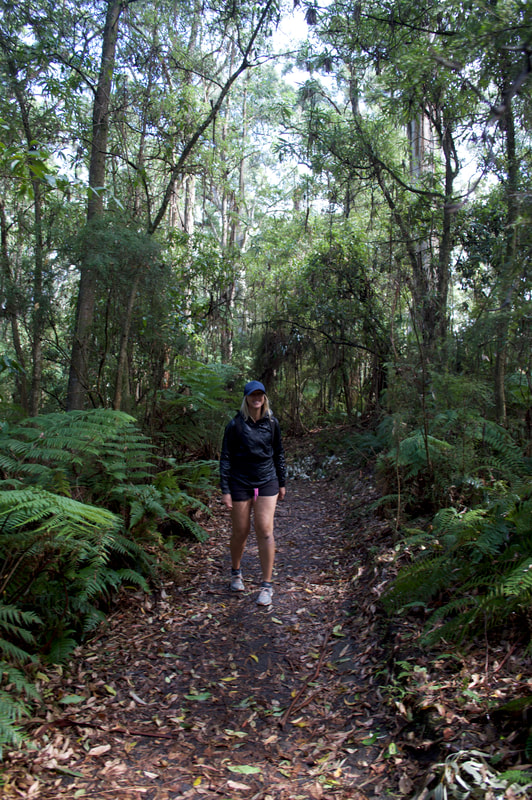
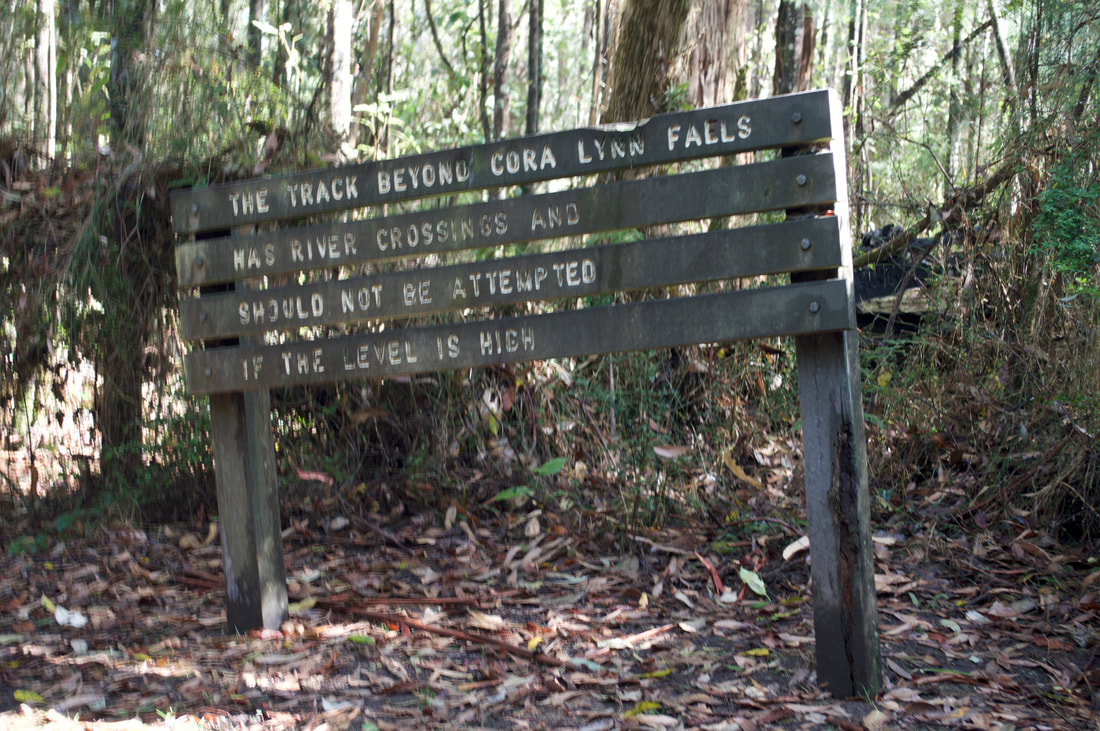
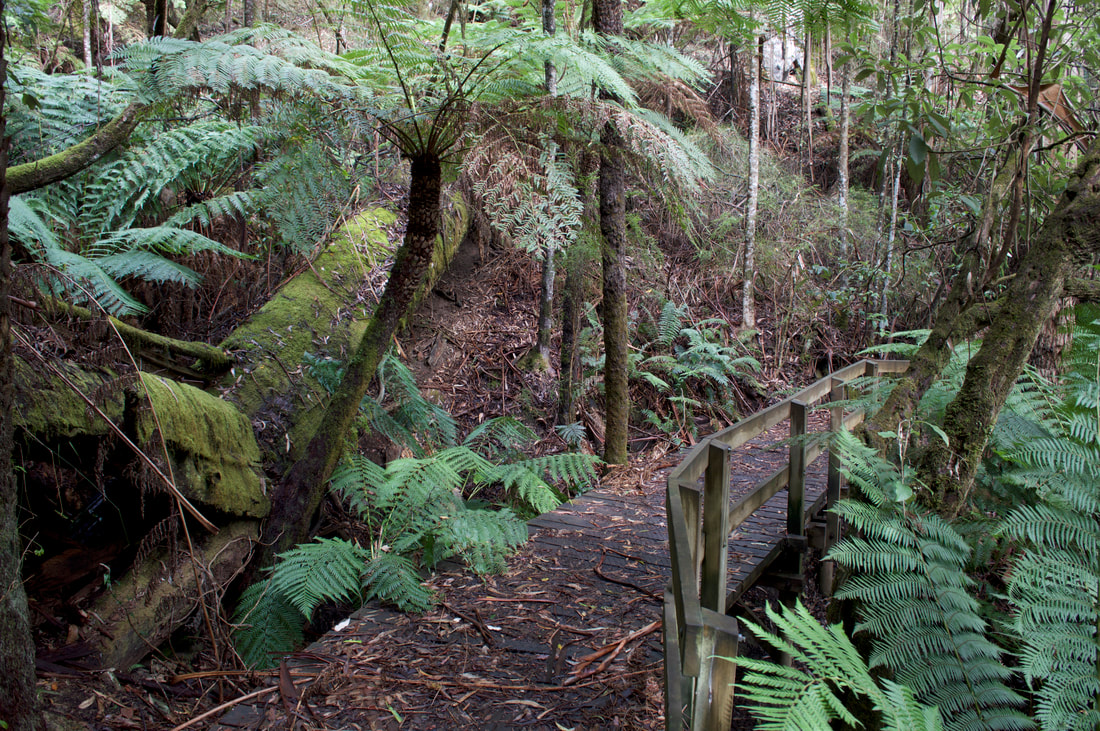
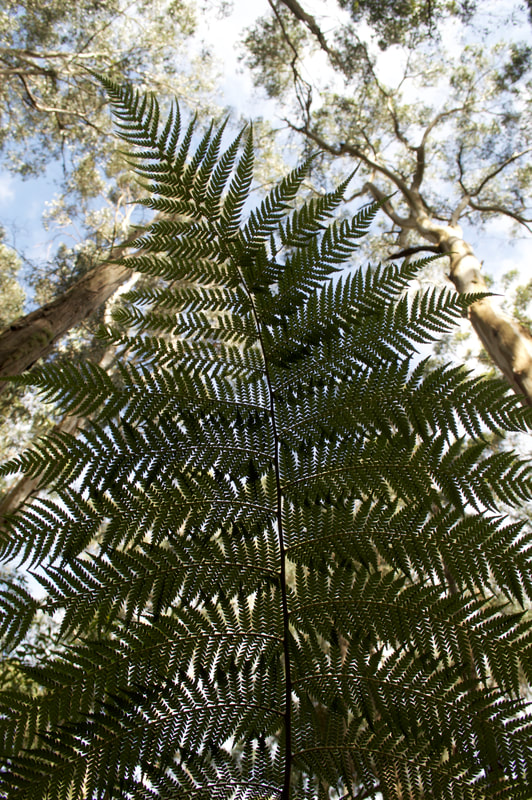
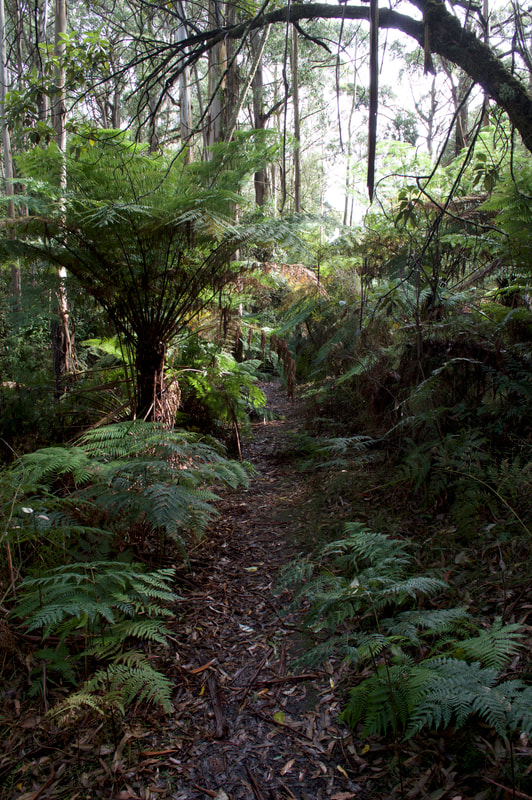
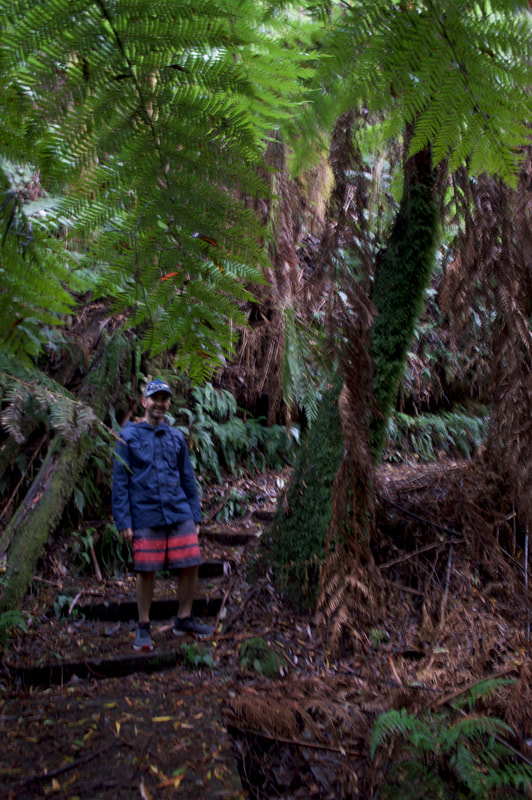
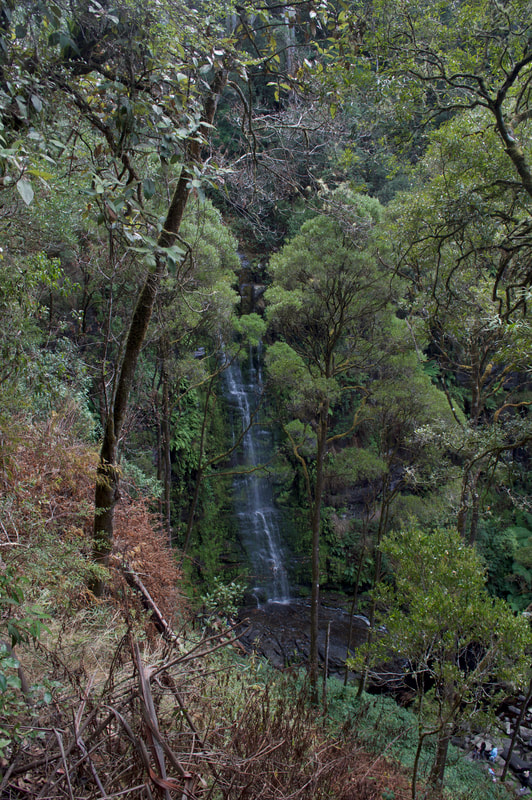
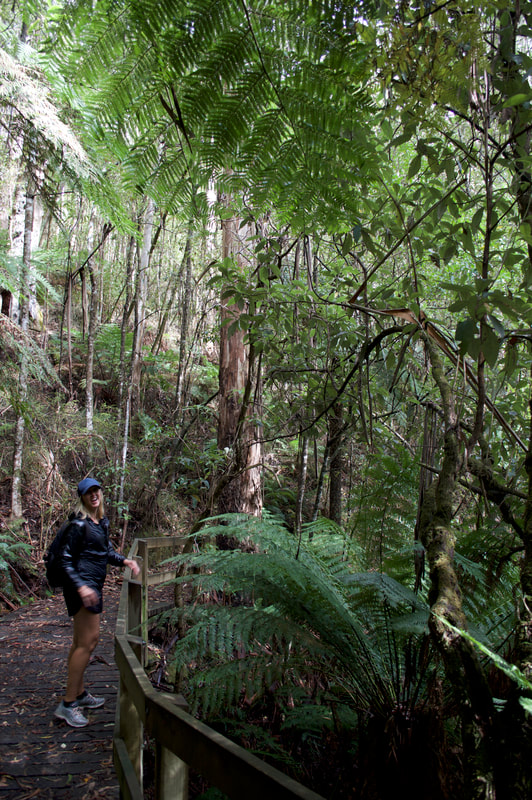
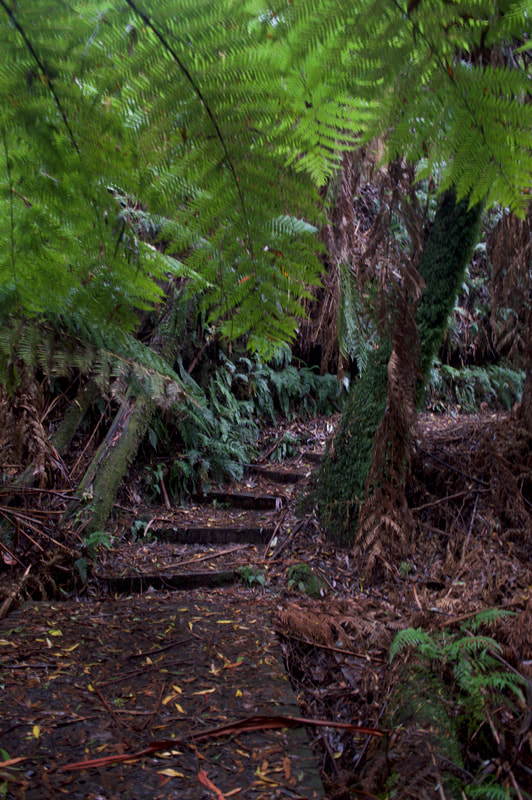
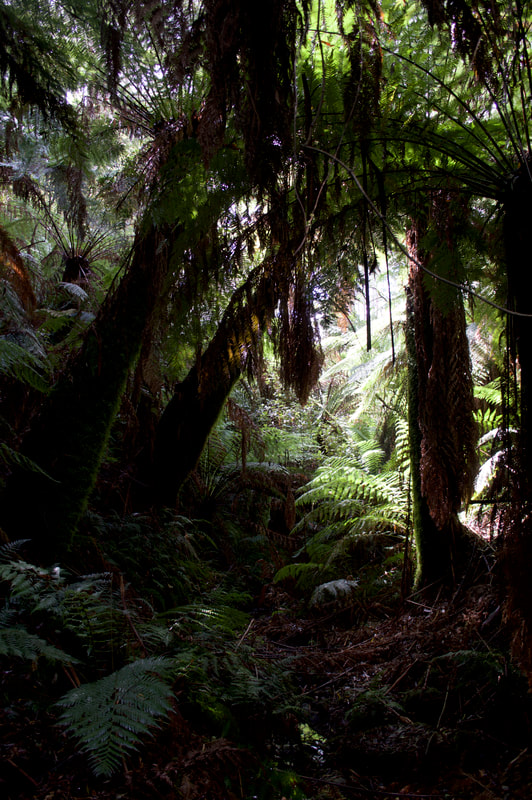
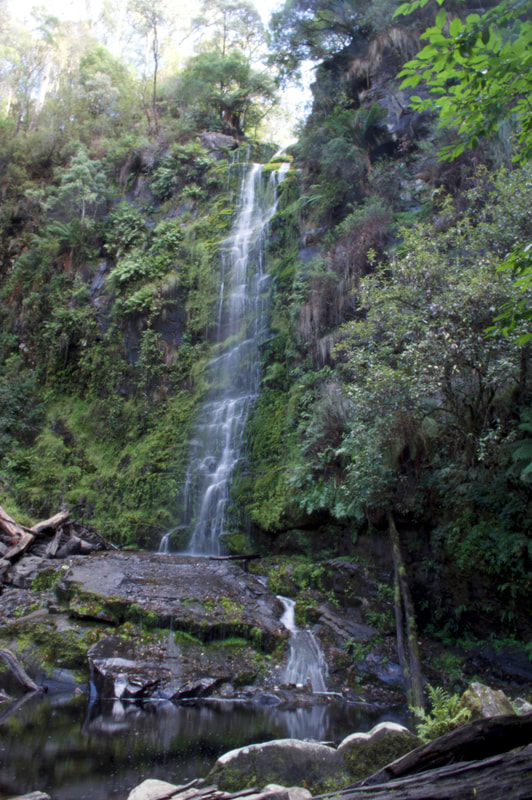
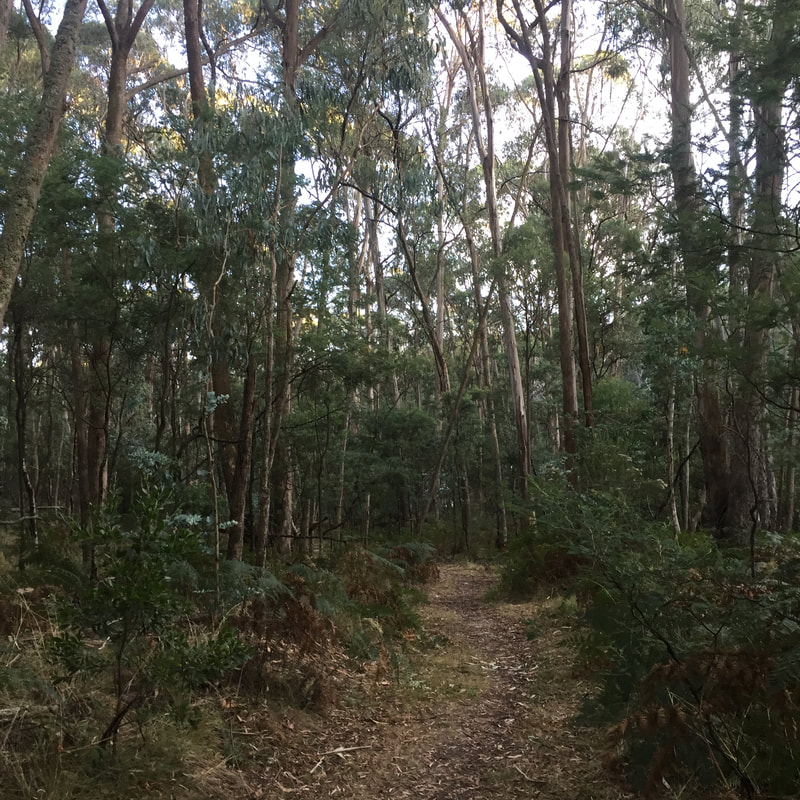
A road can take you directly to Erskine falls, but we pulled up at the Blanket Leaf picnic area and walked the 14 kilometre return trip on the Lemonade Creek track. The track is worth the walk, spoiling us with gorgeous ferns and other thriving Otways flora. Arriving at the falls is a rewarding experience after walking the track, the water was running steady proving us with a soothing soundtrack at the bottom.
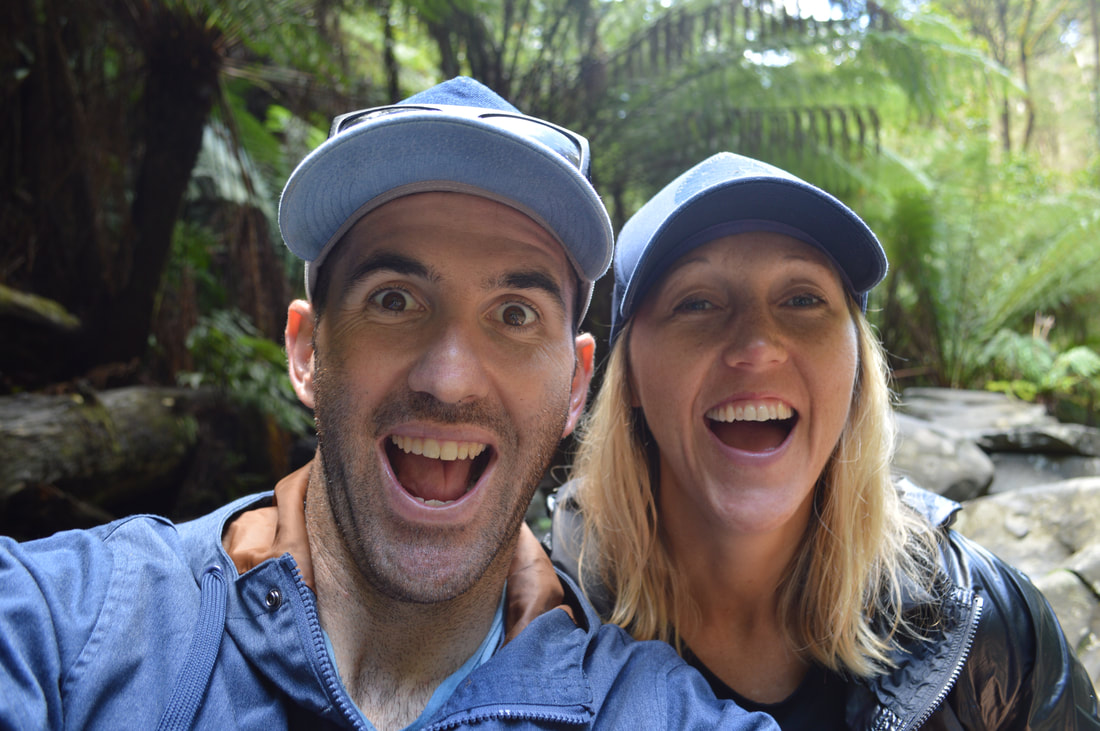
We strolled back on the same route back to the Blanket Leaf picnic area feeling more refreshed than when we started out the walk. That’s just what nature does to you. We highly recommend taking the track instead of driving to the falls, it makes for a different experience. At Blanket Leaf jumped back in Cherry and retired for the day at the Great Ocean Road Chocolaterie for Scones.
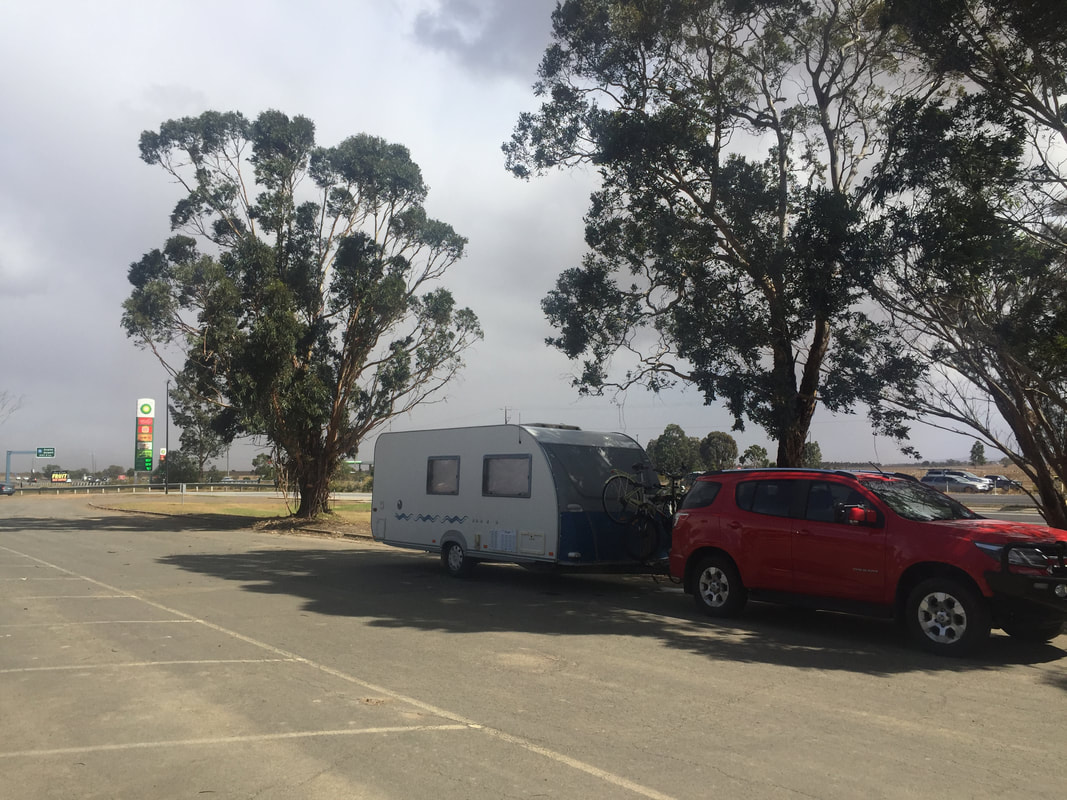
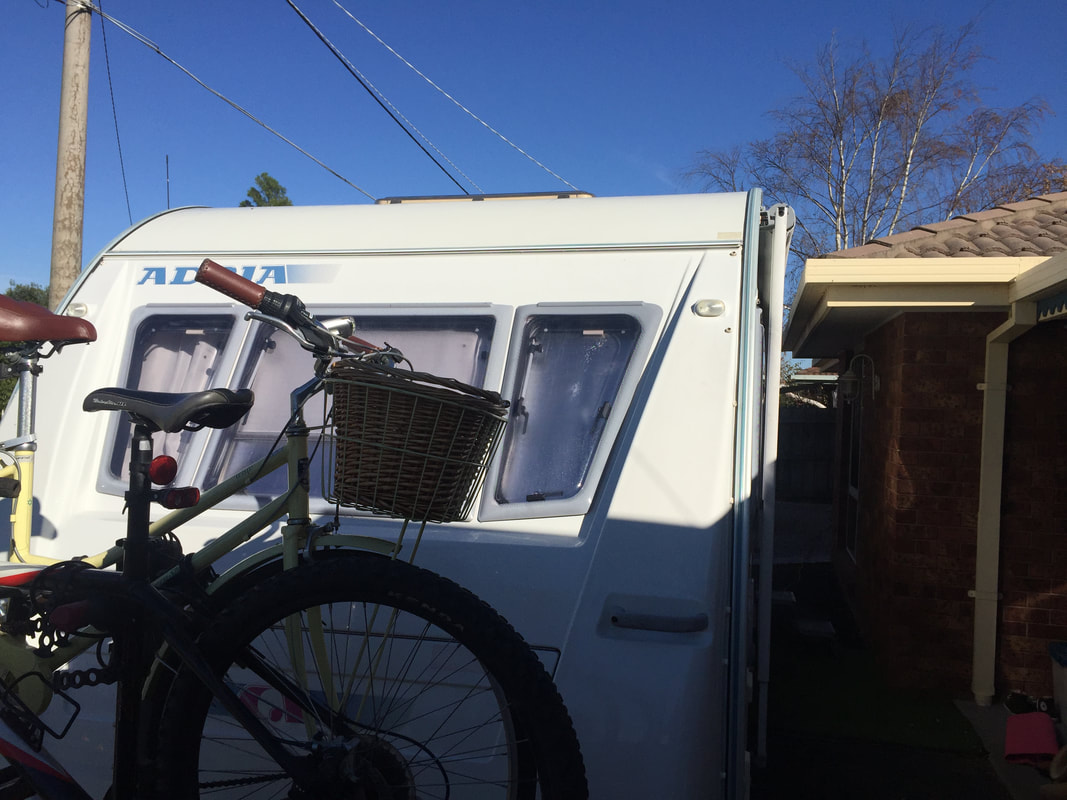
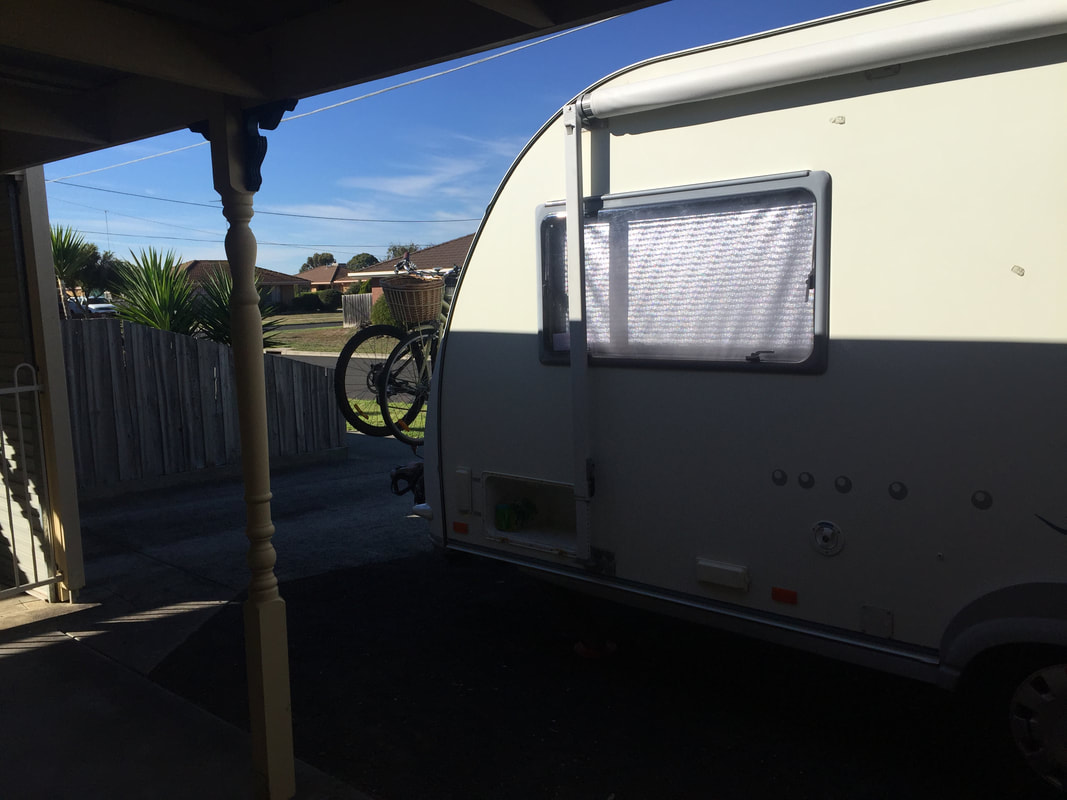
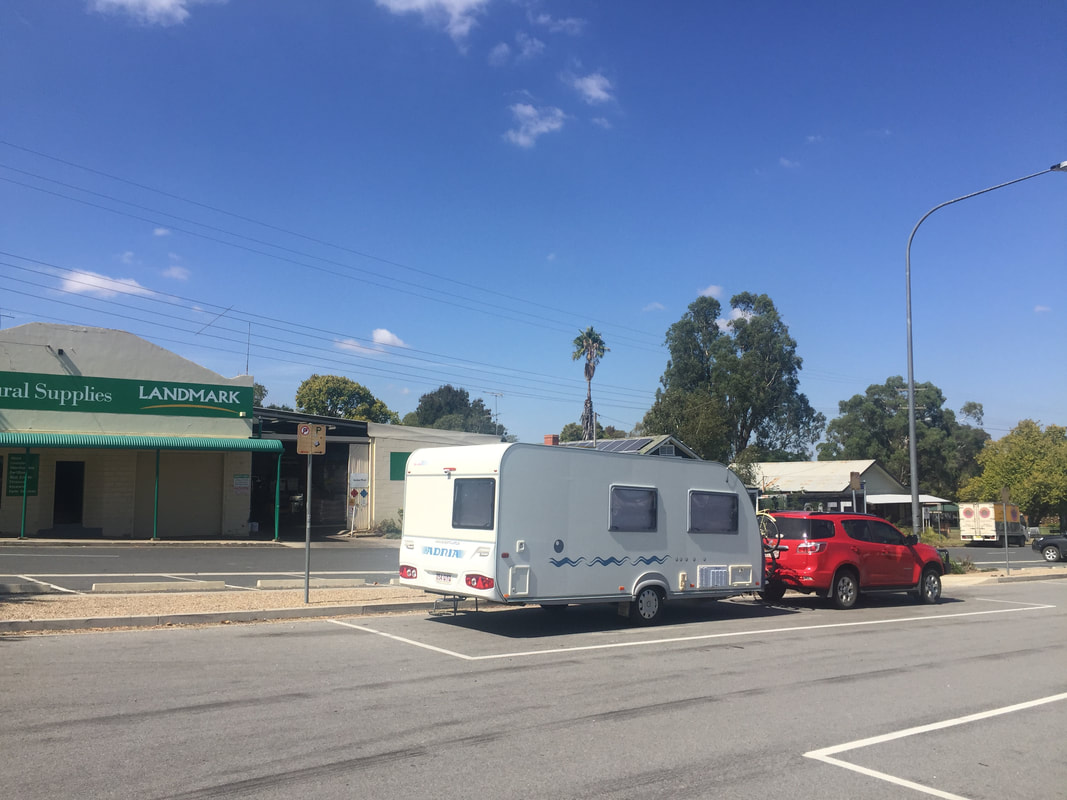
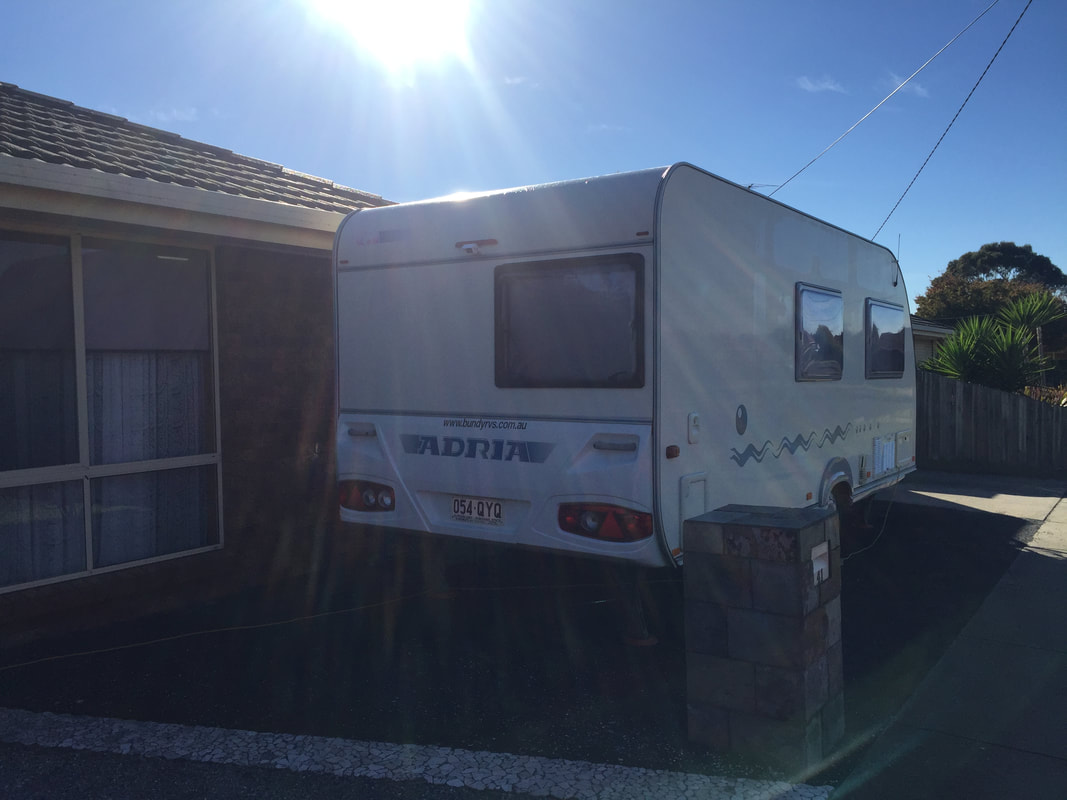 Wild weather the night before our departure from Bendigo determined our 190 kilometre route, via the Calder Freeway, around the Western Ring Road and onto the Princess Highway into Geelong. Strong winds and intermittent rain left another scare on Florence, a second roof hatch blew off at some stage during the journey leaving another gapping hole in the roof. Thankfully Shovel, having had practice with the first missing sky light roof hatch in Emerald, was able to efficiently fix a piece of perspex with the help of his trusty go to Sikaflex. We were fortunate to pull up at Gumby's parents place and were welcomed after two months on the road with a beautiful home cooked meal, a continuous hot shower, flushing toilet, lots of hugs and of course an excited Snoopy aka The Poop, a 13 year old kelpie/labrador, who Gumby hadn't seen for over two years.
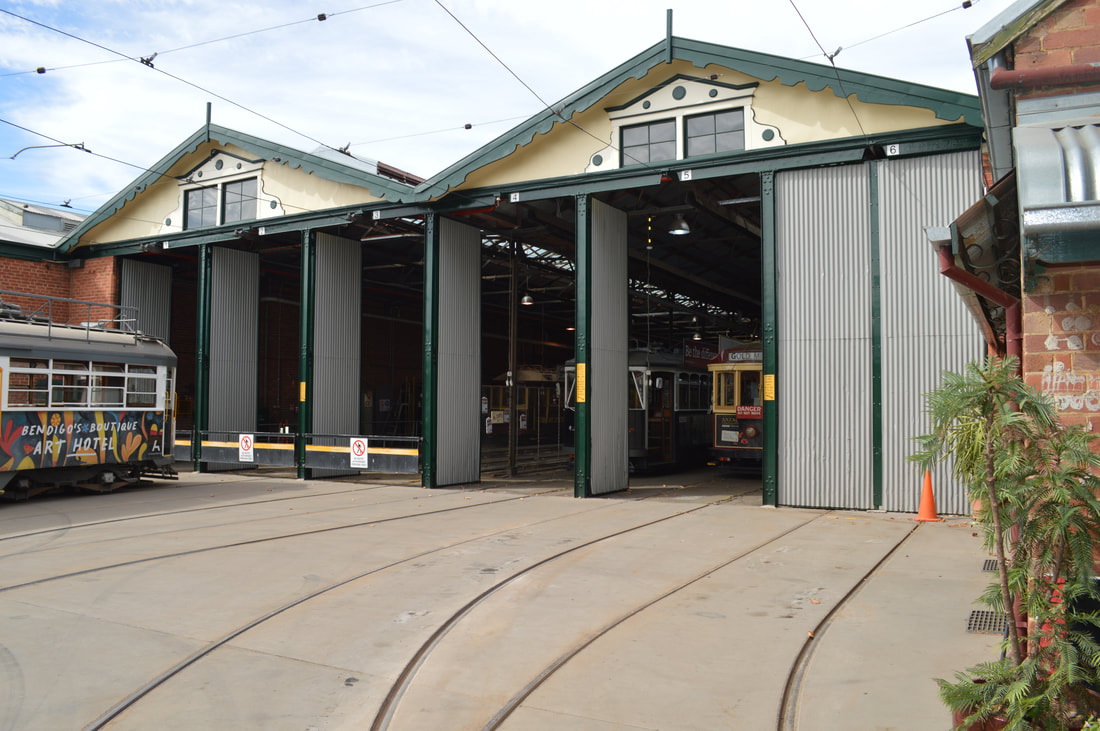
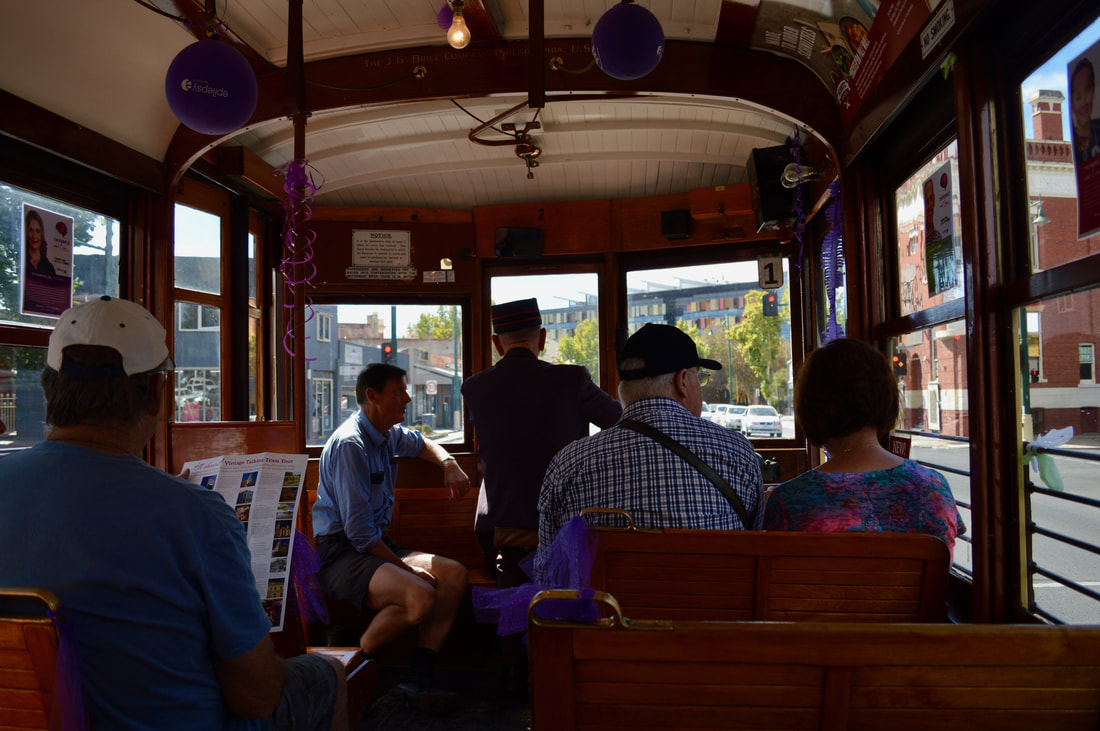
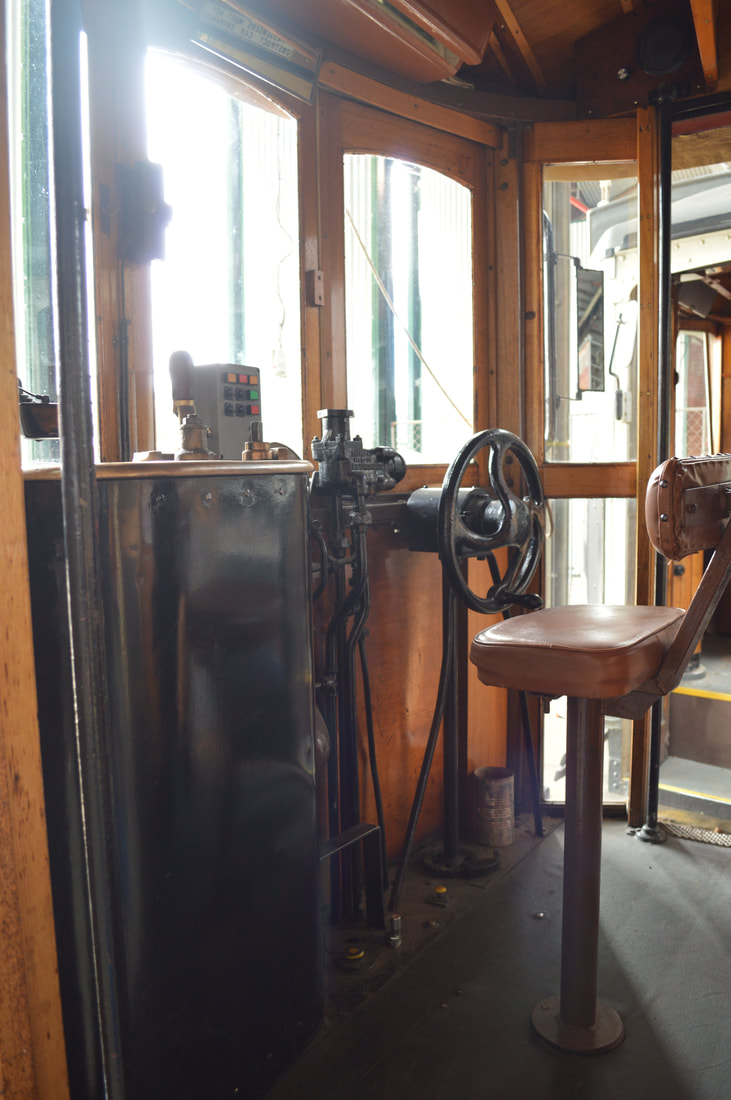
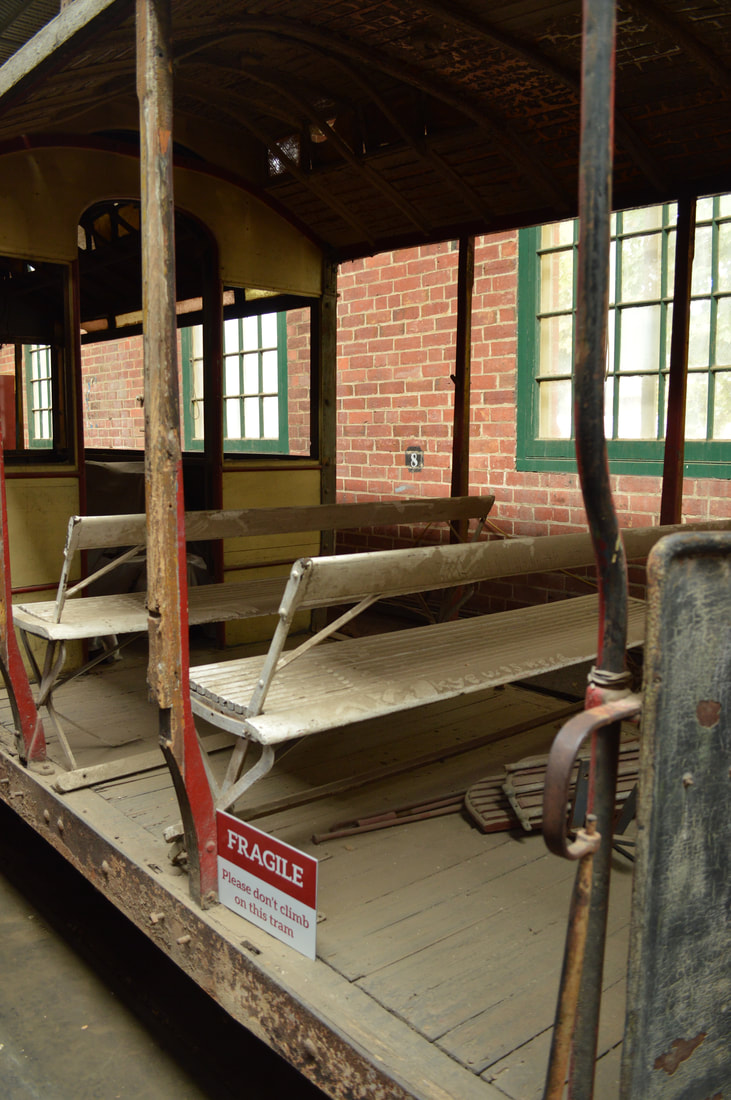
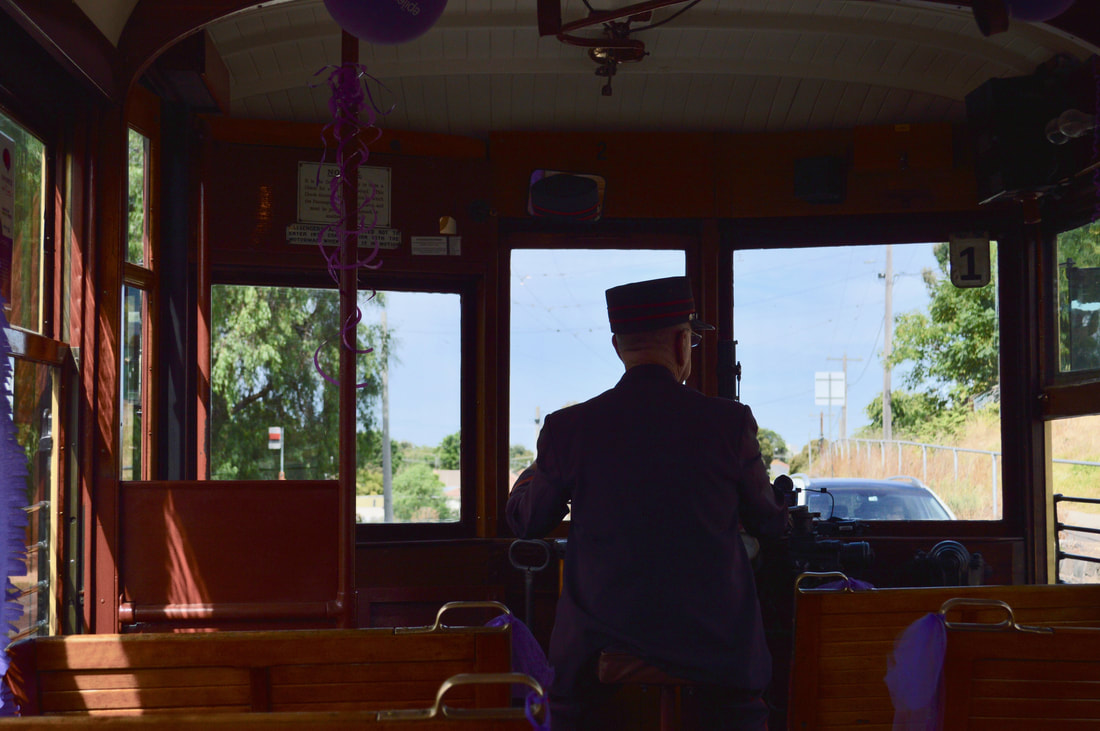
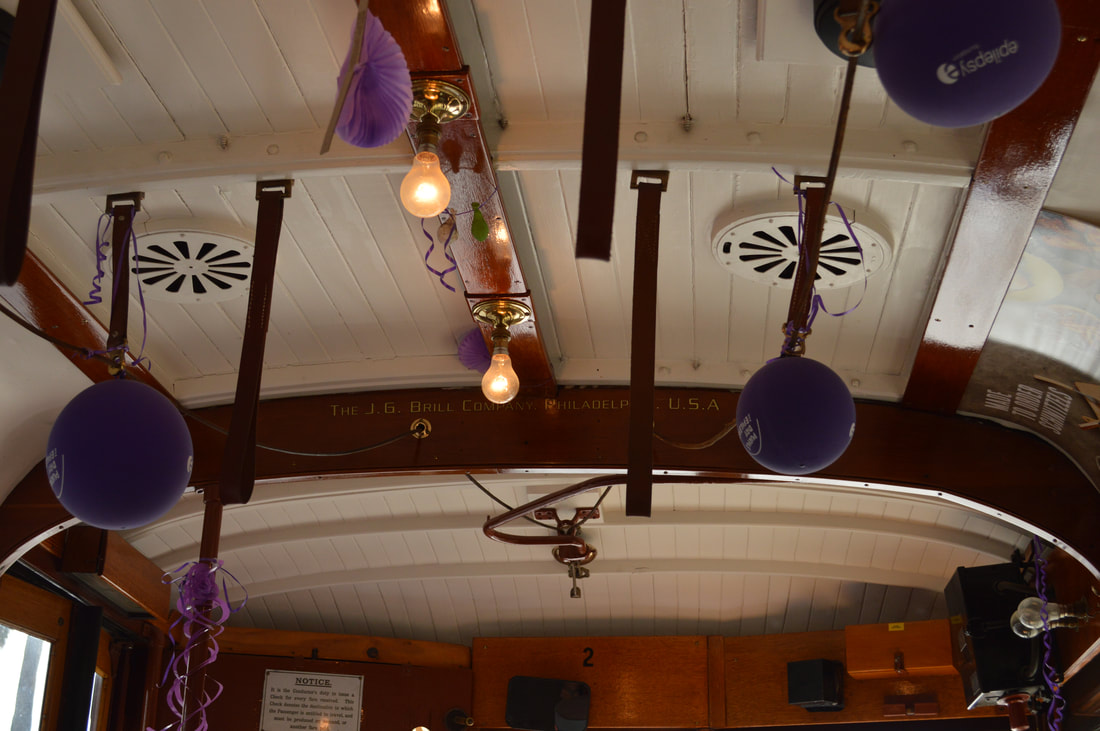
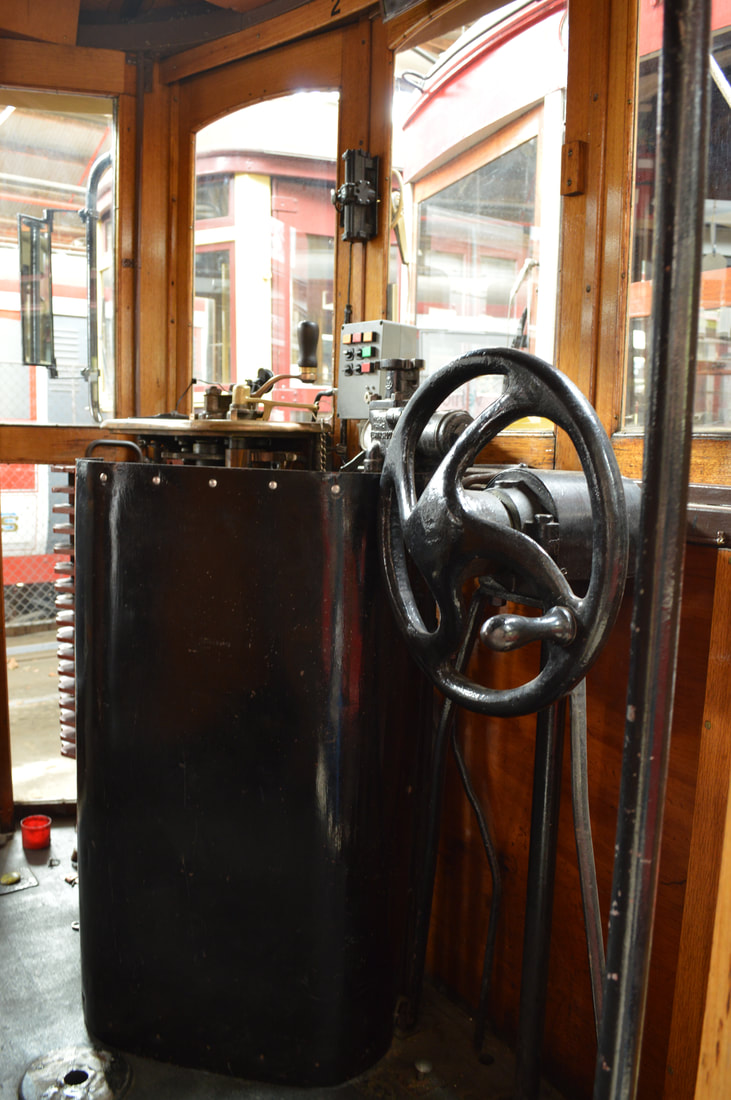
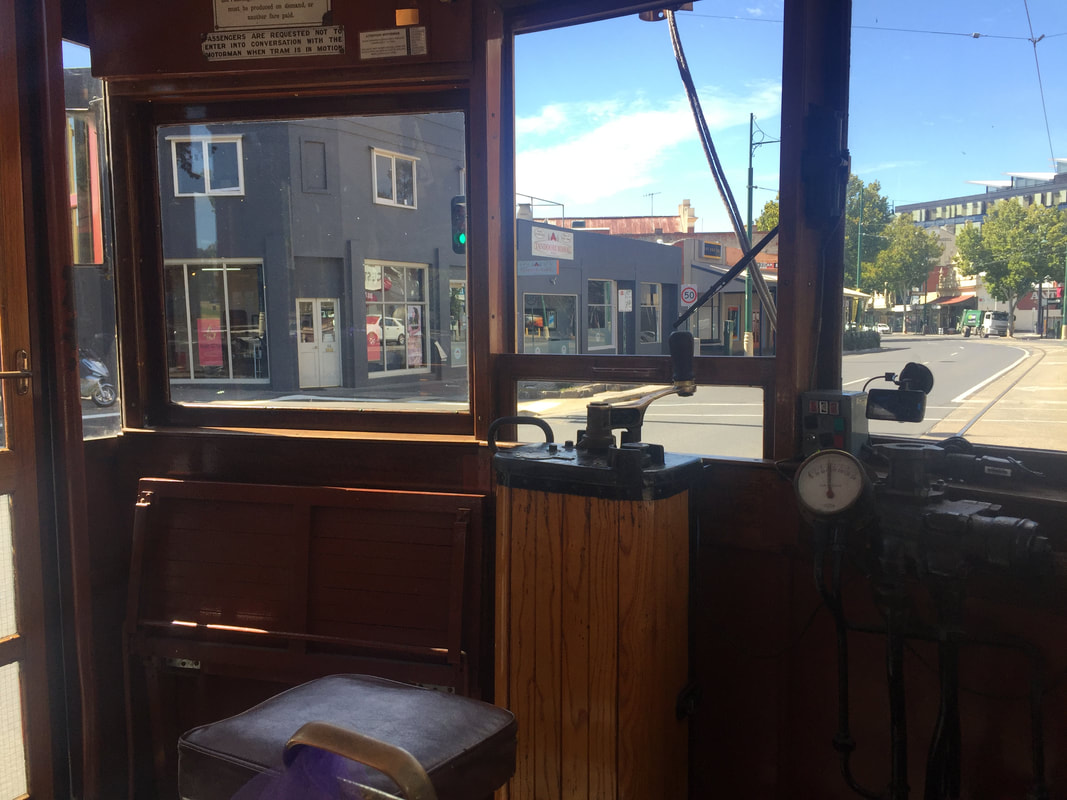
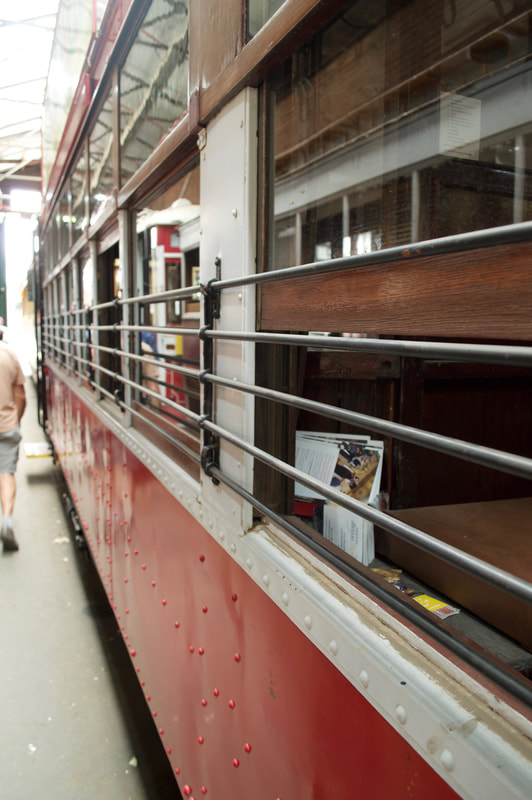
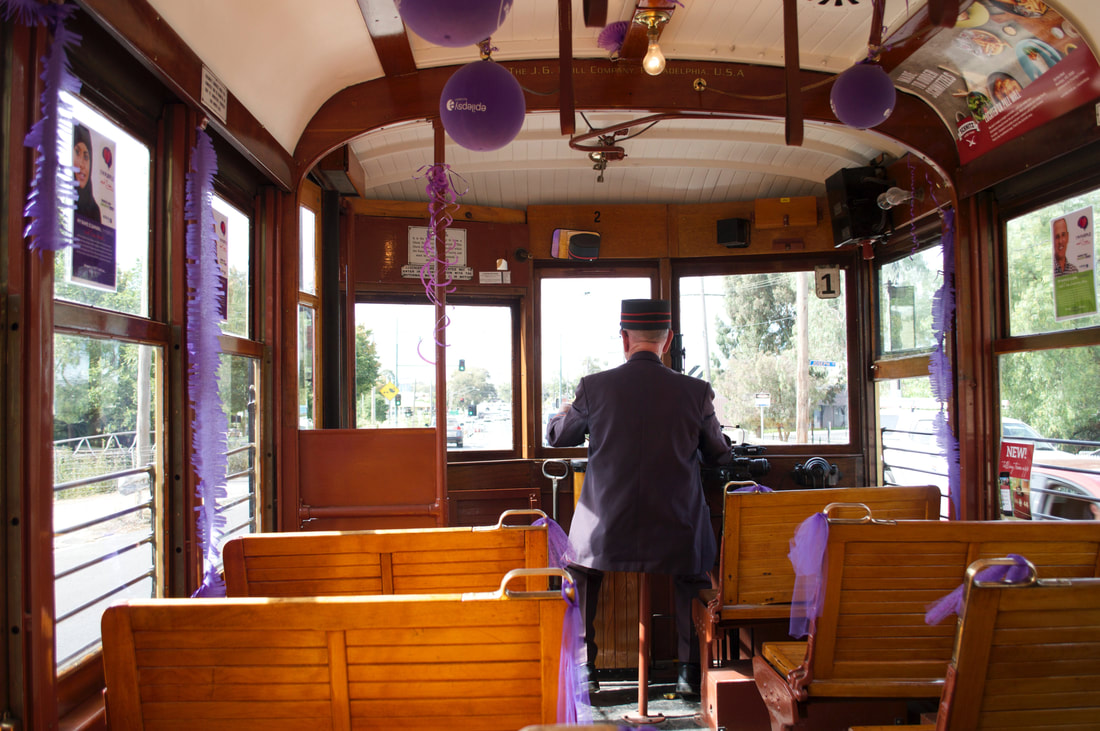
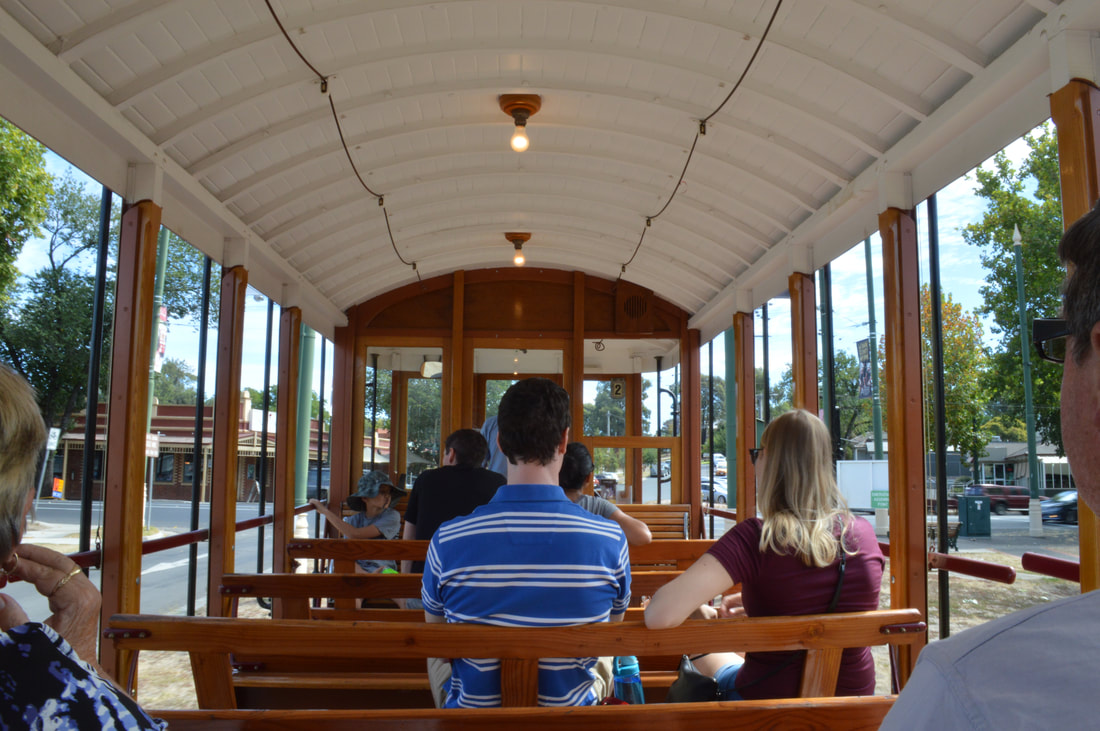
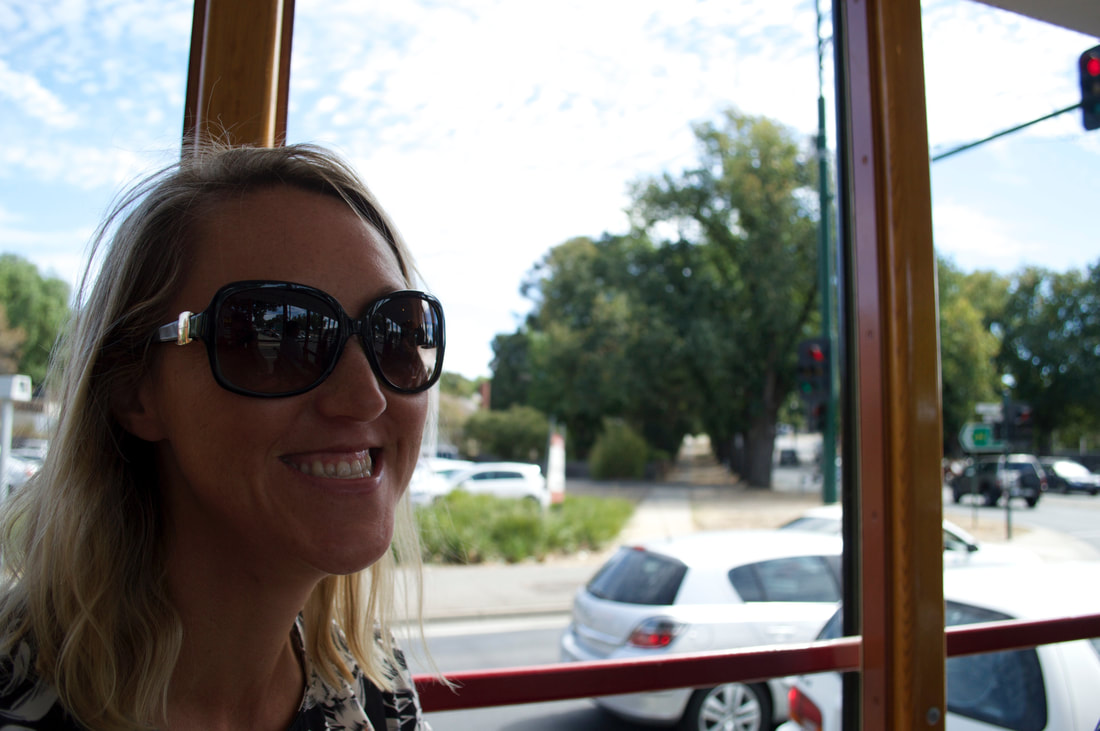
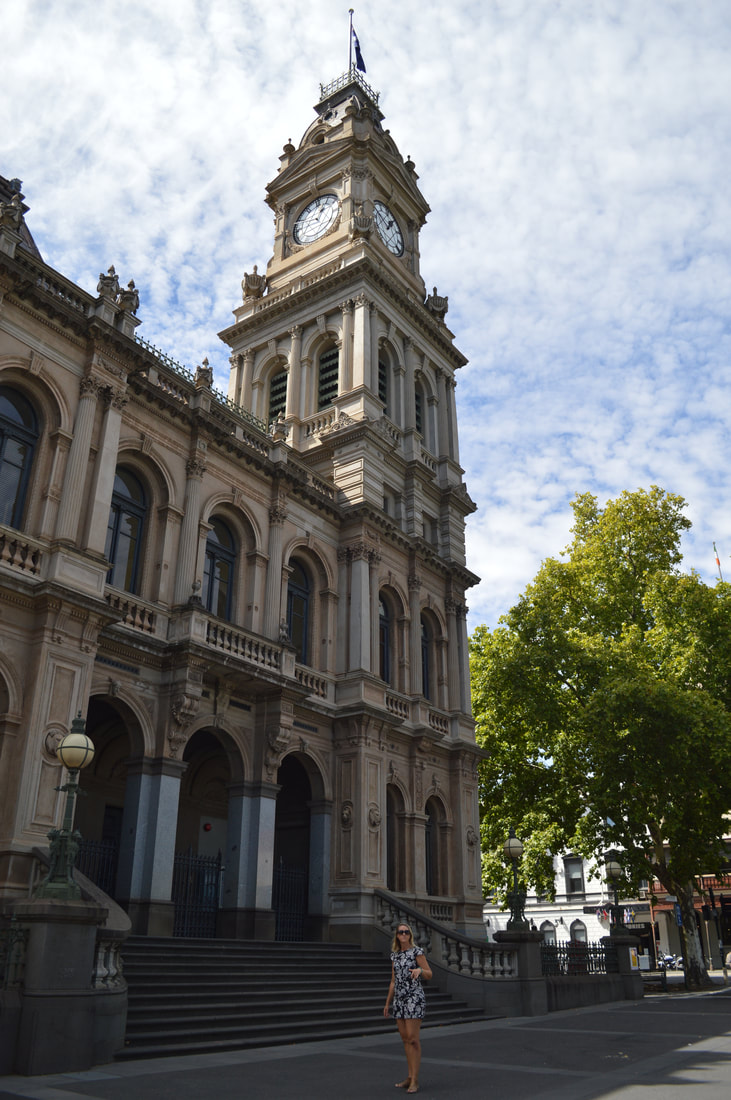
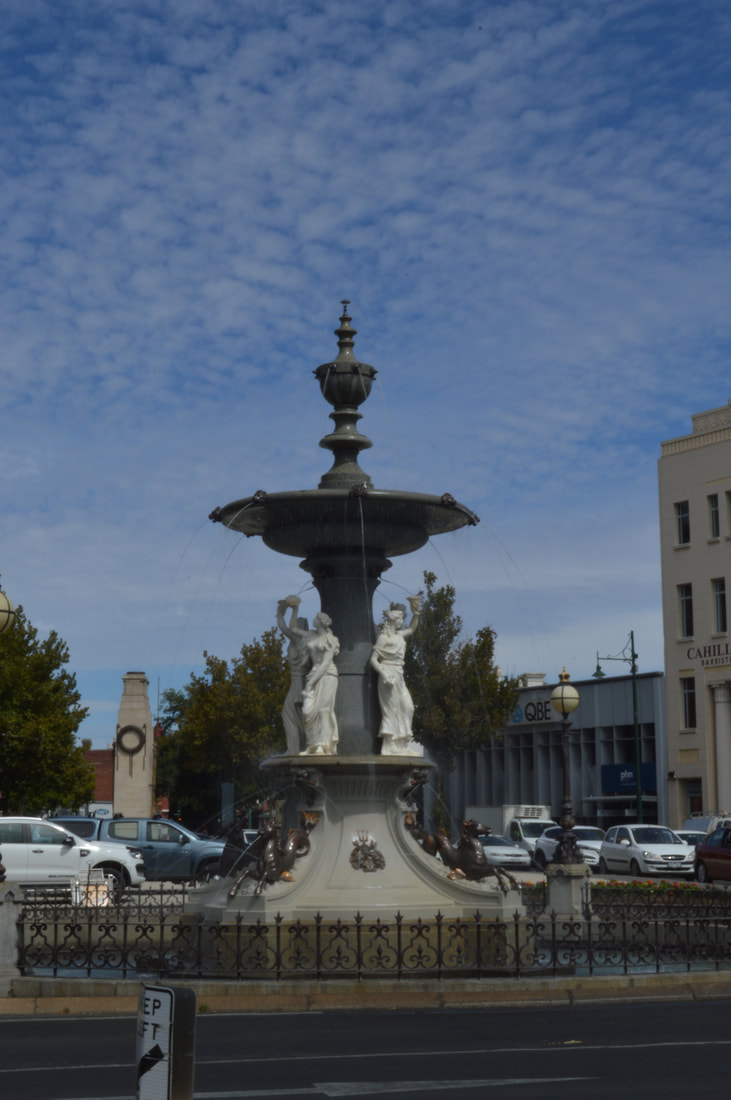
I have to be honest, Bendigo didn't live up to the hype. My expectations were high, given that I'd heard when previously living in Geelong the town had completed extensive restoration works to preserve historical buildings, injecting a new vibrant atmosphere into the area. Admittedly I didn't feel this new energy, probably because I had a sore knee, but I wasn't sold on the town's preservation of history. Having said that, what I did enjoy was the talking tram and felt this was an interesting feature and quirky tourism done well, thanks to a dedicated team of volunteers maintaining, driving and conducting the trams. In 1972 the original passenger tram system was closed due to dwindling usage. News of the closure was met with wide criticism and people took to the streets, approximately 20,000 to say farewell. This overwhelming response prompted local government to implement a 'tourist service' that would see the restoration and preservation of many trams (there are currently 45 trams in the fleet) from all around and the Heritage Registered Bendigo Tramways Depot is now the oldest operating tram depot in Australia.
What was once a British settler sheep station first established in 1837 dramatically changed to a bustling township in 1851 with the discovery of alluvial gold. In less than a year the population had swelled to approximately 40,000, of mostly prospectors looking to stake a claim and strike it rich. Underground quartz reef gold was then discovered and during the 19th century the Bendigo gold mine was one of the highest producing in Australia. It is said the name of the near by creek derived its name after a local English bare-knuckled prize-fighter, nicknamed 'Bendigo.' In 1863 Sandhurst became the official name of the town, but was always unofficially Bendigo until 1891 when it was officially changed.
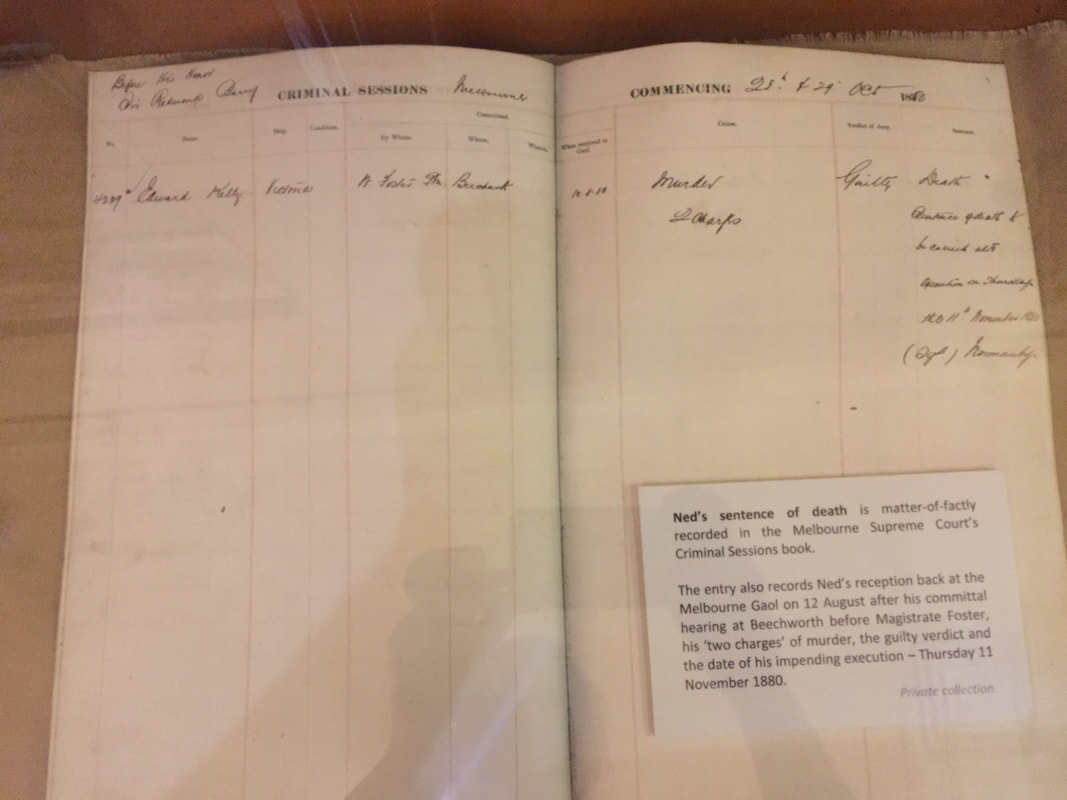
Glenrowan was the scene of the 'Final Shootout' between Law Enforcement and the Kelly Gang. Ned and the crew had devised a plan to derail a train carrying Police Officers. The cops found out and foiled their attempt, but not before an epic gun battle ensued at the Glenrowan Inn. During the seven hour siege, Dan Kelly, Joe Byrne and Steve Hart died. Ned was shot several times, but fought right to the end, eventually being detained by the cops and was later hanged in the Melbourne Gaol on 11 November 1880.
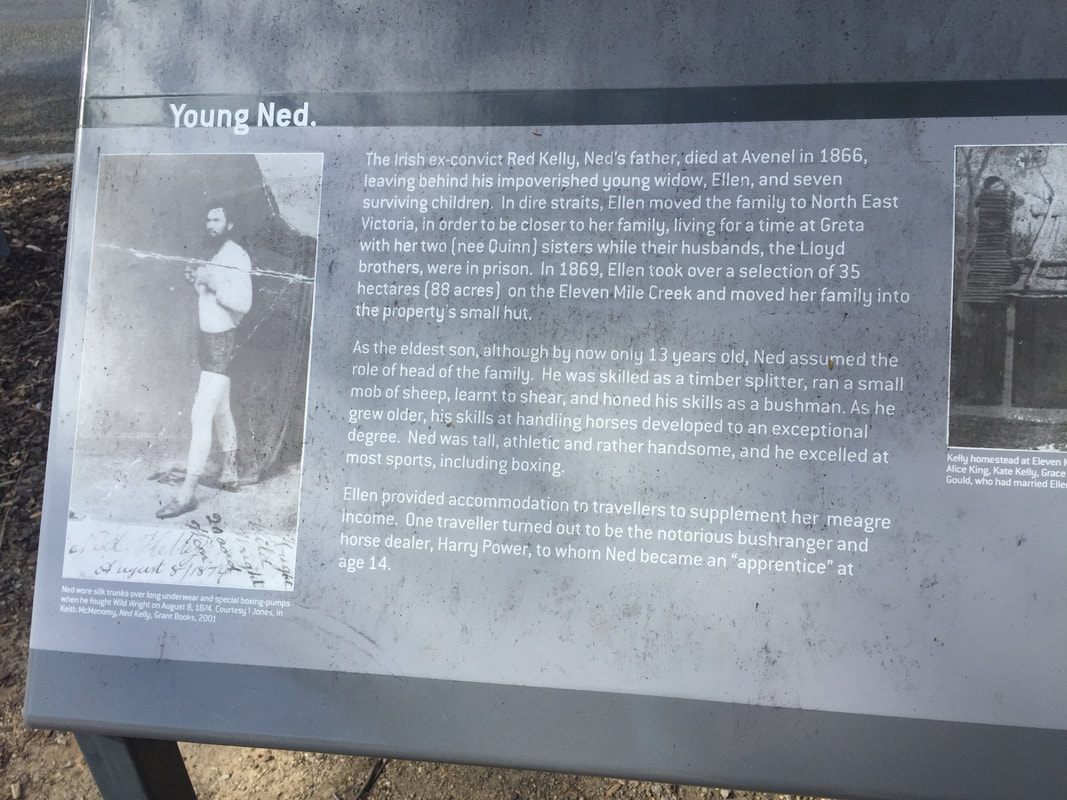 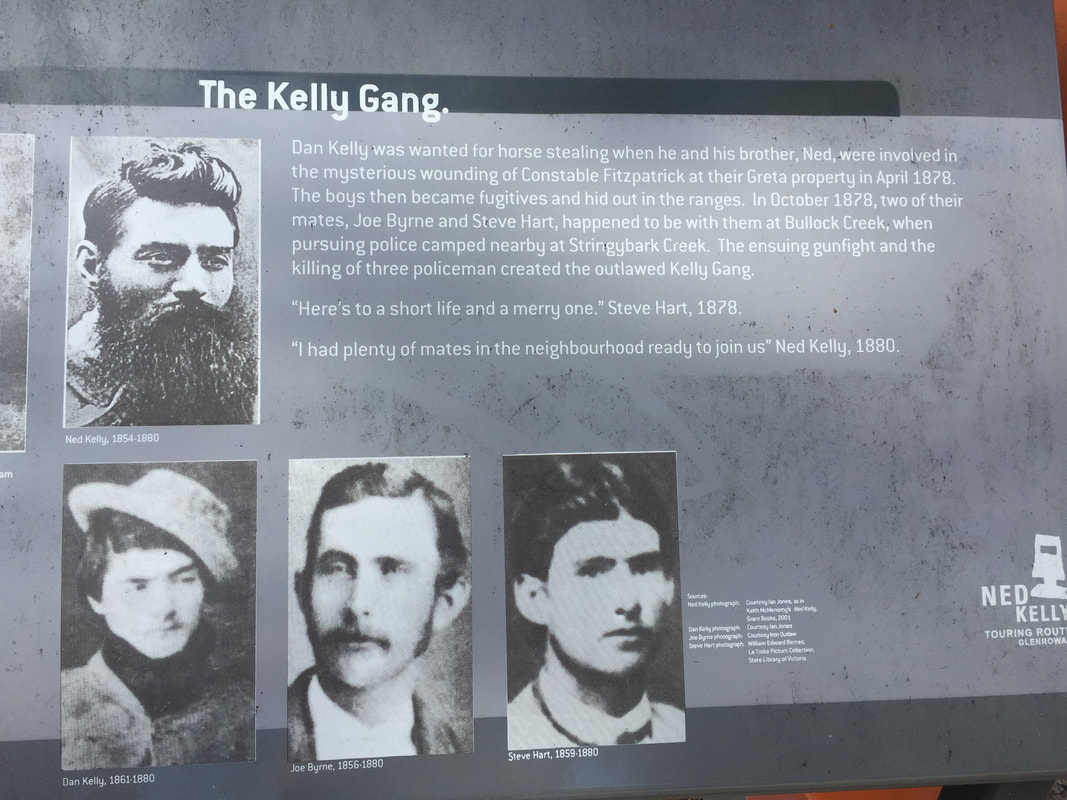
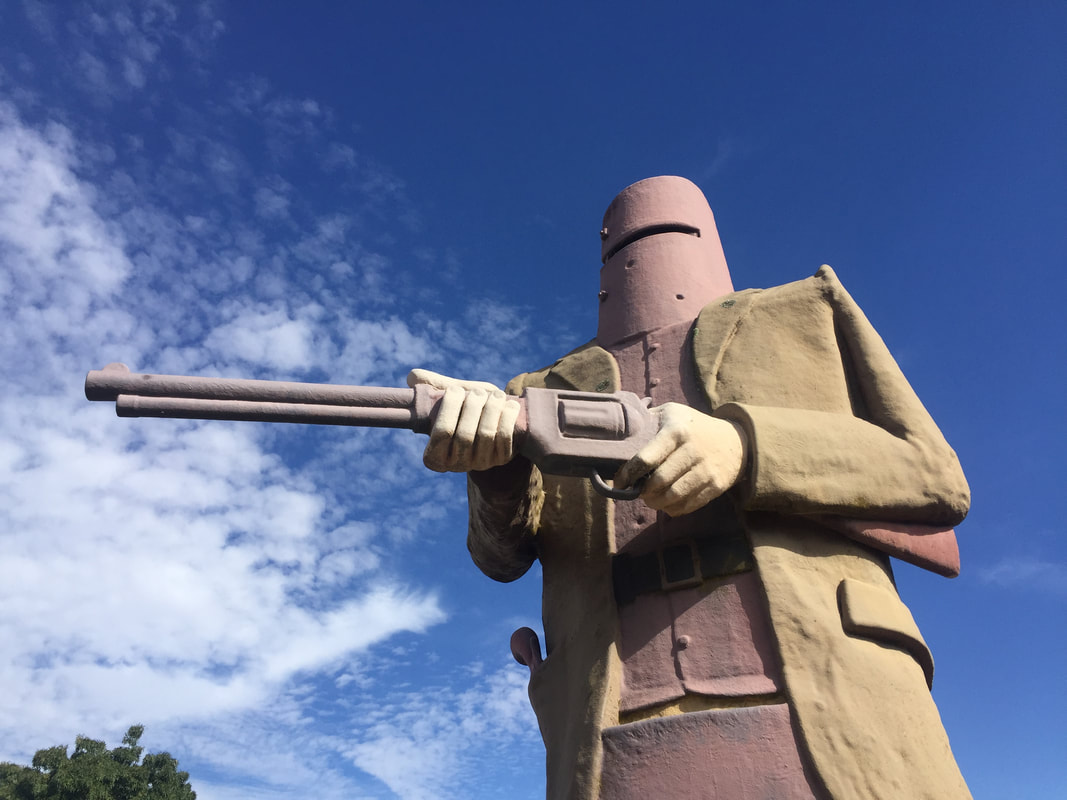
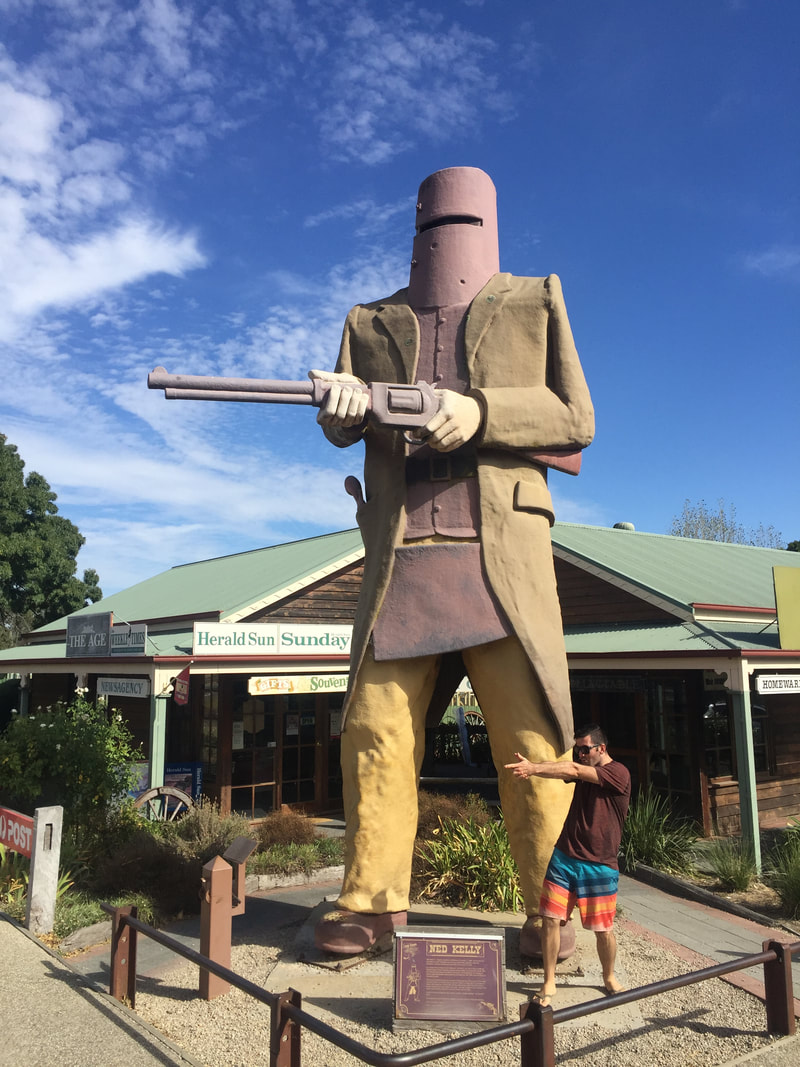
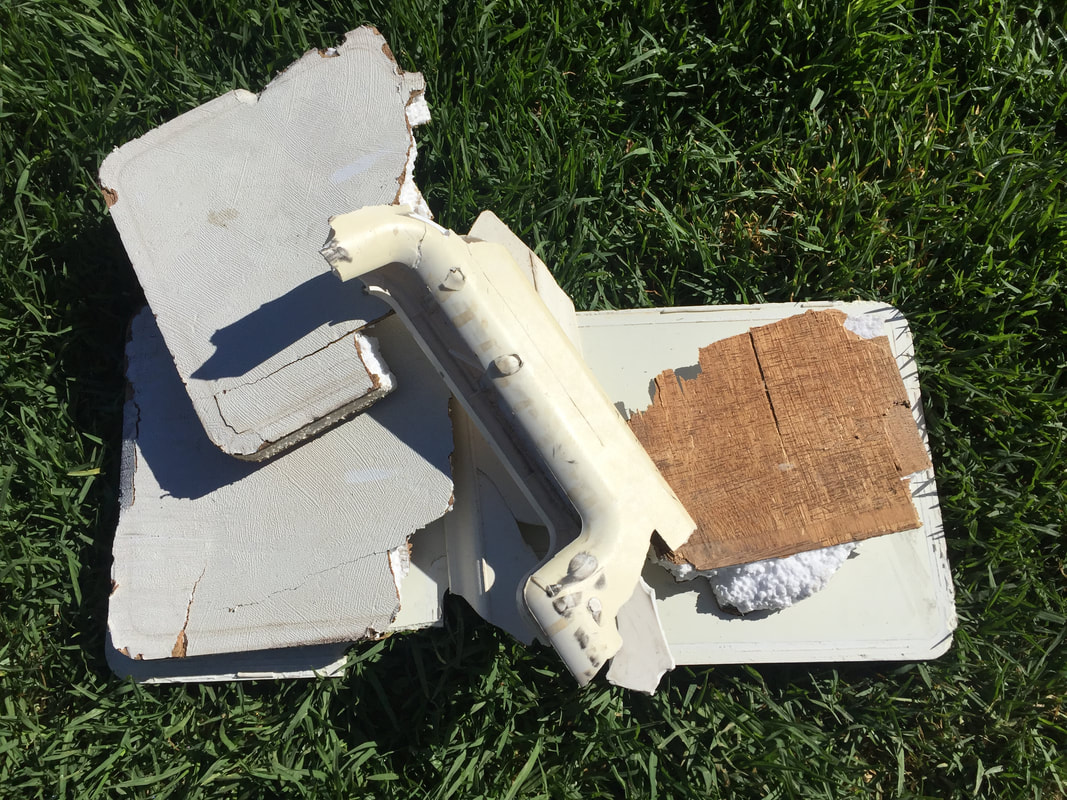
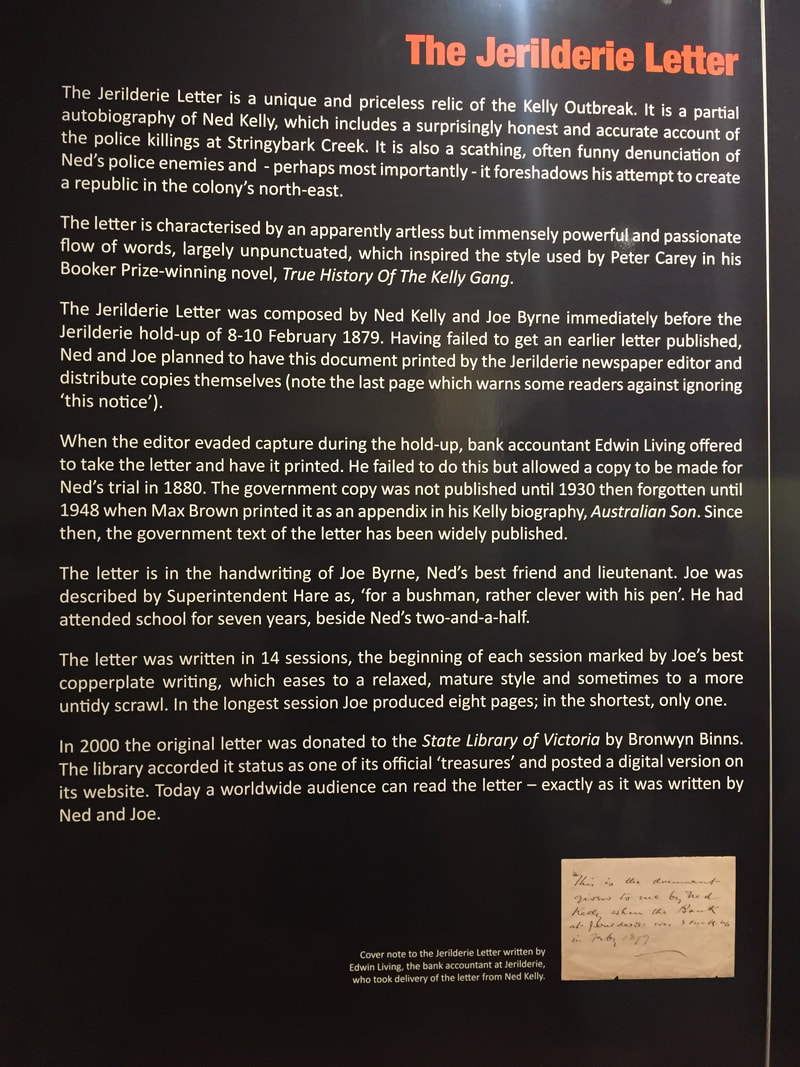
The township of Glenrowan boasts an animatronic reenactment of Ned Kelly's final stand, which was closed on the day we visited town and a massive sculpture of Ned in his trademark homemade armour. Shovel seized the opportunity to have a photo with the original hipster himself. The road from Glenrowan towards Bendigo called the C345 was horrendously bumpy and narrow with barely a shoulder. Had we had known we would have looked into going through Shepparton instead. During the ordeal we heard a thud. We pulled off to the side where we could to discover the door to the front side compartment had broken off. Further back along the road we found the door in multiple pieces, one larger piece baring the marks of tyre tread from a truck. We picked up the pieces and made our way into Bendigo, thankful no other damaged was done or no one was injured.
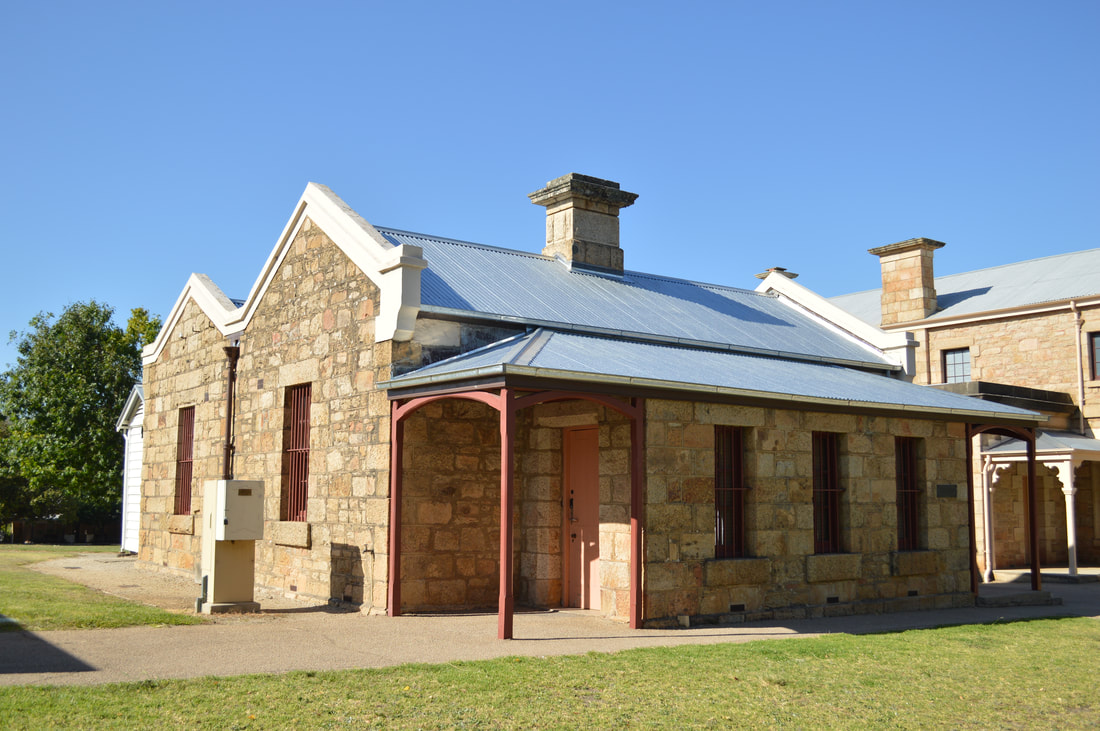
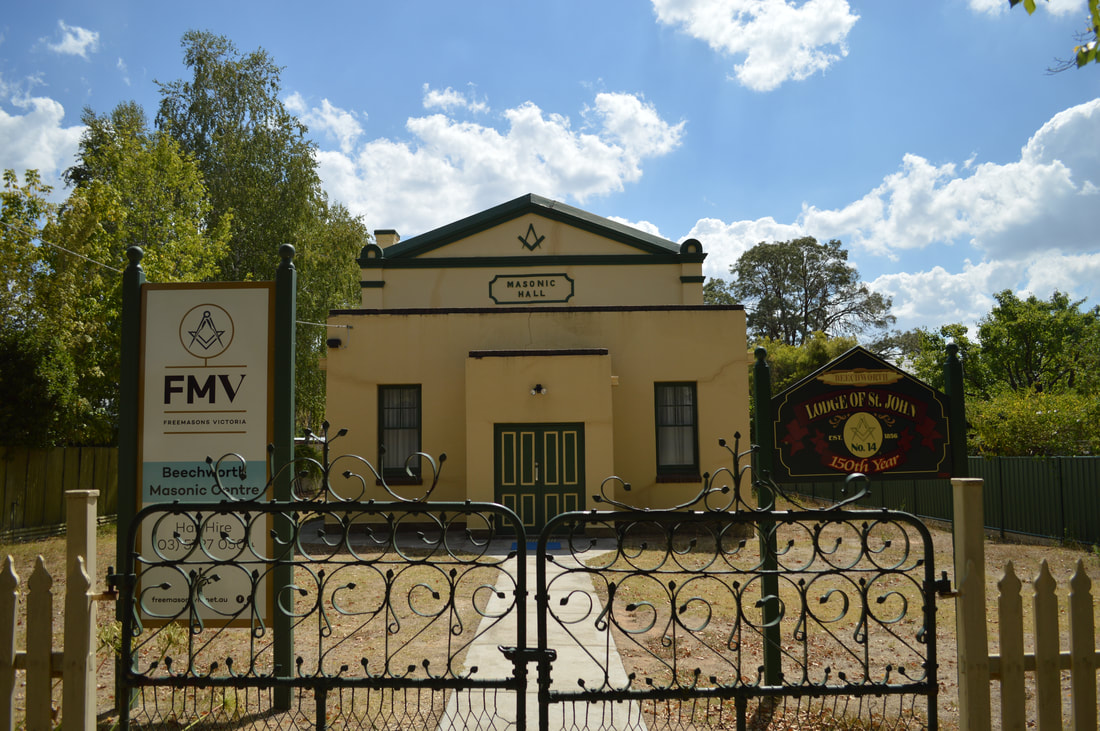
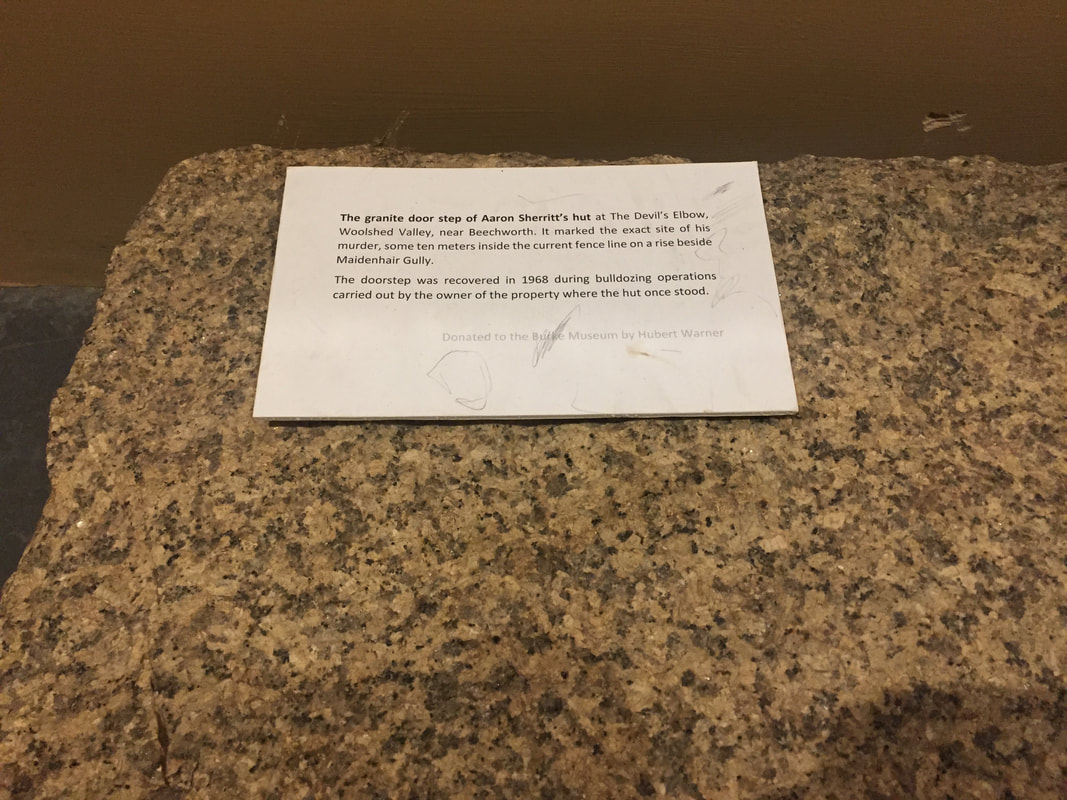
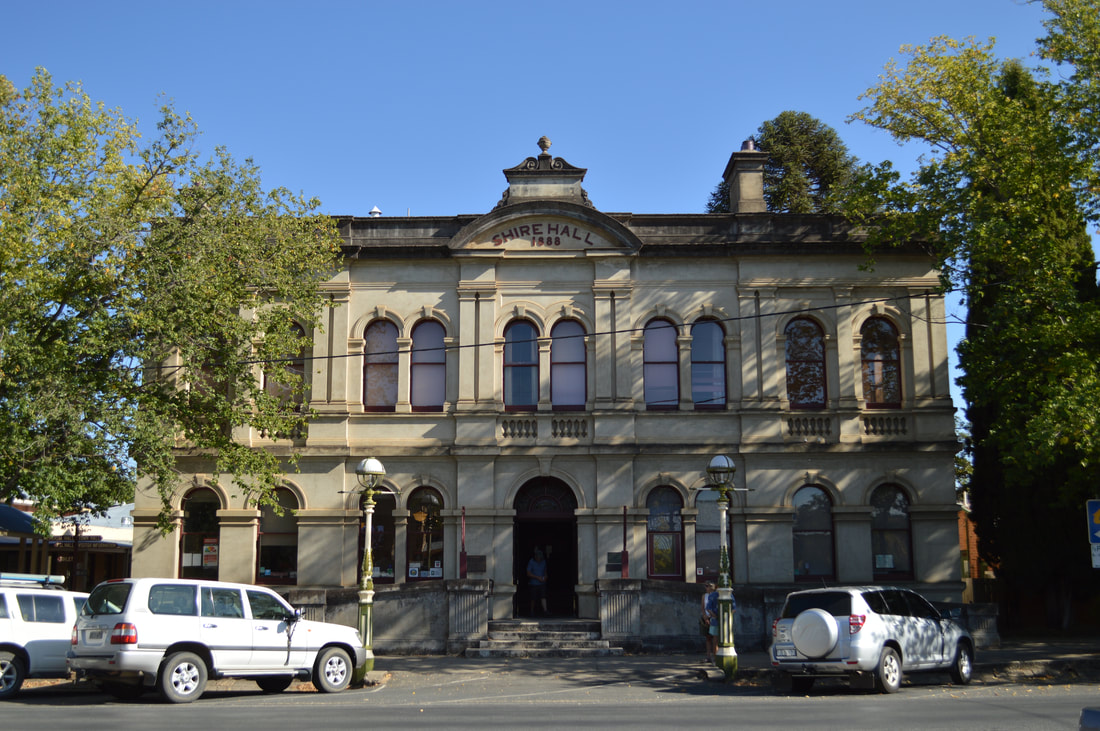
Beechworth is a well-preserved historical town that thrived in the gold rush days back in the 1850’s. The region was originally known as Mayday Hills until regular findings of gold transformed the grazing land into a thriving gold rush town, officially being called Beechworth on the 1st of January 1854. The boom times brought in a large variety of industries to the town, this included a tannery, jewellers, boot makers, a brewery, blacksmiths and livestock sale yards. It had schools, a convent, hotels, a prison with imposing stone walls, a hospital, a mental hospital, court house, police barracks, stage coach companies and a powder magazine.
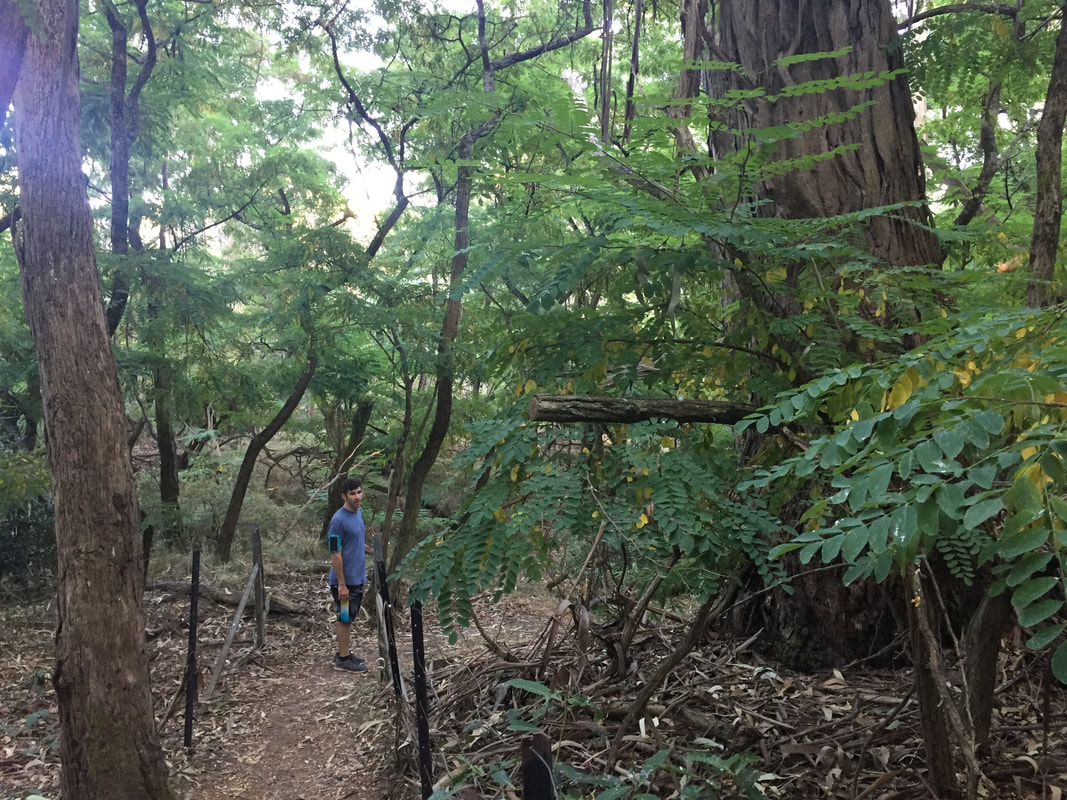
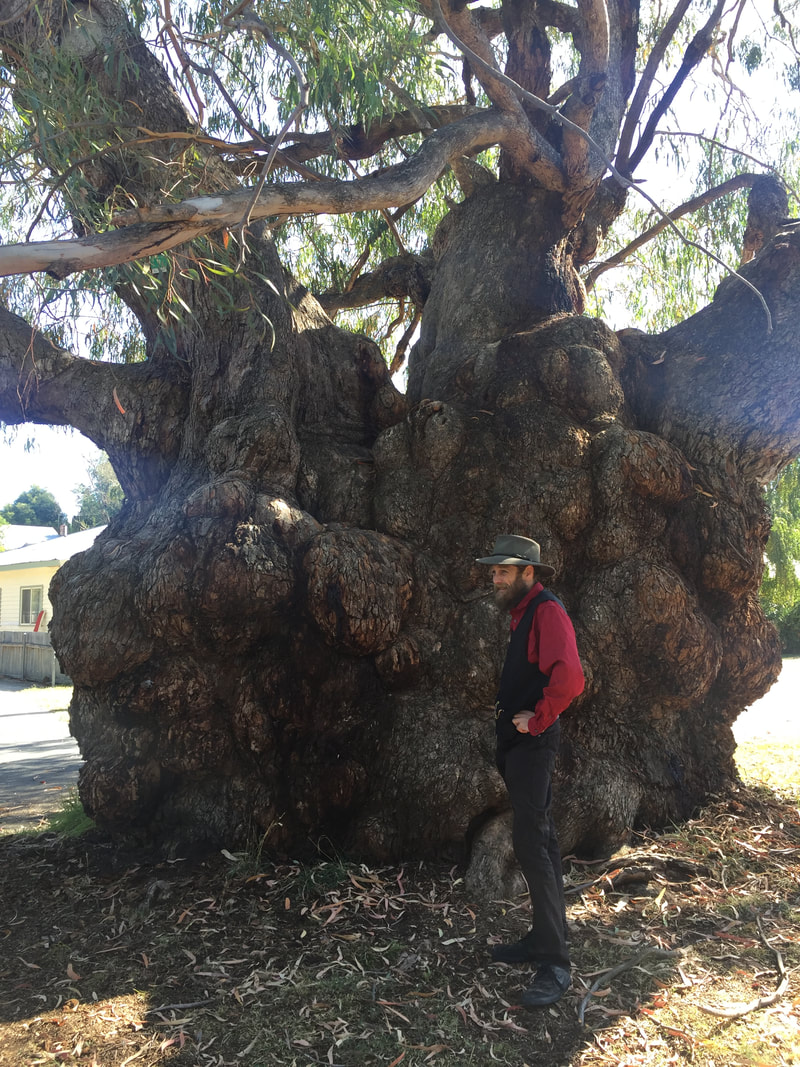
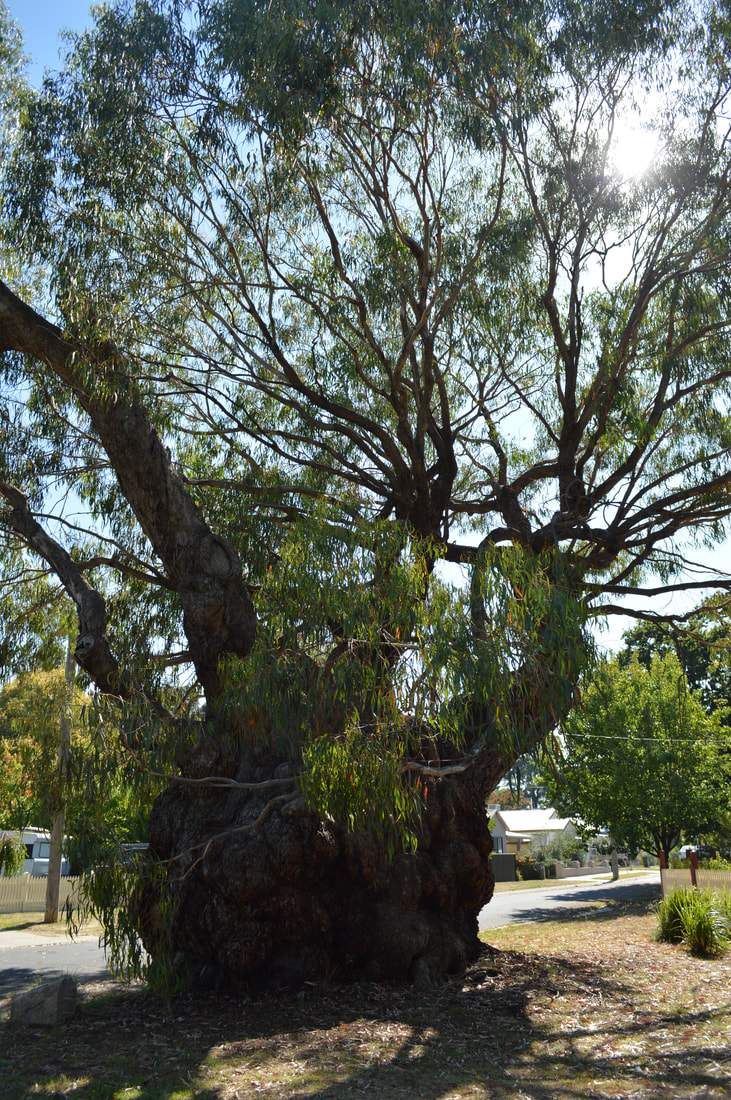
Echos of History Guided Walking TourThis is an Apple Box, But But Eucalyptus Tree measuring approx. 8m in diameter and standing at 23m high. It is said to be over 300 years old and the result of two trees merging together. In the gold-rush era the tree was used as a message board, with messages nailed to the tree. Evidence of which is still visible and is listed on the heritage national trust database.
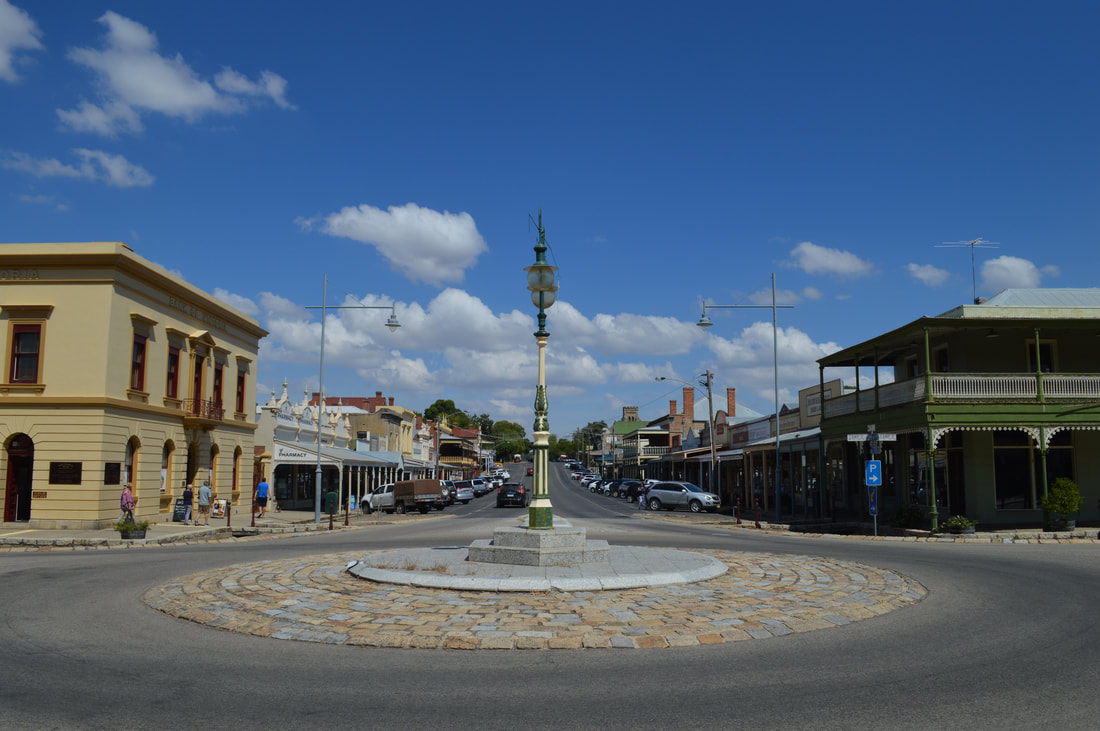
The gold rush days brought people in from the United States, United Kingdom and China, all to try and get a slice of the golden cake. Mining Camps and leases popped up around the region, seeing a population of 3100 soar to 22000 people. Two well known figures of Beechworth are bushranger Ned Kelly, who had many links to the town and Robert O’Hara Burke, the local police officer who embarked on the ill fated Burke and Wills expedition from Melbourne to the Gulf of Carpentaria. The winding narrow challenging roads from Canberra brought us into Beechworth in the afternoon, which welcomed us with blooming autumn flora and streets filled with Victorian Colonial architecture. It was extremely pleasant and even the caravan park was nestled in behind the local Lake Sambell, giving us a beautiful place to stay.
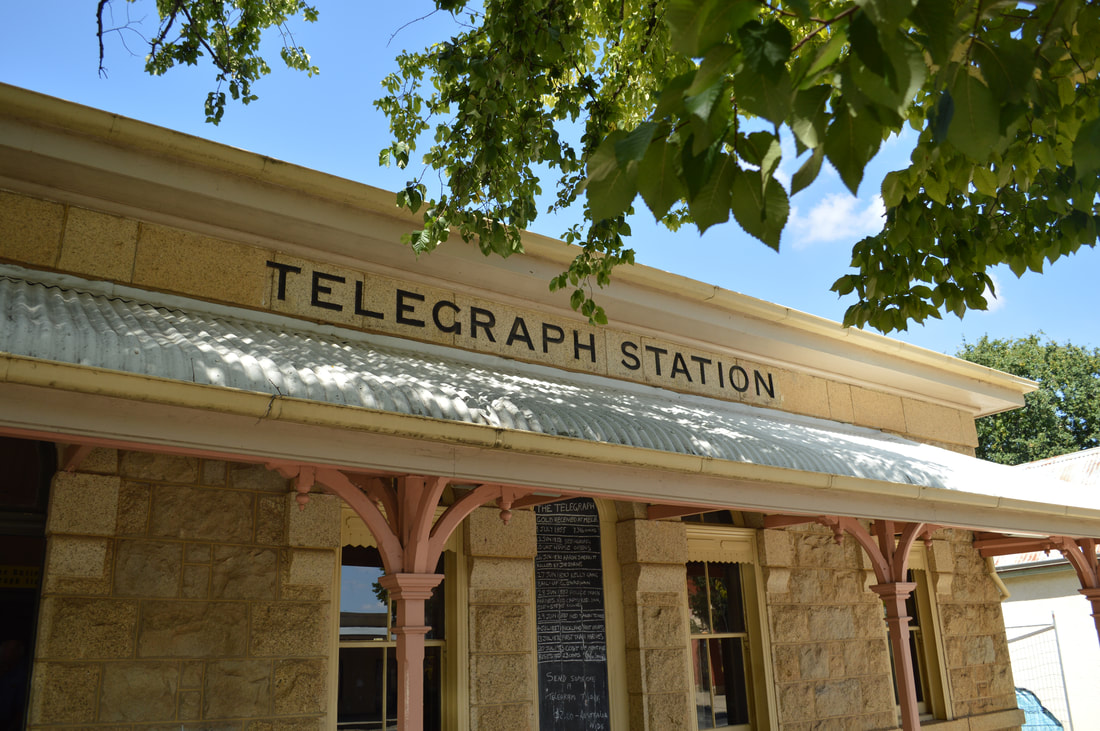
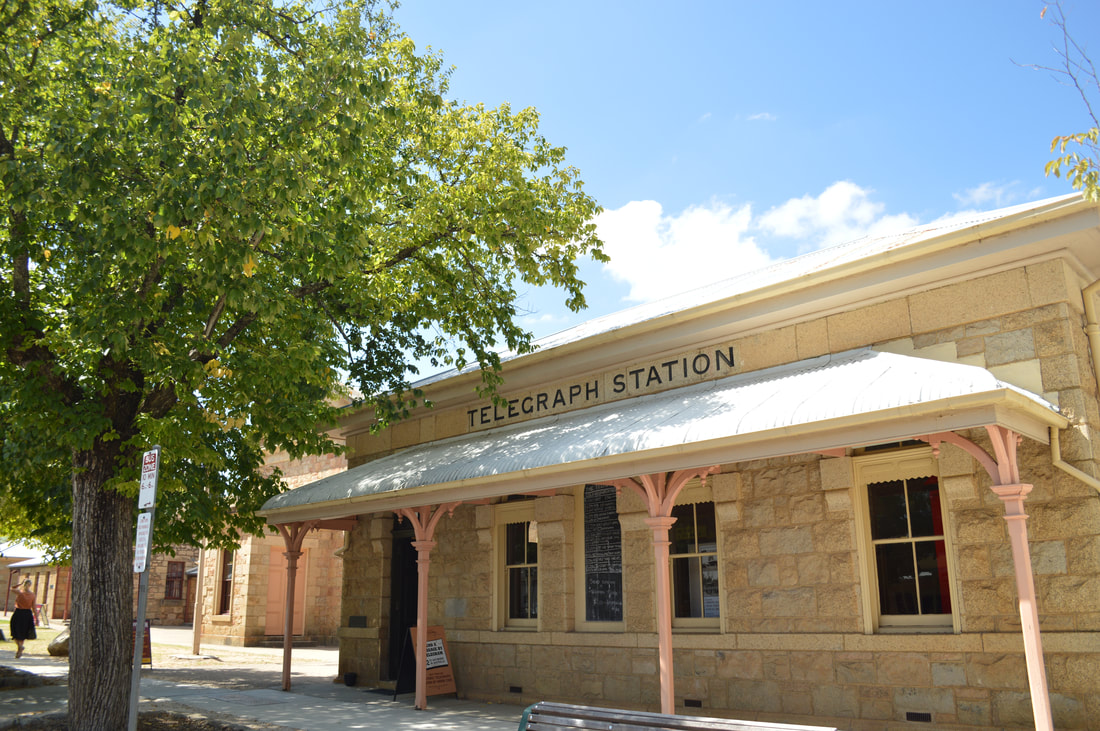
Ned Kelly Guided Walking Tour
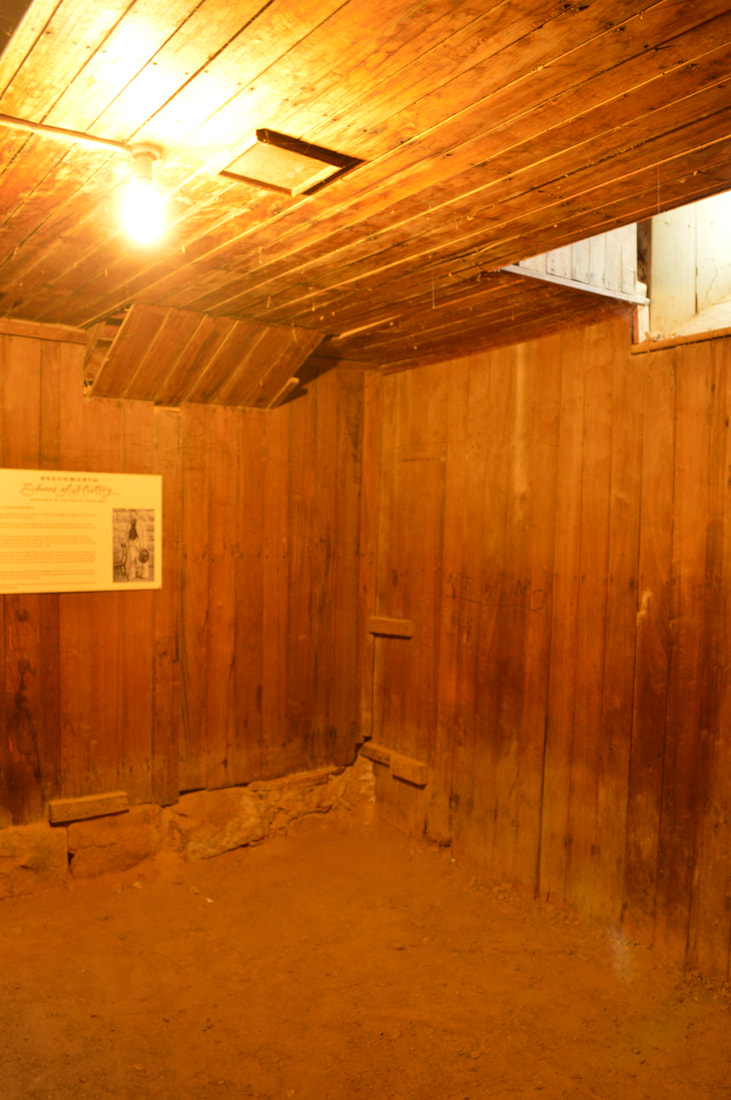
The cell in the Beechworth Courthouse where Ned Kelly spent time prior to sentencing. It is still in the original condition, with the addition of electricity.
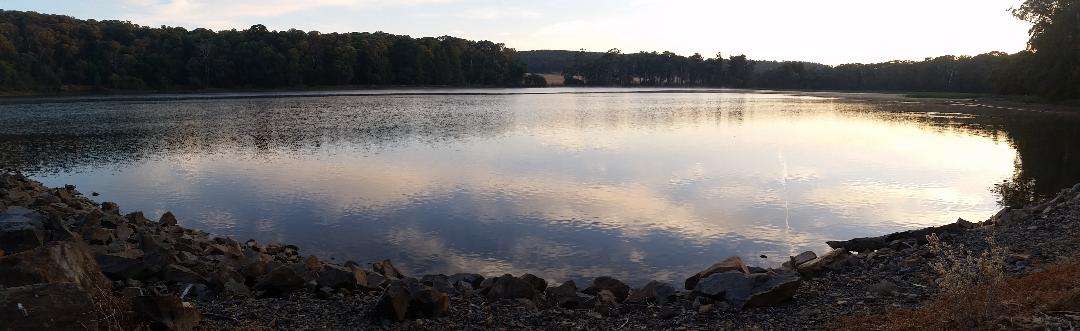
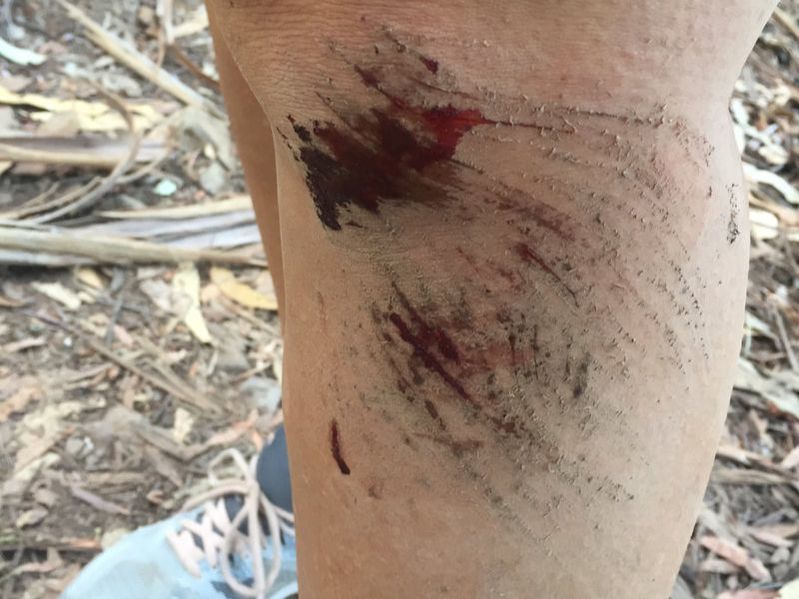
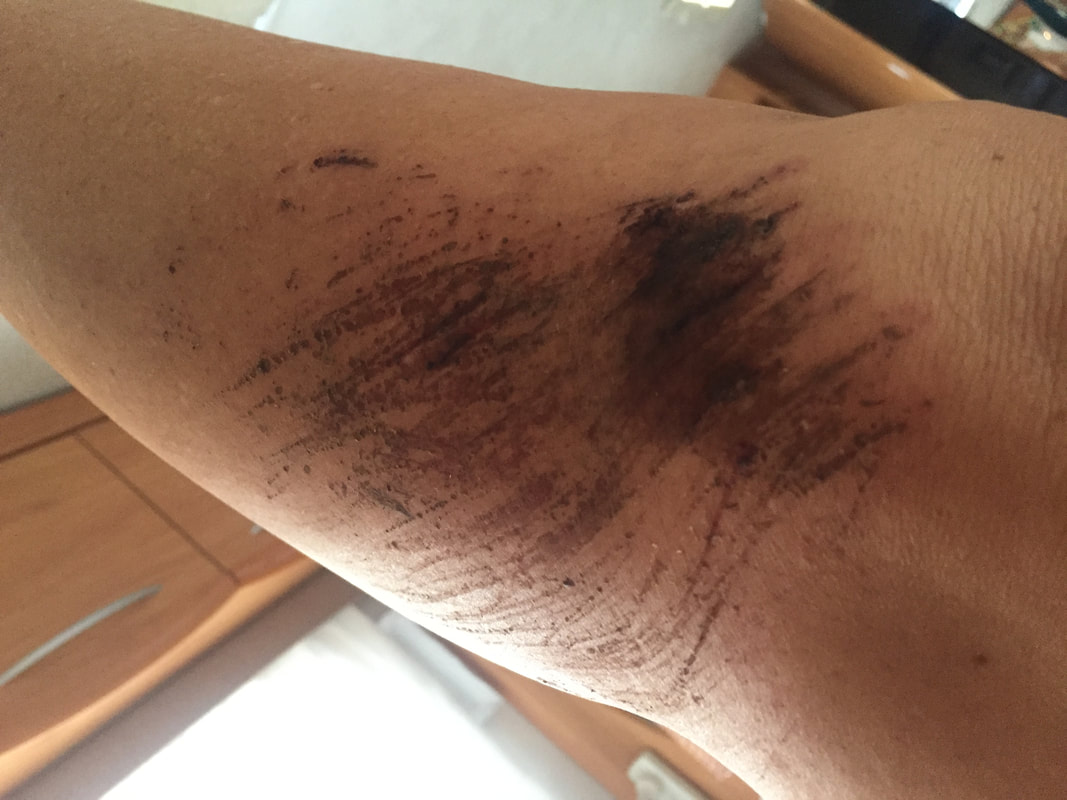
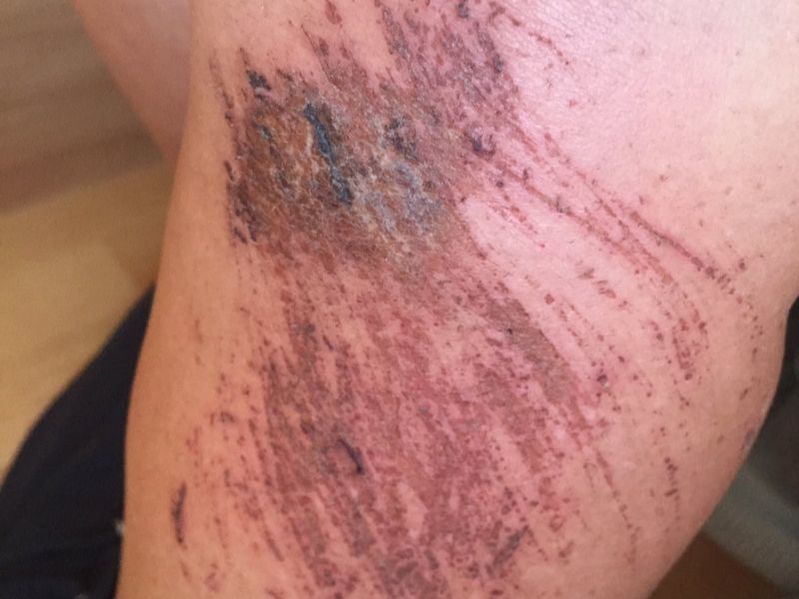
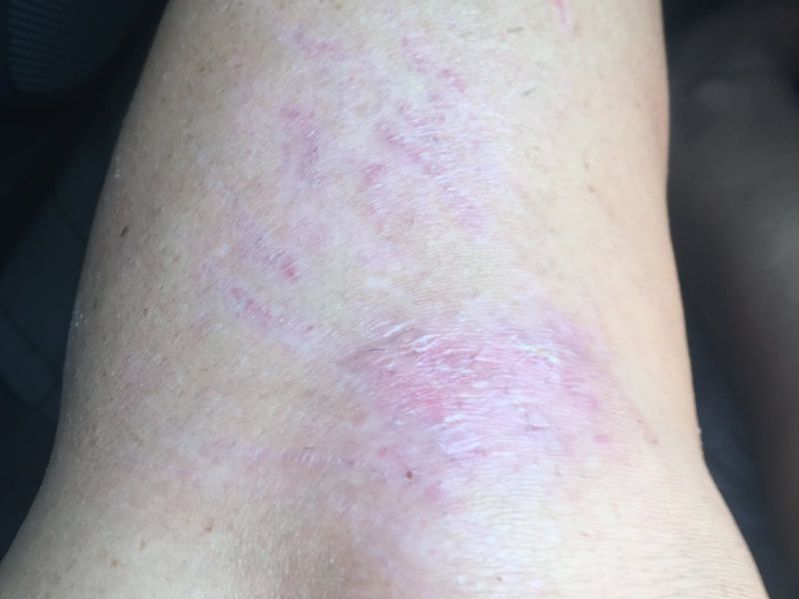
The our day kicked off with a run out to Lake Kerferd, which provided great views and a hard fall to the ground that left Gumby with a few nasty scars on the leg which are still with us to this day. The injury brought her much pain but she soldiered on refusing to let it stop any exploring. We got ourselves out to the town and enjoyed a walking tour by a knowledgeable local. The tour was hours of information on Beechworth’s eventful history. Every part of the town had a story to it, of course every building does, but things you would just walk past like an apple box butt butt eucalyptus tree that was used to pin messages on, or a hook on the wall of one of the shops, used to hang dead cattle so it could get pickled to avoid maggots and flies.
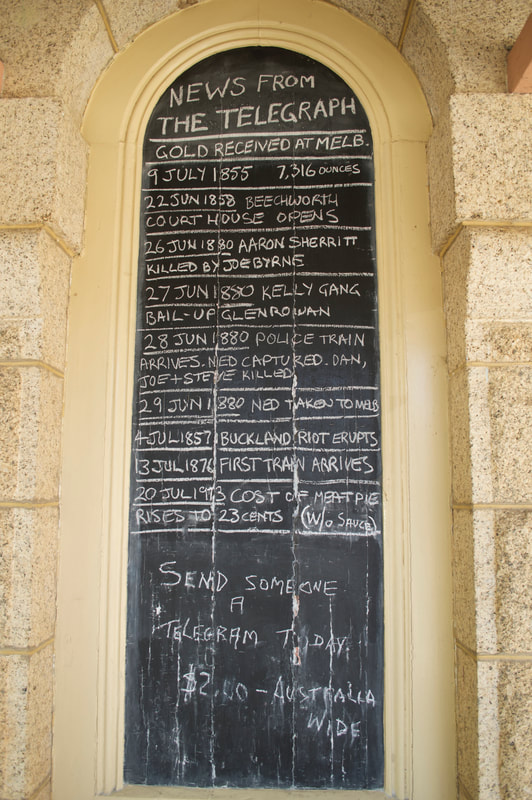
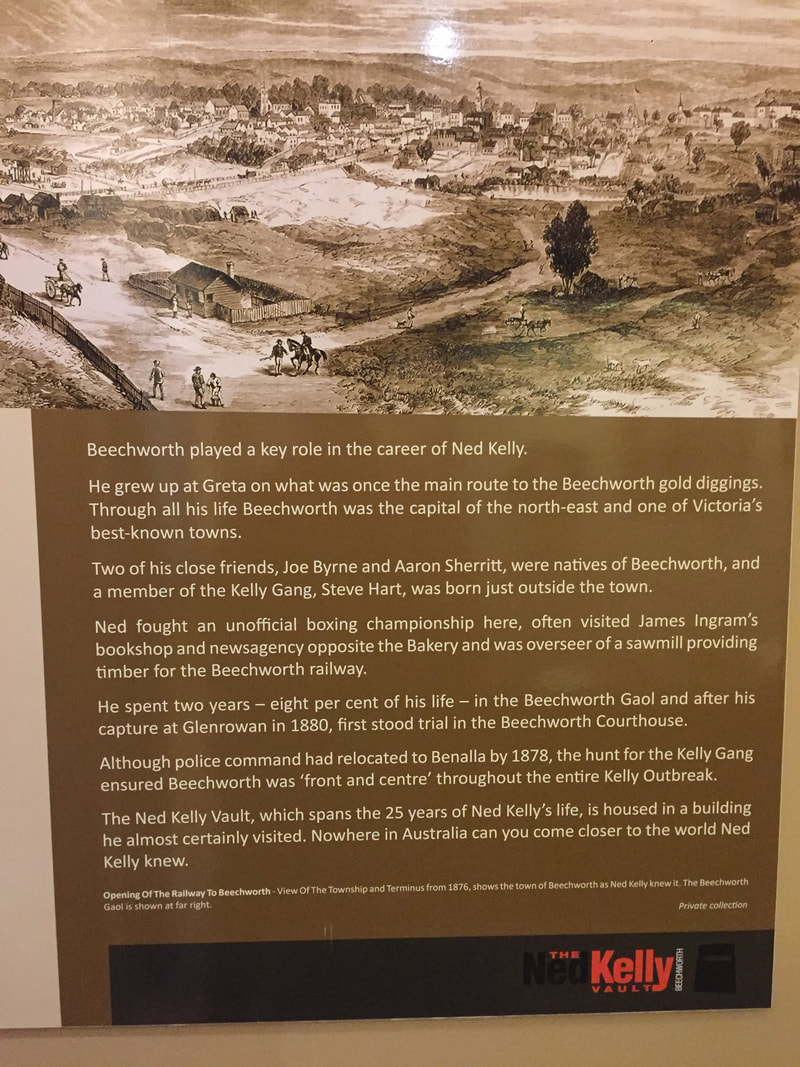
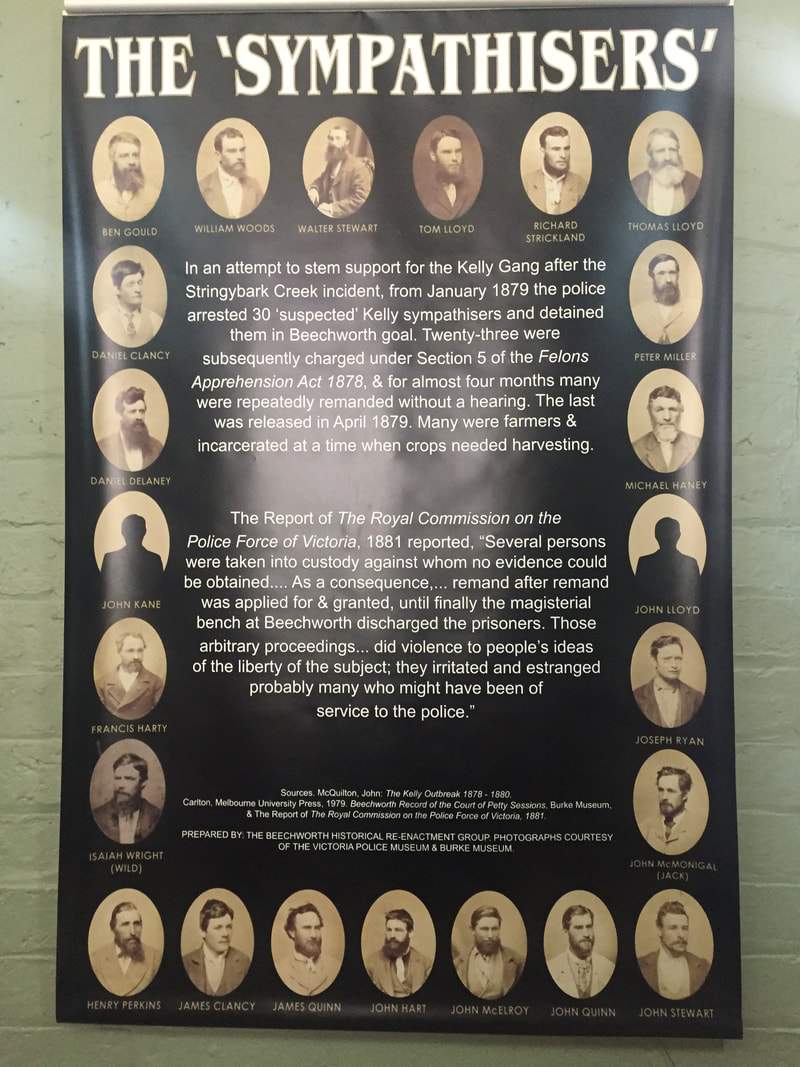
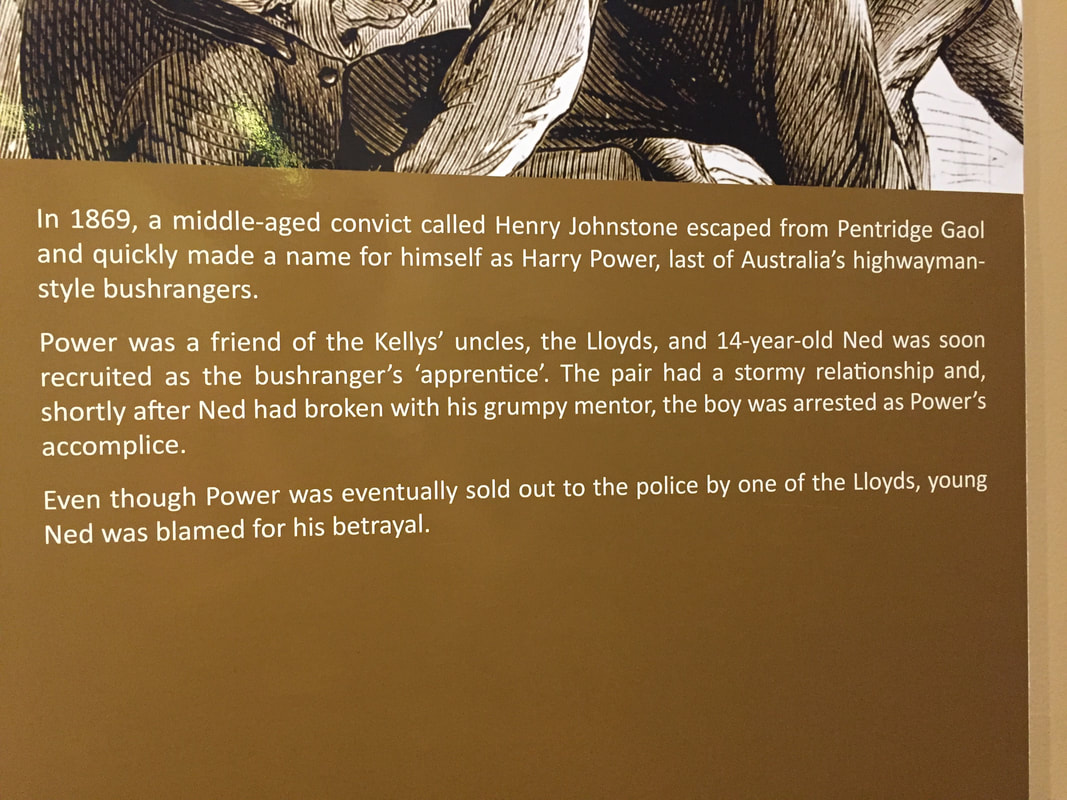
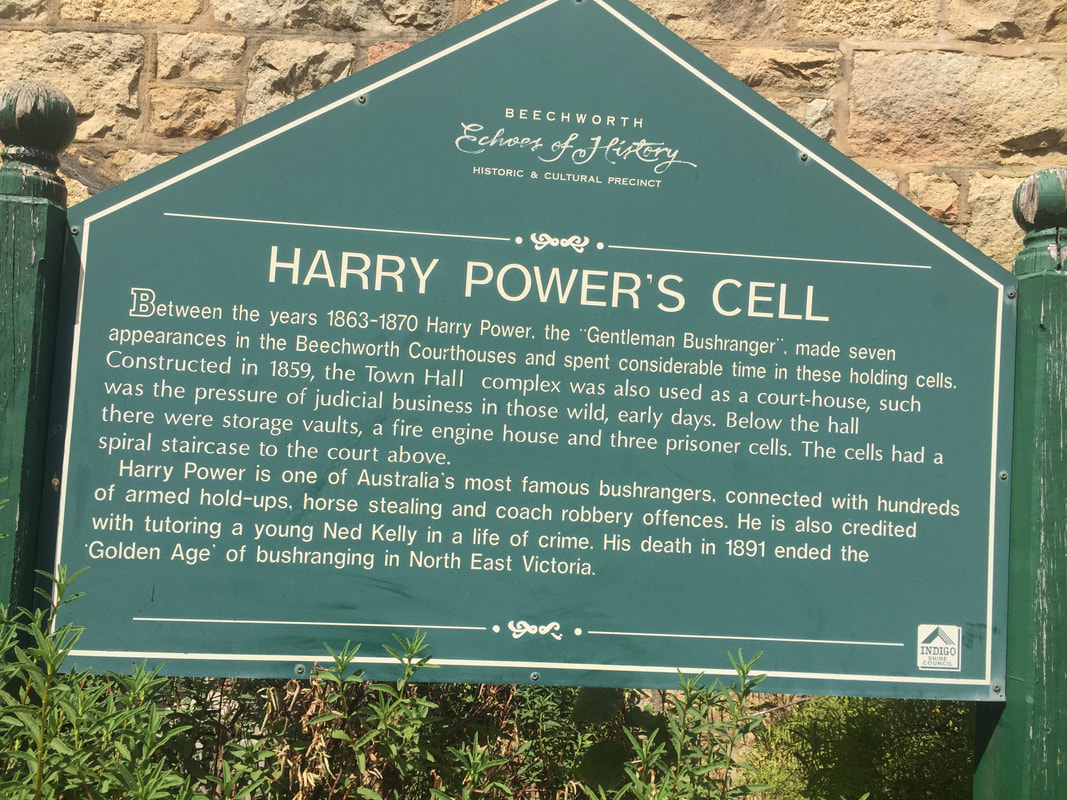
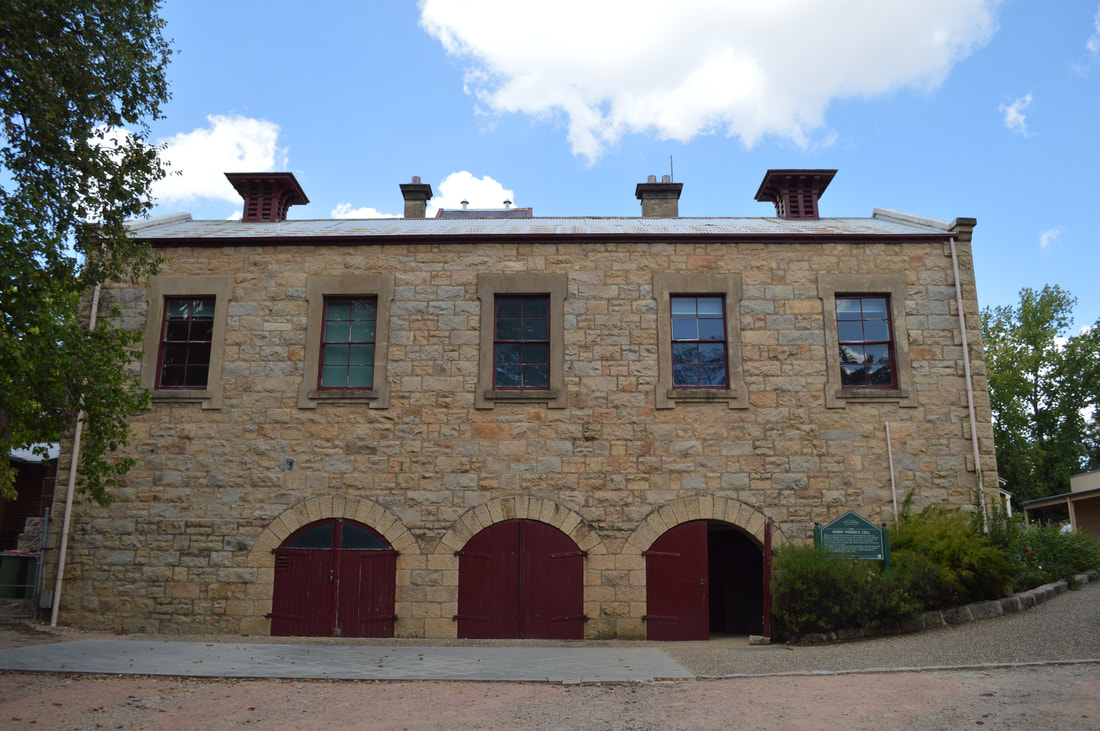
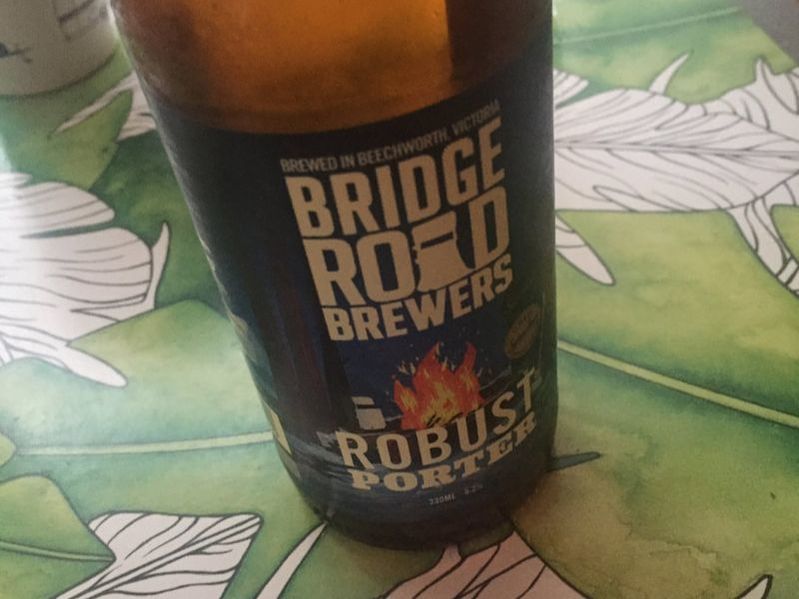
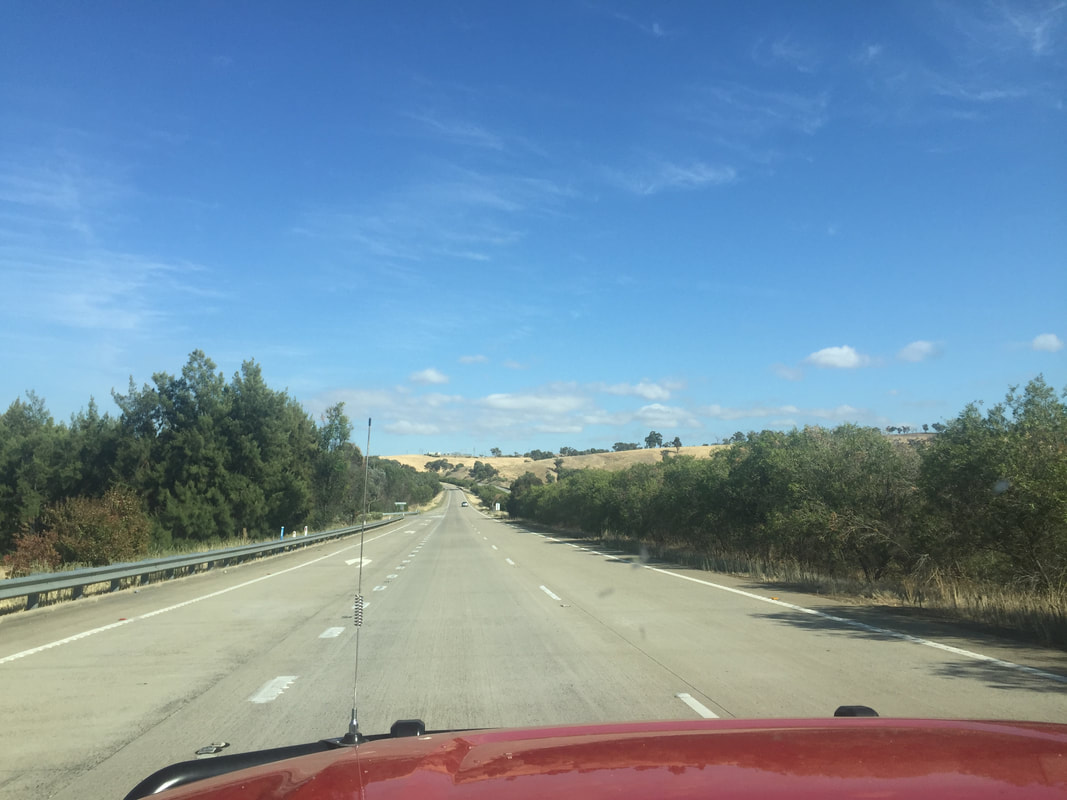
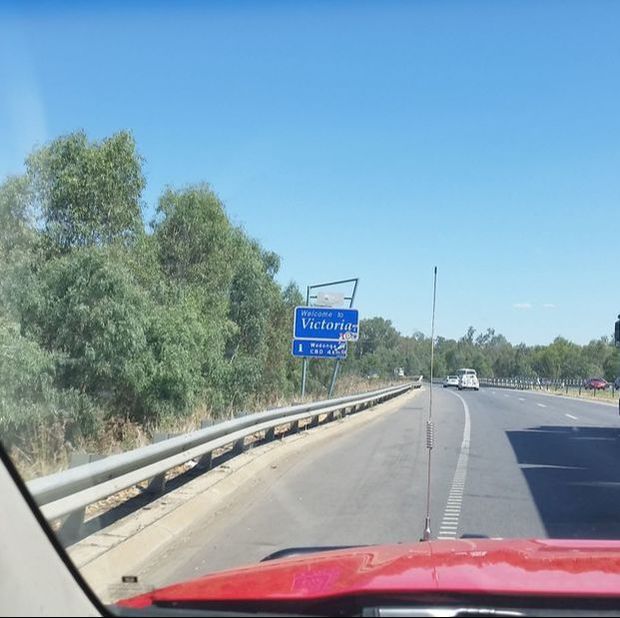
We got to know the notable locals a bit better. Robert O’Hara Burke was not just a famous explorer but one of the local policemen of the town. Although known for leading explorations, he wasn’t too good of a navigator when finding his way around Beechworth constantly getting lost out bush. Another well-known figure in Beechworth was Ned Kelly; the notorious bushranger had many links to the town. He was a regular visitor of the courthouse and spent two years in the local HM prison, where four of his other gang members and his mother also spent time. Beneath the town hall is a cell where Ned Kelly’s mentor and Bushranger Harry Power spent time in 1863 and 1864. One of his most famous Beechworth events was a boxing match with Isaiah Wright to settle an argument over a horse. The bare-knuckle match endured for an astonishing 20 rounds seeing Kelly come out on top. He created a lot of history in the region with countless acts against the law, from as small as riding over a footpath drunk to being part of one of the most famous gangs in Australian history. His life of 25 years has more documented history than Queen Victoria and most of it lies within the region. It was a big day on the history so we thought the best way to see in the night was a pizza from the local Bridge Road brewery. We also had our first ever beer together, which was the Bridge Road Robust Porter, unbelievably delicious! The only thing that we found disappointing about Beechworth is that we only spent one day there, we were in love with the town. It surprised us with beautiful architecture, scenery and endless chapters of history. The food is amazing and local beer so good that we even gave it a try. Our journey today of 380 kilometres had us traverse the Hume Highway, traveling from the Territory of Canberra, through the State of New South Wales, crossing the border near Albury / Wodonga into the State of Victoria. We stopped at the small township of Tarcutta to reflect at the Truck Driver's Memorial, a unique winding red brick wall, which holds plaques with the names of Truck Drivers who have died 'in the line of duty' Truck Drivers really do 'Keep Australia Moving' and it was important for us to stop and pay our respects to these sometimes overlooked pilers of the economy.
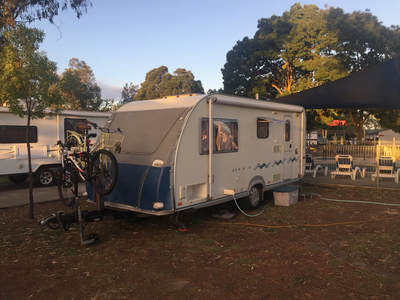
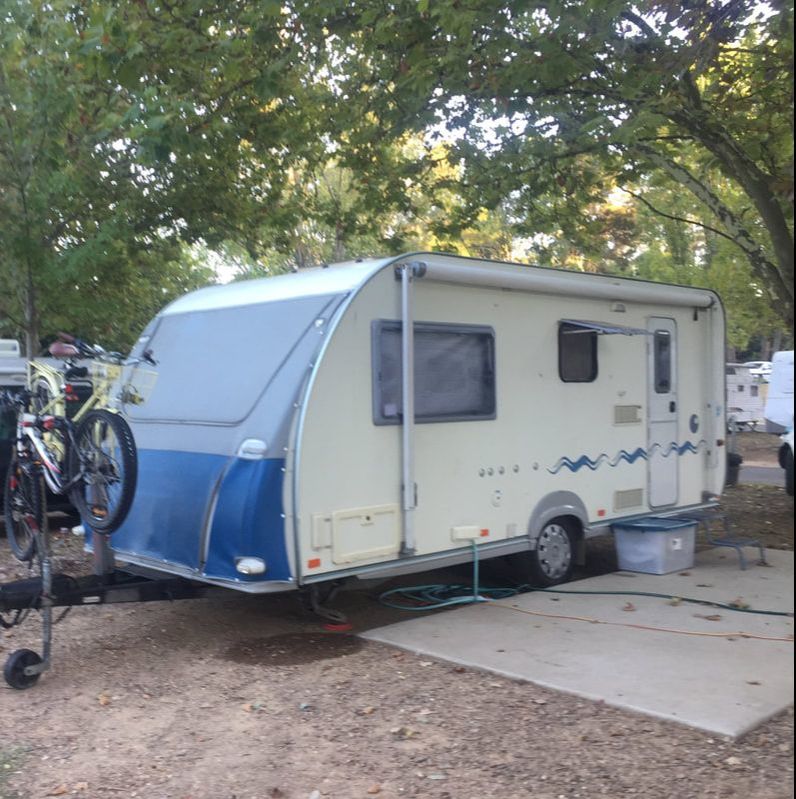
I was completing loving the owner of the caravan park at Beechworth who after a long day on the road assisted me to reverse Florence into her home for the next few nights, by guiding me with solid directions. We had Florence set up in next to no time, in stark contrast to many other caravan park sites we have endured on our venture down the East Coast. We noticed after the first night, Florence had sprung a leak. Over the next few days we discovered a blocked water pipe a result of connecting the water filter backwards... oops
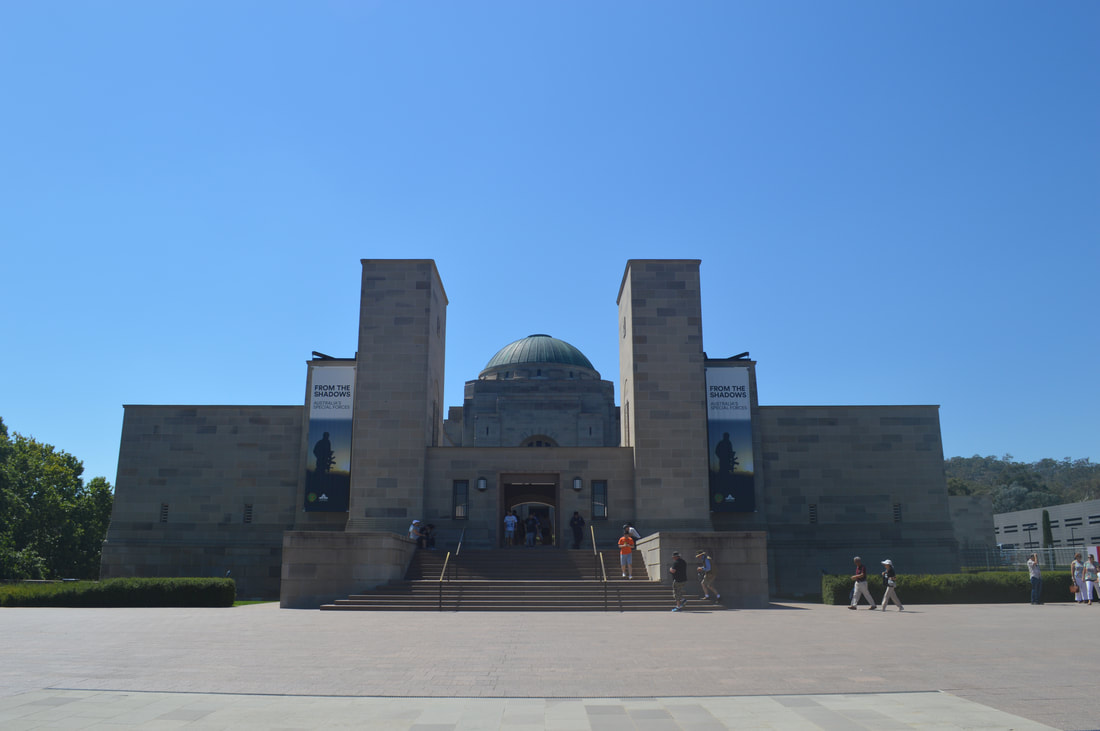 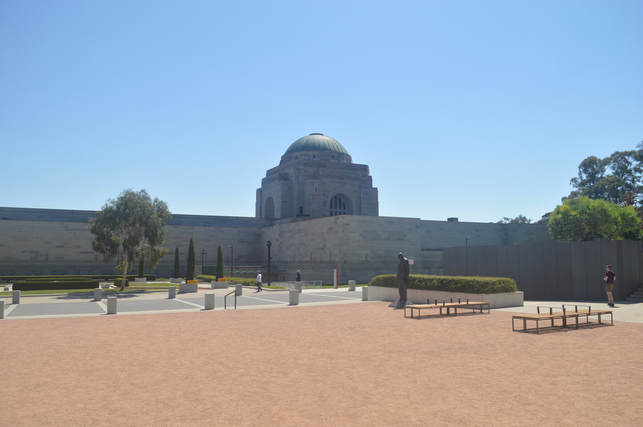
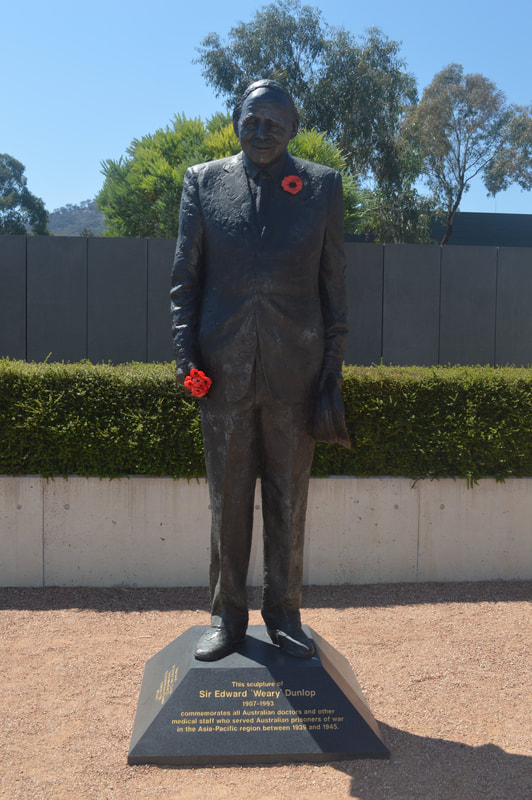
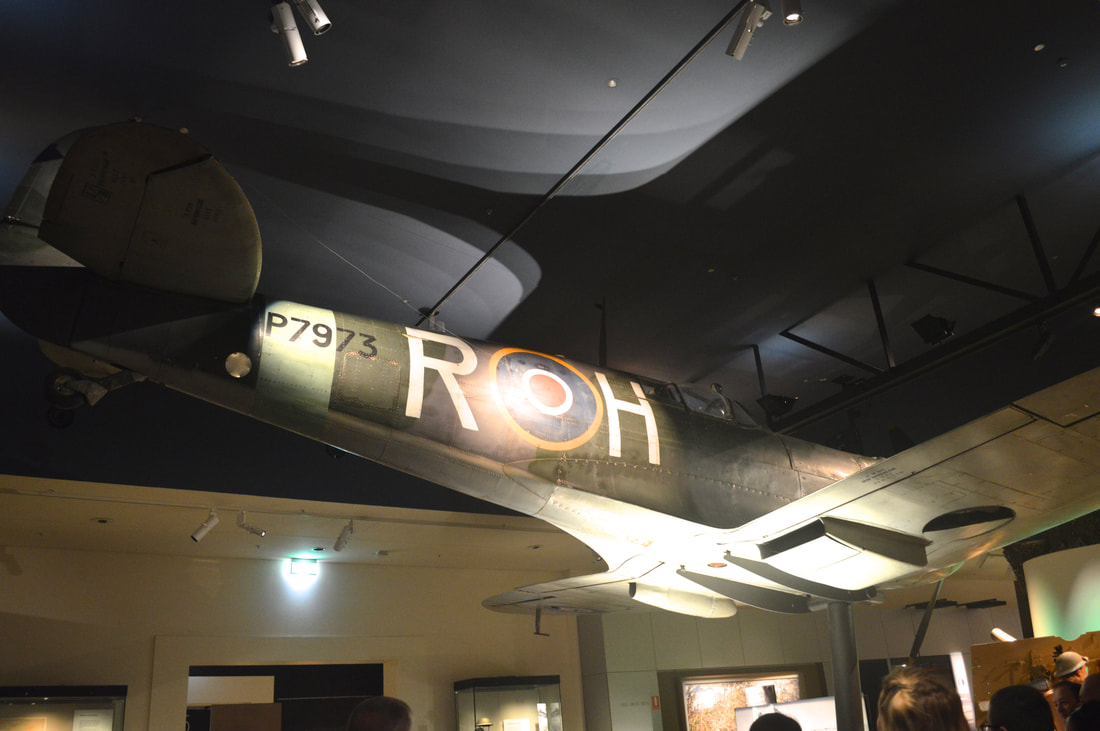
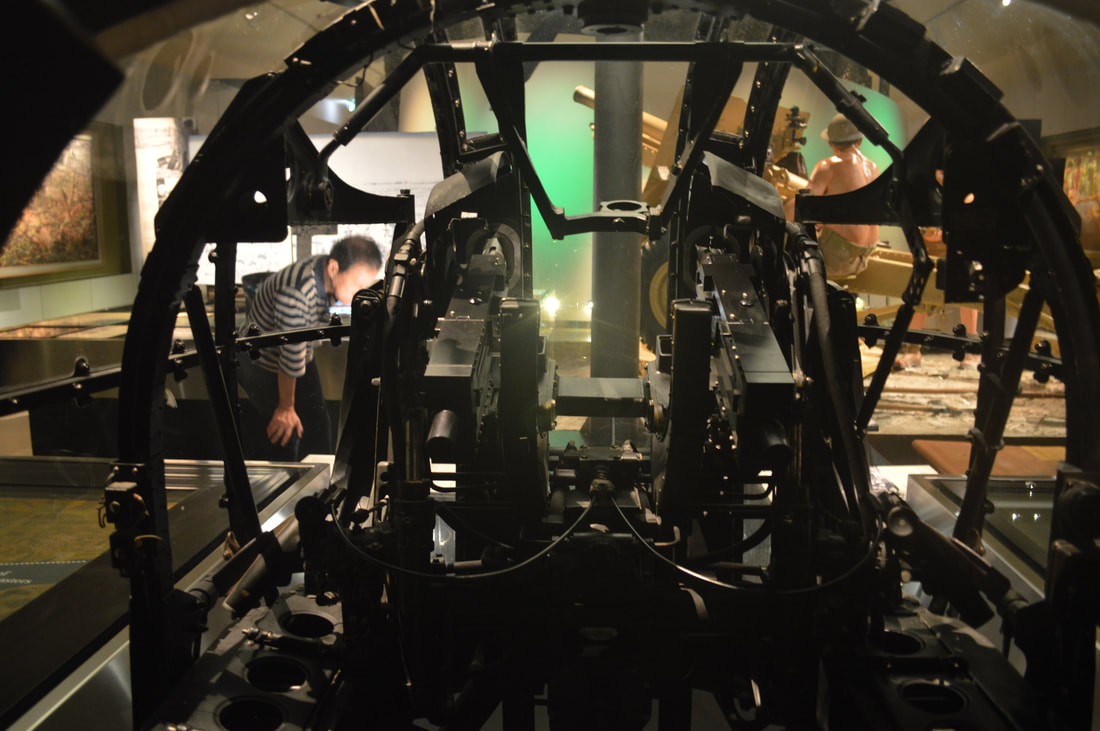
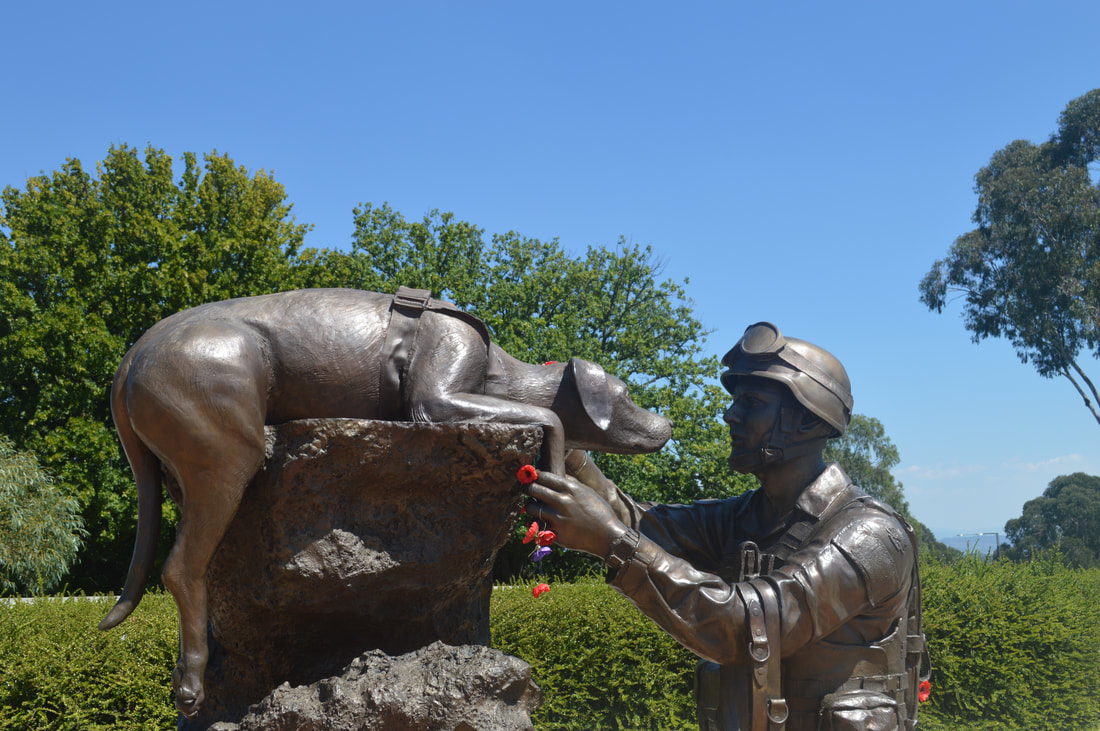
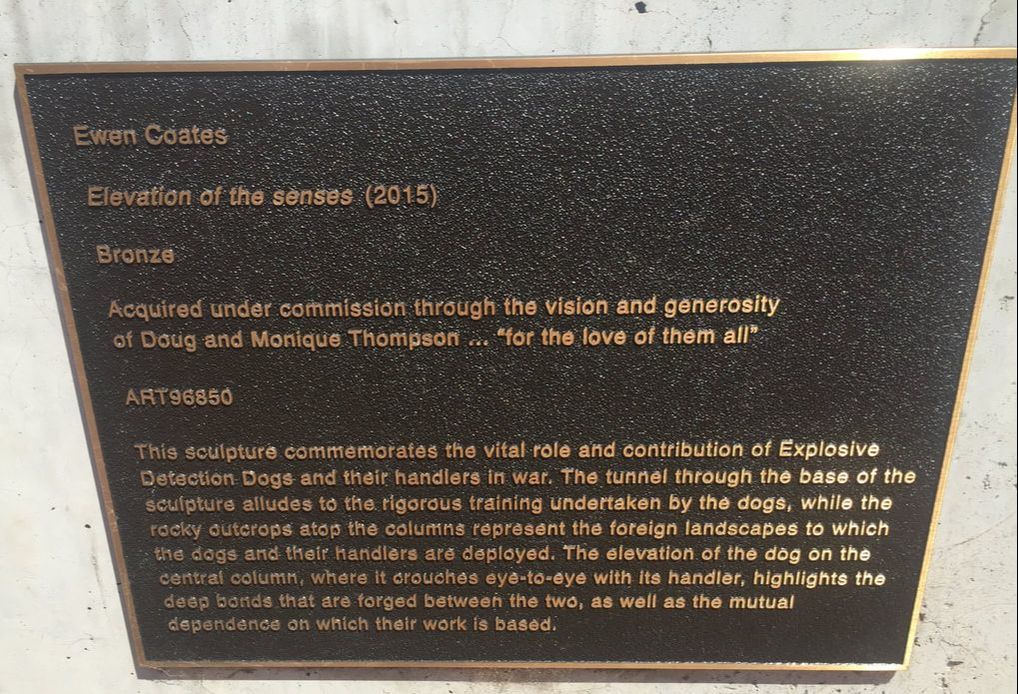
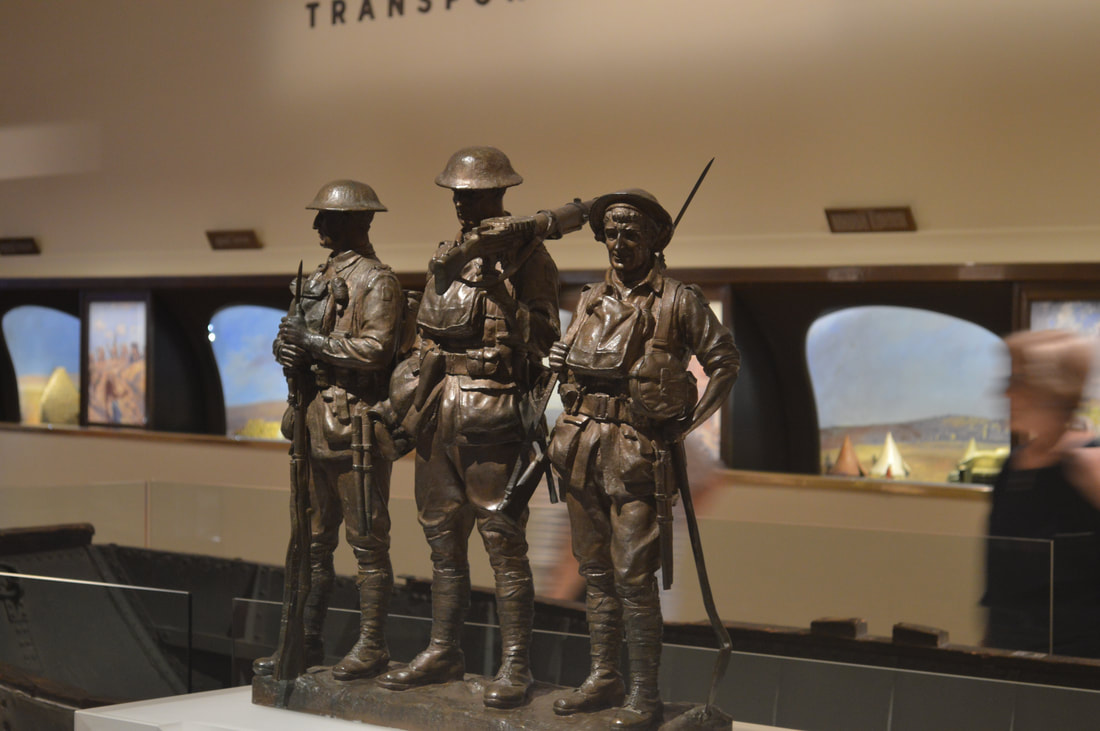
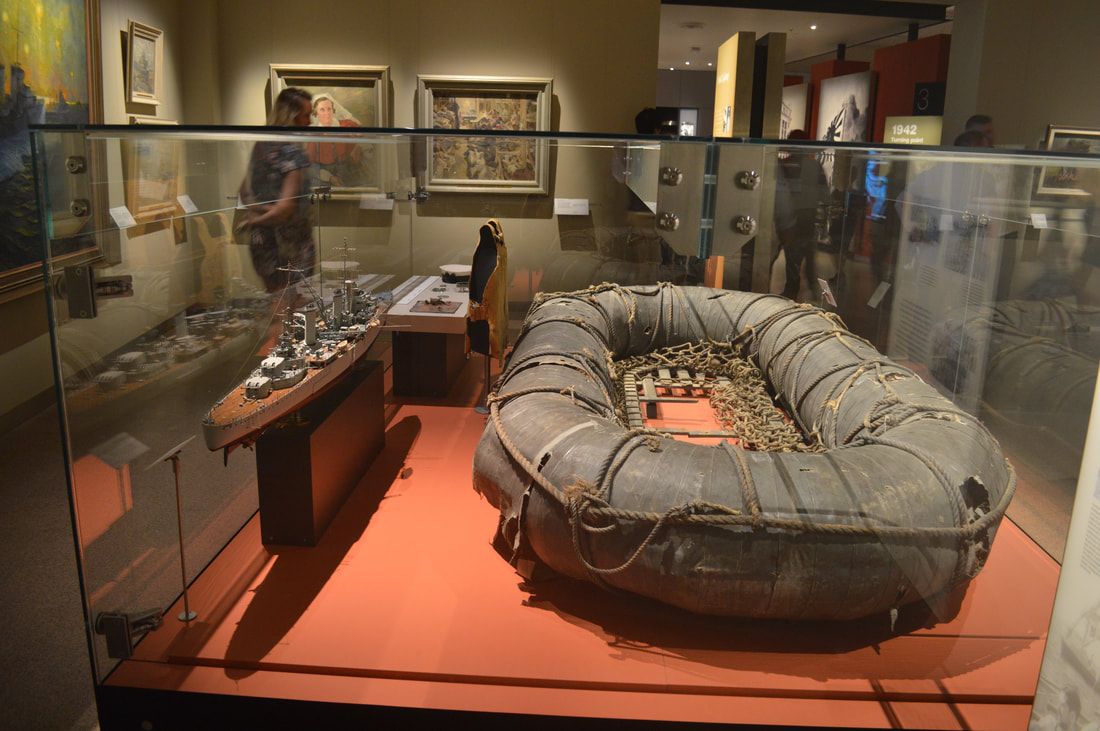
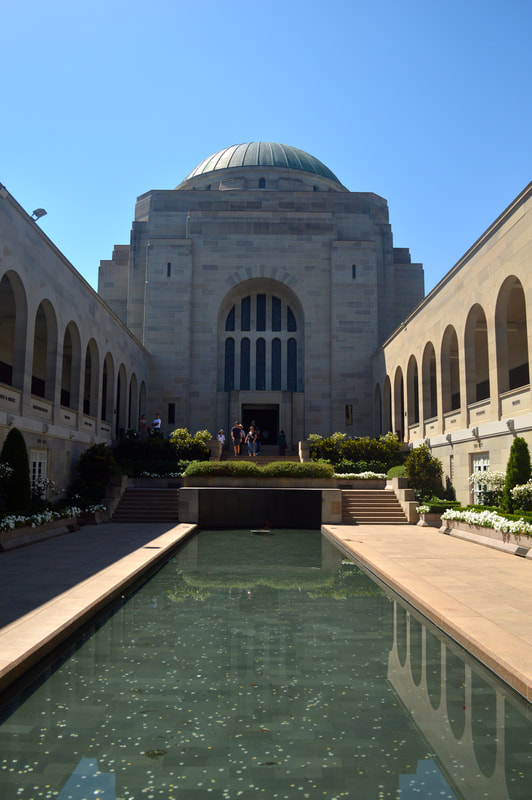
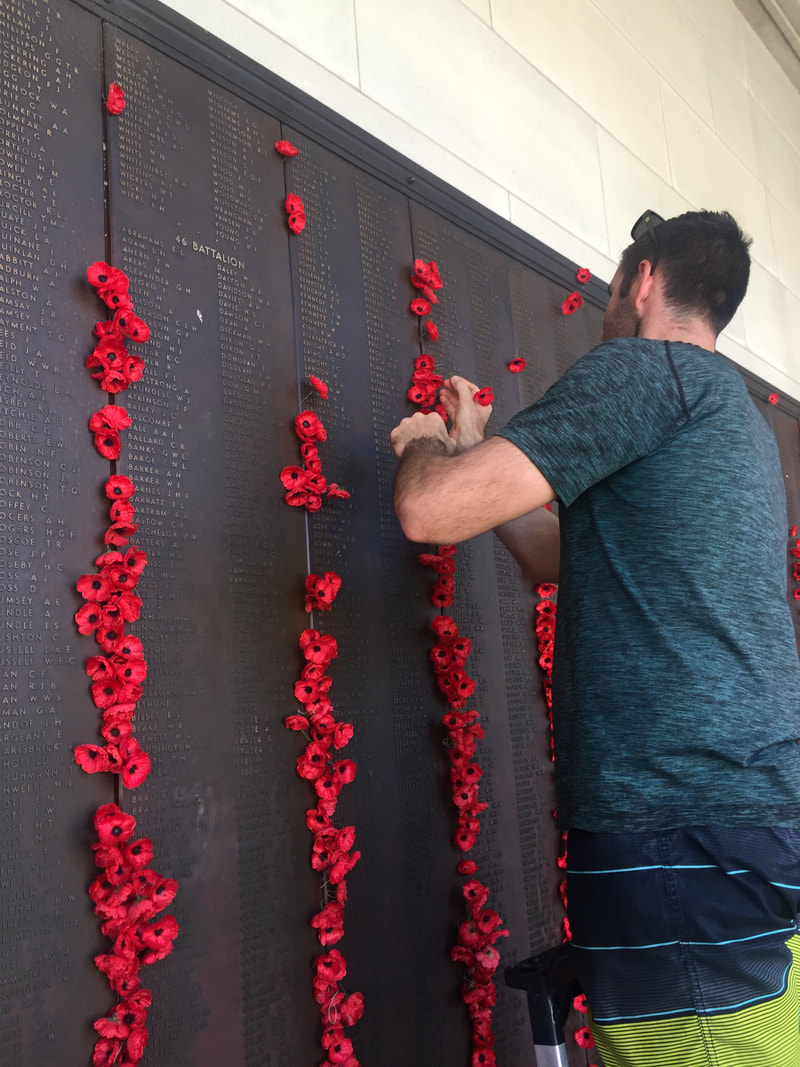
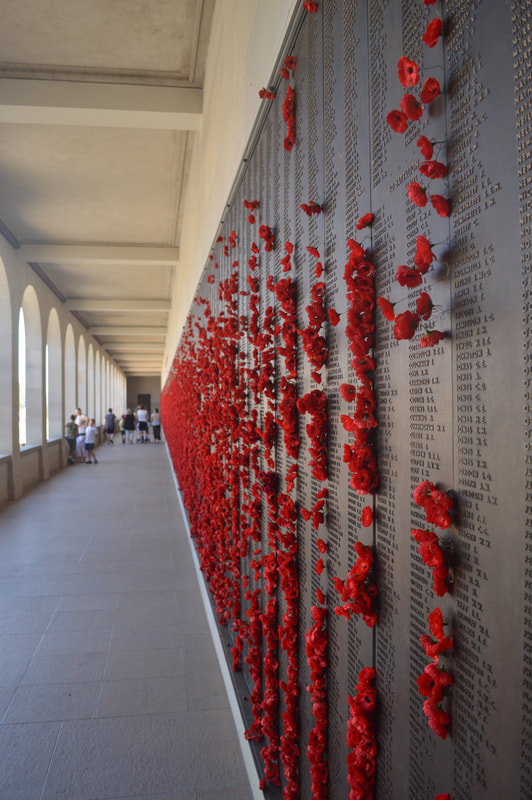
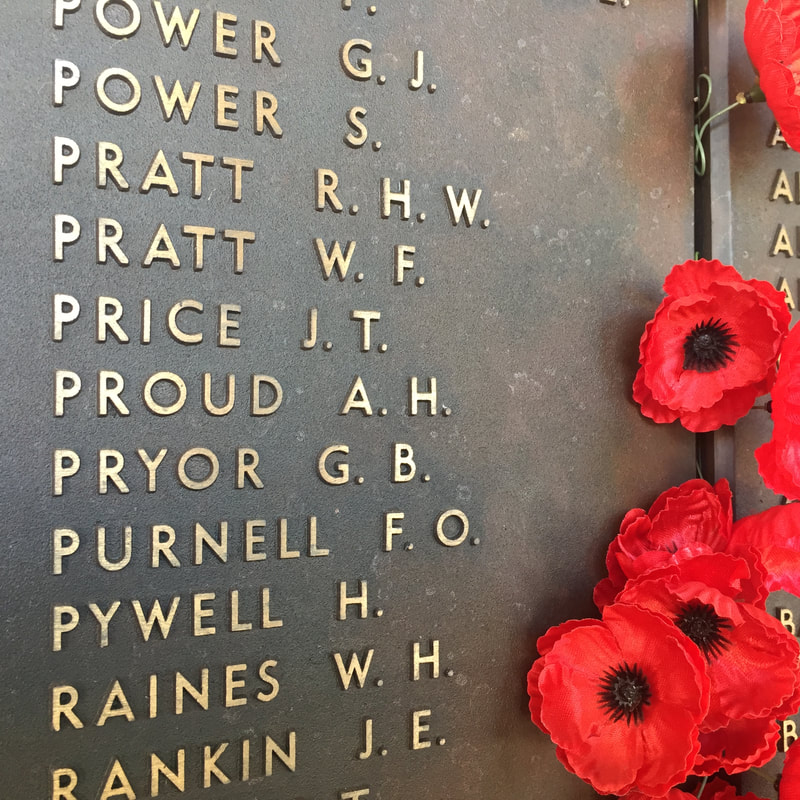
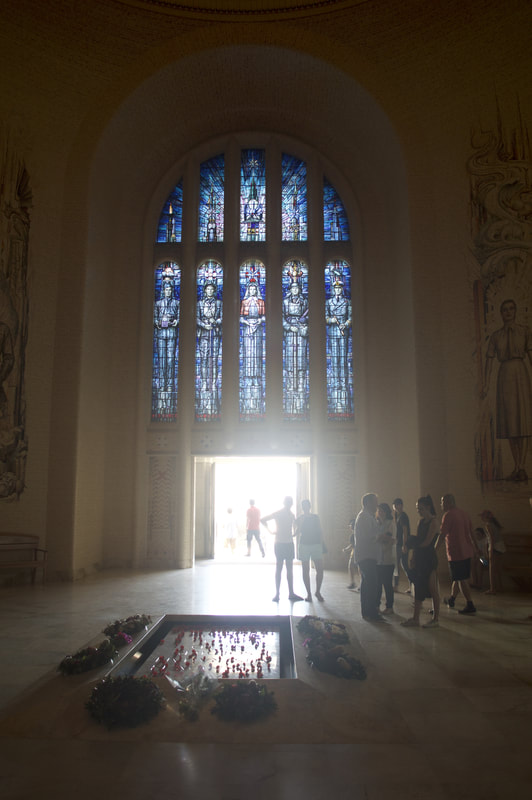
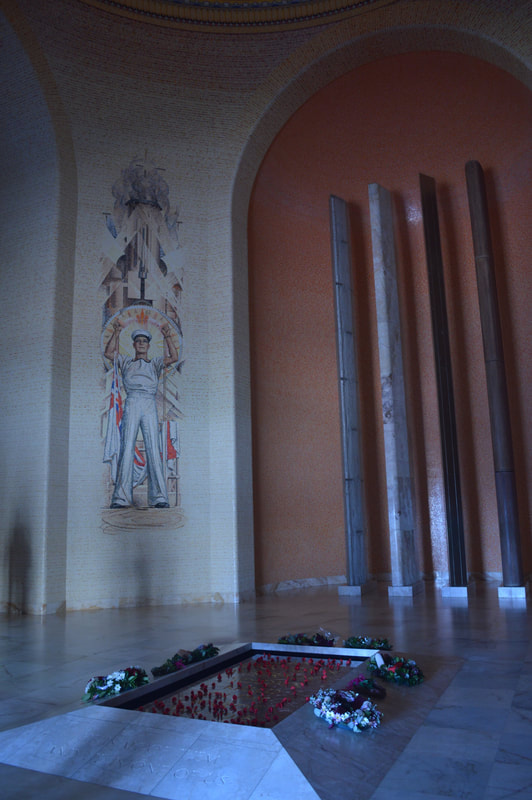
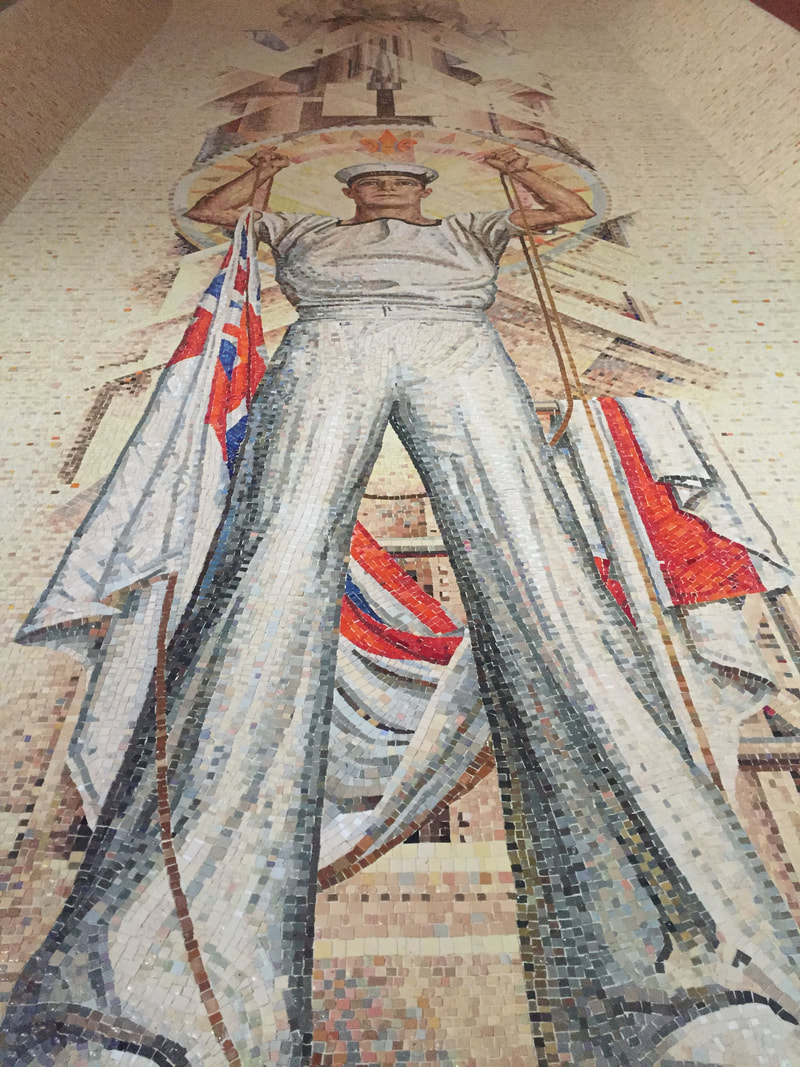
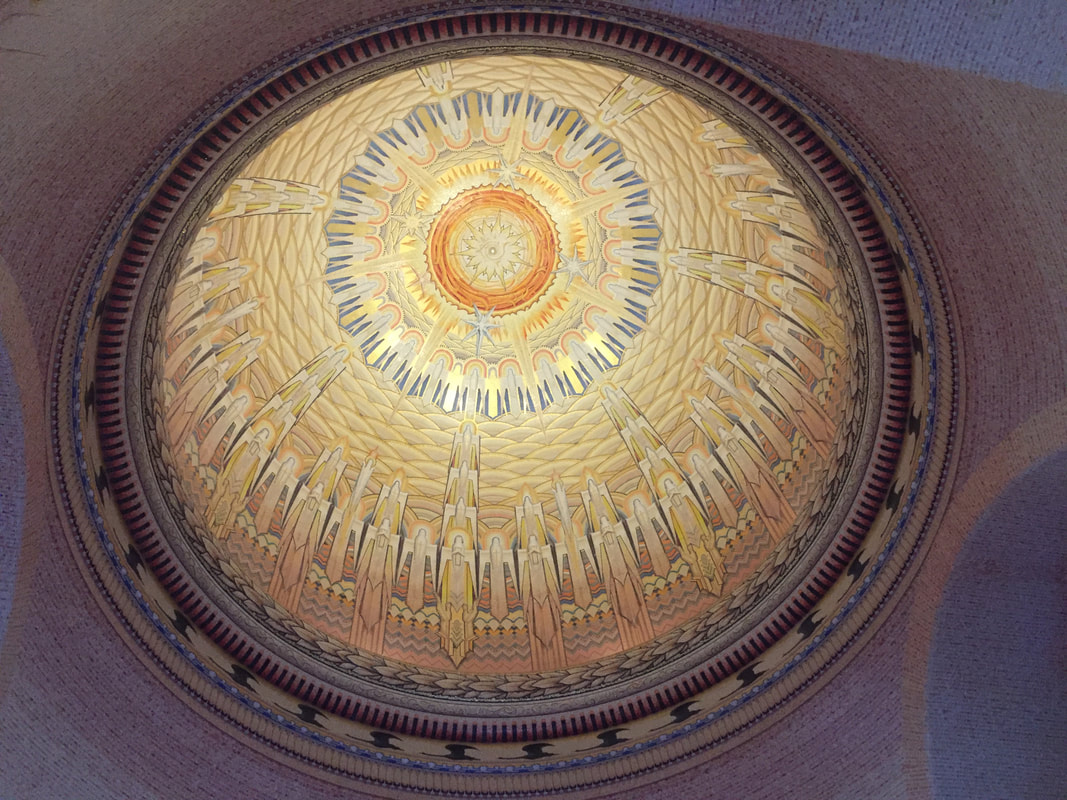
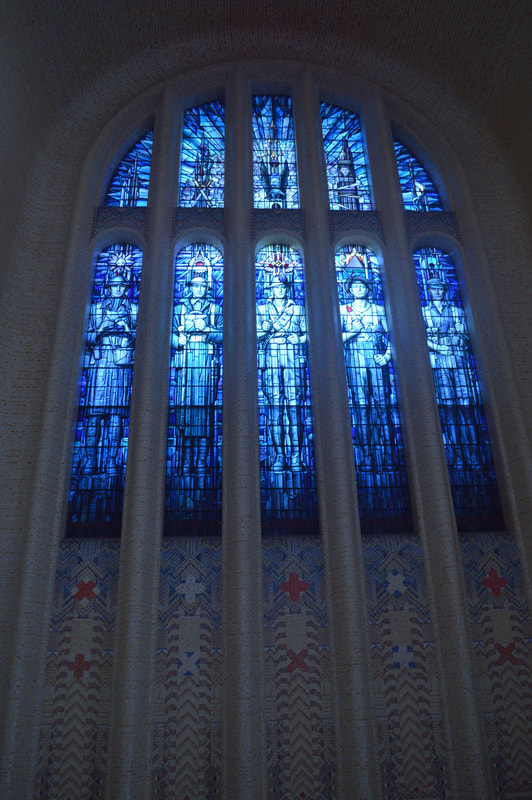
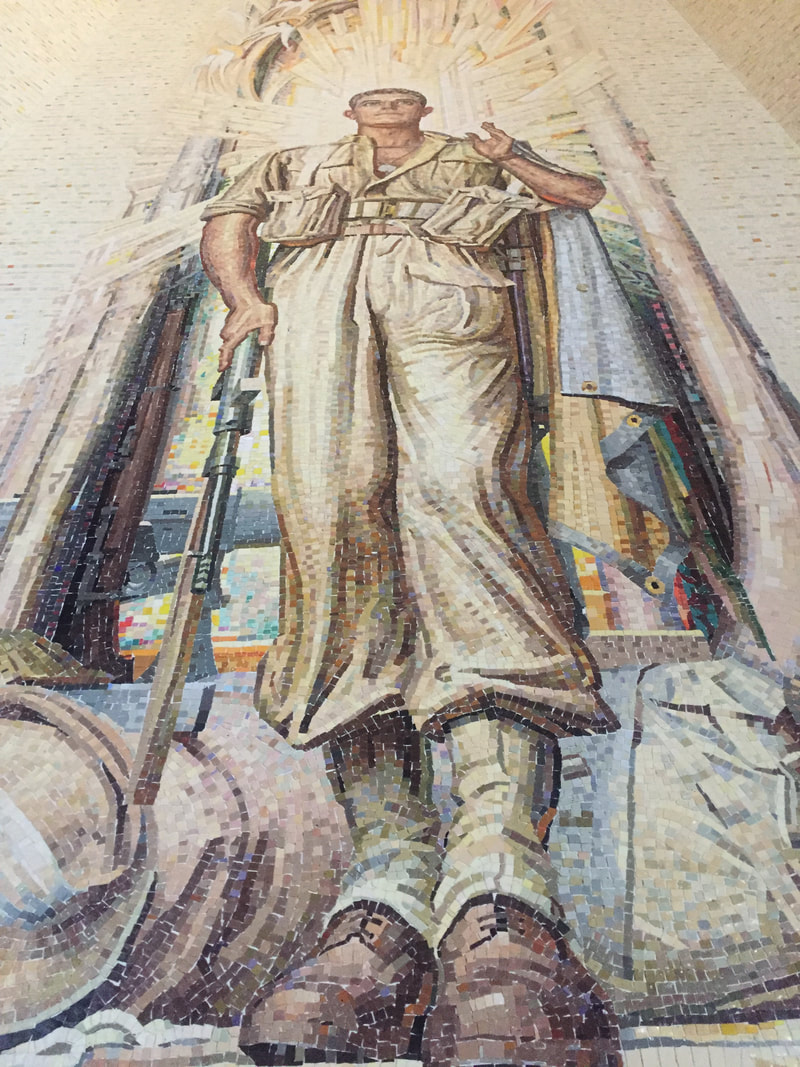
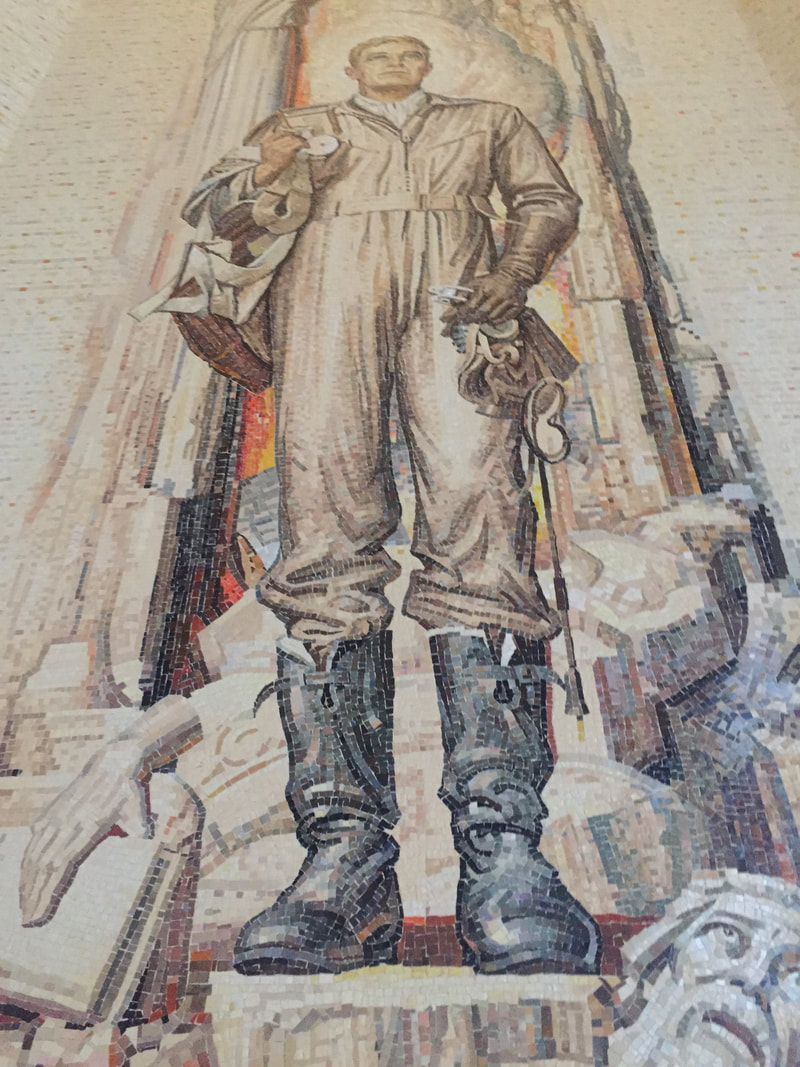
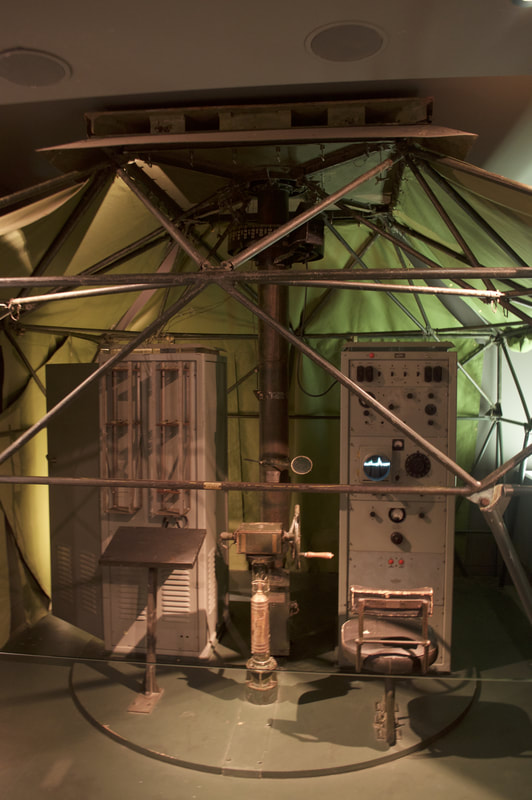
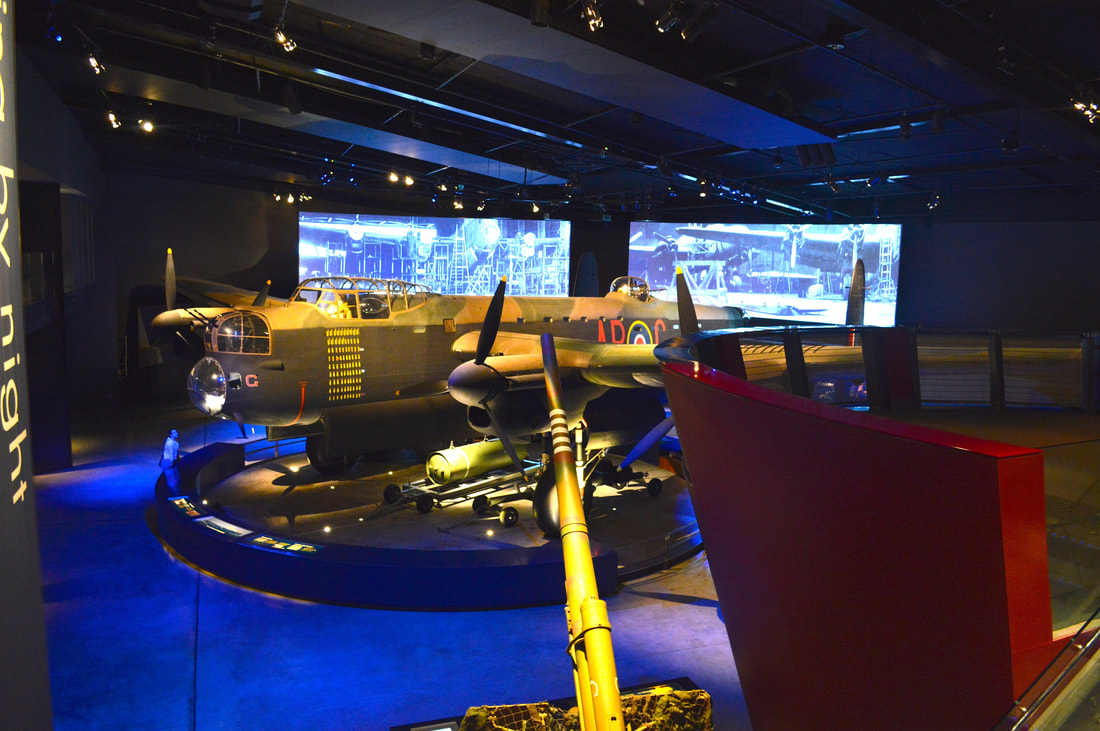
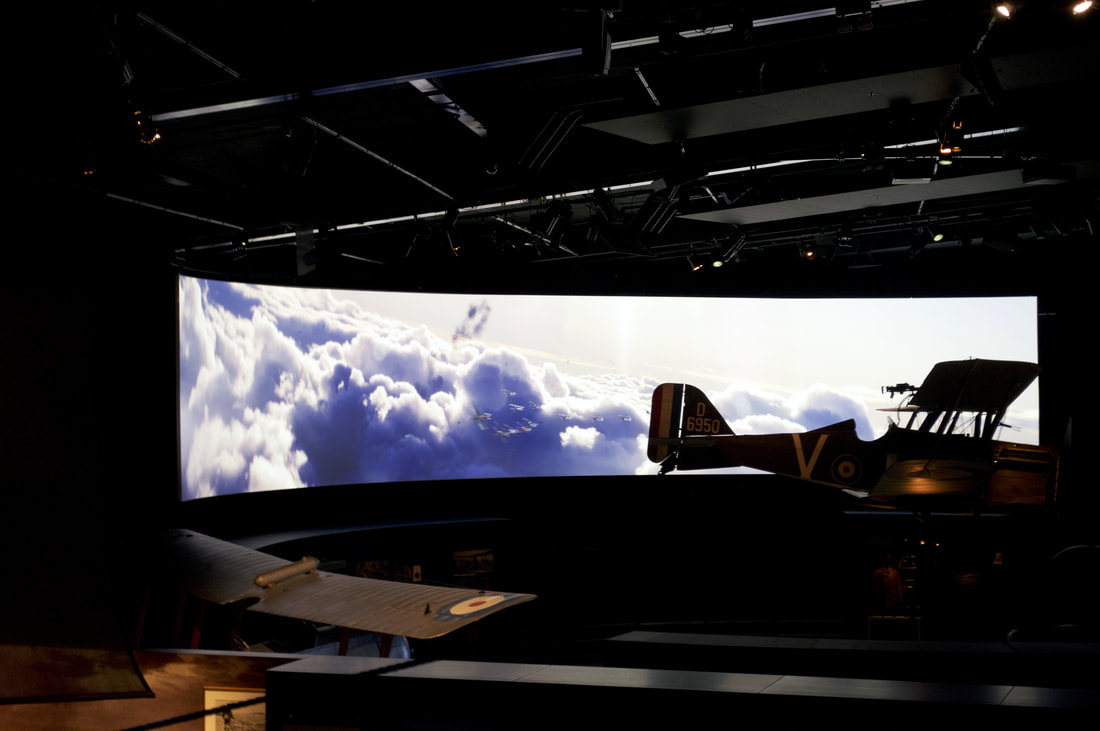
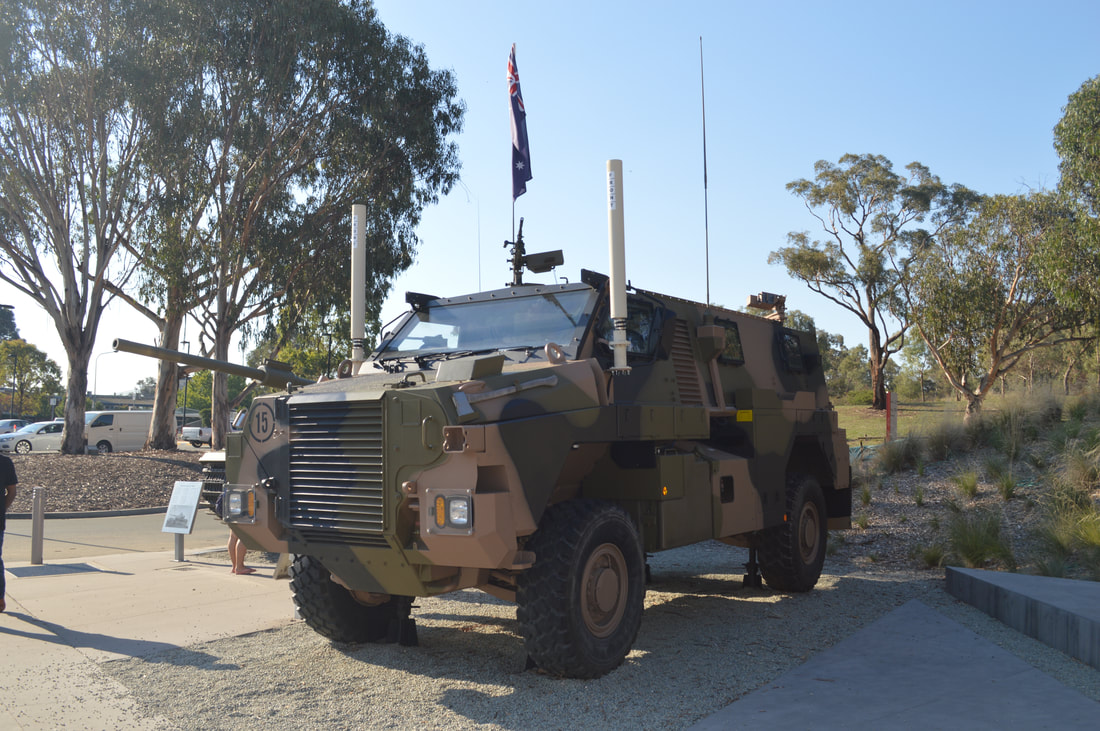
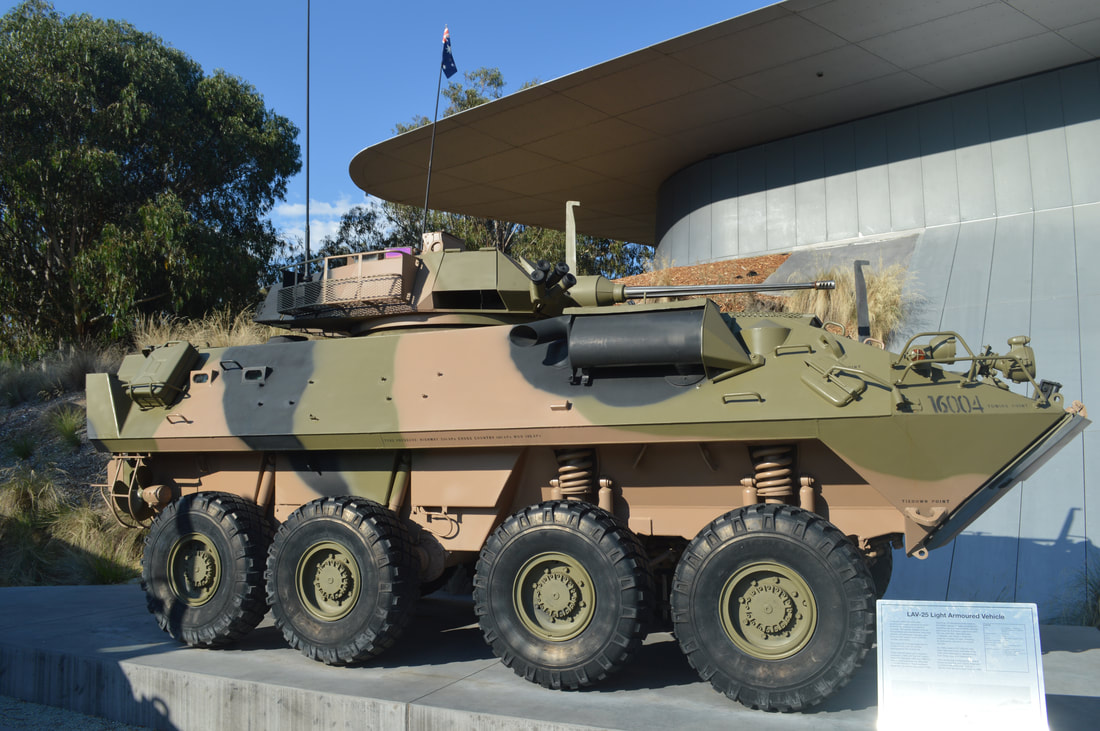
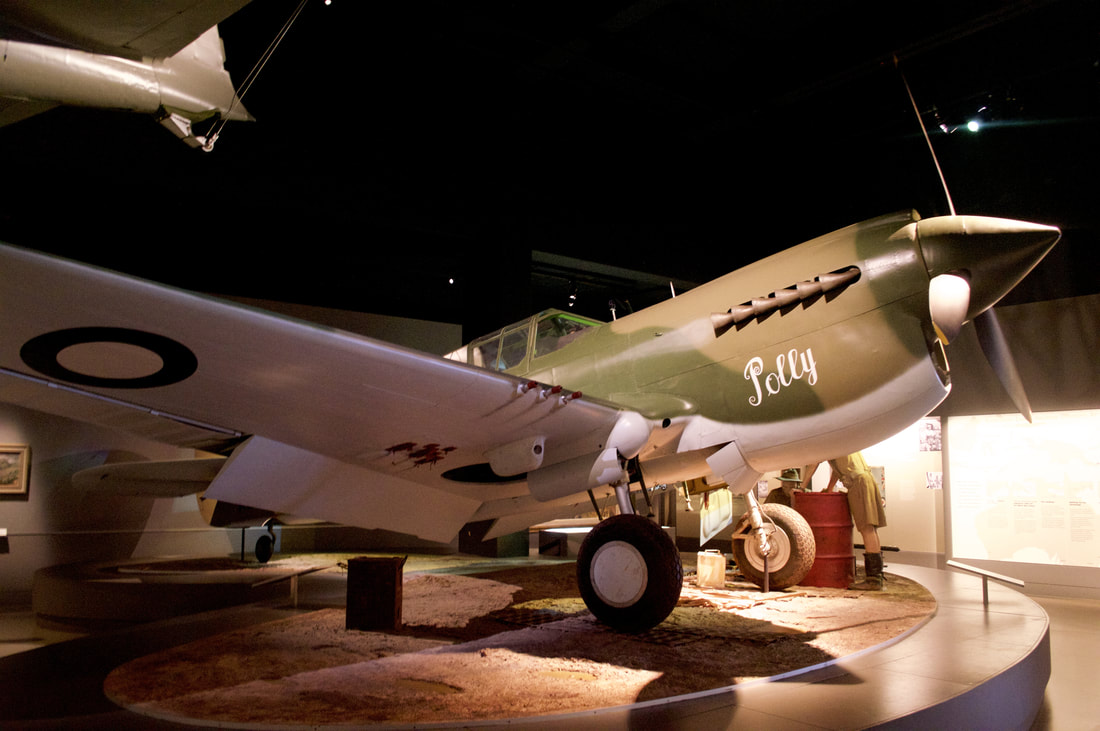
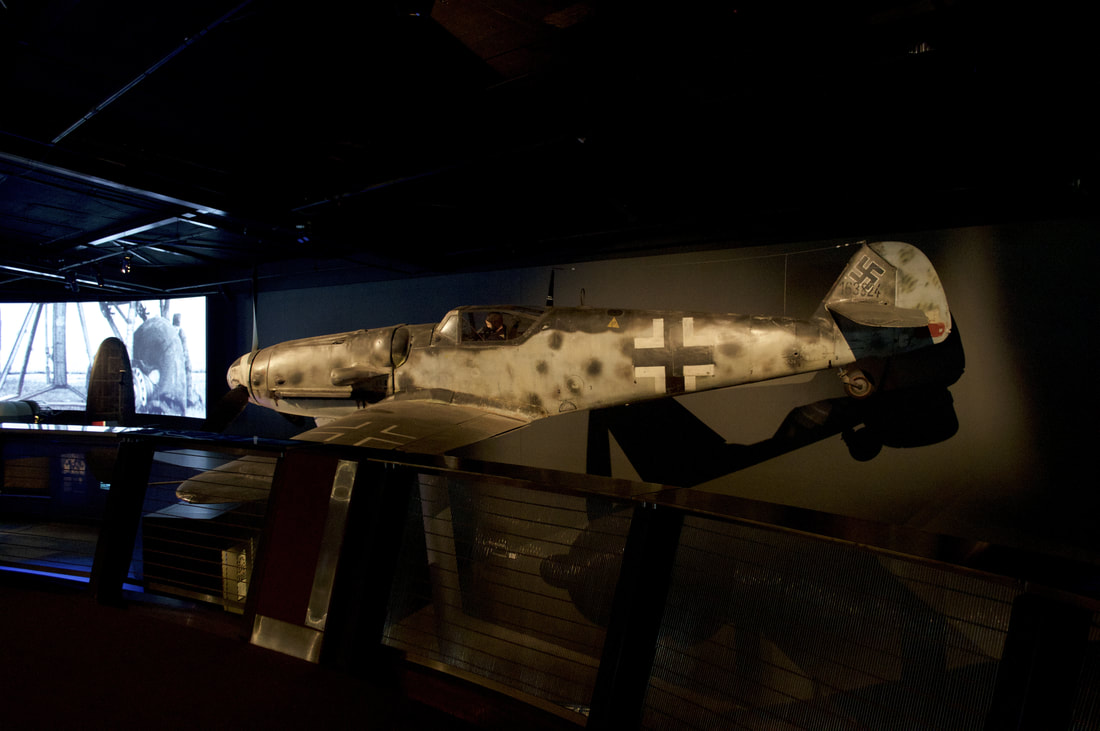
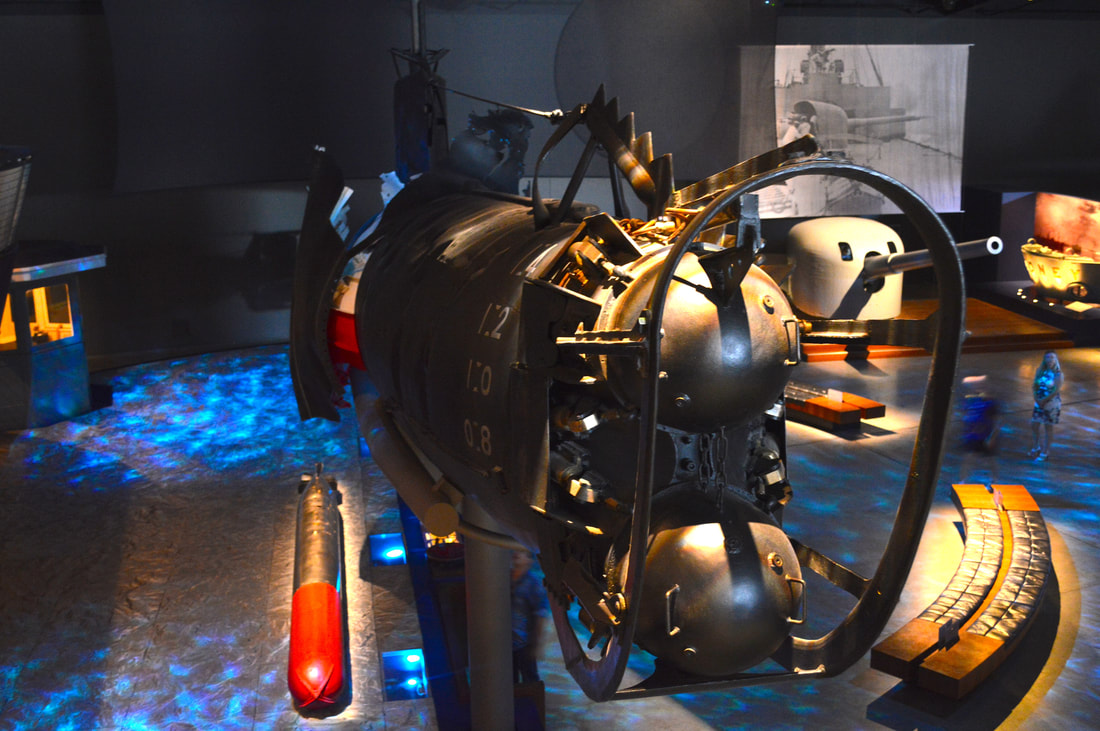
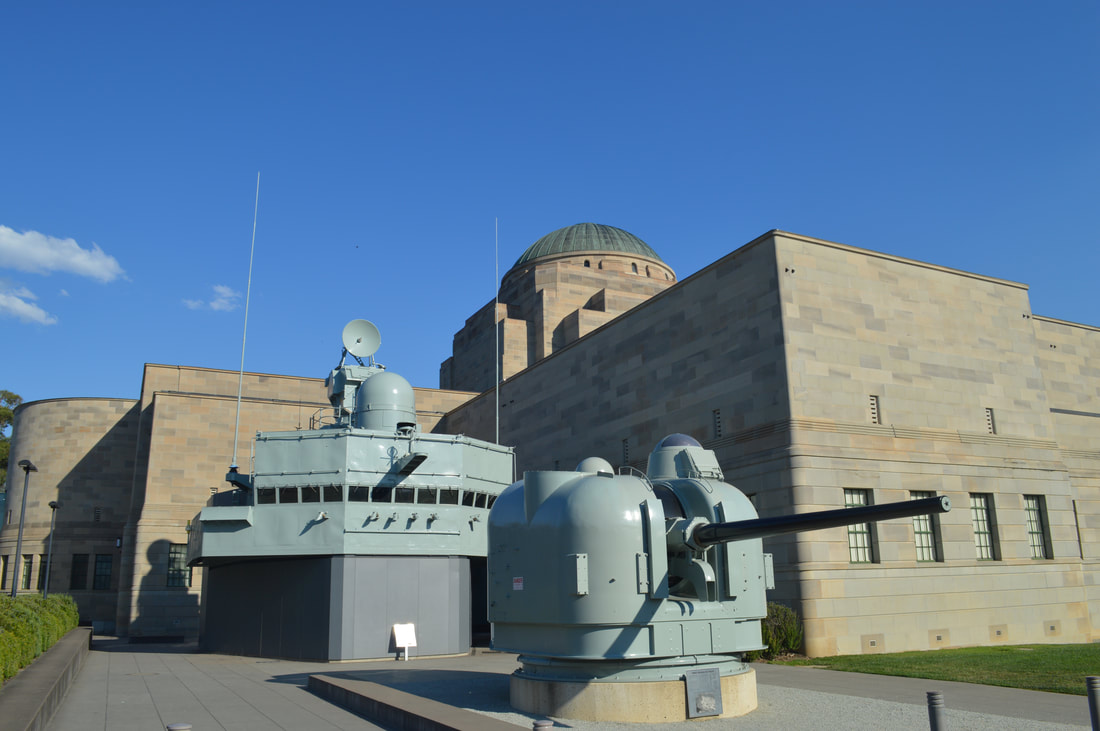
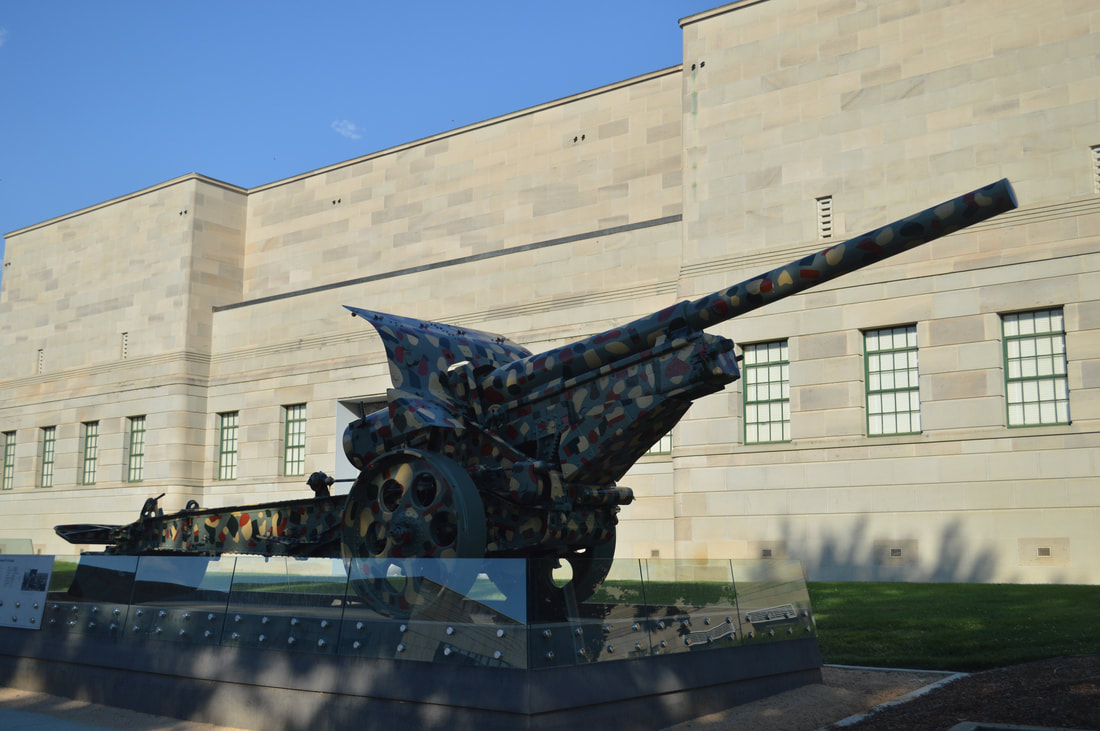
Our first day in Canberra we got ourselves down to the Australian War Memorial, a national memorial dedicated to members of the military who have died or served in wars involving the Commonwealth of Australia. It sits directly across and in line with the parliament house, which is connected via Anzac parade. We walked from the car park through the nicely manicured garden and found ourselves looking up to the gorgeous shrine and courtyard of the memorial, while behind us was Anzac parade, perfectly lined up with the parliament house. Walking up the stairs took us into the commemorative area, a courtyard with walls filled with the names of deceased war veterans and a sea of red poppies. Through the sea of red poppies took us into the hall of memory, a Byzantine style building that was completed in 1941 to commemorate the fallen heroes of World War One. Inside the Hall of Memory is 3 large stained glass windows. The southern side represents personal qualities: resource, candour, devotion, curiousity and idependence. The west window expresses social qualities: Comradeship, Ancestry, Patriotism, chivalry and loyalty, while the east window represents the fighting qualities of youth and enterprise: Coolness, control, audacity, endurance and decision. Surrounding us in between the windows are mosaics that were completed after World War 2, each artwork represents the four services in the Wars: The Women’s Services, Army, Navy and the Airforce. Central of the Hall of Memory is the tomb of the unknown soldier, once buried at Adelaide Cemetery in Villers-Brettoneaux in France, the body was transported over with French soil and buried in the hall to commemorate the 75th World War One anniversary on 11th of November 1993. After taking a look around the memorial, we walked around the surrounding museum. Divided into World War 1, World War 2, aircraft hall and Anzac hall, the museum enriched us with artefacts and stories of Australia’s military history. You would need several days to take in the information that is there, its a day in itself just looking at the machinery and equipment that was used. Anzac hall put on some cinematic displays with the equipment, one was a display of a Japanese Navy midget submarine, and the story (called the battle of Sydney) of how close the war was to our home soil. The midget got tangled up in nets that were deployed at the western boom gate. Two Navy vessels were sent out to investigate and found the submarine demolished after the Japanese crew chose the warriors death option charging a torpedo into the vessel. After a huge intake of history we witnessed a last post ceremony, which is held at the end of every day to commemorate an individual soldier’s sacrifice made to the country. The story of the soldier is told, the ode is recited by Australian Defence Personnel and the sound of the last post is played beautifully through the bugle to conclude a day of Australian military history.
|
The JourneyChoose Curiosity The Catalogue
November 2023
The Tags
All
|
 RSS Feed
