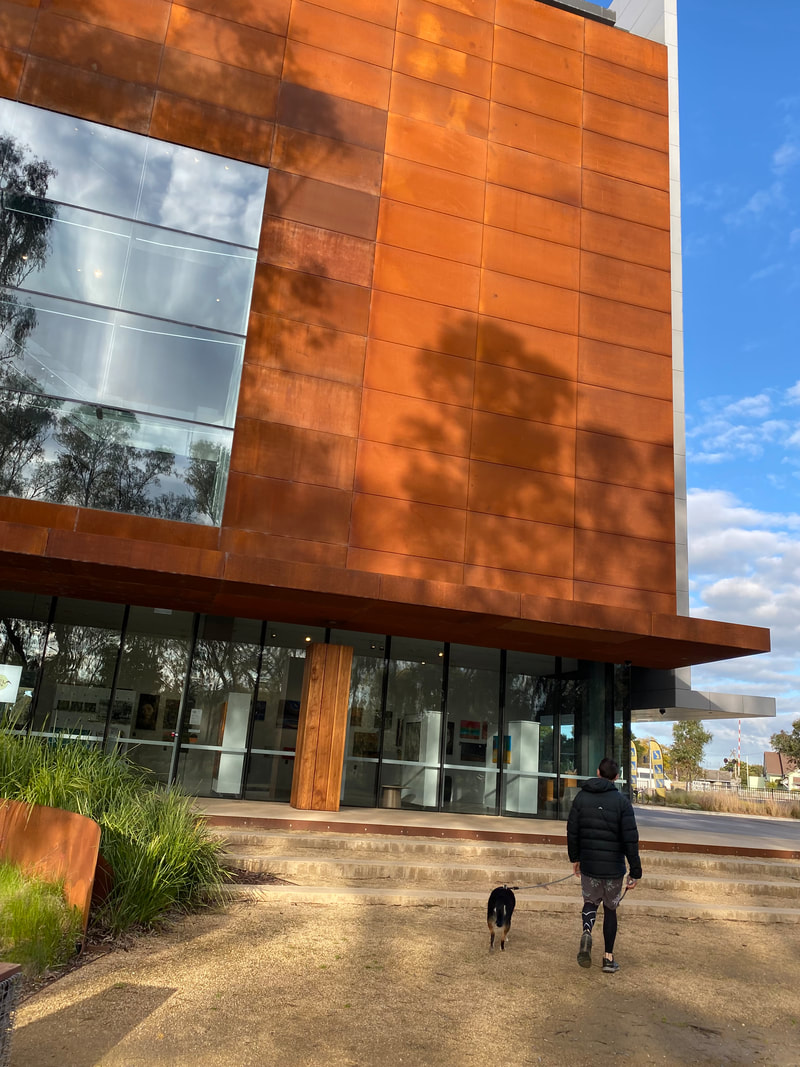
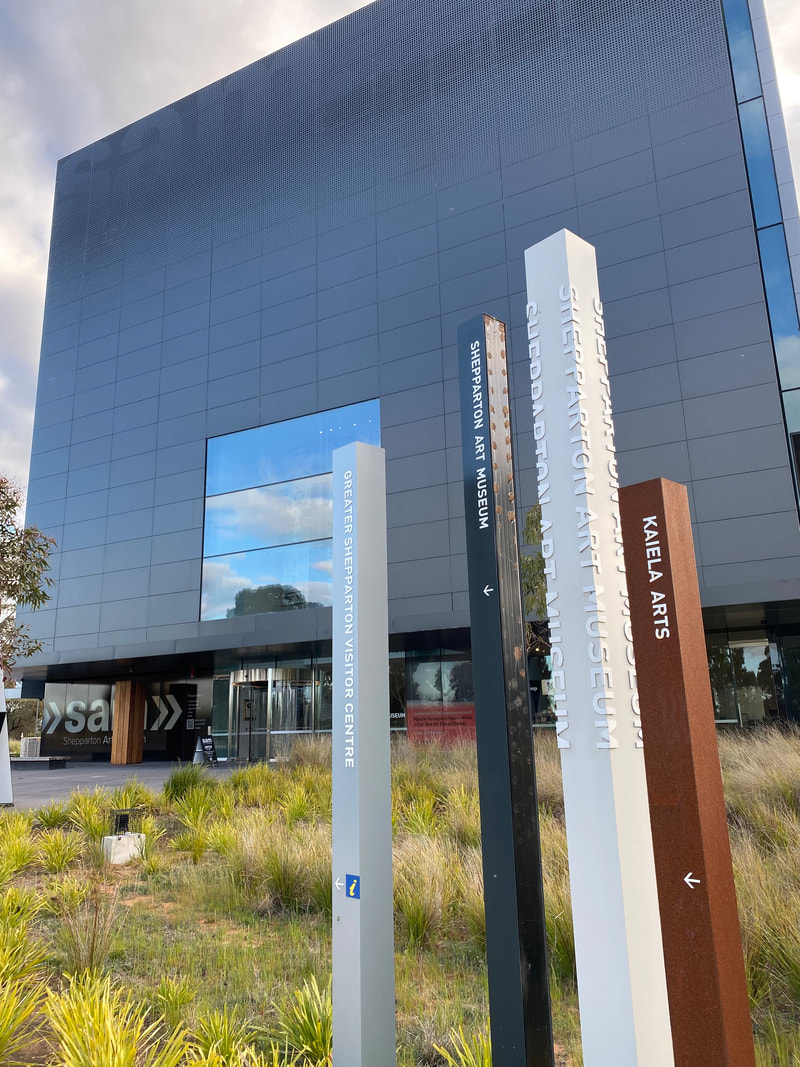
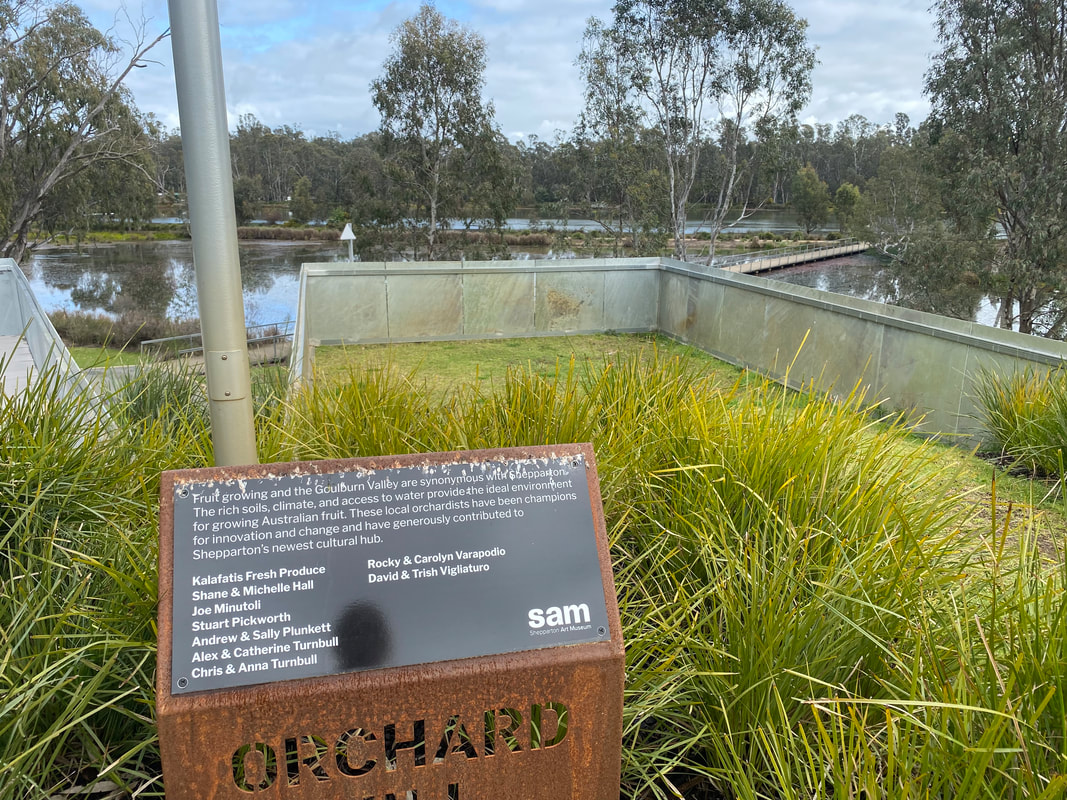
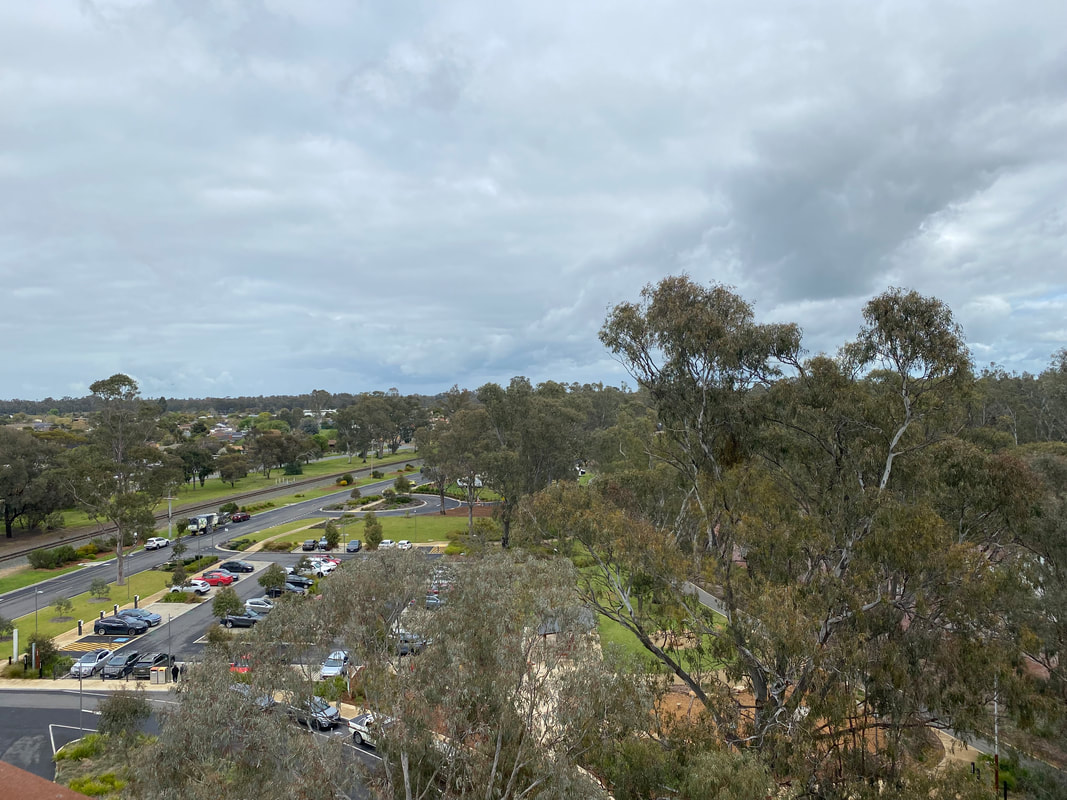
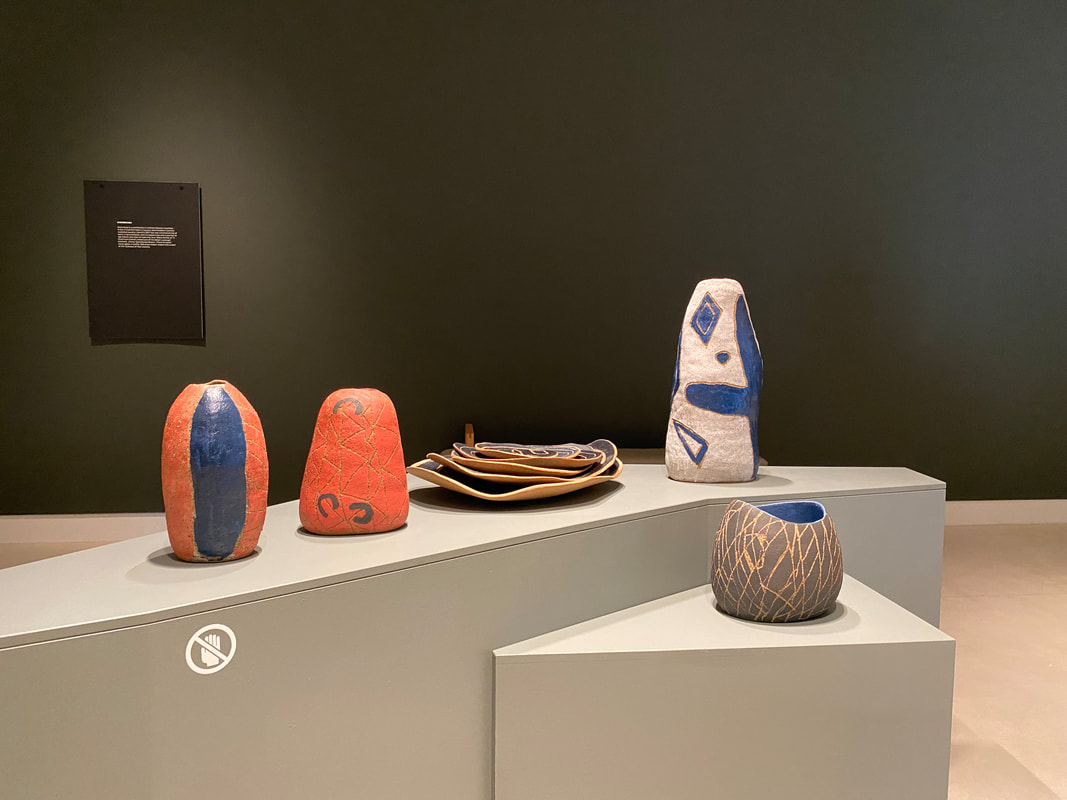
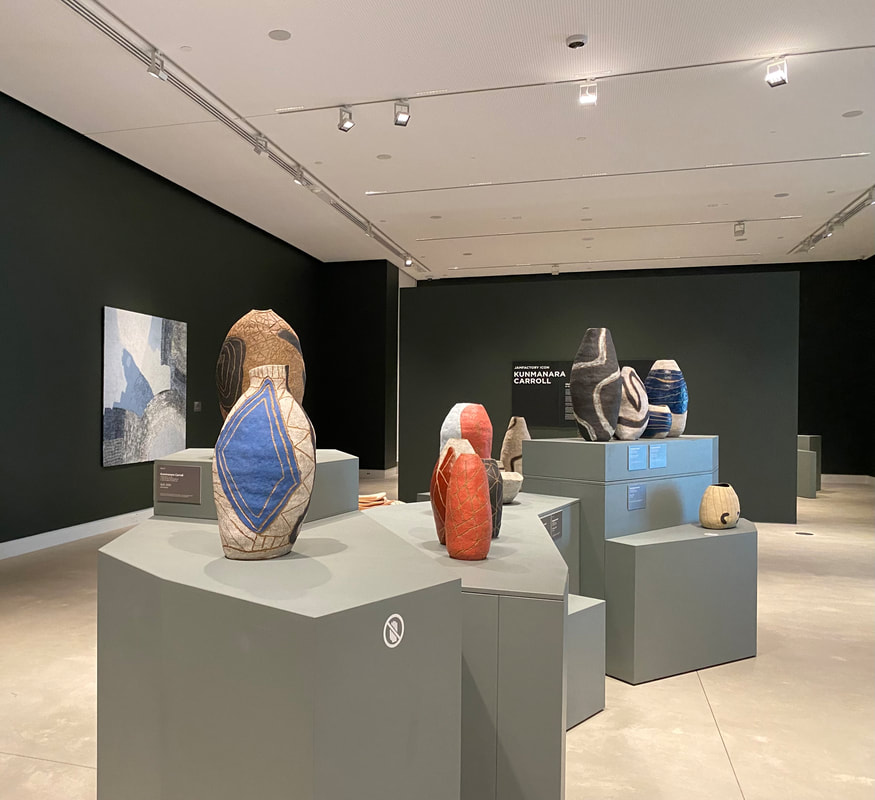
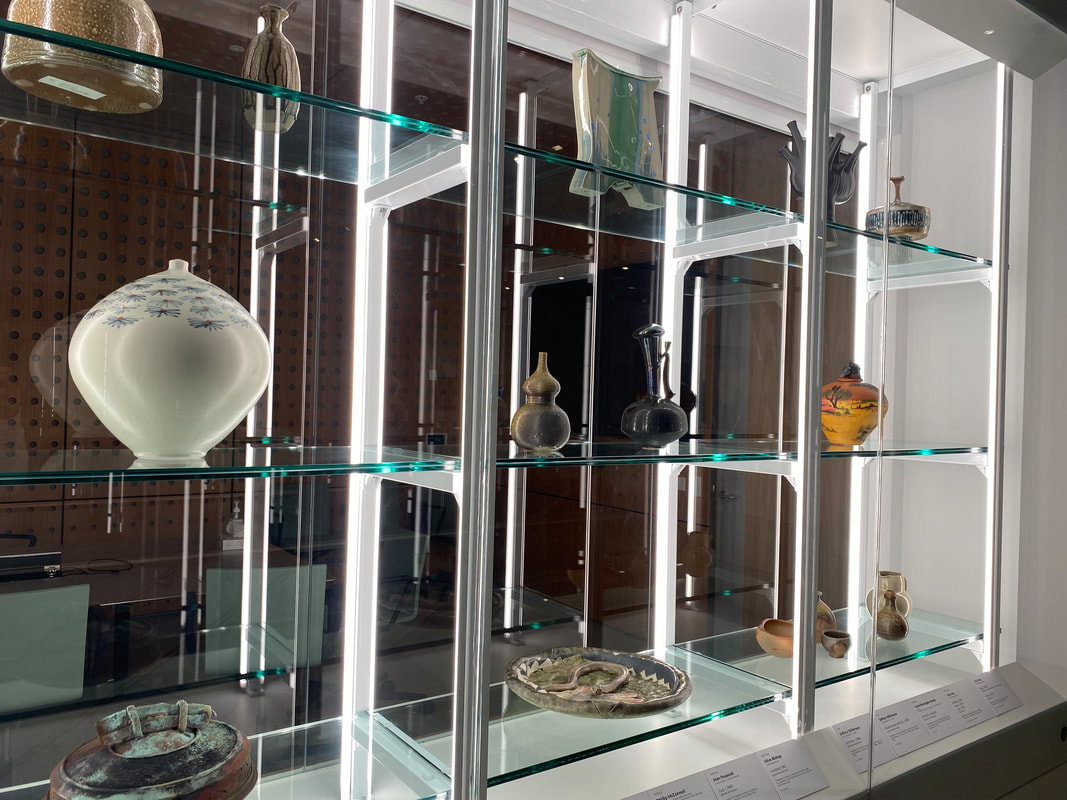
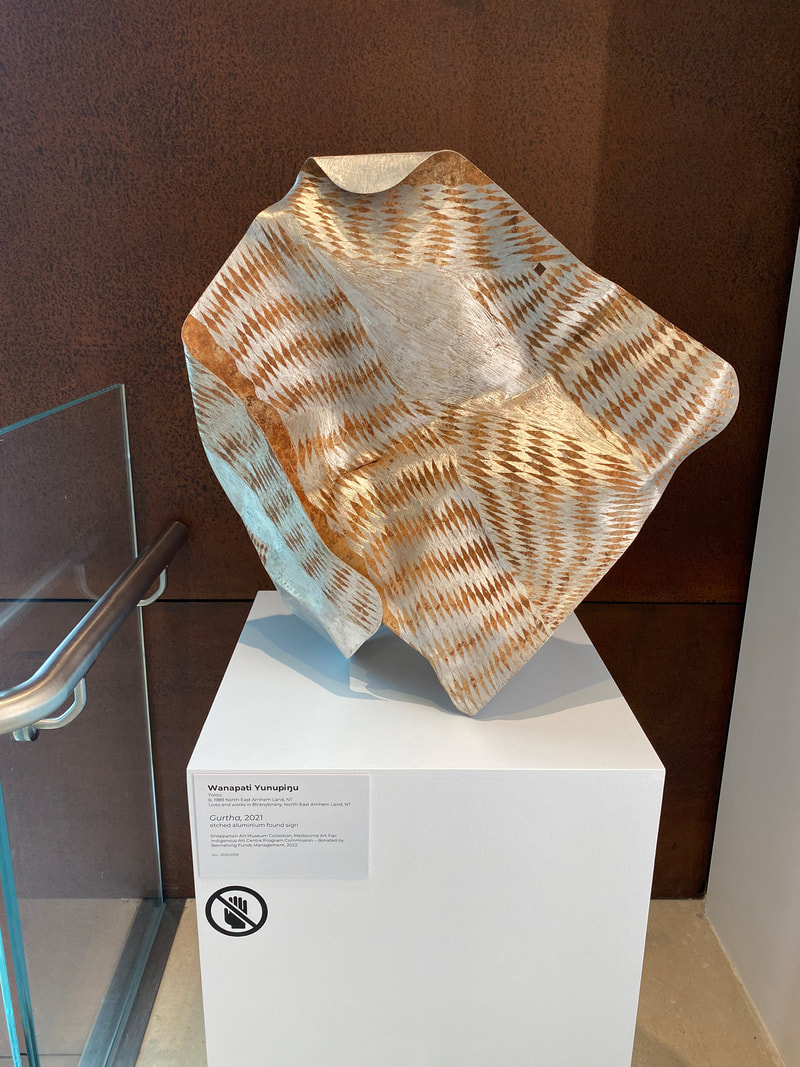
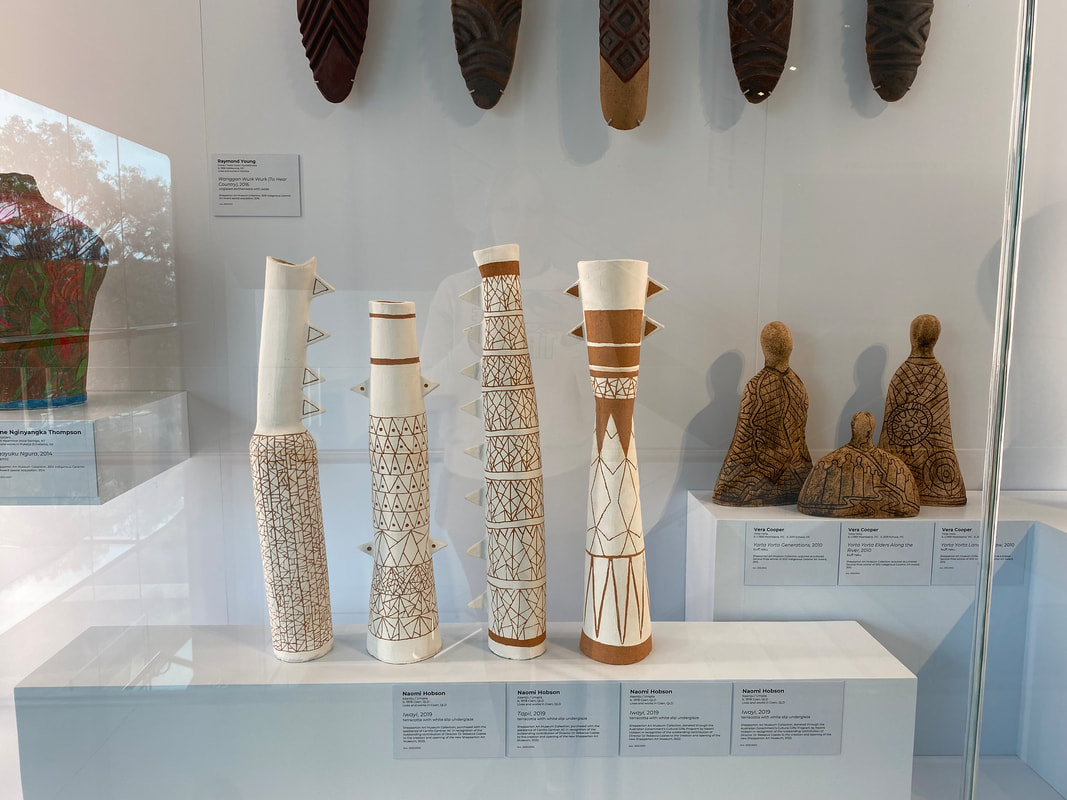
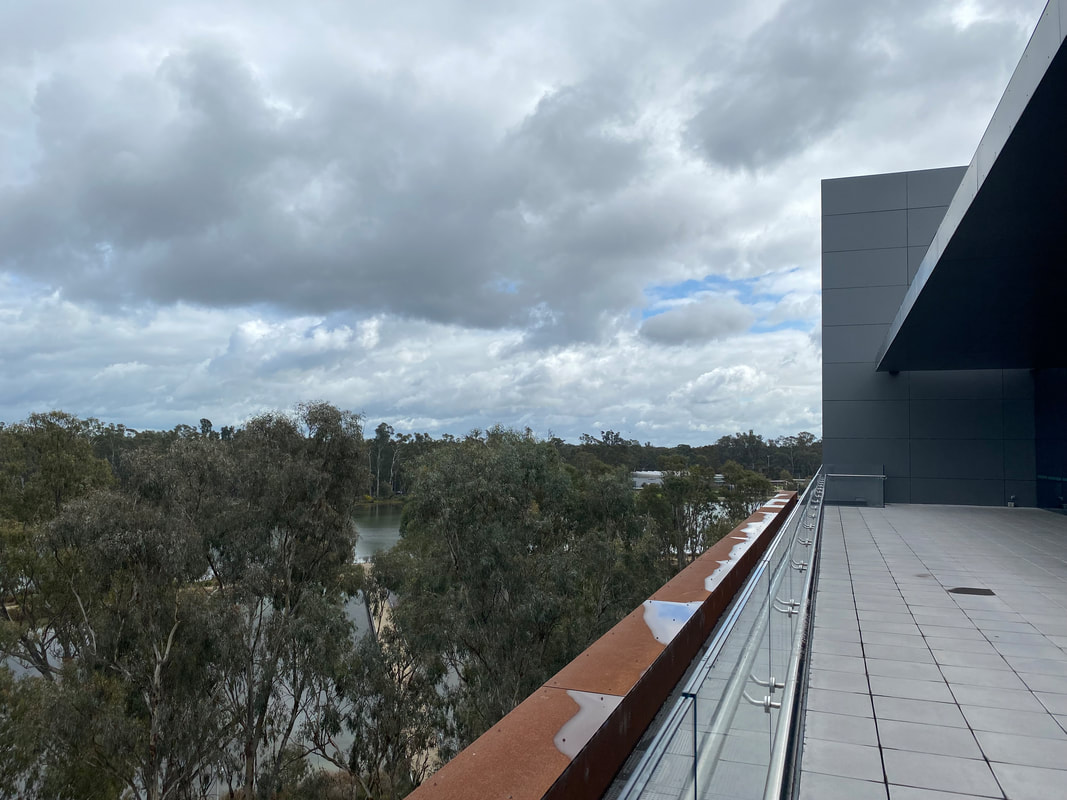
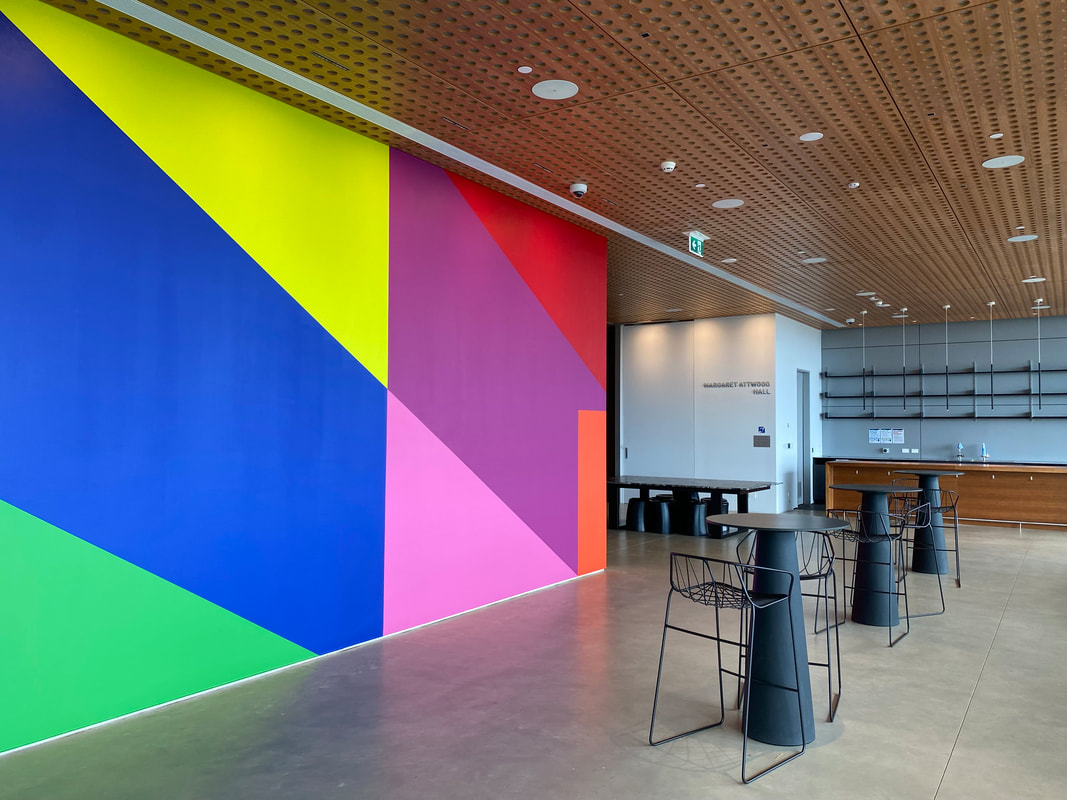
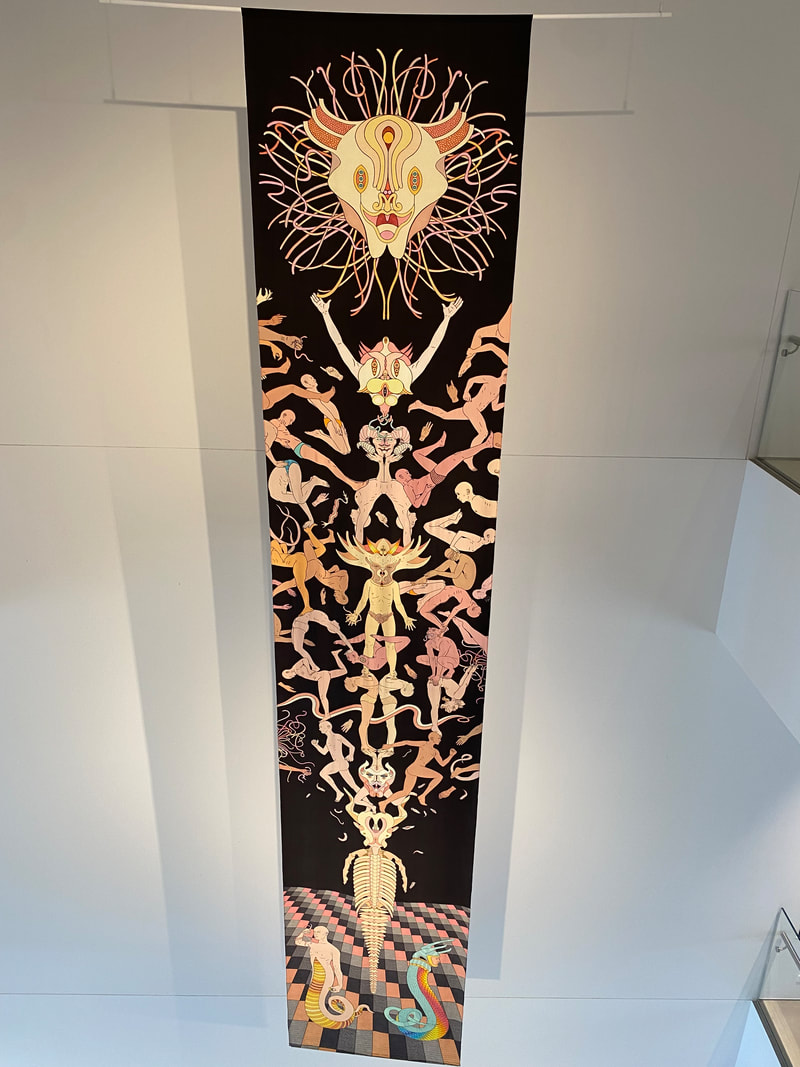
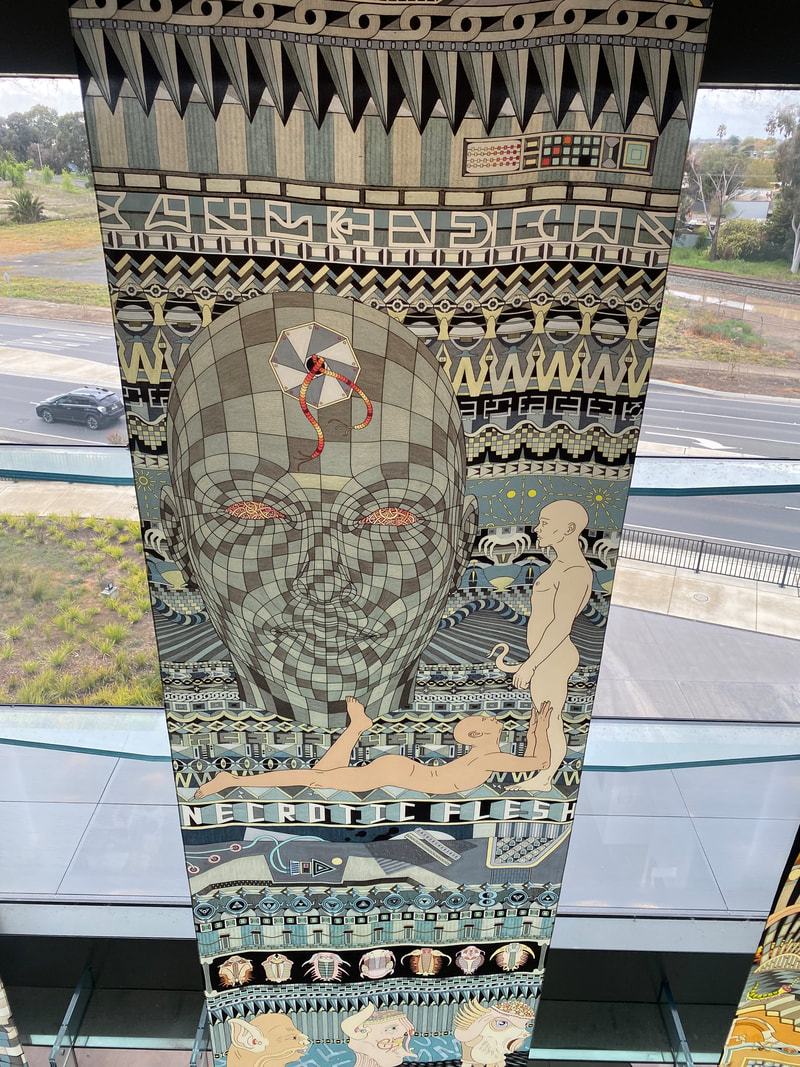
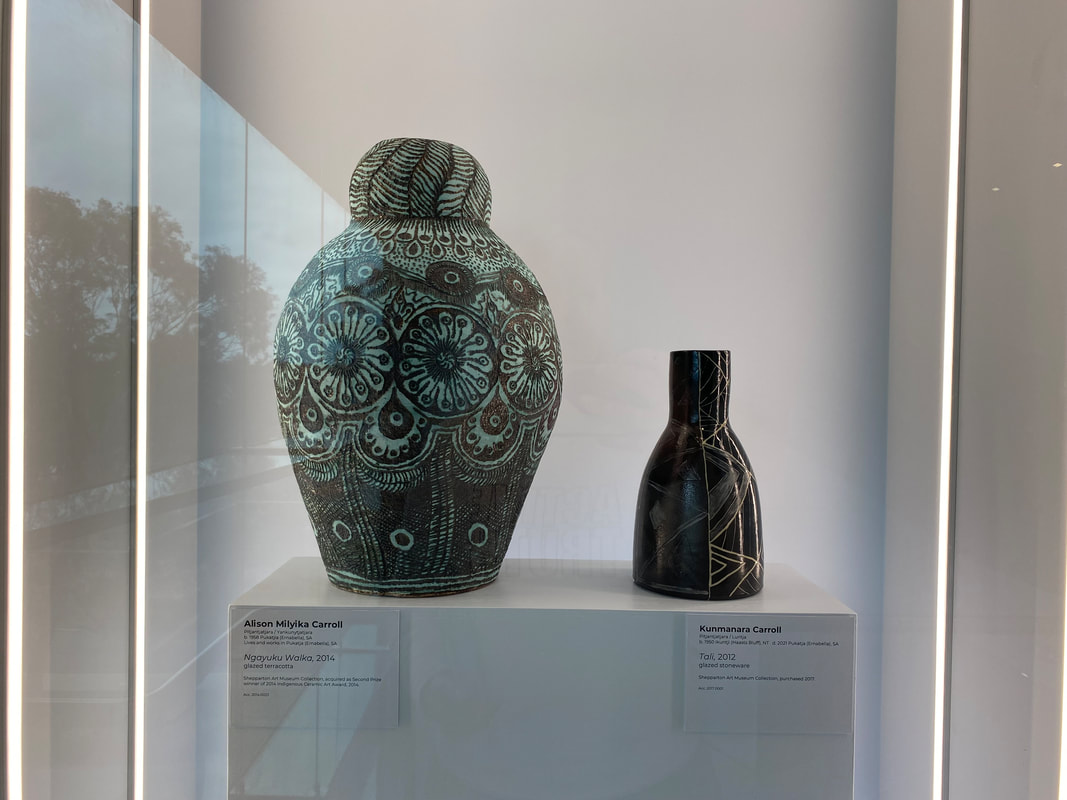
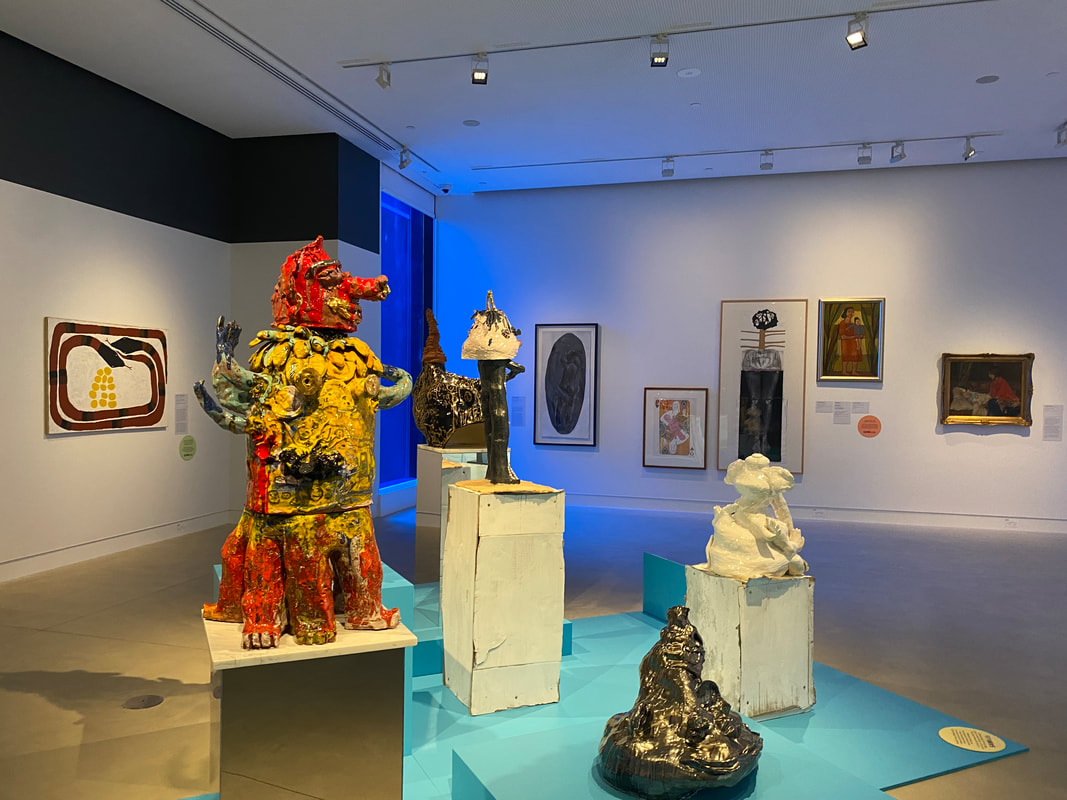
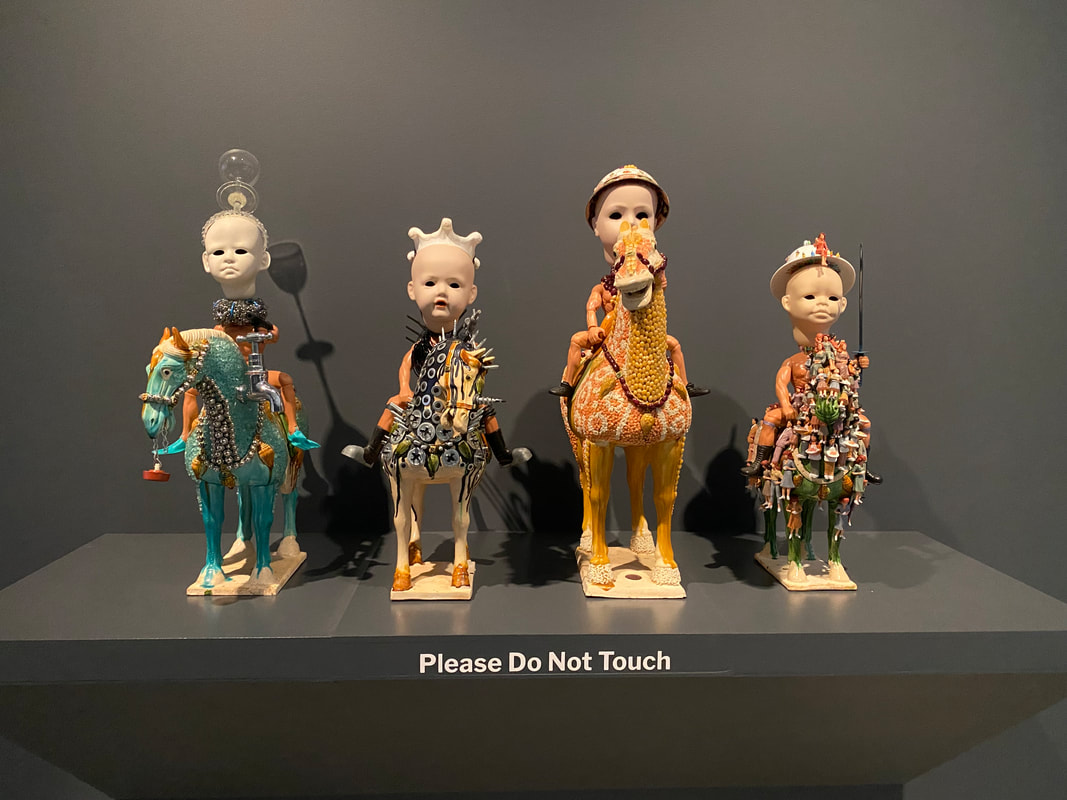
 Shepparton Art Museum (SAM)
Chern'ee & Brooke Sutton Kalkadoon ArtistsChern’ee Sutton grew up in Mount Isa and is now an accomplished and award winning artist with two paintings in the Royal Collection at Buckingham Palace; a reconciliation painting given to the Duke and Duchess of Cambridge during their Royal visit to Australia in 2014, and a painting for the 2018 Commonwealth Games gifted by the City of Gold Coast to his Royal Highness, Charles Prince of Wales. 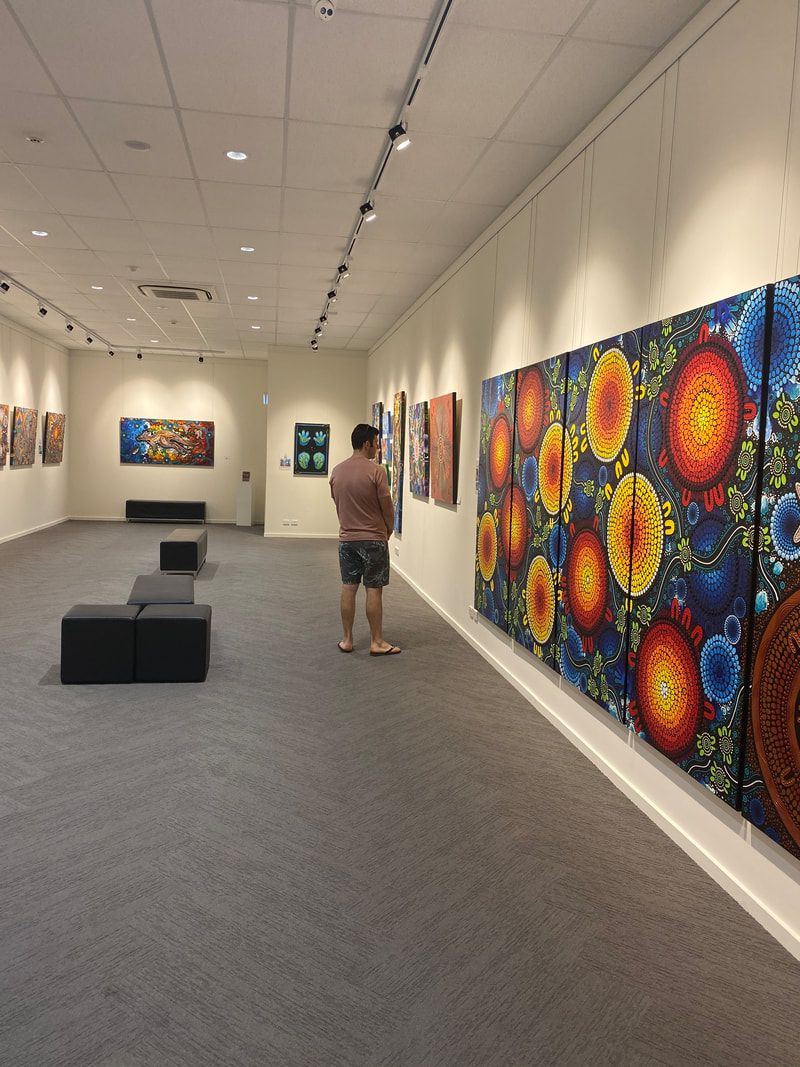 A few days in Newcastle with a sneaky stopover in Brisbane... Gallery of Modern Art (QAGOMA), Brisbane
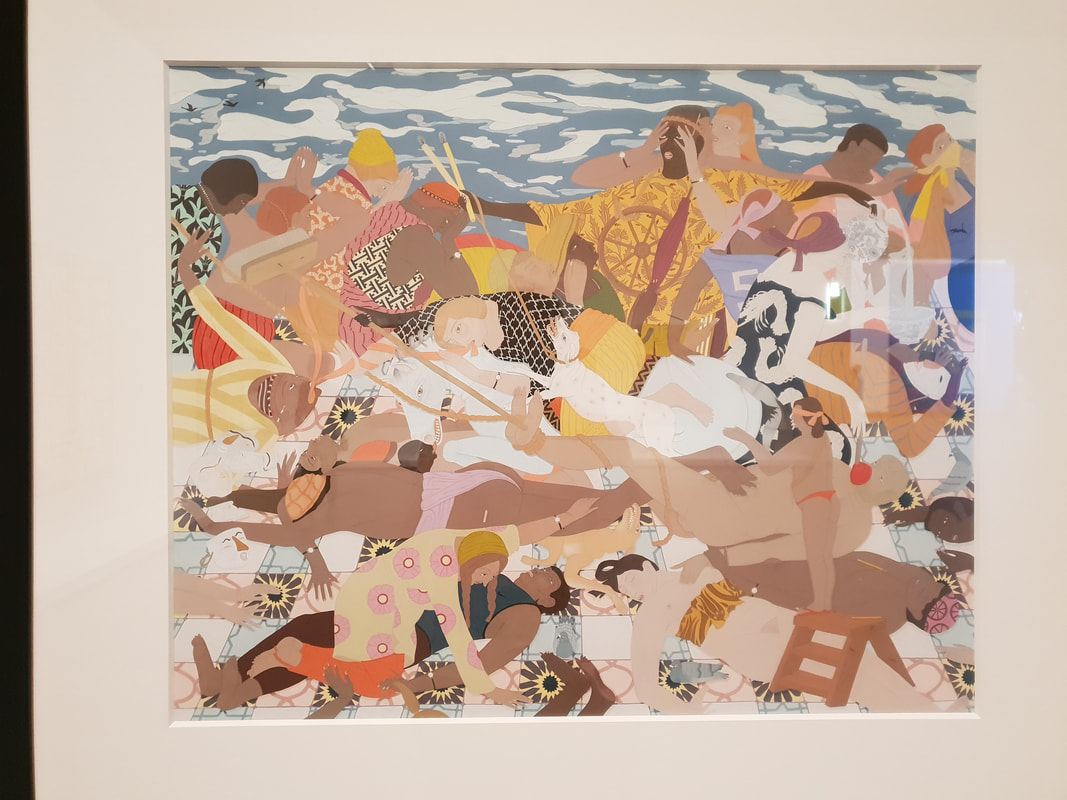
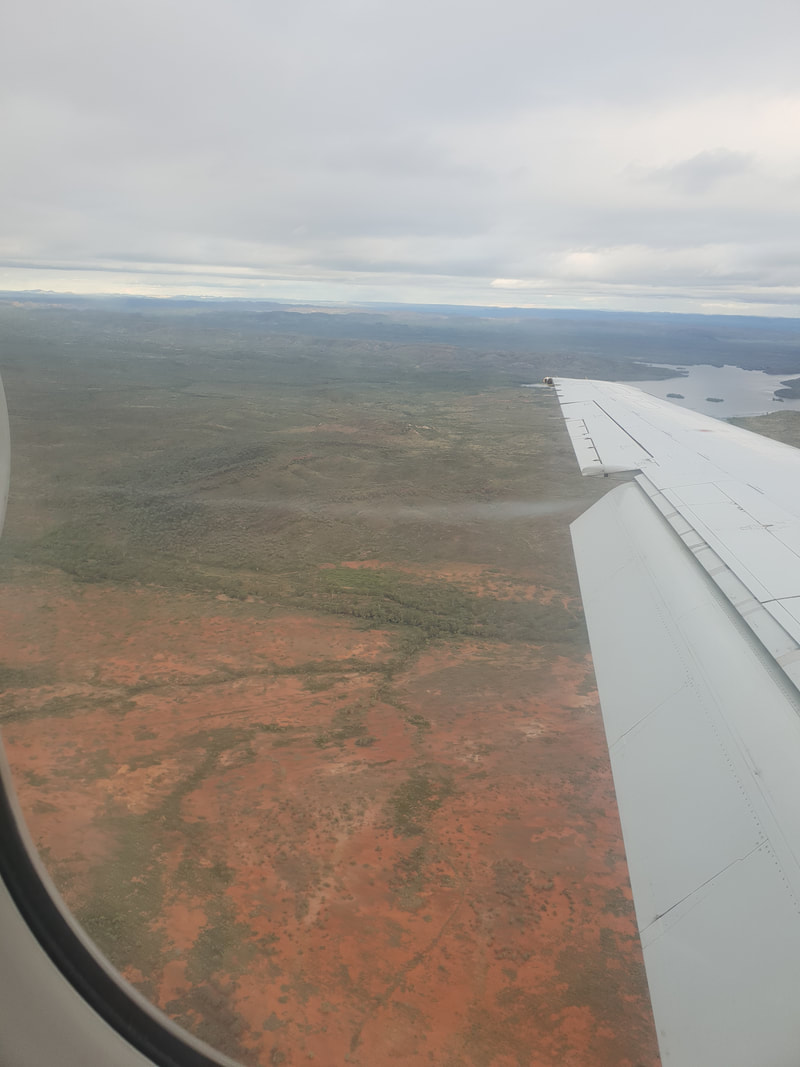
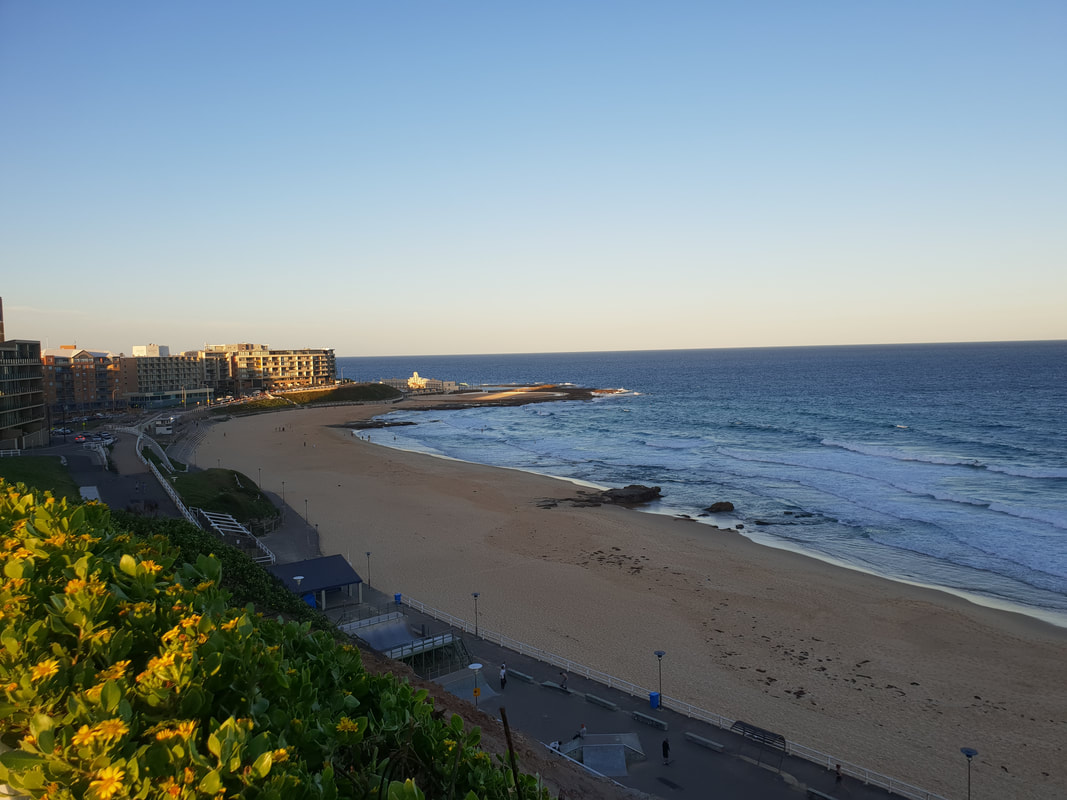
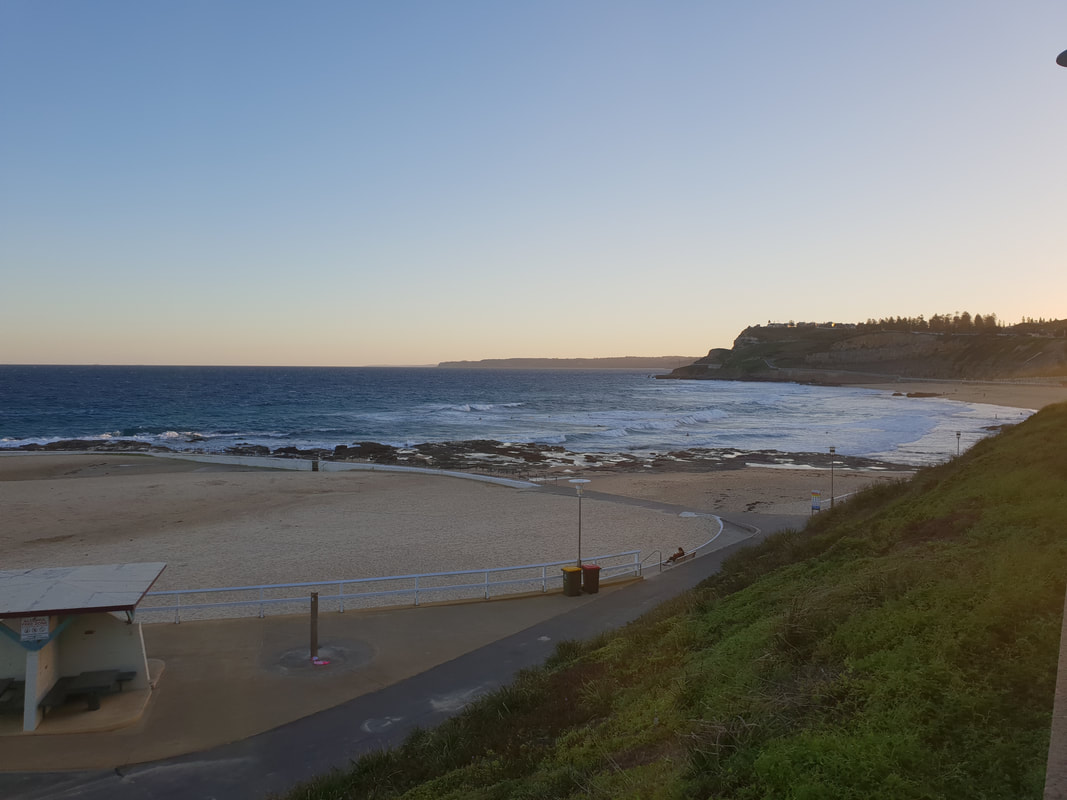
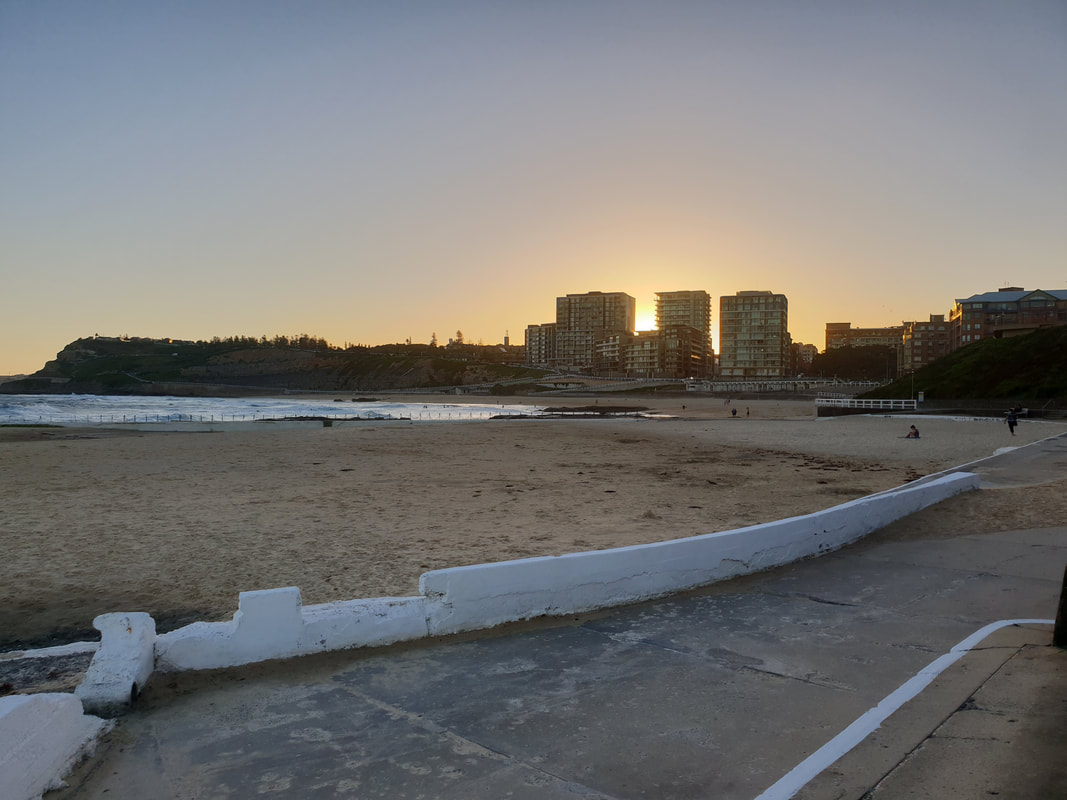
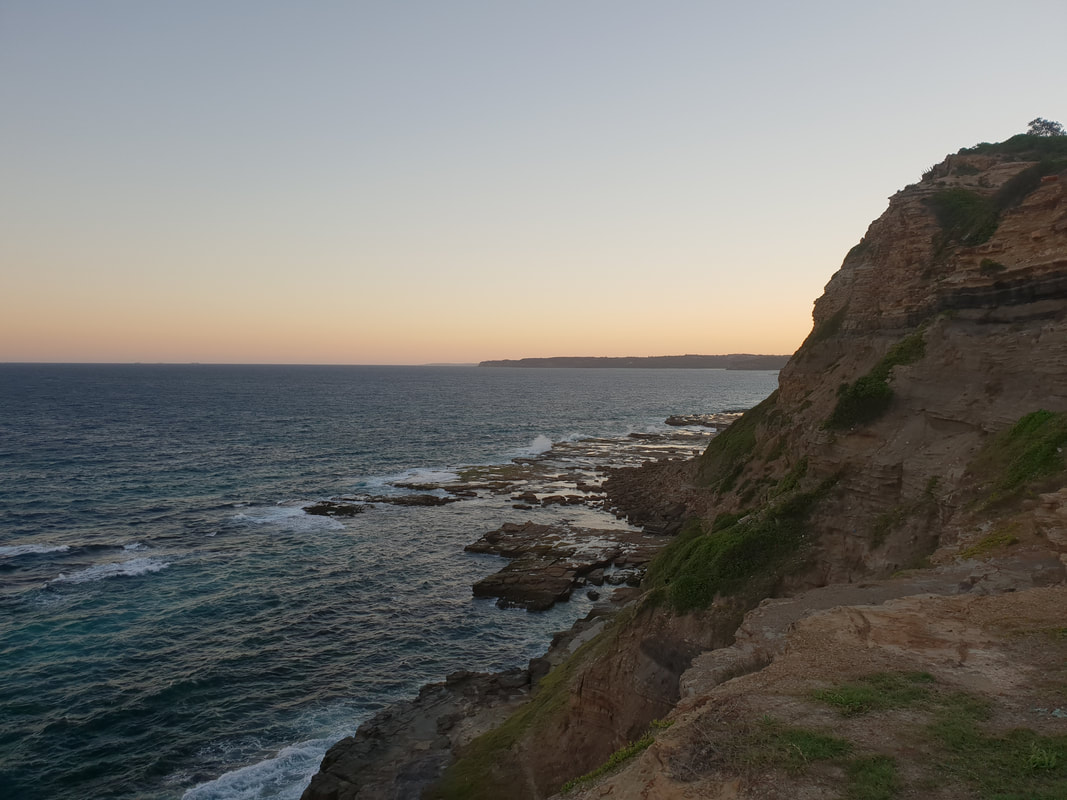
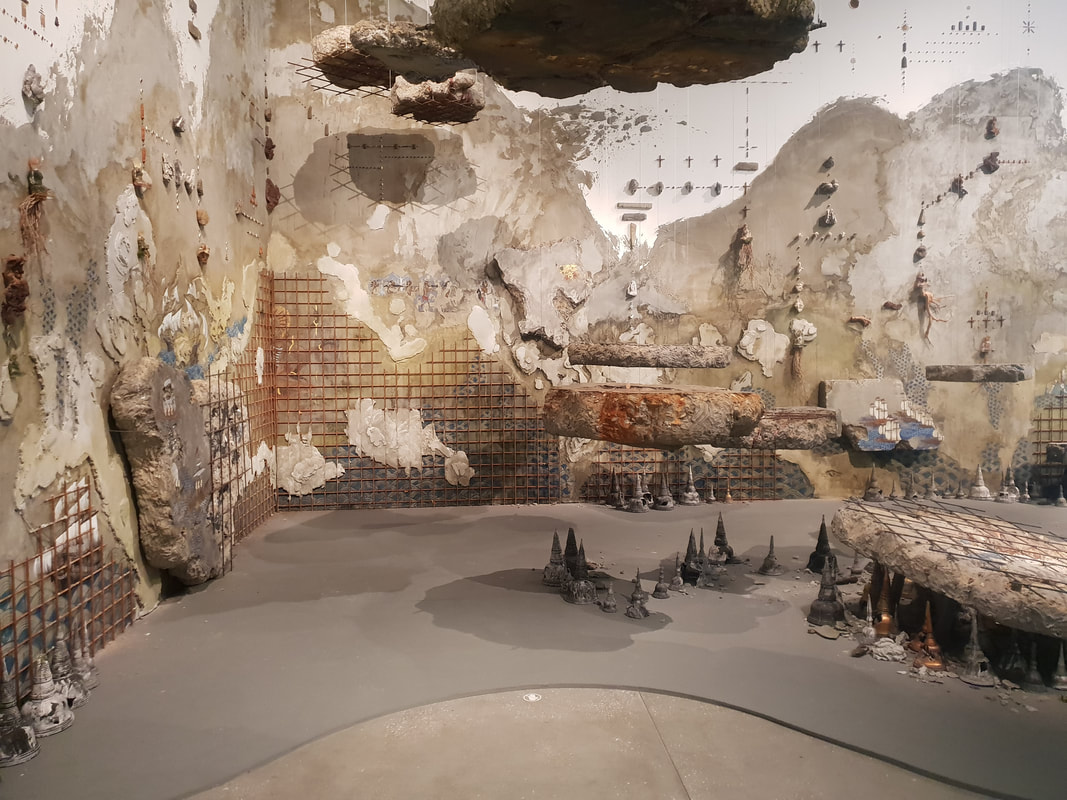 Mount Isa to Newcastle with a stopover in Brisbane
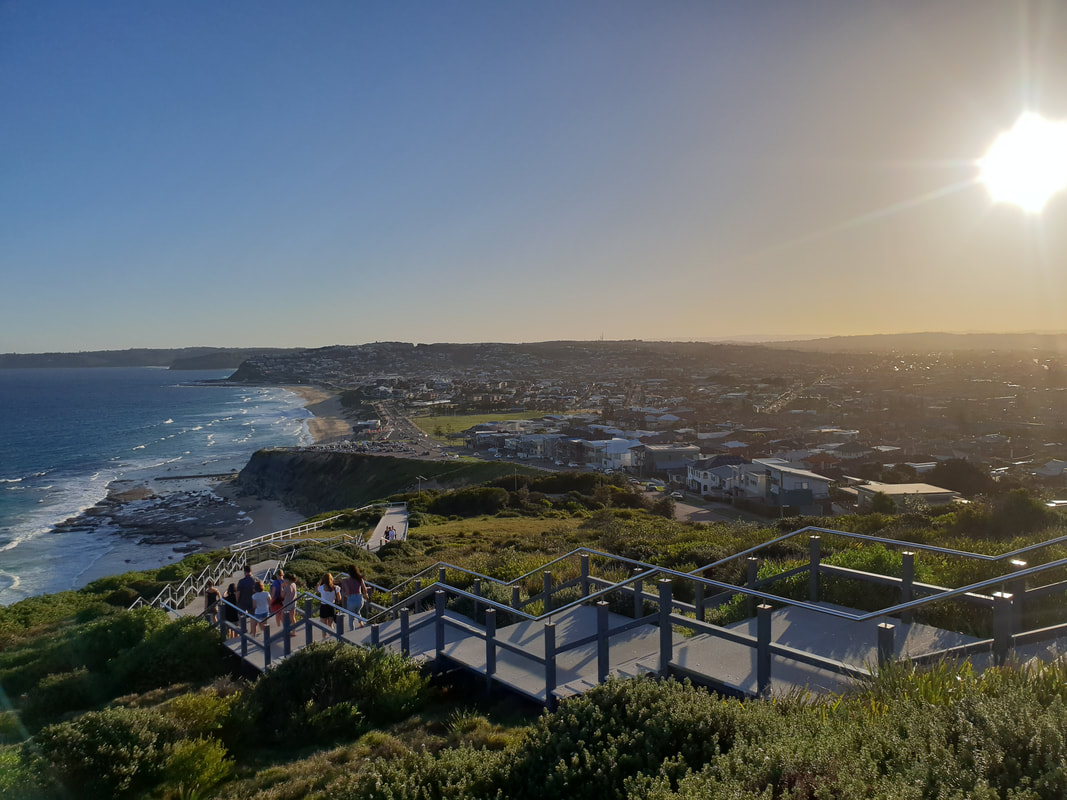
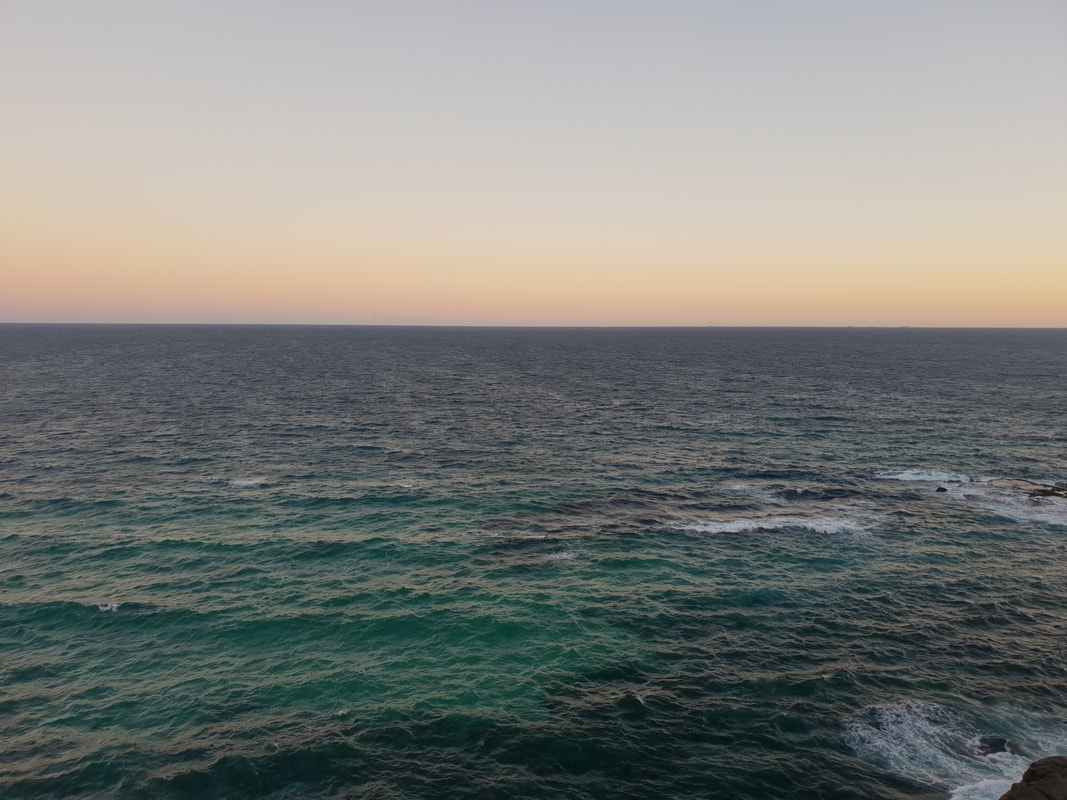
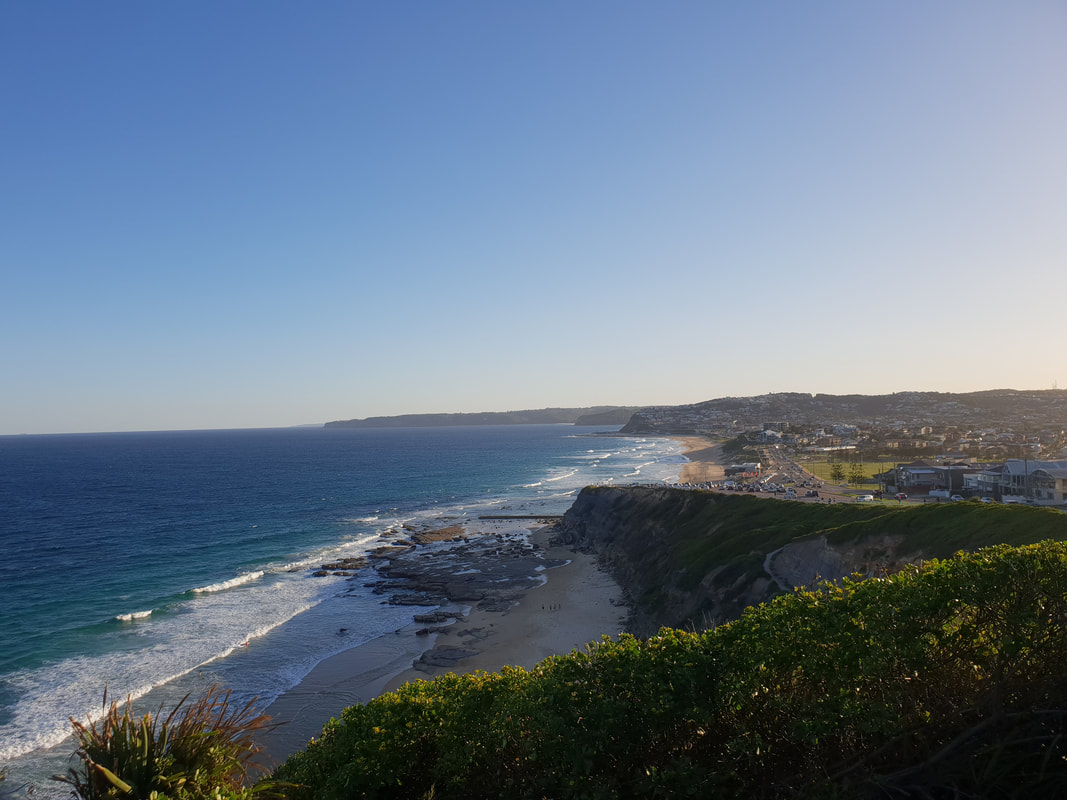
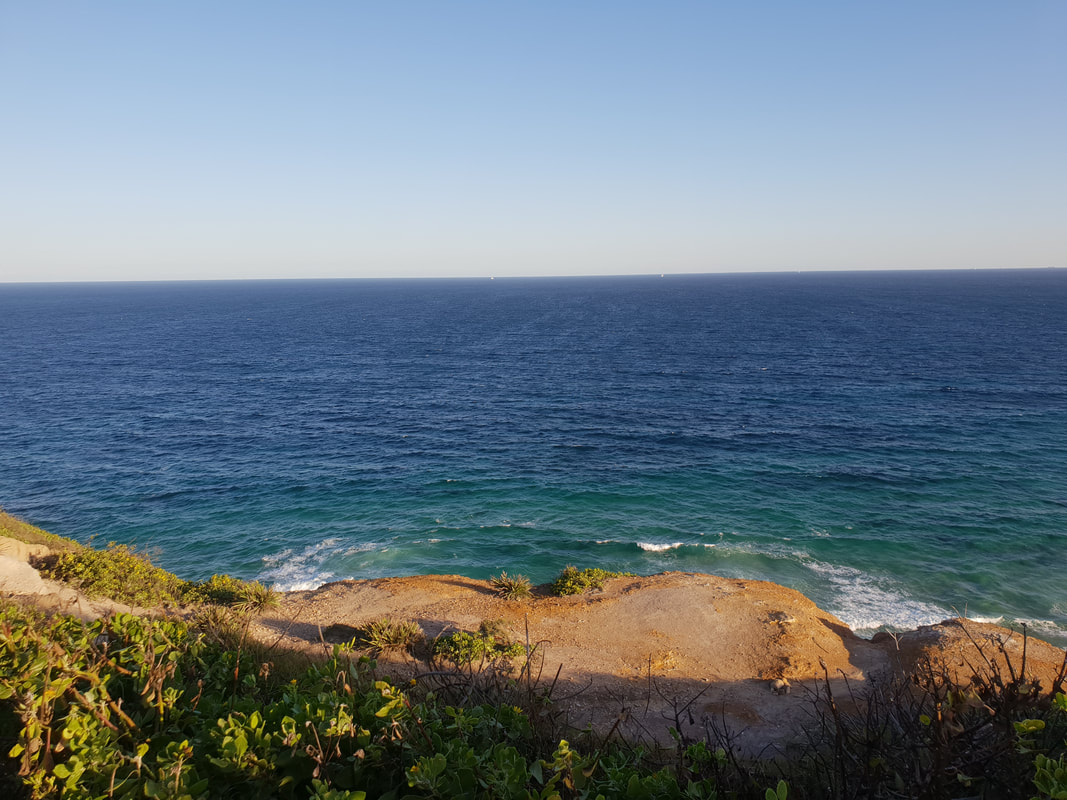
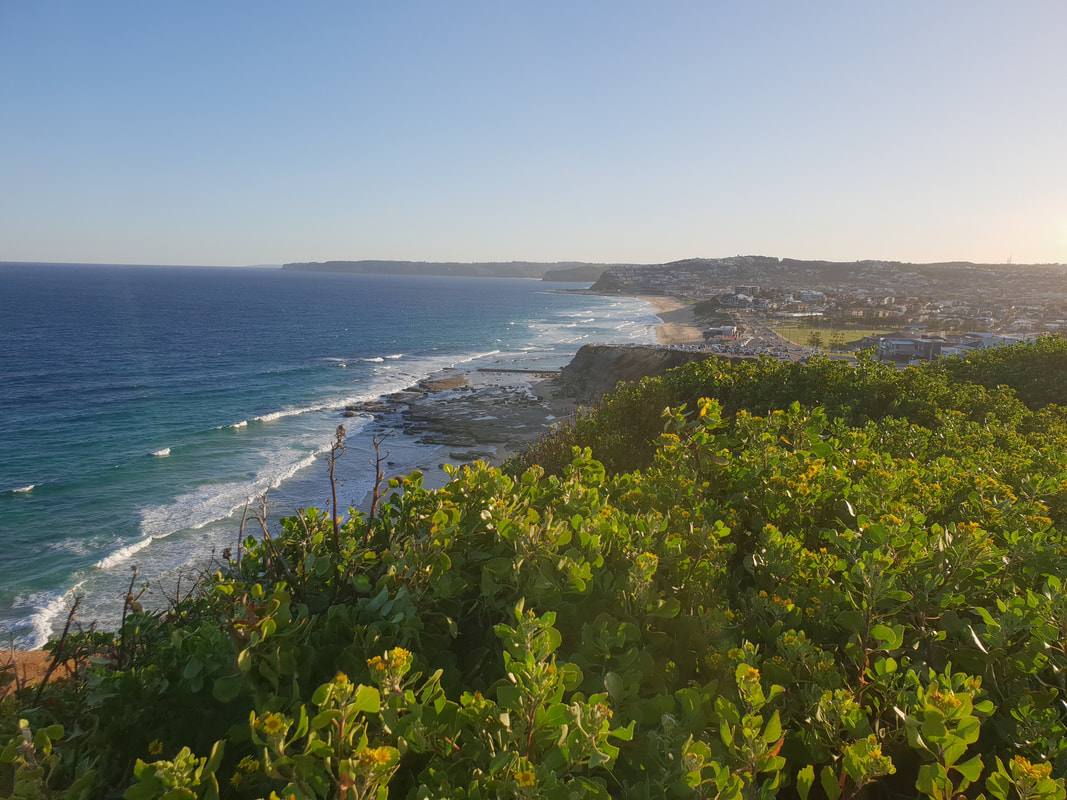
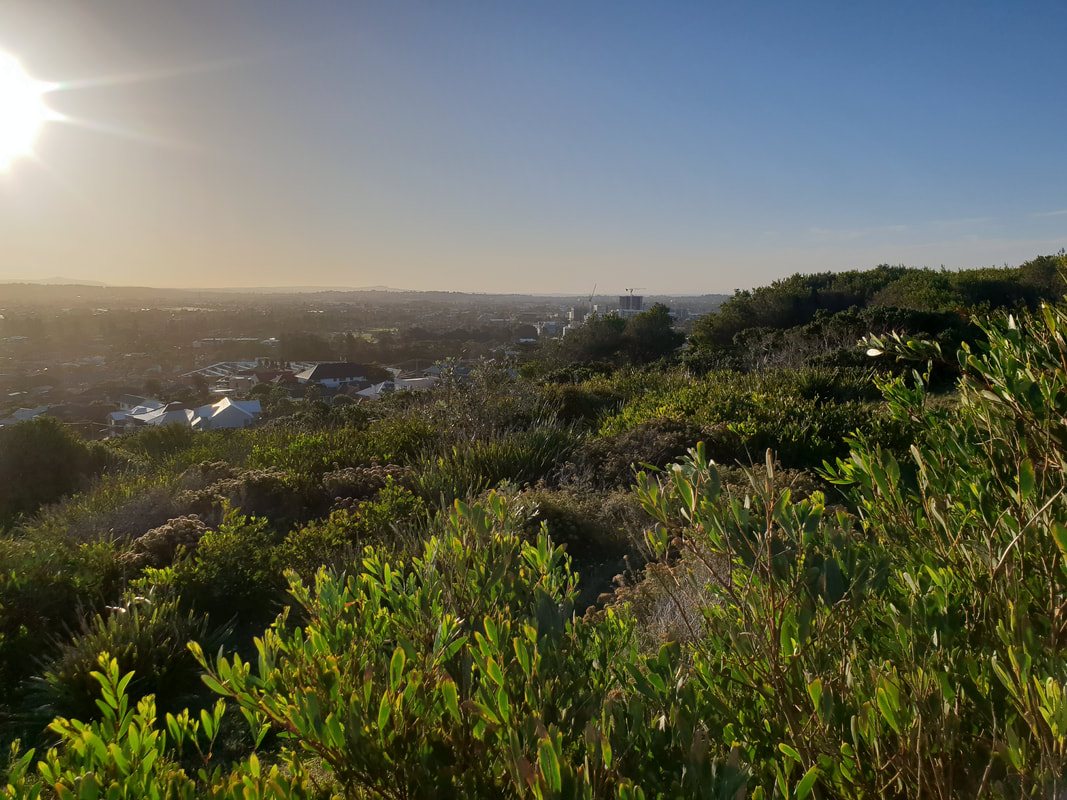
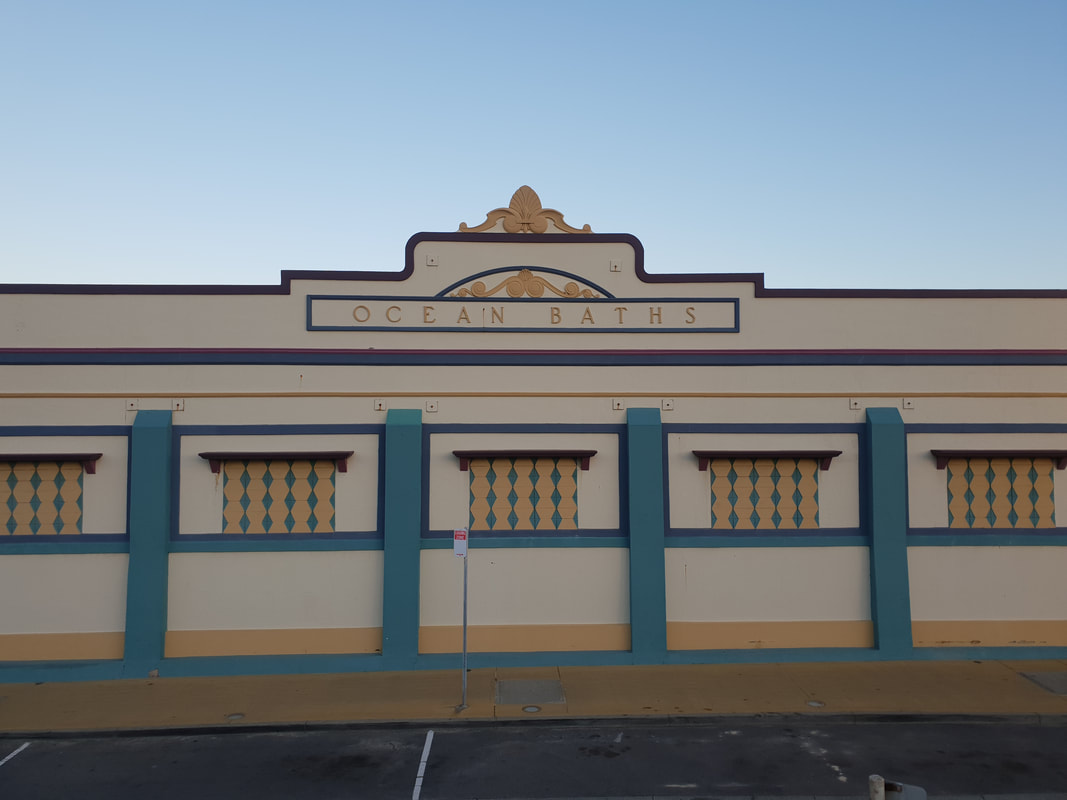
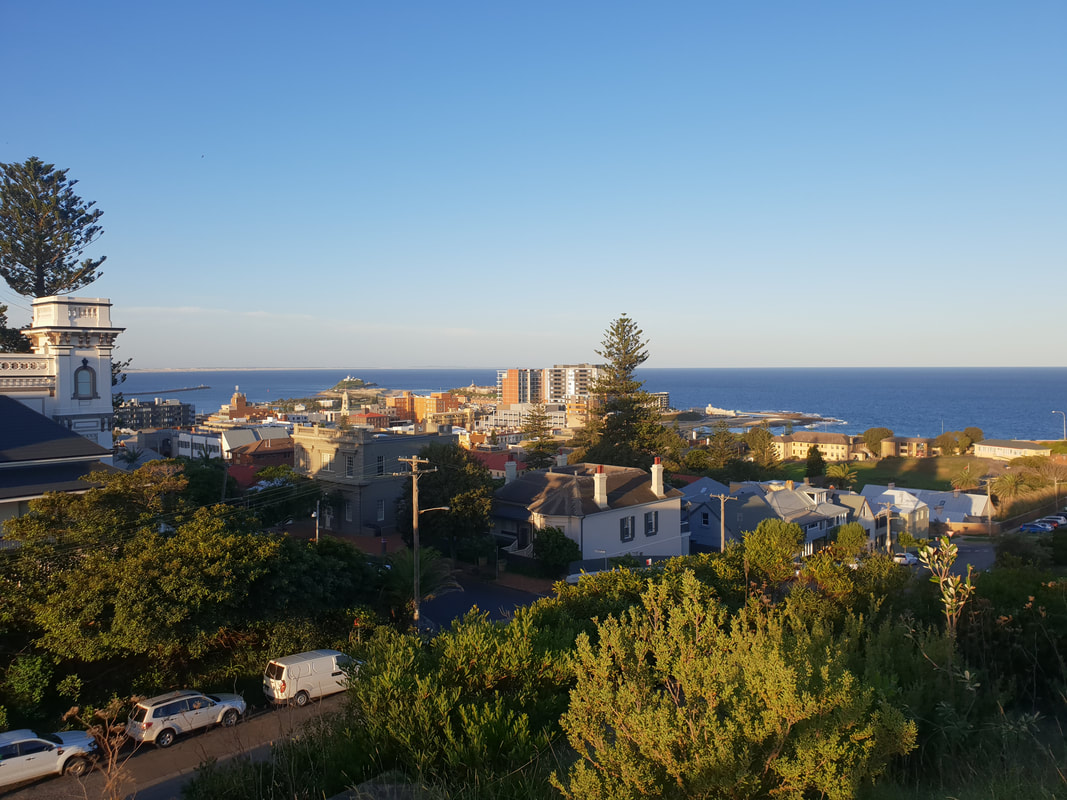
Merewether Baths to Anzac Memorial Walk
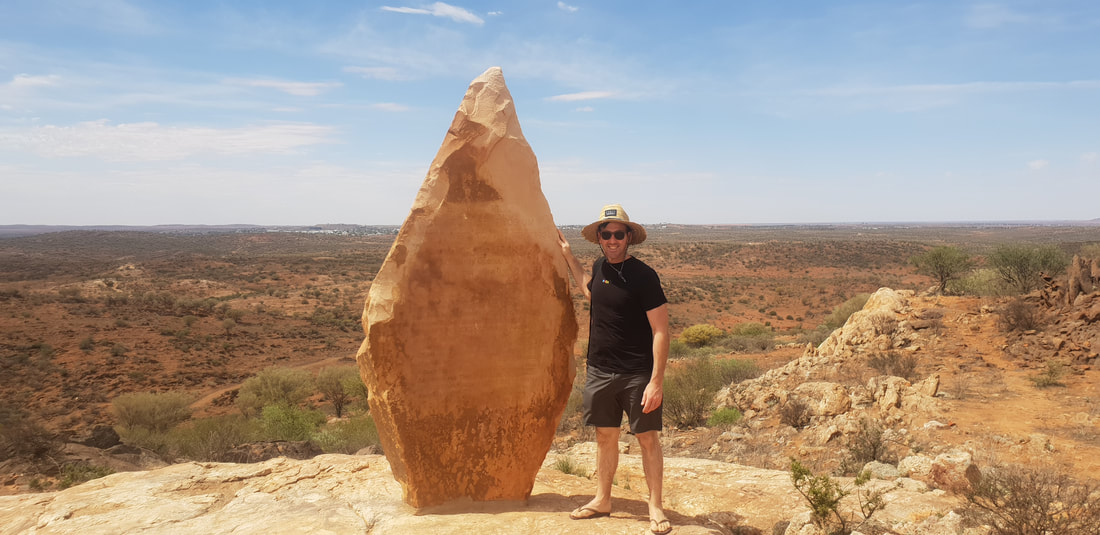
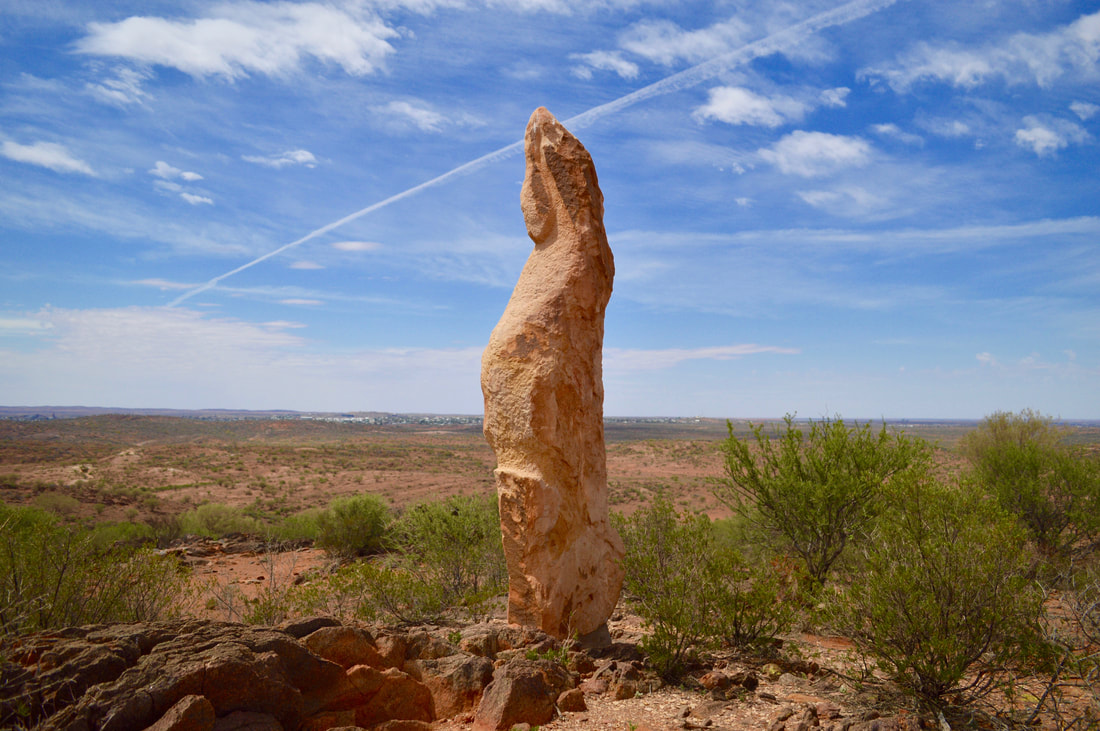
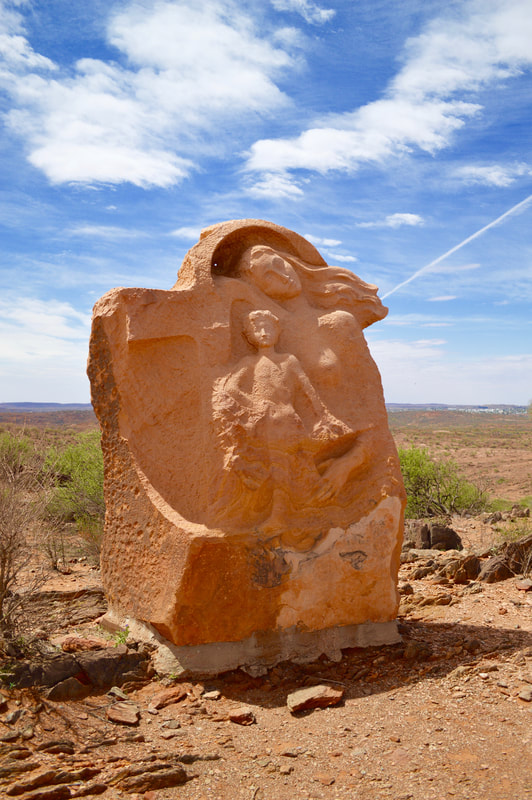
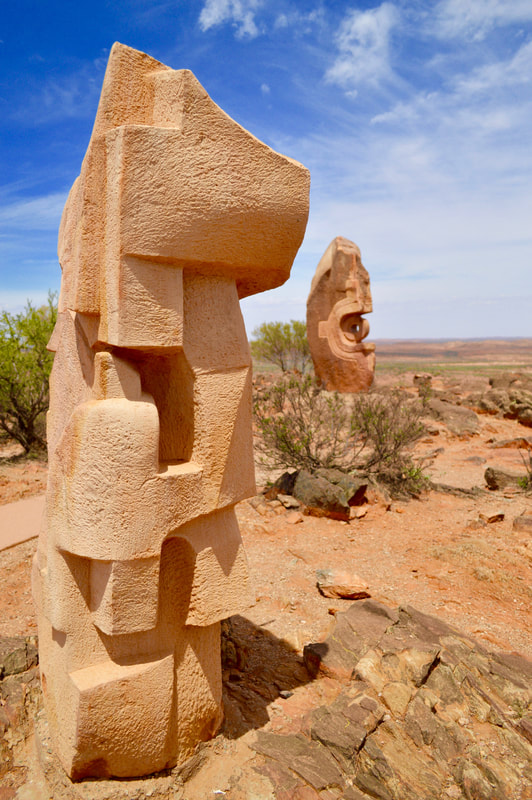
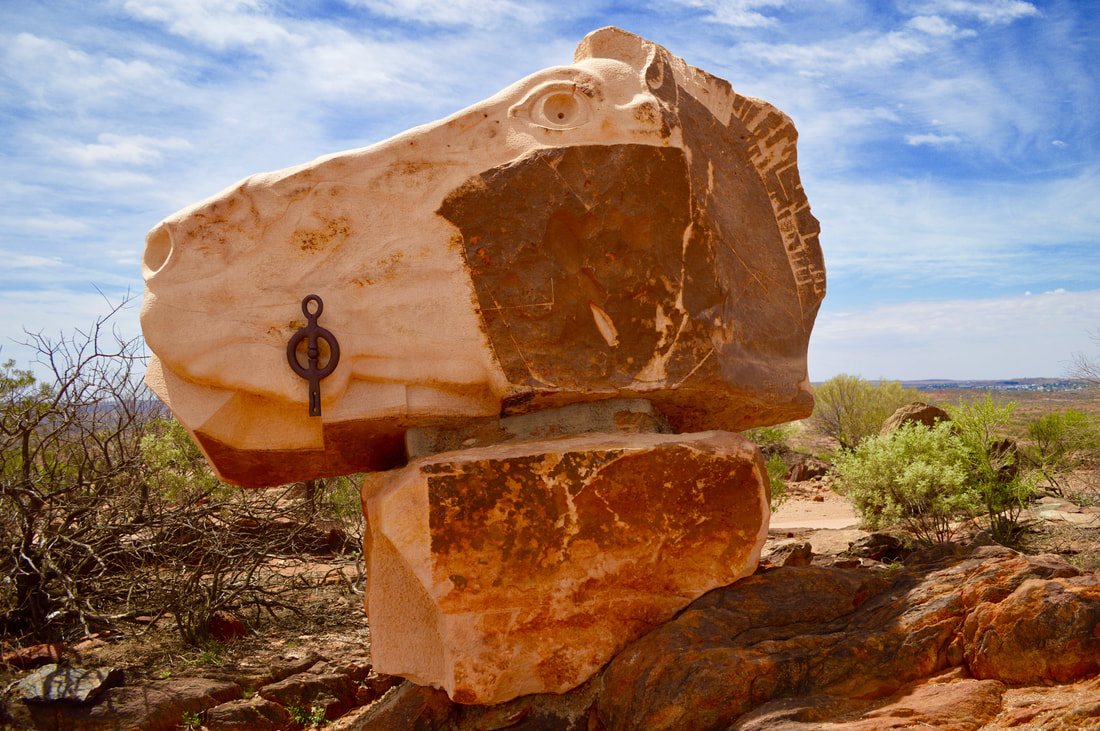
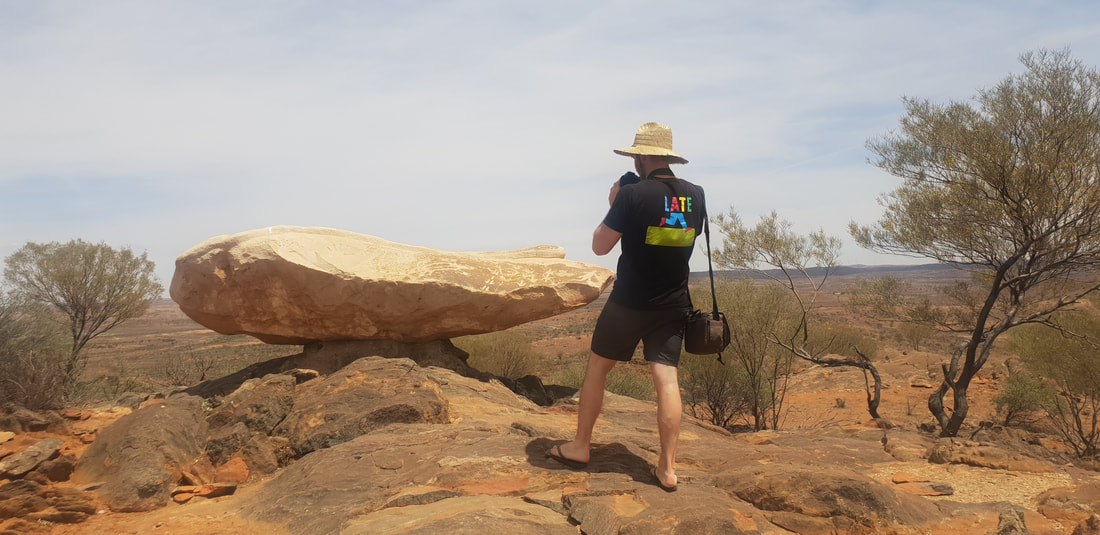
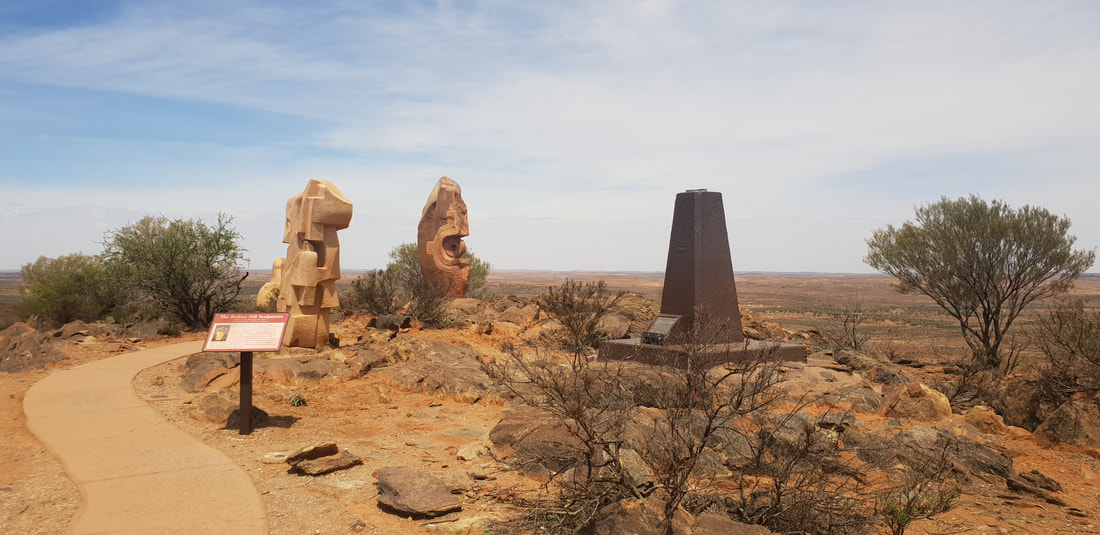
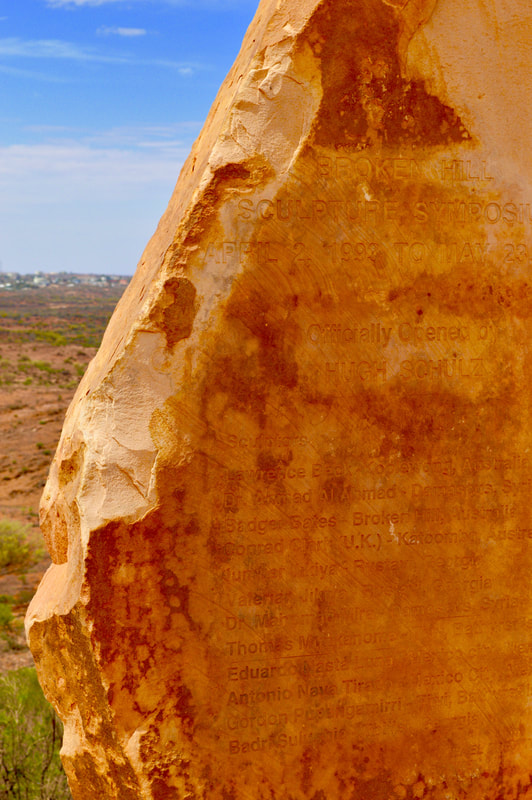
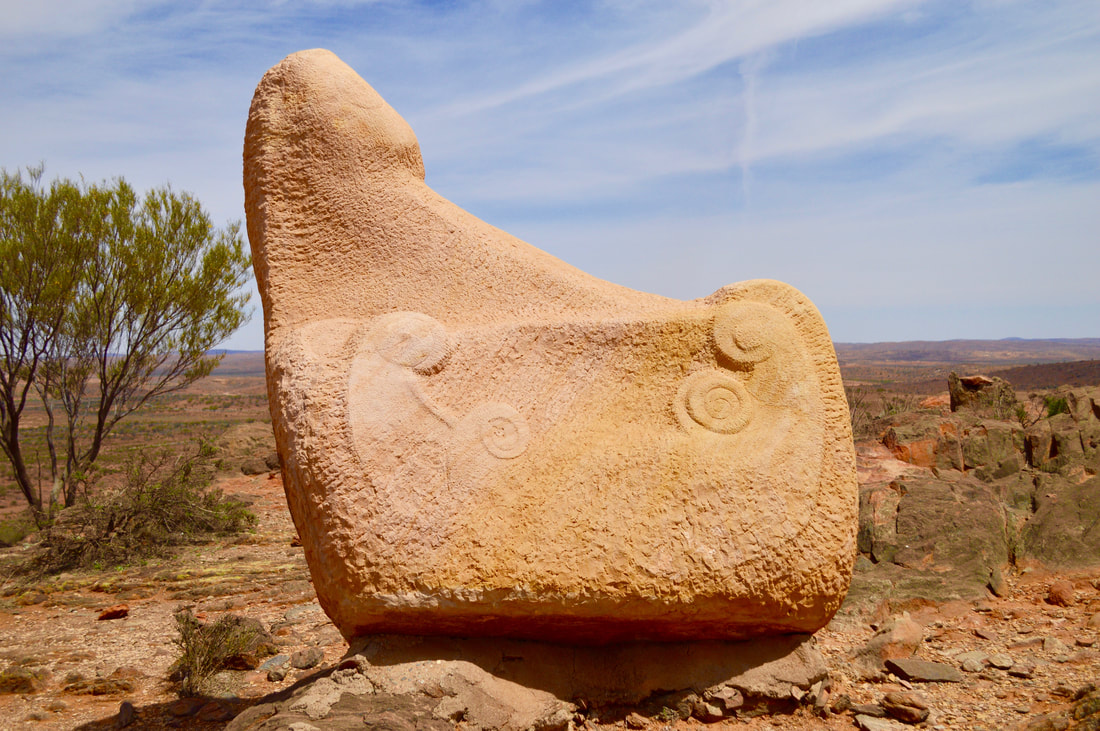
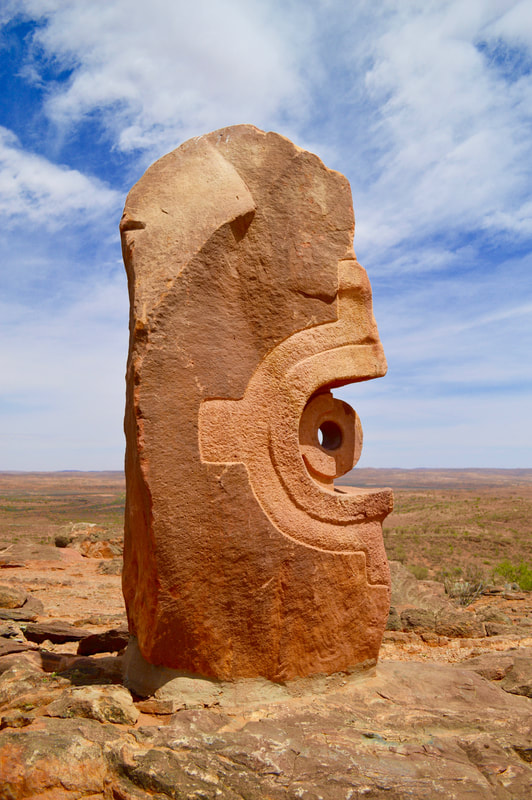
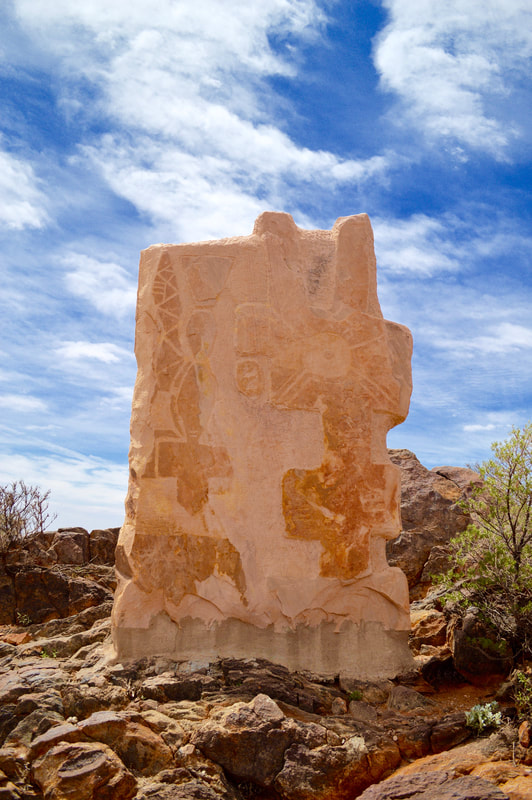
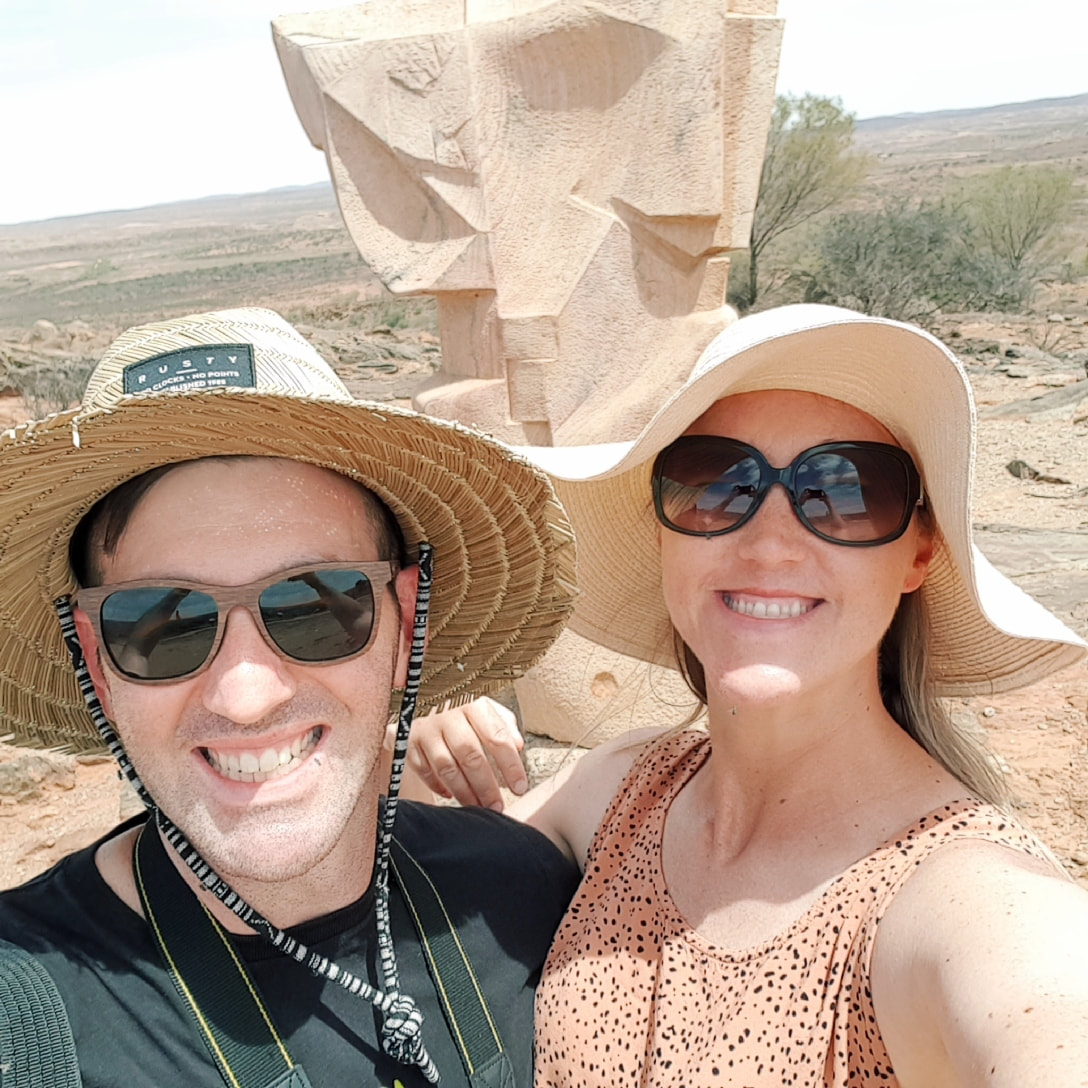
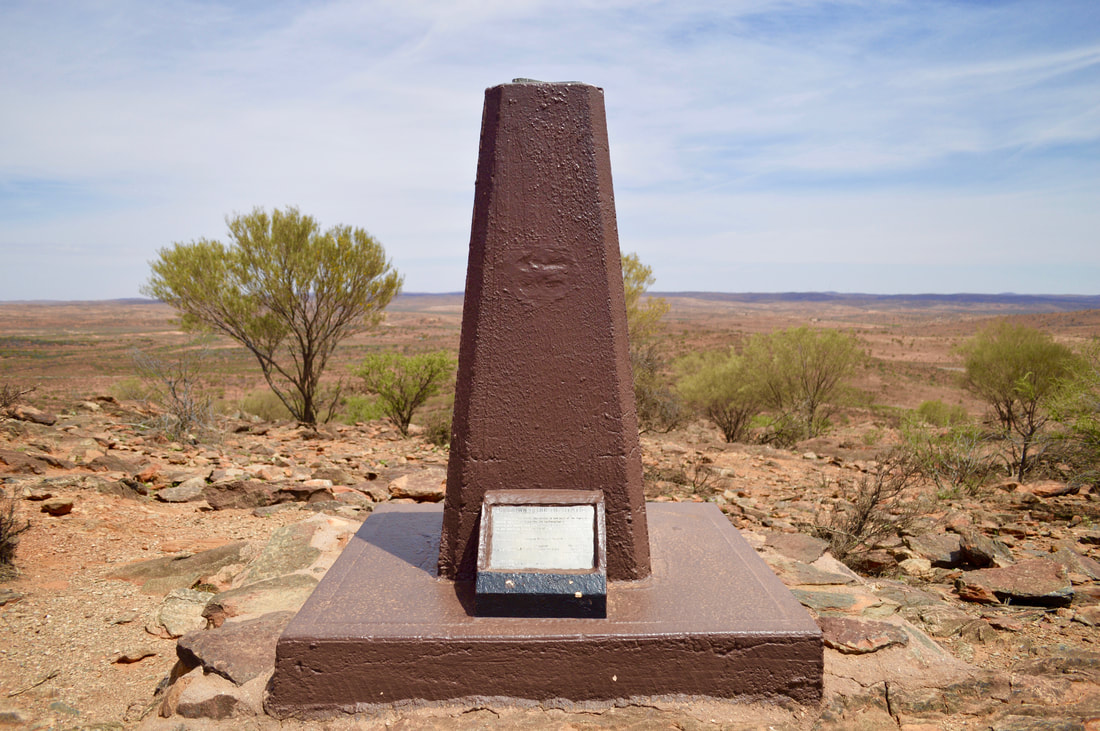
In 1993 a diverse group of artists including refugees and Indigenous Australians were united by 53 tonnes of sandstone in the red-dirt desert, north of Broken Hill to take part in the month-long 'Broken Hill Sculpture Symposium.' Each artist spent the month sleeping, eating, getting to know each other and most importantly carving in their desert camp. The result is the now famous living desert sculptures outdoor gallery. The works are immense and the stories touching as you walk the route admiring the labour intense nature of the works and the environment in which they were created. 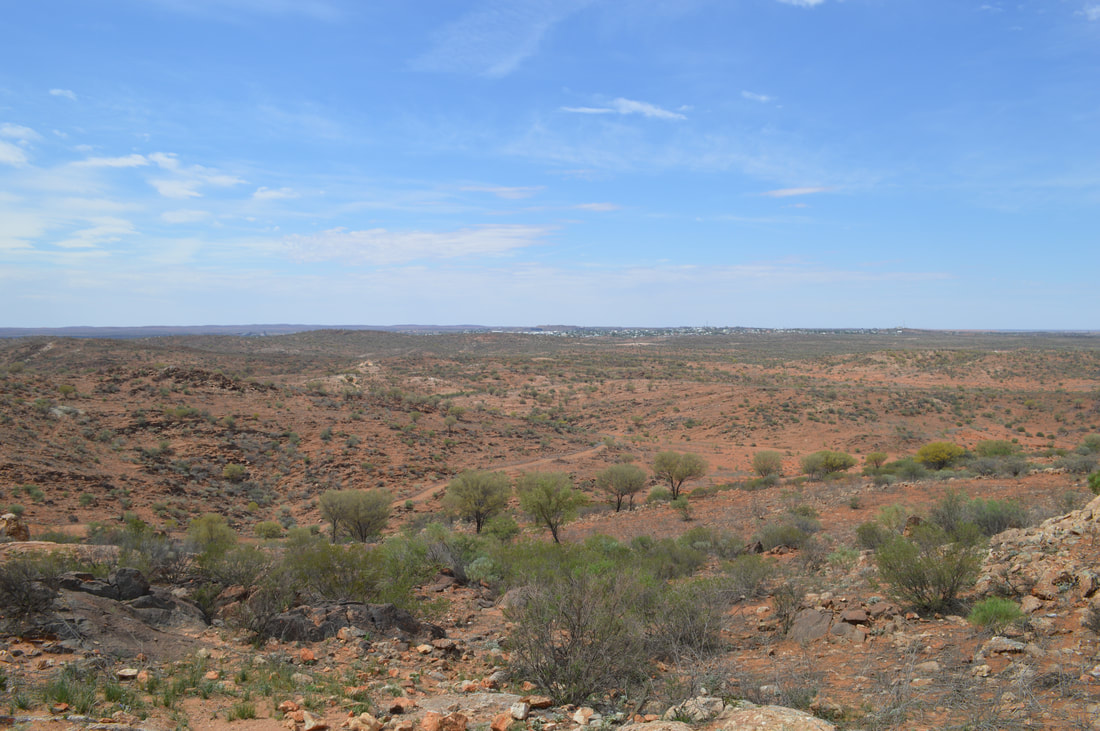
Around Town
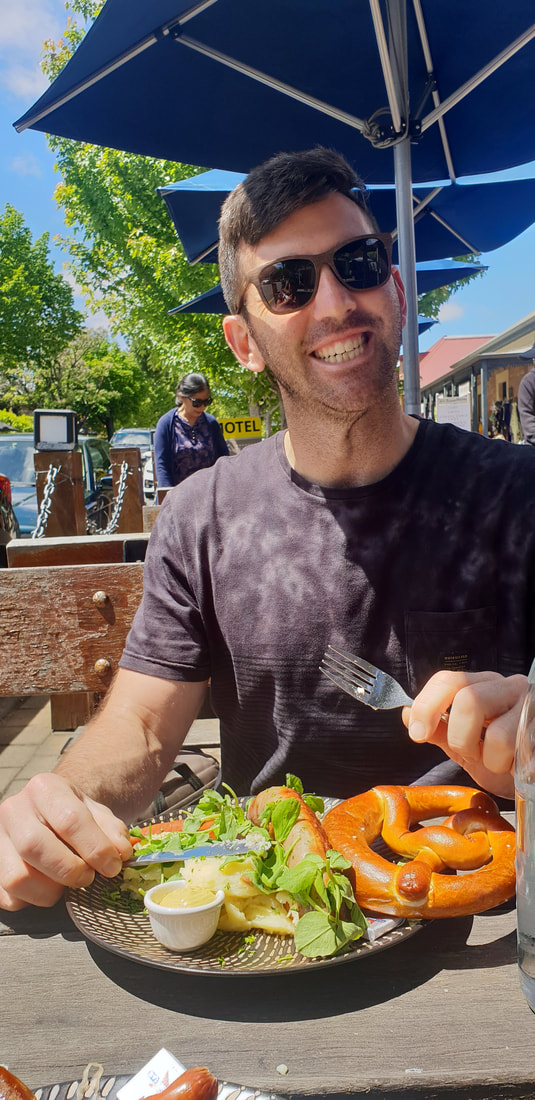
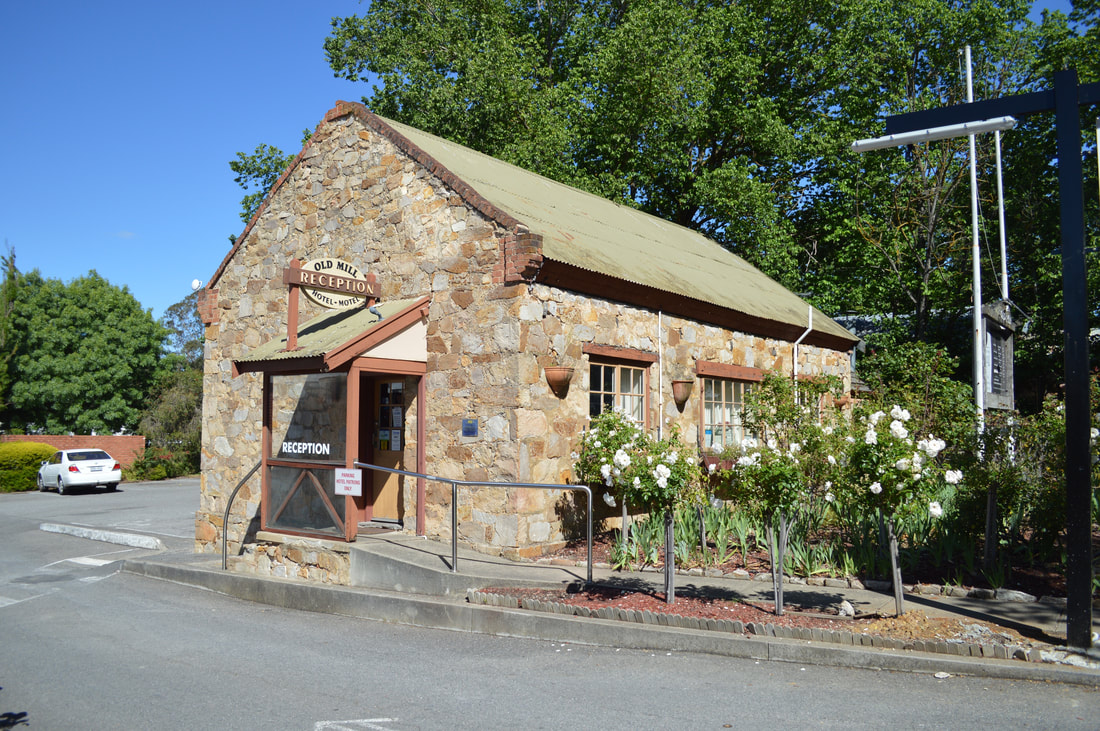
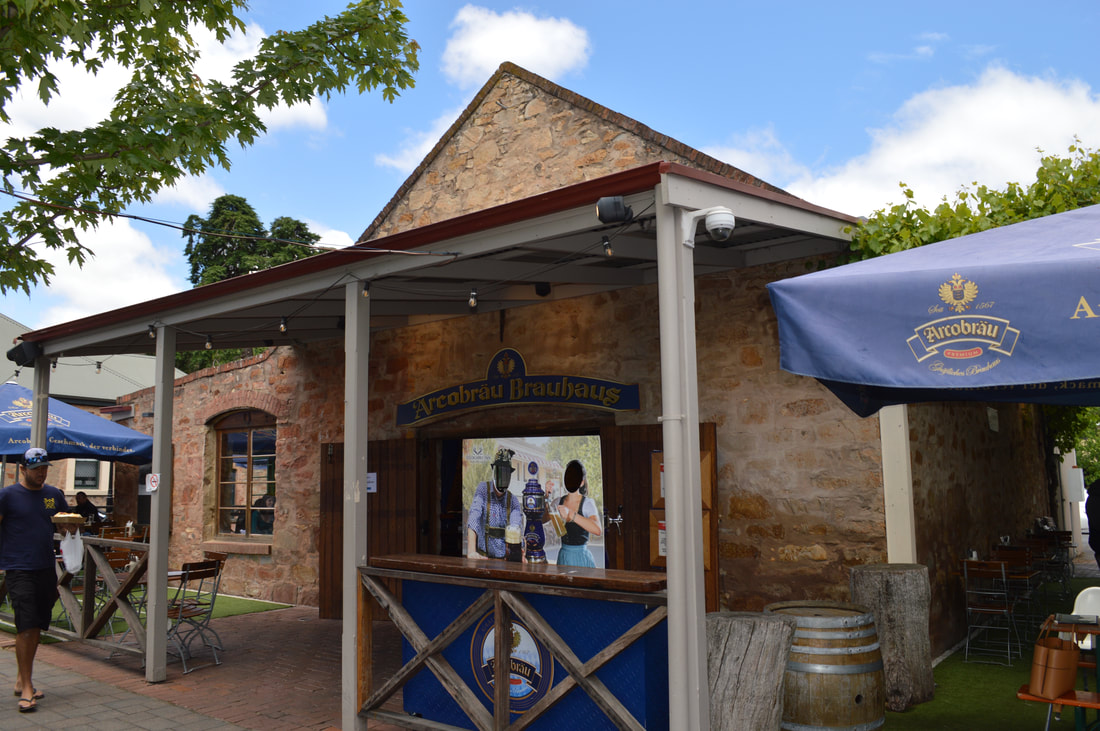
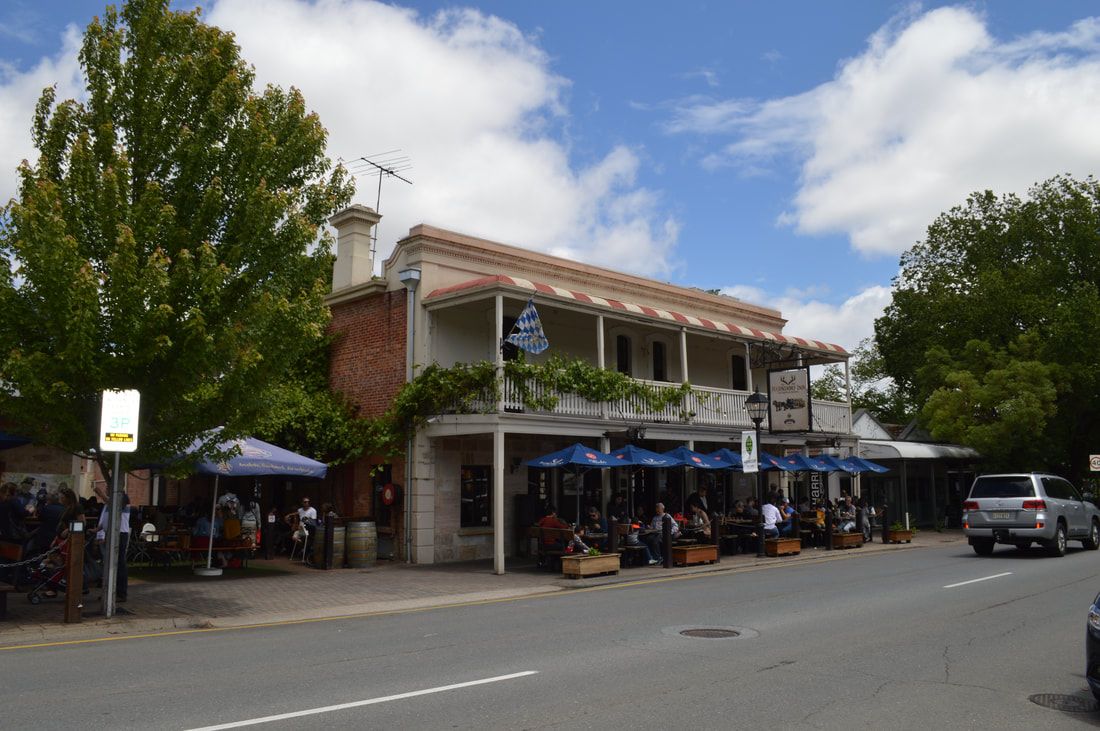
The newly settled immigrants, including an additional 14 families who were already in South Australia named their new town, Hahndorf or Hahn's Village, after Captain Hahn, who assisted the families in acquiring the land. Hahndorf, now a heritage listed Germanesque town is located approximately 30 kilometres east of Adelaide in the picturesque Adelaide Hills. The Cedars - The House of Hans Heysen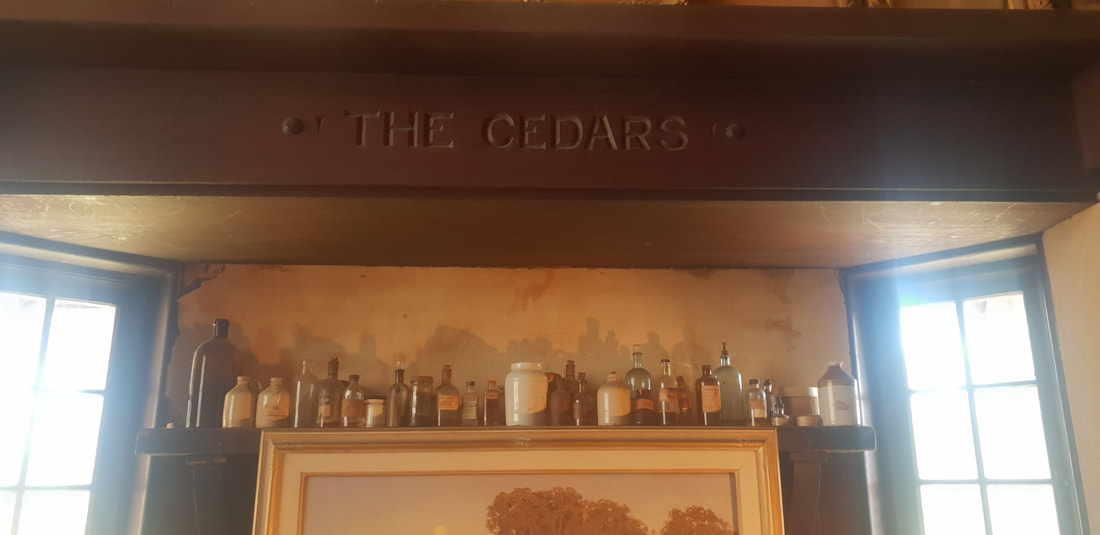
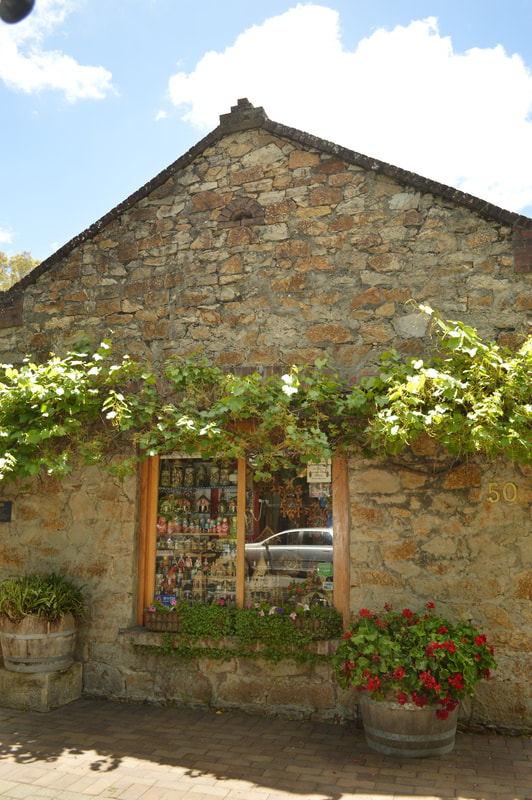
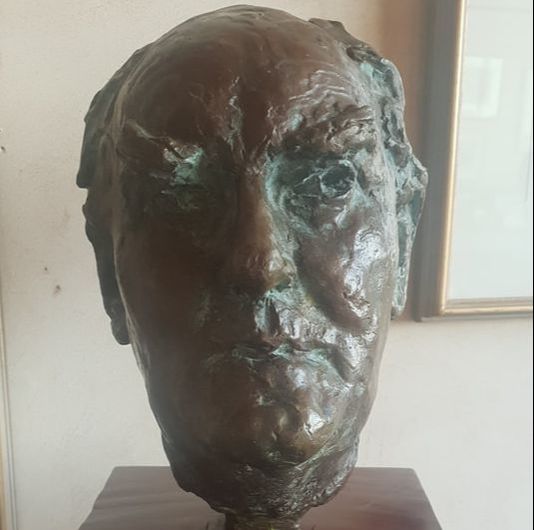
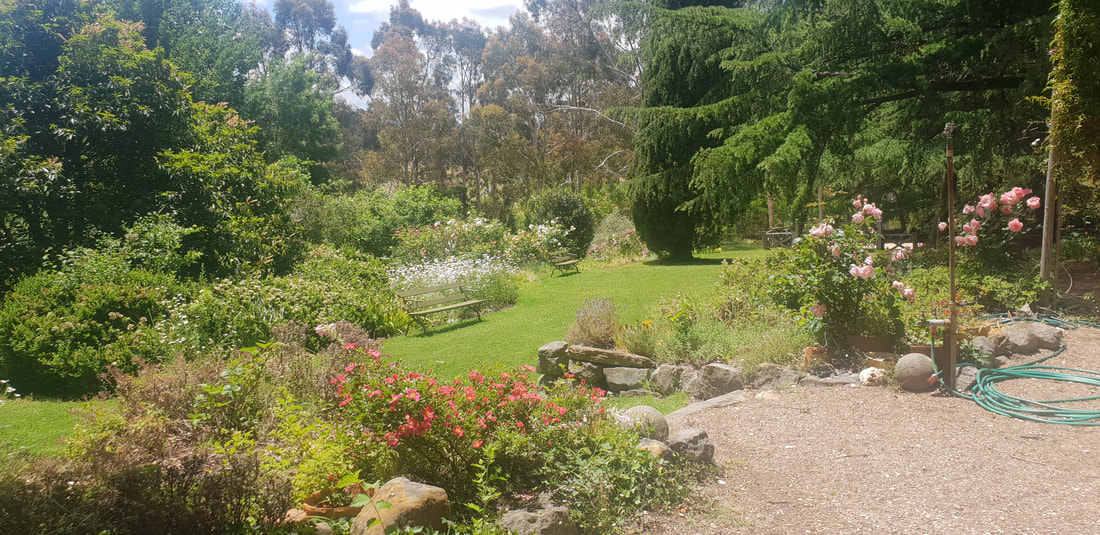
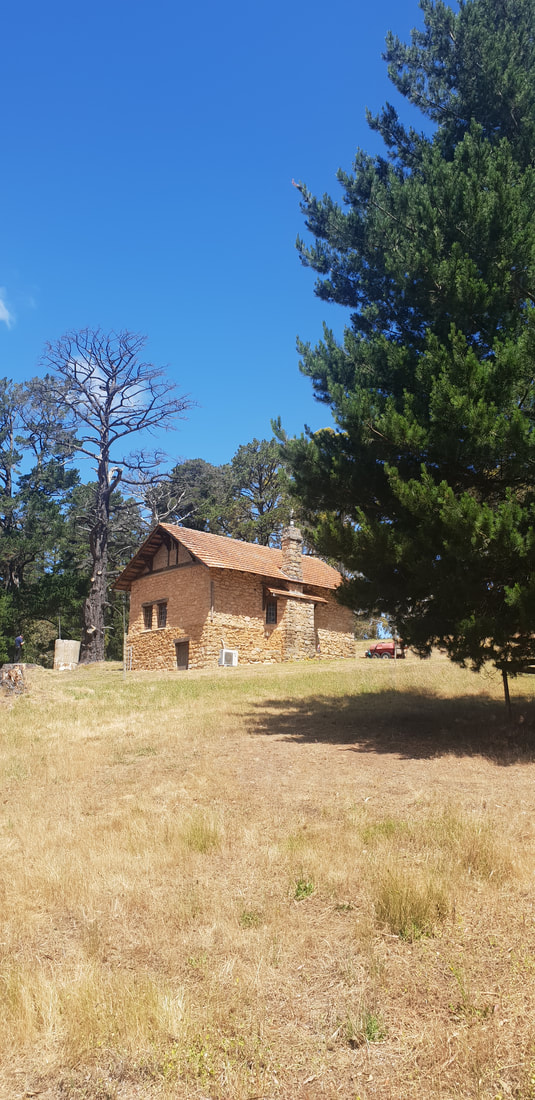
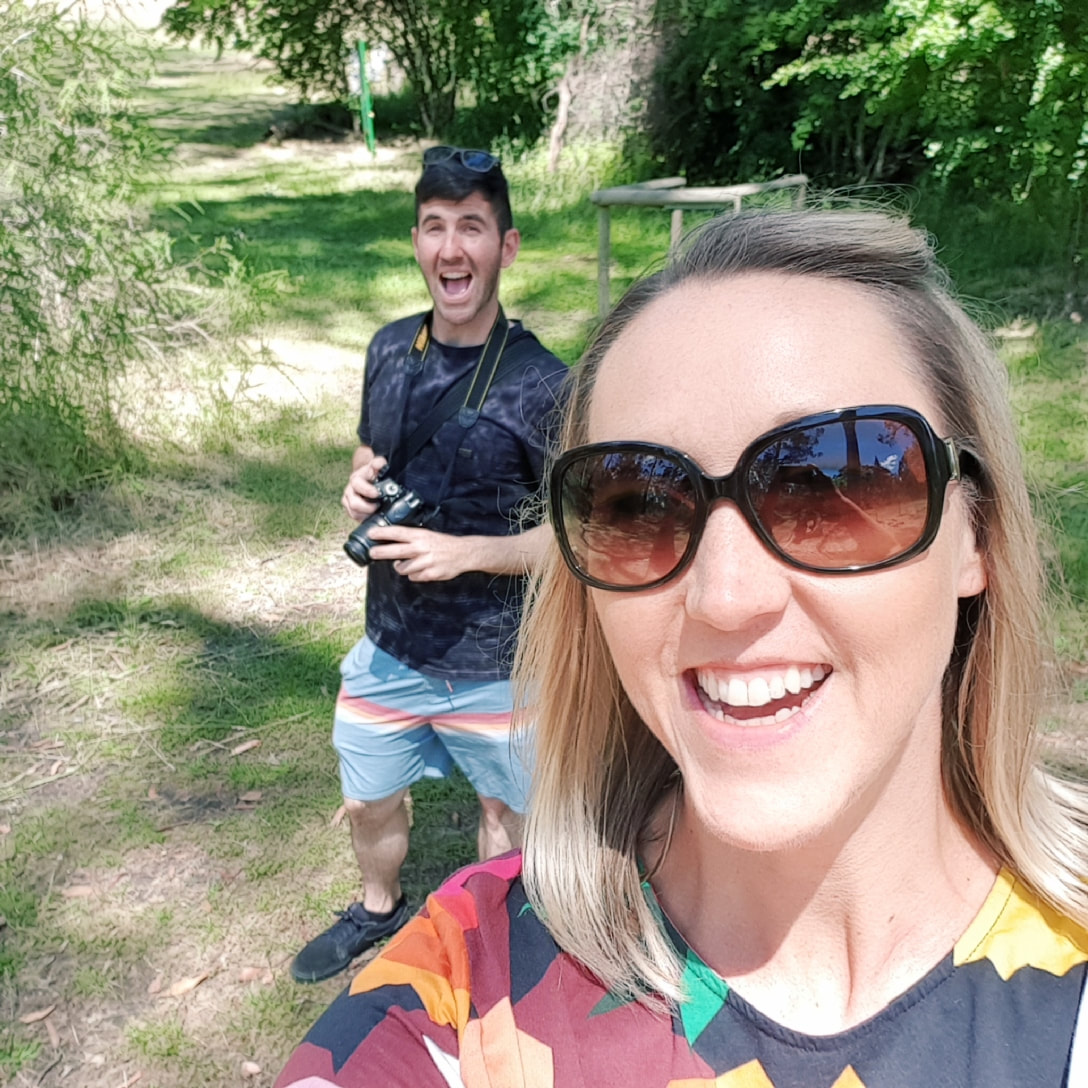
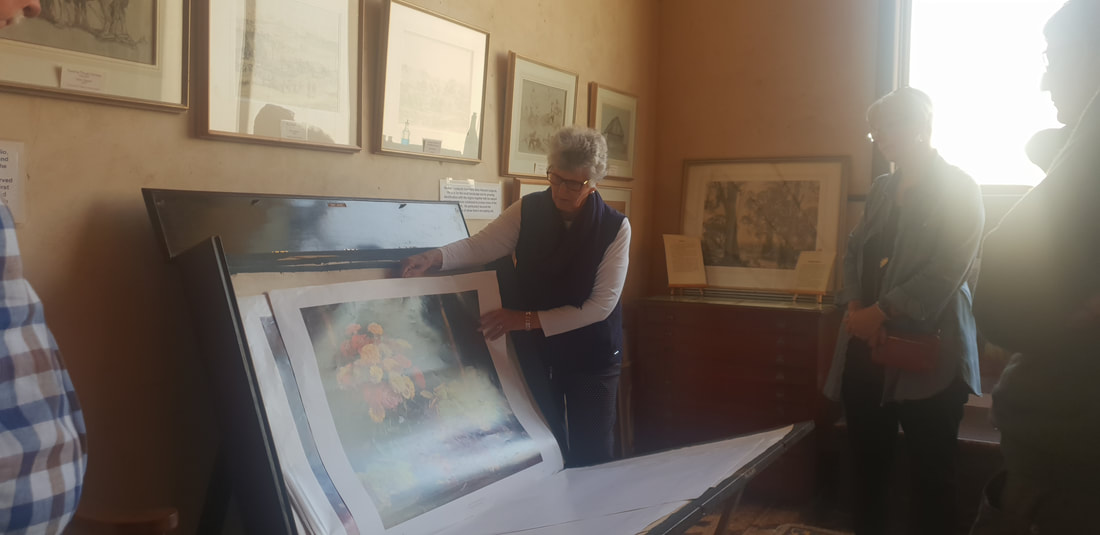
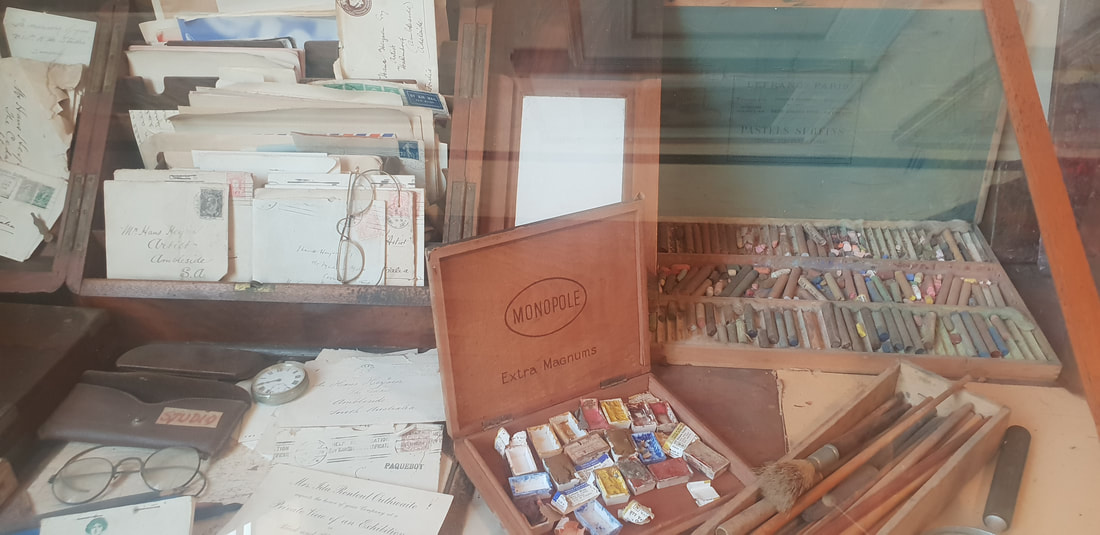
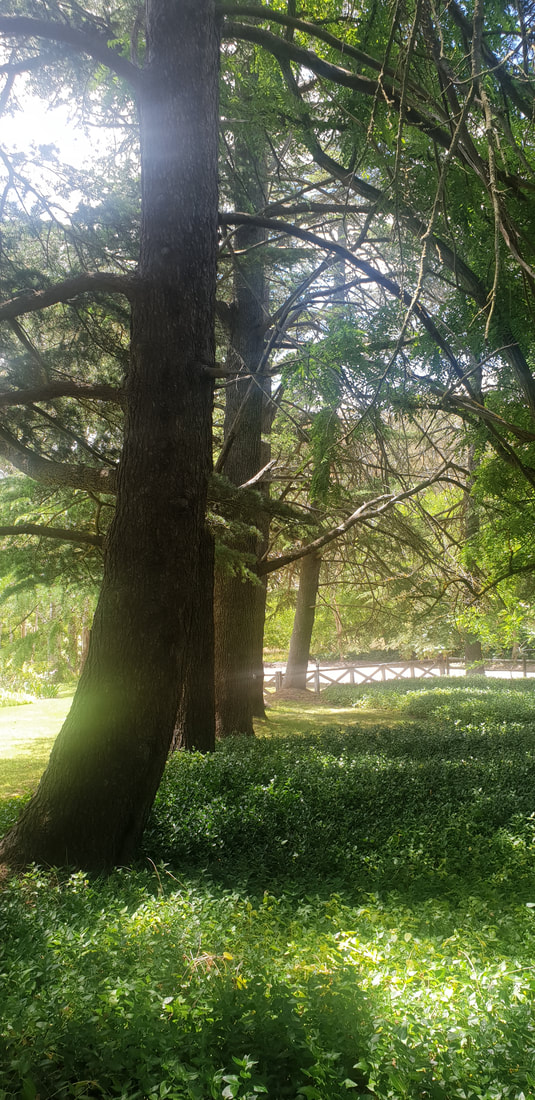
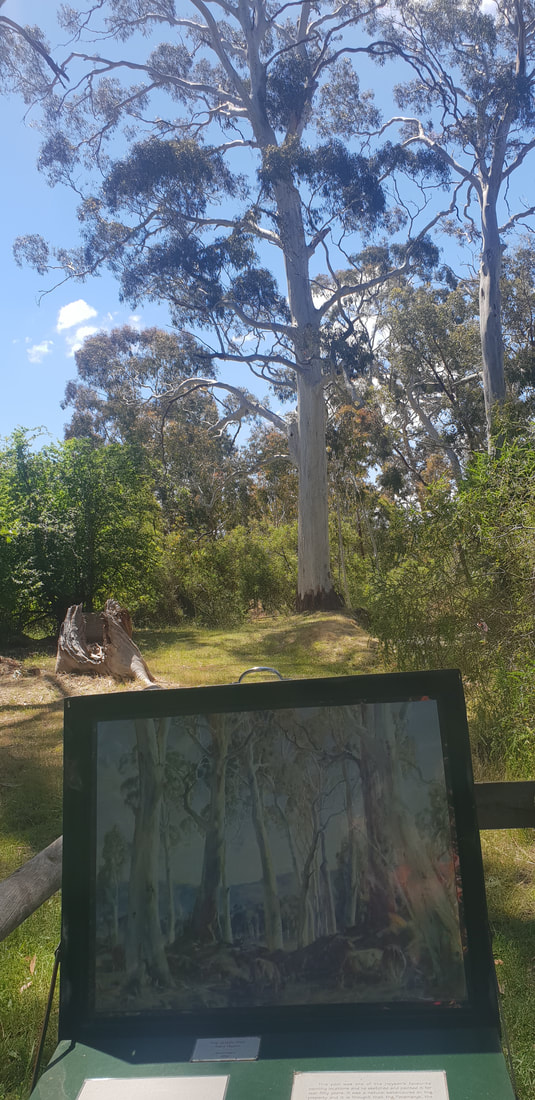
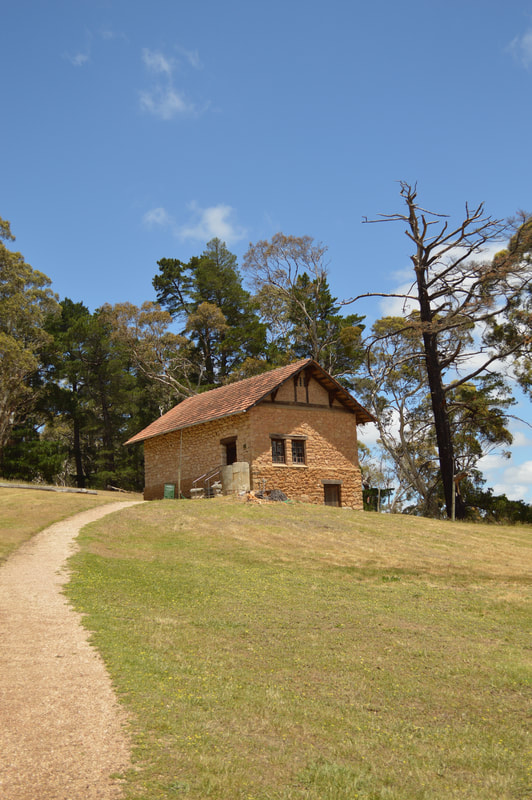
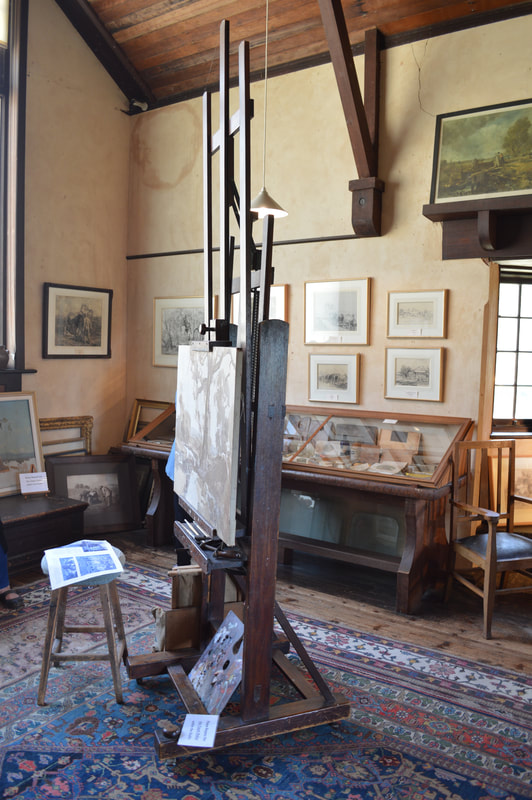
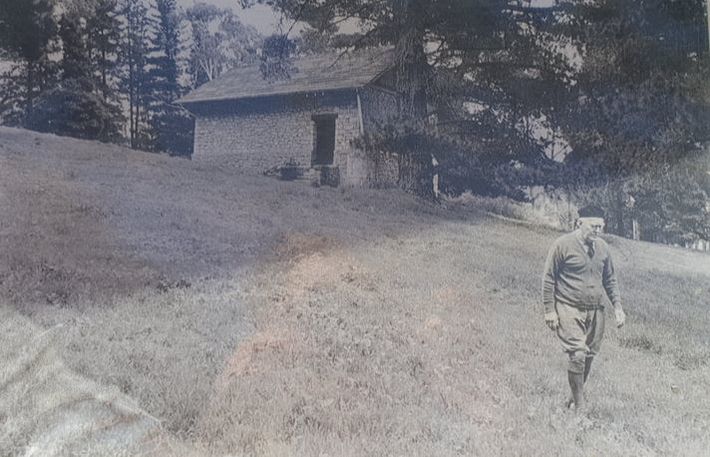
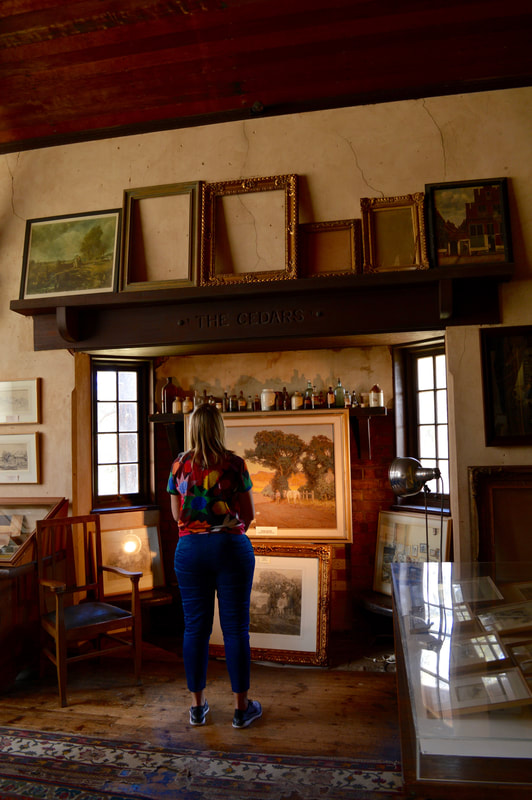
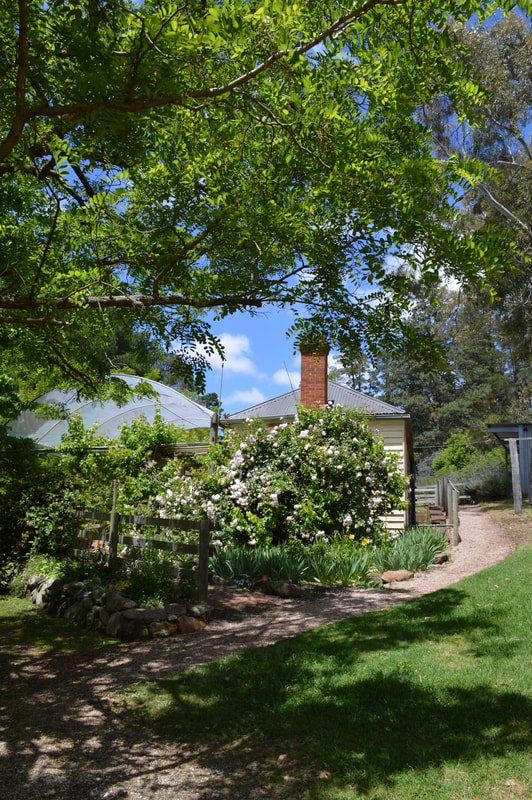
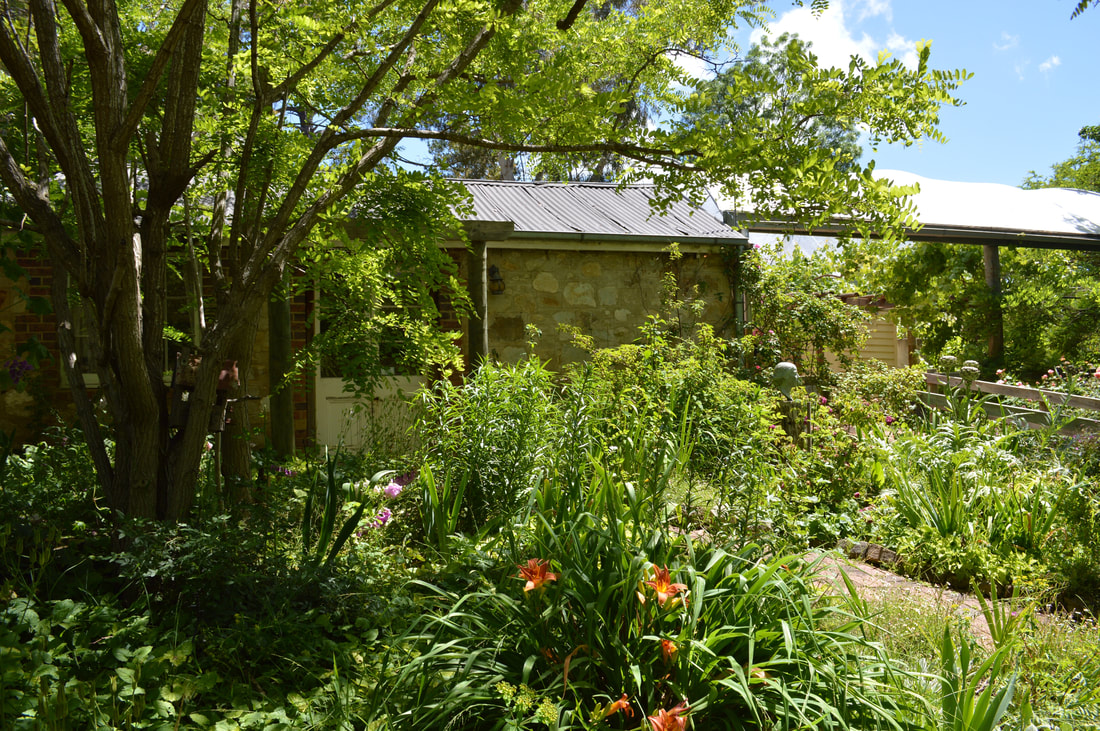
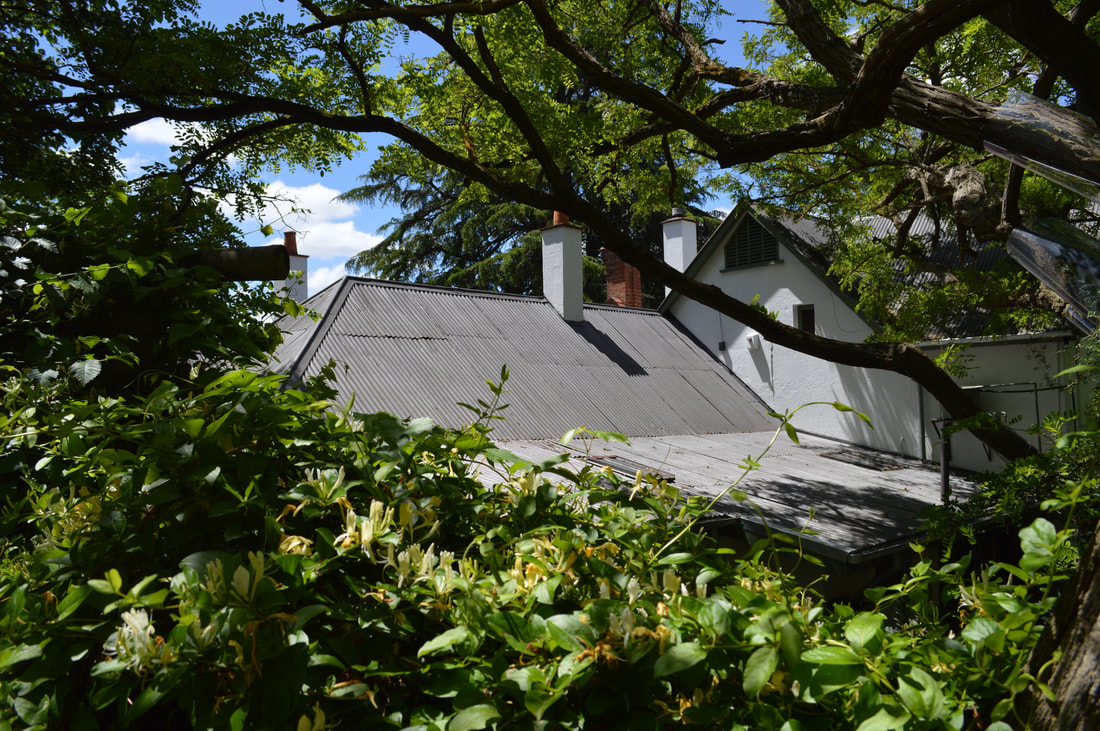
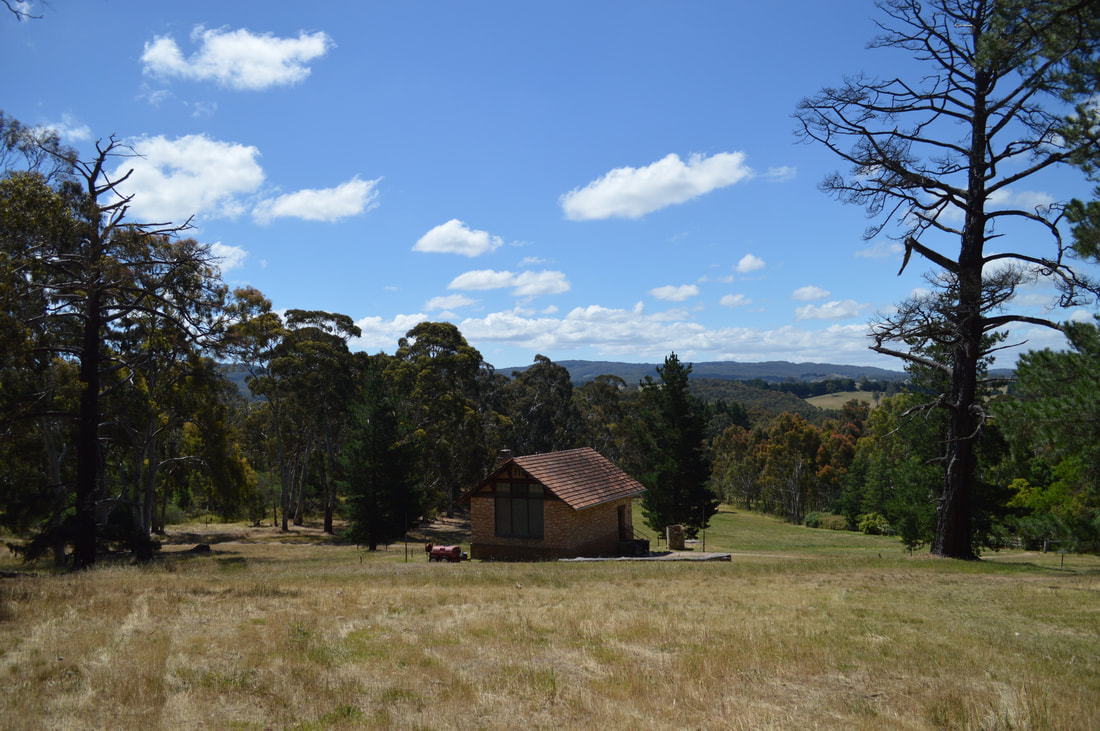
Sir Hans Heysen OBE, born Wilhelm Ernst Hans Franz Heysen in 1877 was a German immigrant, a prolific painter, a husband to Sallie and father to their eight children who lived at The Cedars in Hahndorf from 1912 until his death in 1968. Hans was known for his water-colour paintings of landscapes and eucalypts, of which many he painted at the The Cedars, but he also had immense talent for painting still-life. Most notably a painting produced for his wife depicting grapes, fruit and a vase of flowers, as left on his front verandah by a friend as a thank-you gift. The painting is titled, 'Zinnias with Autumn Fruit' or 'Flowers and Fruits' and when the famous Russian ballerina, Anna Pavlova saw it whilst attending a dinner party at the Heysen home, offered Hans a blank cheque for the painting. Hans kindly refused, after all it was a gift to his wife, and still to this this day the painting remains eloquently displayed in the dinning room of The Cedars for viewing; whilst on the tour of the house, studio and grounds. Shovel and I took the guided tour of the property on a recommendation from the caravan park, knowing nothing of the artist or his work, but left feeling spiritually full-filled. I say this not with any religious connotation, because as far as we were lead to belief Hans himself wasn't religious, but the atmosphere of the grounds and interior of his studio and home were captivating with an alluring charm. The studio is the oldest purpose built studio still available for viewing in Australia, and was constructed by Hans after purchasing The Cedars, of which he used the proceeds from one of his first exhibitions. Hans dedicated his life to painting, his family and to conservation. He acquired many of the surrounding properties, not with the intent of felling the trees for agriculture, as many others were doing at the time, but rather to preserve them and natural environment, as subject matter for his paintings. Hans ceased painting still-life when he realised his daughter, Nora had a talent for painting and was interested in still-life. Nora went onto become a prolific artist in her own right, but possibly without the same flare and attention to detail as her father. Art however will remain forever subjective and as they say 'beauty is in the eye of the beholder', but Hans's 'Zinnias with Autumn Fruit' as seen in real-life I believe is absolutely stunning with many intricate details and gorgeous layers. It is easy to see why Anna Pavlova wrote a blank cheque for it. Although Hans did not give up his precious gift to his wife he did paint a similar picture for Anna and sent it to her in Russia. She returned the painting with a note saying, 'If I can't have the one I want, I don't want any at all.' Quite foolish you might say given Hans's immense notability. Hans remained an enigma in the art scene, rarely taking up invitations and although he travelled to Europe in his younger years to paint and ventured to the Flinders Rangers on several occasions, was content painting within his home town of Hahndorf, surrounded by his adoring wife and family. Today we learnt of a beautiful story, told by an endearing tour guide, that forms a fascinating part of our Australian Art History.
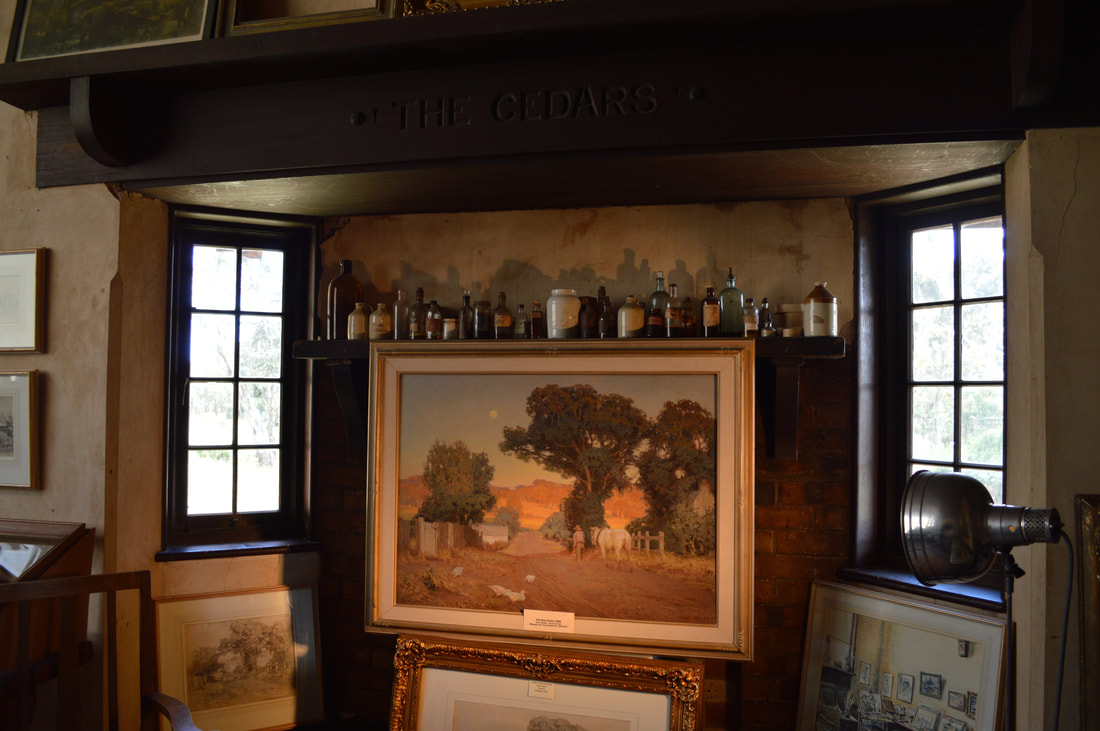
Photos can only be taken inside the studio and through the grounds. Therefore, if you want to see a few of his paintings on display and the interior of the house you will need to get yourself to Hahndorf. Christie's Beach
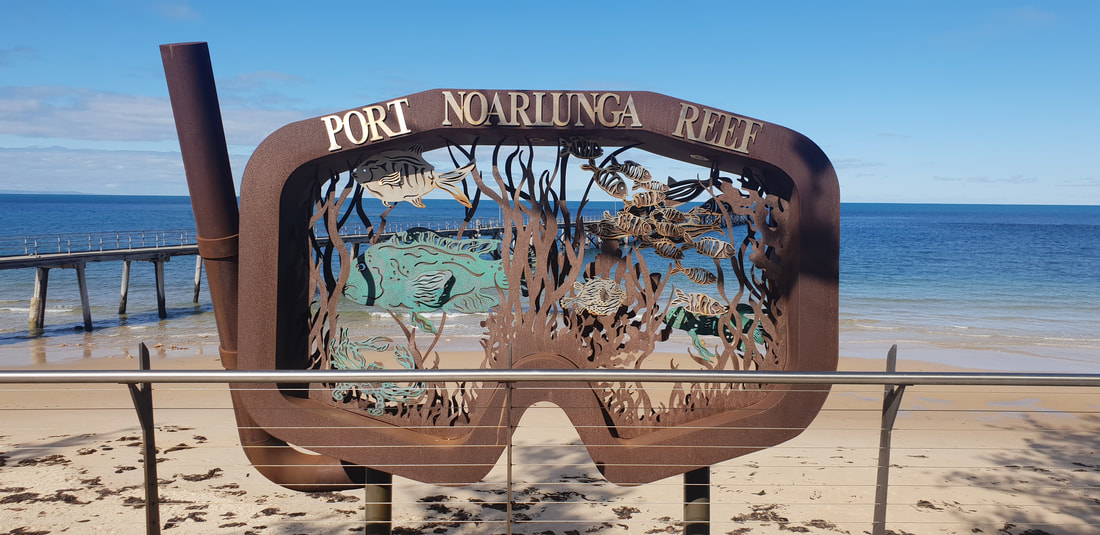
Port Noarlunga
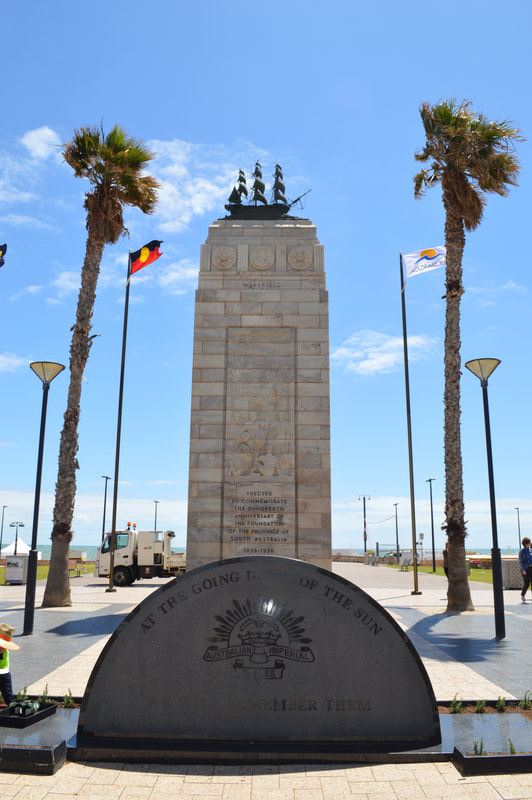
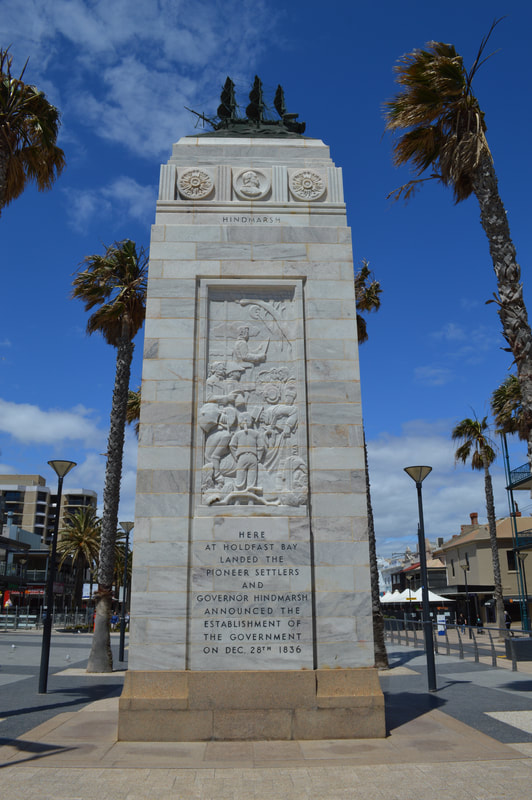
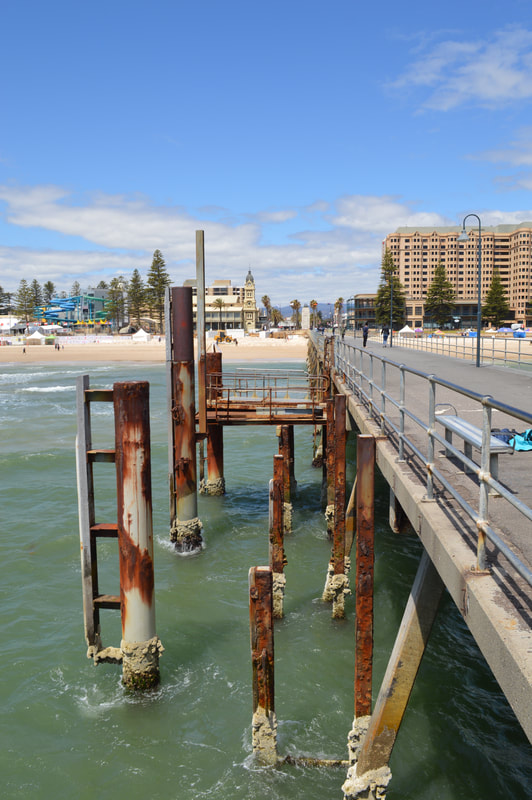
South Australia was officially declared an English colony on 28th December 1836 near where the “old gum tree lies in the suburb of North Glenelg. Colonisation history took a different path to the likes of Sydney, Melbourne, Hobart and Brisbane. The approach to South Australia was a planned colony of free immigrants, promising civil liberties and freedom from religious persecution. Land would be surveyed and sold at a rate too expensive for labourers and journey man, this was to raise funds to immigrate working class settlers. These ideals were originated by Edward Gibbon Wakefield after reading about Australian settlements when he was serving time in prison for attempting to abduct a heiress. The ambition of a free settler colony was to create a utopian style crime free civilisation. Not even a Gaol was in the plans. This changed quickly in 1837 when there were reports of escaped convicts on the run from New South Wales on the South Australian Register. While a temporary Gaol was put on the cards, a burglary, a murder and two attempted murders occurred, this forced South Australia’s first governor John Hindmarsh to make the decision to employ the state’s first ever police force in 1838. Adelaide was off to a slow start economically until wool and livestock imports arrived in 1838 from Victoria, New South Wales and Tasmania. By 1860, wheat farms expanded as far as Encounter Bay to Clare, alongside producing wool, fruit, meat and wine, which were all strong exports in Adelaide. Through the mid 1800’s Adelaide was seeing large economic growth through it’s exports, the boom brought gas lighting, a university, a couple of reservoirs and the South Australian Art Gallery to the city. The 1890’s brought on an economic depression, the value of South Australia’s exports almost halved leaving their two main exports as wine and copper. Mining towns like Burra and Broken Hill lent an economical hand with Copper, Lead and Silver. The 1900’s brought in electric lighting and a tram network to Adelaide. The finish of World War 1 started a prosperous postwar boom, its growth made Adelaide the third most populous metropolitan area in Australia. The boom was short-lived with the droughts and great depression in the 1930’s. World War 2 times transformed Adelaide’s industry from agriculture to manufacturing. Companies like General Motors took advantage of Adelaide’s more safer location to bring the manufacturing industry to life, driving the city into the 20th century. The 1950’s brought an Airport and the Murray River pipeline, the 60’s was Flinders University and Medical Centre. The 1970’s started a social reform with the Adelaide Festival of arts, which created a cultural revival in the city. More recent highlights for Adelaide was being the host for the Formula 1 grand prix in the 80’s and V8 supercars to now, which shuts off parts of the city for cars to paint the roads with tyre marks. Cultural Capers Adelaide Walking Tour
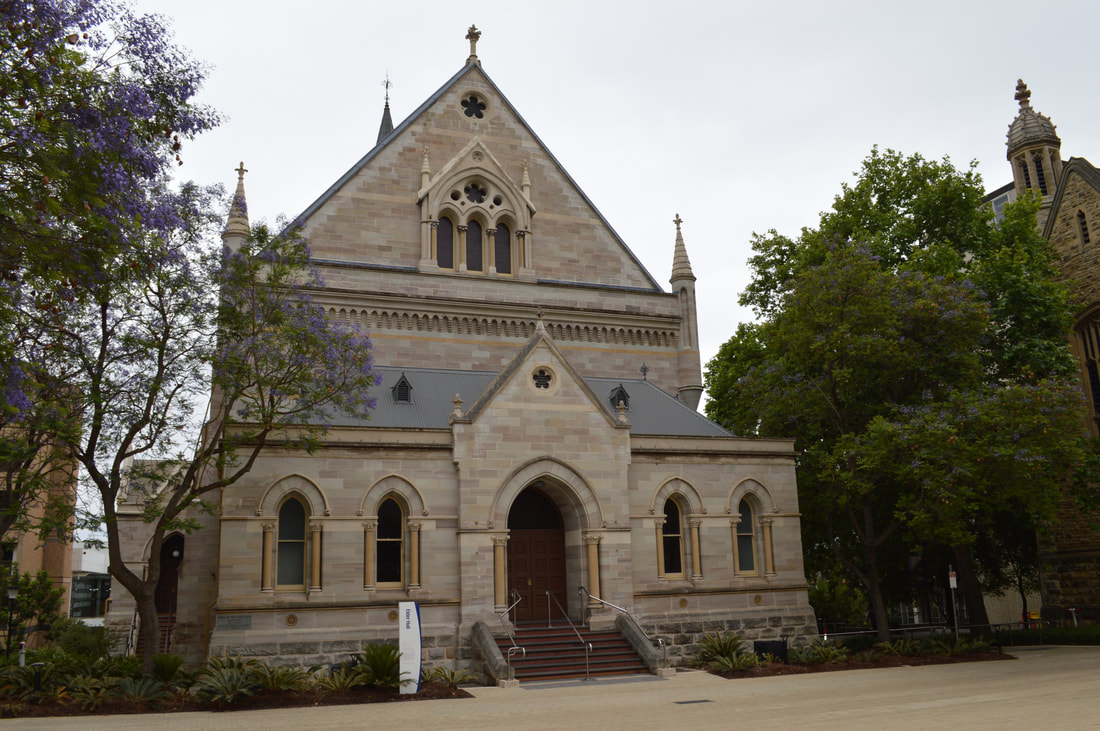
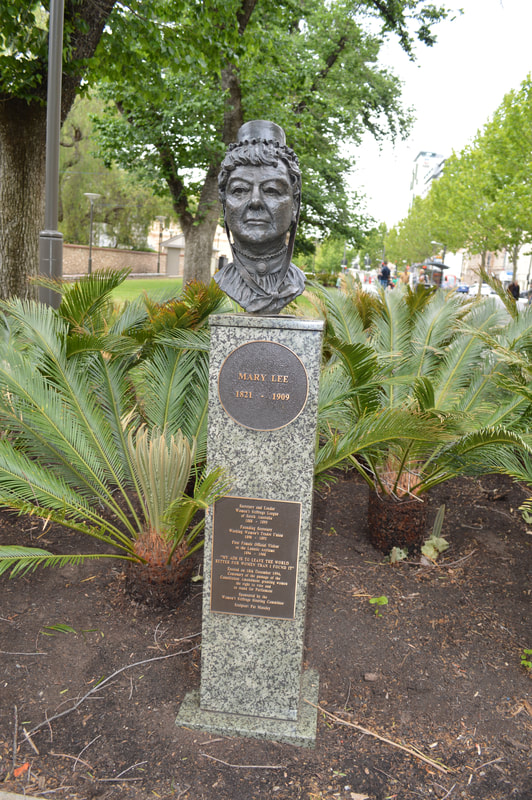
South Australia has had quite a progressive history, leading the nation and the world by example. It was the first Australian capital city to be connected to London by telegraph in 1872. In 1895, South Australia was the first place in the world to allow women to stand for parliament, in that year women were also granted the right to vote. In 1936 Adelaide was the first city to generate public housing for families in need known as the South Australian Housing trust. The first Aboriginal flag was raised in 1971 on Victoria Square to support land rights for Aboriginal people. In 1975, South Australia was the first state to decriminalise homosexuality. In 1977 South Australia introduced a 10 cent refund on every can or bottle recycled, which was a first. In more recent times, South Australia is still reputable for a progressive approach to combat issues. In 2017, U.S Company Tesla installed the worlds biggest lithium ion battery pack just outside Jamestown to combat wind power outages around the state, its response rate to power outages is within milliseconds beating its hydro, coal and gas competitors by well over 2 minutes. Although South Australia gets forgotten about by its east coastal neighbours, they’re a step ahead of the country. Glenelg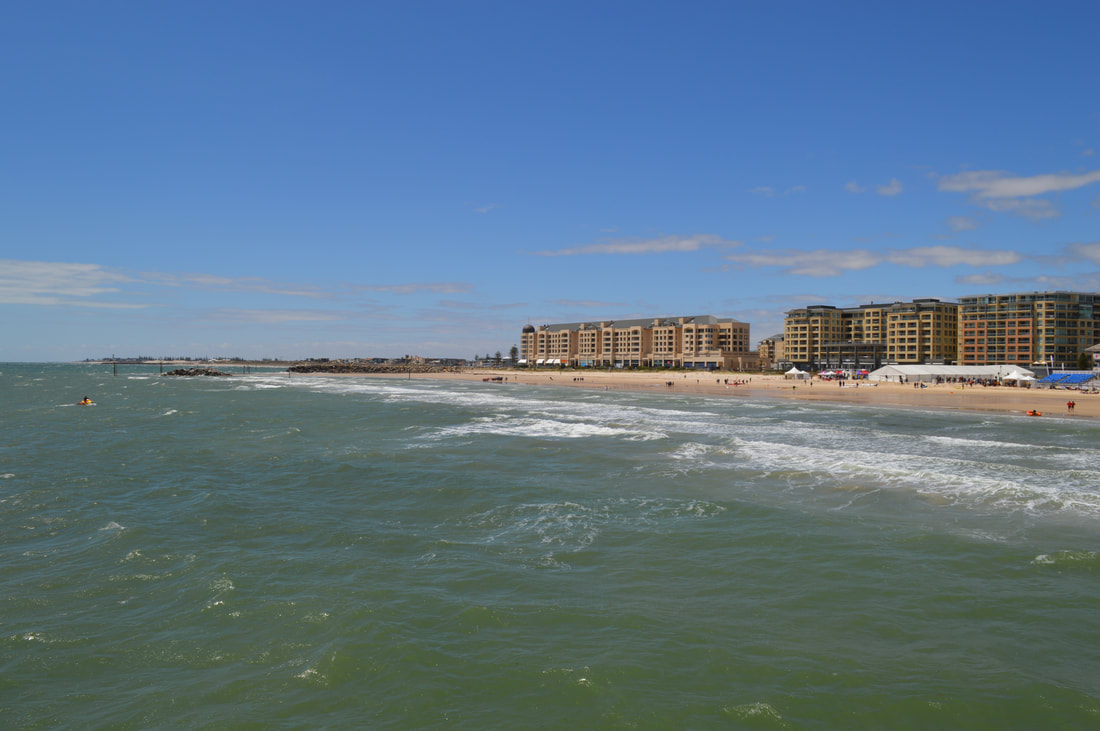
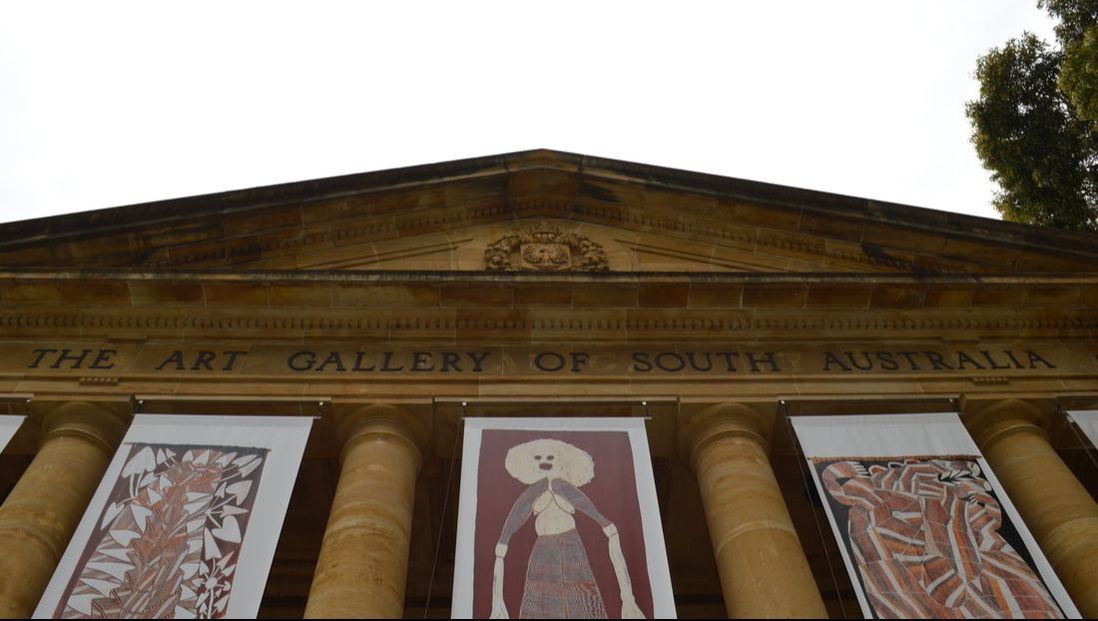
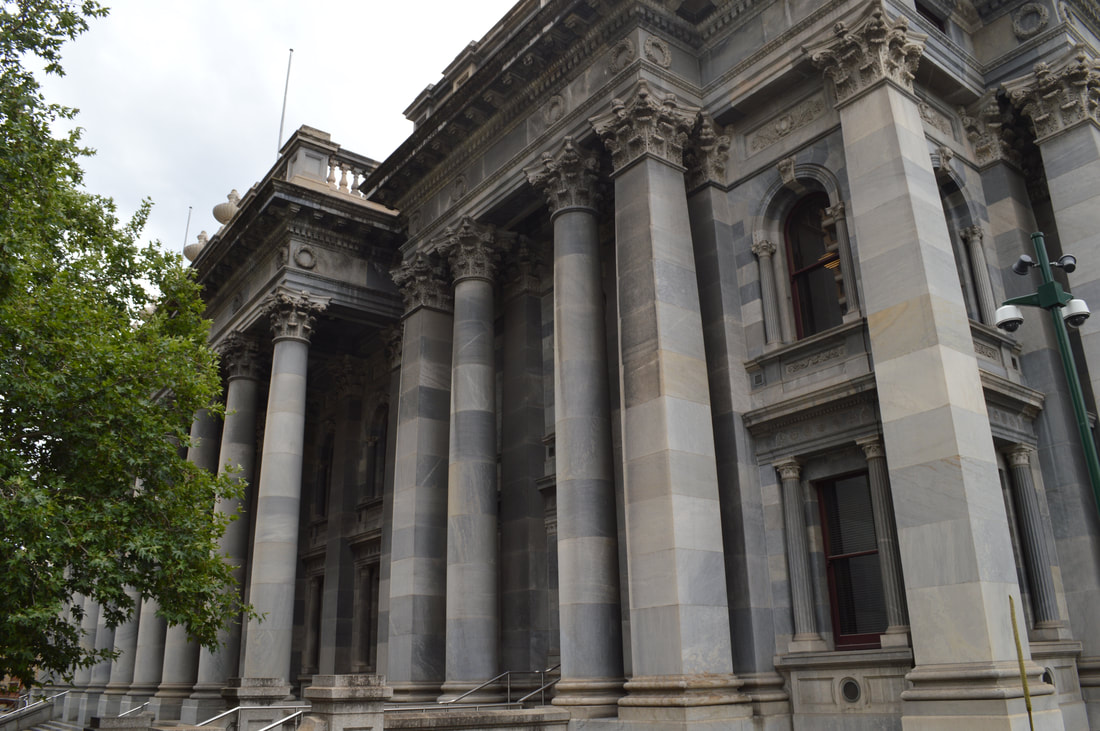
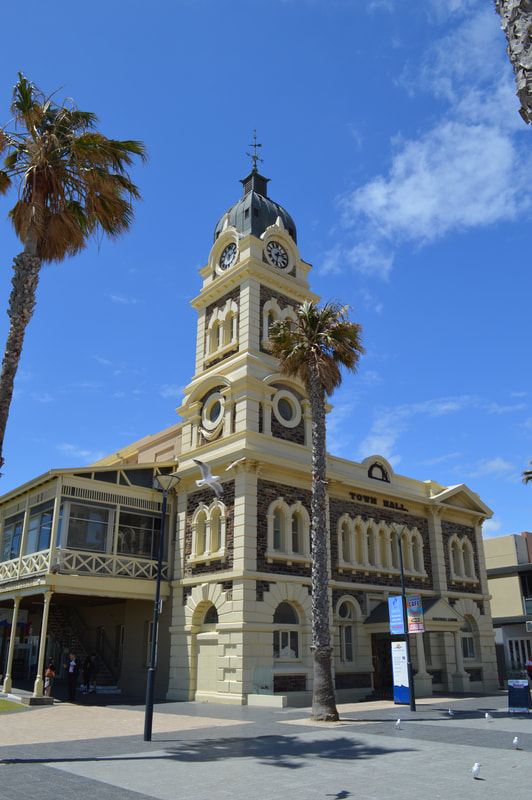
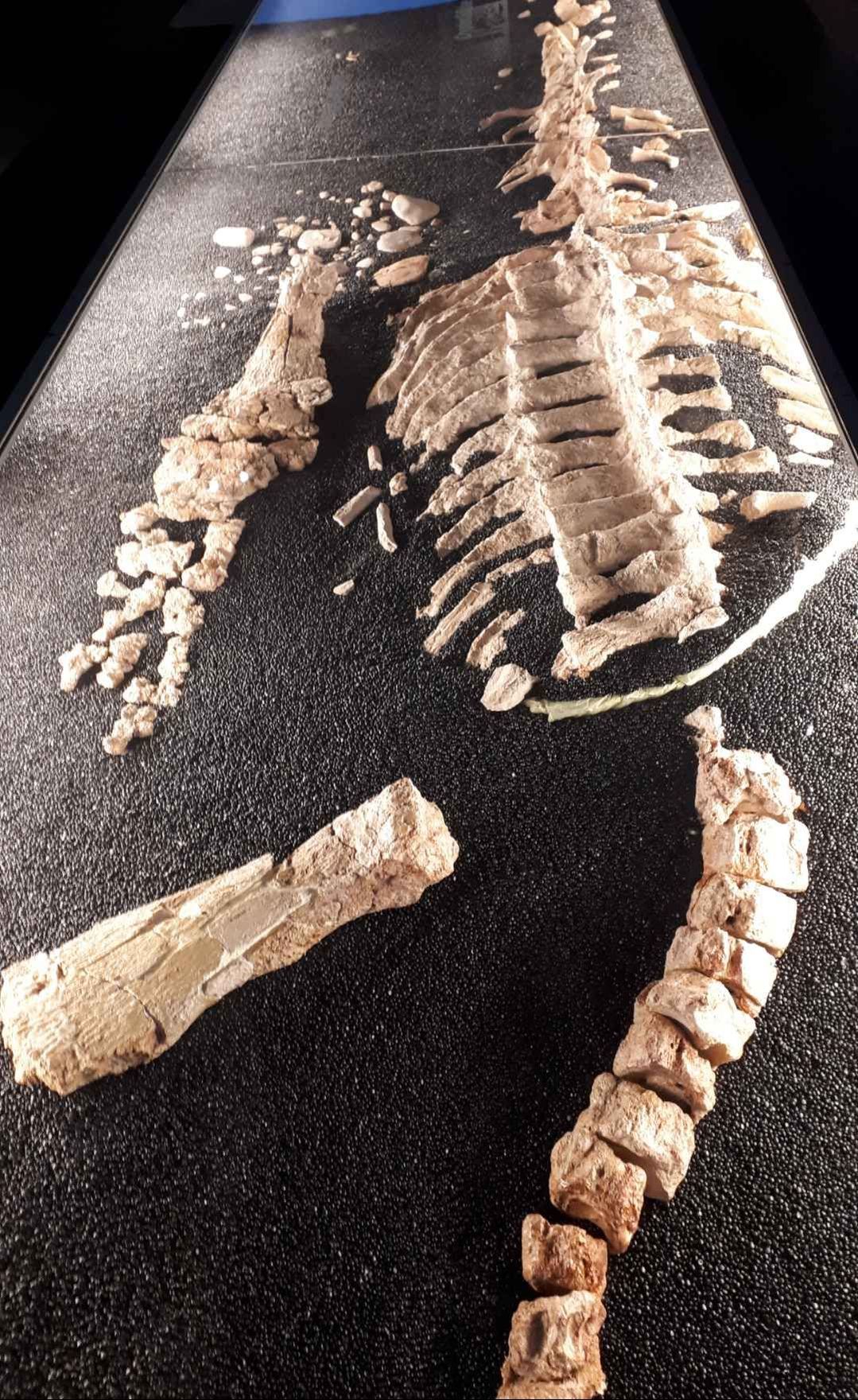
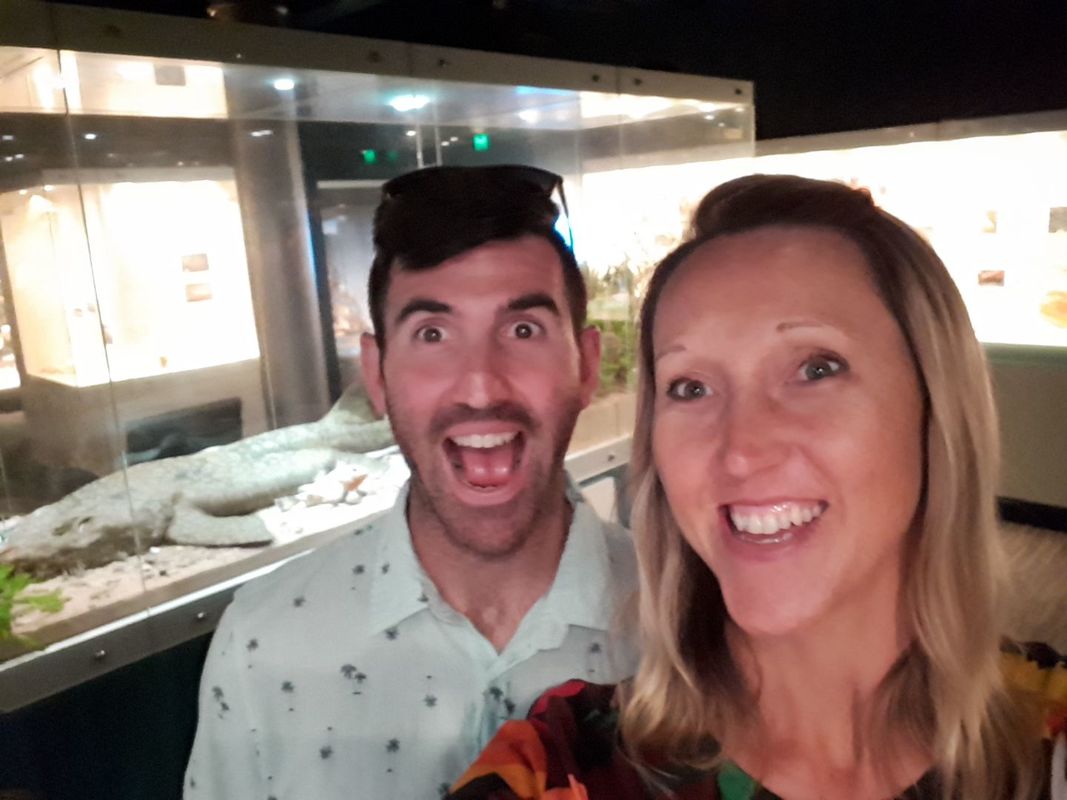
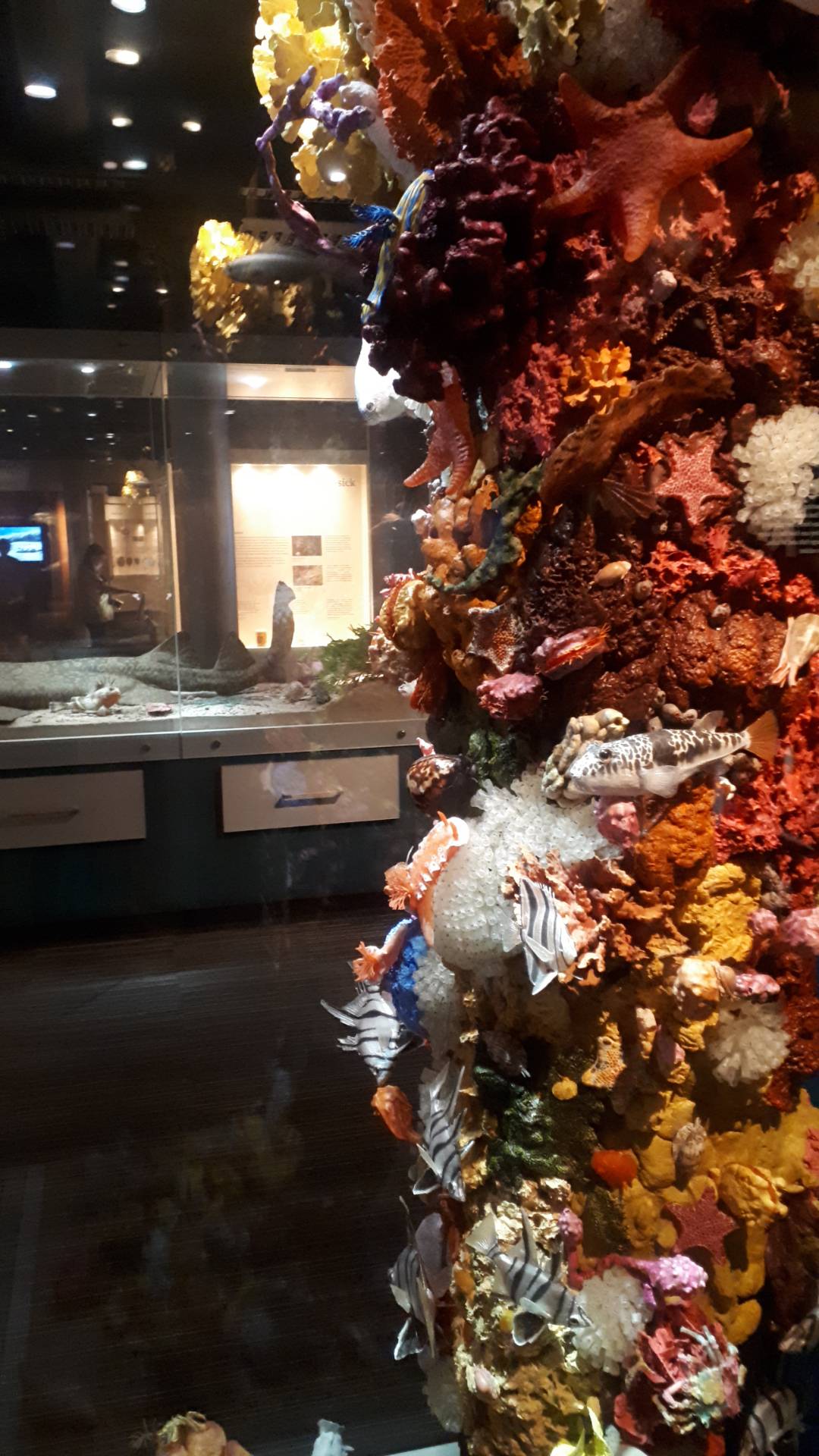
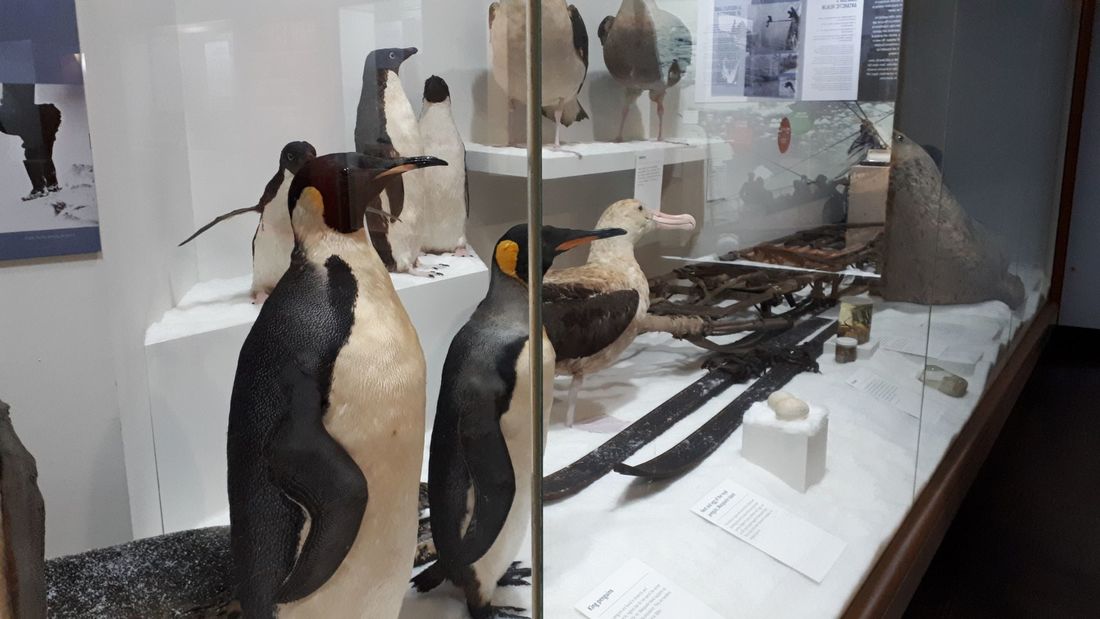
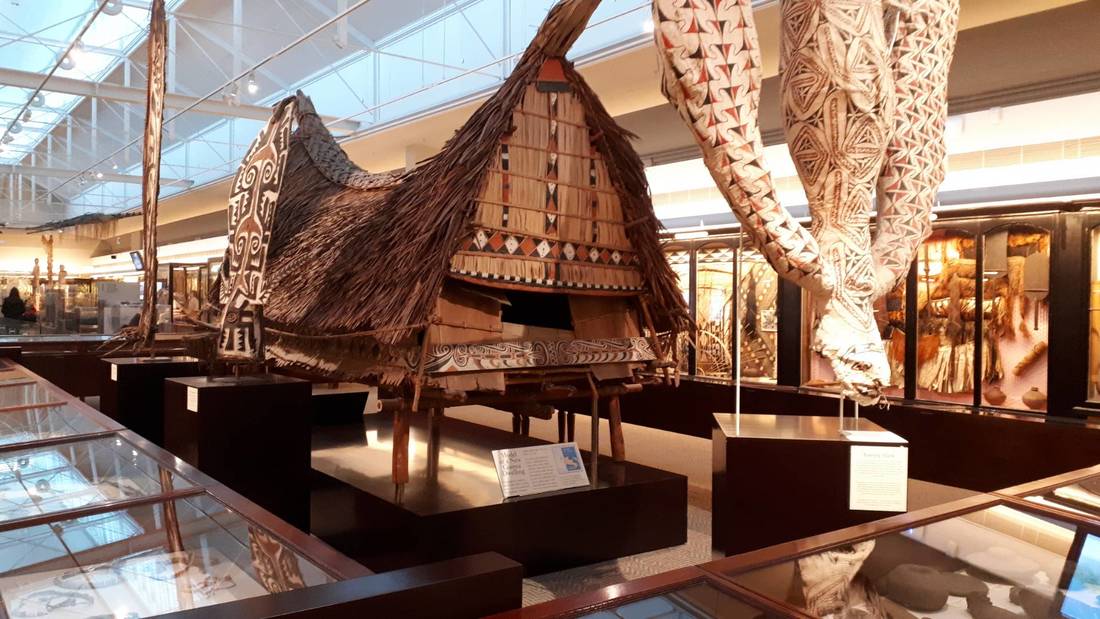
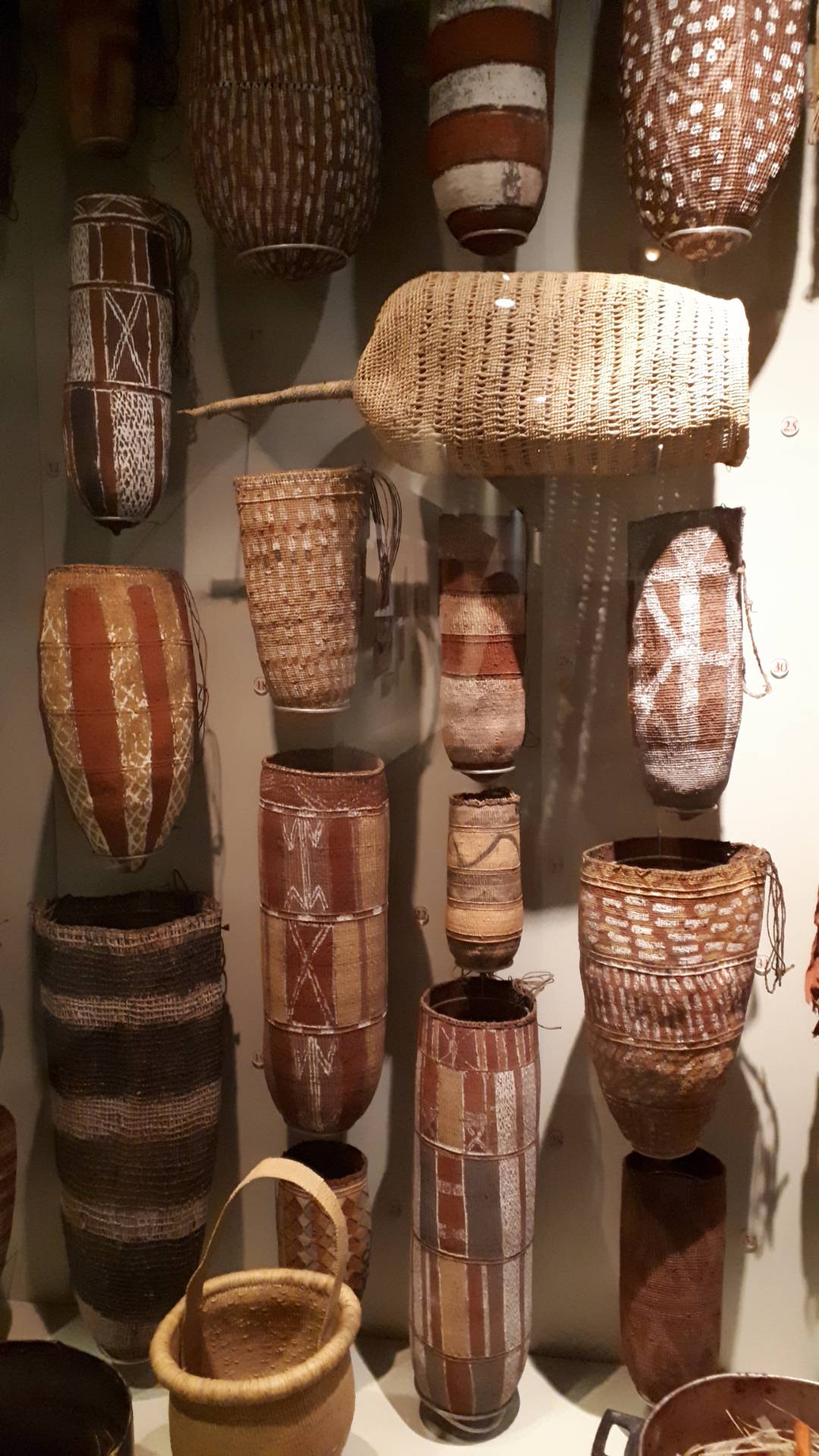
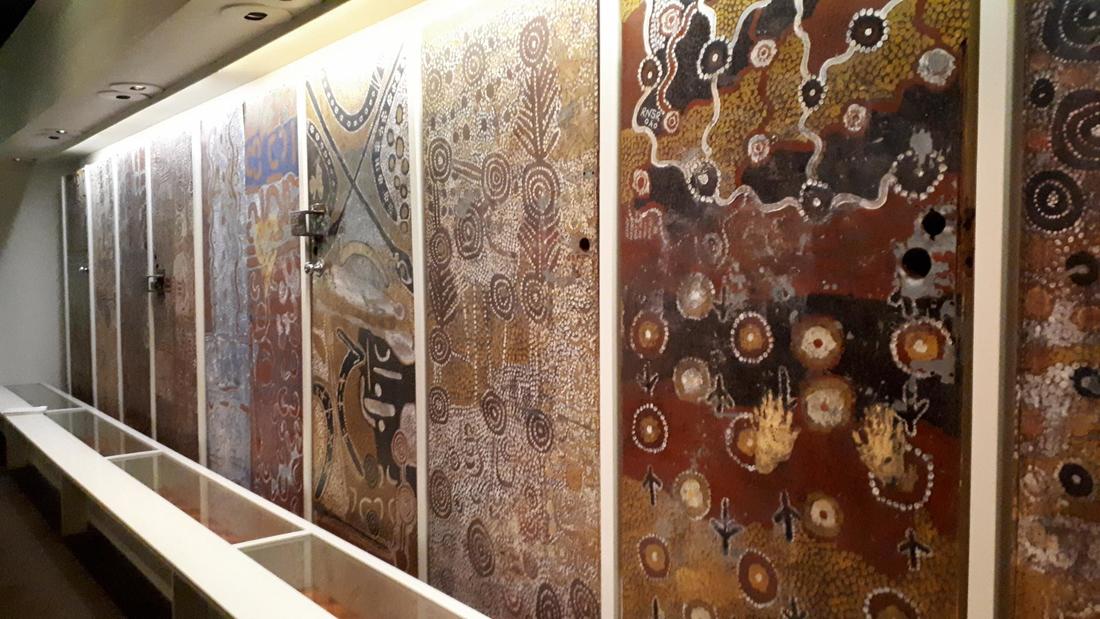
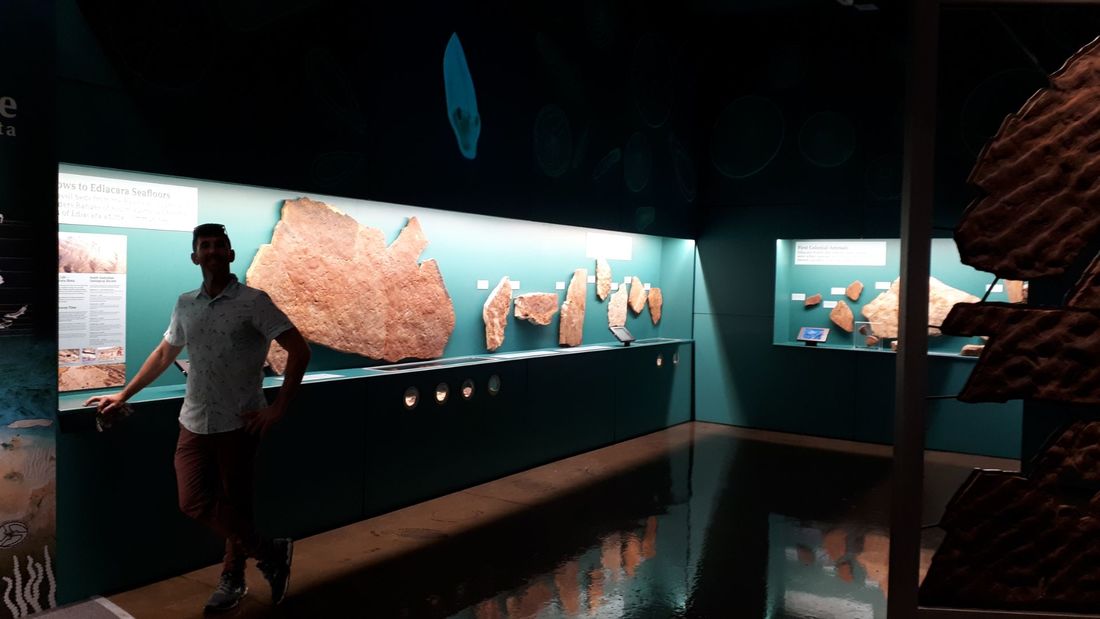
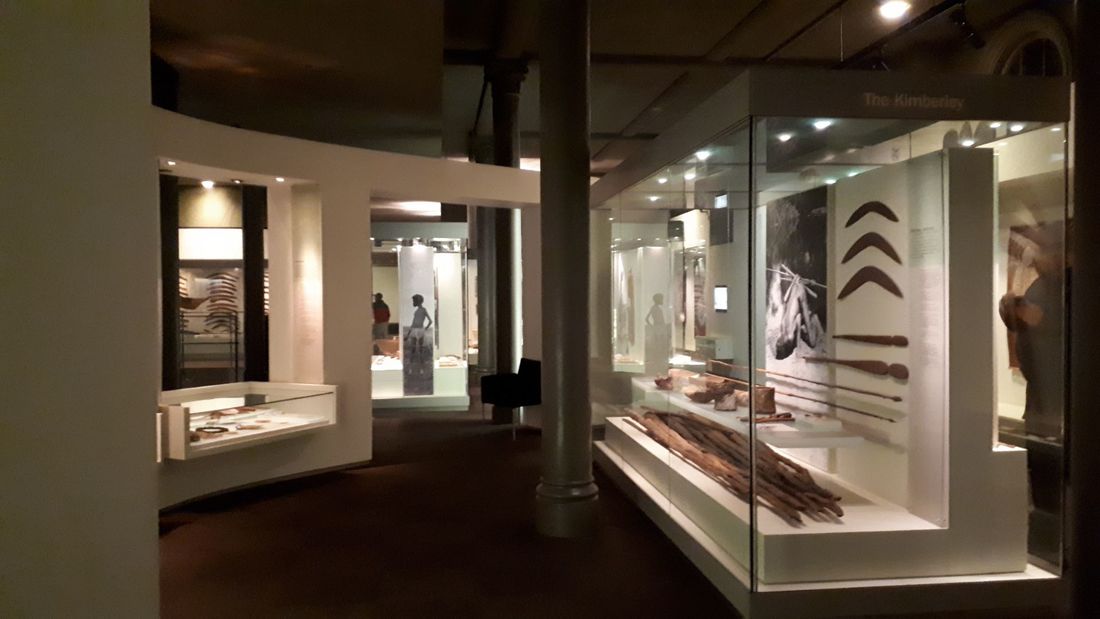
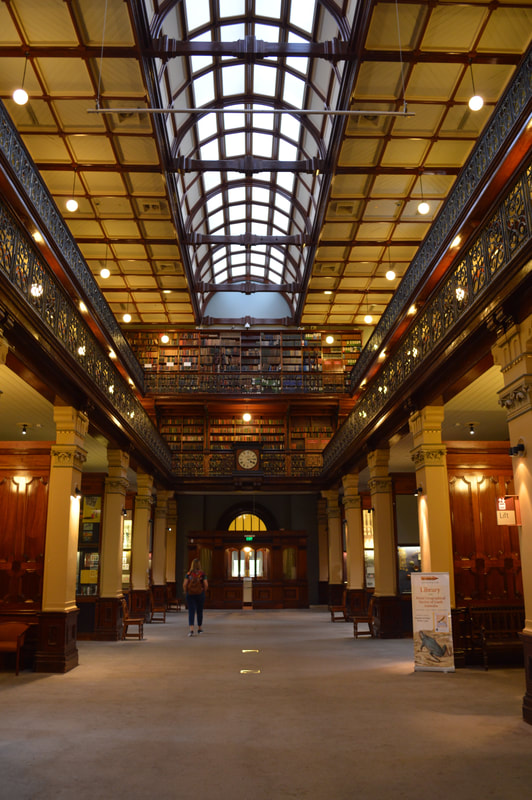
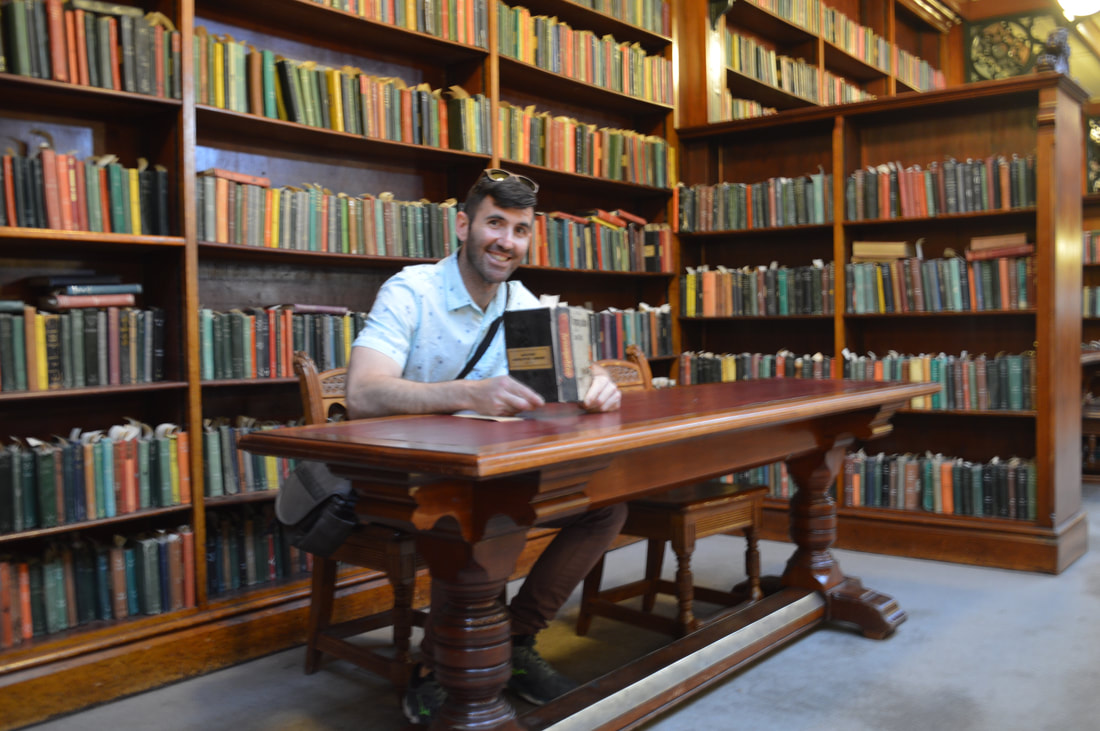
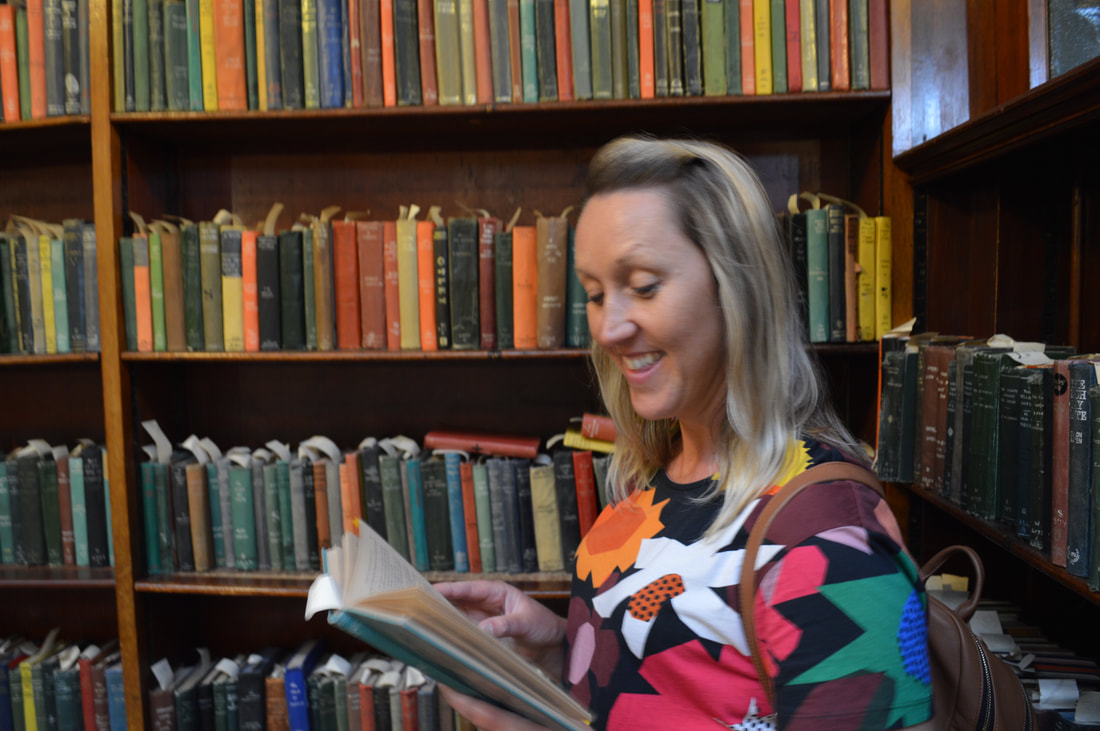
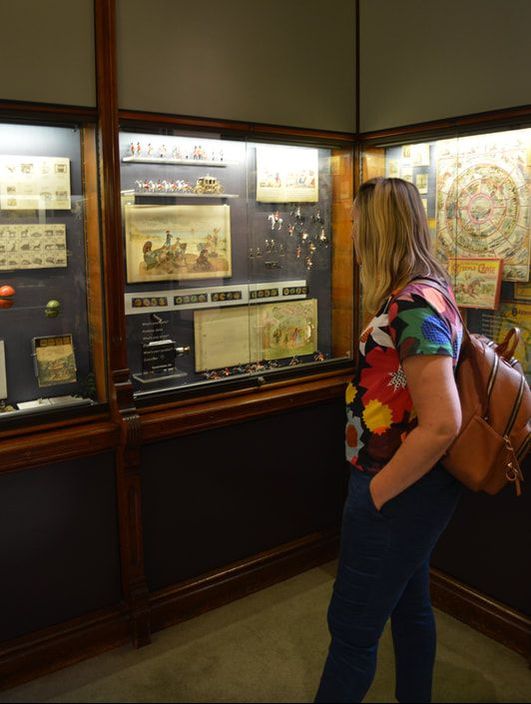
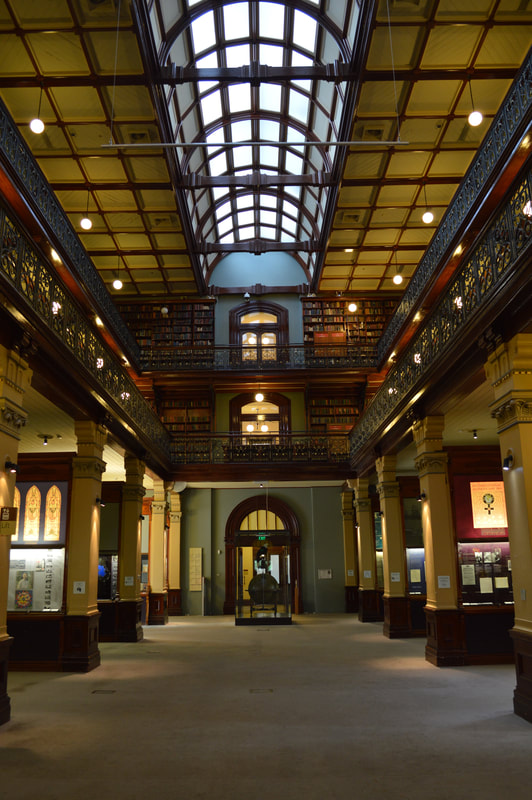
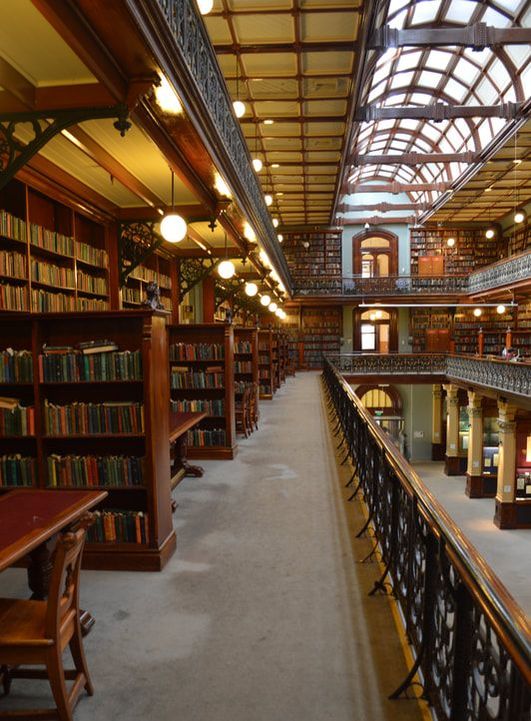
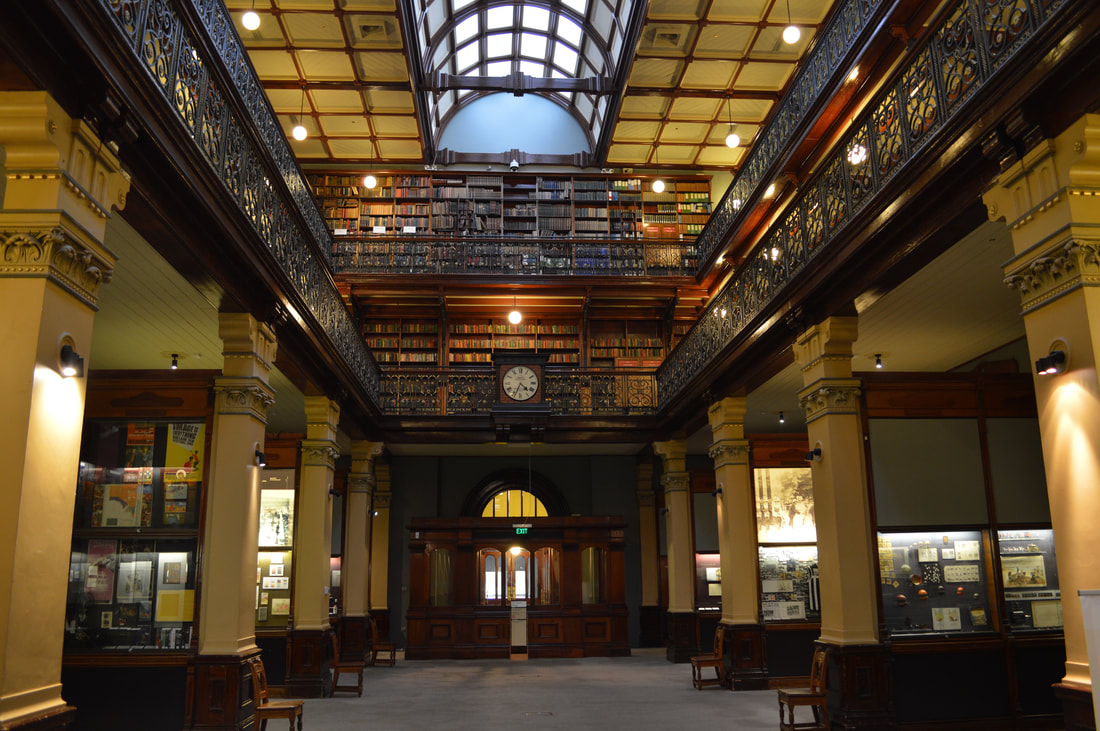
On our first day in Adelaide, we took a train into the city to do a walking tour. Our guide Graham met us at the Parliament building steps away from the train station.Graham took us around the city and enriched us with his knowledge on Adelaide’s history. We started off with no idea about Adelaide and South Australia and finished the tour with a new founded appreciation of Australian History. Our walking tour inspired us to visit the Adelaide City Library, the Art Gallery of South Australia and the South Australia Museum. The Art Gallery journeyed us through many eras of art ranging from Ancient Egyptian Art right up to modern contemporary art. Its variety of paintings and sculptures take you on a trip around the world and back in time with out a plane ticket. Adelaide’s South Australian Museum is filled with a wealth of natural history knowledge. The museum had an impressive display of taxidermied animals from around the world, the realness of the specimines leaves you waiting for them to come to life. The museum features a level of Australian Indigenous History and a level of Papua New Guinea History, all filled with paintings, clothing and beautifully handmade tools for hunting and gathering. The four story high squid keeps you interested, although just a plastic replica, it is 11 metres long and based on a real squid caught in New Zealand, the largest one caught at that time, the most recent largest recording stands at 13 metres. After hours of fuelling our minds with art, culture and science, we went for a walk around the Mortlock Wing, the first building of the Adelaide library. The Library was opened in 1884 to the public, and now still stands strong with a collection of 23,000 books. Every part of the library is so well preserved it feels like it hasn’t aged since the day it was built. Walking through the entrance feels like you’ve blasted through a time machine making you feel a part of the history. Its a beautiful inspiring place to wonder around, relax or maybe even read a book. On one of our days in Adelaide, we took a walk up to Mount Lofty, Adelaide’s lookout. The track begins at Waterfall Gully, named for obvious reasons, it has two running waterfalls which flow elegantly at the start of the track. It made for a very active day out in Cleland Conservation Park’s nature. Nestled on Adelaide’s shore is the coastal suburb Glenelg, its gorgeous town hall and Anzac memorial was surrounded by unfortunate lifeless feeling beach apartments. While walking around Glenelg we felt like it lacked a lot of atmosphere, shops lacked colour, cafes lacked taste and people lacked excitement of being there. Adelaide has spoilt us with a large amount of convenience. Everything to do there was just…..easy. Everything there just felt so easy to do, getting to a beach, getting to the city, getting groceries, a franchise acai bowl cafe we loved called Delicia would pop up every where we go and even to park a car somewhere, barely a sweat! Although Adelaide can lack hype compared to its other cities, it filled our days with some good solid chill. South Australian Museum
State Library of South Australia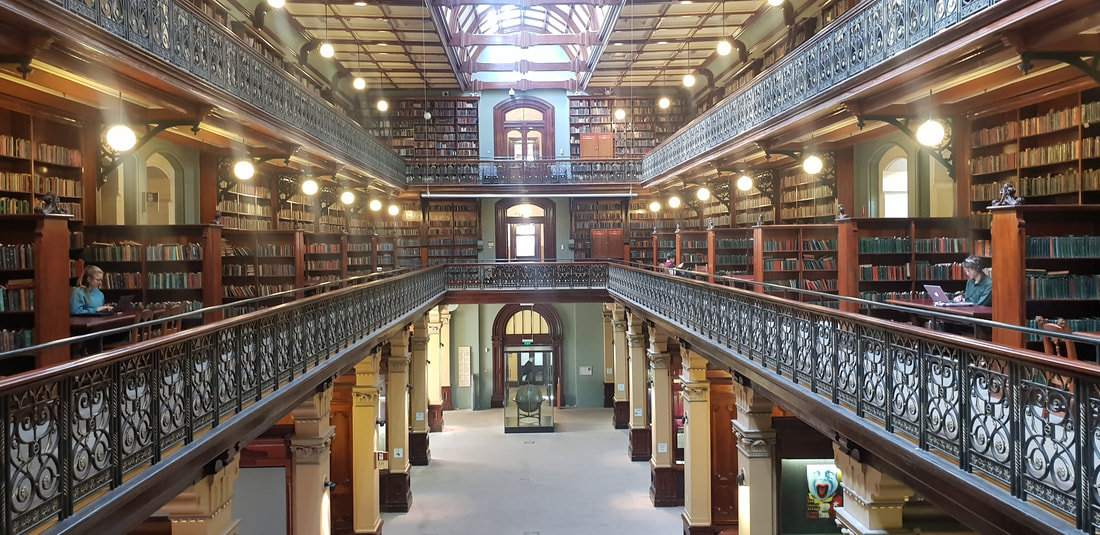
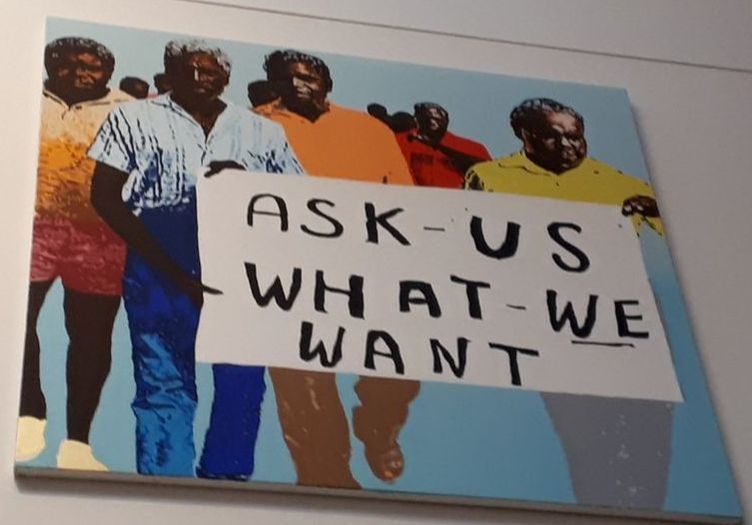
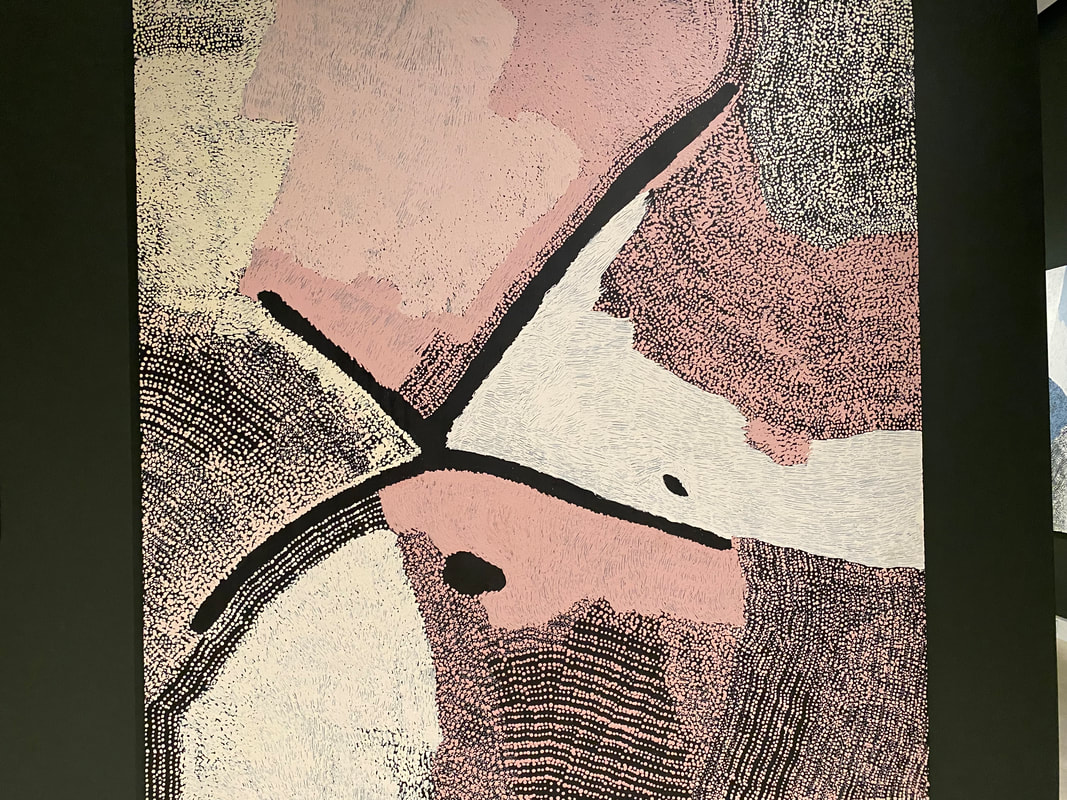
Richard Bell, The Sign Says It 2017, Acrylic on Belgian linen, 200 x 200 cm
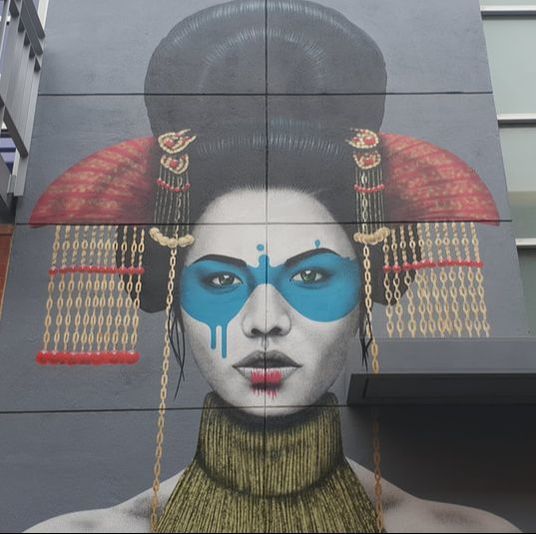
Street Art
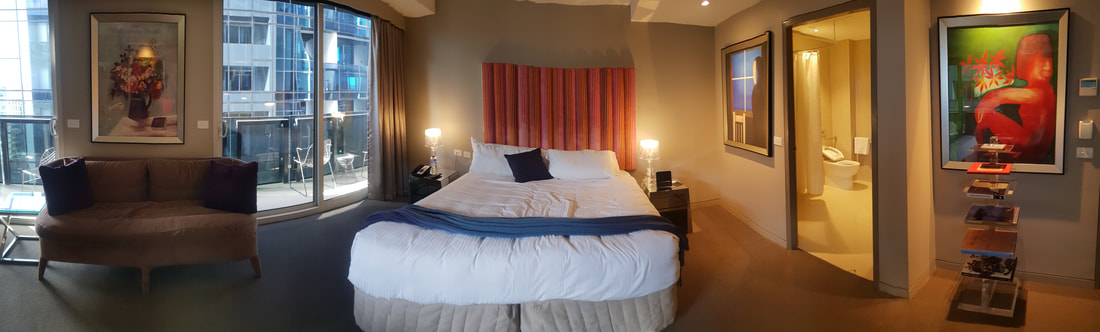
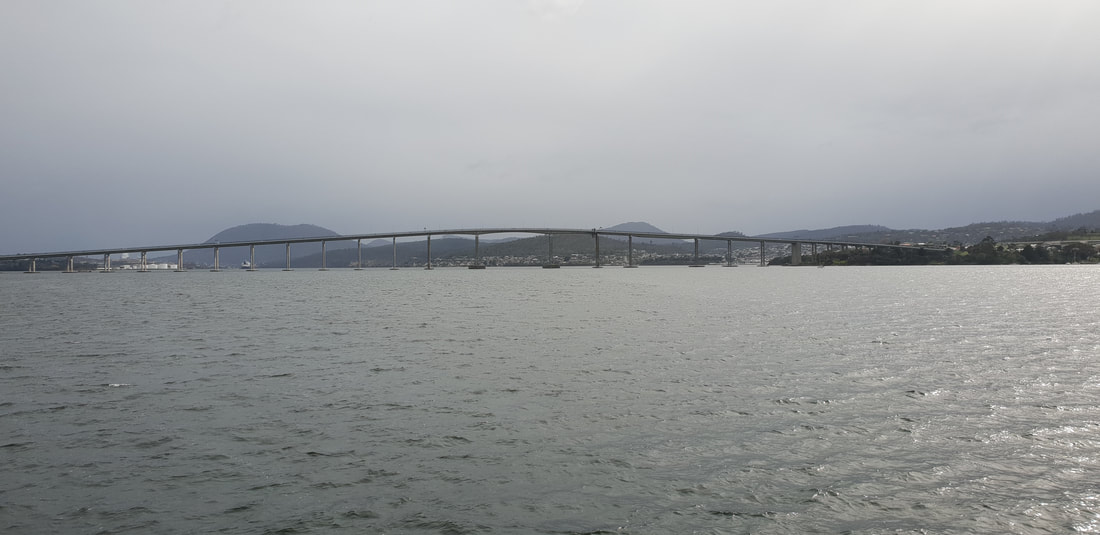
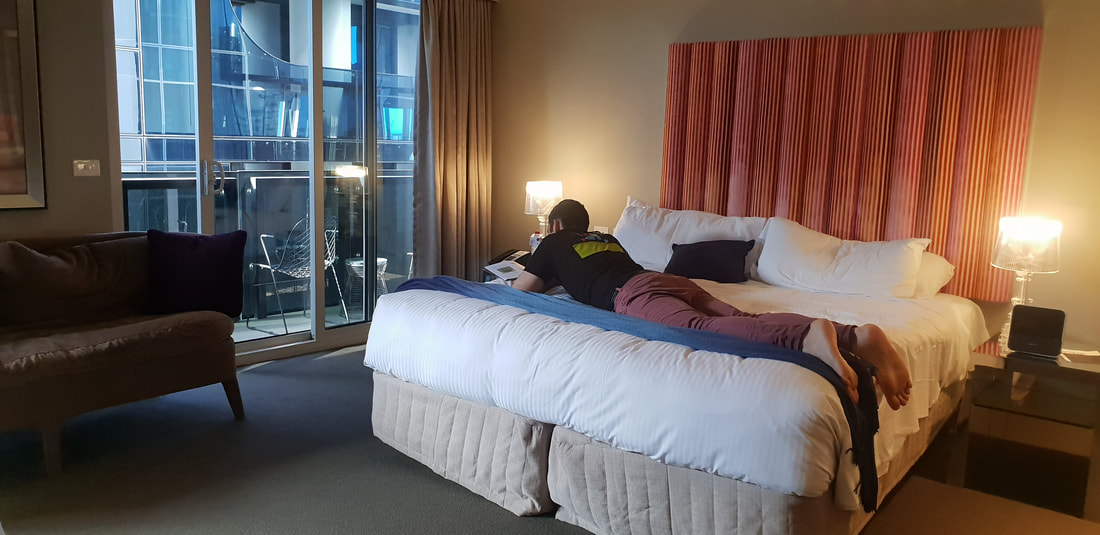
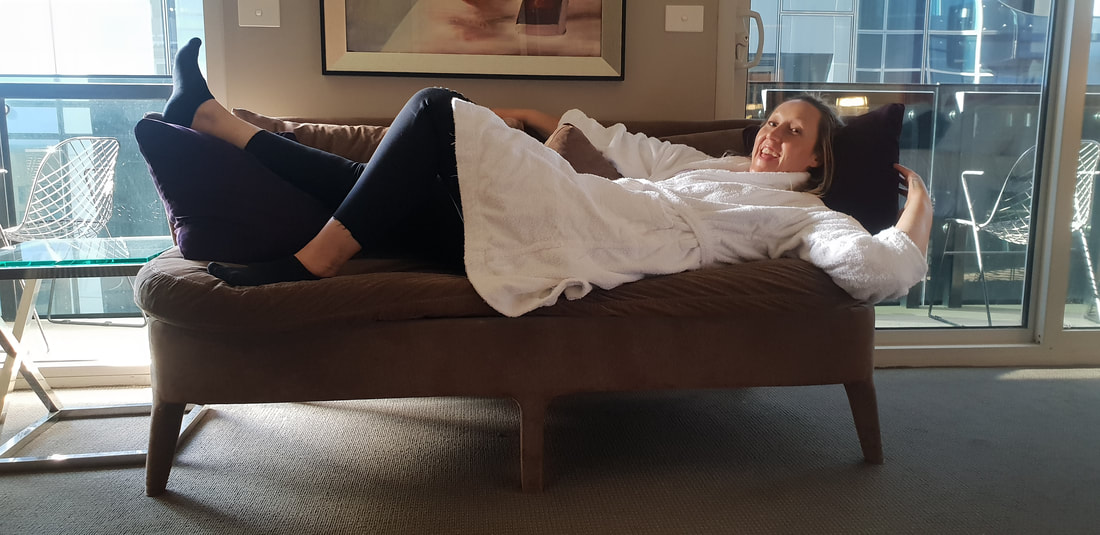
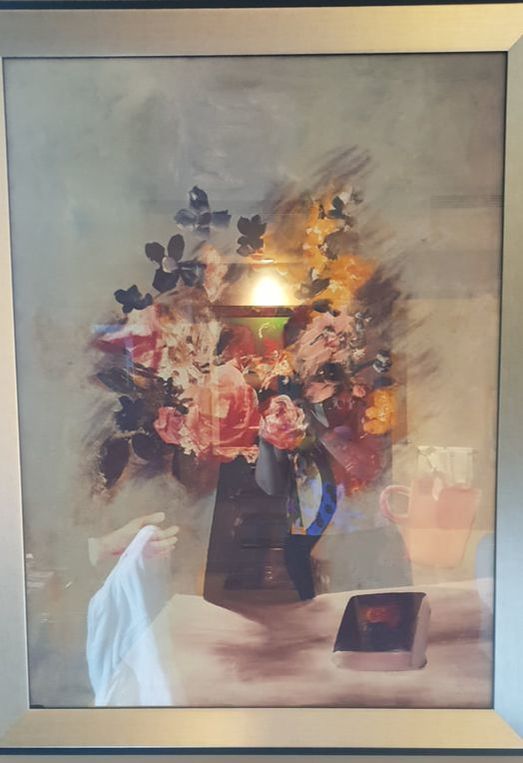
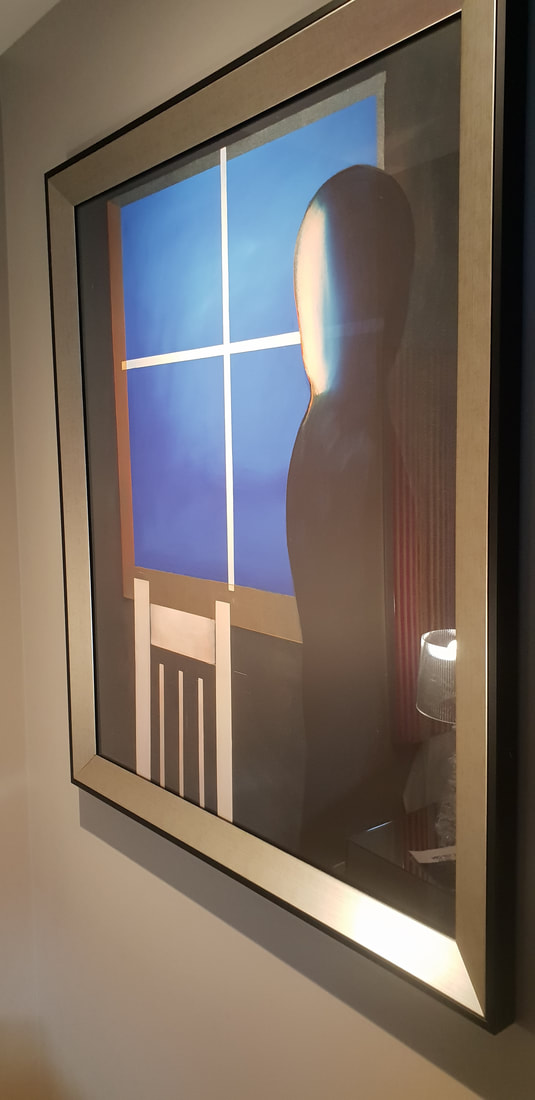
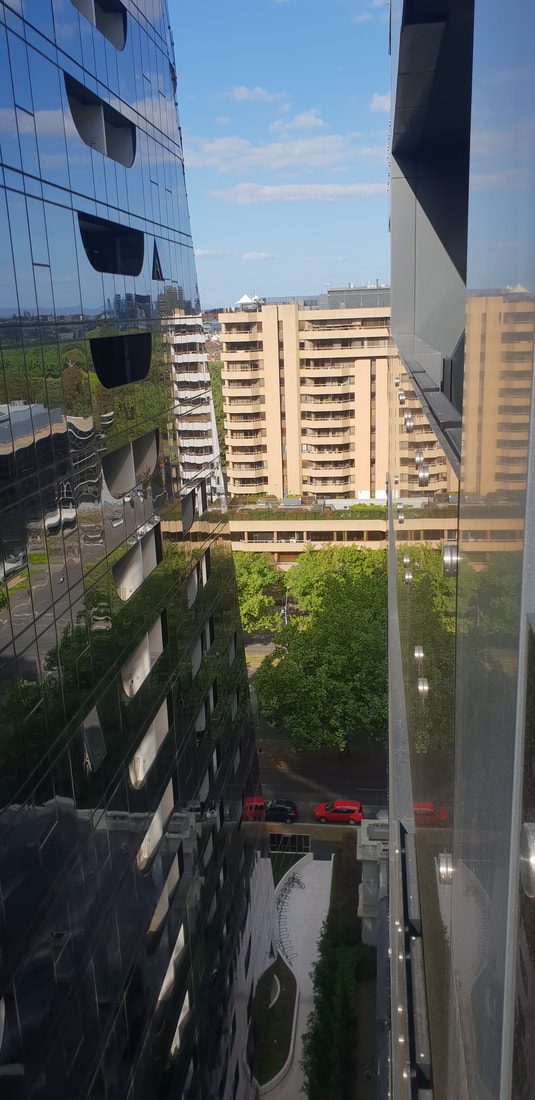
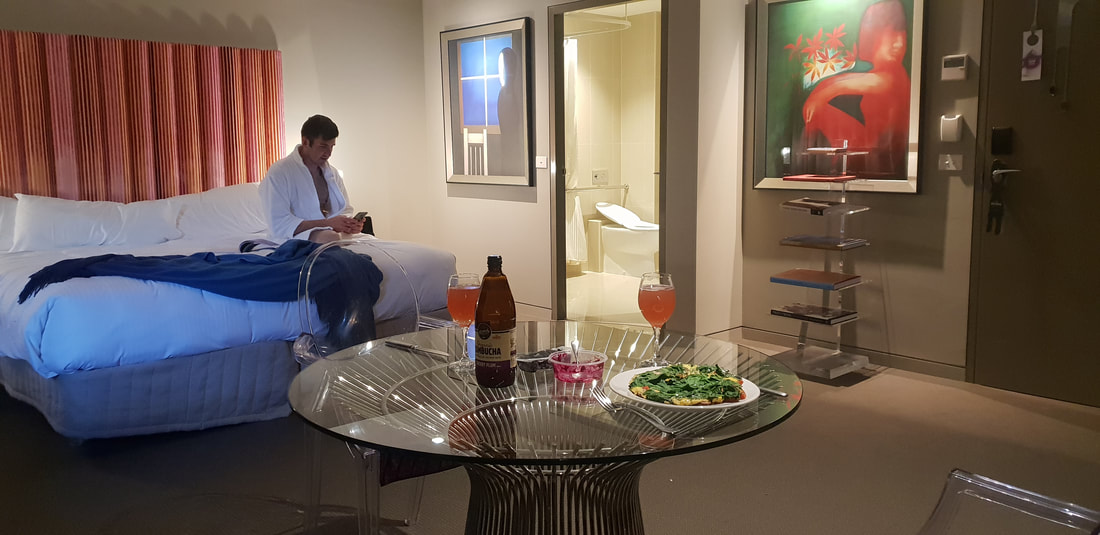
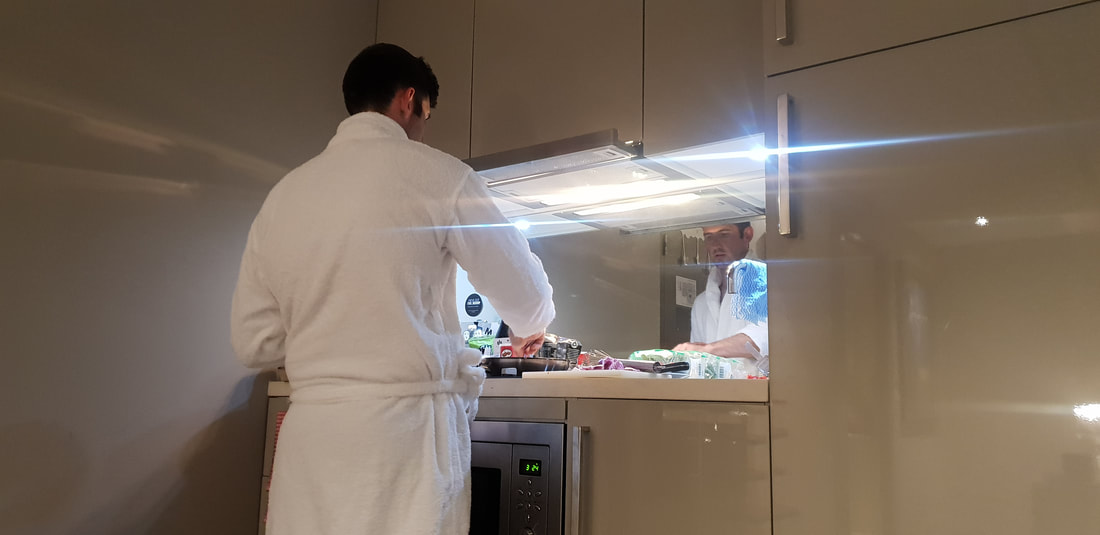
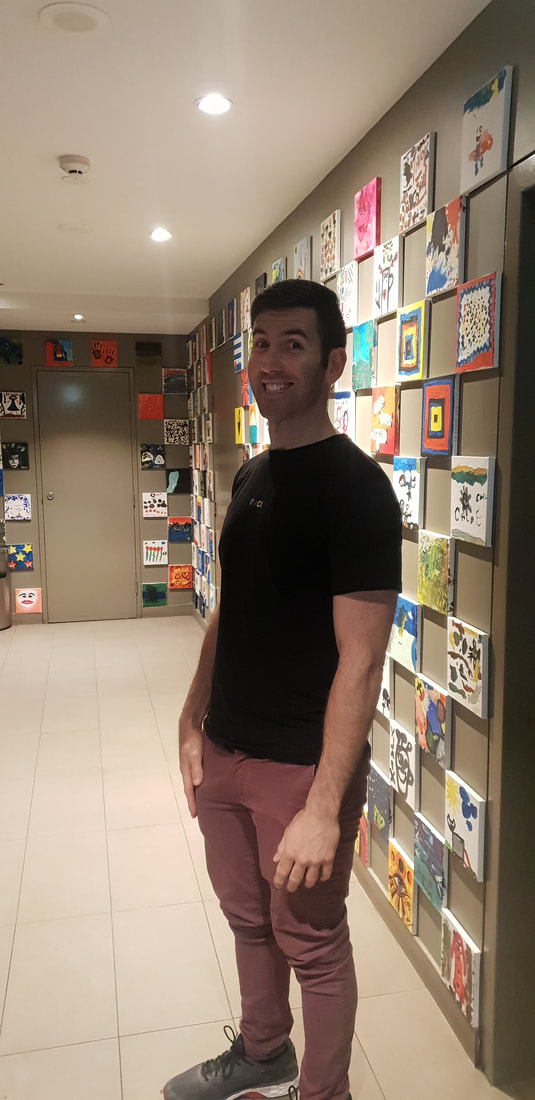
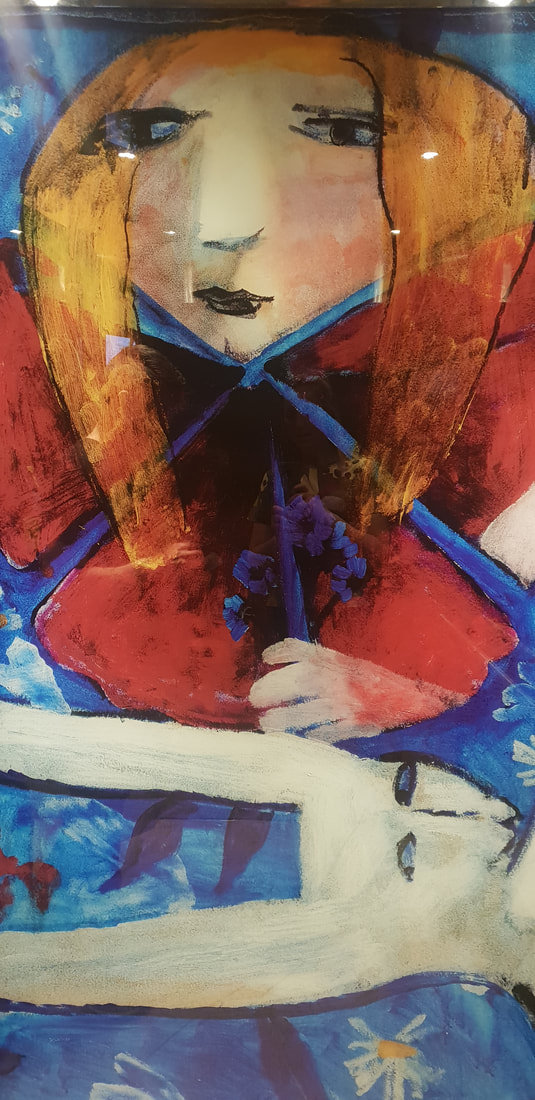
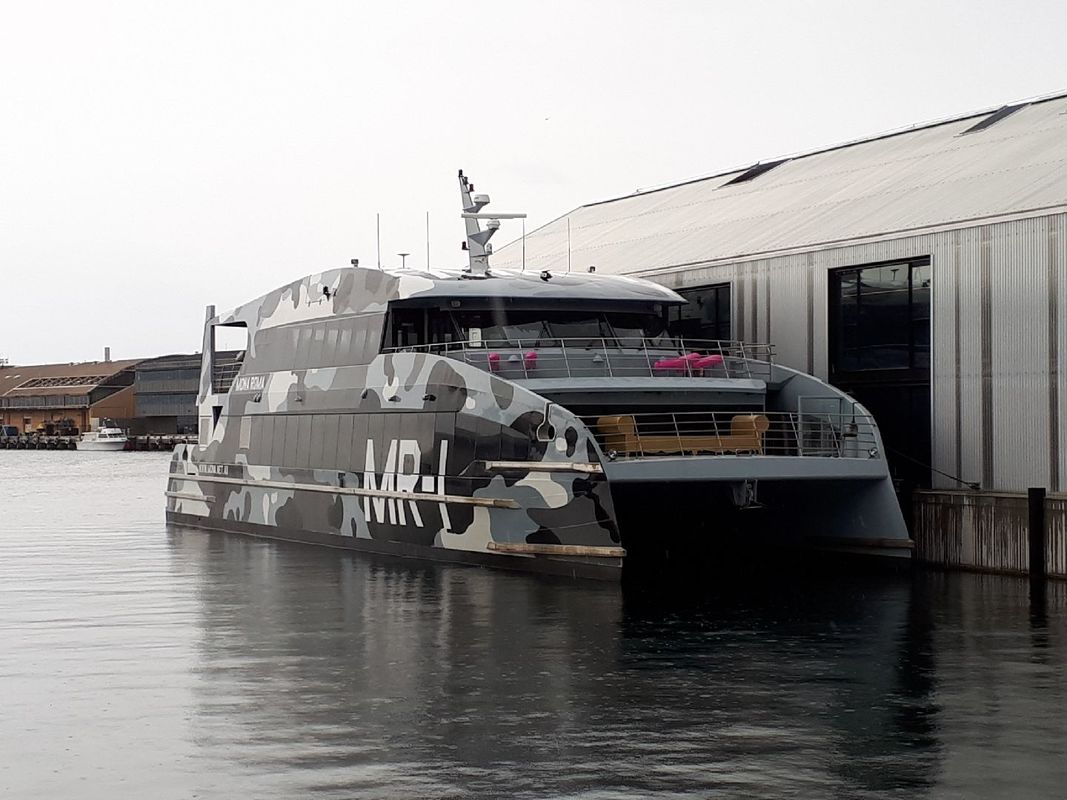
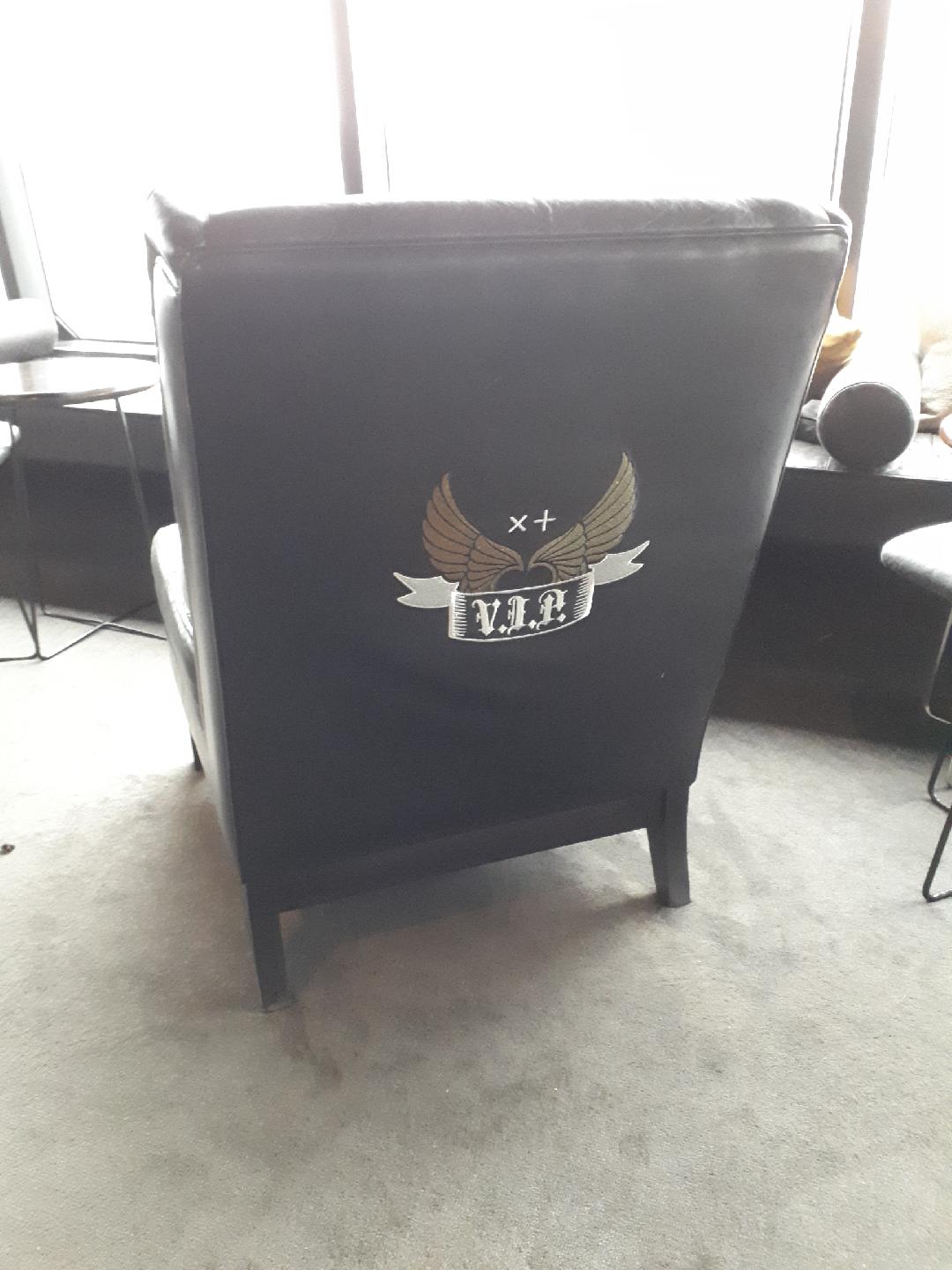
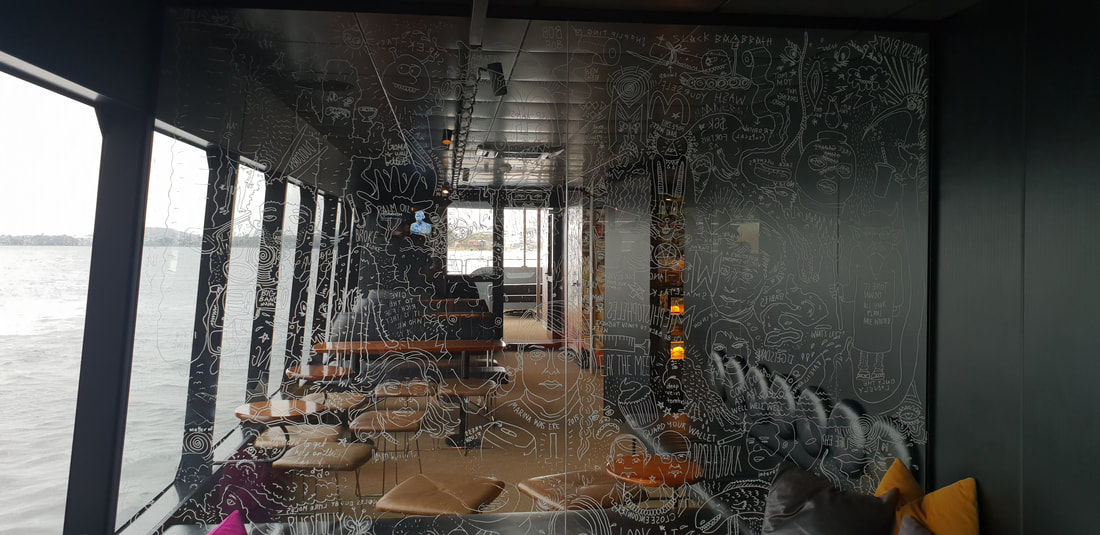
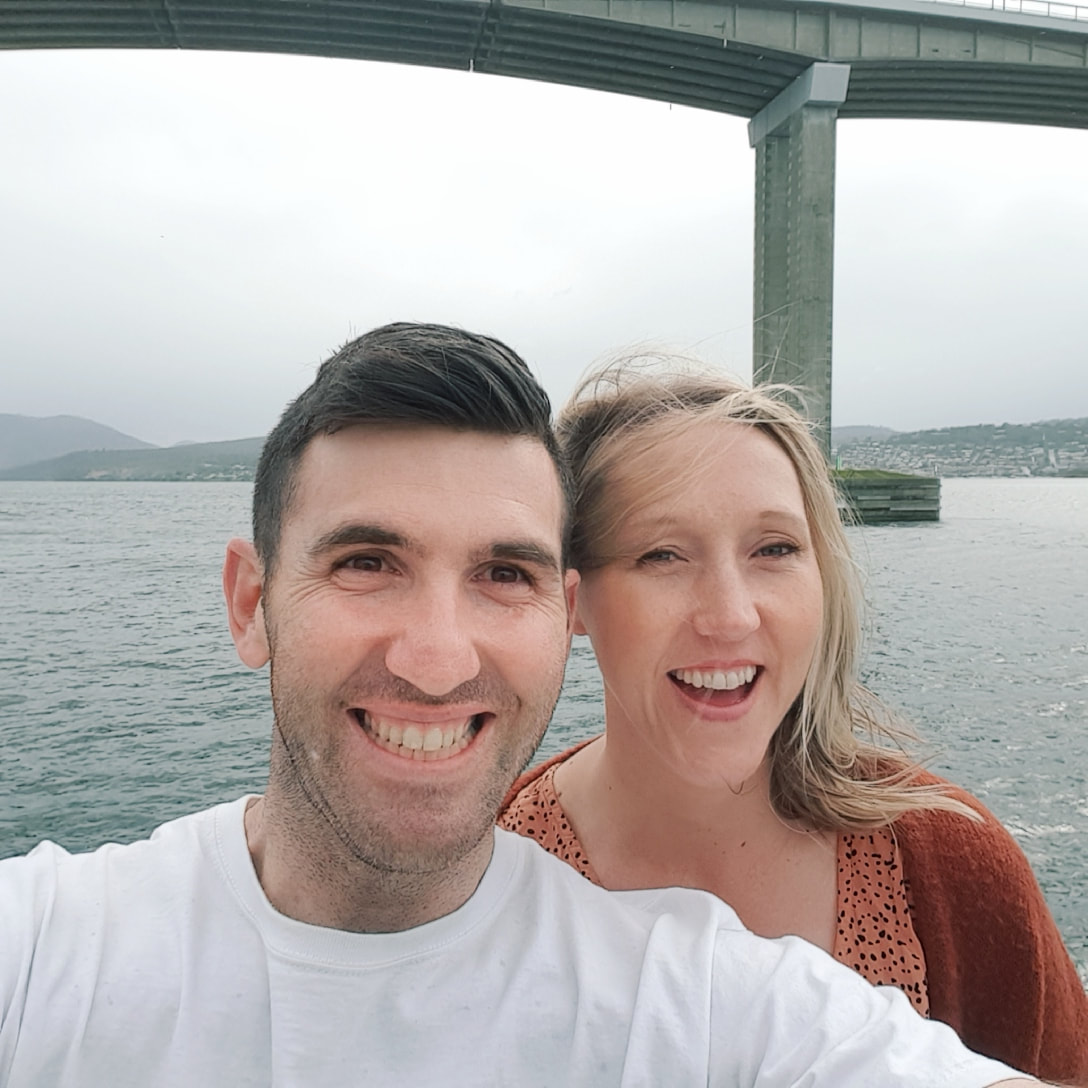
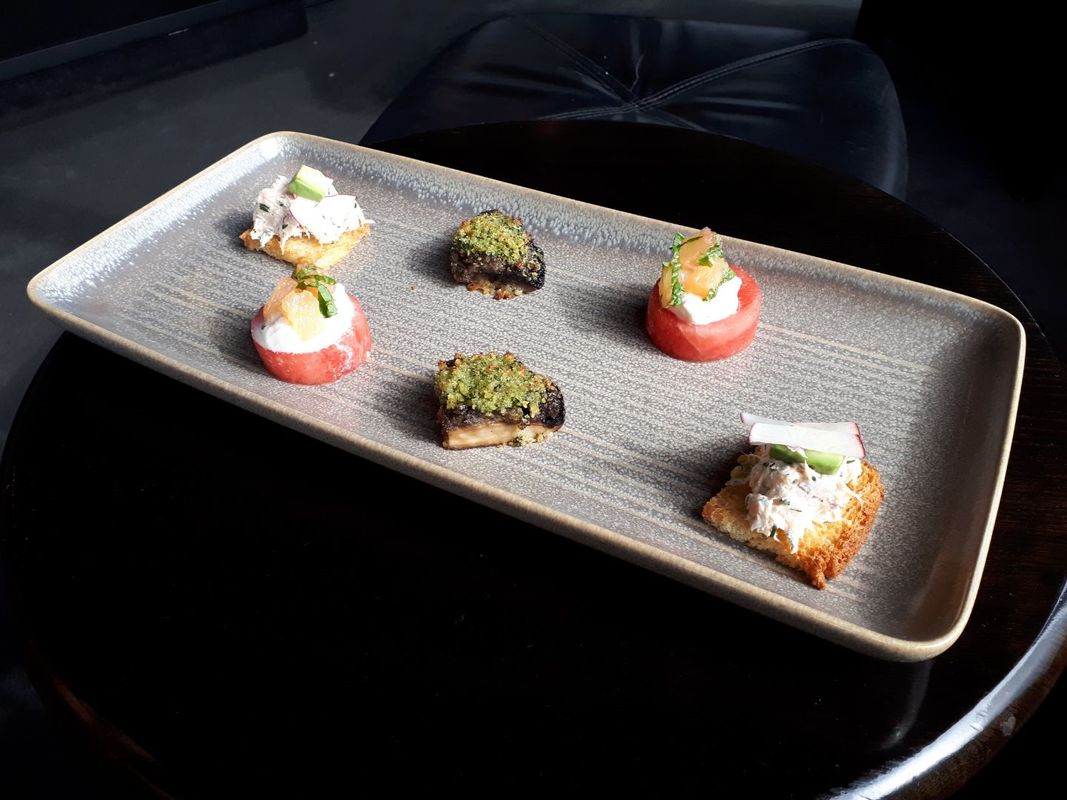
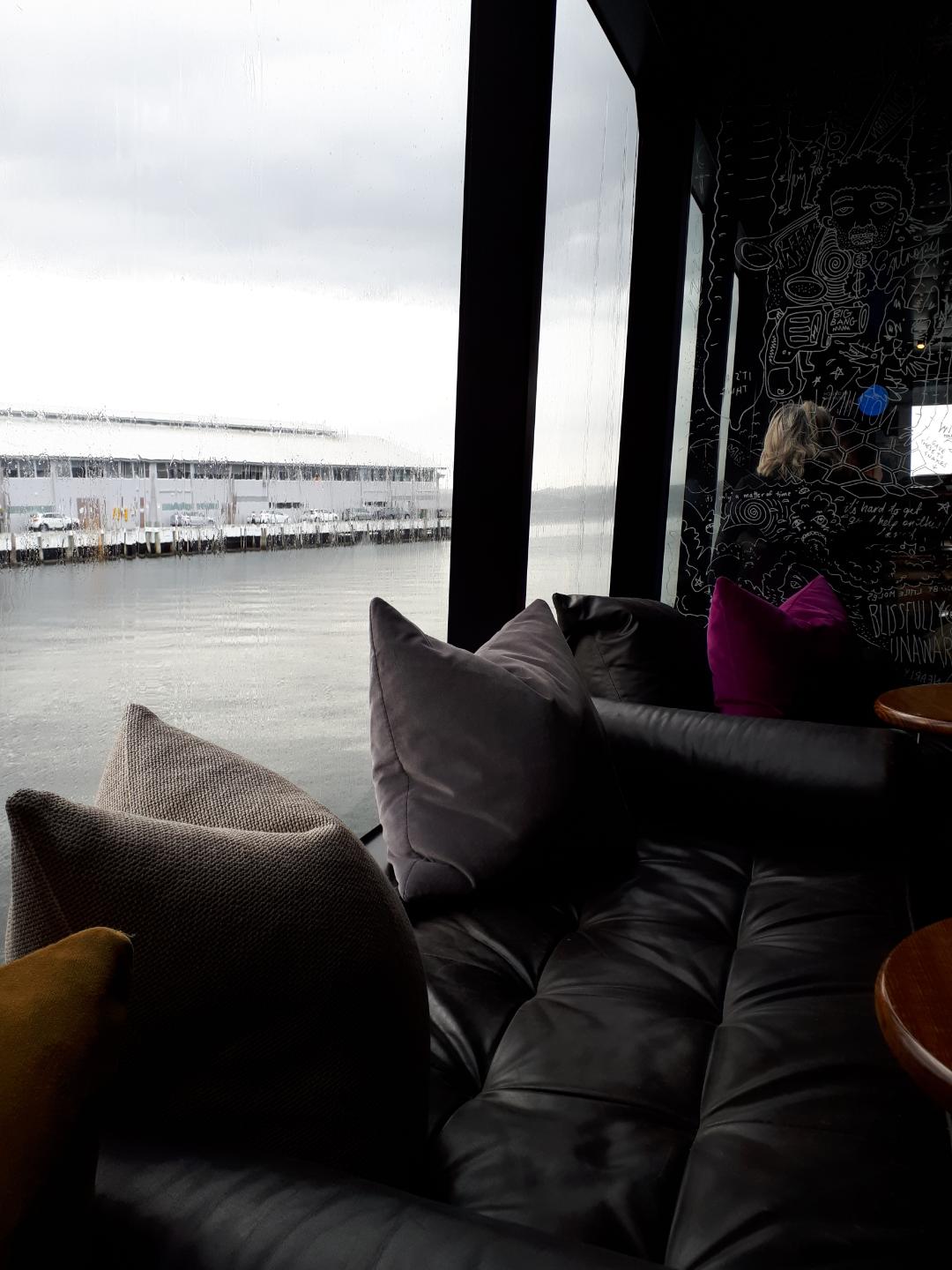
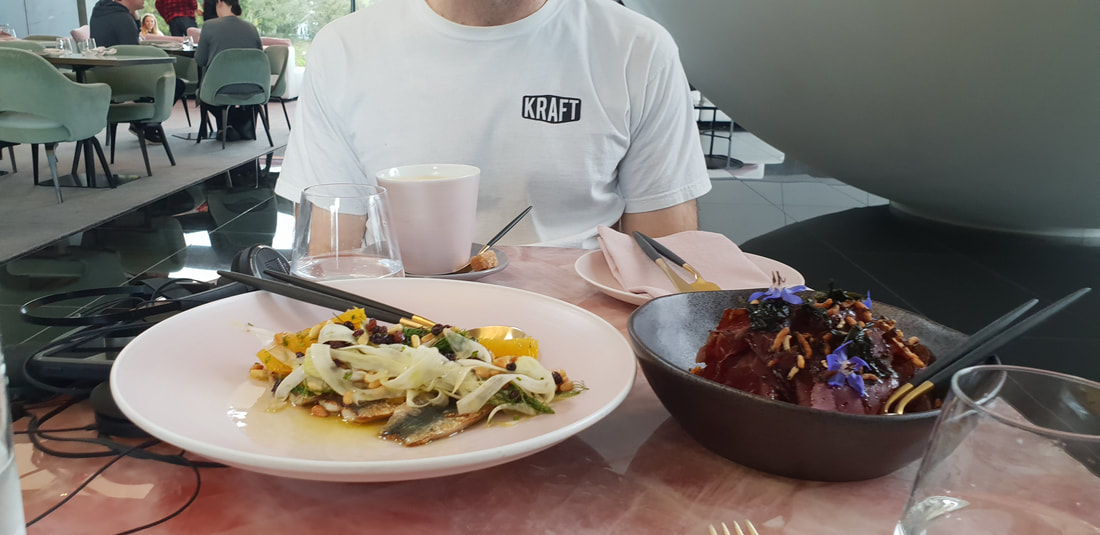
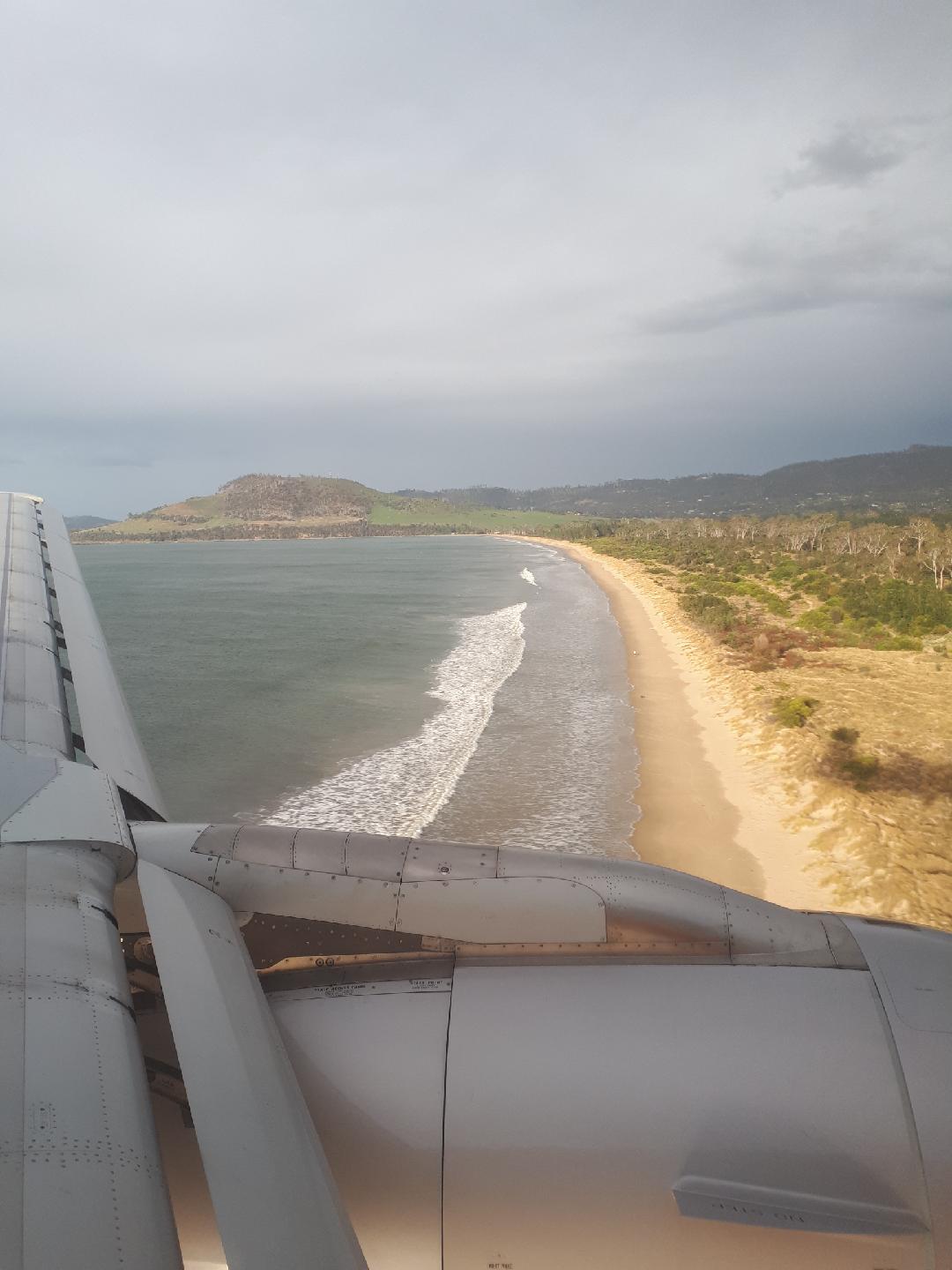
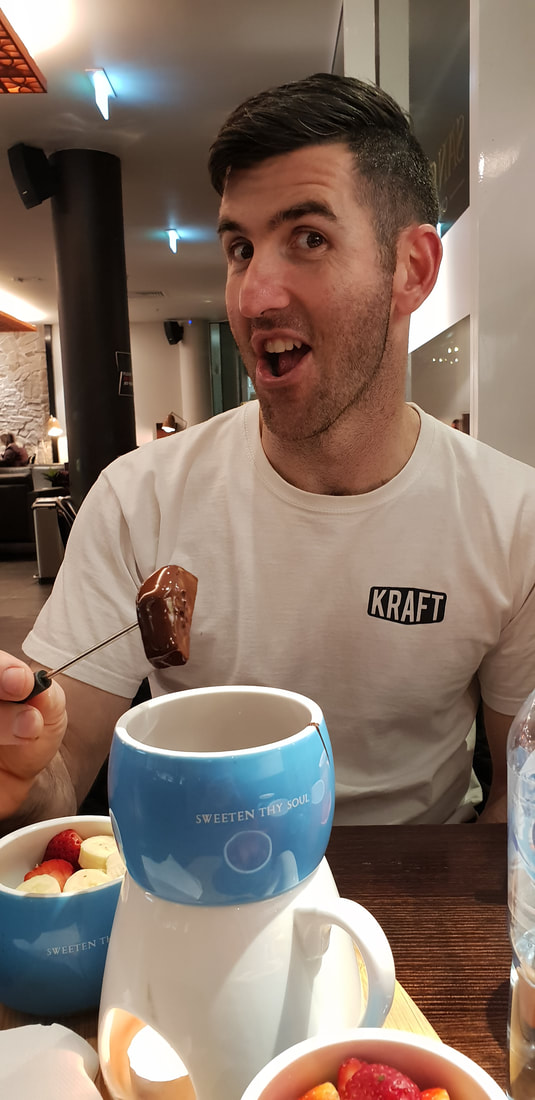
We love Florence, but staying a night at the Blackman was heavenly. The studio apartment quipped with a kitchenette (including a dishwasher) was perfectly portioned and very liveable, without being overtly fussy. After we checked in we ventured to Albert Park for a Reuben Sandwich and shopped for some local produce. Shovel cooked up a storm and we dinned in our robes whilst sipping on kombucha. We enjoyed a long-arse continuous hot shower before diving into the massive king sized bed for a luxurious and restful sleep, surround by iconic art. 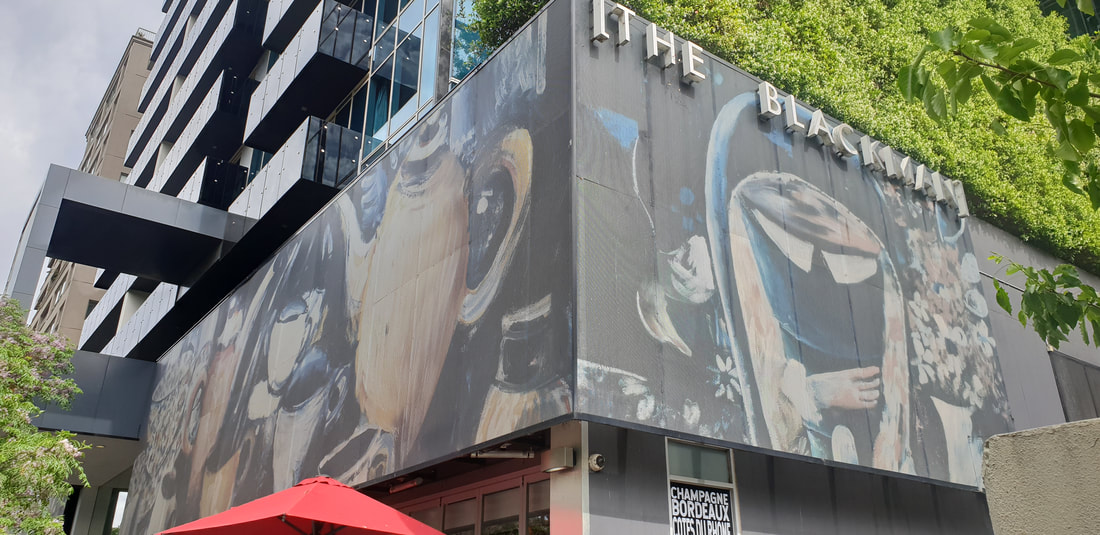 Our day begun at 3am when we woke and bundled ourselves into Cherry and headed up the highway to Tullamarine Airport and onto a 6am Jetstar flight bound for Hobart. At Hobart we hopped onto a bus into town then boarded the MONA ROMA to the museum. We ate beautifully delicious fresh and local foods from a berry smoothie at the Salamanca Markets, to pasta at the Museum cafe, sardines and rare beef at the MOMA restaurant, Faro and fresh Atlantic salmon back at Salamanca. Our flight was delayed; we ended up getting back to Florence at 4am, having been awake for 25 hours, but we made the most of our additional time in Hobart and finished off the day with a dark chocolate fondue and fruit. Wonderful. mona roma posh pit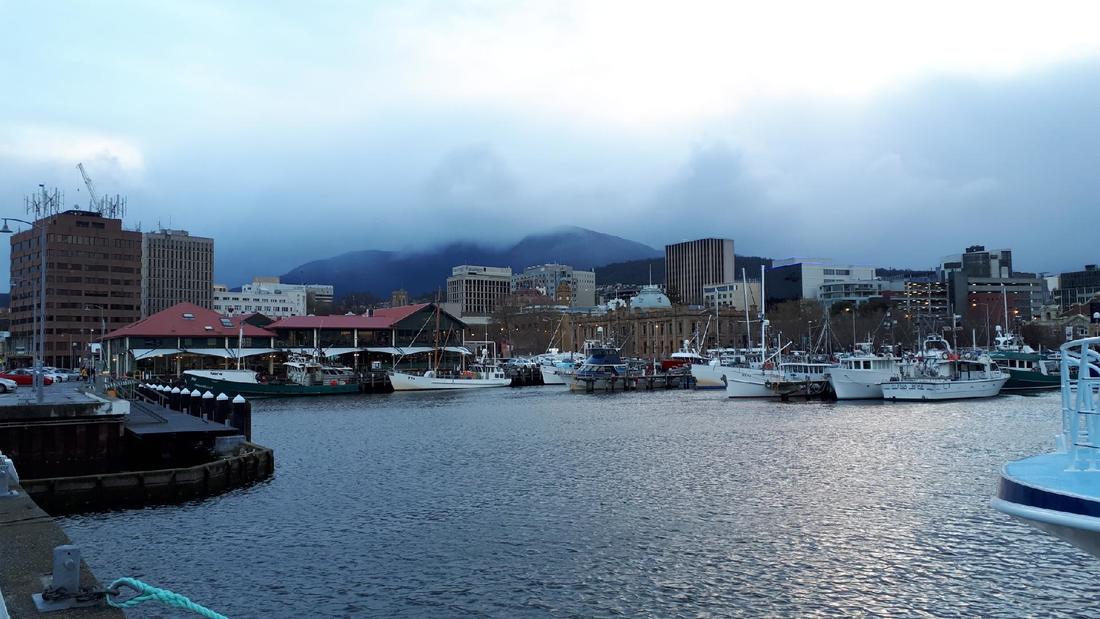
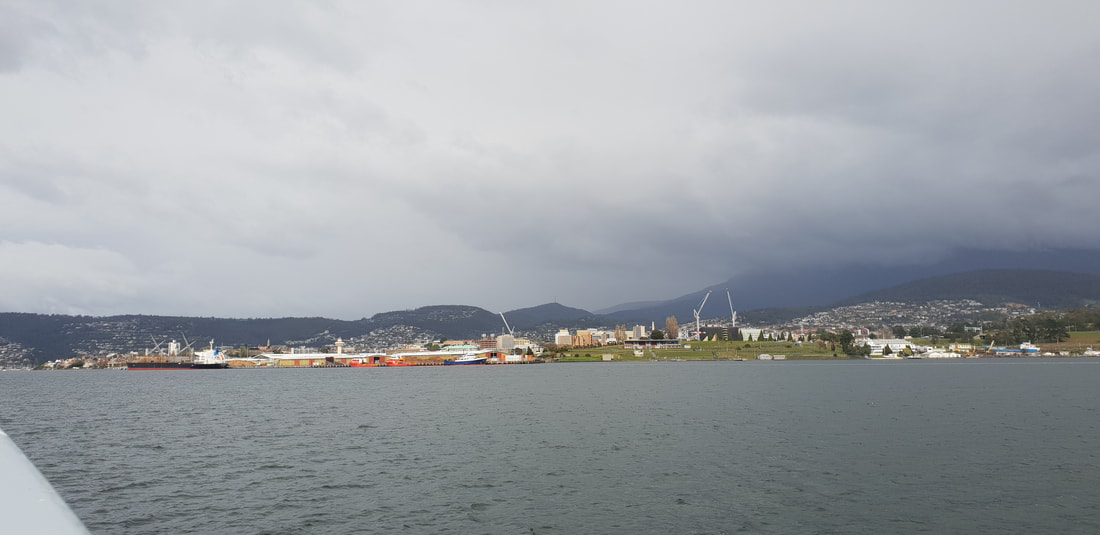
museum of old and new art
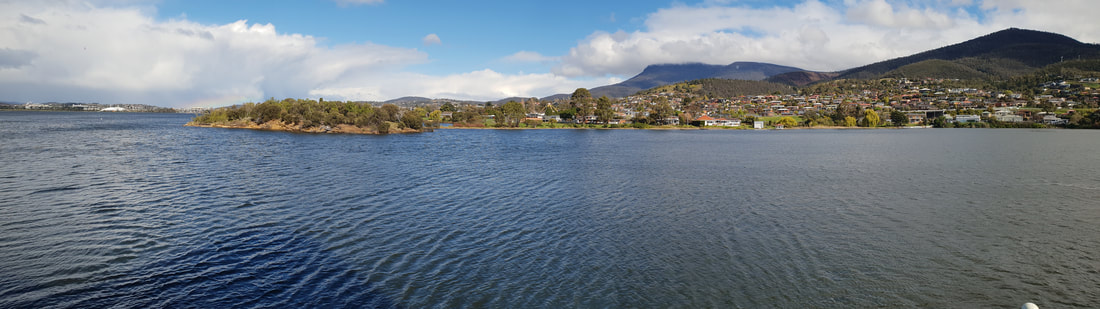
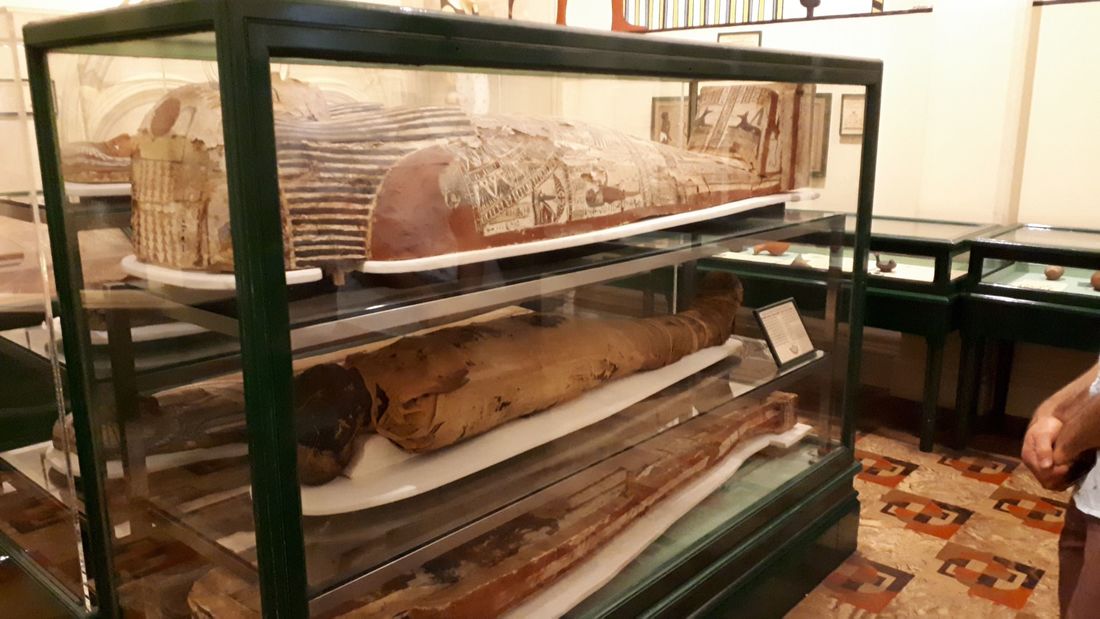
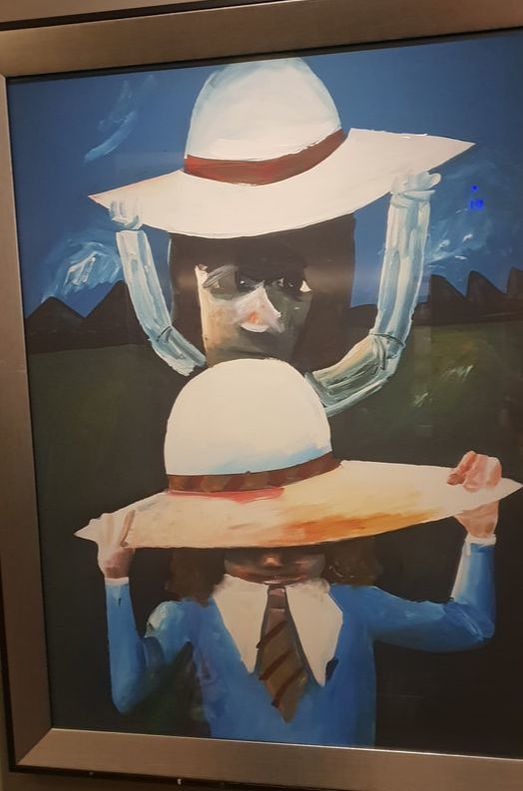
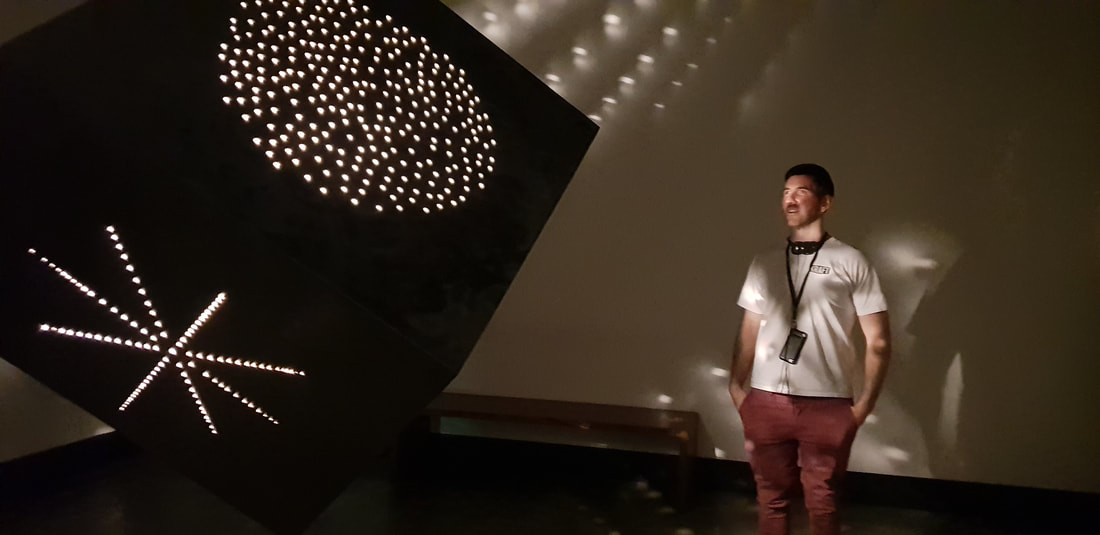
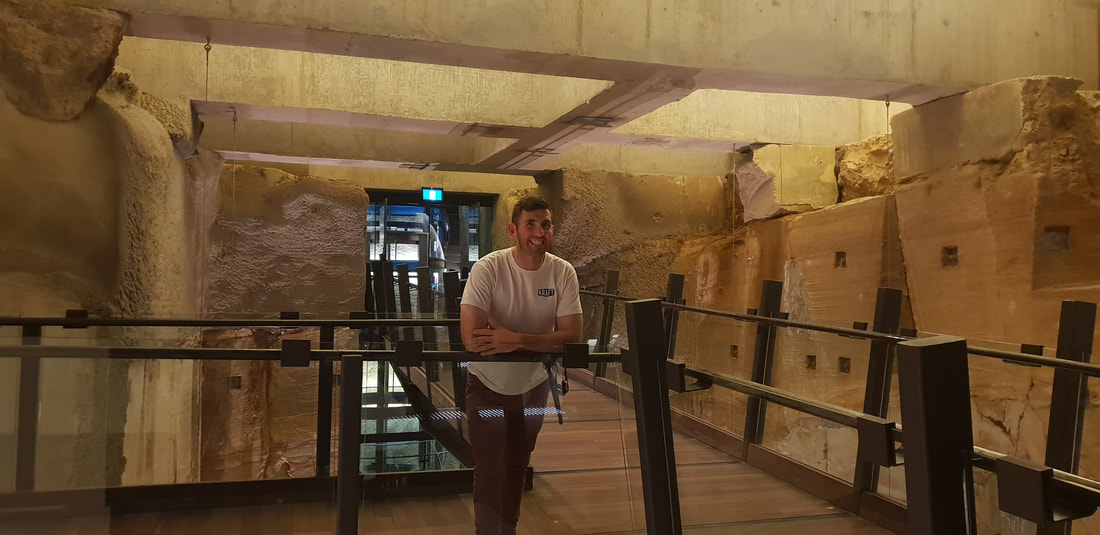
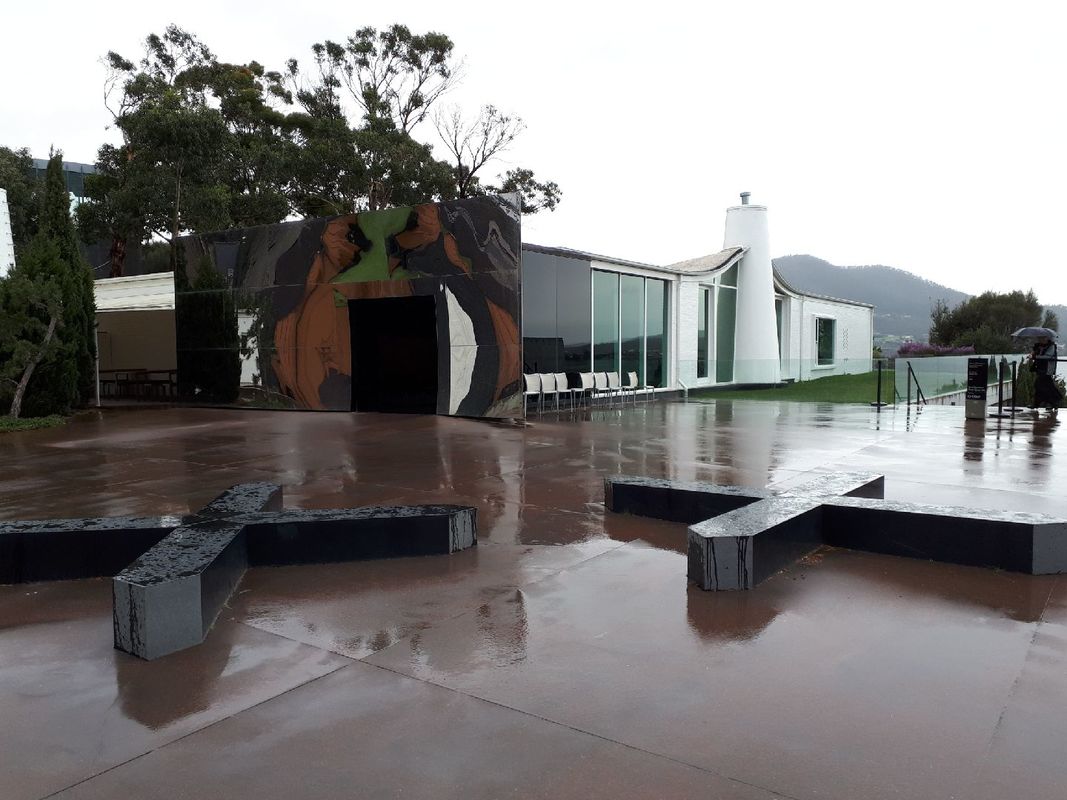
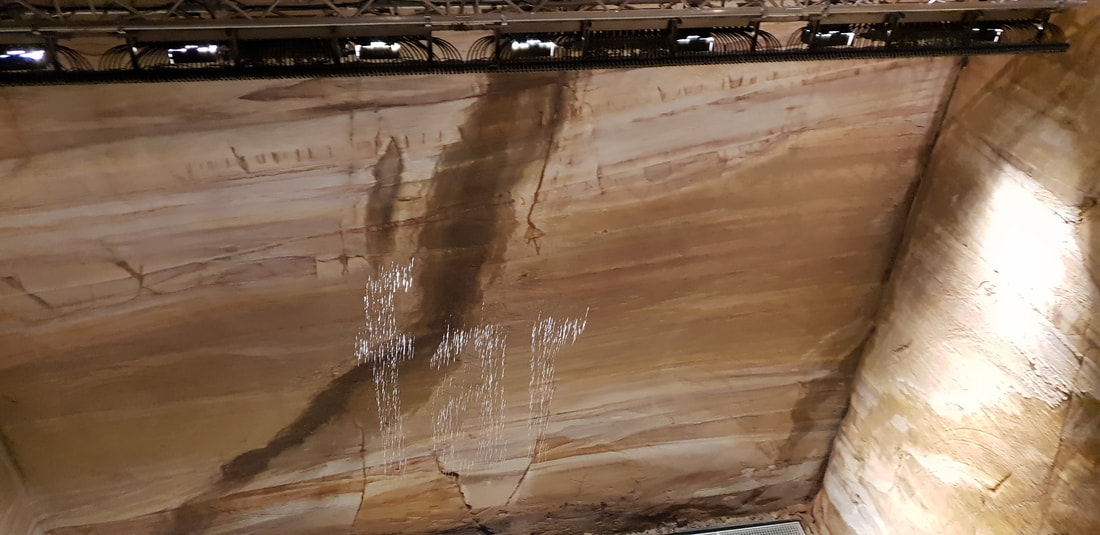
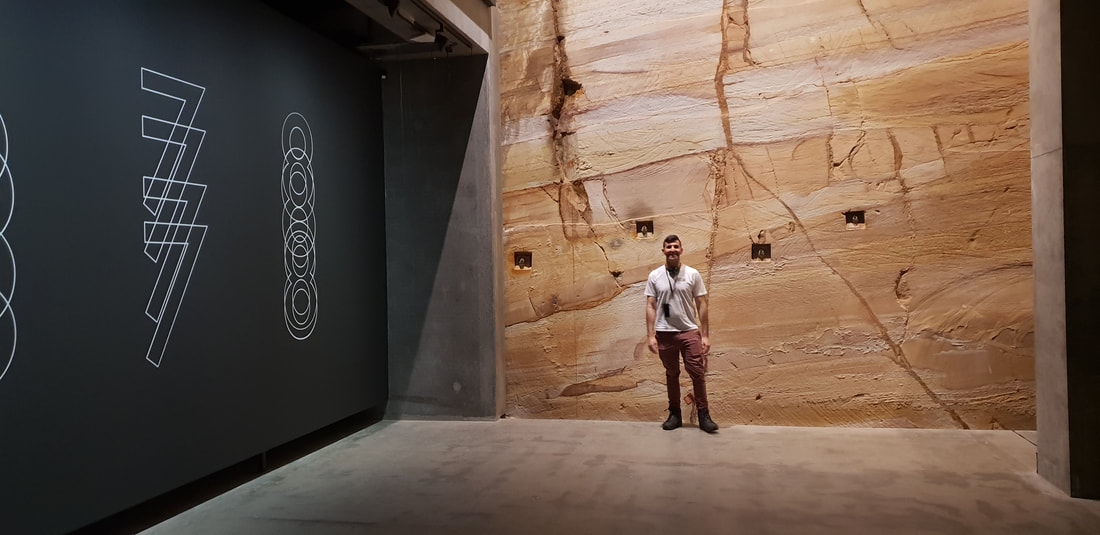
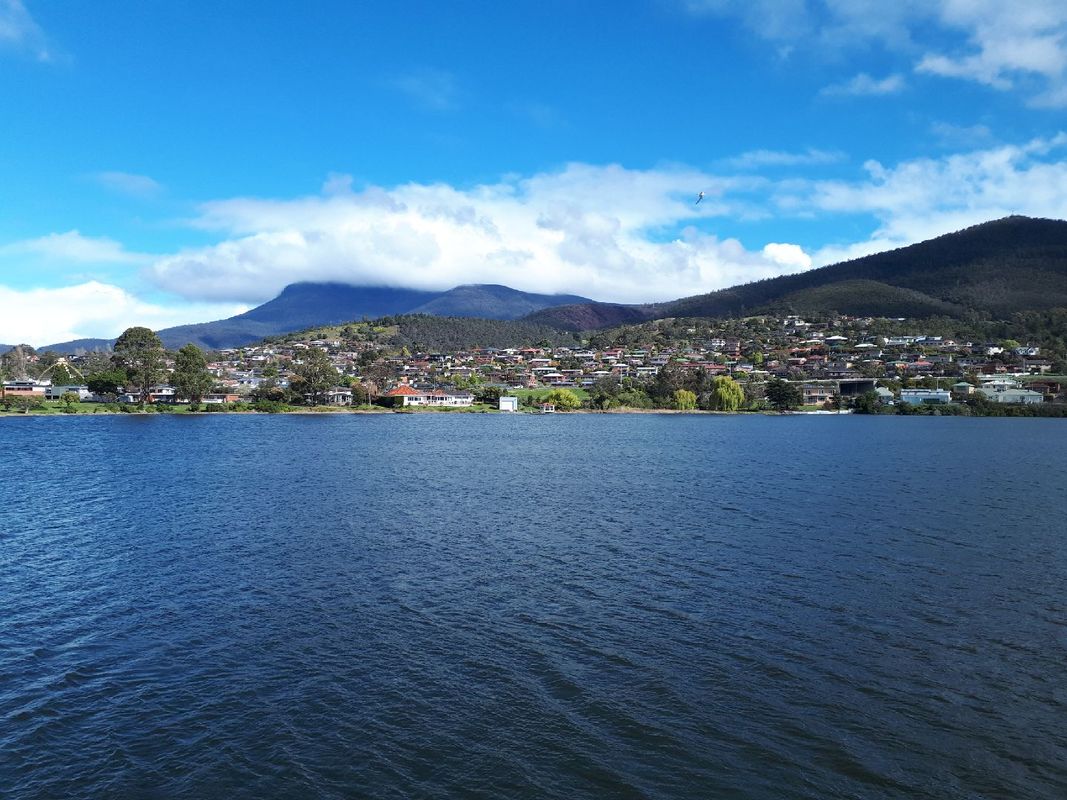
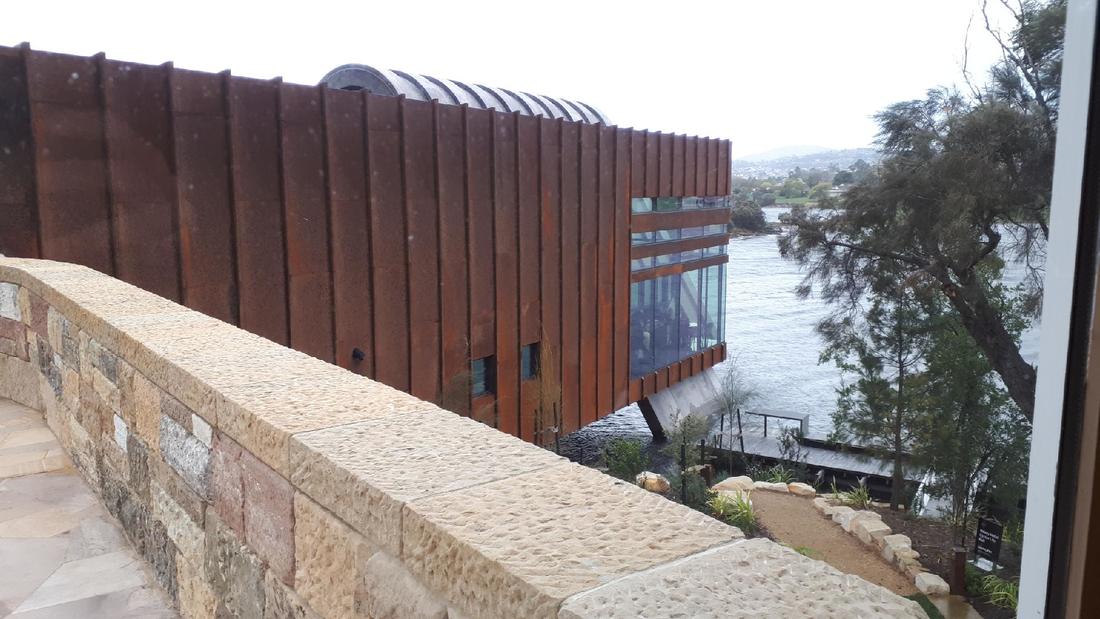
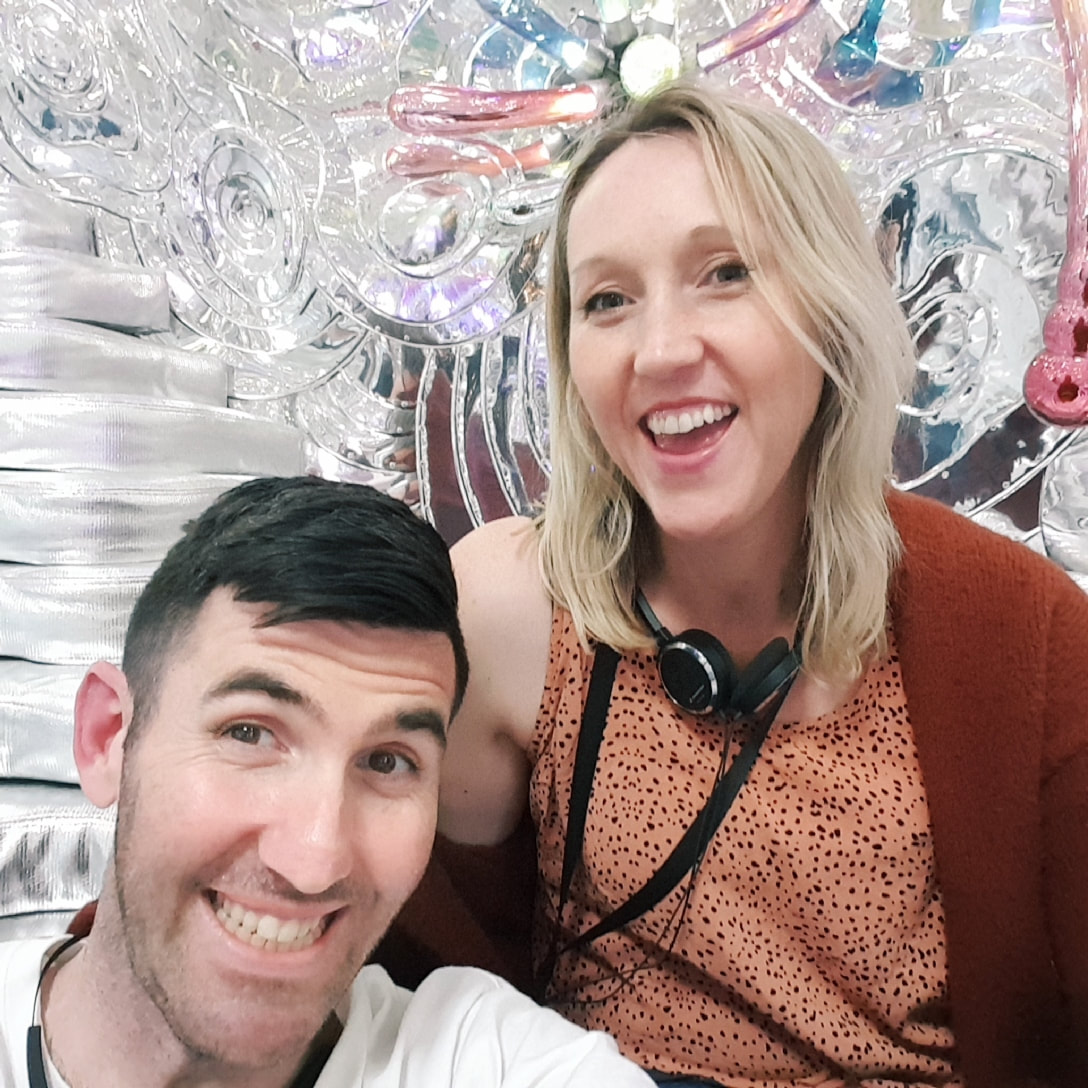
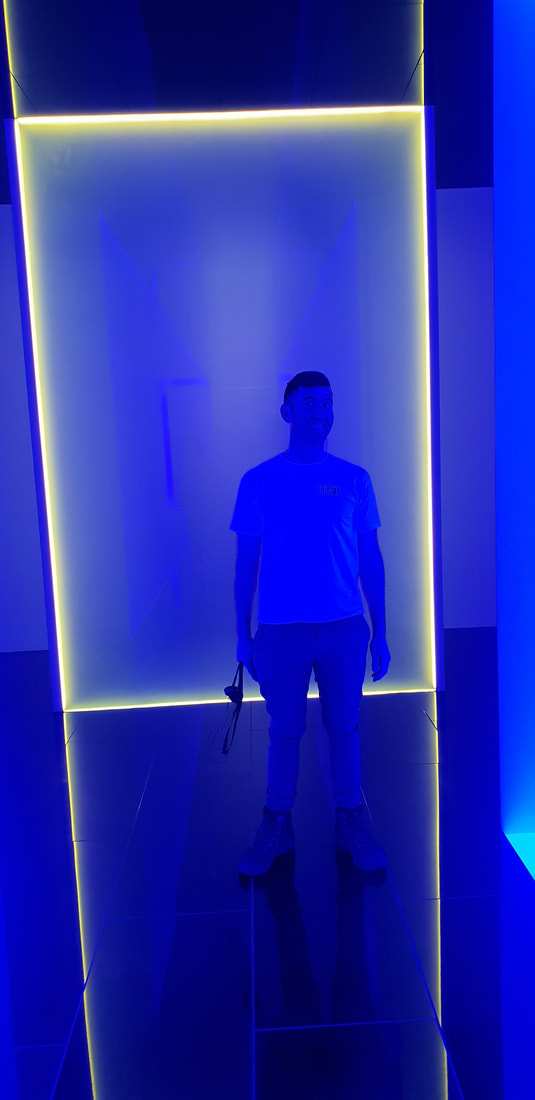
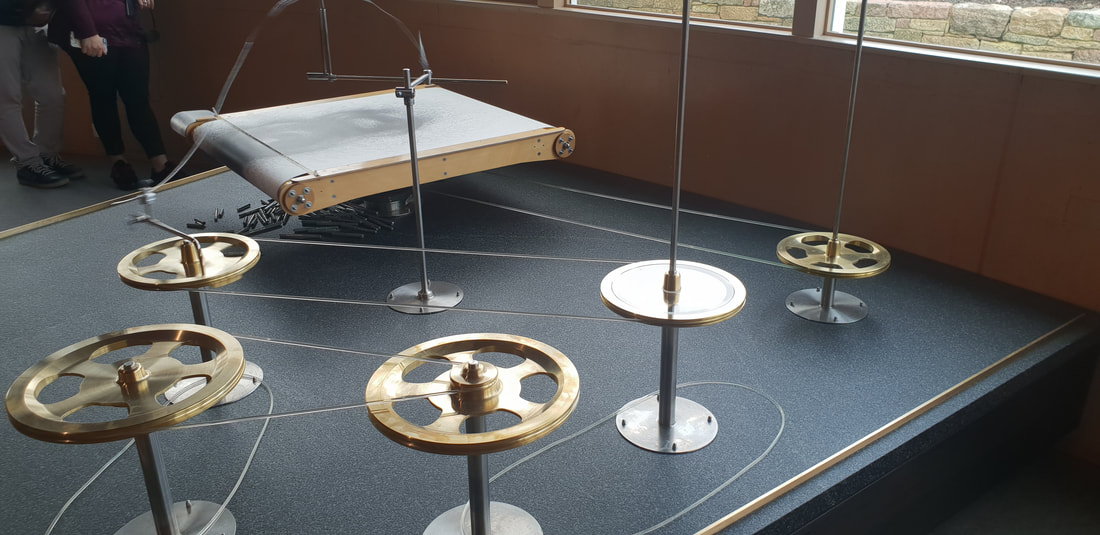
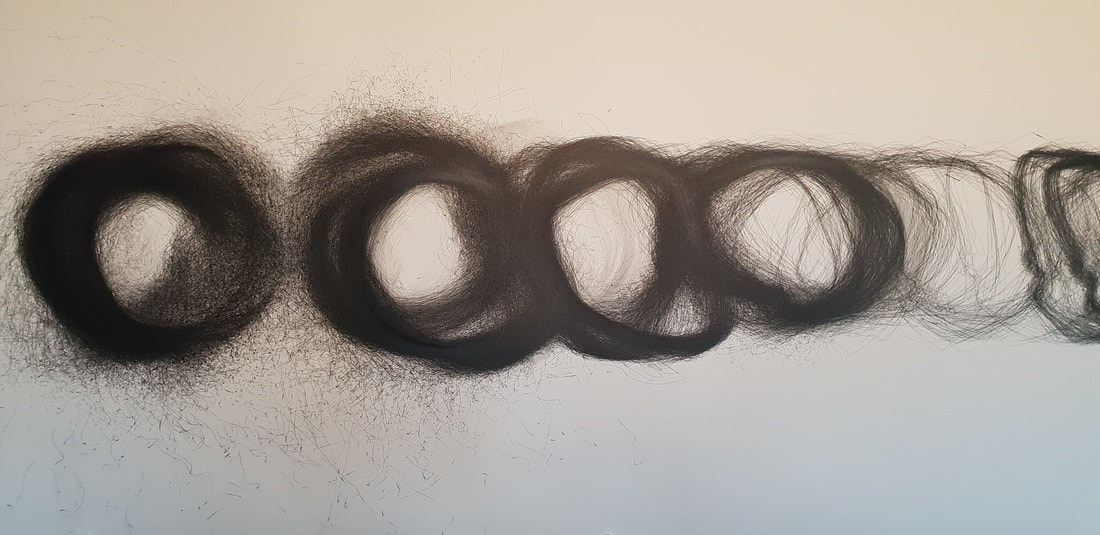
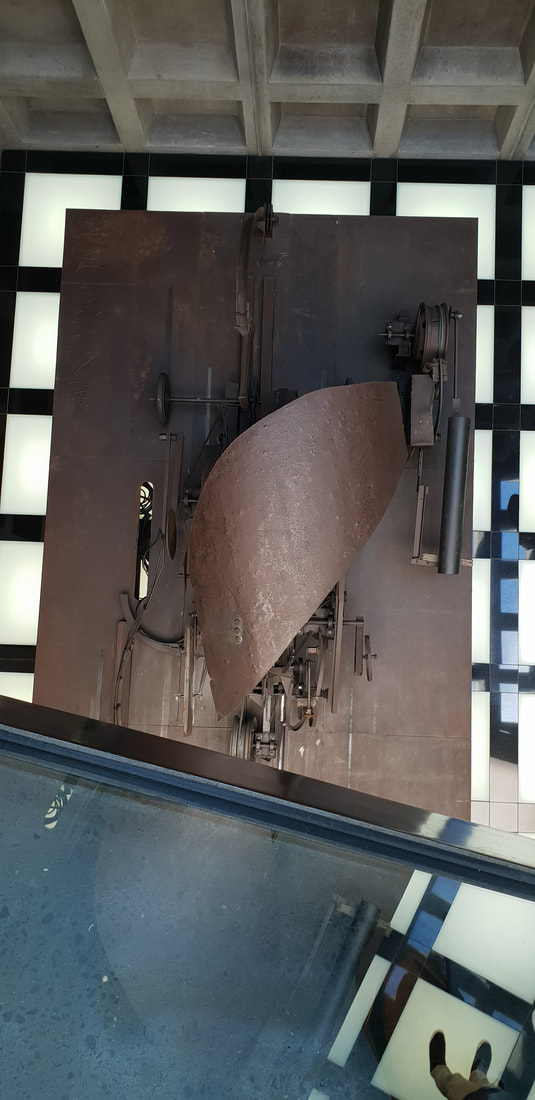
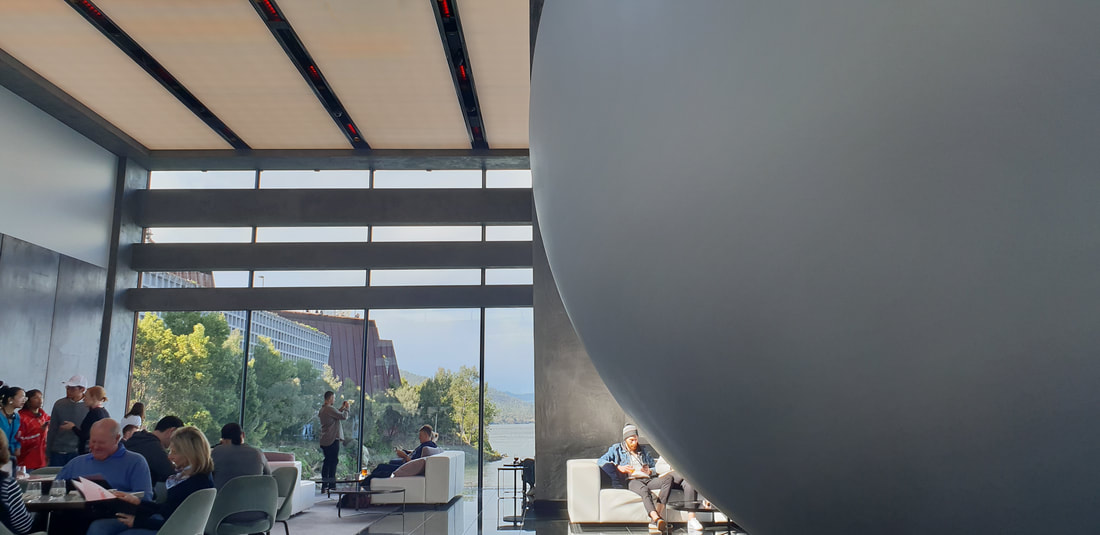
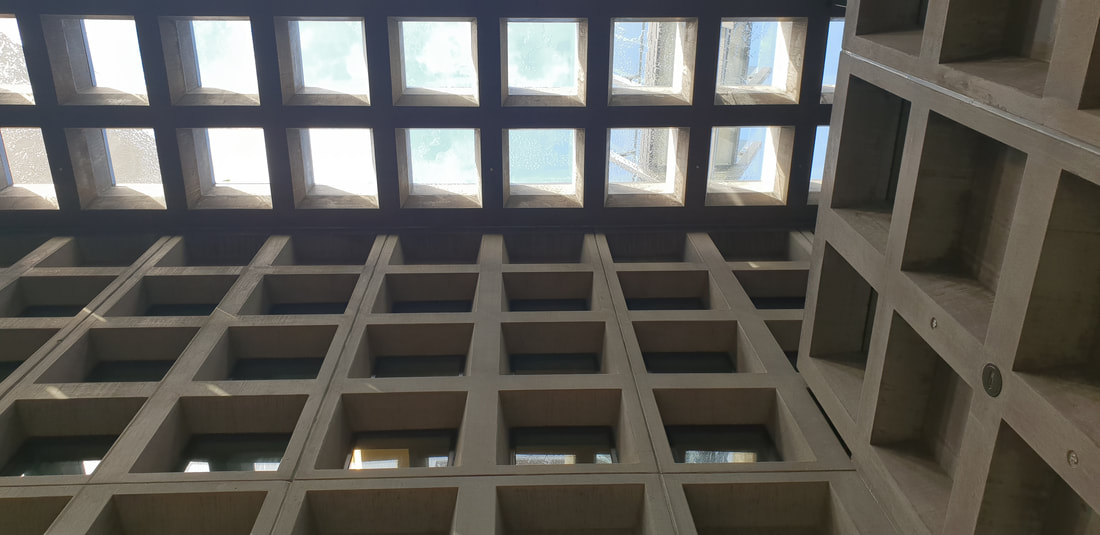
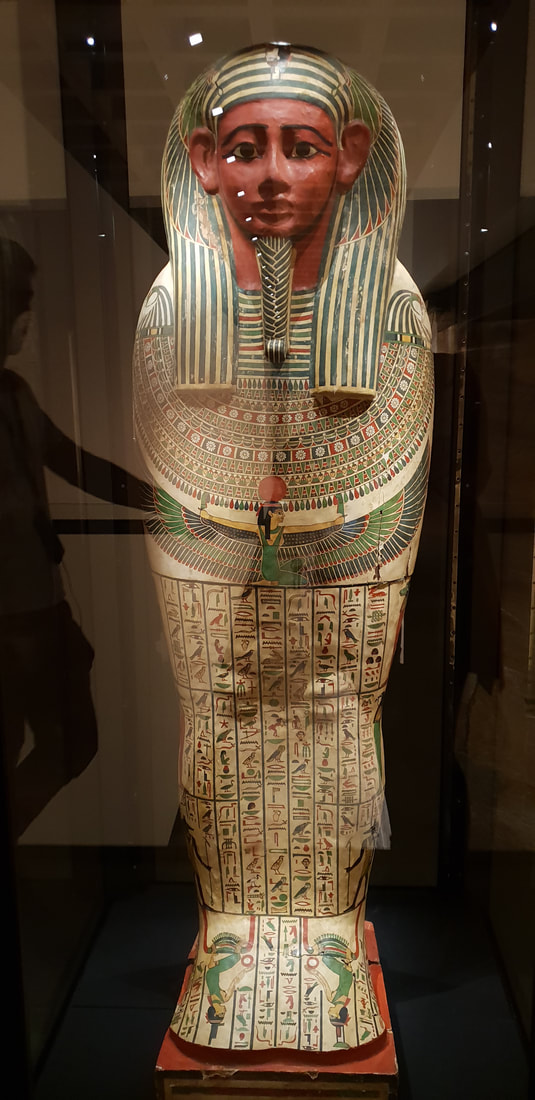
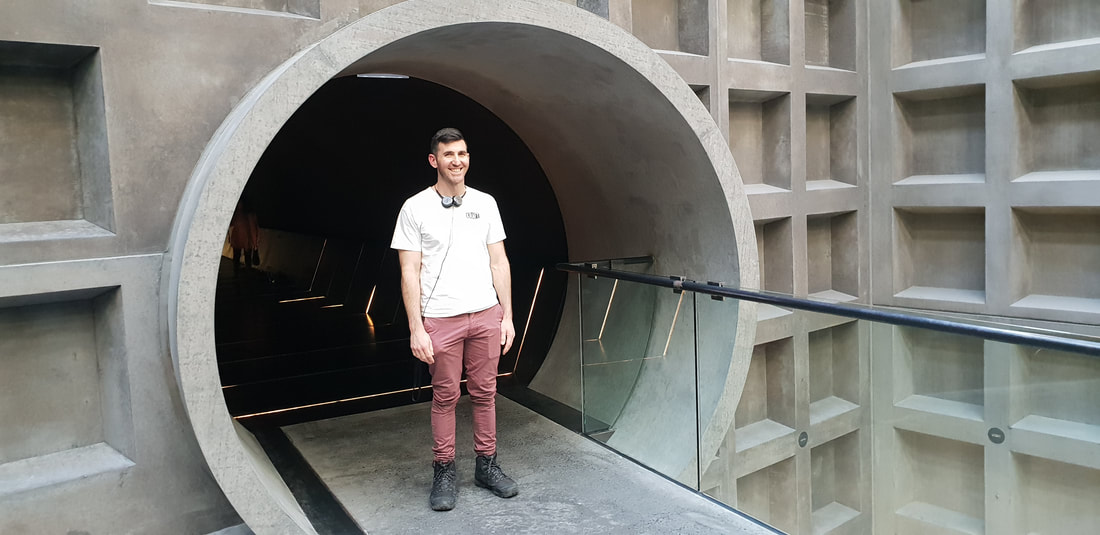
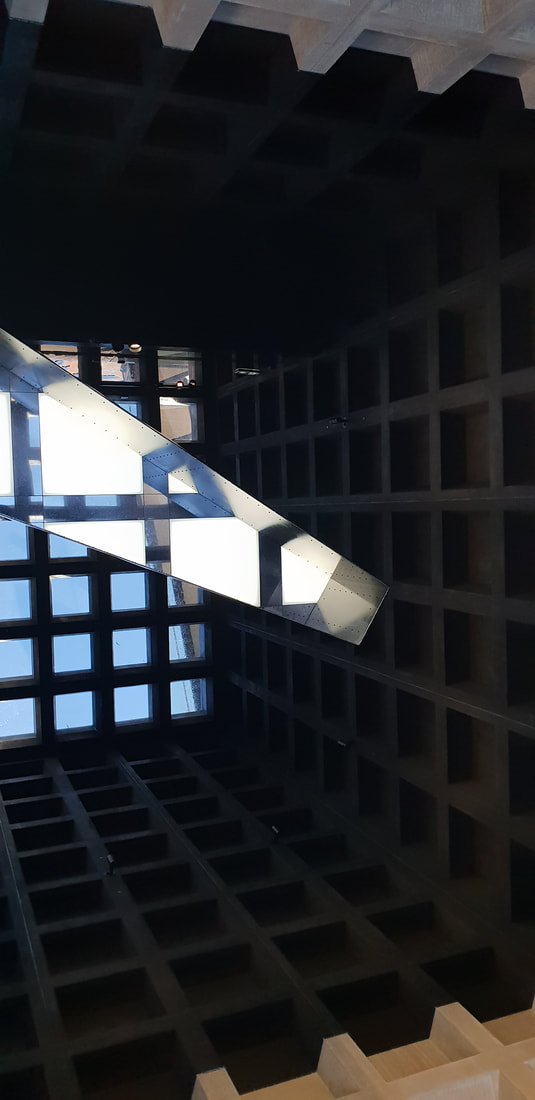
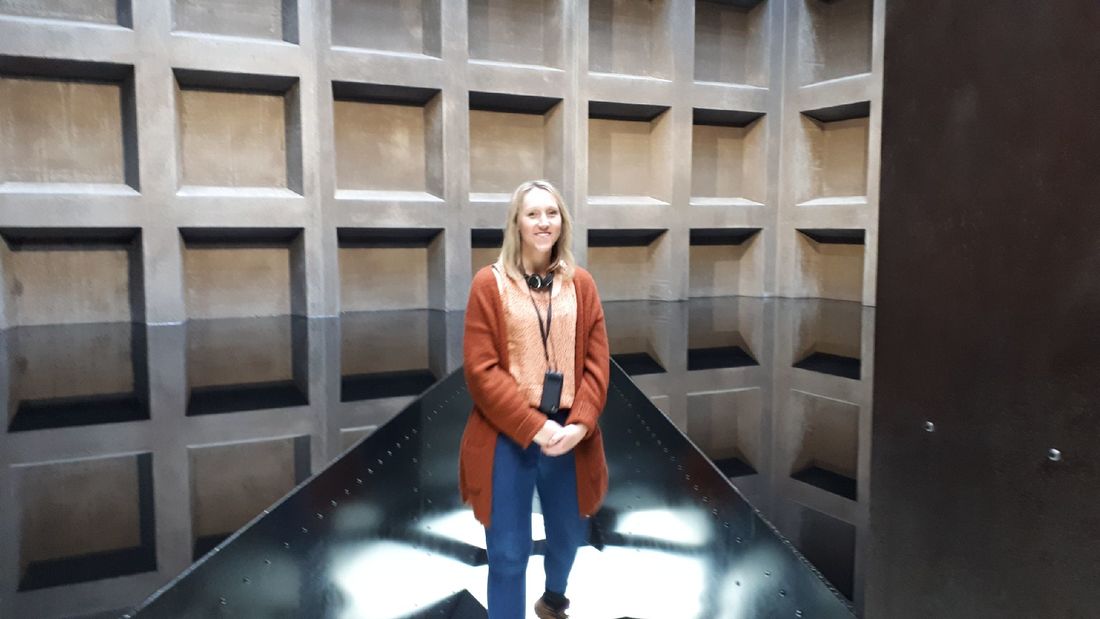
David Walsh is a frickin' genius. What an amazing idea to create a museum from your own collection in a gallery built under the home of a local Hobartian wine maker, Claudio Alcorso on the Moorilla Estate. The original home of which was designed by Australian architect Roy Grounds, who was most famous for his work on the National Gallery of Victoria and the Melbourne Art Centre designed in 1959. MONA was opened in 2011, with the original home being used as the entrance to what is currently the largest private museum in Australia. We had the most incredible time at the museum, using our GPS audio guide iPods to navigate through the catacombs of underground rooms, into a sublime world of thought provoking art, Egyptian tombs and original artefacts. Nothing compares to what has been created at MONA, it is hands down one of the best experiences to be had and even if you don't 'enjoy' art go just to marvel at what can be created with an open mind when you are only limited by your imagination. hobart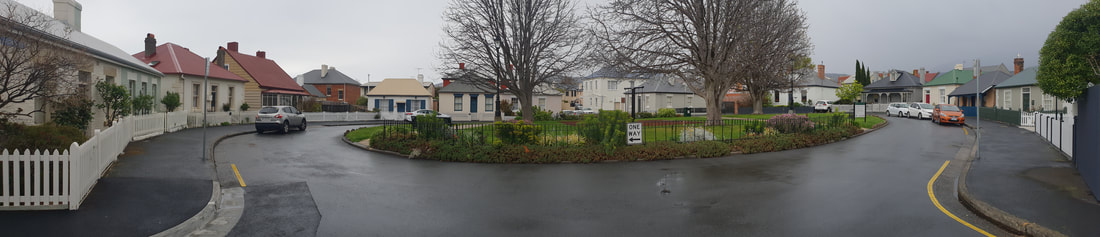

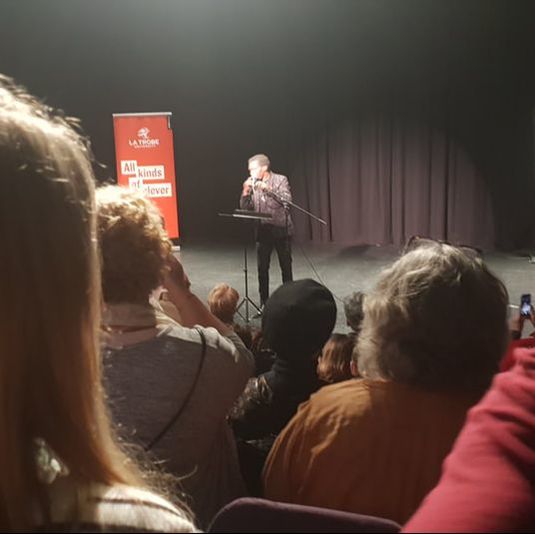
After being spellbound by a Conversation with Richard Fidler on ABC radio we were influenced to venture again to Bendigo and to the Bendigo Writers' Festival. Lemn Sissay is a remarkable person who experienced an incredible childhood. Born in the UK in the late 1960's to a young Ethiopian woman who was raped by her escort whilst relocating to the UK to further her education, Lemn was placed in foster care and has gone on to write incredible poetry, exposing horrific conditions living as a 'child of the state'.
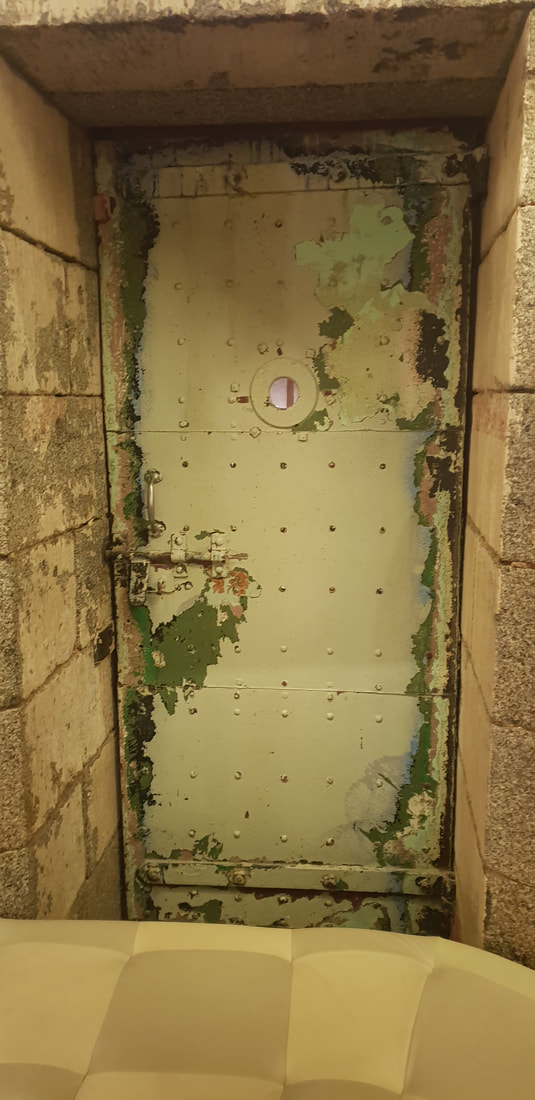
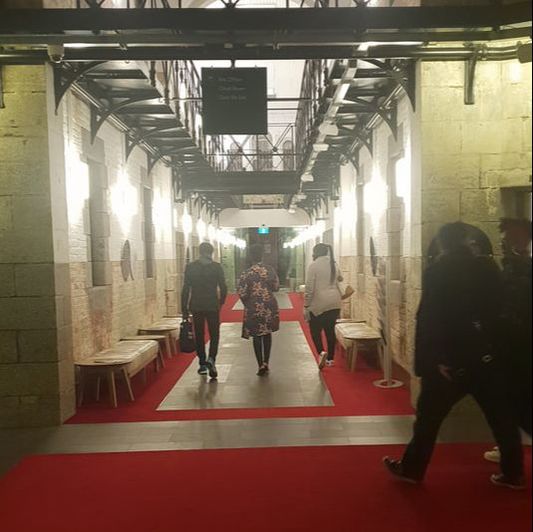
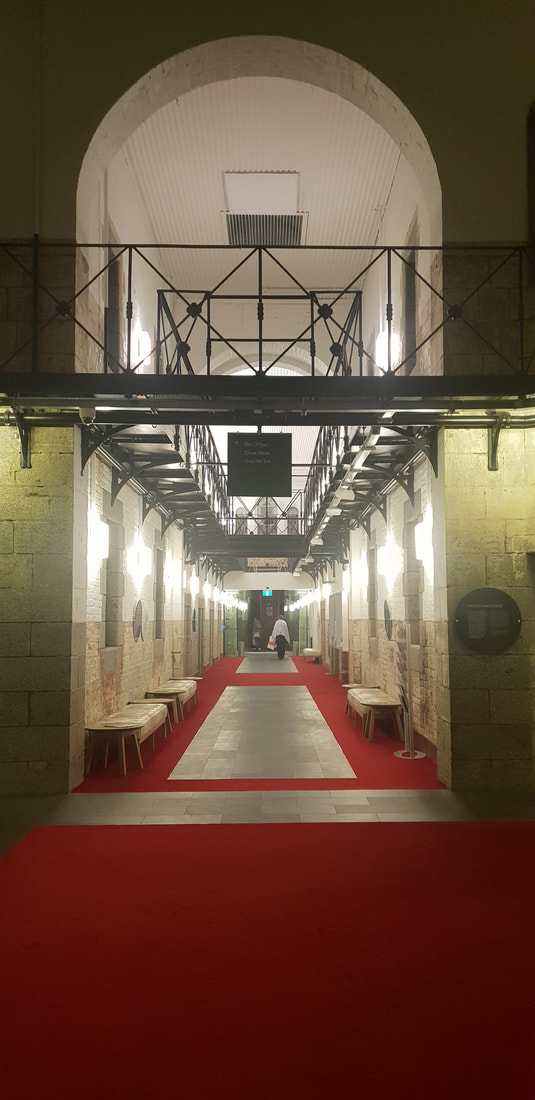
We spent about an hour and a half in an intimate setting with Lemn Sissay who delivered a moving sermon, detailing his story, in a room within the Ulumbarra Theatre. The theatre precinct has given a second life to the former Bendigo (Sandhurst) Gaol. The layout of the Gaol is very close in aesthetic to that of the Geelong Gaol, both being built in the 1860's in a crucifix form. It was the intention of Lemn's mother for him to remain in foster care for a few years whilst she completed her studies, she would then return to Ethiopia with Lemn. Ethiopia during this time was affluent and economically viable. Unfortunately however an evil social worker renamed Lemn, "Norman" and gave him to a Christian family by the name of Greenwood, under the provision it was a 'permanent adoption.' Lemn Sissay grew up believing his name was Norman Greenwood. It was not until he was discharged by the state as a young adult that an empathetic social worker gave him his birth certificate. There on the certificate was the name, Lemn Sissay. Lemn's mother returned to Ethiopia without Lemn as she was unable to locate him and was told by the evil social worker that he was doing well with the new family. Lemn wasn't doing well with this new family, as their own family grew they began to look for reasons to remove Lemn from their family and when he was 12 years old was taken from the Greenwood family, the only family he had ever known and placed into state facilities. He was effectively made to feel like a nobody, with no family and nobody to love, but he wasn't a nobody, he was Lemn Sissay. 
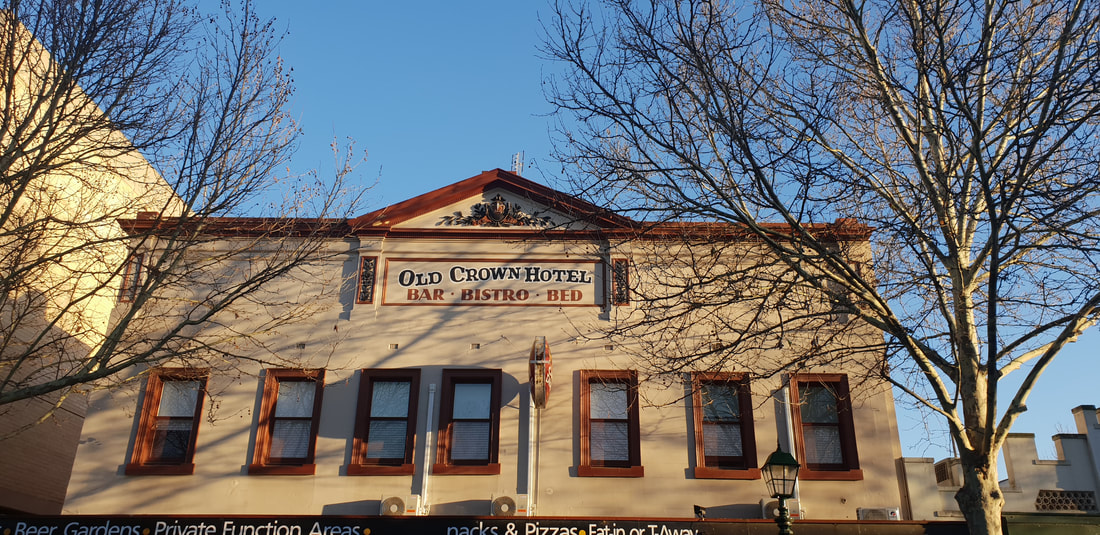
We visited the Bendigo Art Gallery viewing the fascinating exhibition by Myuran Sukumaran called 'Another Day in Paradise'. Myuran a member of what the media dubbed, the 'Bail Nine' was executed in 2015 in Indonesia after being found guilty of drug trafficking. We ate dinner at the Rifle Brigade Hotel and jogged through Rosalind Park early the next morning wearing gloves and beanies in sub zero temperatures.
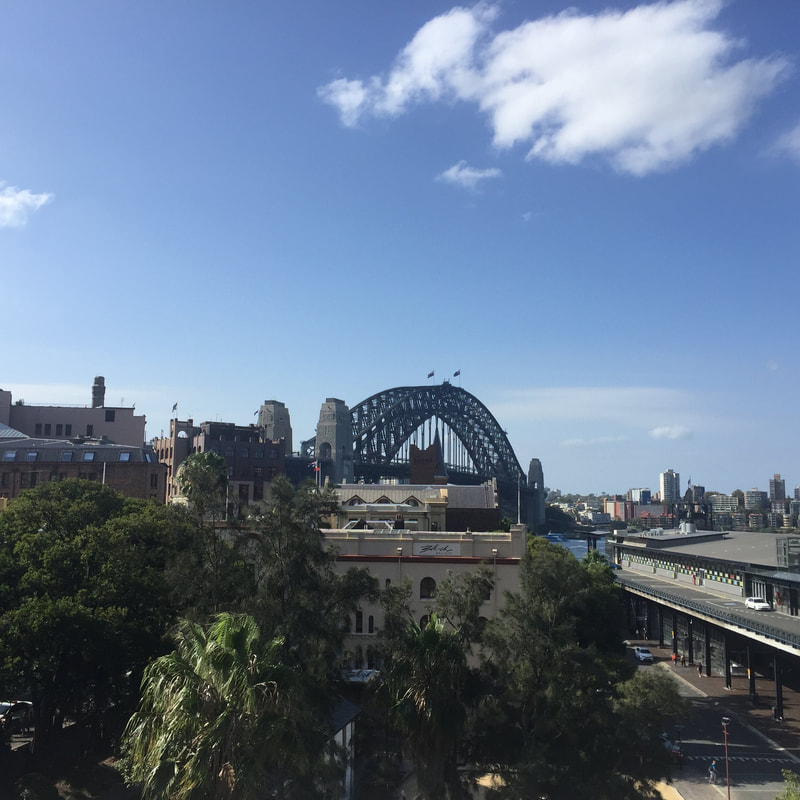
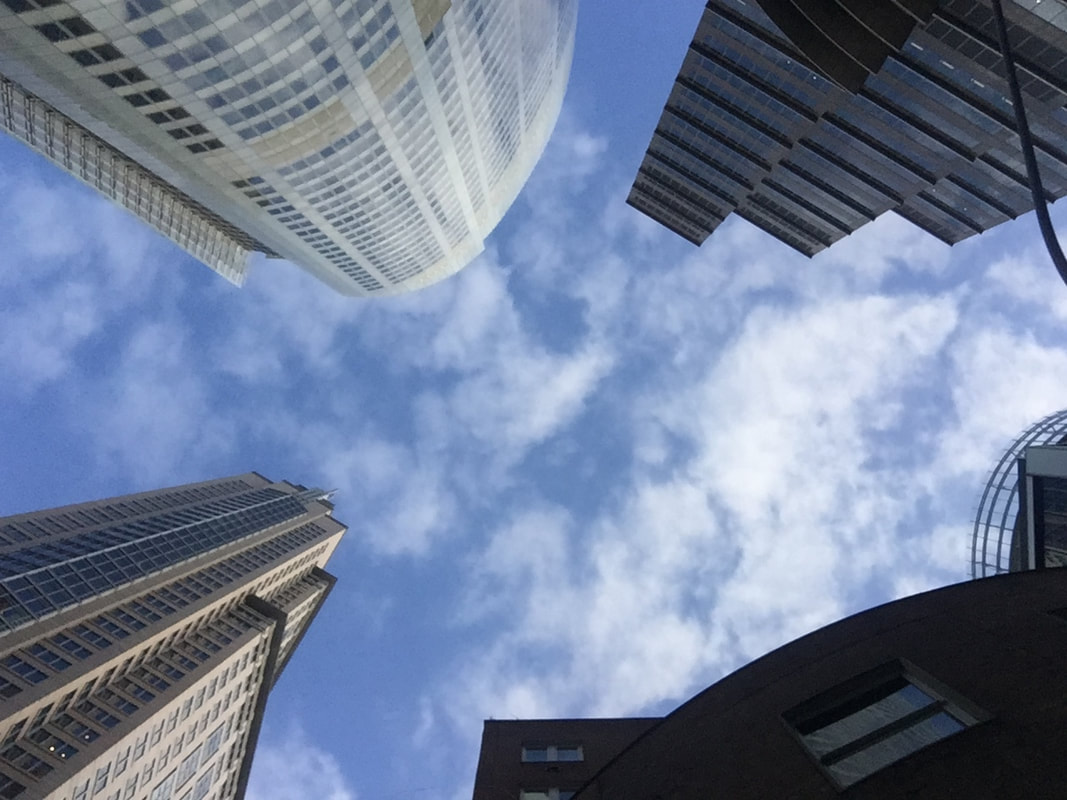
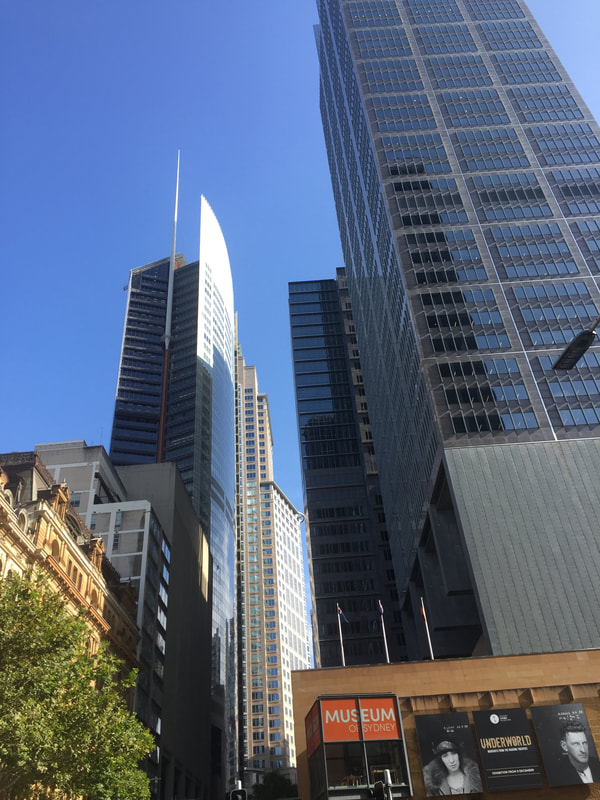
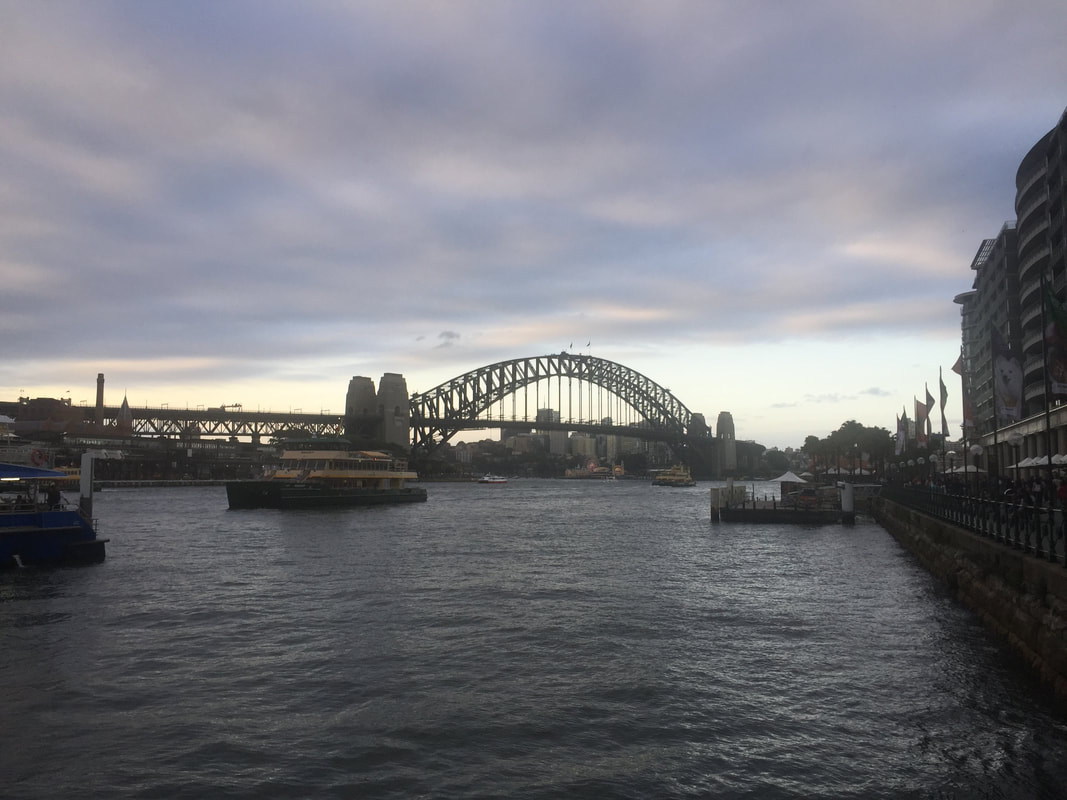
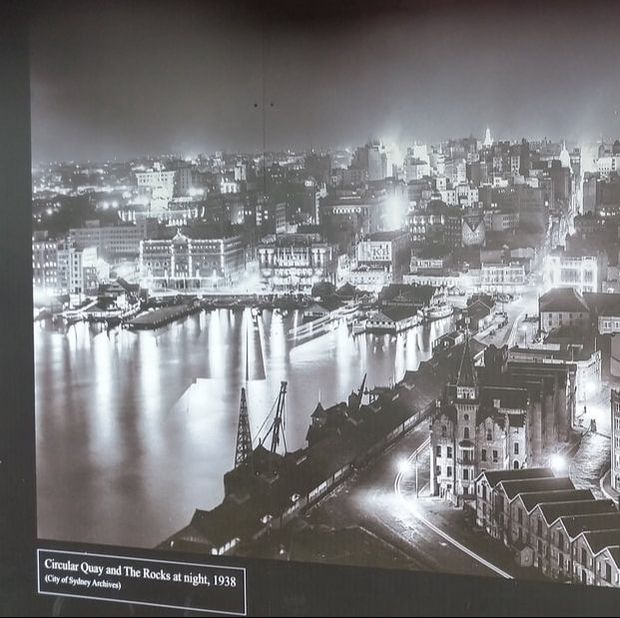
Sydney, around the world it’s the first thing that comes to mind after Kangaroo when you ask anyone about Australia. Indigenous Australians inhabited this part of the land for over 30 thousand years. It’s the country’s largest capital city with its most recently recorded population coming in at approximately 5 million people. It’s also Australia’s oldest city, ever since the first fleet landing in 1788, it has evolved from a colonial outpost to becoming a city in 1842. Events like the gold rush and world war two brought many migrants in, to seek opportunities they couldn’t find in their home countries, creating a lot of growth in Sydney. Although one of the most expensive cities in the world, it is the 10th most liveable city in the world, making it still statistically appealing for migration. Most notable landmarks are the architectural wonders of the Sydney Harbour Bridge and the Opera House. Well-maintained historical buildings from the colonial era still keep themselves present after surviving horrid high-rise development proposals on the rocks, courtesy of activist Jack Mundey. With mild subtropical weather it makes it an inviting all year round destination for local and international tourists. Lane Cove National Park
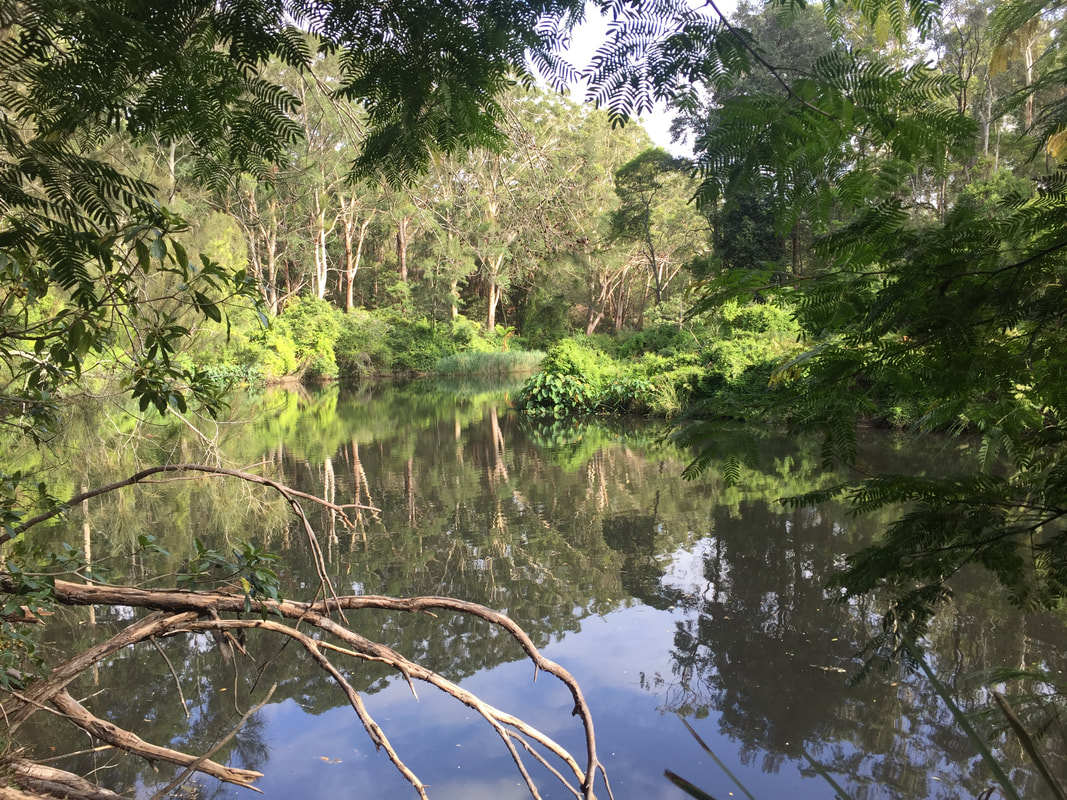
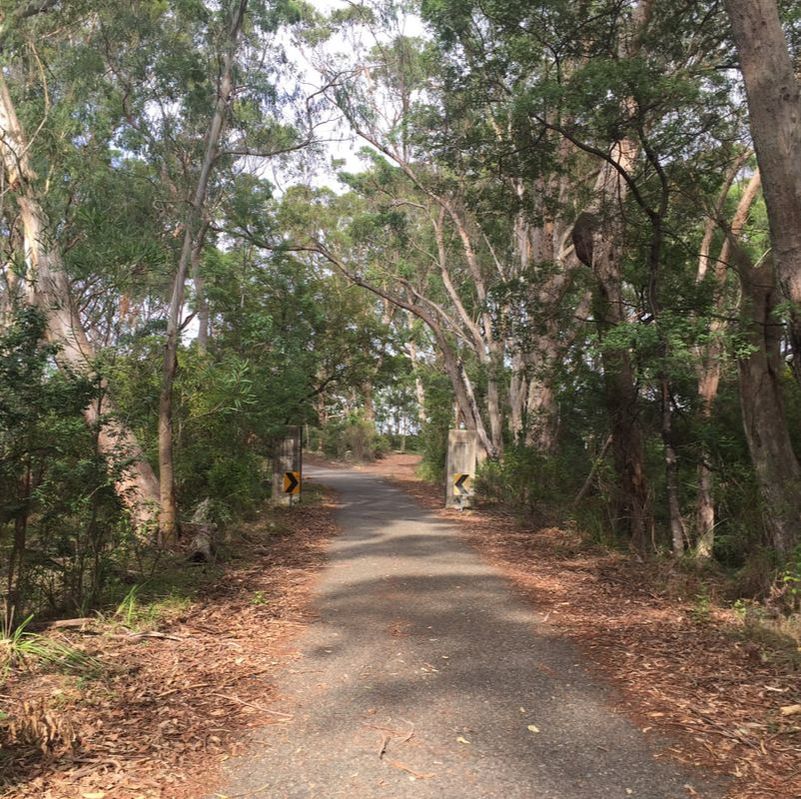
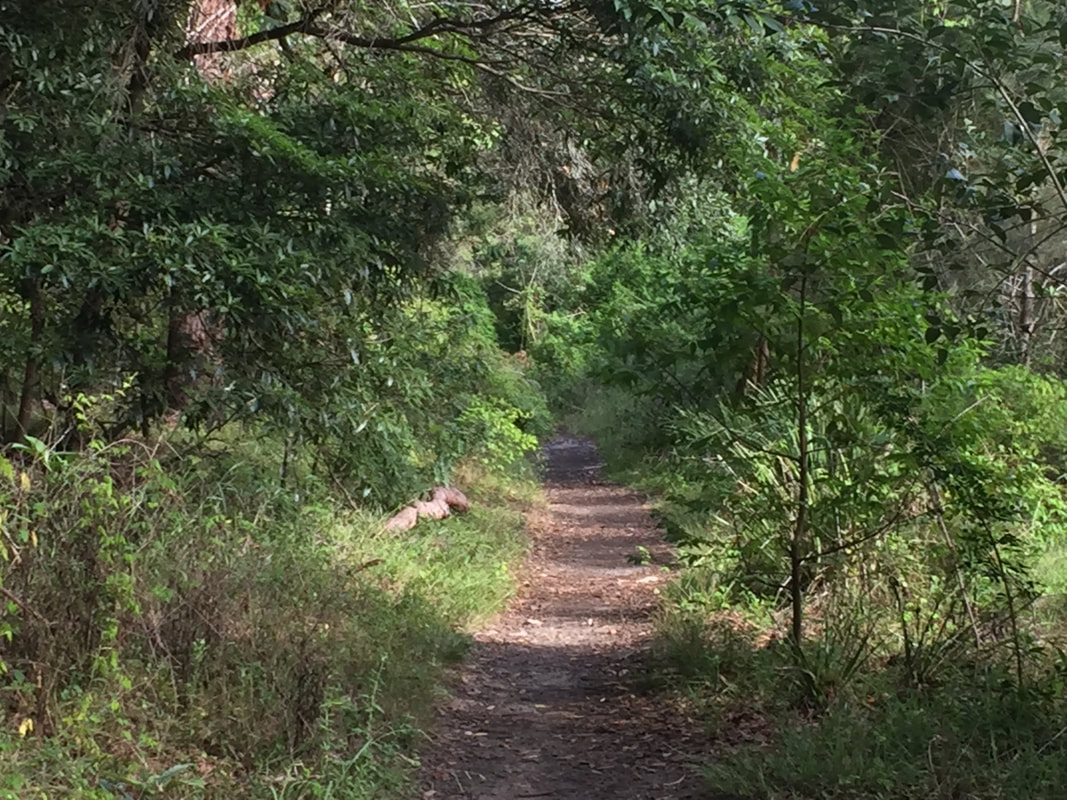
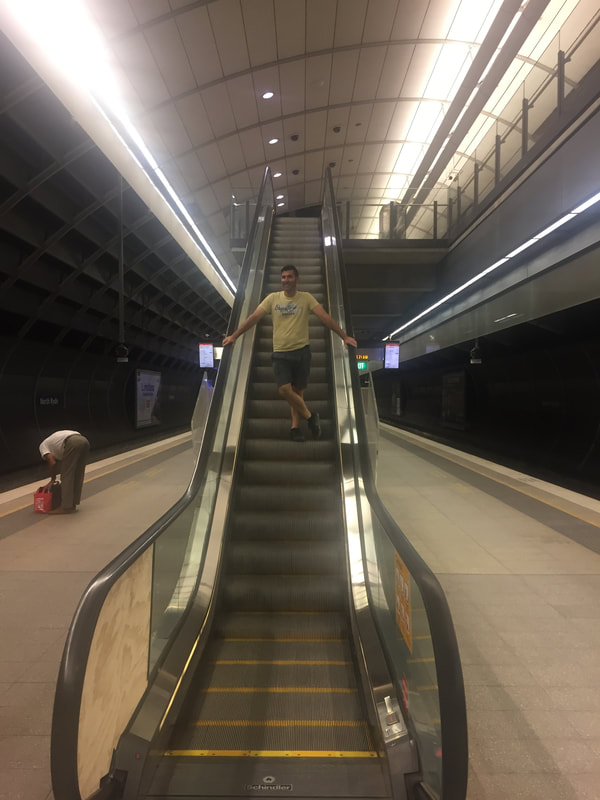
We arrived into Lane Cove Caravan Park at North Ryde, Florence was unhitched and set up in a National Park and we were only 10 kilometres from the city of Sydney. Surrounded by a variety of large local gum trees and the lights of the city in the background, the location was beyond believable.
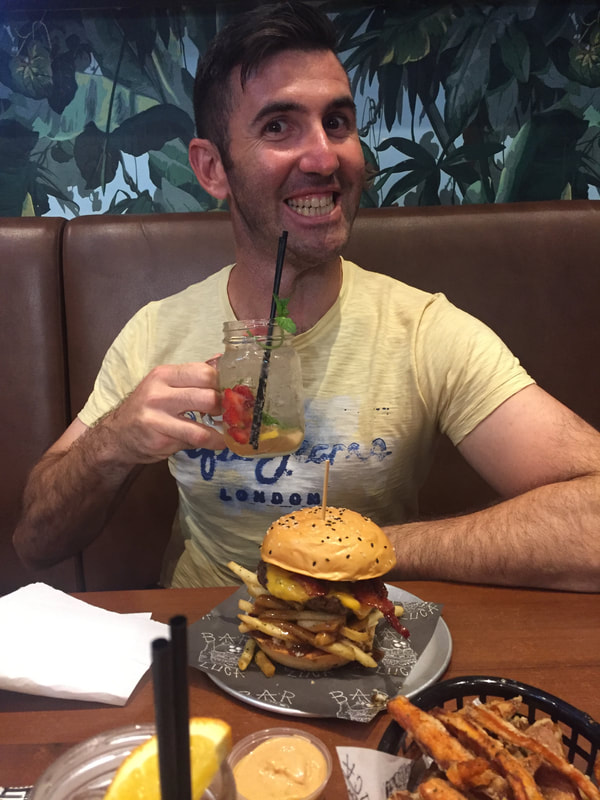
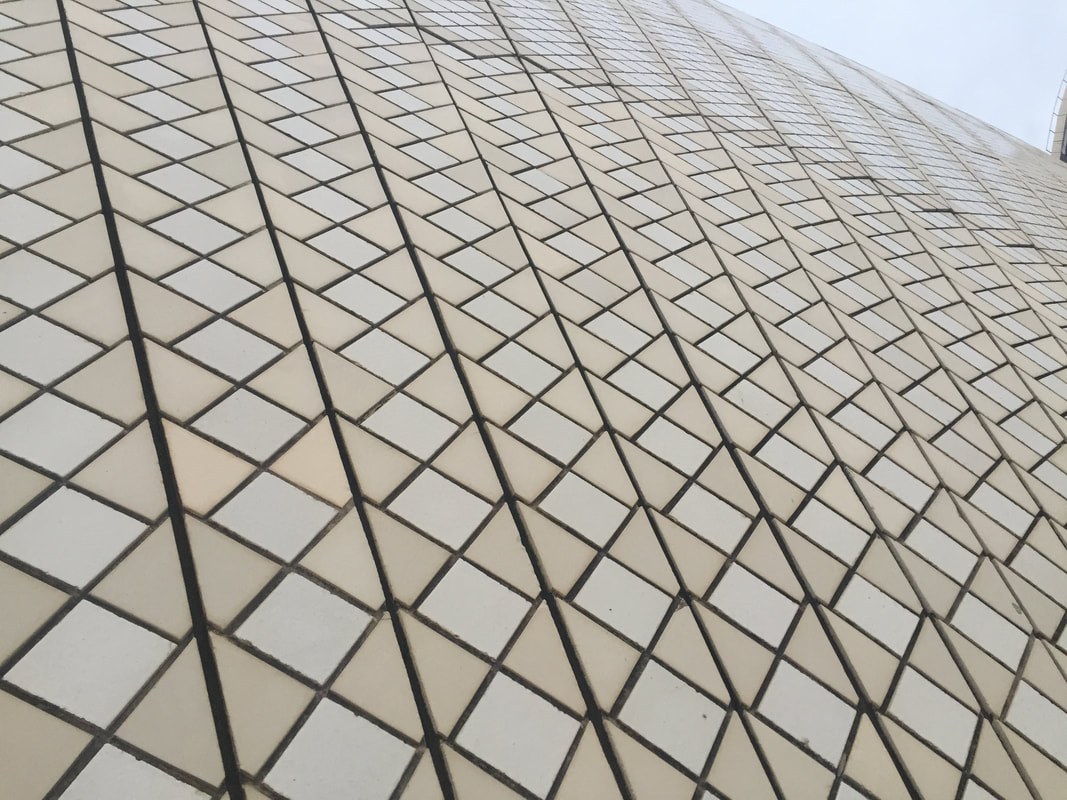
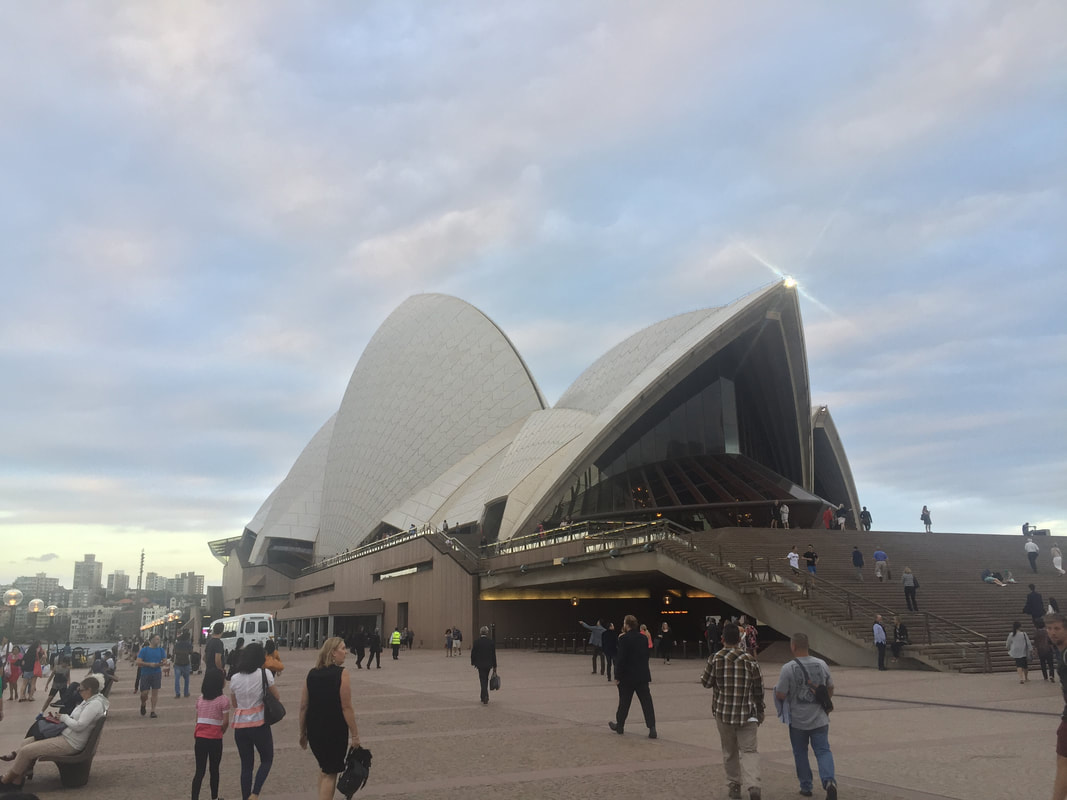
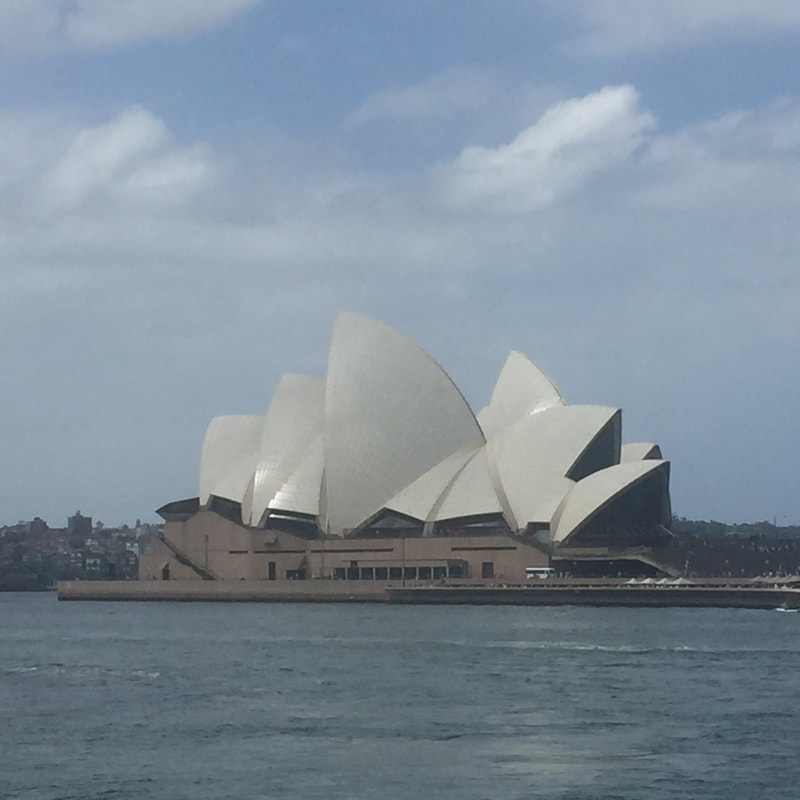
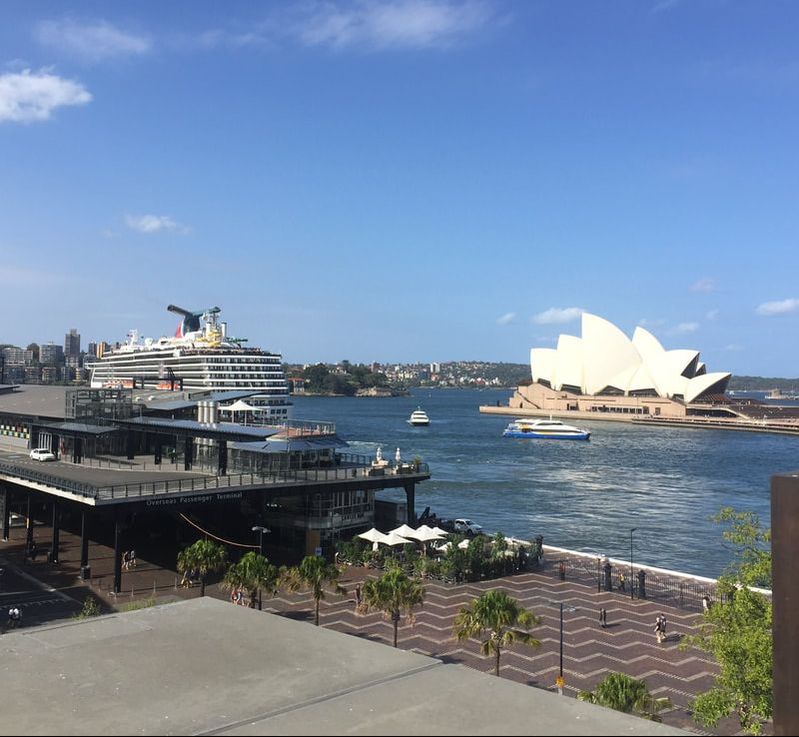
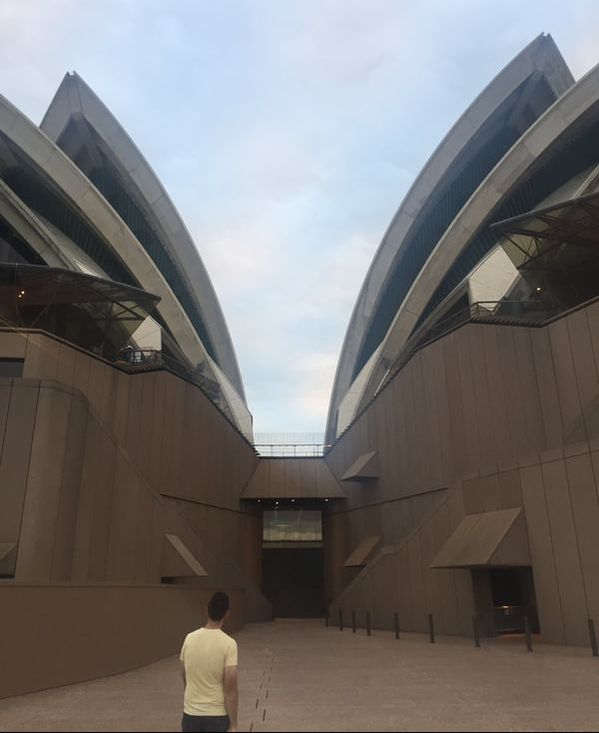
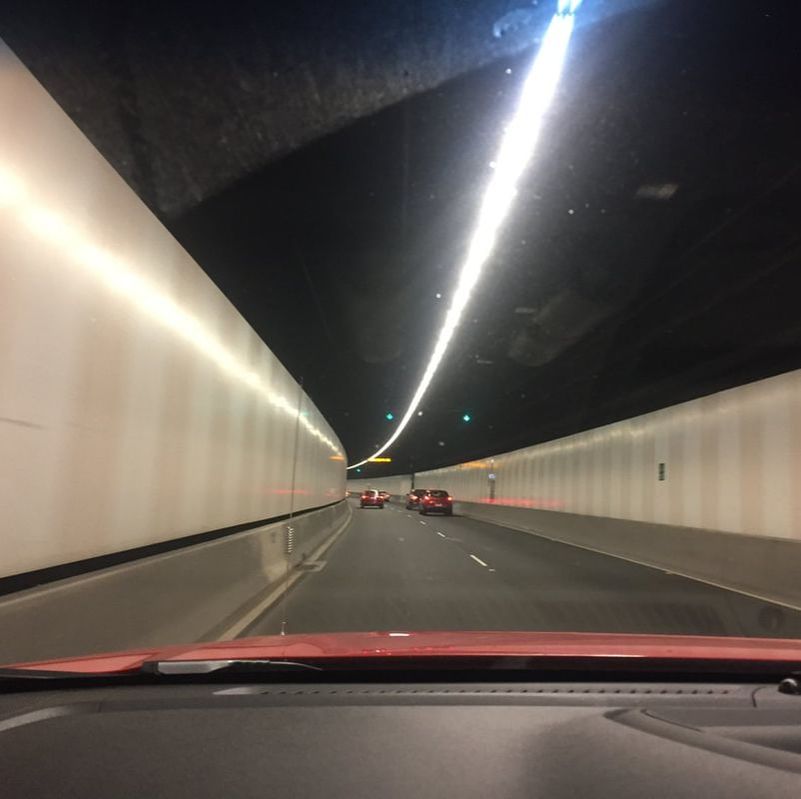
Thursday, we went into Mosman to do a Pilates session, public transport was a long trip over so we opted to take the car. We navigated our way through 15 kilometres of highways, tunnels and some off-peak (thankfully) traffic. The drive wasn’t too bad and we got there with some time on our hands, so we went for a walk to get a feel of the place. Mosman is rather posh, old buildings are filled with boutique shops, fancy cafes and chemists that didn’t have vitamin c’s. Streets were filled with cars like M series BMW’s, Porsches, Maserati’s and all the other fancy stuff from Europe. Locals are hard at work here, with image and an occupation to fund it. After pilates we took the train into the Quay and went for a look at the Sydney Museum of Contemporary Art. Only level 2 was opened that day but was filled with some inspiring modern art from across the country and around the world. Its art deco styled building used to facilitate the maritime services board but had been an art gallery since 1991. After getting in a dose of art we went for a walk around the Sydney Opera House, one of the 20th century’s most famous and distinctive buildings. Taking in the exterior of the opera house makes you appreciate Jørn Utzon’s unique form of Architecture; the building to this day still feels well ahead of its time. We were craving a burger, so we went on a Google adventure for food and it led us to a place called Bar Luca in the city. The place was packed so we thought we couldn’t go wrong eating here. We ordered burgers that go by the name of ‘Blame Canada’ it was loaded with poutine, maple bacon, lots of liquid cheese and a beef paddy, maybe vegetables. After making our way through the burger marathon, we ventured our way back home. (Semi) Circular Quay & CBD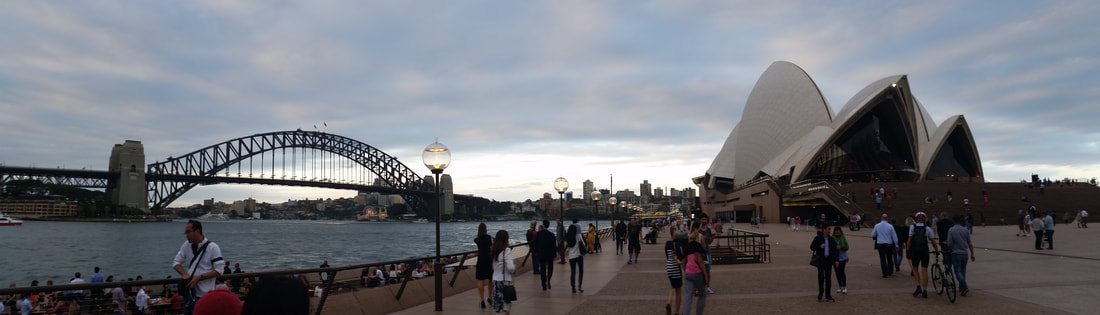
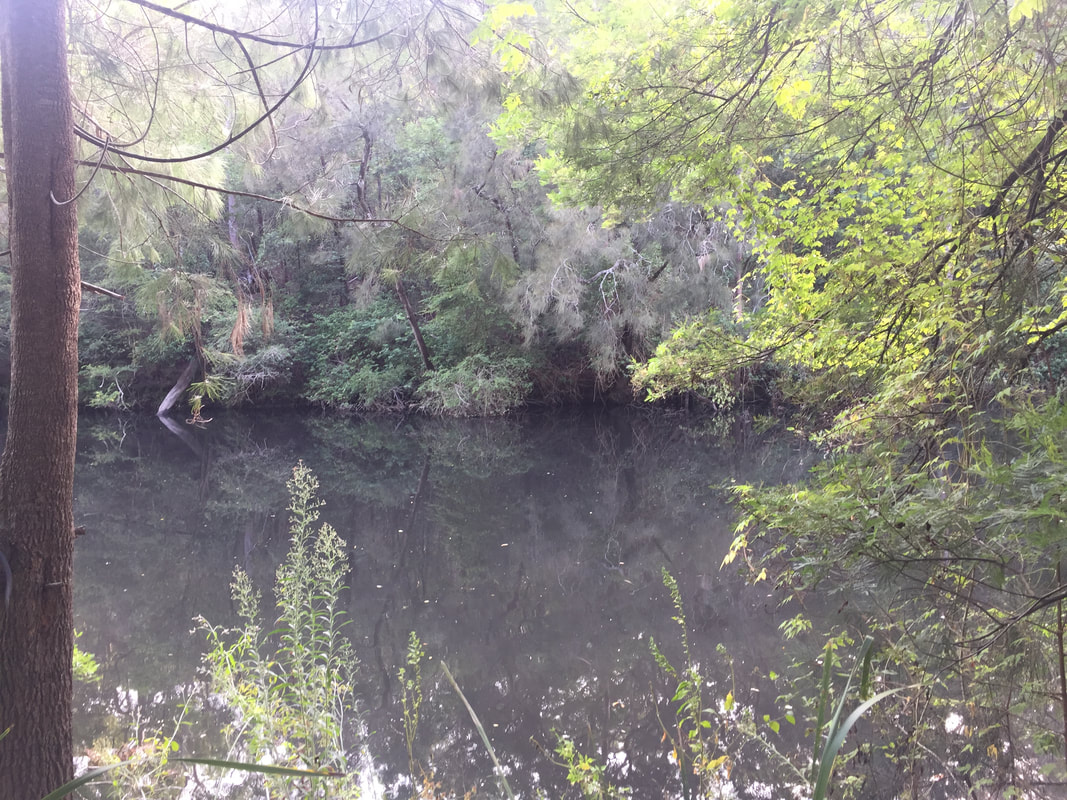
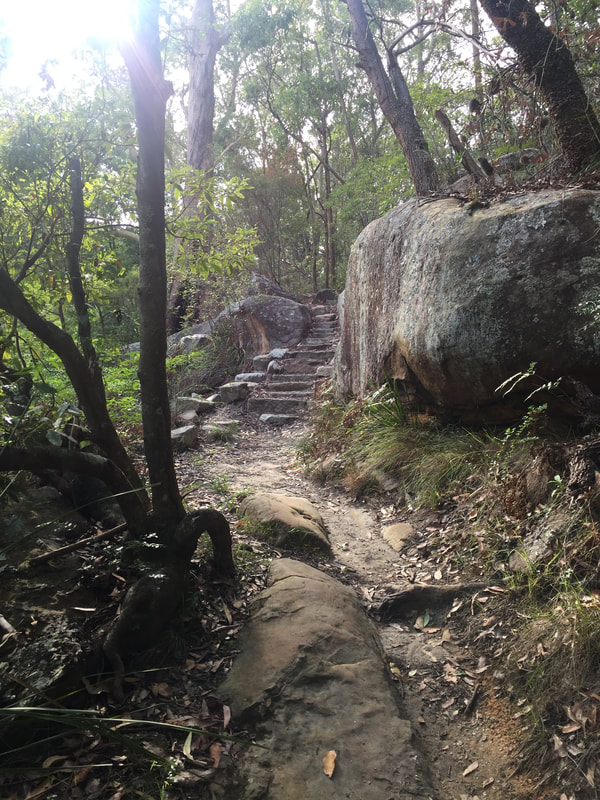
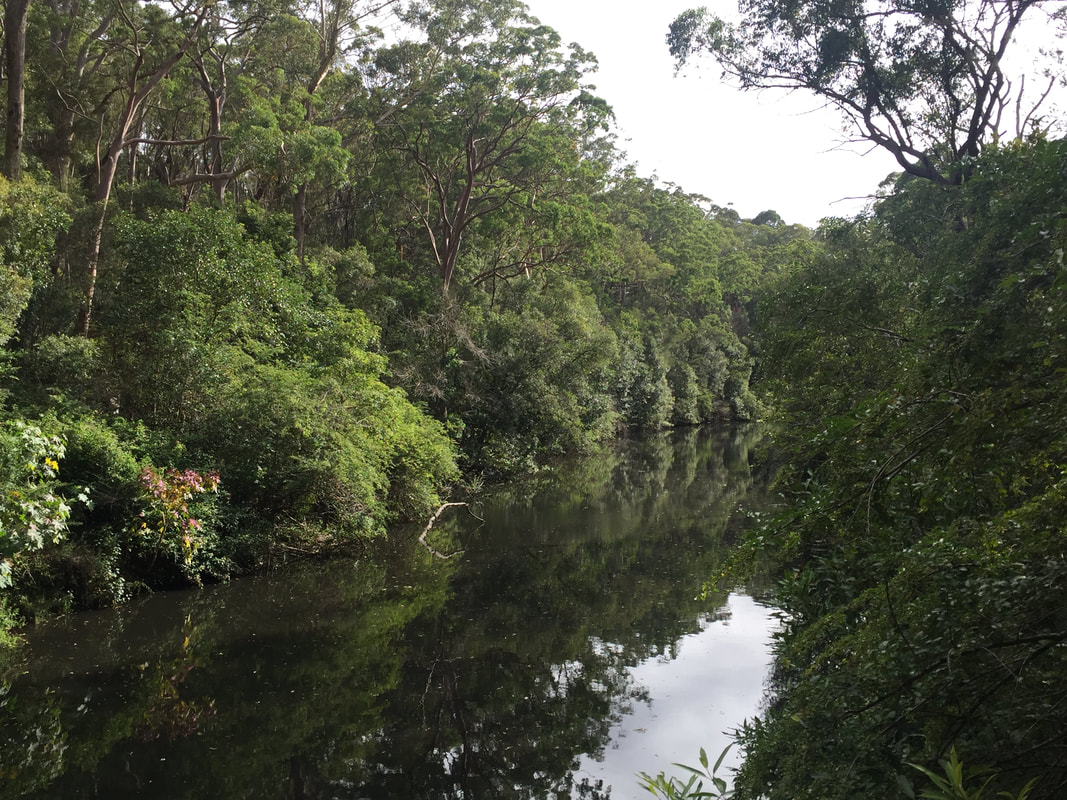
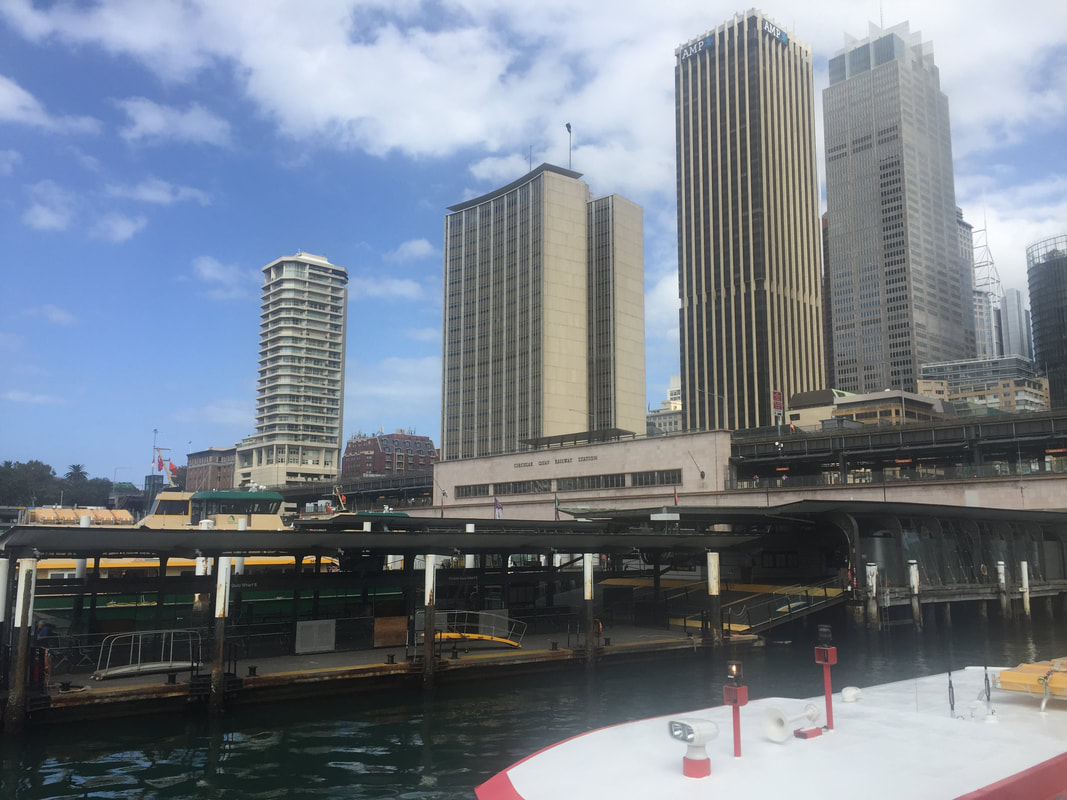
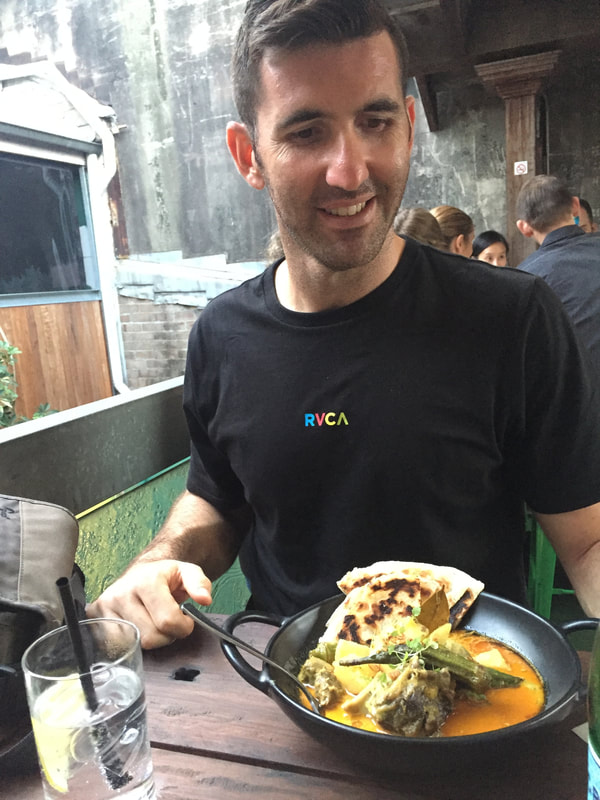
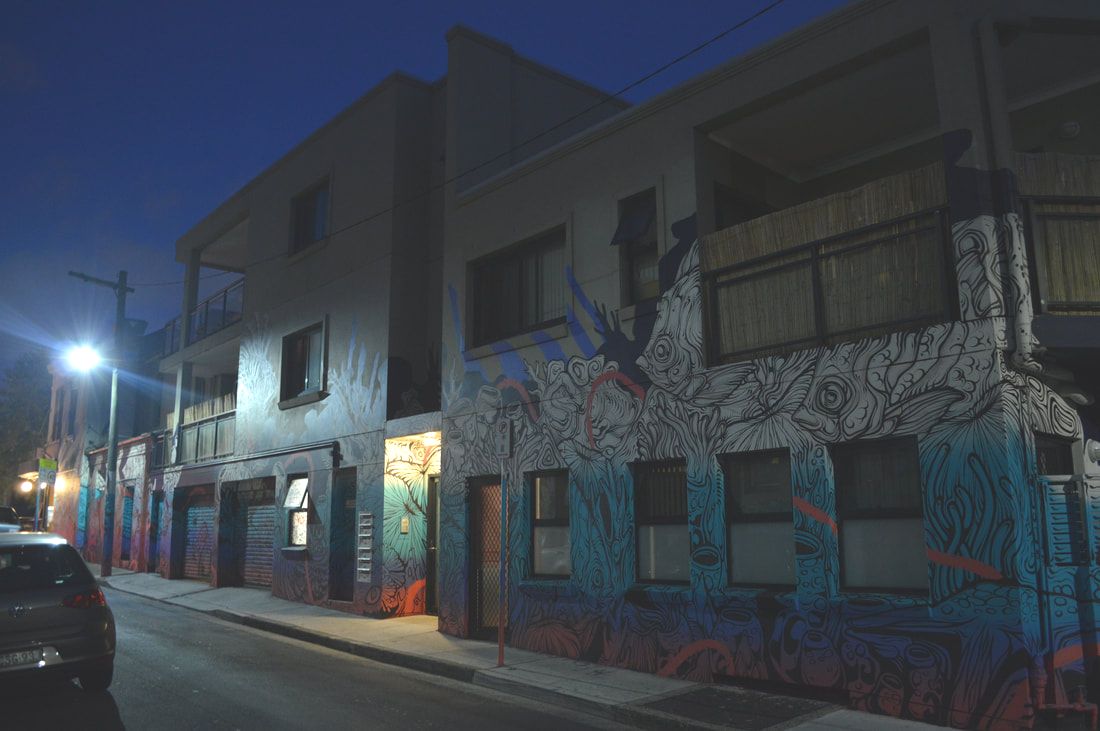
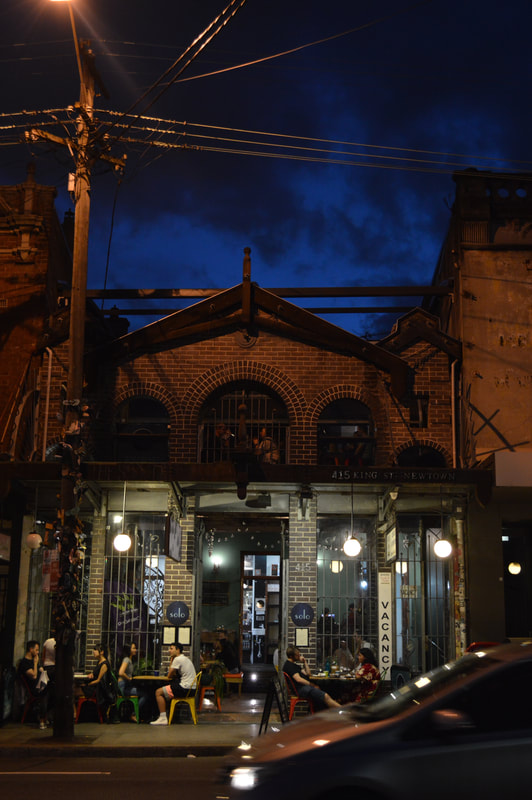
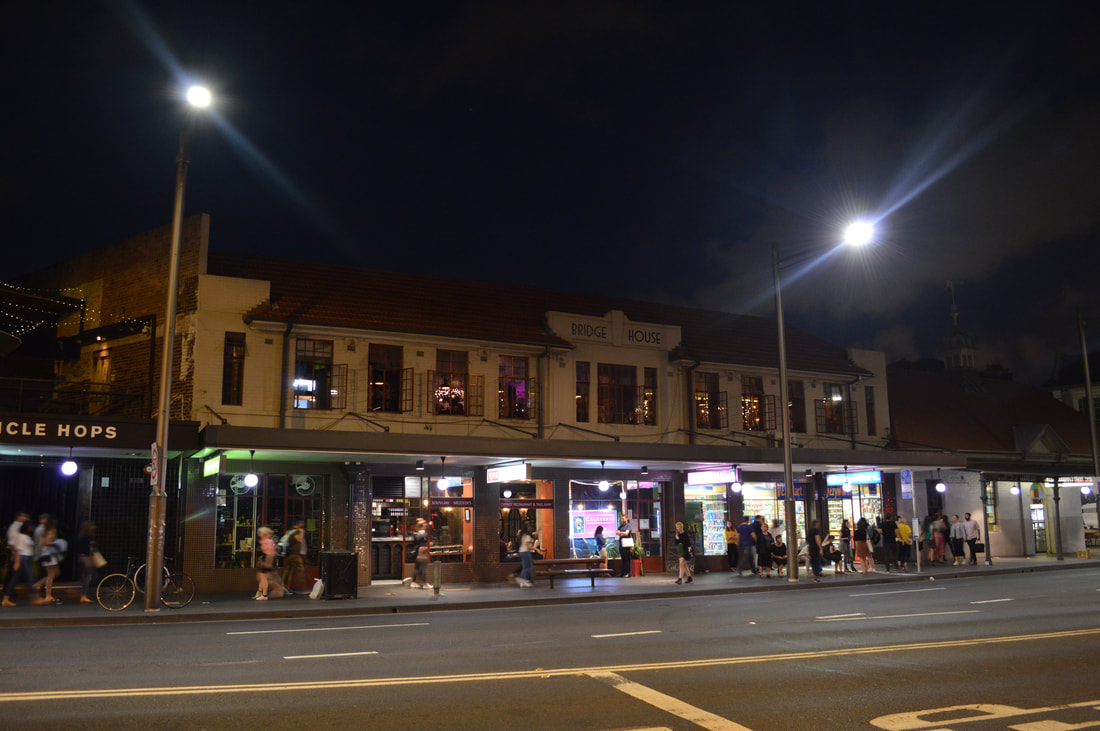
On Friday, we kicked the day off exploring some of the track along the river that goes through Lane Cove. The views were endless with stunning waters, wildlife and trees. It was a great feeling to be living next door to all of this iconic nature for a few days. We took the train into the city and then boated our way along the Harbour arriving at Cockatoo Island. Arriving into the island you see an amazingly diverse range of buildings, industrial and residential. We went for a look around for half the day and got enriched with its history. We jumped back on the boat and it made its way back through the busy Harbour to Circular Quay. Dinner-time had come upon us so we boarded the train to a place called Newtown. This colourful inner city suburb welcomed us with a young open-minded vibe. Cool bars, cafes and restaurants nestled themselves in revived old buildings. Blank walls were filled with street art and alternative styles of fashion were worn casually in the Newtown neighbourhood. We come across an Indonesian Café called Solo, it looked inviting so we gave it a go. We sat on the top verandah looking over the street through the 19th century arched window. We went with a dish called the Lamb Gulal, it had things like okra and roti along side good old potatoes, it was definitely one of the best feeds we’ve had on the trip down south. After some brilliant food we explored more further back up street and come across a book store open late at night called ‘Better read than dead’. The entrance looked average and humble until it opens up to a massive 3 level catalogue of books, it kept us busy for a while. Alternative Newtown is a fun place to hang out, whether to just walk around, eat food or just take in the atmosphere it’s certainly worth a visit. Newtown
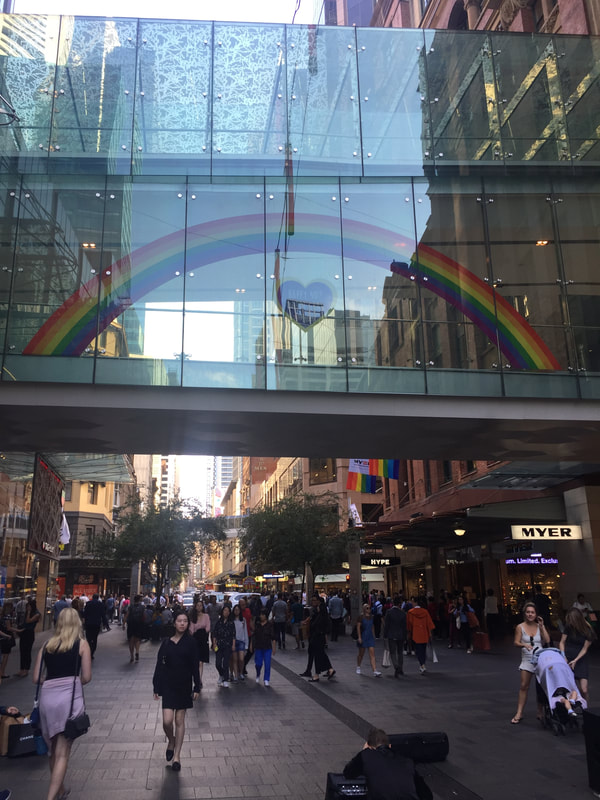
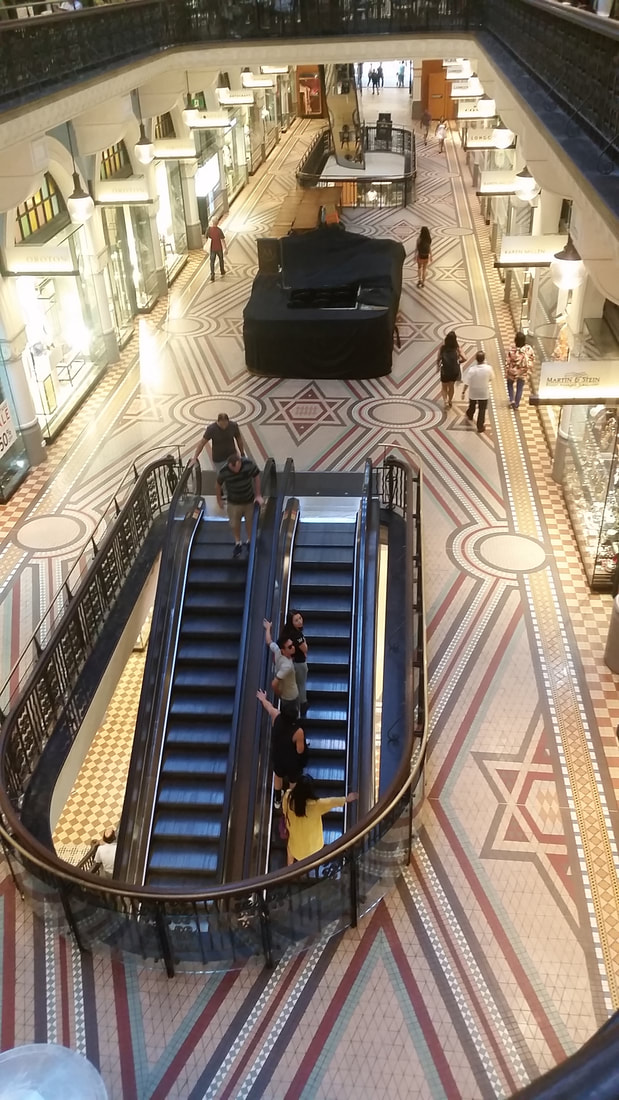
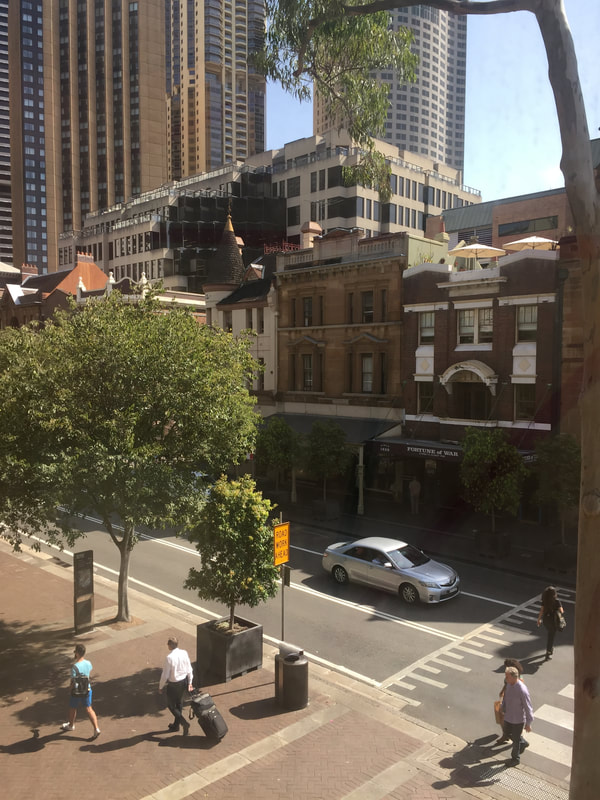
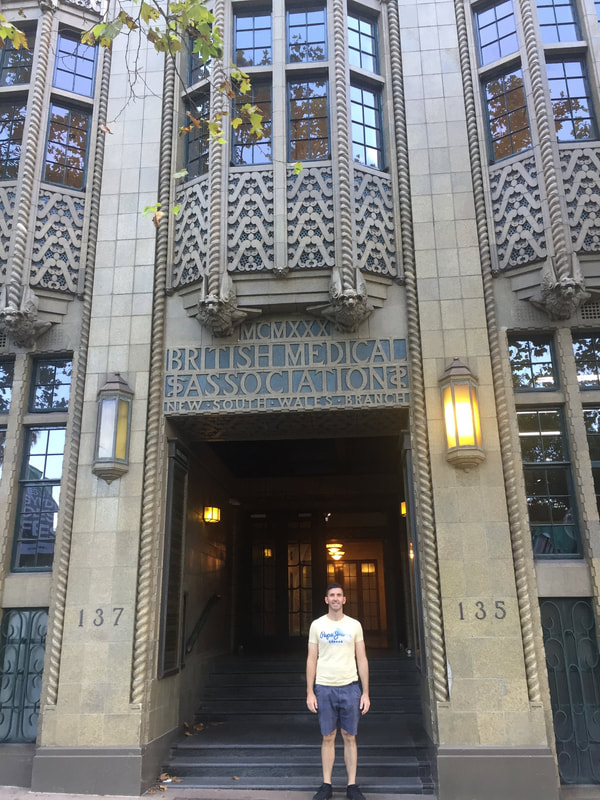
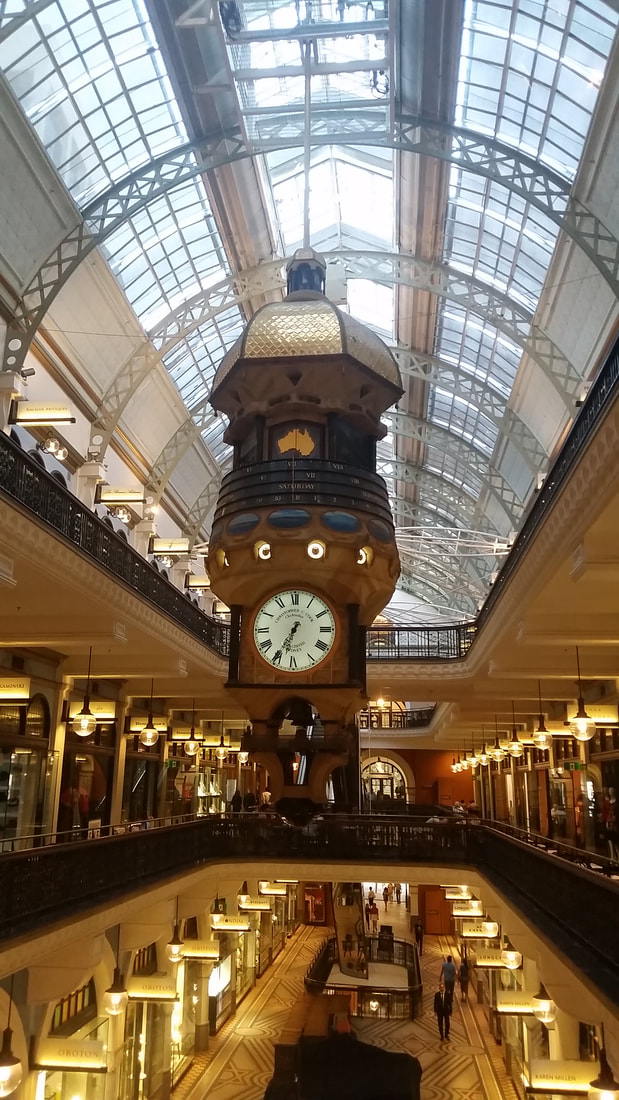
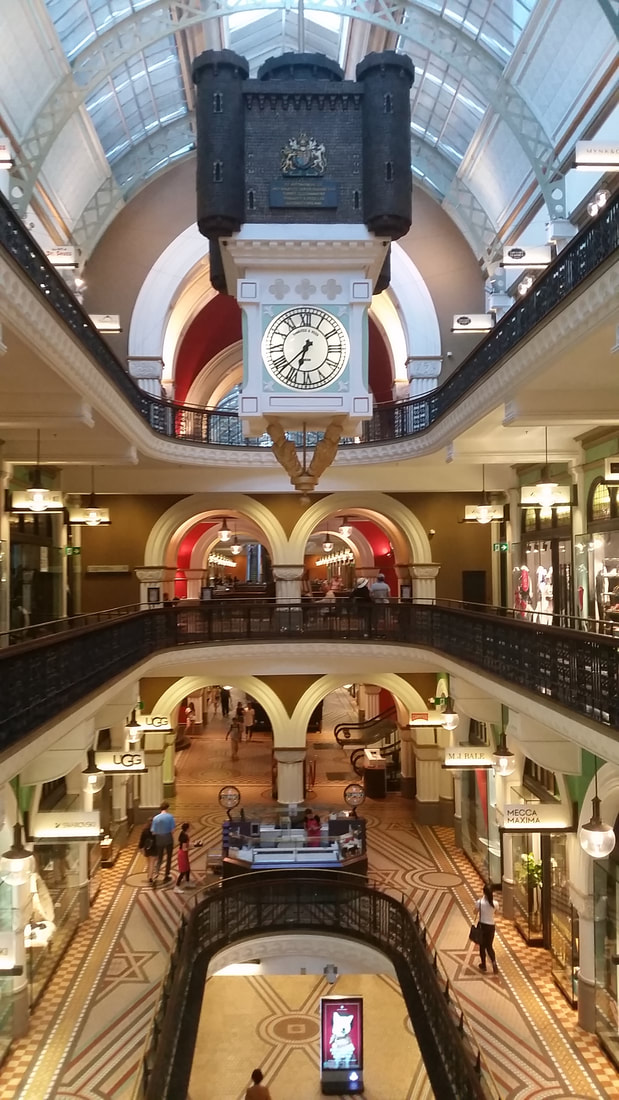
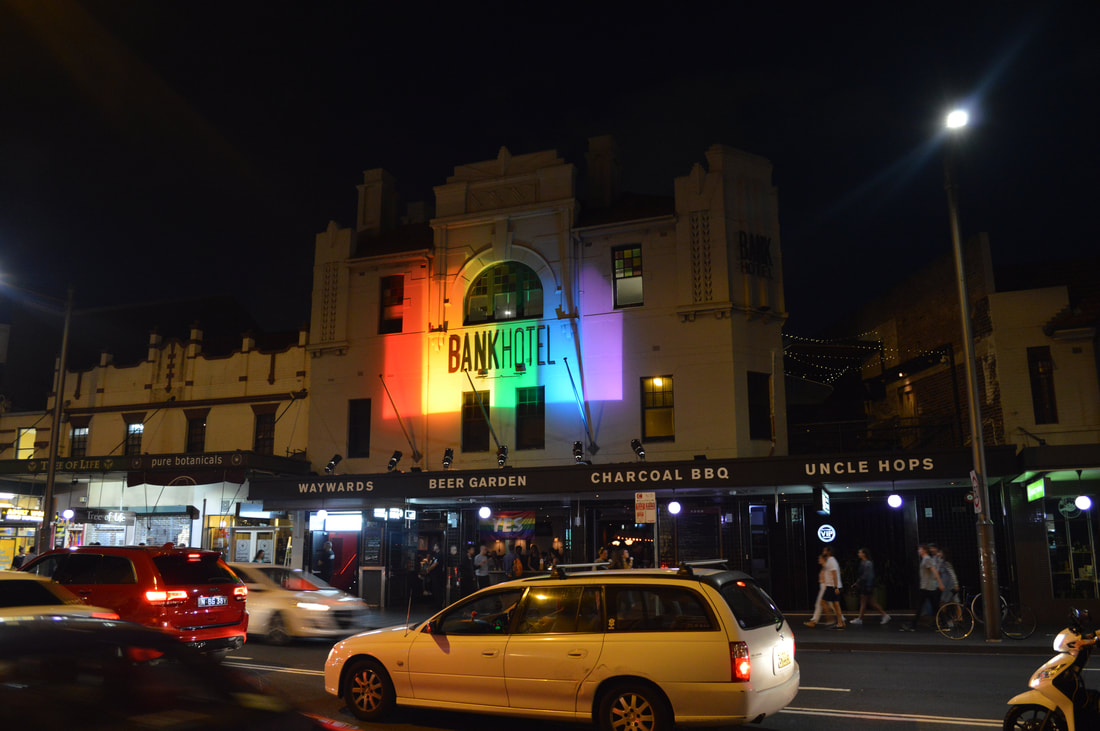
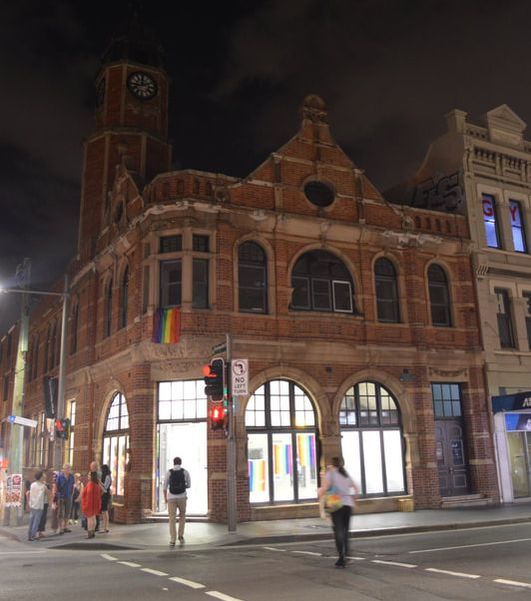
On Saturday, we got onto a walking tour around Sydney. The tour was called ‘The Rocks Journey Walk’. It was an informative 3-hour walking history lesson, which took us around some of the first buildings and landmarks in the country. We learnt a lot about Sydney and Australia in that time and have it in more detail in the rocks journey walk blog. We walked around the rocks area to find some lunch; passing through a few narrow laneways of sandstone we dropped into the Glenmore hotel. The Glenmore is a gorgeous pub, and is one of the few buildings standing after the construction of the Sydney Harbour Bridge. This Aussie icon was built in 1921, and on the inside it takes you back to that era with art deco styled rooms with original furniture. The lunch hit the spot and so did the views of the Sydney Harbour Bridge. We caught the train home and rested for a while, to preserve some energy for the big night out at the Gay and Lesbian Mardi Gras. We ventured our way into Wyndham station to walk over to Oxford Street, where the fun and games kicked off. On our way we had a quick look through the Queen Victoria building, built in the 1890’s its Romanesque style architecture is rich with stained glass, mosaic floors and windy staircases. It also features a statue of the ever so happy Queen Victoria out the front. We made our way towards Oxford Street, along side 300 thousand other people to witness the 40th Gay and Lesbian Mardi Gras. We were blown away with lights, glitter and loud music. After having a blast dancing the night away, we zig zagged through the streets of the city to make our way home. C'Mon 'N Ride The Train
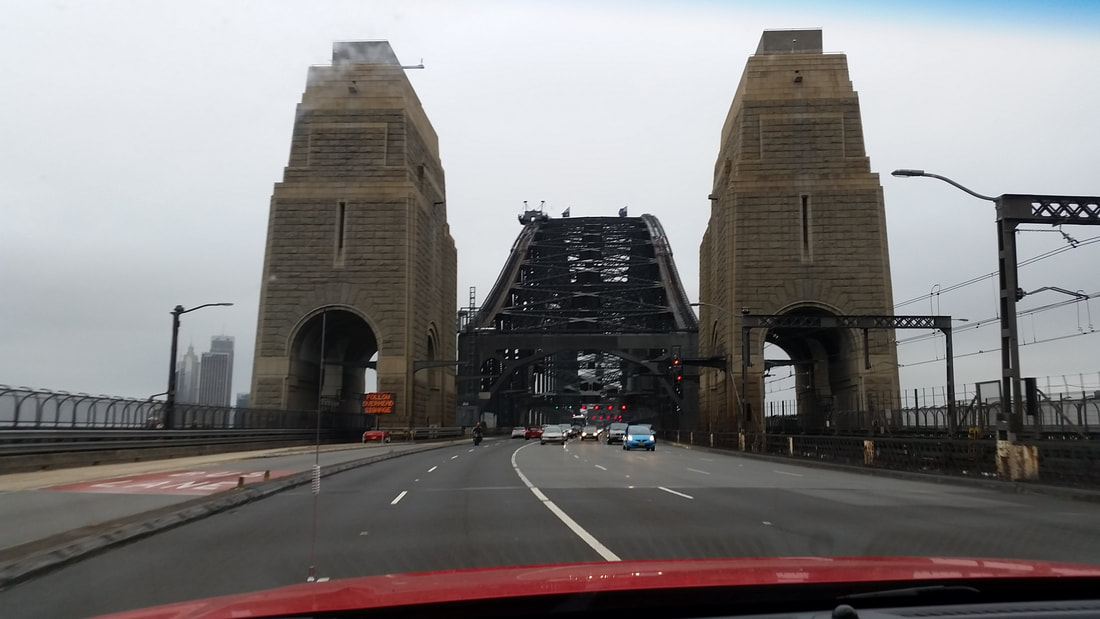
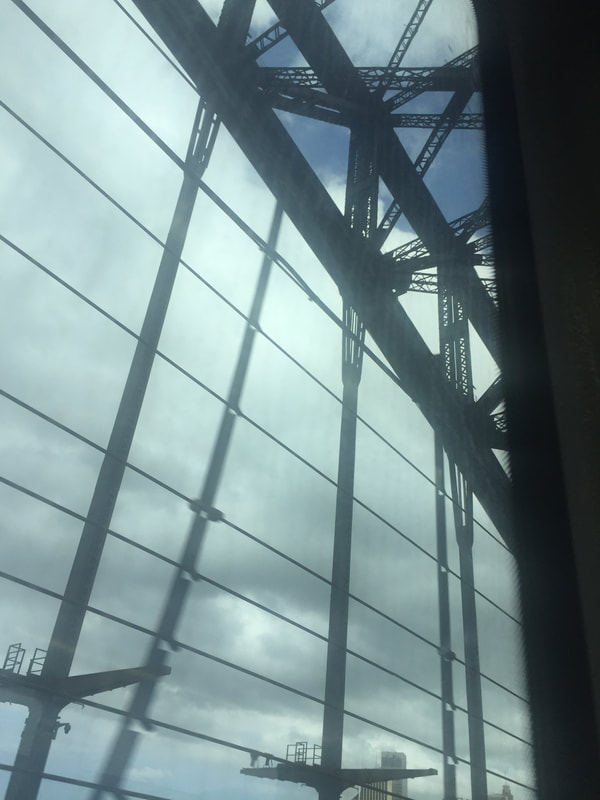
Sunday was a day of relaxation, we were pretty much dead to the world after days filled with walking, walking, dancing and walking. We put our feet up and enjoyed the sounds of nature in the Lane Cove National Park. We finished off the day with a drive into a trendy suburb called Glebe; the route took us over the Harbour Bridge and through the city, leading us out behind Wentworth Park. It’s an old but well looked after area, the houses were restored beautifully and the park nearby was well manicured. We went into this place called Soul Burger, a café where they make burgers taste like beef, chicken and pork….but they don’t have any of that in them. The food was nicely done and surprisingly cheap for vegan, certainly a hit with the university students. To finish off the day, we sat down at the well-manicured park and ate our cow, chicken, fish and swine friendly burgers.
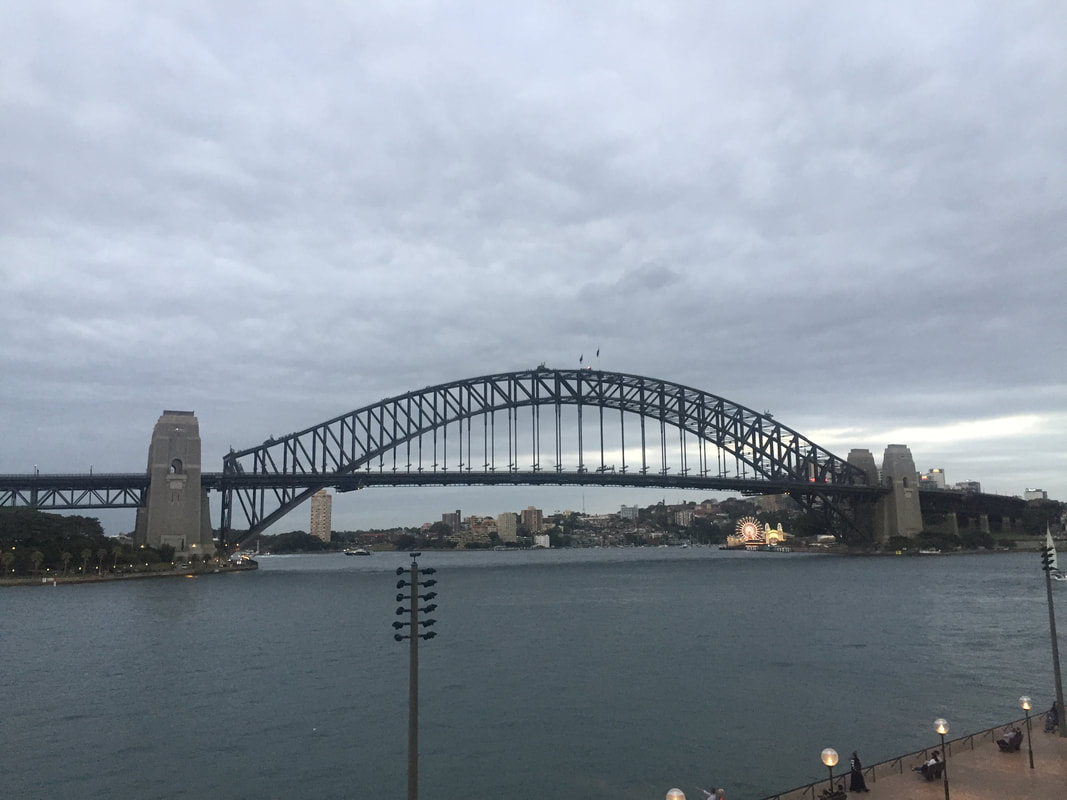
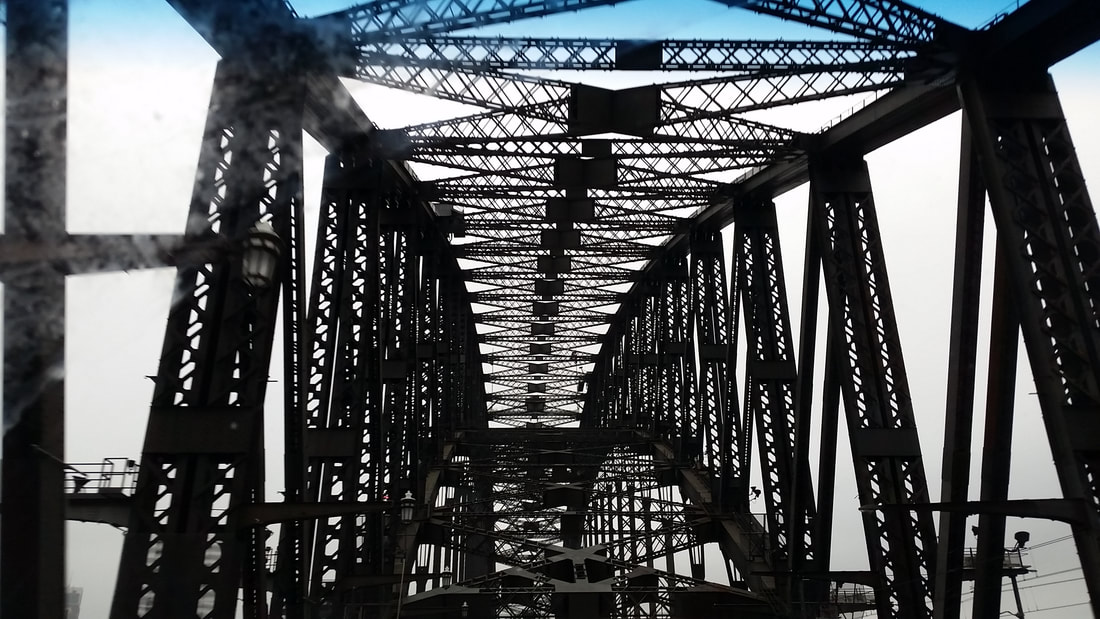
Our time in Sydney was certainly a good one; it’s easy to dismiss the city as overrated and hectic to get around. Our time here proved to us that it is anything but that, we drove in and out of Sydney pretty easily with a caravan, the traffic is horrid on peak times but easy enough to avoid. We loved the drive around the city on the Sunday, its surreal driving over the Harbour Bridge and going past all the famous icons of the city. If you don’t fancy driving, the trains will happily take you over the Harbour Bridge, a connecting ferry at Circular Quay boats you through the Harbour itself. The Mardi Gras is truly the most fun anyone can have, the streets filled with colour and dancing will bring a smile to anyone’s face. The city is rich with fascinating history; every street and building has a story to it. Sydney was certainly a highlight for us, if you give it the chance it will show you a great time.
|
The JourneyChoose Curiosity The Catalogue
November 2023
The Tags
All
|
 RSS Feed
