|
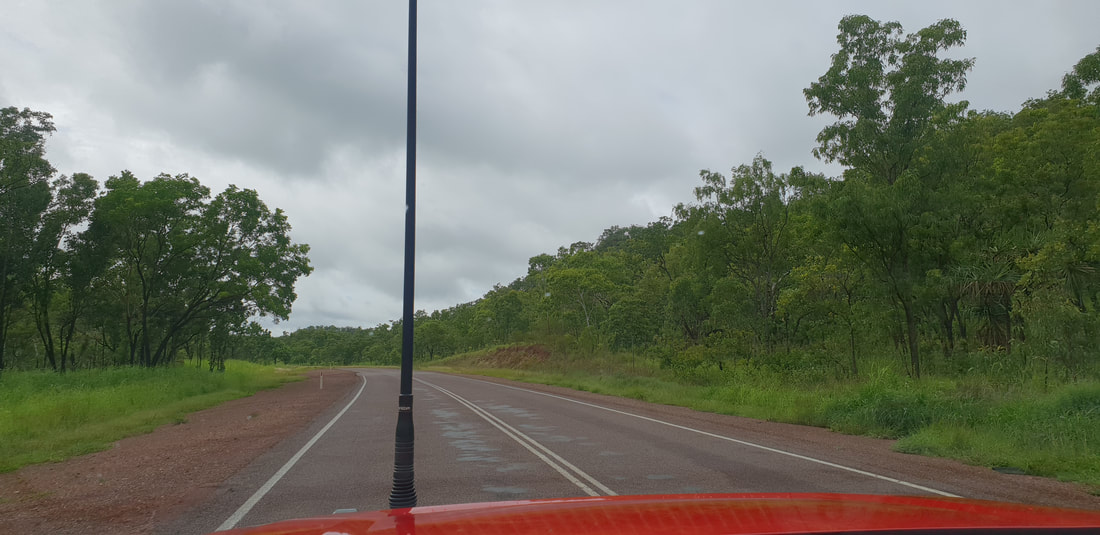
Shovel had a job offer back in Mount Isa, so we departed Darwin soaked in summer rains and ventured south back along the Stuart highway following our previous route, taking a short lunch break at Pine Creek.
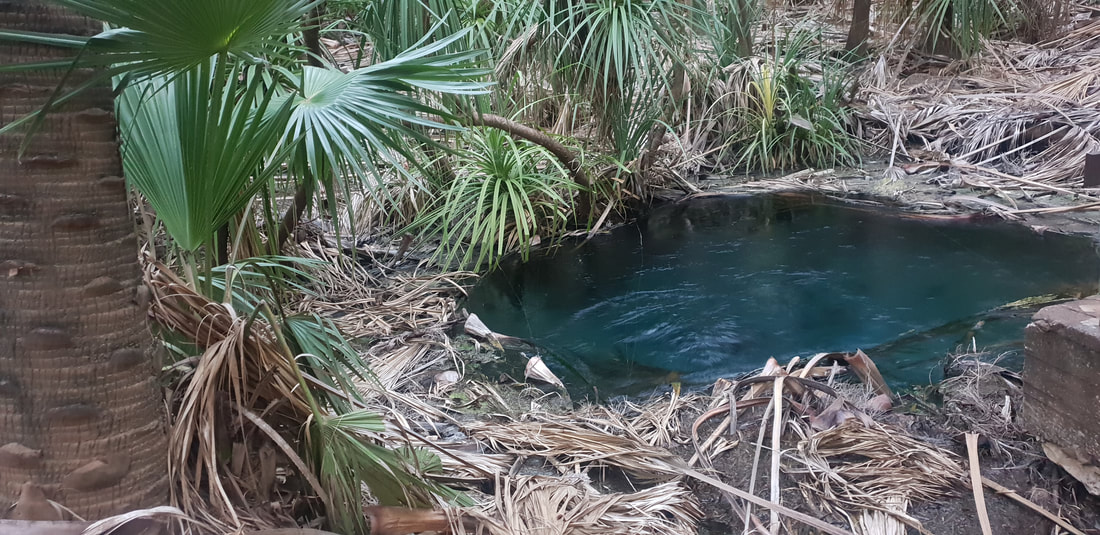
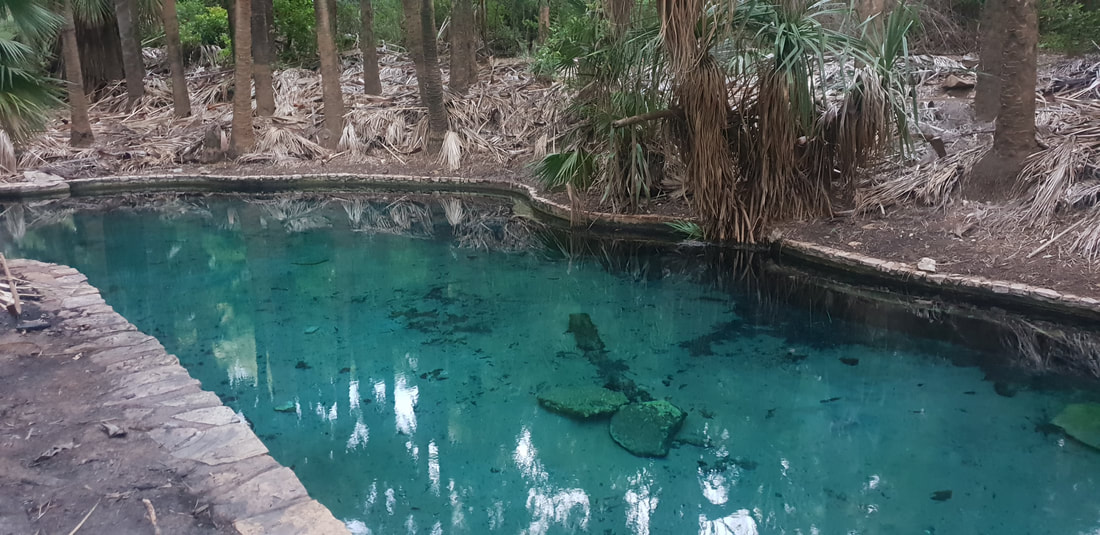
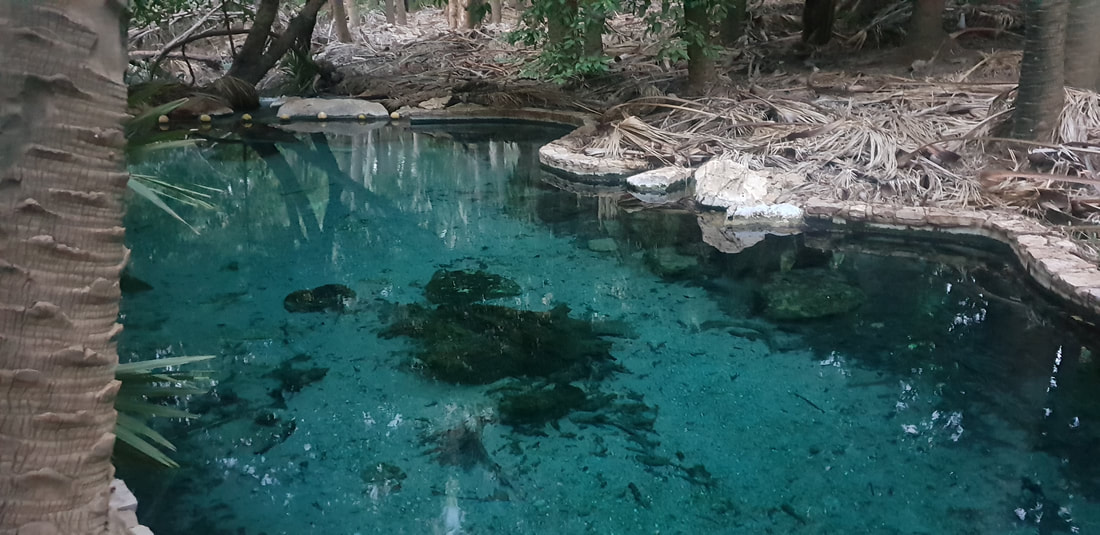
 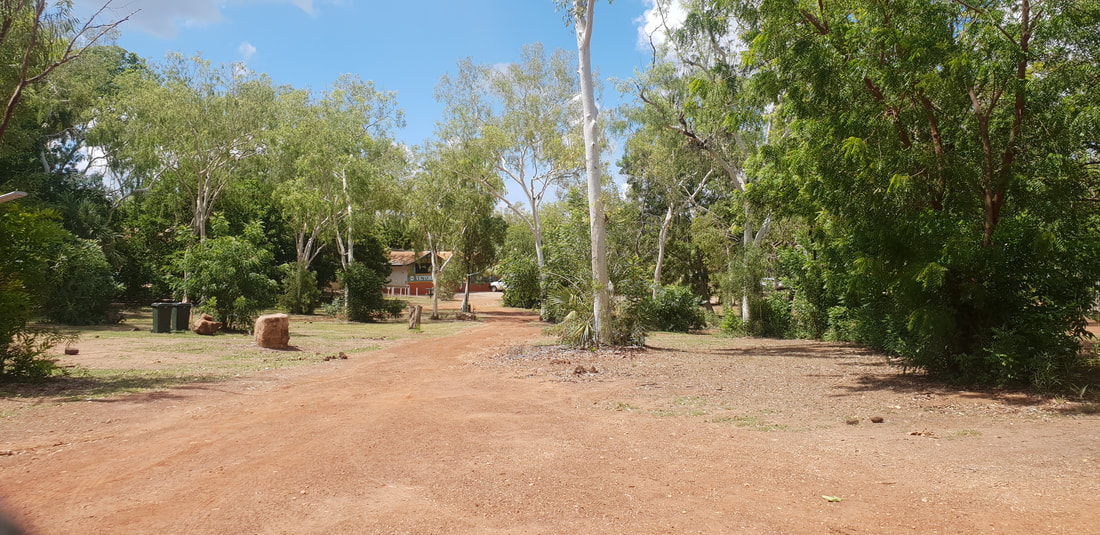 Mataranka Thermal SpringsOur first night’s stop was Mataranka, and this time we stayed at the Mataranka Homestead located at the “famous Thermal Pools.” A homestead constructed in 1916 on a sheep station, was turned into the tourist attraction experienced today by Victor Smith after he returned to the area in 1946 having visited the springs during WWII. The springs are situated near a replica of the old Elsey Homestead, which was constructed for the film, We of the Never Never, based on a book published in 1908 of the same name by Jeannie Gunn. Gunn arrived in Mataranka with her husband, Aeneas in 1902 to manage the Elsey Station but she left shortly after in 1903 following Aeneas’ death. The territory remained with Jeannie and the novel based on her experiences at Elsey became a best seller, which was subsequently turned into two movies (1950s and 1980s). The phrase ‘Never Never’ refers to the notion of being somewhere hopelessly distant and was synonymous with isolation and doing it tough. Henry Lawson coined the term in his 1901 poem, The Never-Never Land, which captured the sentiment of loneliness evoked by Gunn. This is an extract: Where lone Mount Desolation lies Mounts Dreadful and Despair- ‘Tis lost beneath the rainless skies In hopeless deserts there; It spreads nor-west by No-Man’s Land Where clouds are seldom seen To where the cattle stations lie Three hundred miles between.  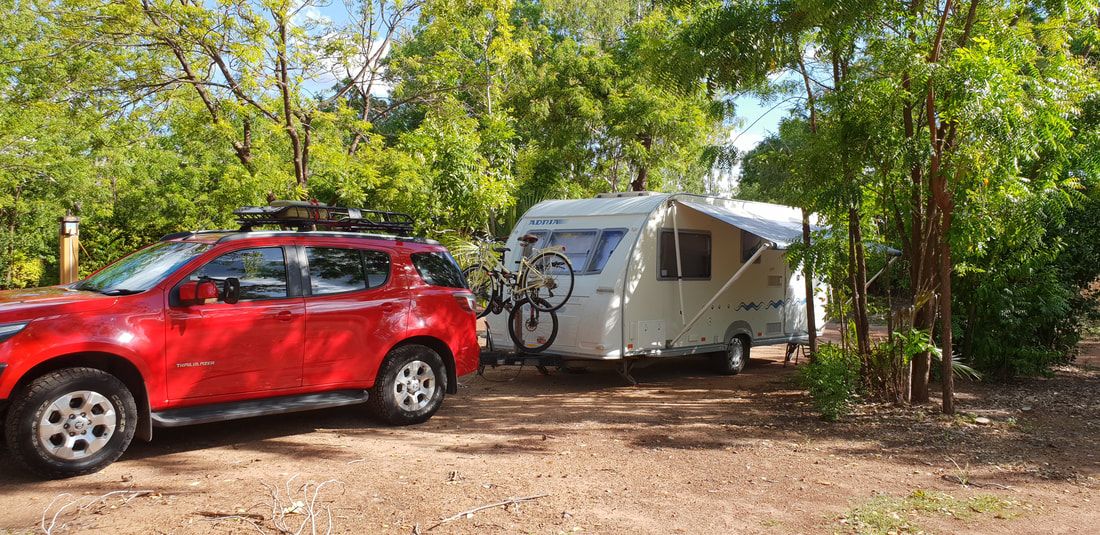
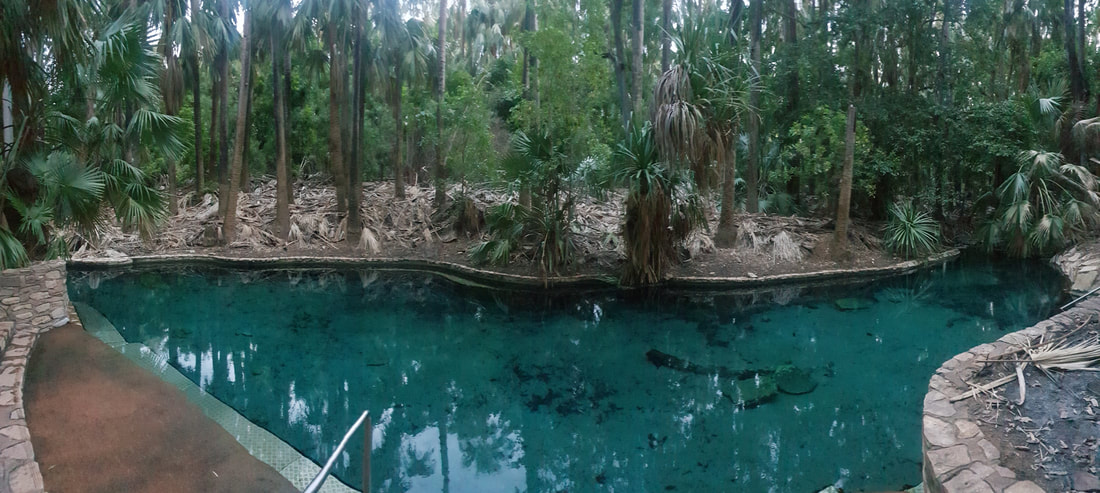 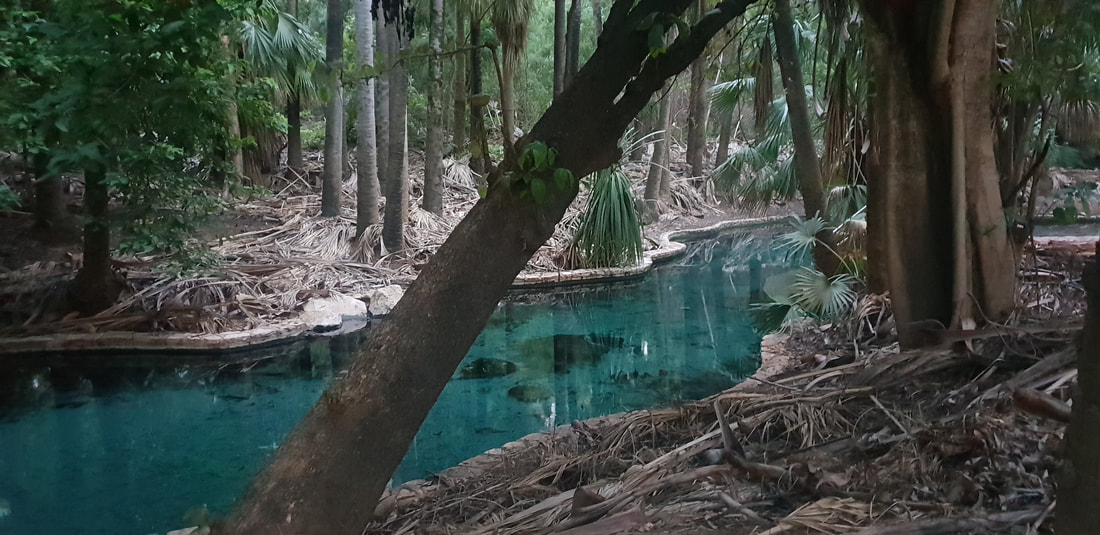
Mataranka Springs is part of the Cambrian Limestone Aquifer (CLA) one of the largest aquifers in Australia (about 1.5 times the size of Italy) fed from two CLA groundwater flow paths, the Daly and the Georgina. In studies conducted at the Mataranka Springs Complex by the Australian Government CSIRO in late 2019 scientists discovered radiogenic helium, which indicated a third very old groundwater source (perhaps hundreds of thousands of years old) could also be feeding the springs. This is vital information that will require further investigation and assist with the assessment of a gas resources development currently being undertaken in the Beetaloo Basin. There are concerns within the community that hydraulic fracturing in the Basin may contaminate the water supply or over-exploit the groundwater. Mataranka LightningIt was the national public holiday, Australia Day when we left Darwin and arrived at the Thermal Springs. Despite the controversy of celebrating the birth of a nation on a day synonymous with the declaration by British colonisers of ‘terra nullius’ that lead to the disregard of First Nations and the destruction of their culture, the vibe was amicable and welcoming. Florence was one of only two caravans at the park, so we assumed that most of the visitors enjoying the refreshingly clear springs were locals, joking, splashing around, and laughing as they listened to classic Aussie rock on a nearby portable radio. An Indigenous elder attempted to converse with us but as we couldn’t speak the local language and therefore weren’t able to grasp the conversation but appreciated the experience and were grateful for his attempts to include us ‘blow ins’ in the festivities. Later that night after a feed at the open-air Malukas Bar we were treated to an incredible lightening display, which we witnessed through the window of Florence as she swayed in the wind and was plated by the intense summer rain.
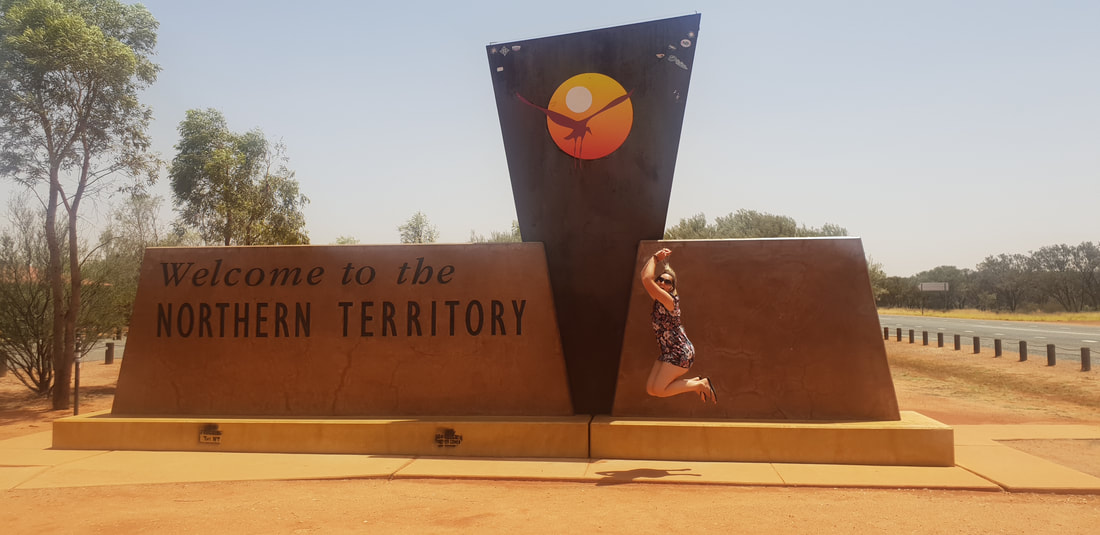
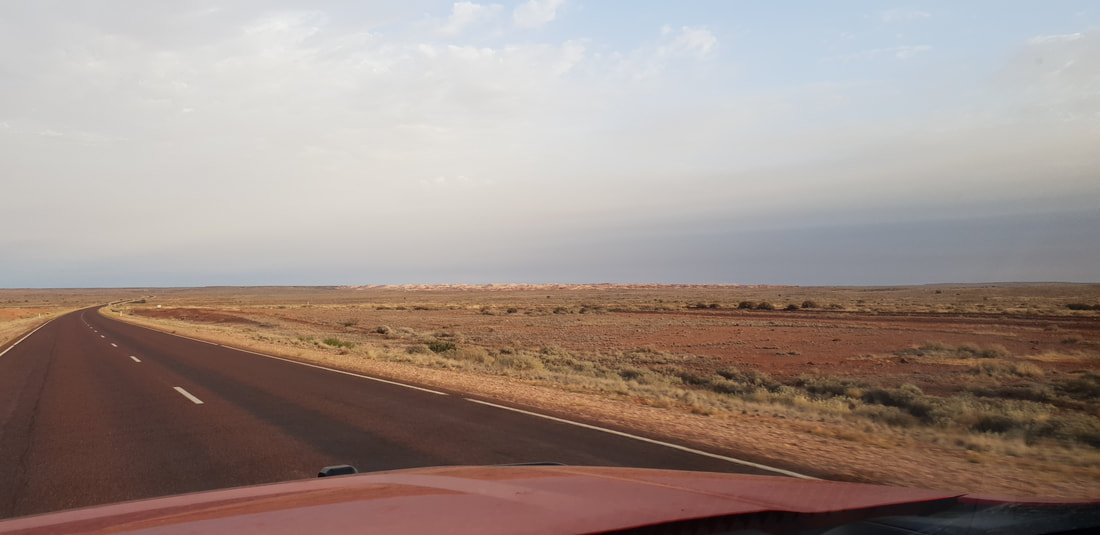
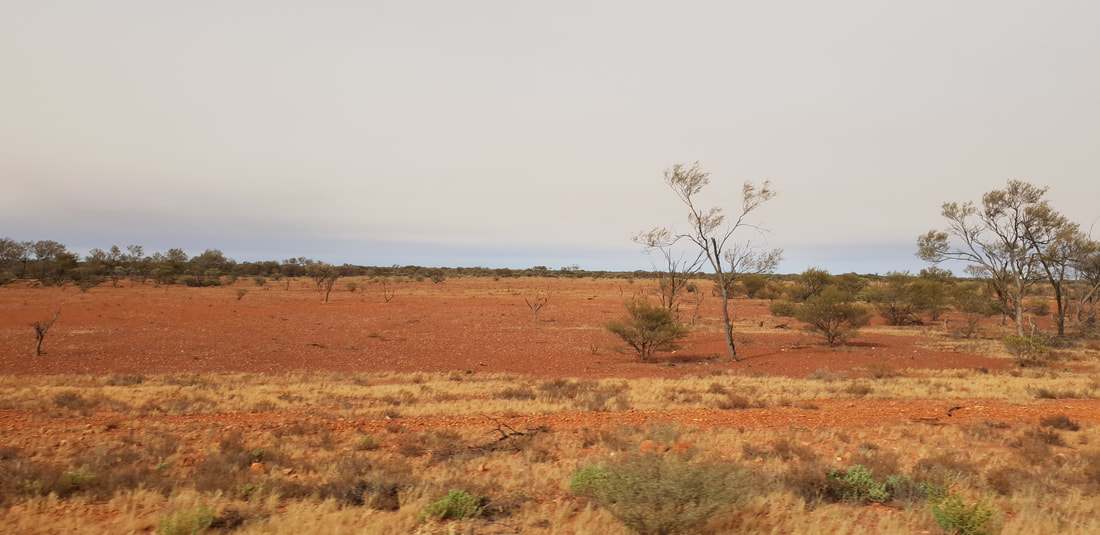
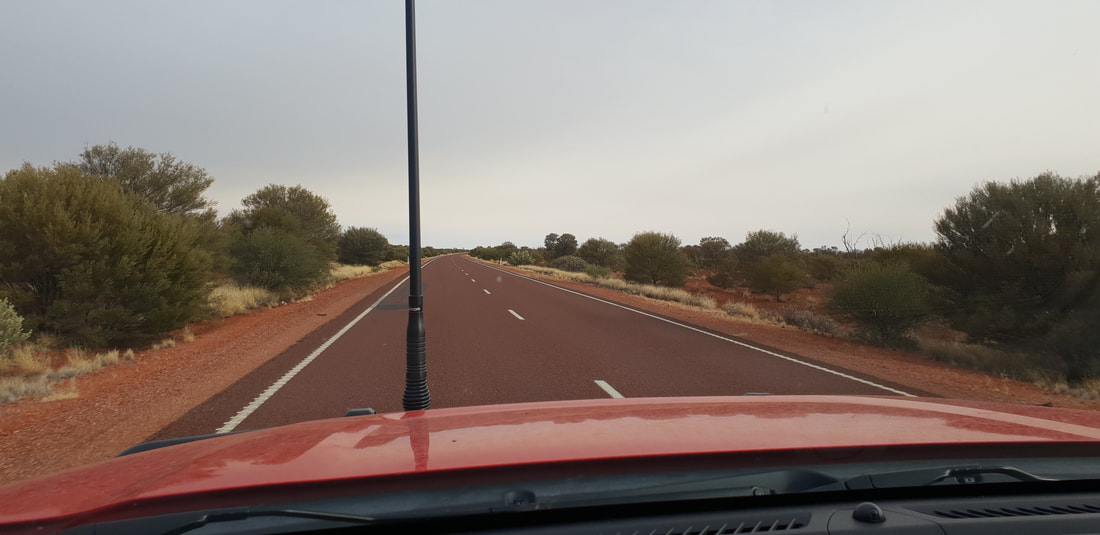
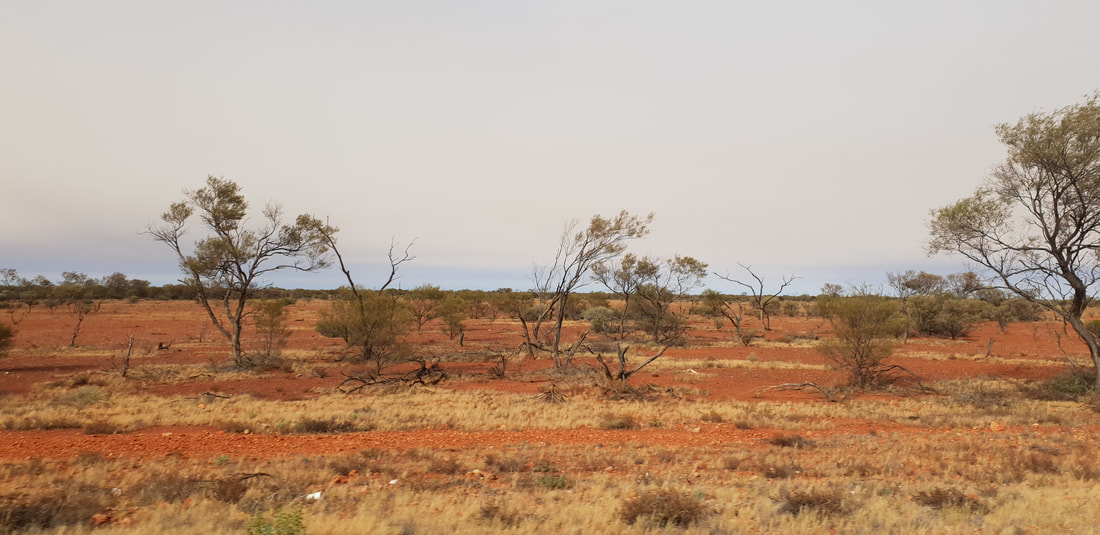
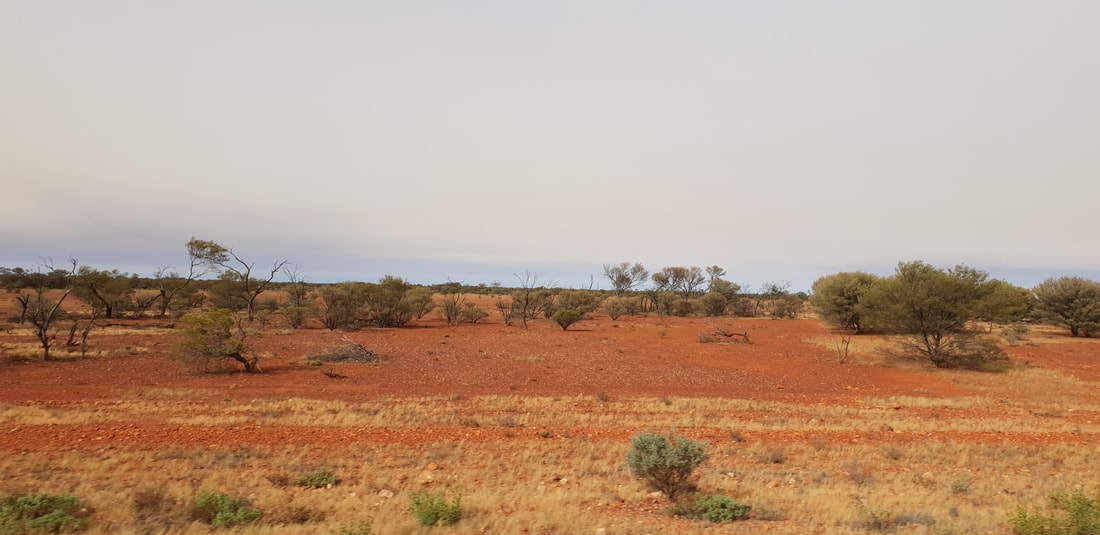
Today we travelled just under 700 kilometres, crossing into the Northern Territory, on our way to the piercing red dirt of the Alice Springs outback. This is a massive drive but especially for us towing Florence the caravan who is only rated for 80 kph. We ate our lunch of wraps at the border, jumping at the iconic sign before continuing our journey north. The heat at this time of year is relentless and the flies unforgiving, we were extremely grateful for the air-conditioned sanctuary of Cherry the Trailblazer. 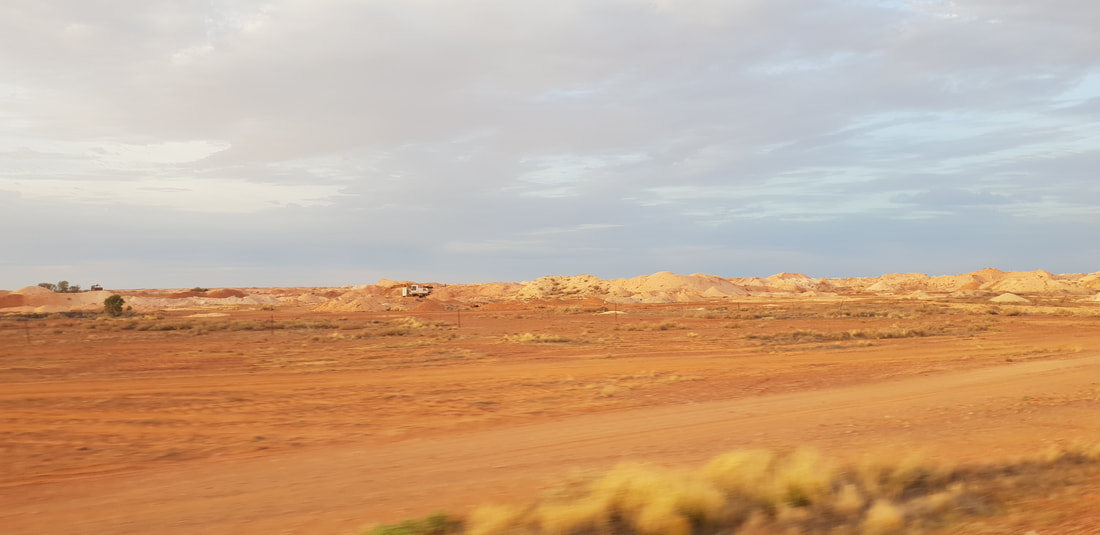
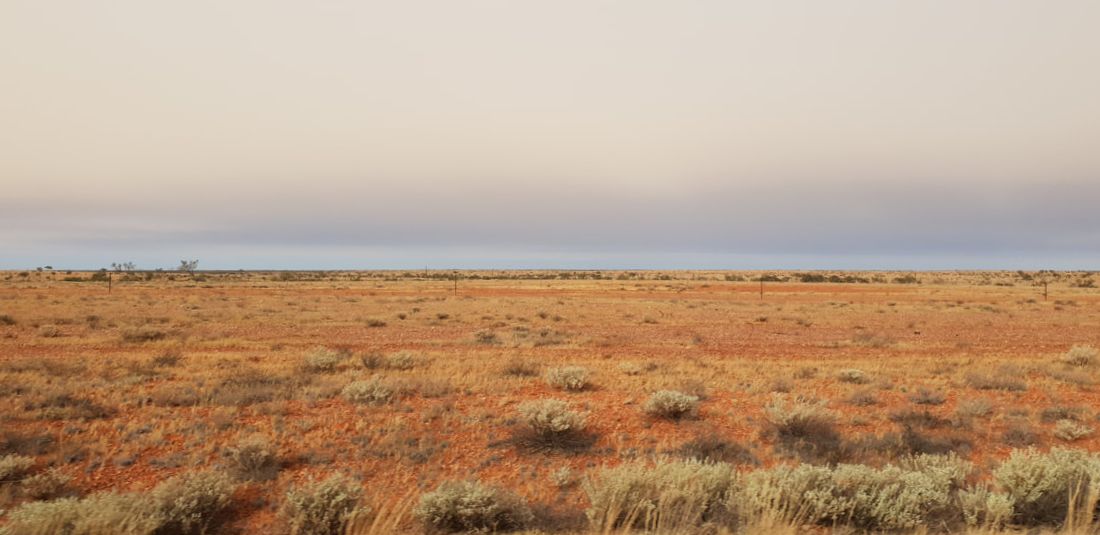 
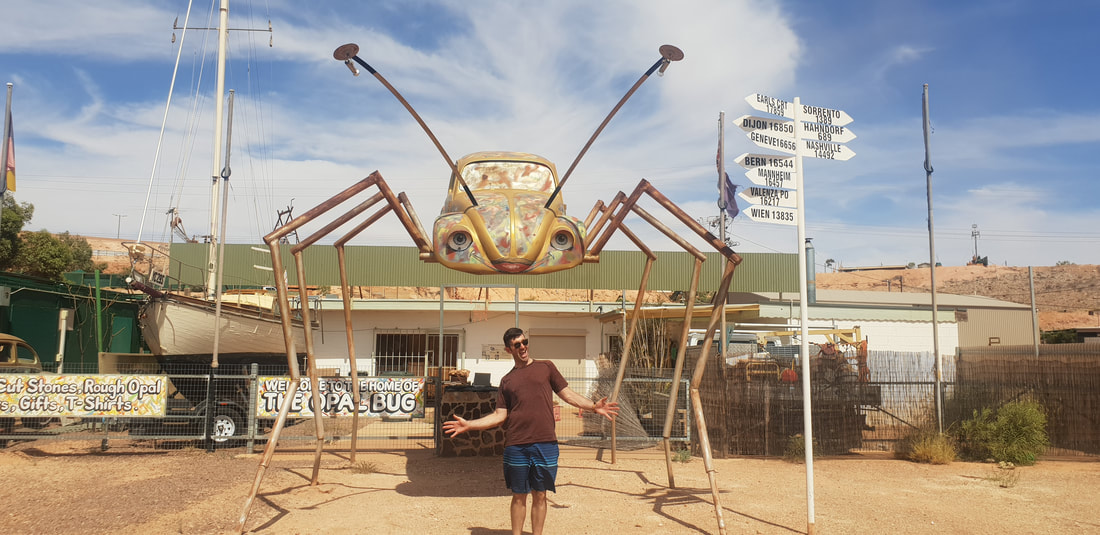
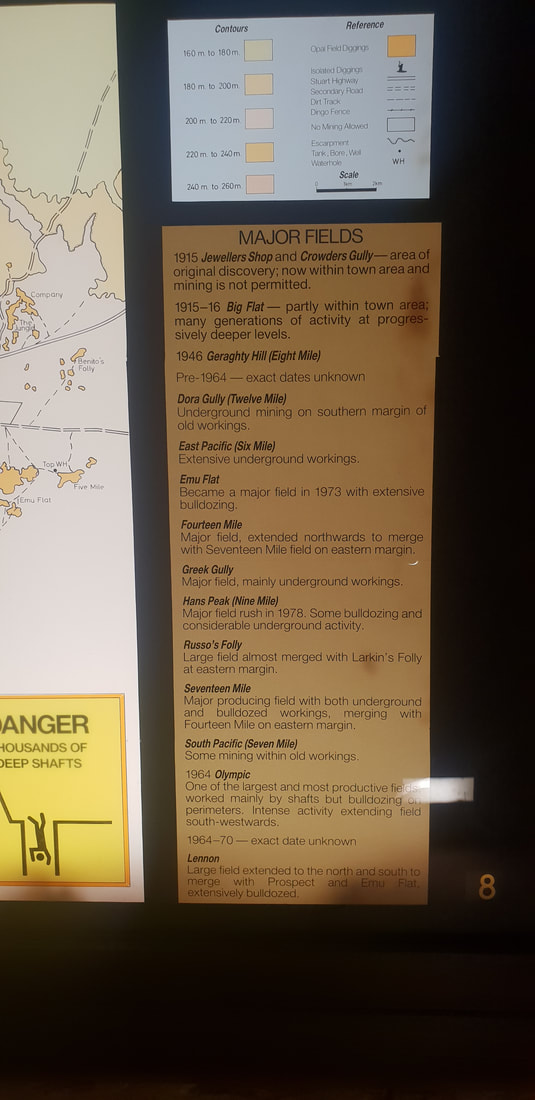
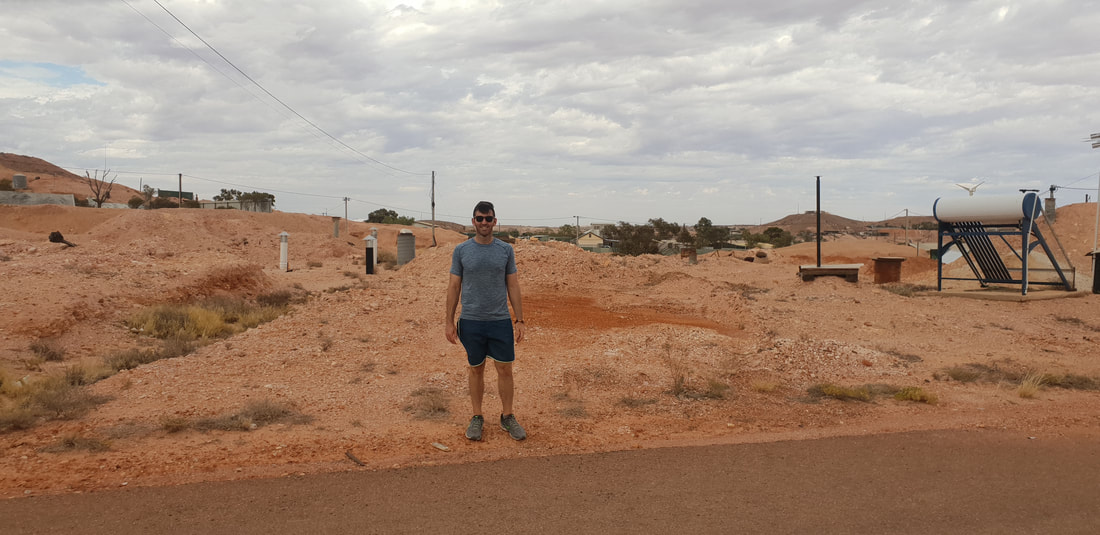
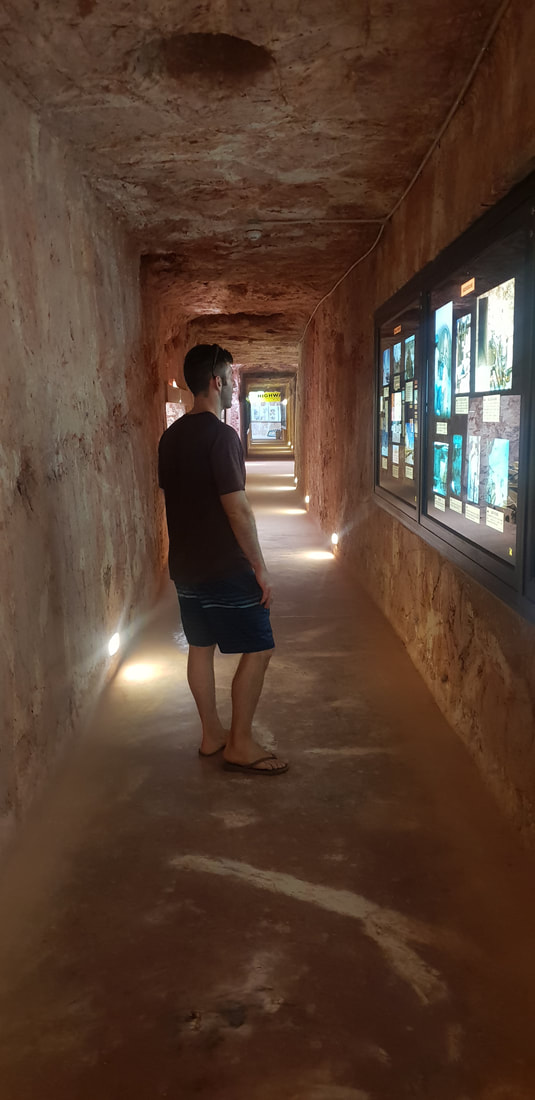
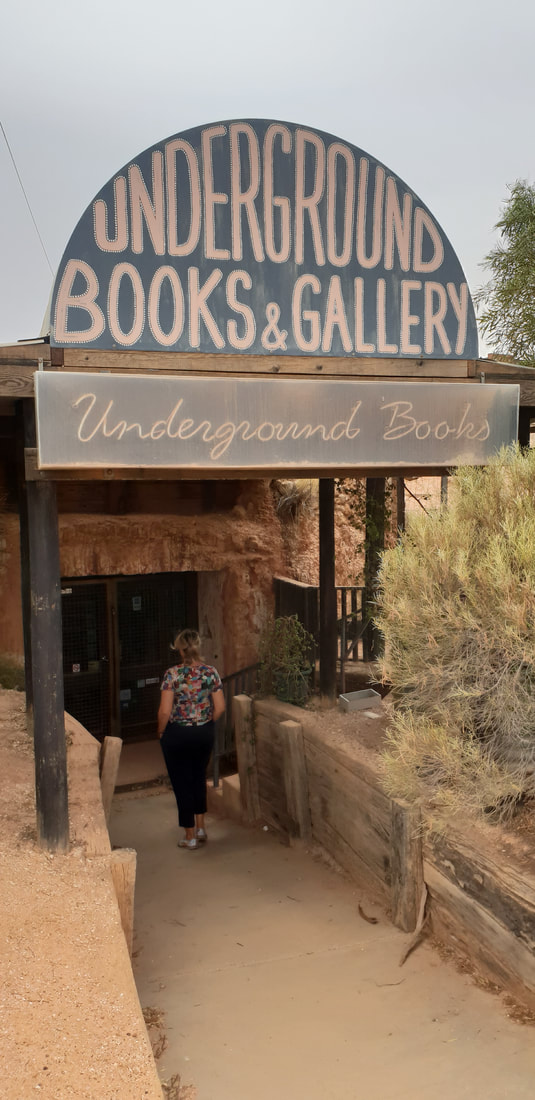
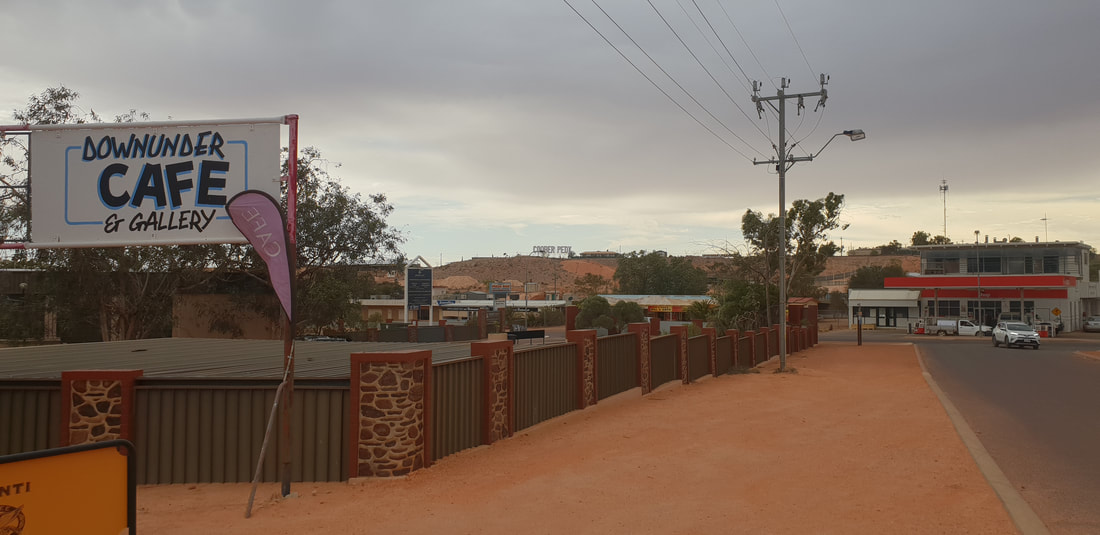
Around TownKnown as the opal capital of the world because Coober Pedy produces more stones by mass, opals found in Coober Pedy are often of the crystal variety of which the base colour is transparent or translucent. The more fiery or intense the colours the more value in the stone. Australia produces roughly 95% of the world’s opals, opals found in Lightning Ridge in Queensland are of a higher quality than that of Coober Pedy. Opal mining is extremely demanding as about 85% of the opal found, called potch, holds no colour and is therefore of no value. Opal mining began in 1915, however the opal mining boom occurred much later in the 1970s after an influx of European migrants fleeing war-torn countries ventured to the region to stake their claim. Surprisingly we were treated in Coober Pedy to an awesome IGA that stocked all our favourite health food products including kombucha that we were very grateful for. We also dinned out the local bakery recently revamped by a couple from Adelaide and the local pizzeria. We absolutely loved visiting Coober Pedy, despite the heat (we were there in mid-Summer) the atmosphere was welcoming and our curiosity was tickled as we ventured throughout the town, into the underground shops and marvelled at the hard work endured by the pioneering migrants who toiled in challenging and often dangerous conditions to make a living.
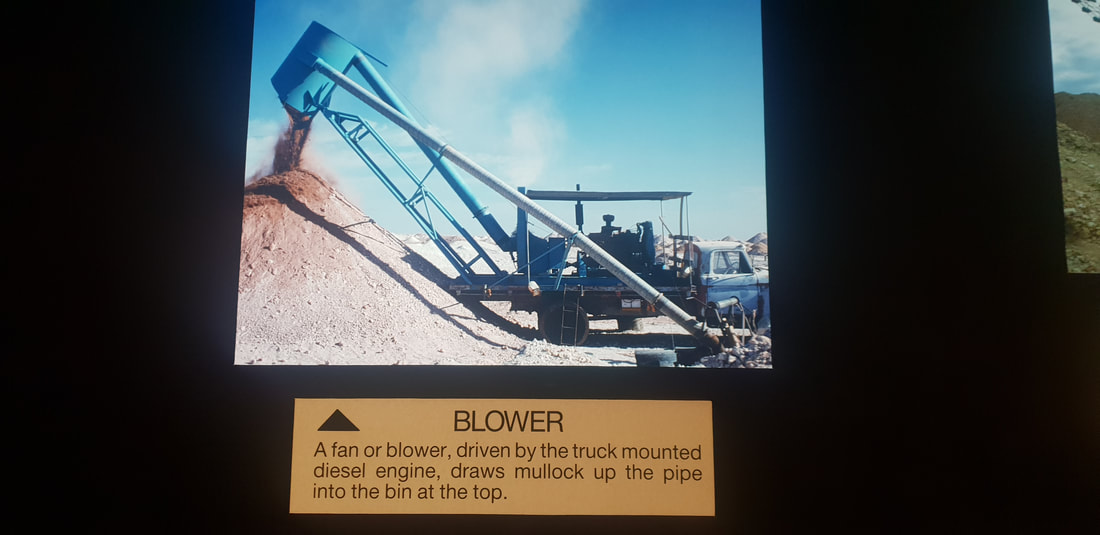
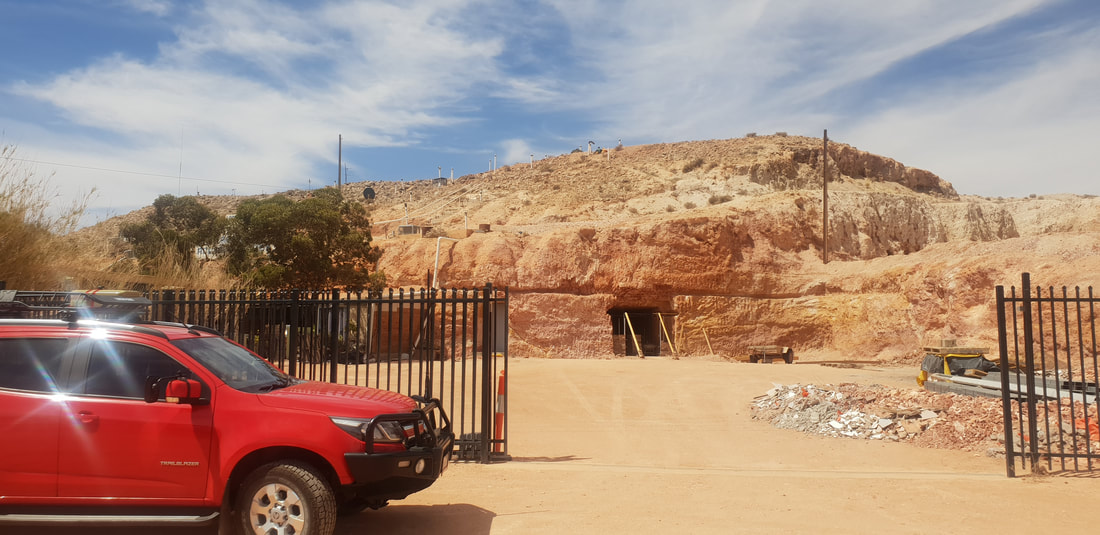
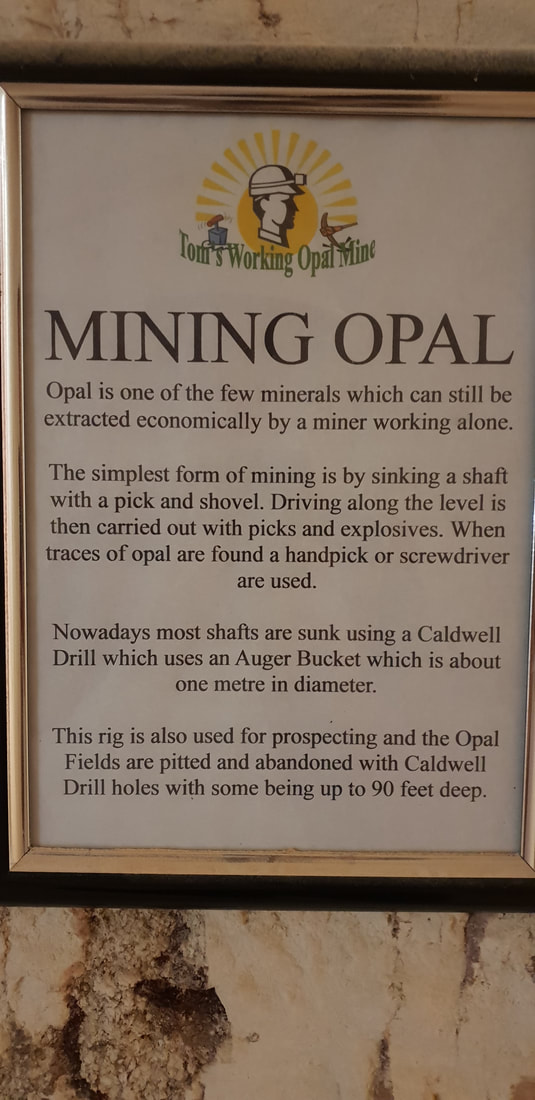
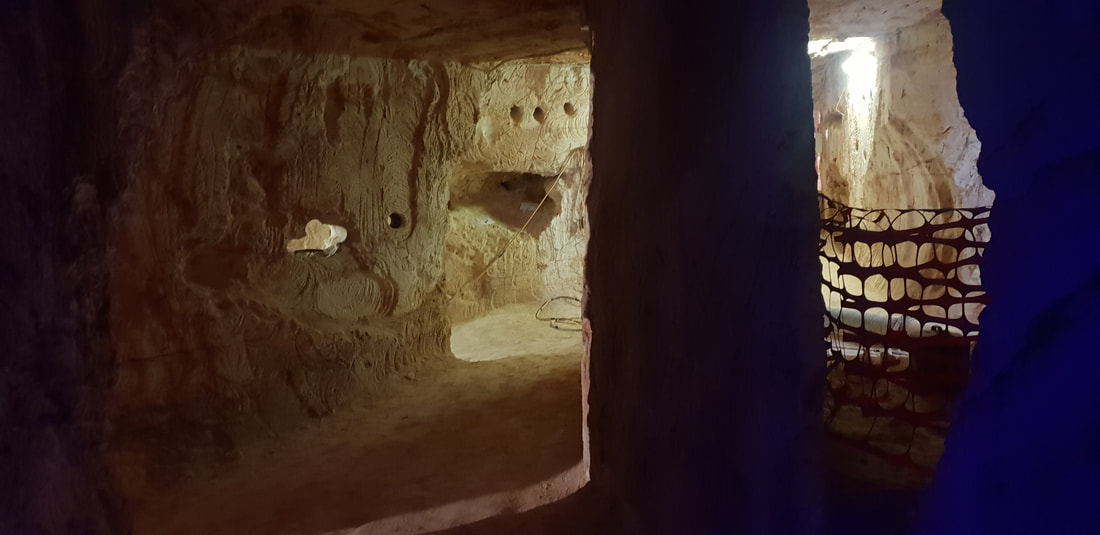
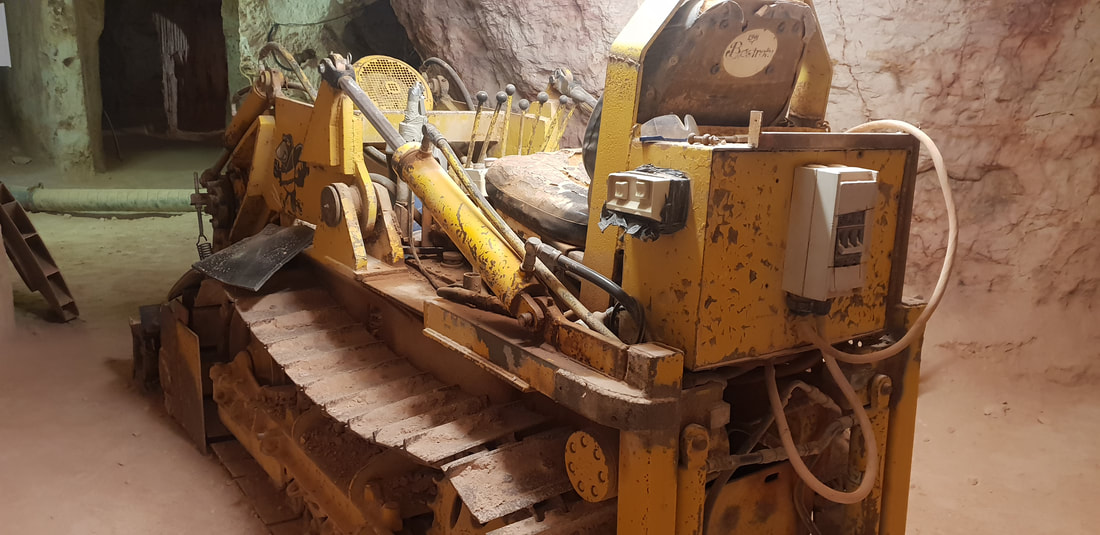
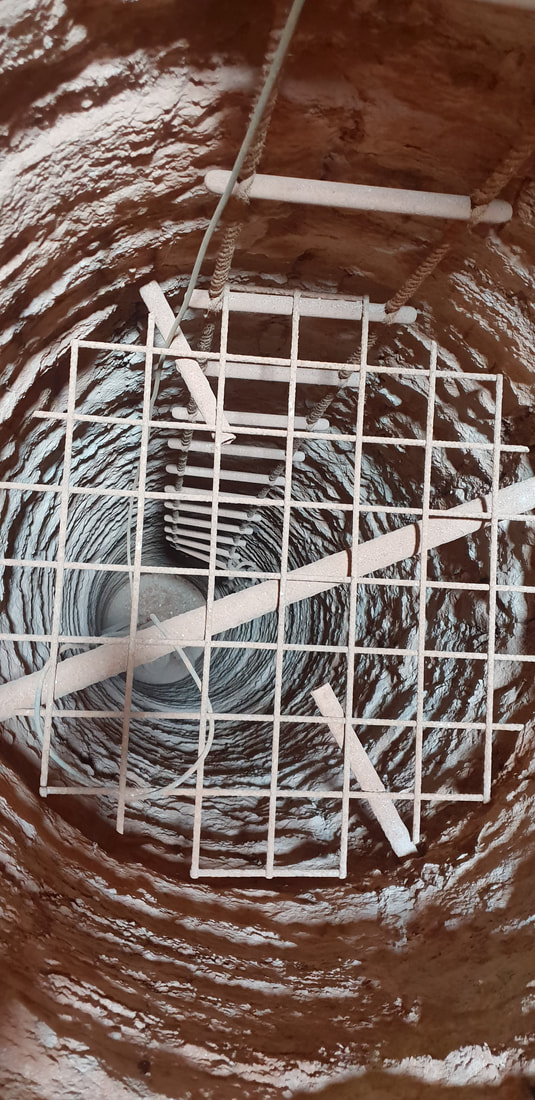
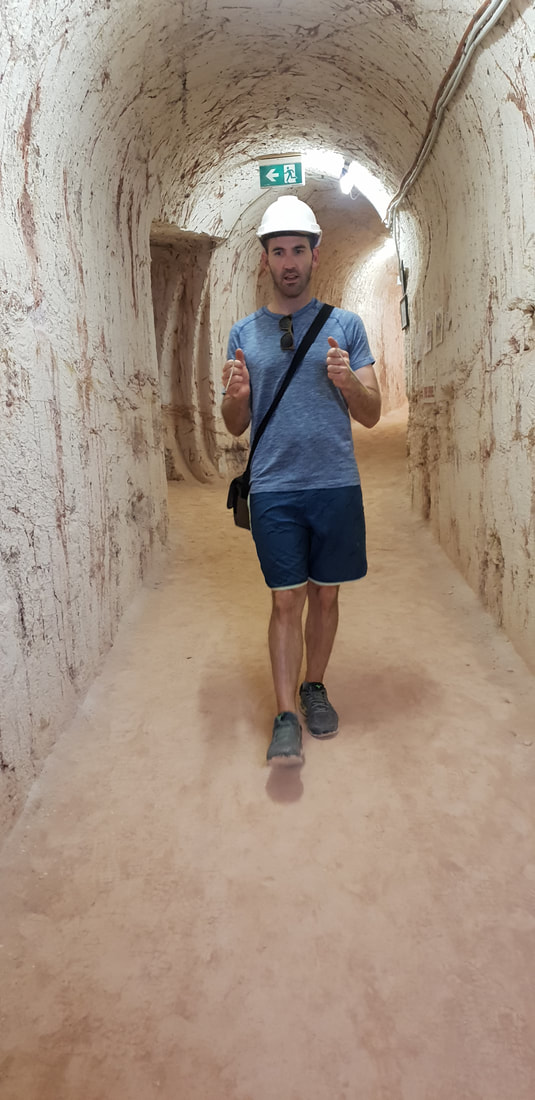
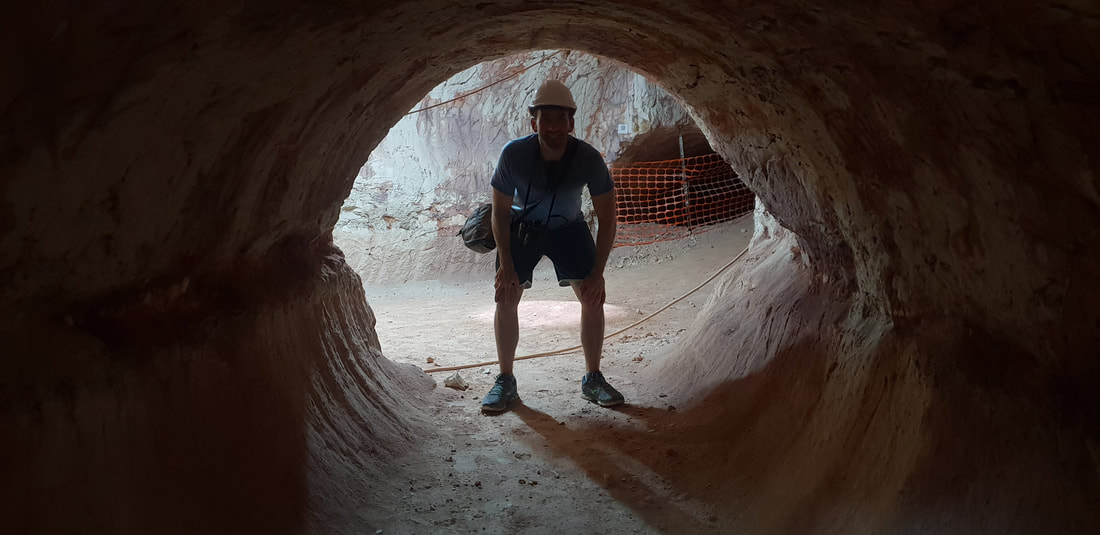
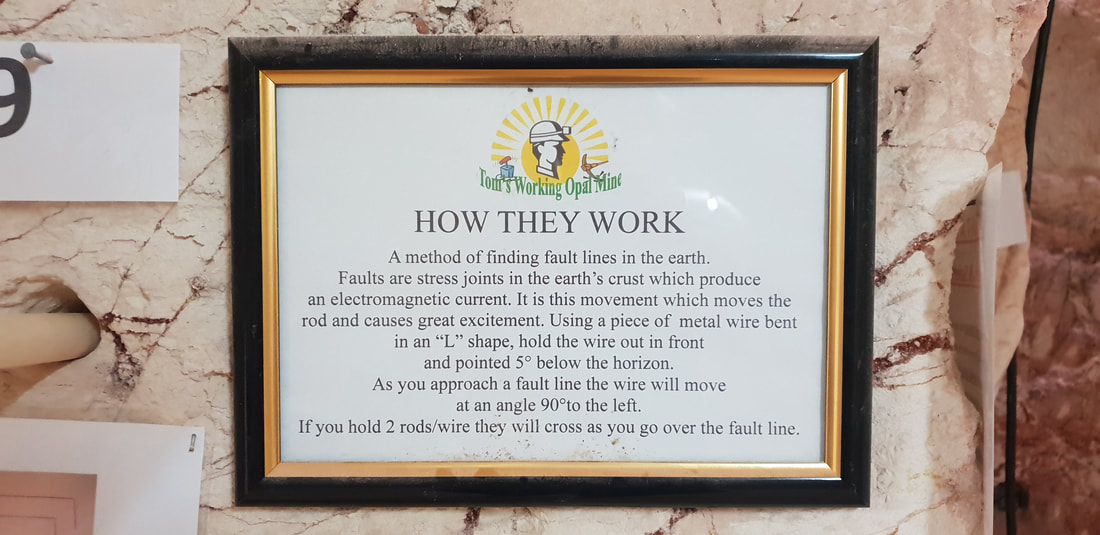
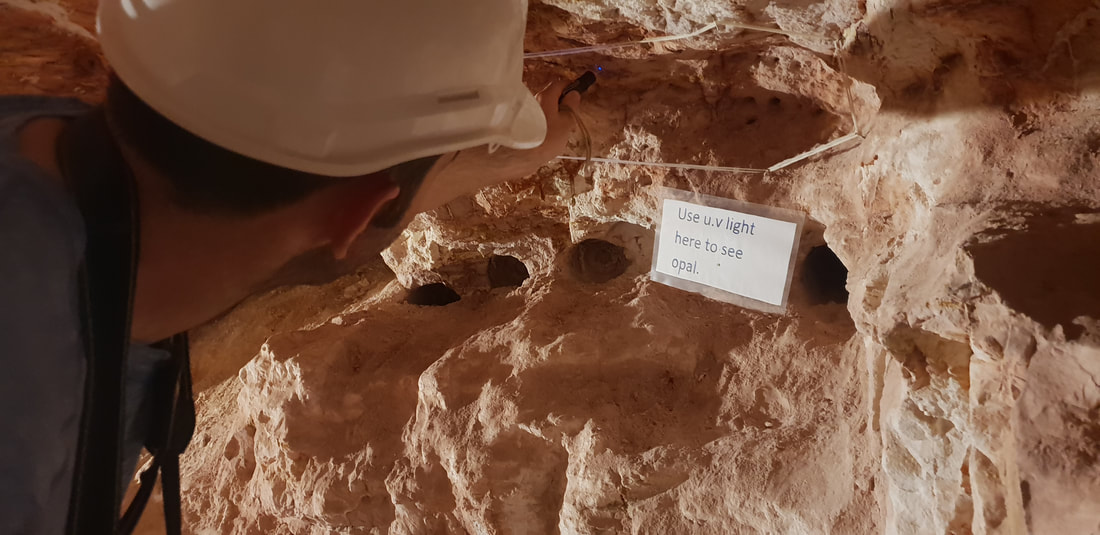
The name “Coober Pedy” comes from the Aboriginal Australian kupa piti, meaning “boys’ waterhole.” However, another type of hole has become quite a hazard. Over the years, miners have dug over 250,000 shafts, making Coober Pedy a dangerous place for tourists to walk around carelessly. source Gem Society Tom's Working Opal MineAt Tom’s Working Opal Mine, which I don’t believe is an active mine anymore, we watched a video of the mine being detonated, which involved a stick of dynamite being placed into a predrilled hole and ignited. We laughed uncomfortably as the person holding the camera began to shake and back away quickly. The camera holder and the igniter both exiting the mine moments prior to hearing the bang and a burst of dust and rock escaping the hole. 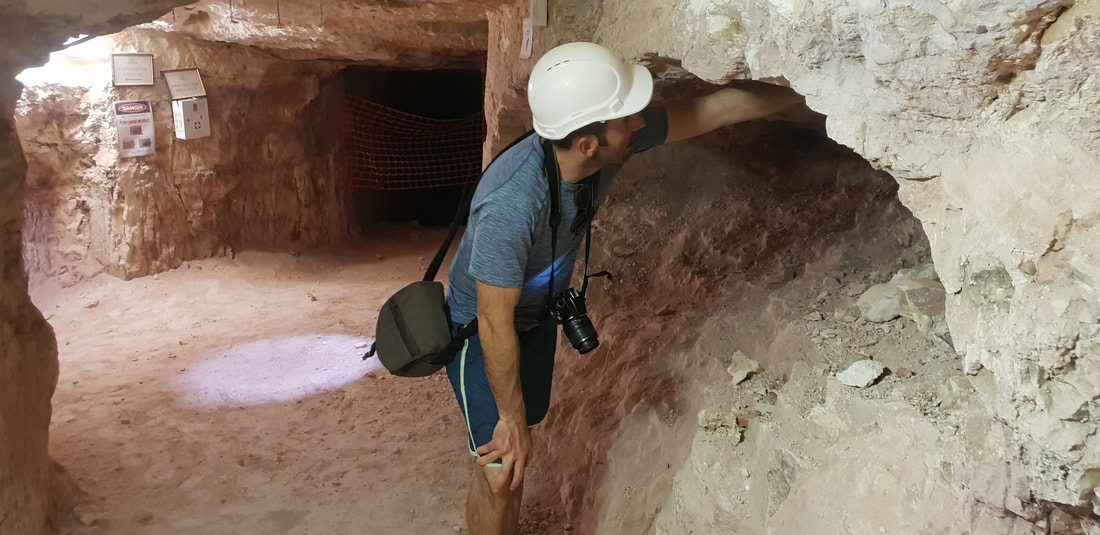
|
The JourneyChoose Curiosity The Catalogue
November 2023
The Tags
All
|
 RSS Feed
