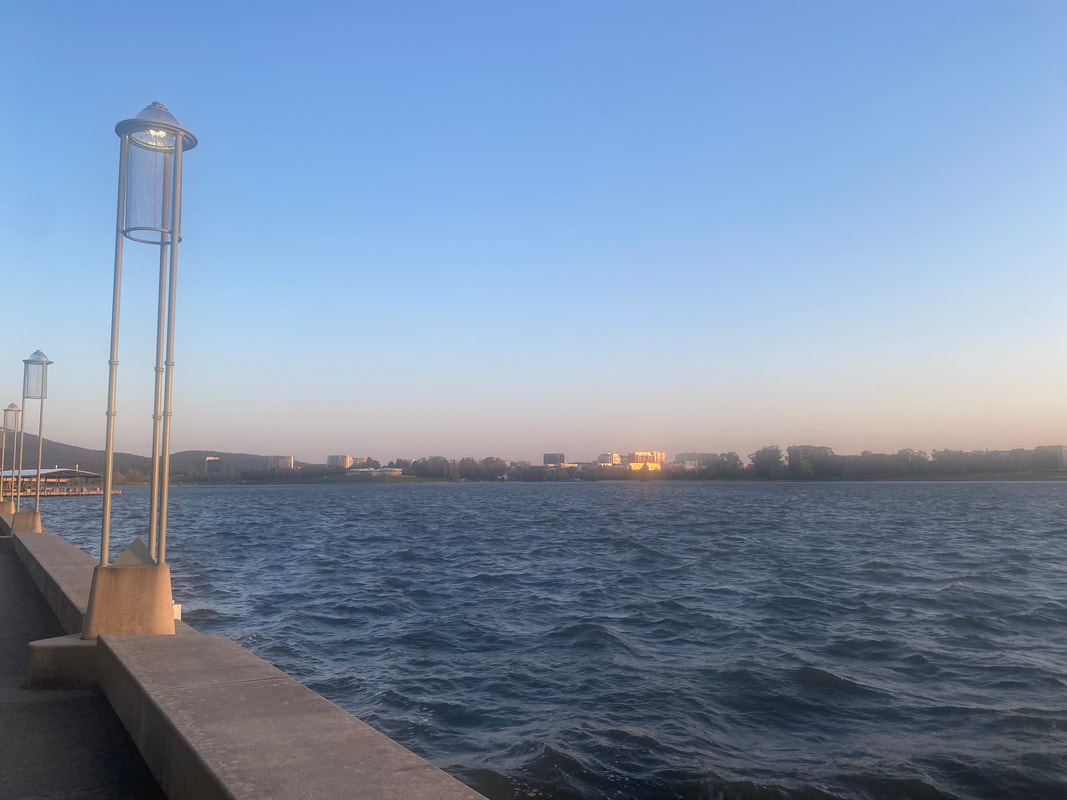
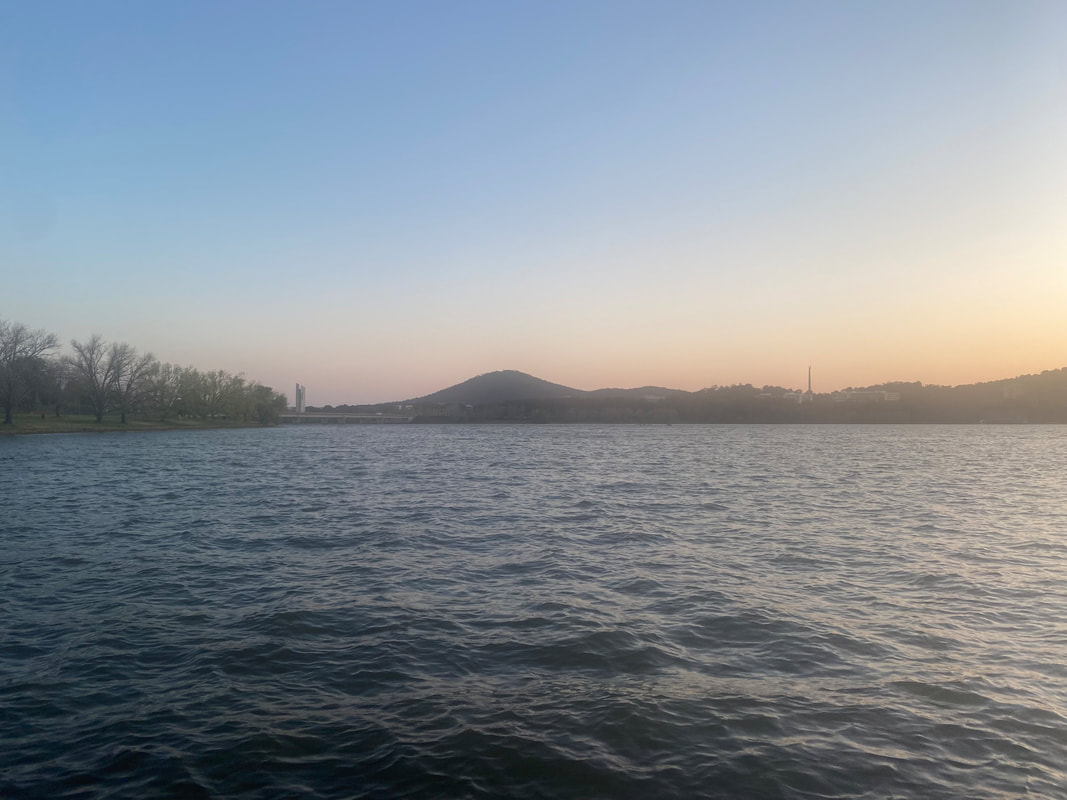
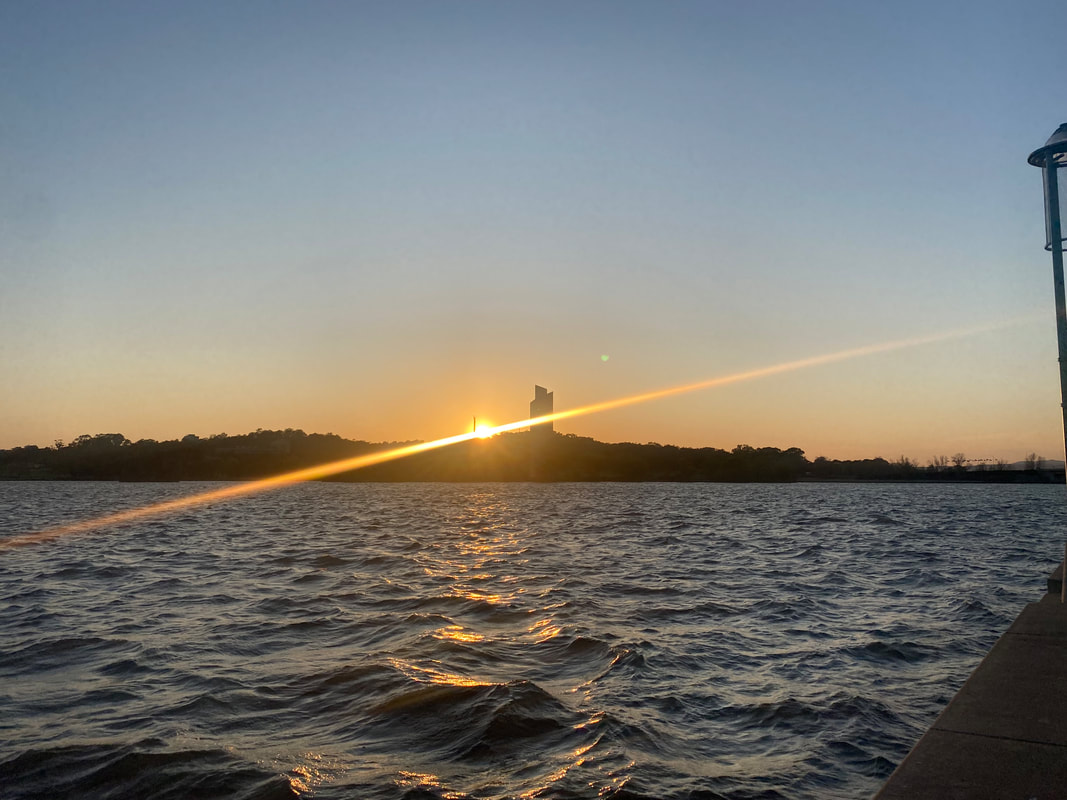
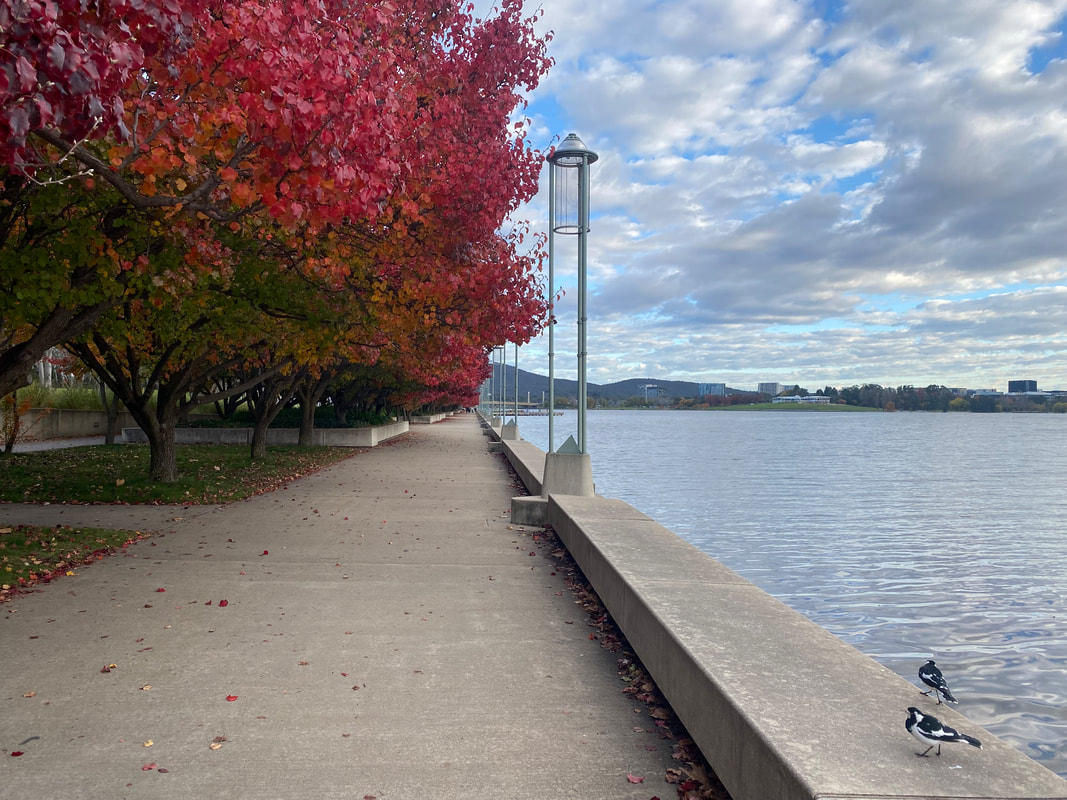
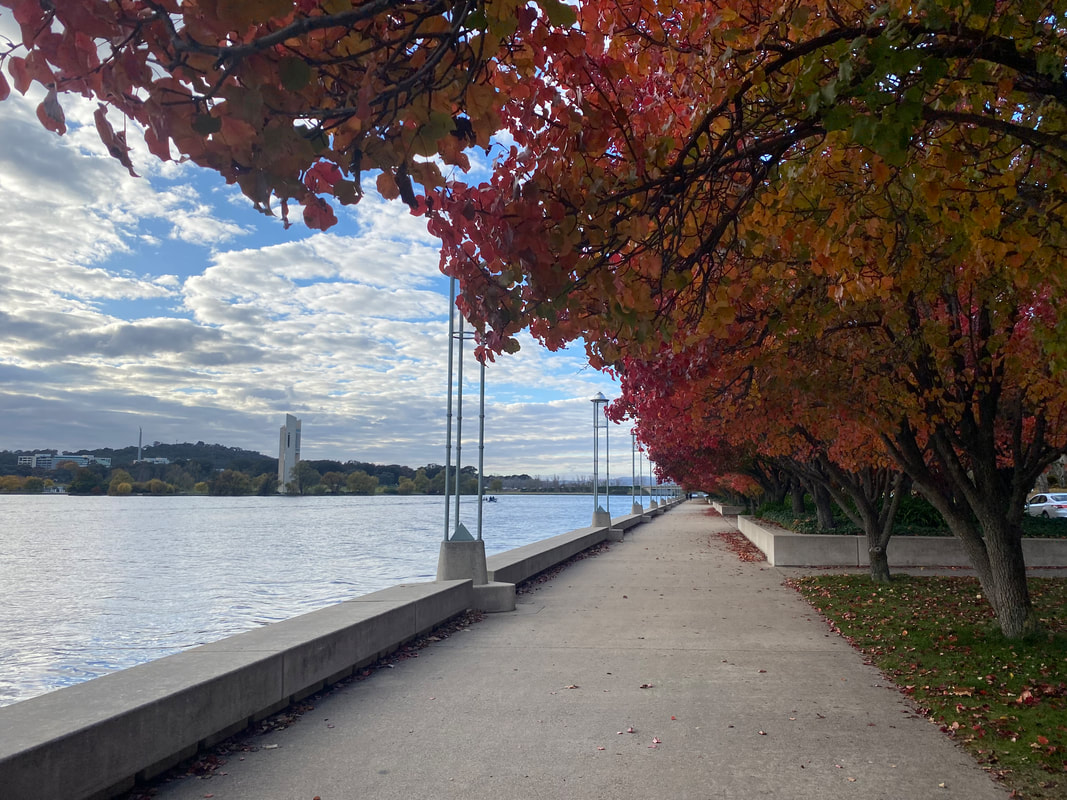
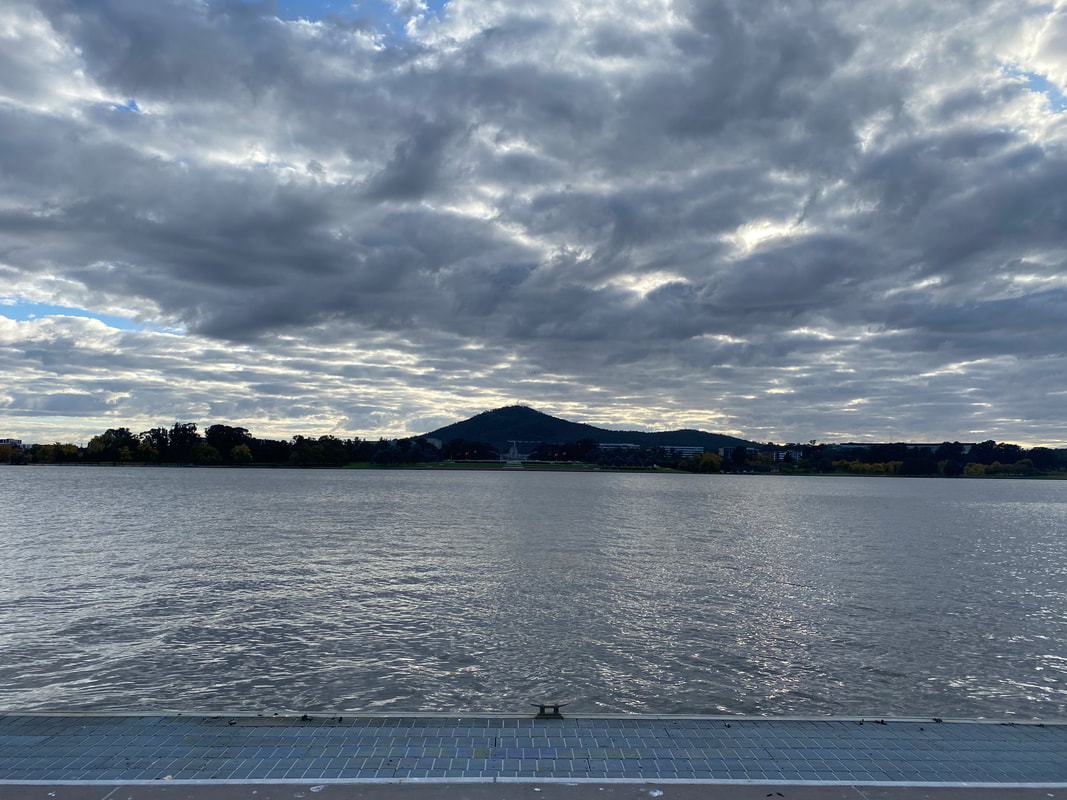
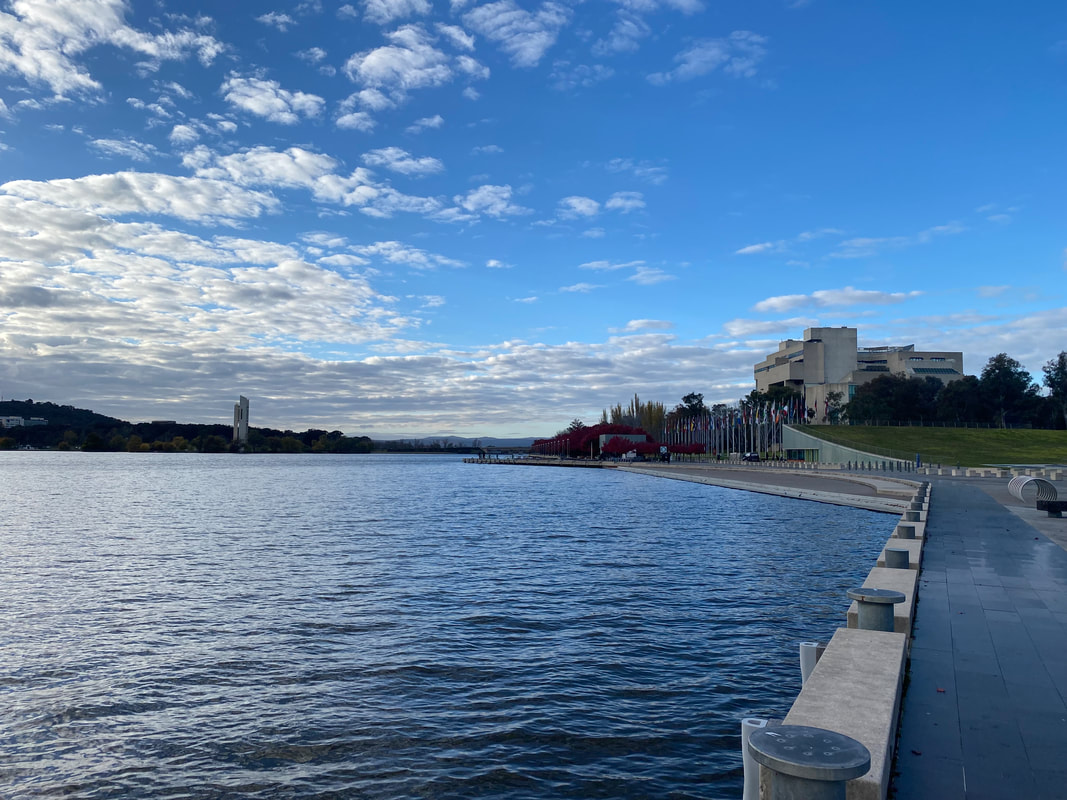
Lake Burley Griffin
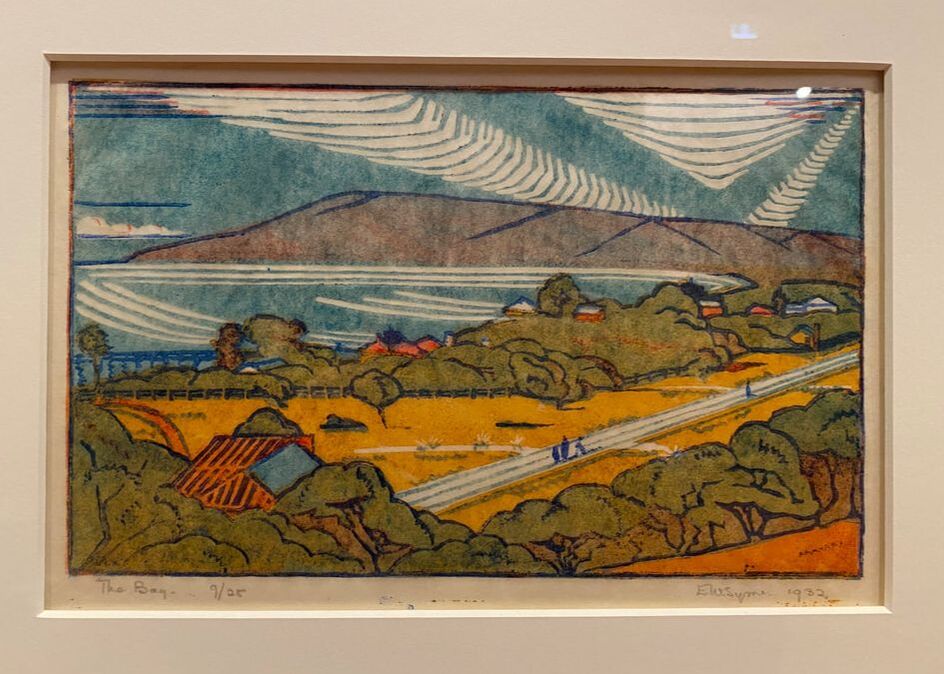
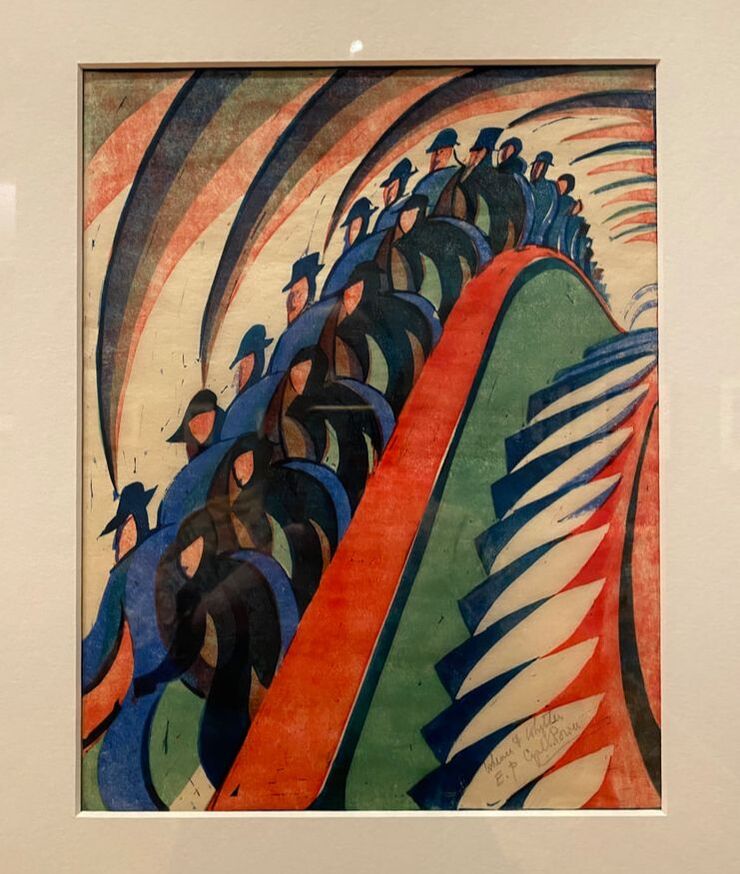
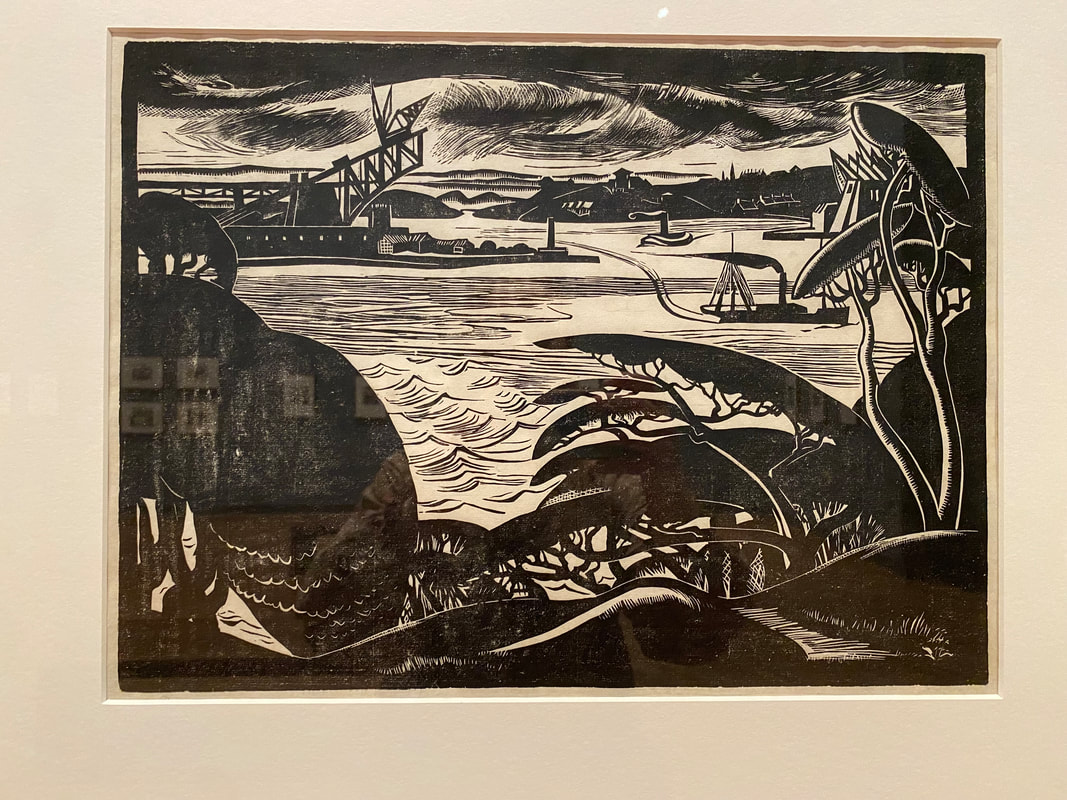
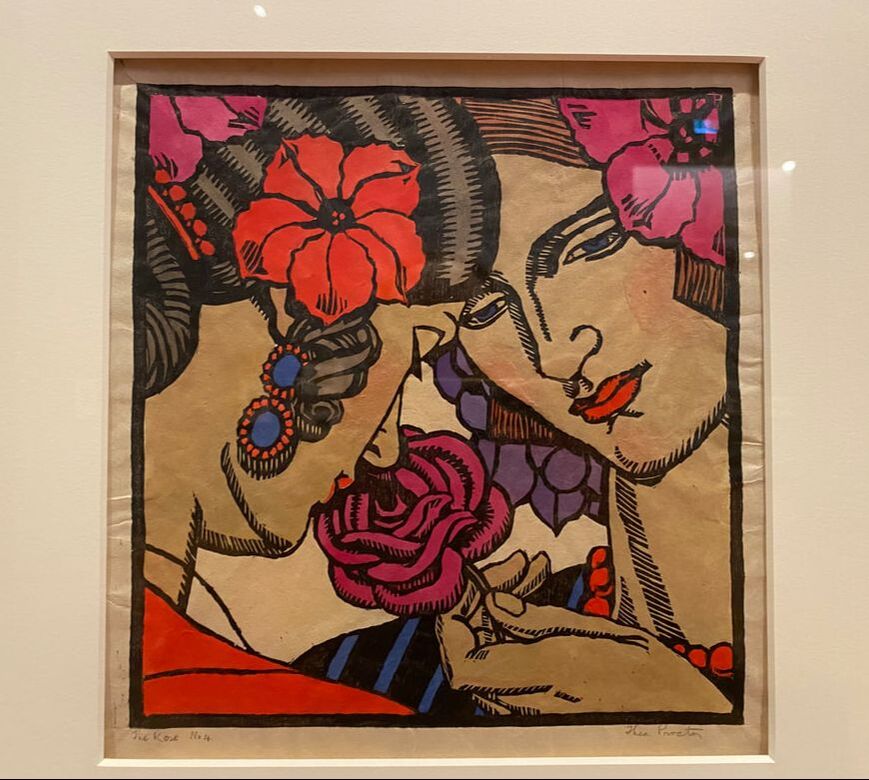
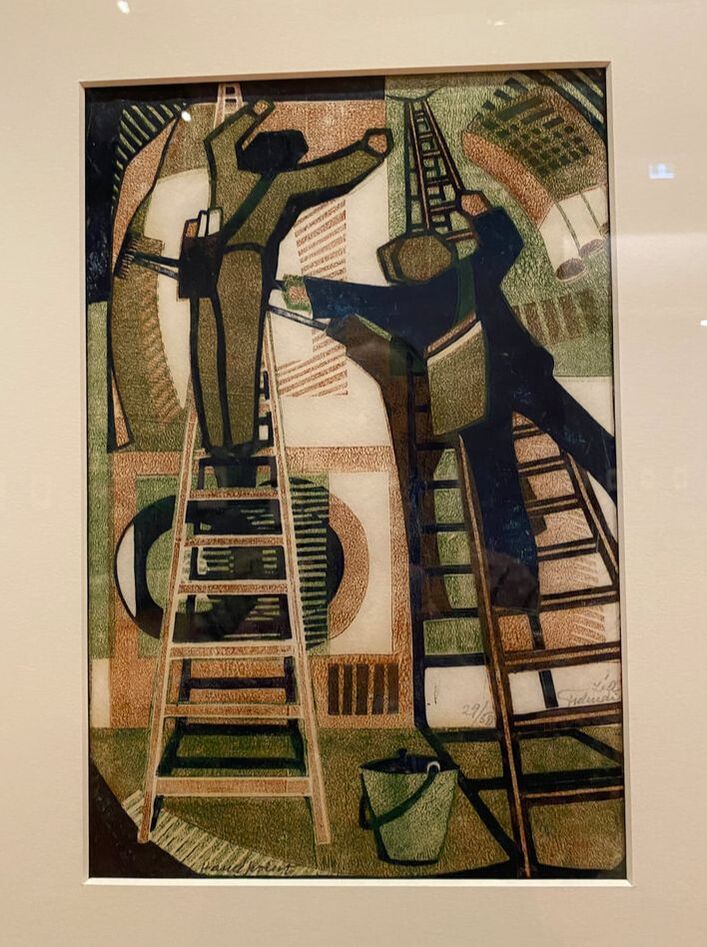
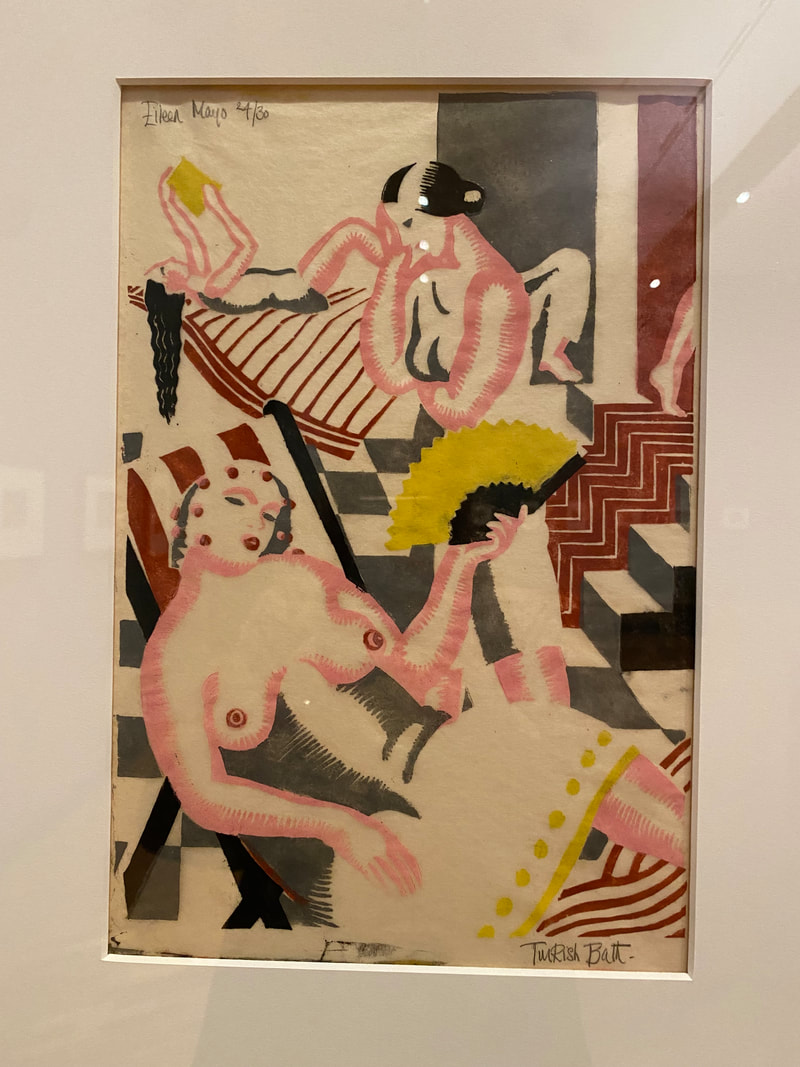
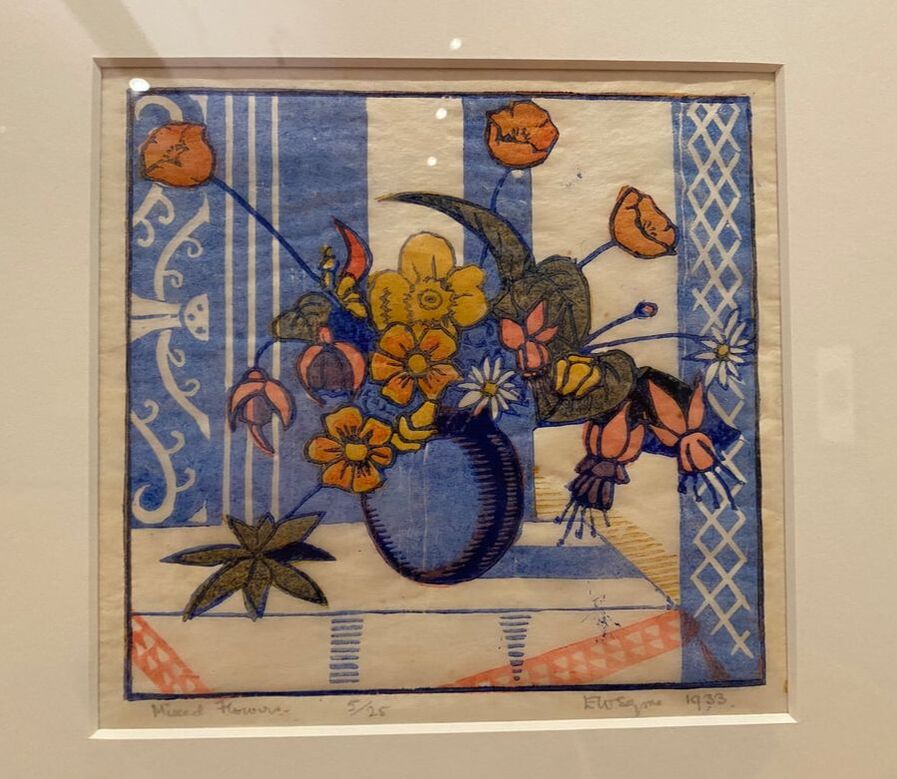
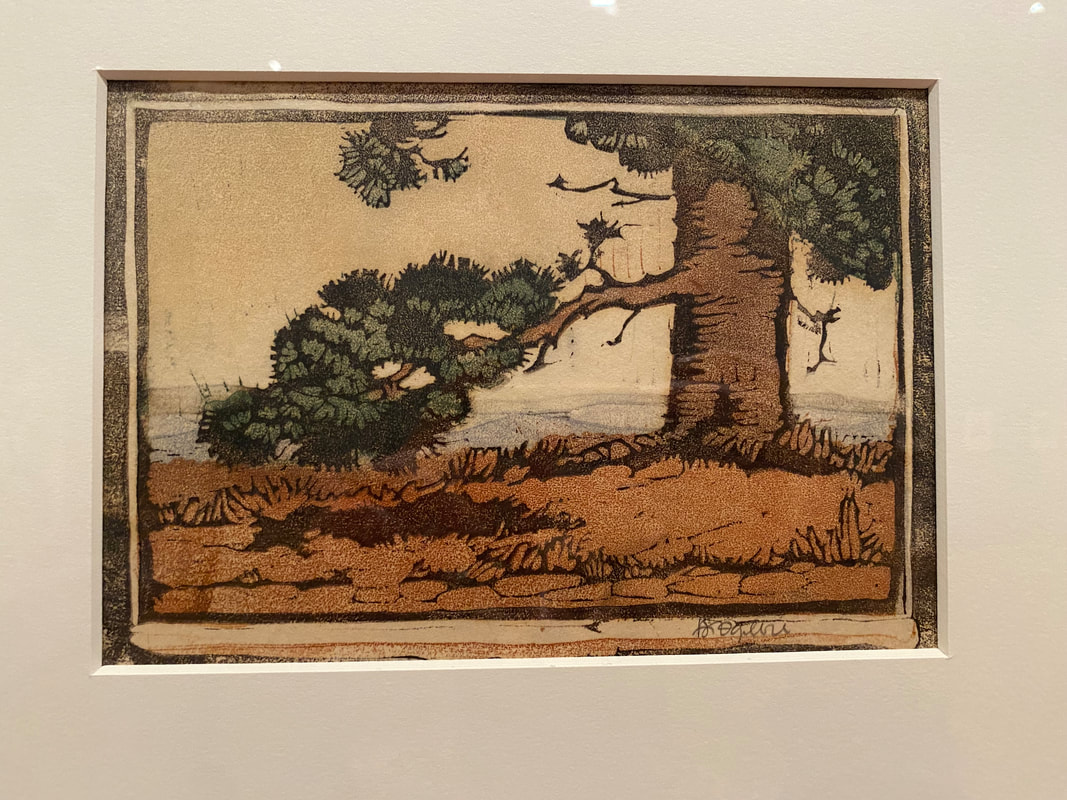
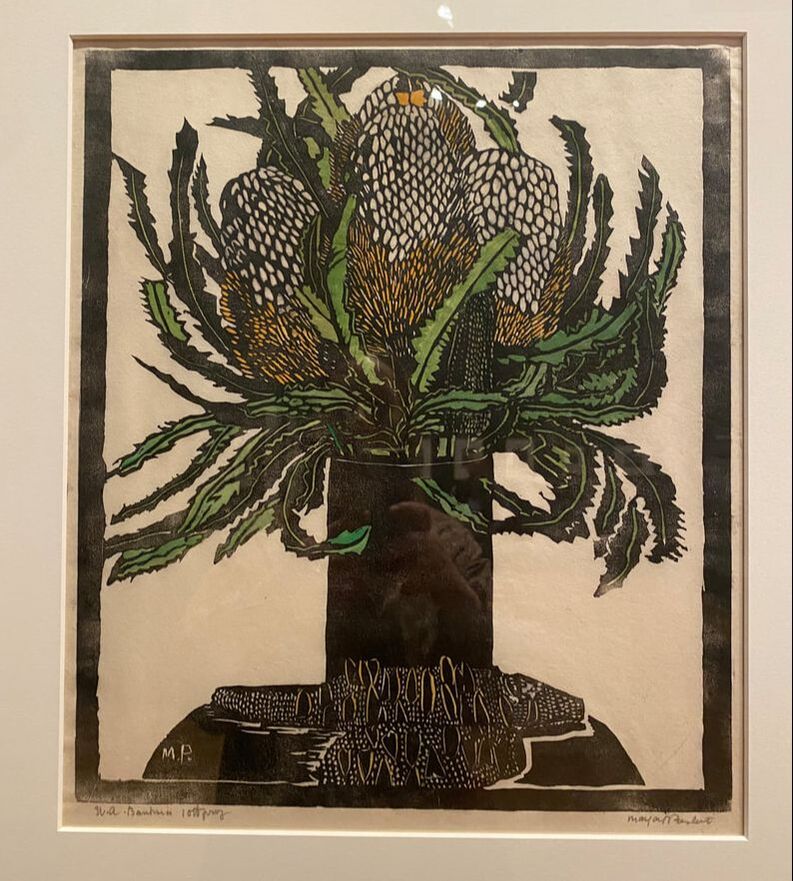
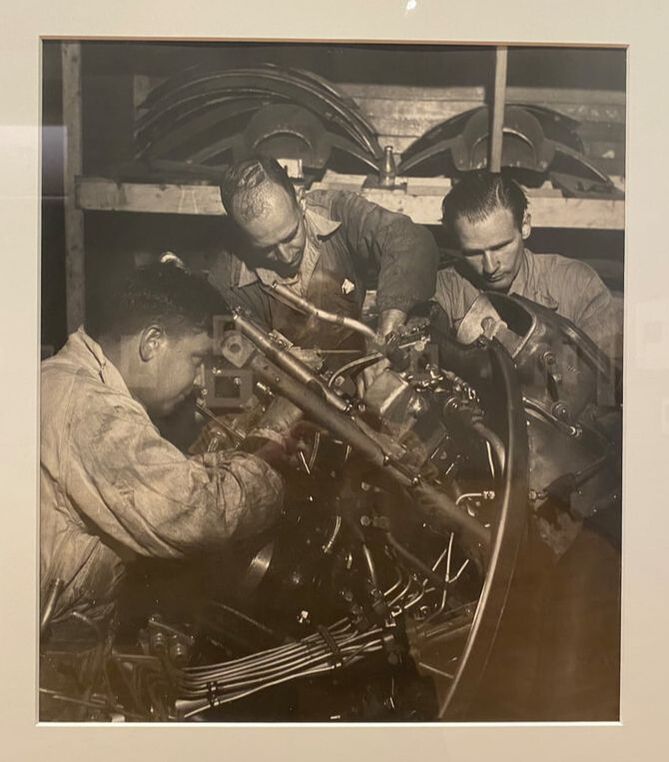
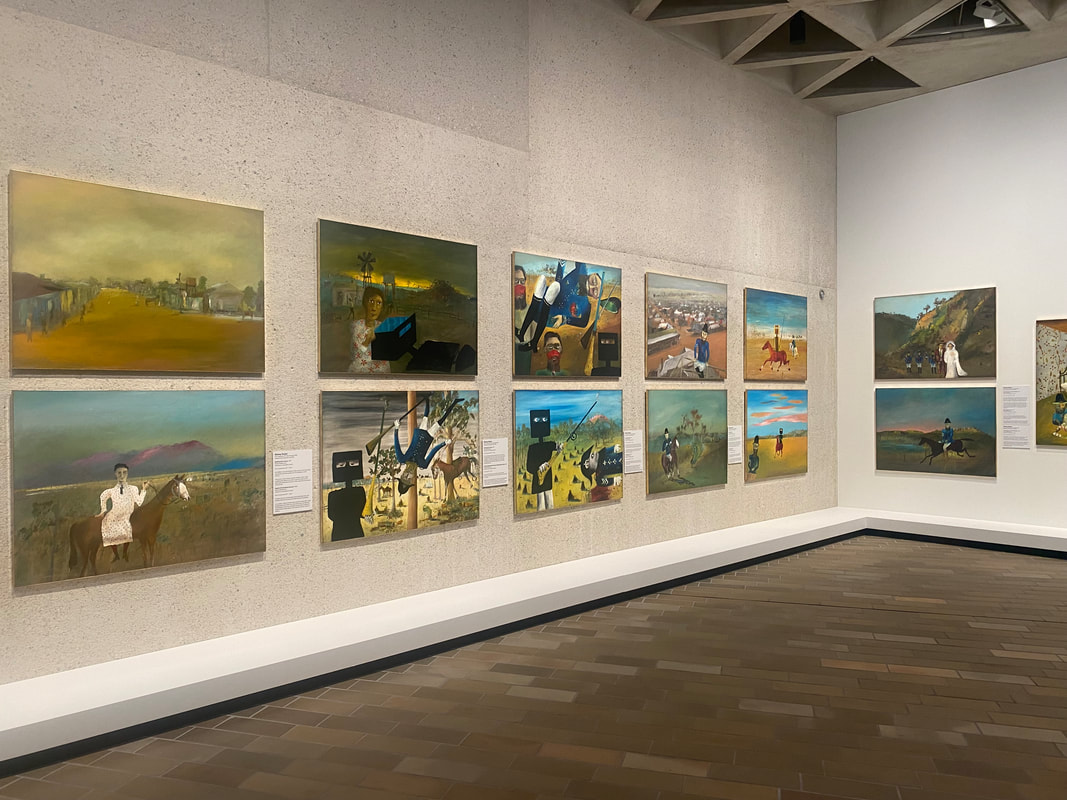
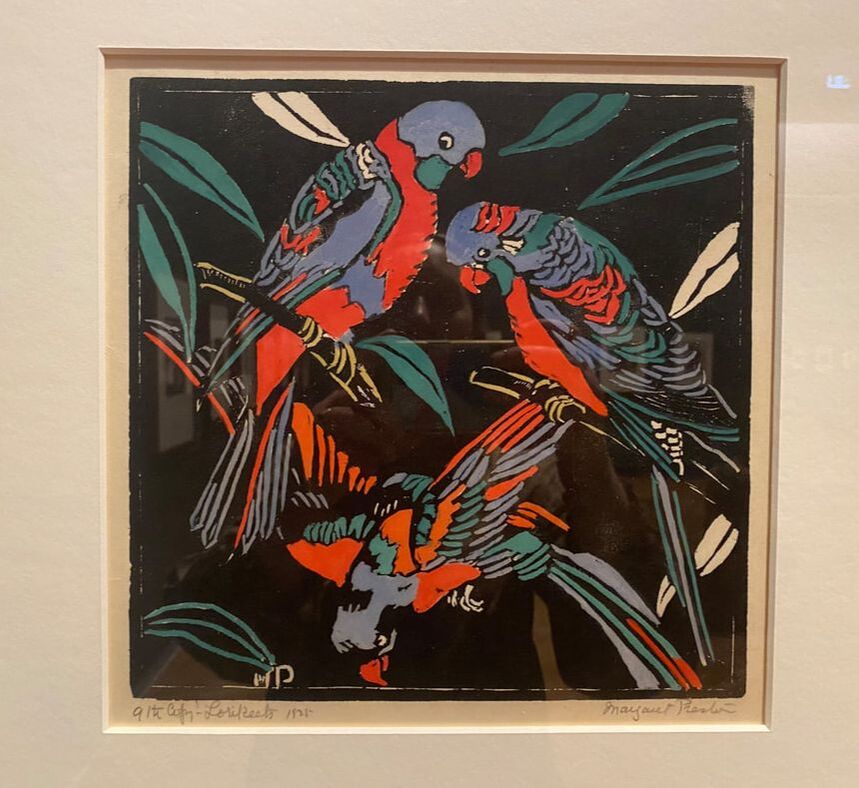
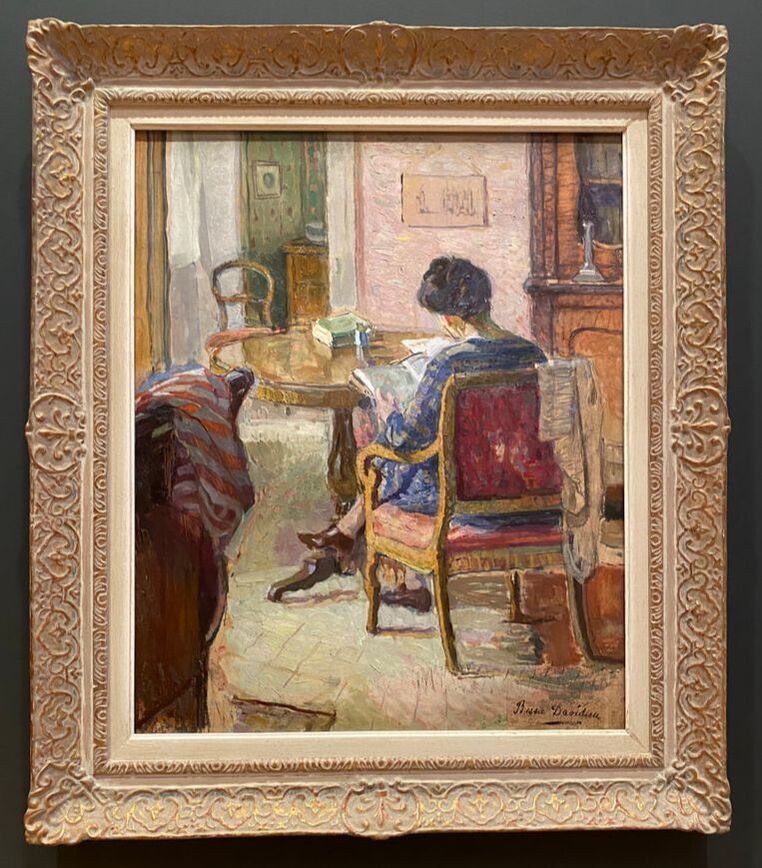
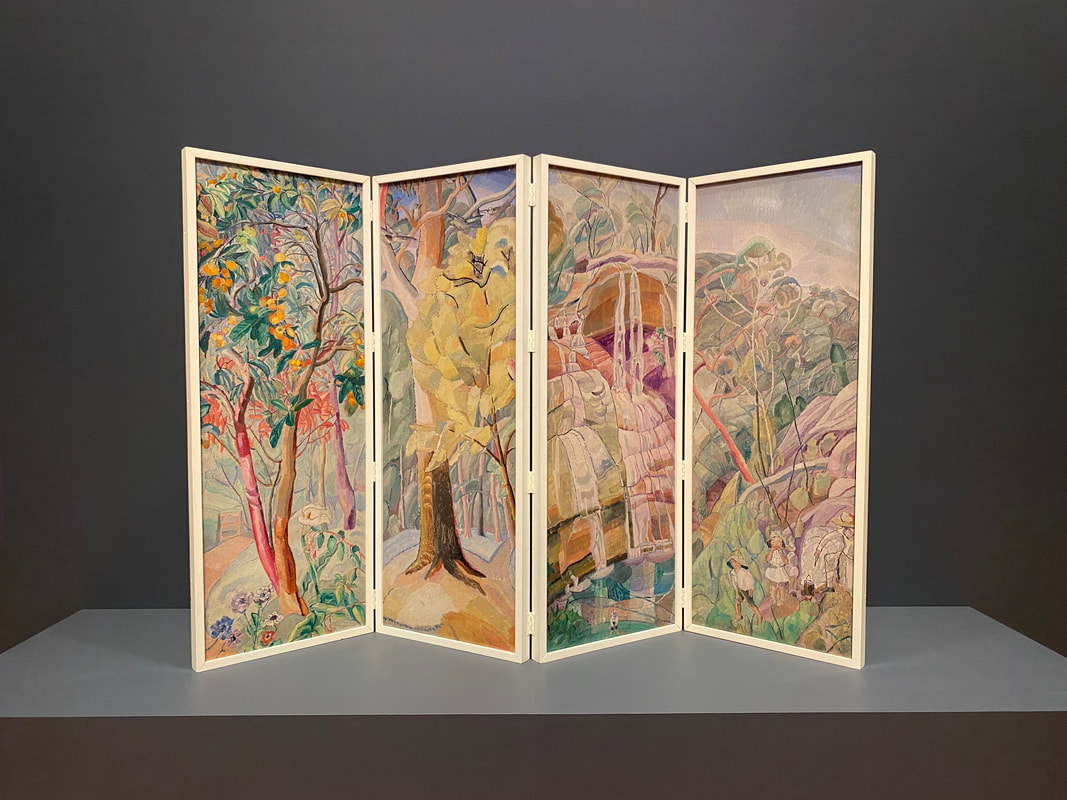
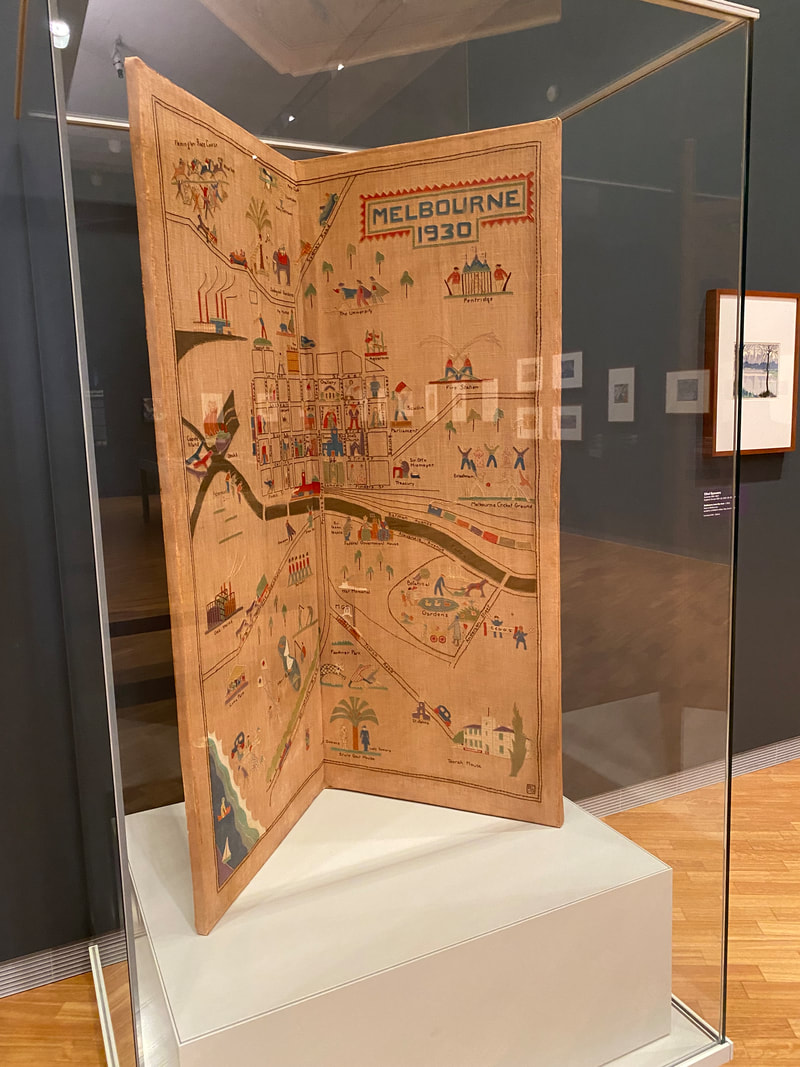
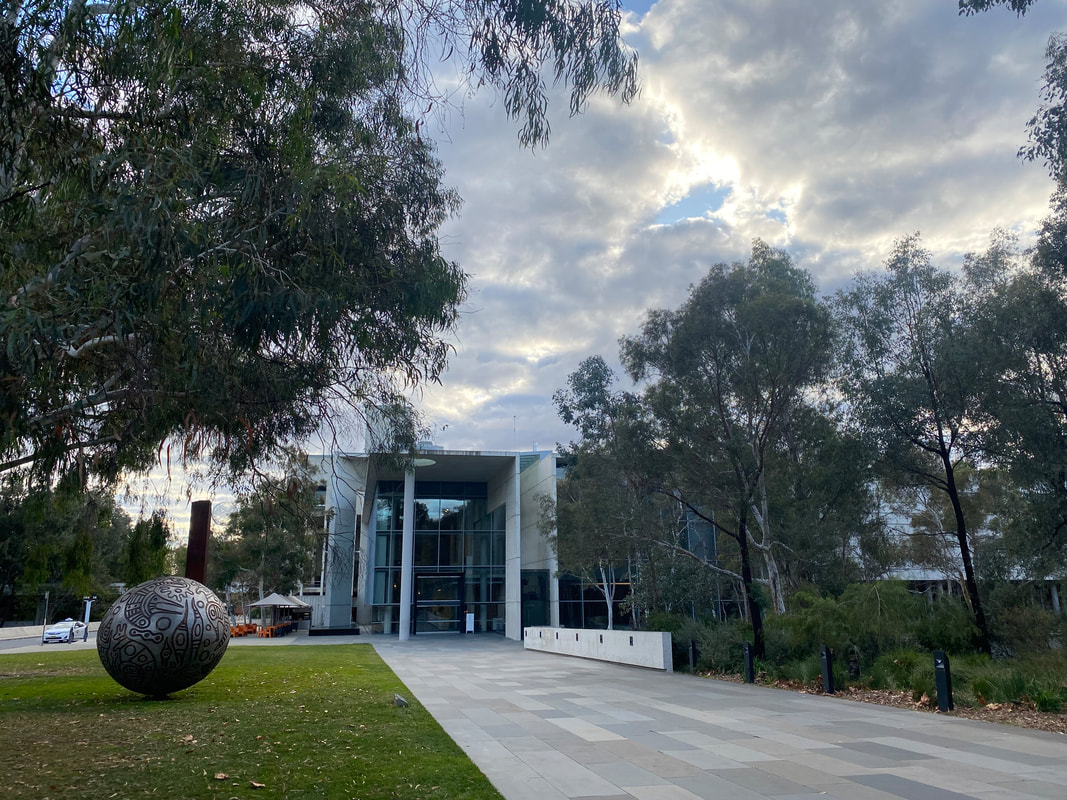
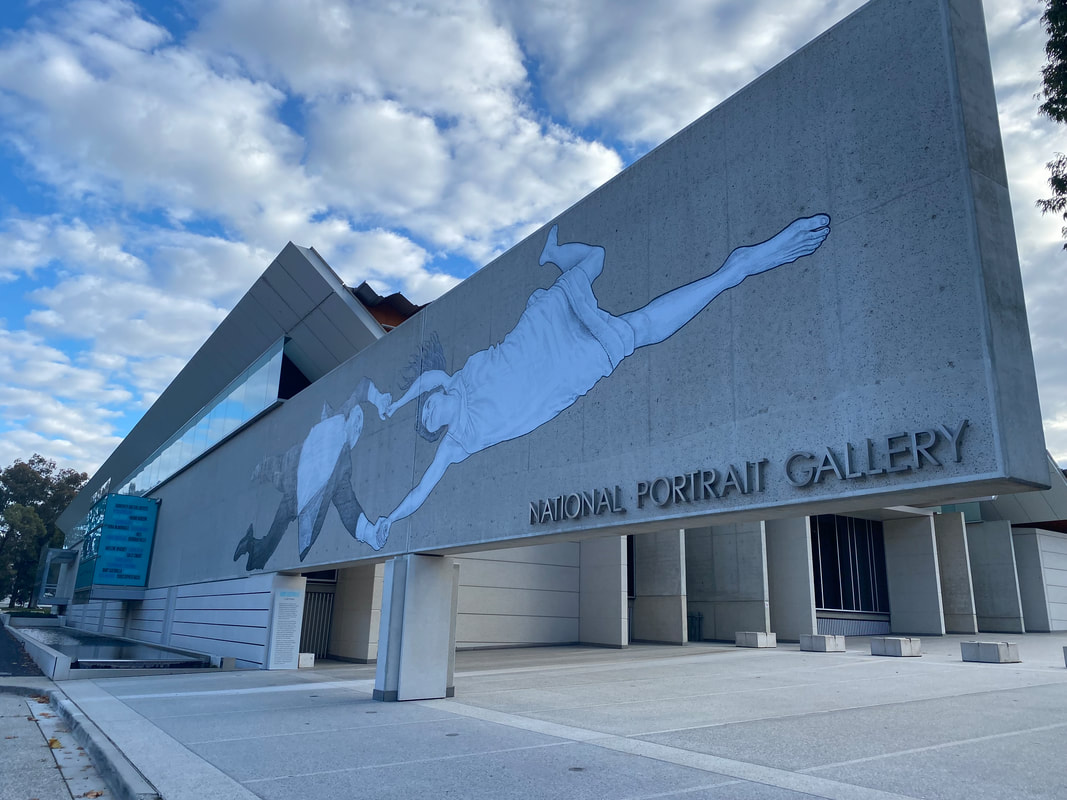
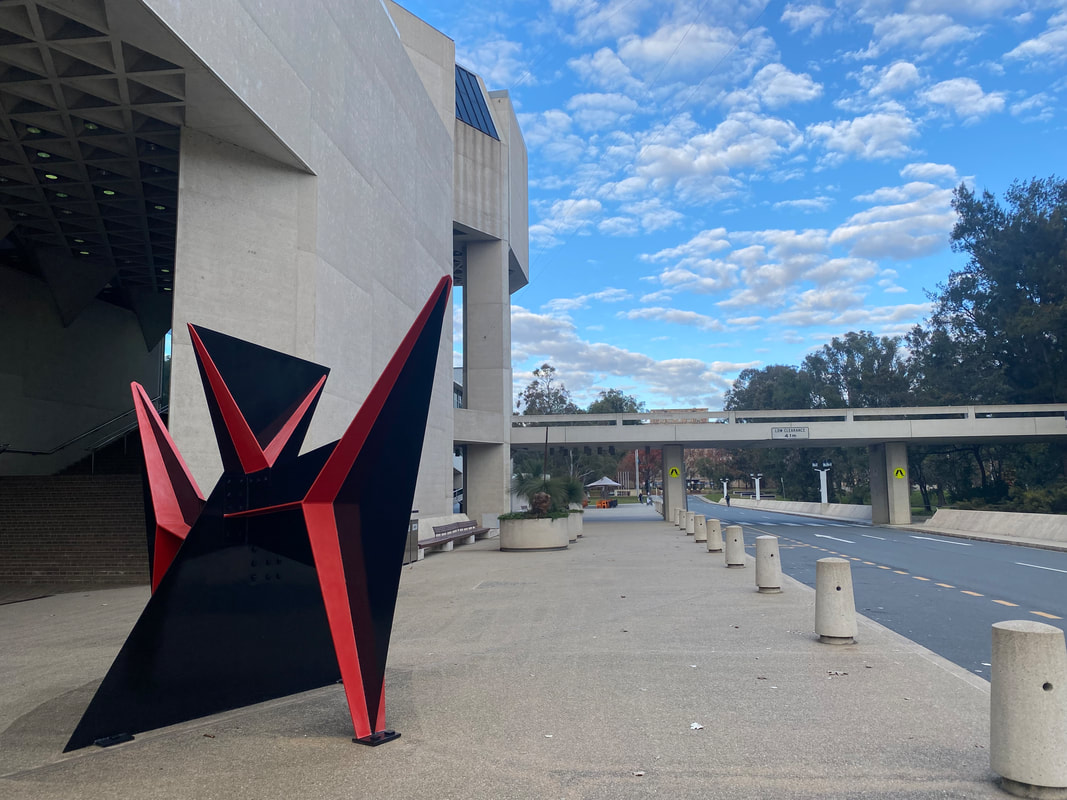
National Gallery of AustraliaKnow My Name: Making it Modern celebrates innovative women artists who changed the course of modern art in Australia with an aim to enhance understanding of their contribution to Australia's cultural live.
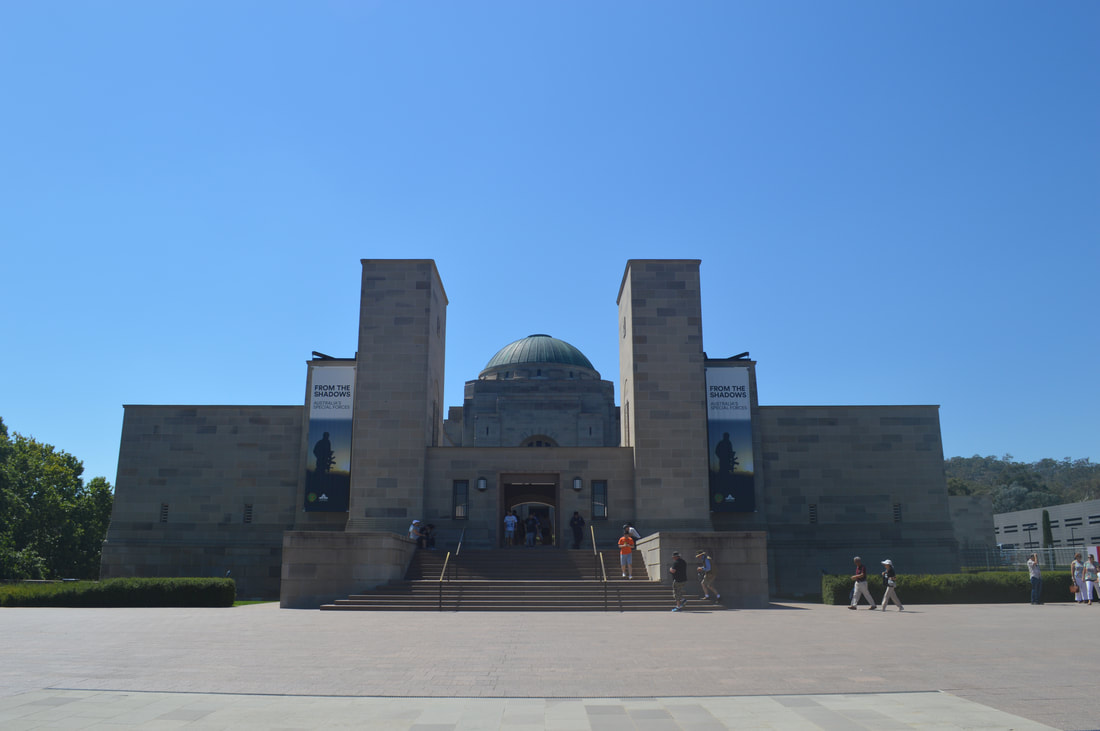 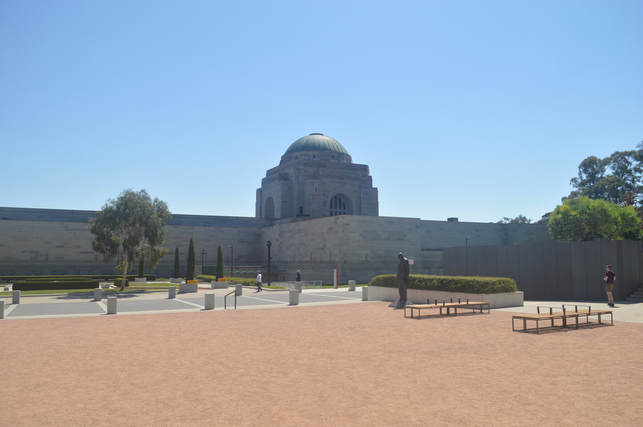
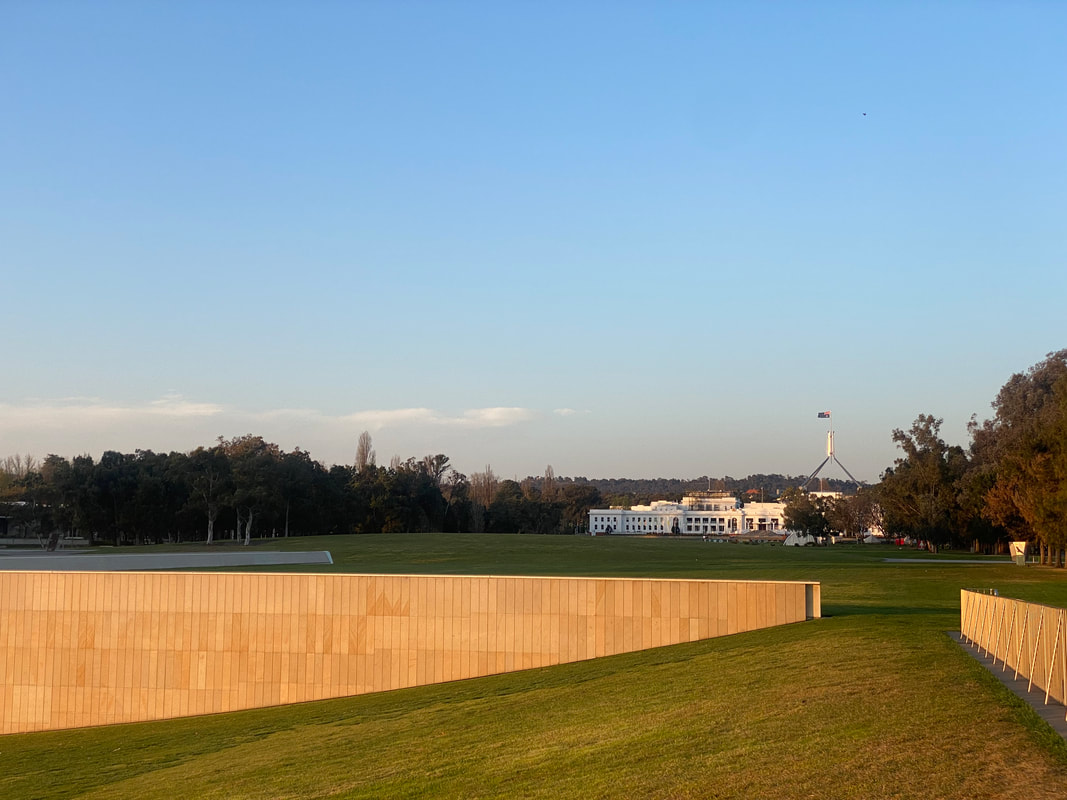
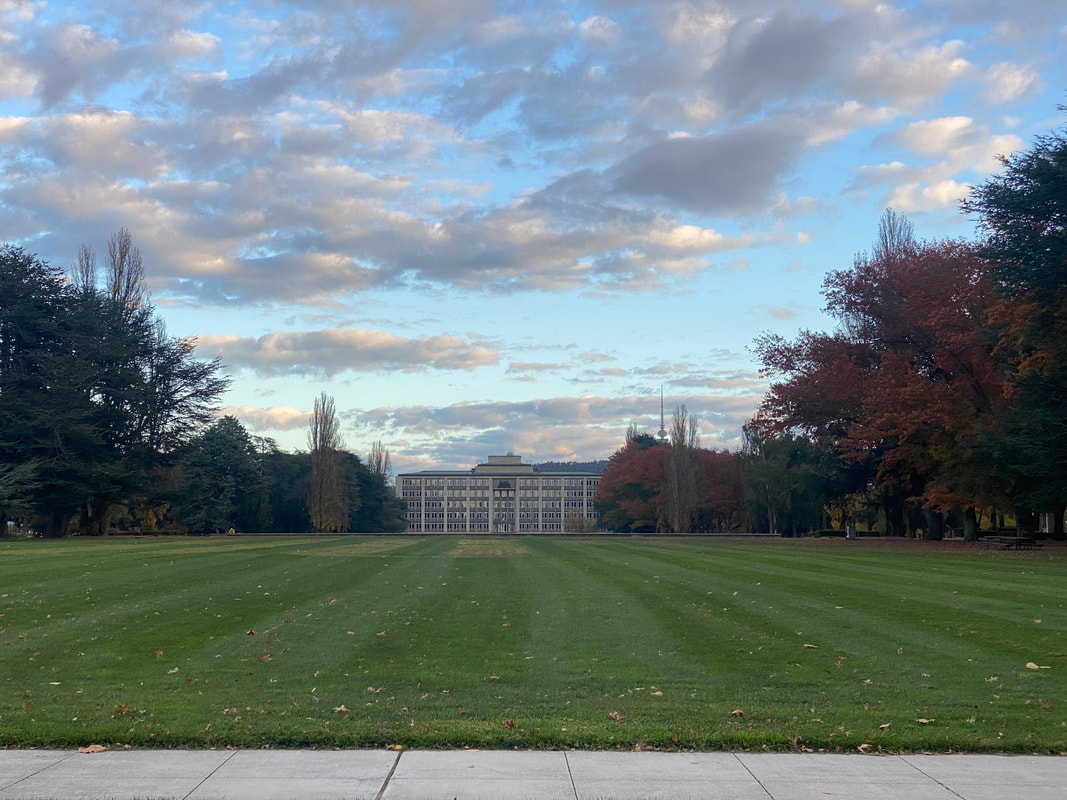
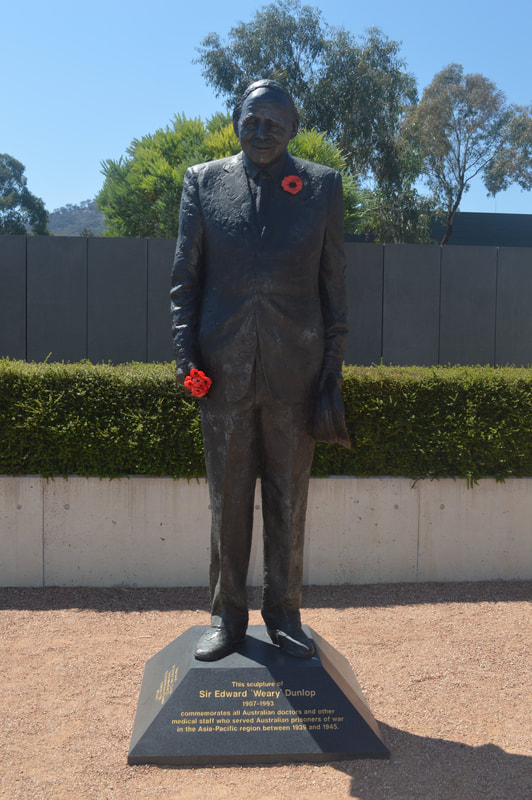
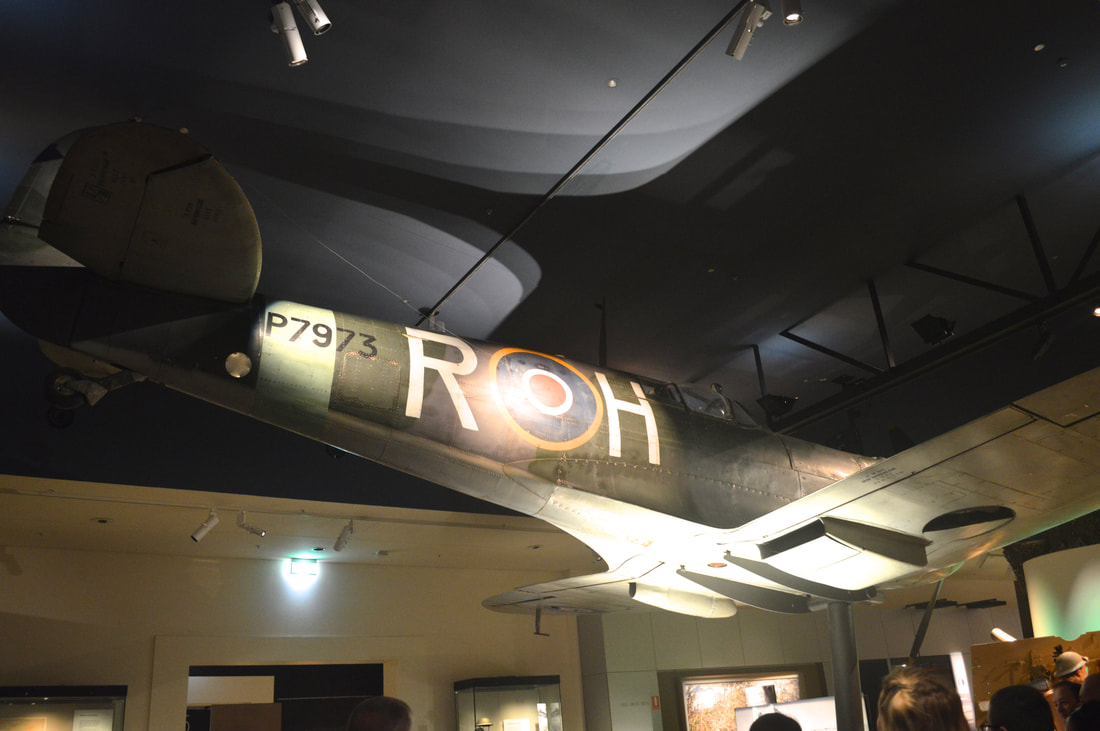
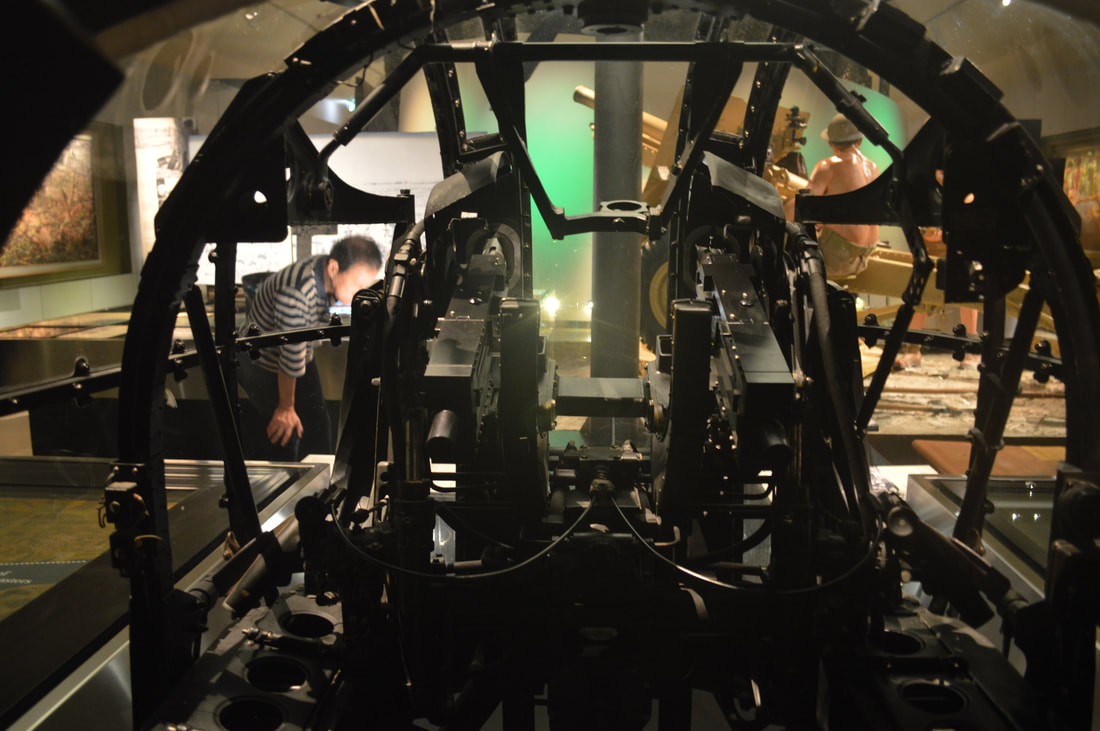
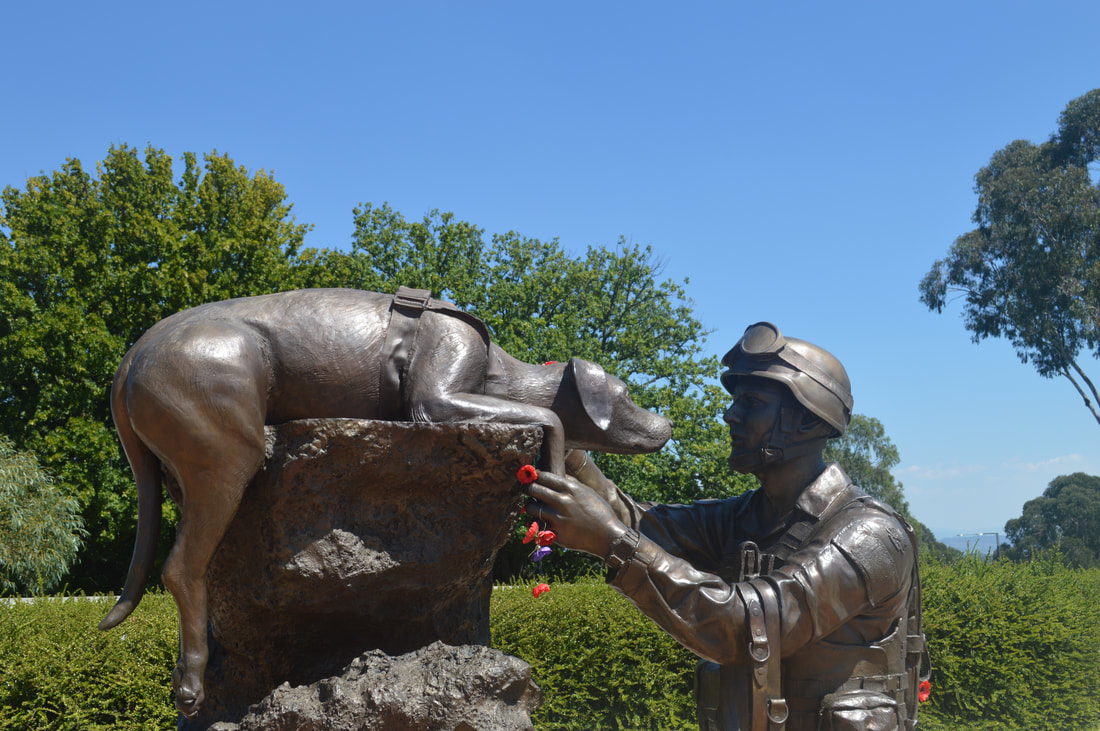
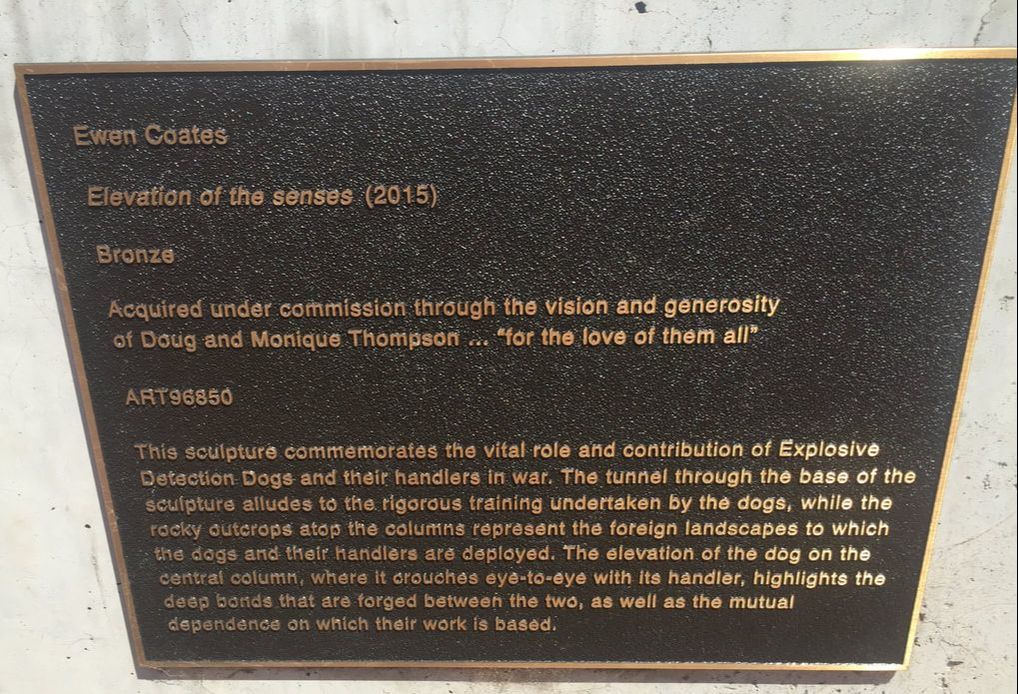
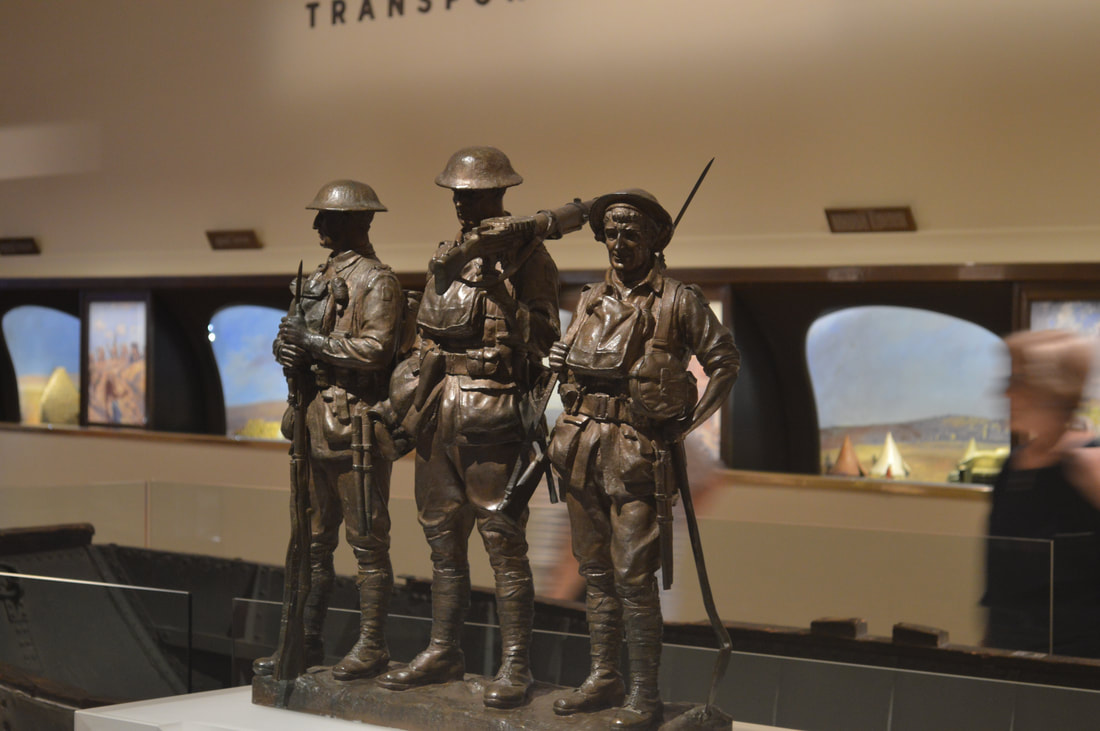
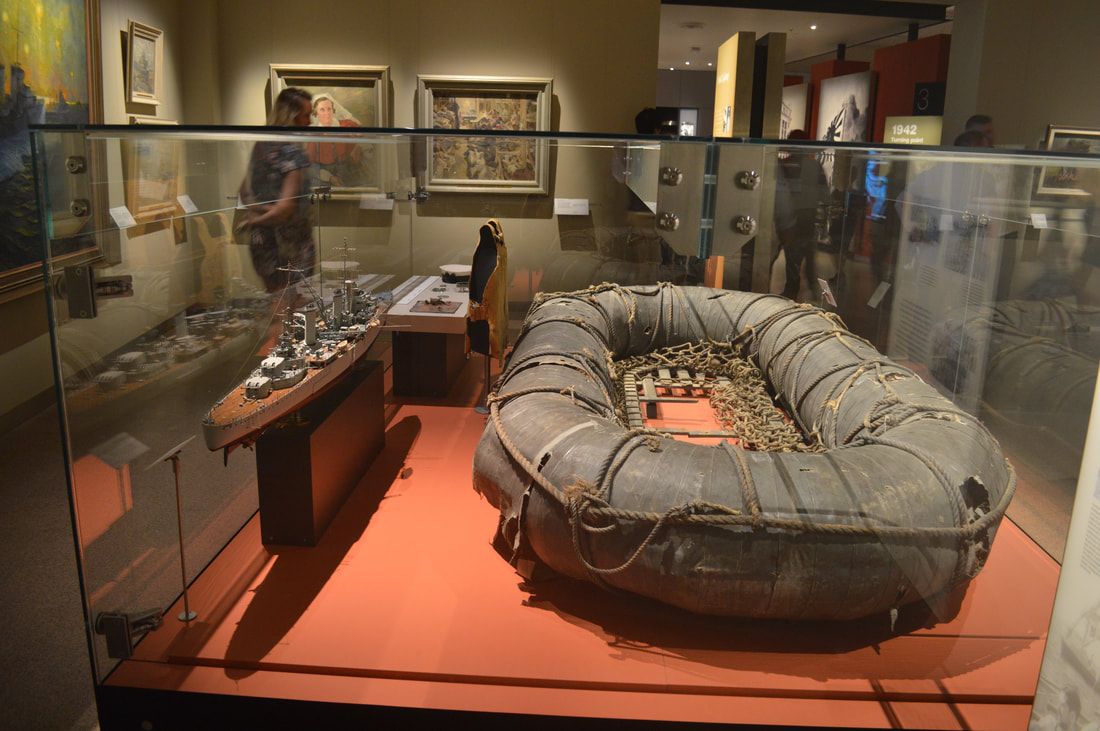
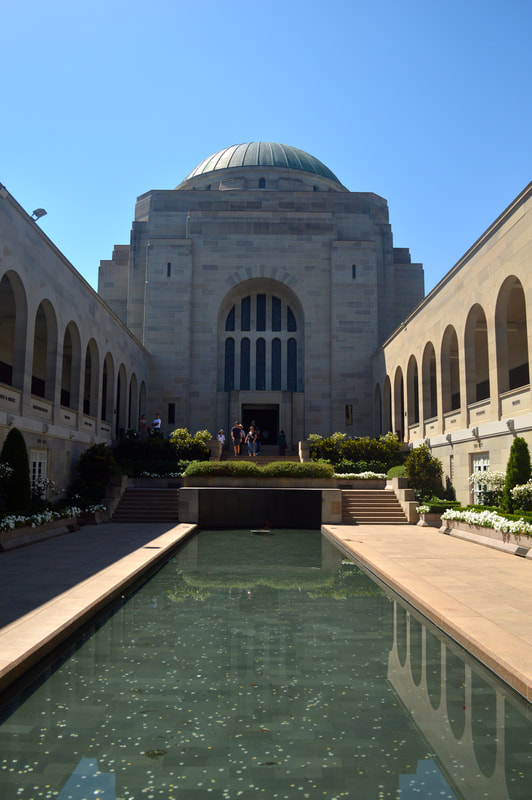
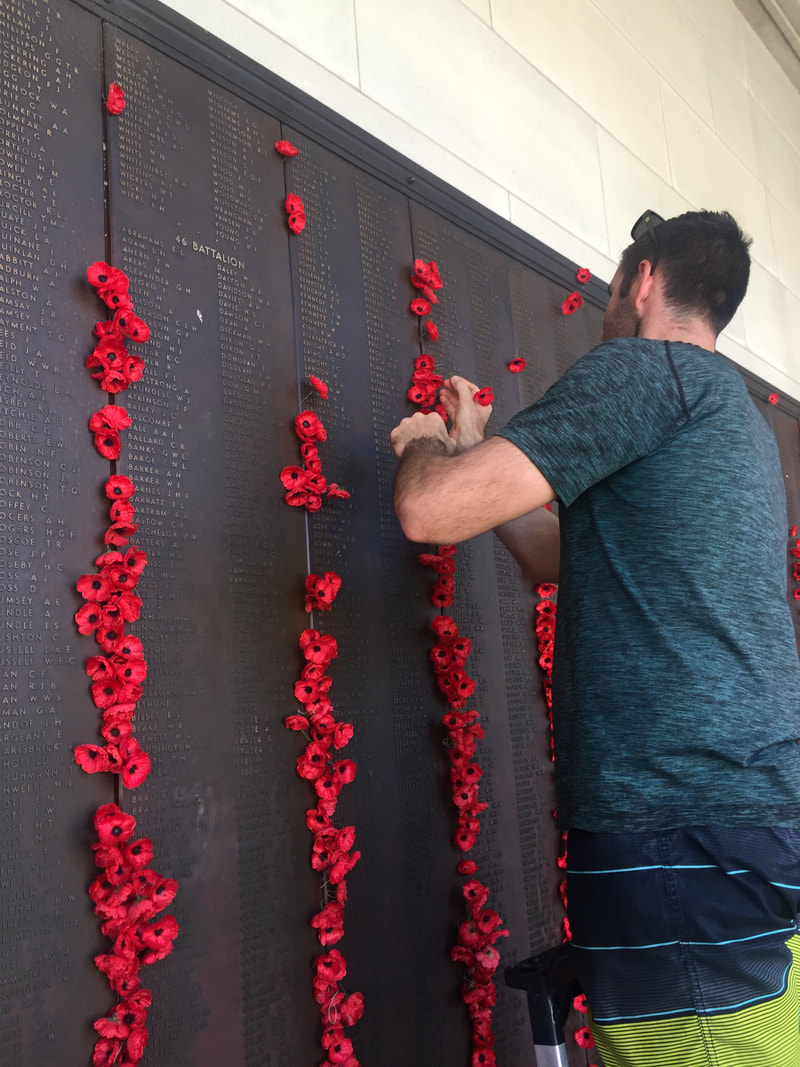
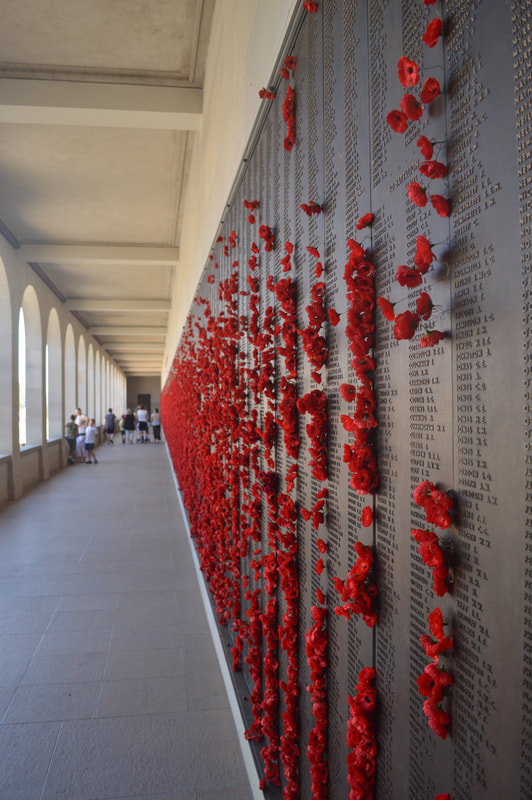
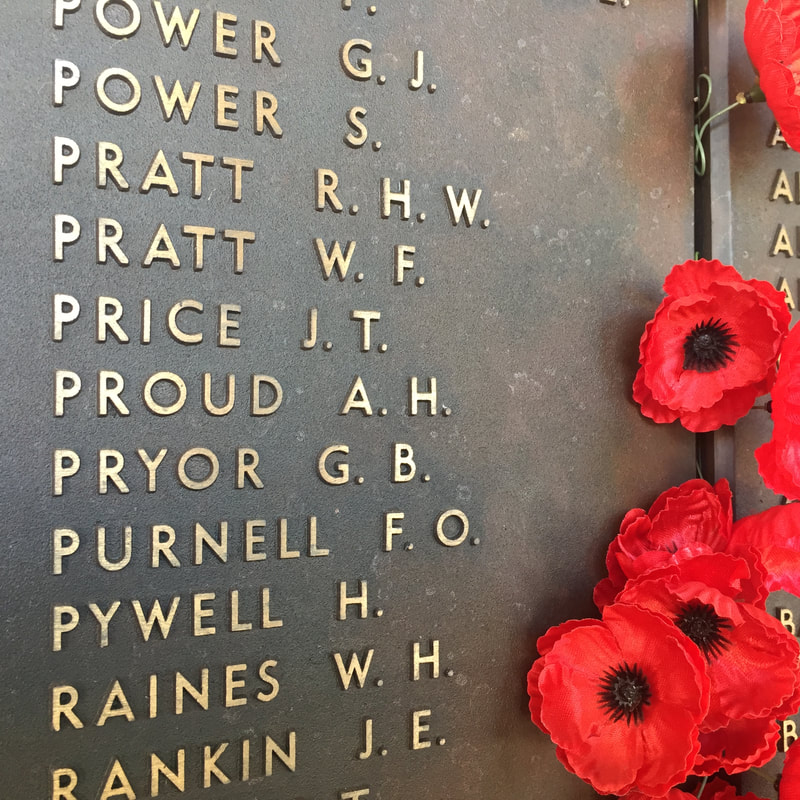
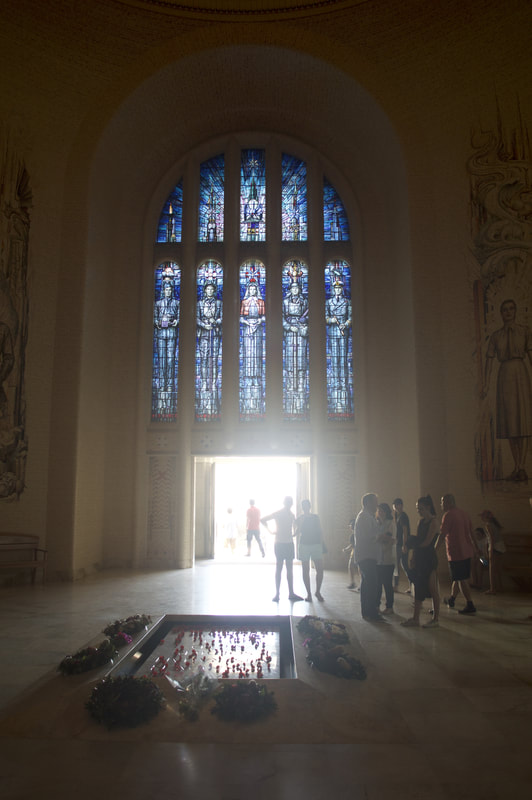
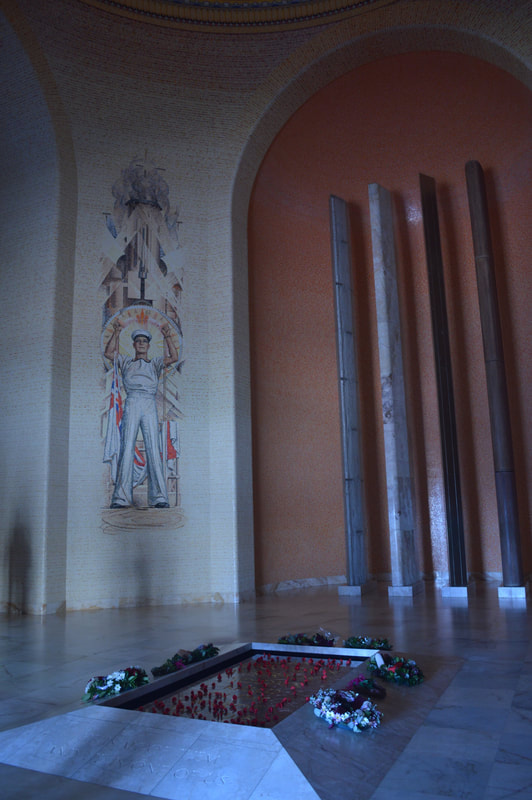
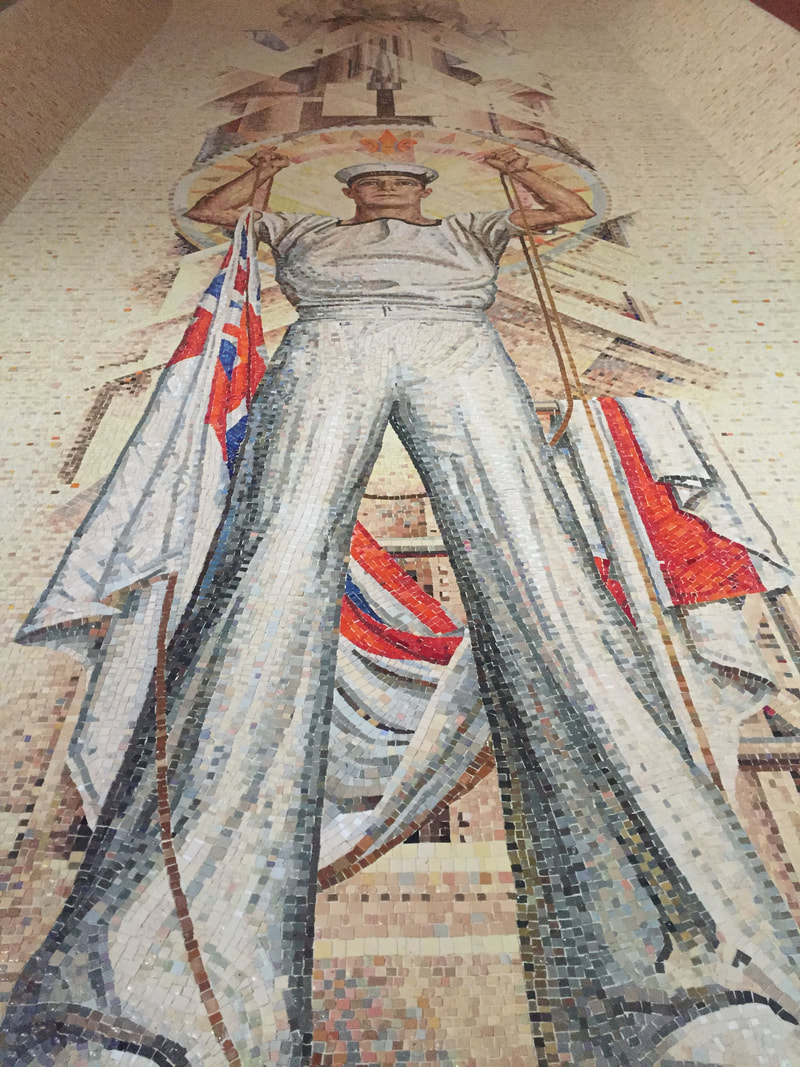
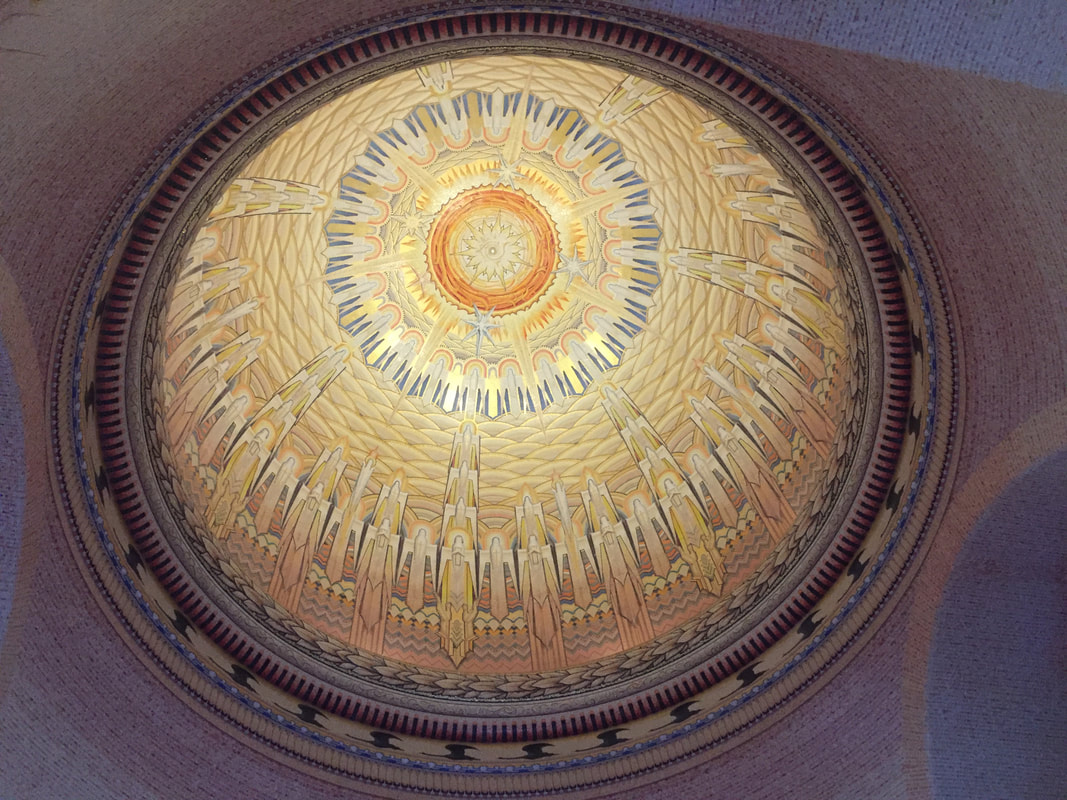
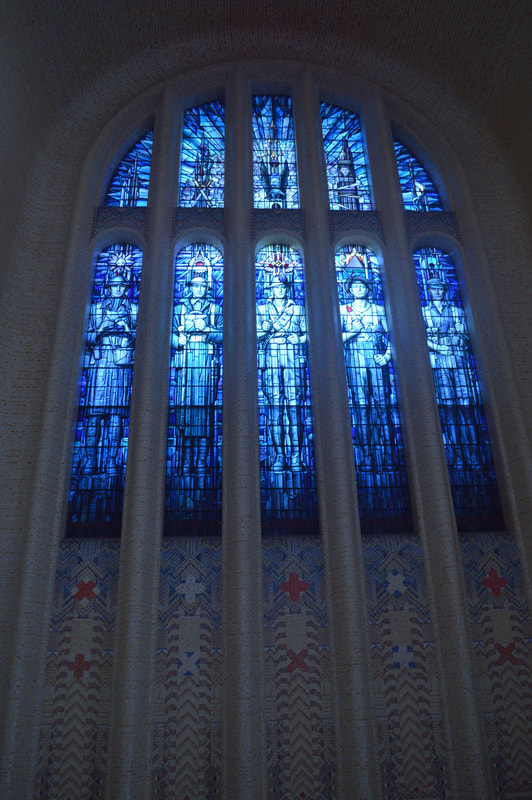
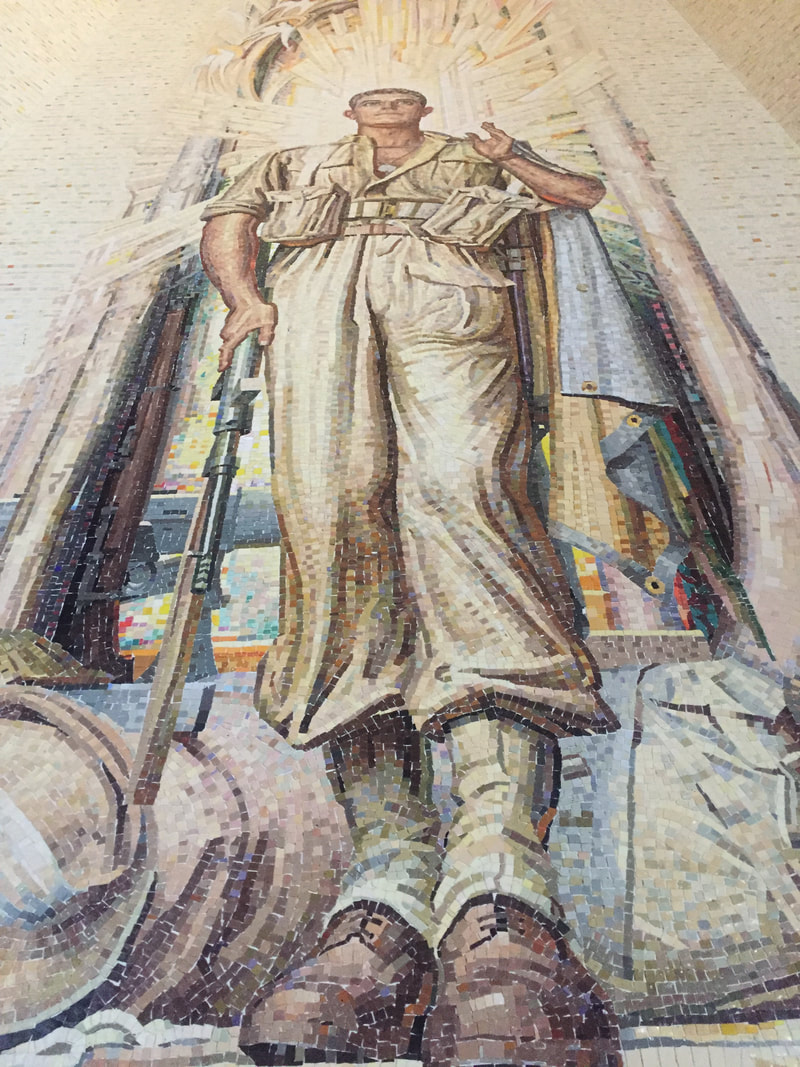
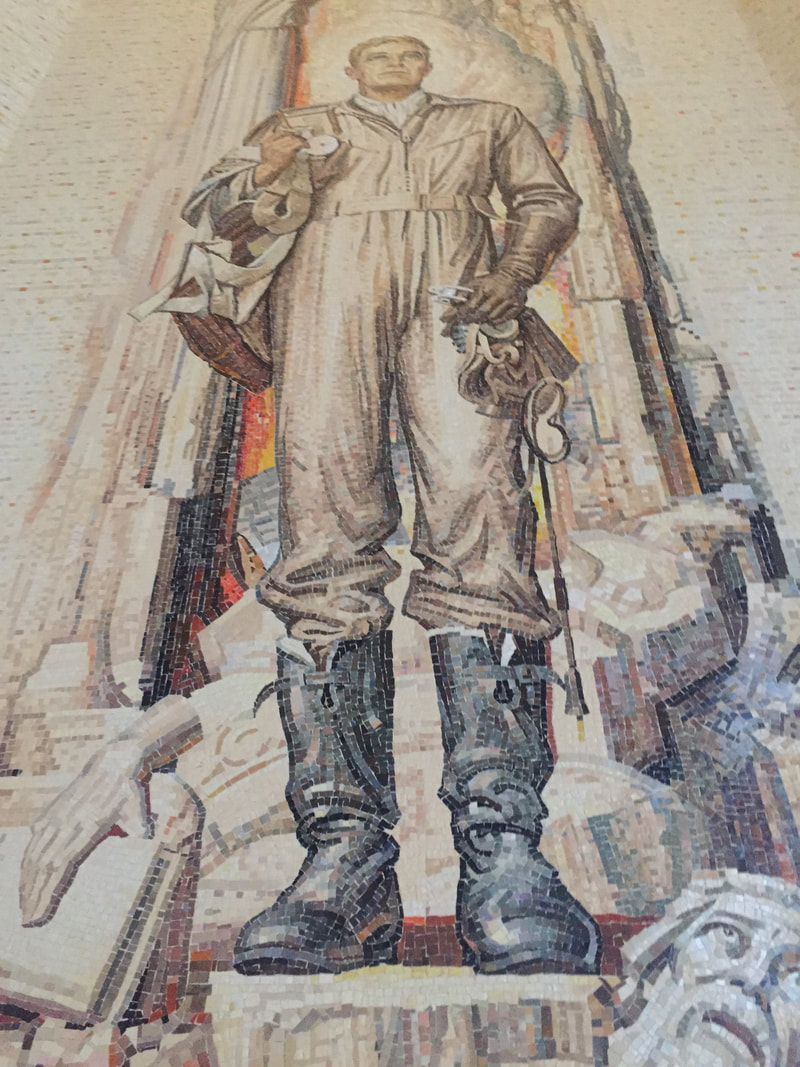
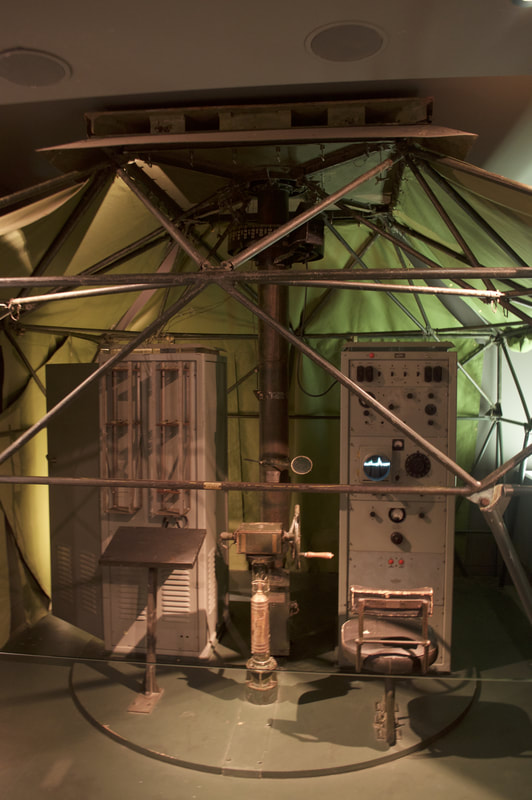
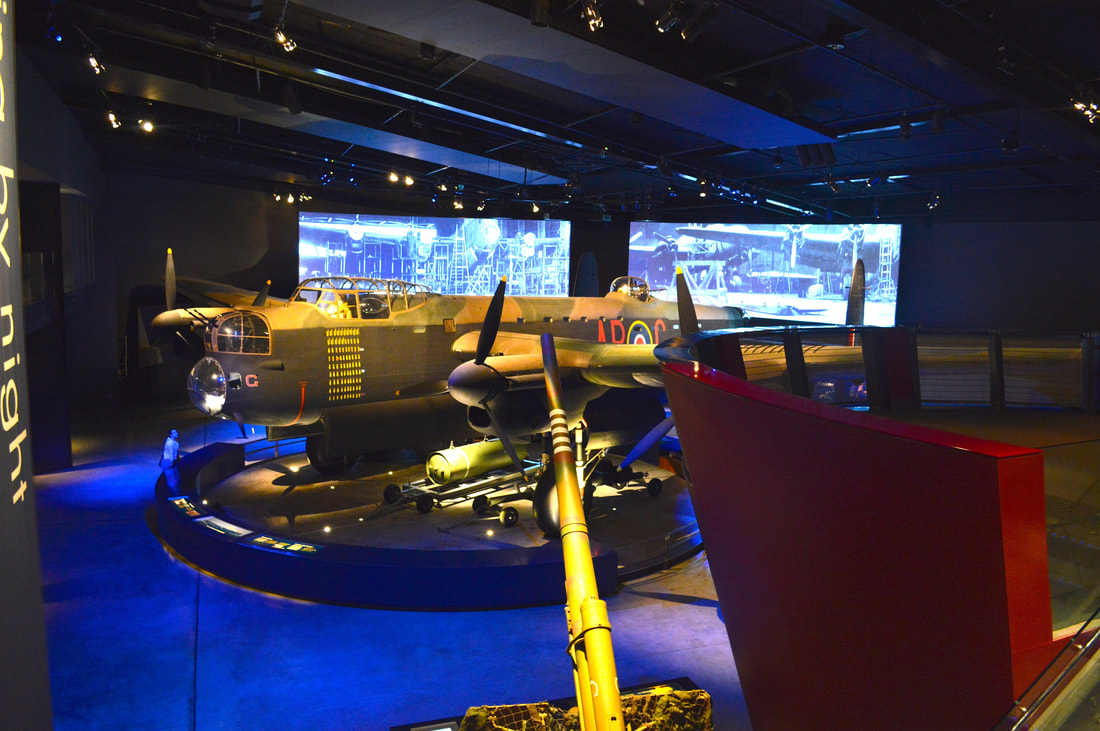
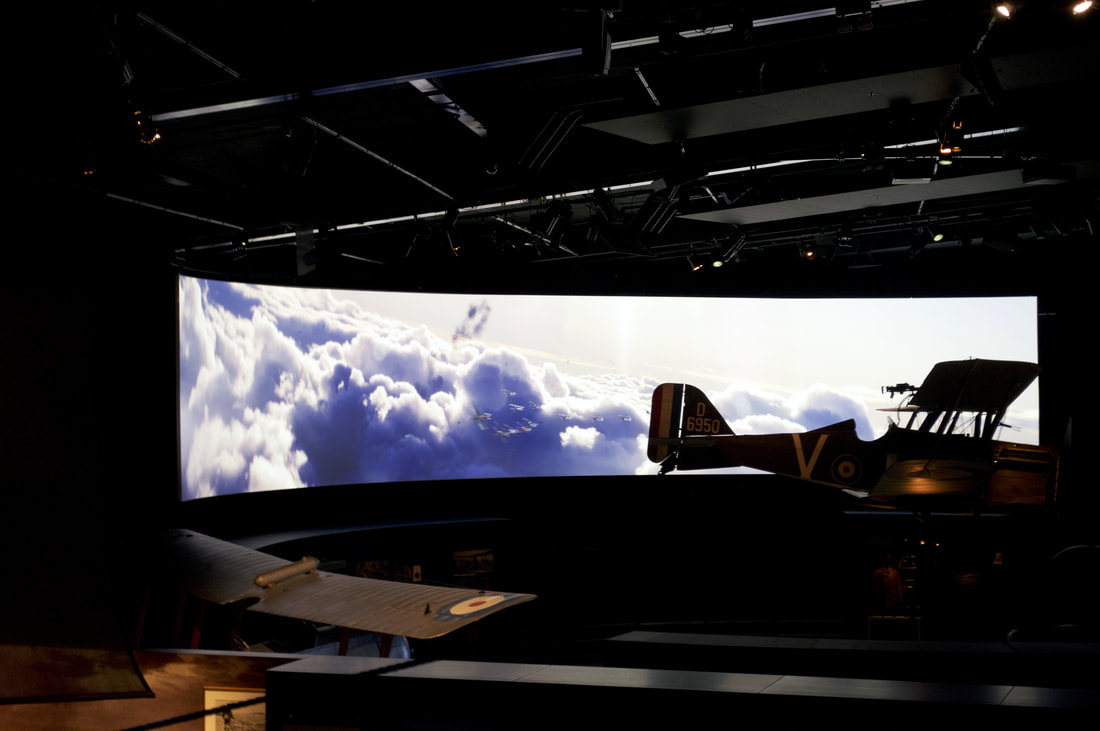
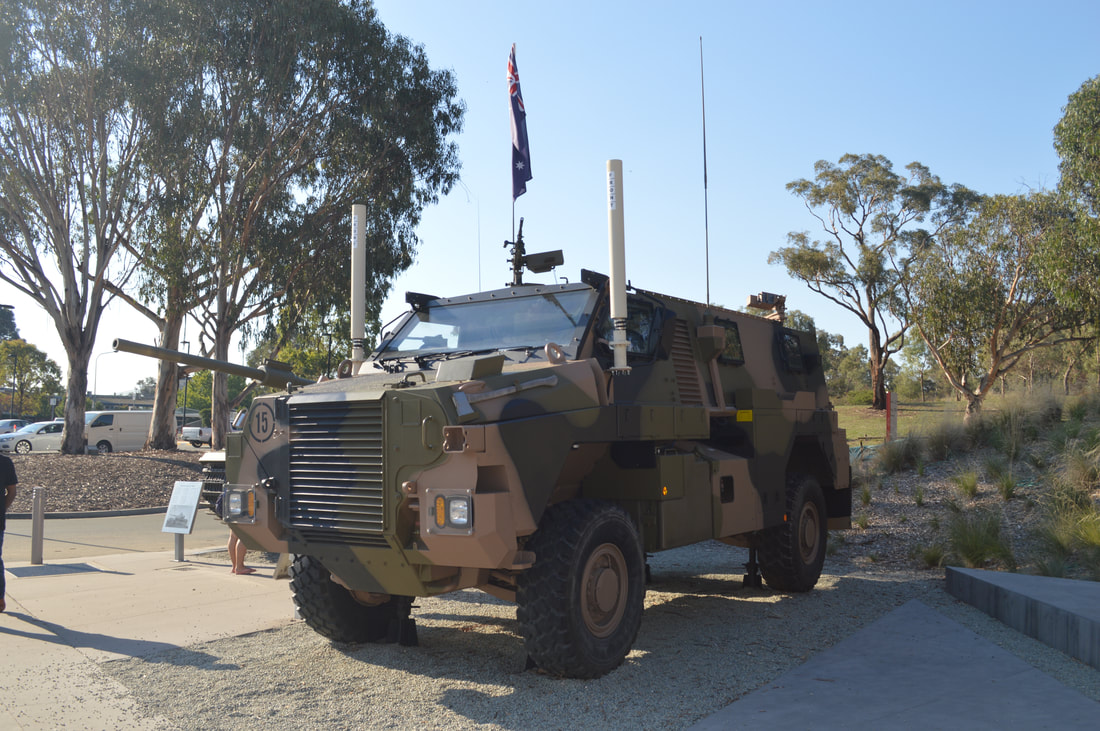
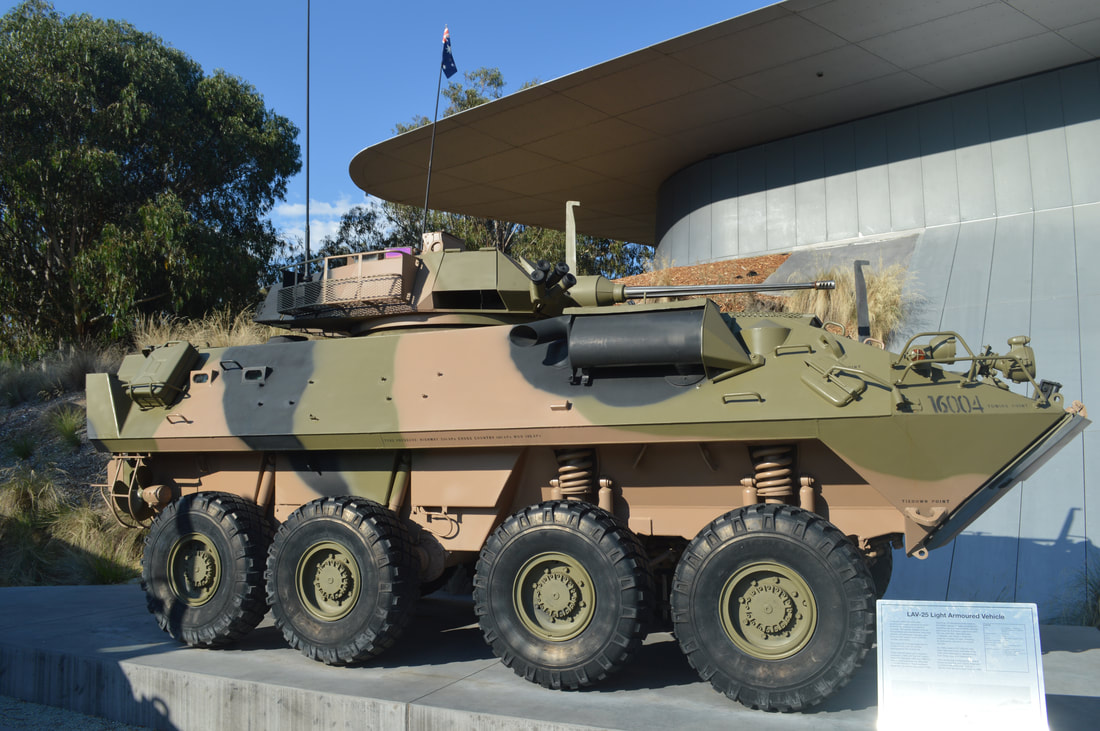
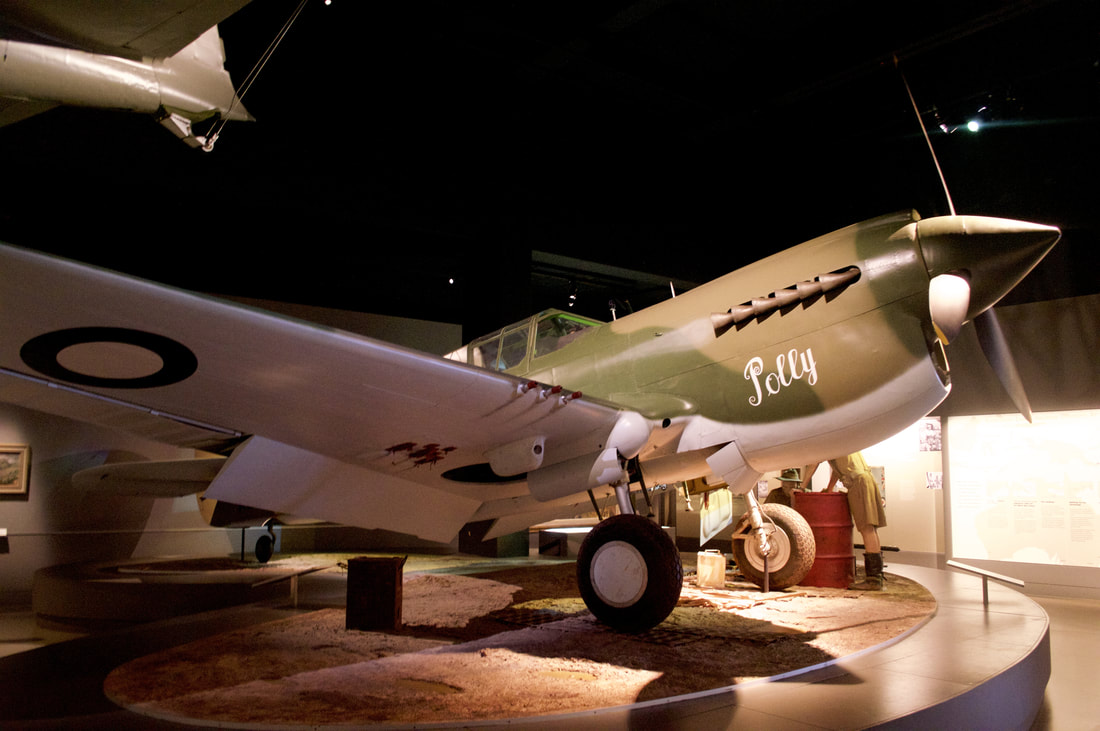
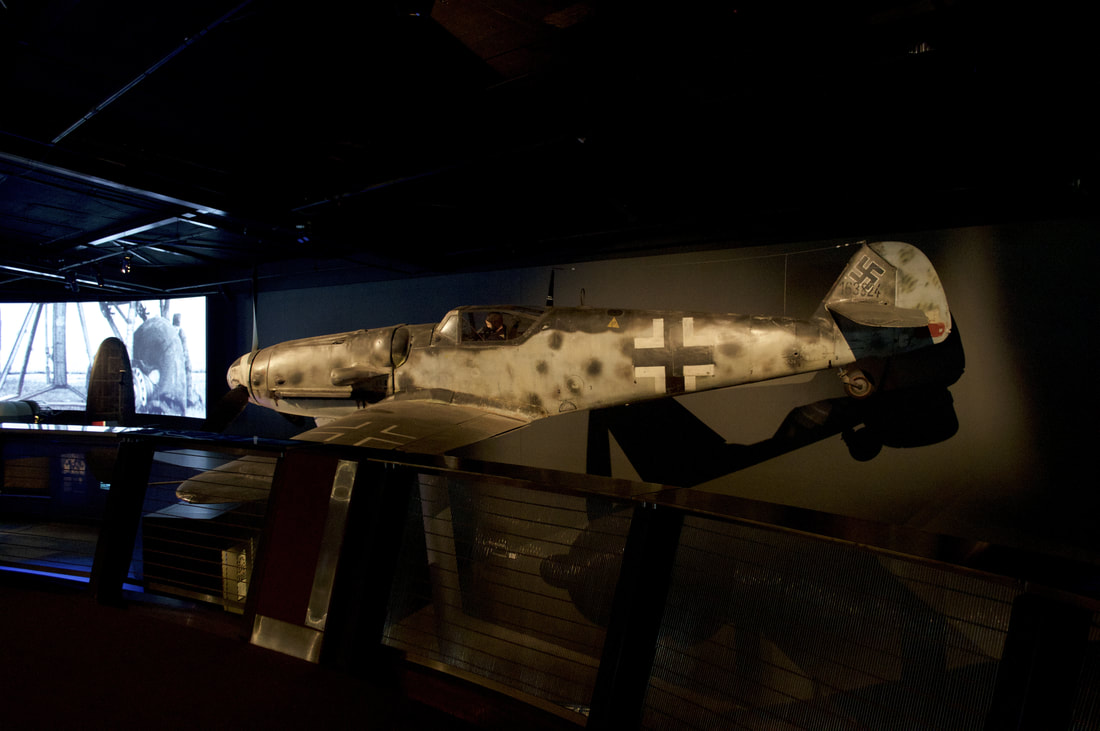
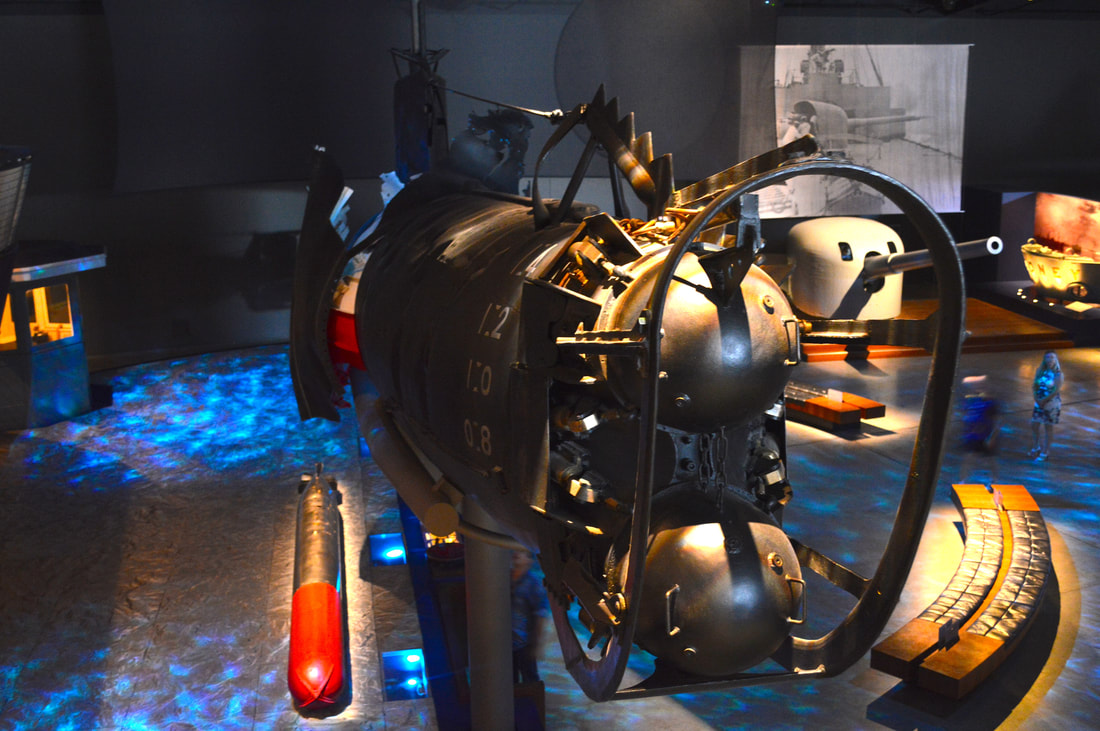
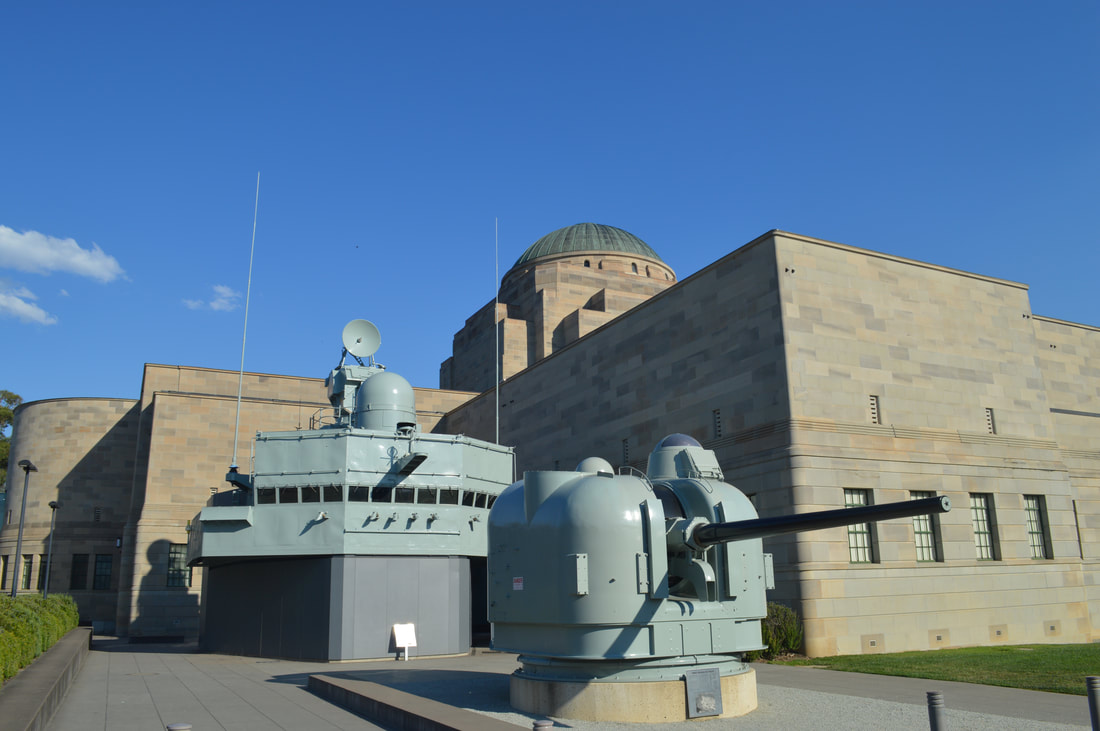
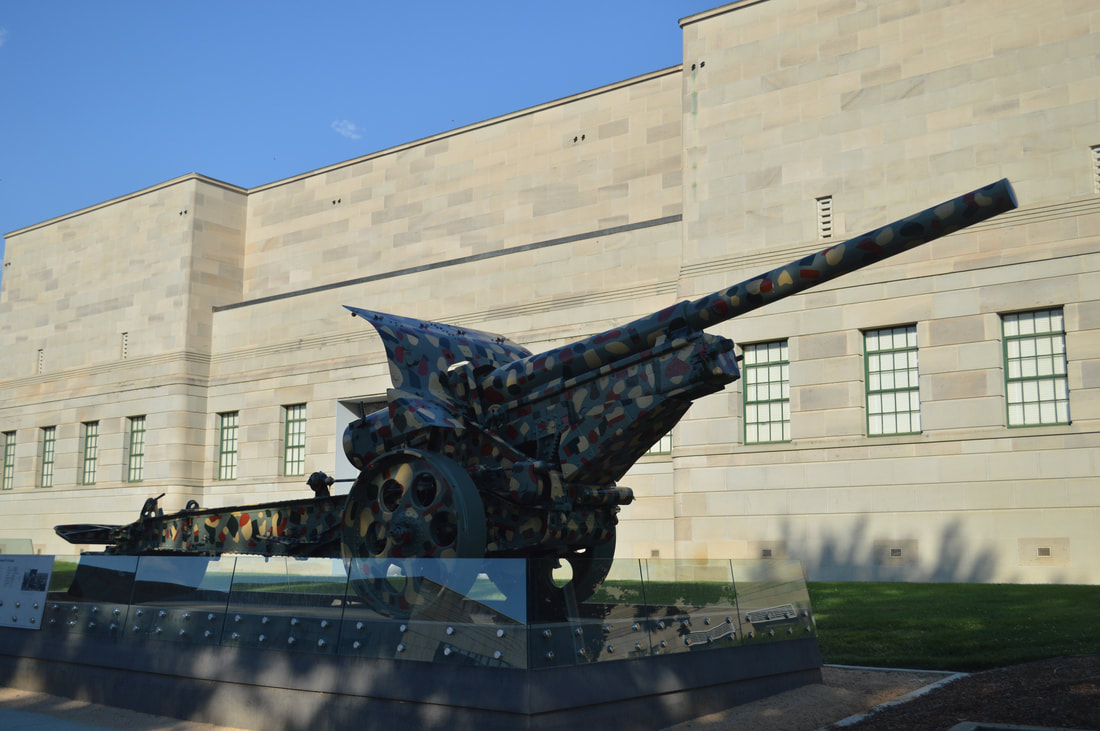
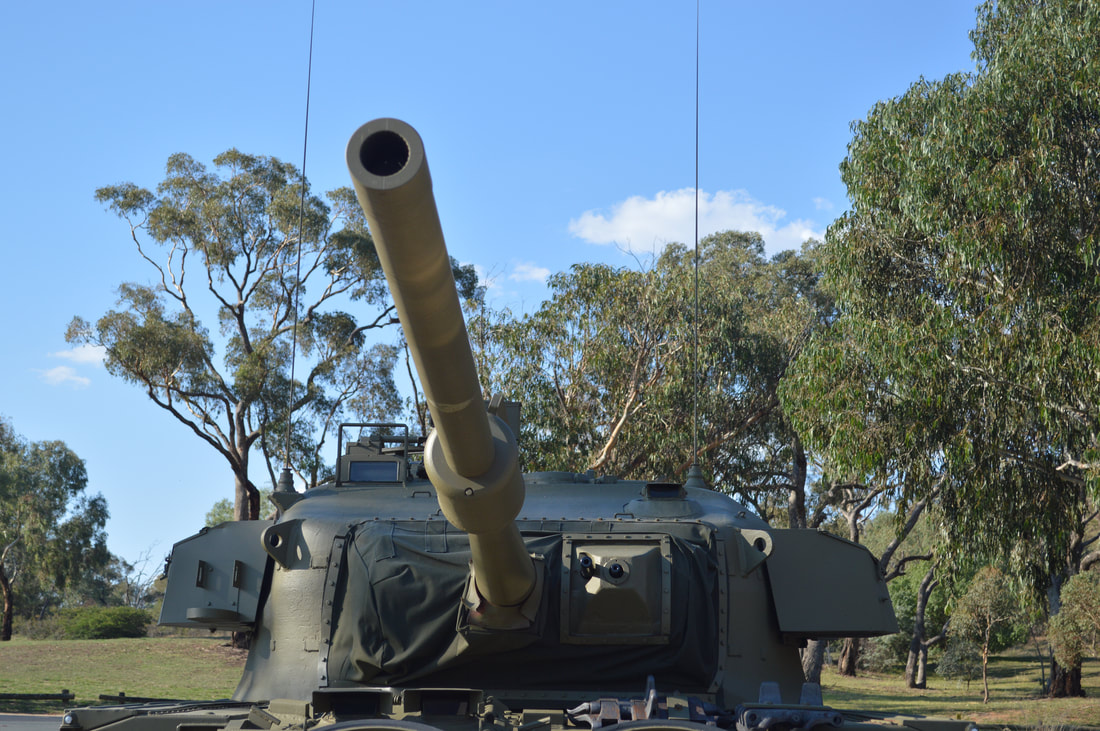
Our first day in Canberra we got ourselves down to the Australian War Memorial, a national memorial dedicated to members of the military who have died or served in wars involving the Commonwealth of Australia. It sits directly across and in line with the parliament house, which is connected via Anzac parade. We walked from the car park through the nicely manicured garden and found ourselves looking up to the gorgeous shrine and courtyard of the memorial, while behind us was Anzac parade, perfectly lined up with the parliament house. Walking up the stairs took us into the commemorative area, a courtyard with walls filled with the names of deceased war veterans and a sea of red poppies. Through the sea of red poppies took us into the hall of memory, a Byzantine style building that was completed in 1941 to commemorate the fallen heroes of World War One. Inside the Hall of Memory is 3 large stained glass windows. The southern side represents personal qualities: resource, candour, devotion, curiousity and idependence. The west window expresses social qualities: Comradeship, Ancestry, Patriotism, chivalry and loyalty, while the east window represents the fighting qualities of youth and enterprise: Coolness, control, audacity, endurance and decision. Surrounding us in between the windows are mosaics that were completed after World War 2, each artwork represents the four services in the Wars: The Women’s Services, Army, Navy and the Airforce. Central of the Hall of Memory is the tomb of the unknown soldier, once buried at Adelaide Cemetery in Villers-Brettoneaux in France, the body was transported over with French soil and buried in the hall to commemorate the 75th World War One anniversary on 11th of November 1993. After taking a look around the memorial, we walked around the surrounding museum. Divided into World War 1, World War 2, aircraft hall and Anzac hall, the museum enriched us with artefacts and stories of Australia’s military history. You would need several days to take in the information that is there, its a day in itself just looking at the machinery and equipment that was used. Anzac hall put on some cinematic displays with the equipment, one was a display of a Japanese Navy midget submarine, and the story (called the battle of Sydney) of how close the war was to our home soil. The midget got tangled up in nets that were deployed at the western boom gate. Two Navy vessels were sent out to investigate and found the submarine demolished after the Japanese crew chose the warriors death option charging a torpedo into the vessel. After a huge intake of history we witnessed a last post ceremony, which is held at the end of every day to commemorate an individual soldier’s sacrifice made to the country. The story of the soldier is told, the ode is recited by Australian Defence Personnel and the sound of the last post is played beautifully through the bugle to conclude a day of Australian military history.
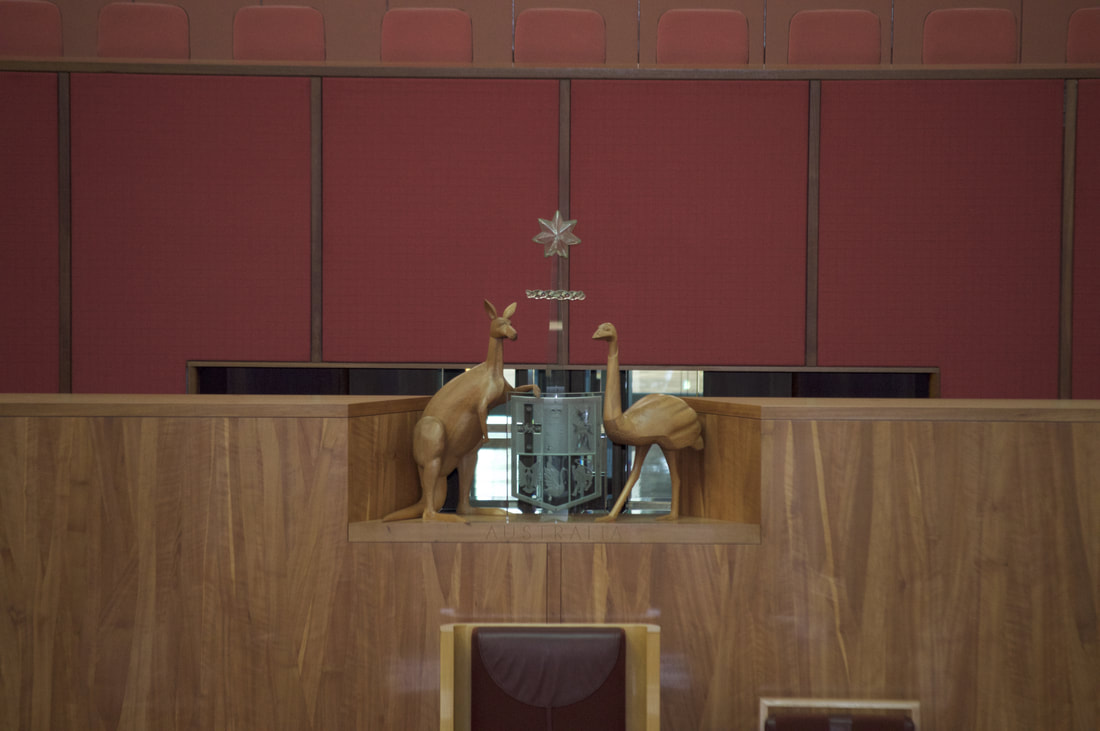
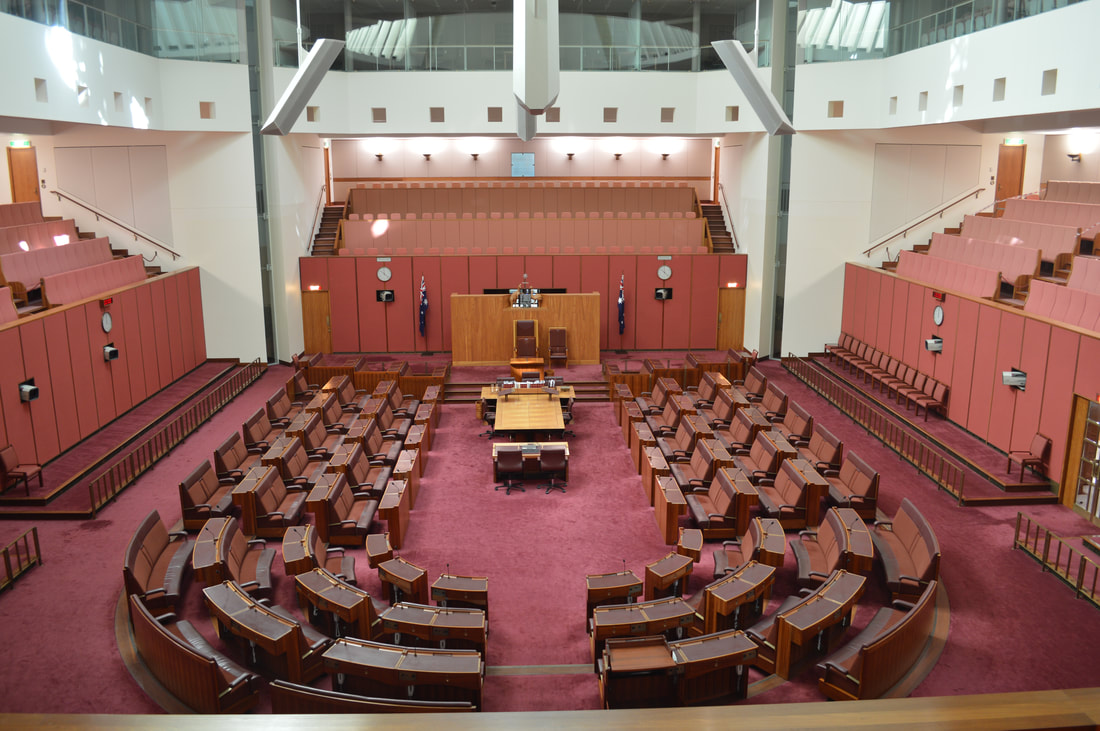
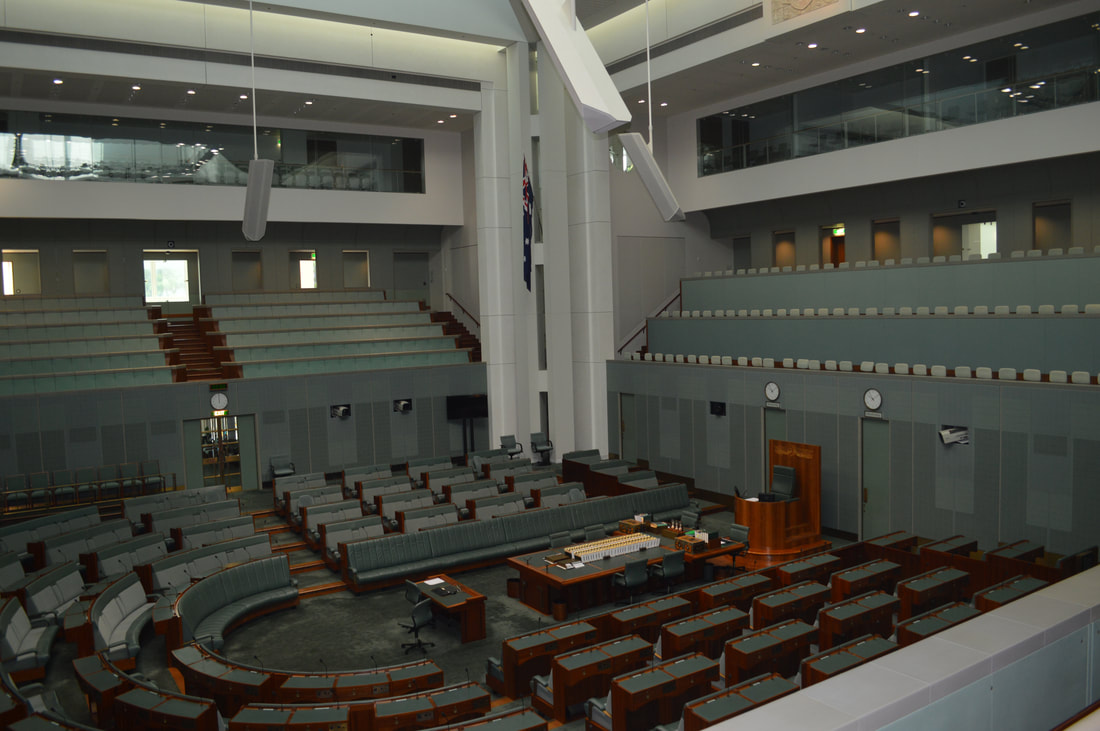
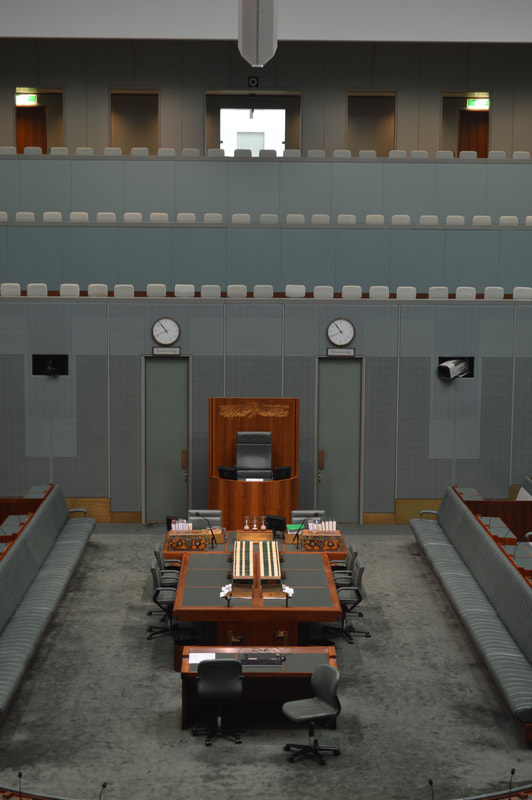
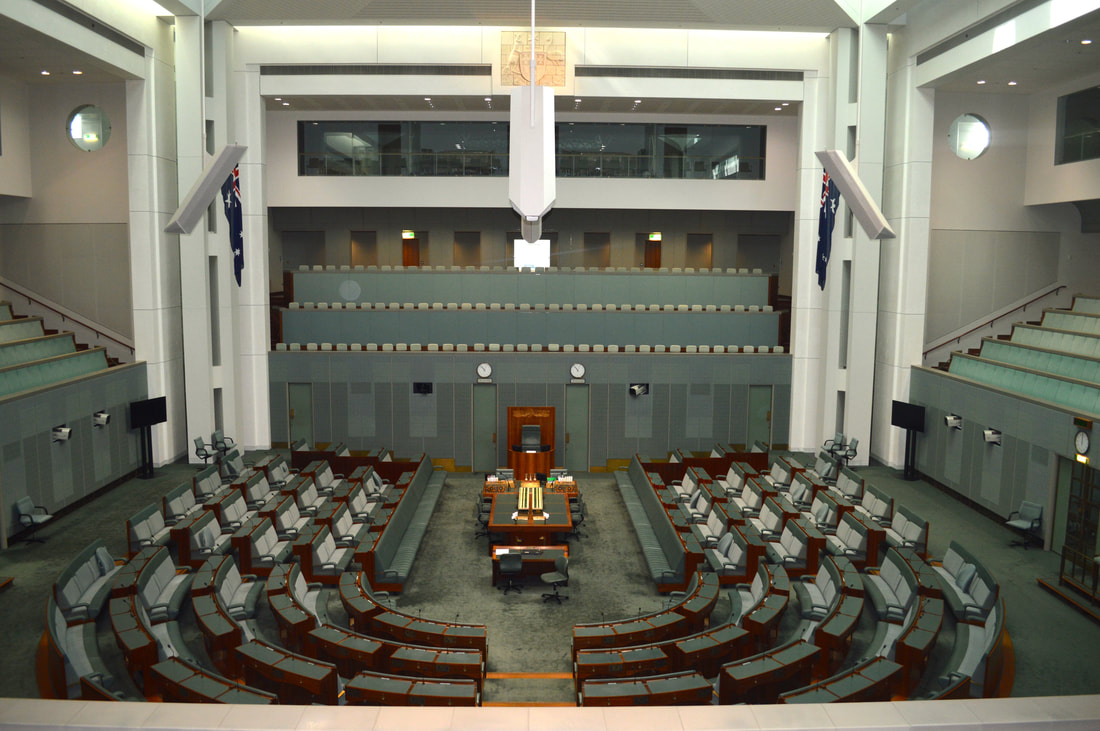
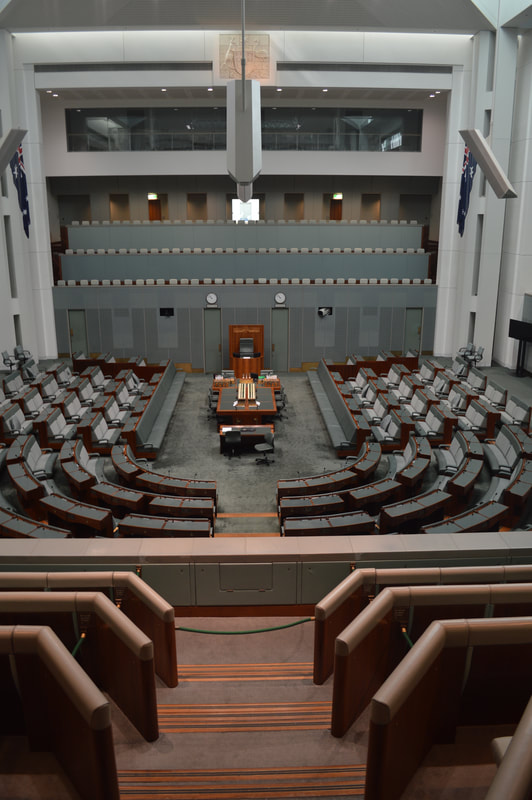
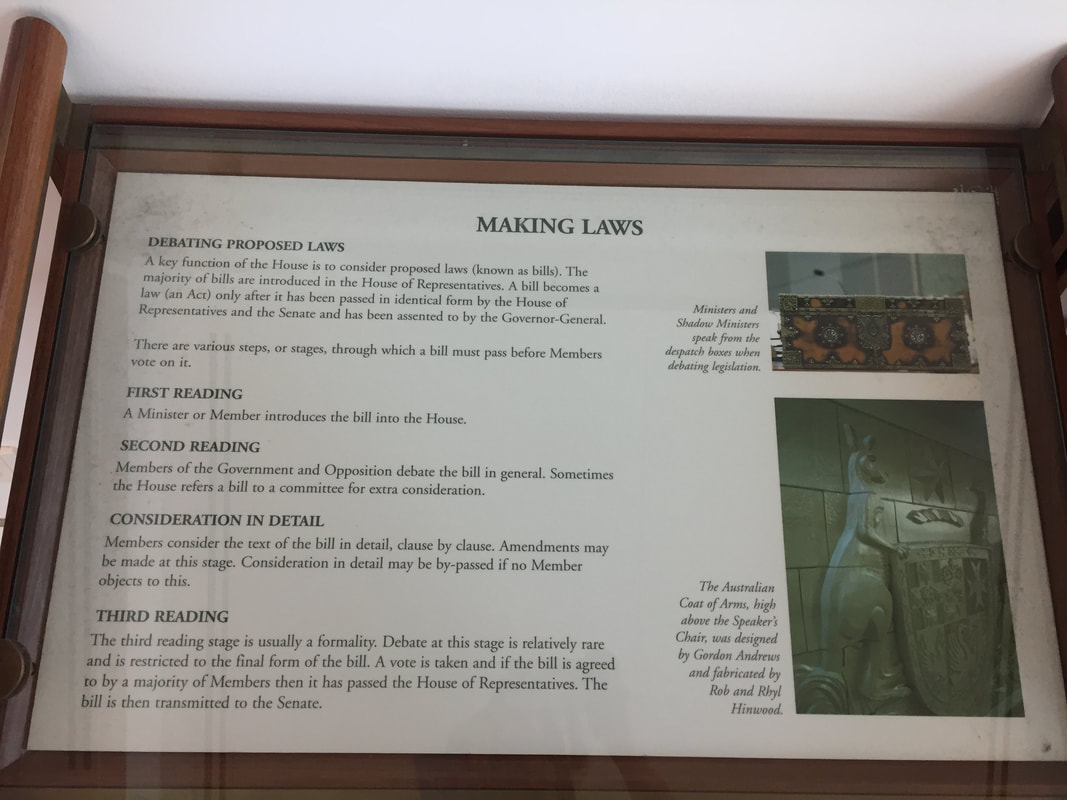
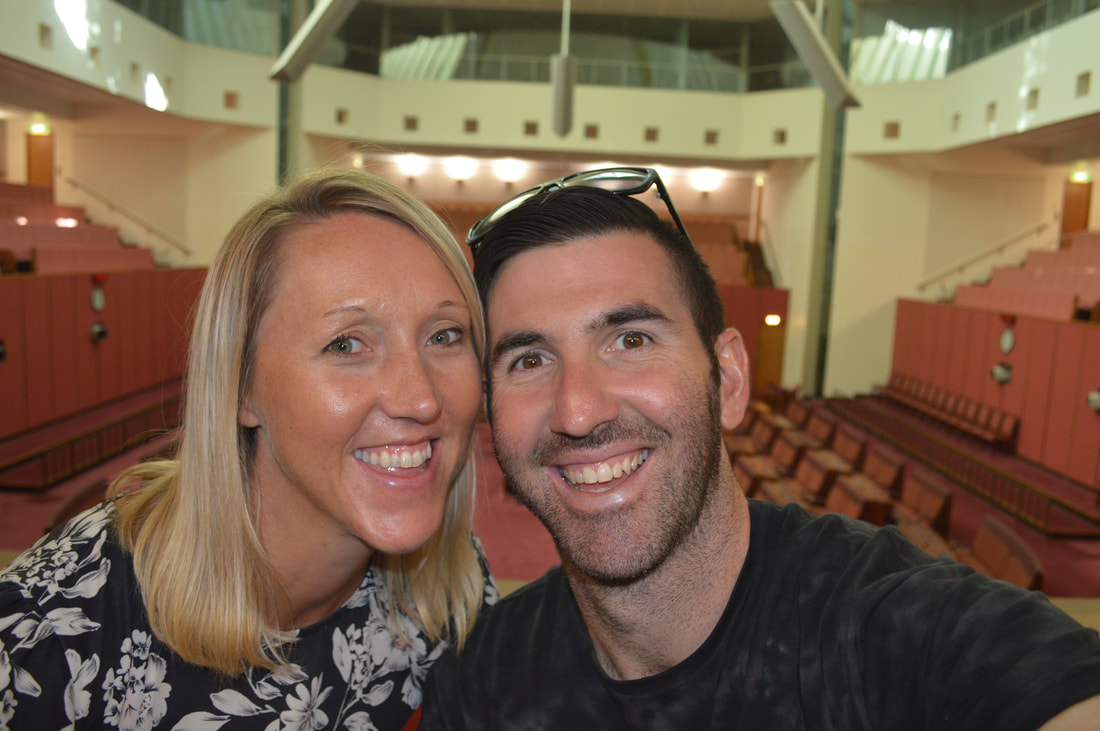 Green represents the House of Representatives (lower house) and Red represents the Senate (upper house). In Australia we have moulded our parliamentary system on both the British and American models. Each member in the House of Represents represents one of Australia's electorates, and is said to represent the 'people'. The members of the Senate are made up of various representatives from Australia's six states and two territories and is said to represent the 'states'. The Senate scrutinises the Government in the lower house and assists in reviewing bills, making for a fairer and more democratic decision making process.
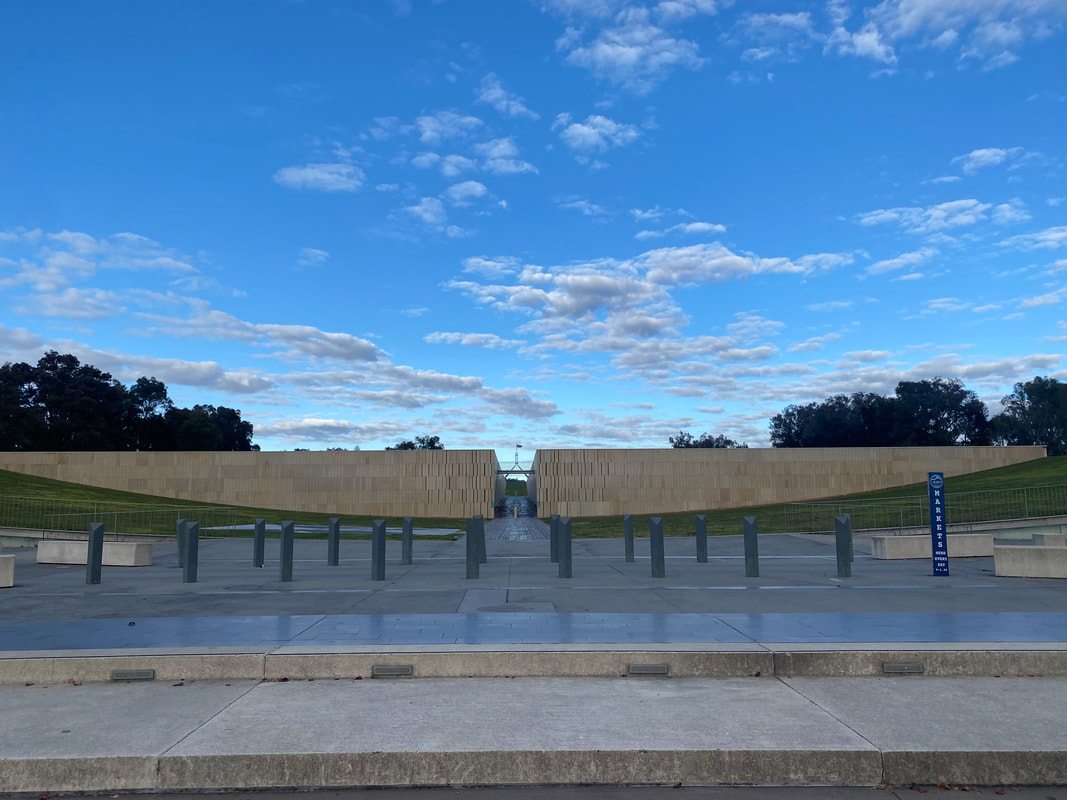
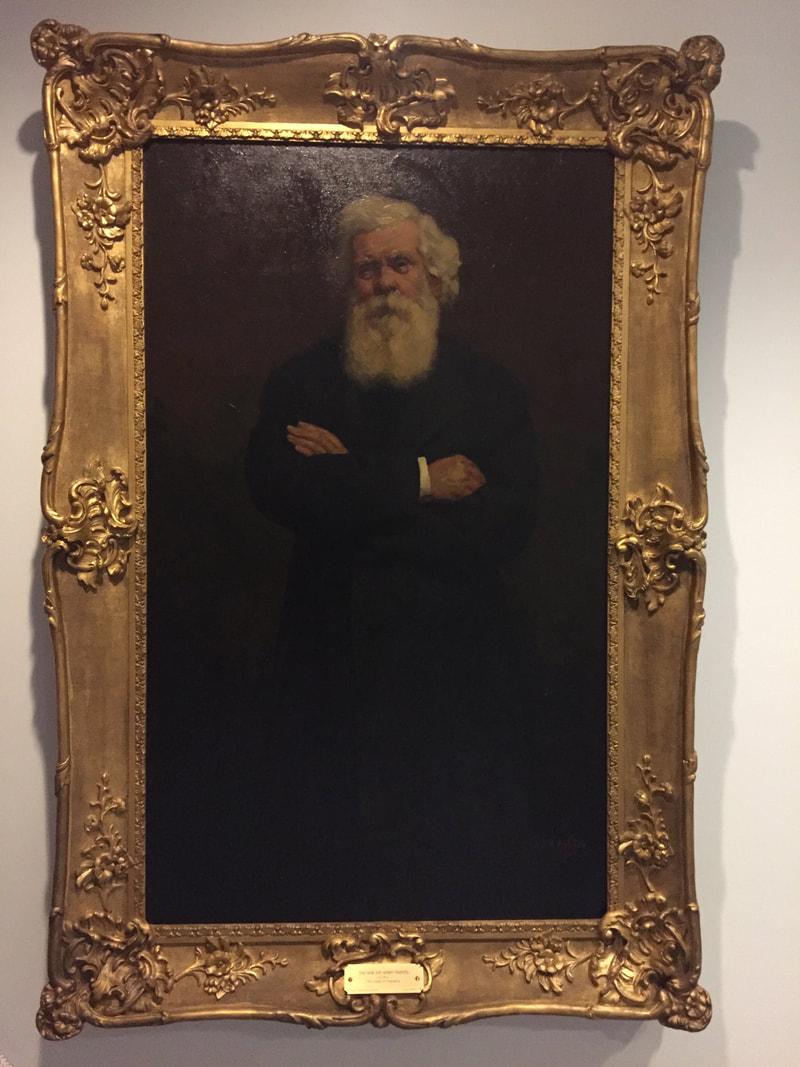
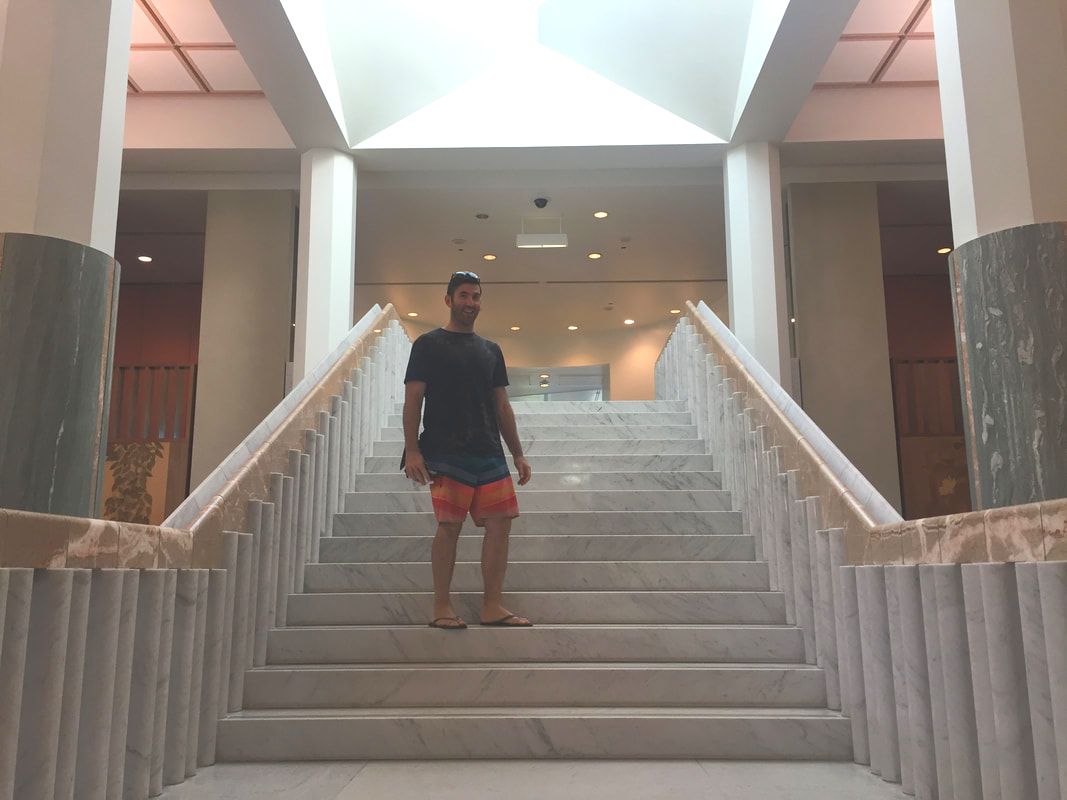
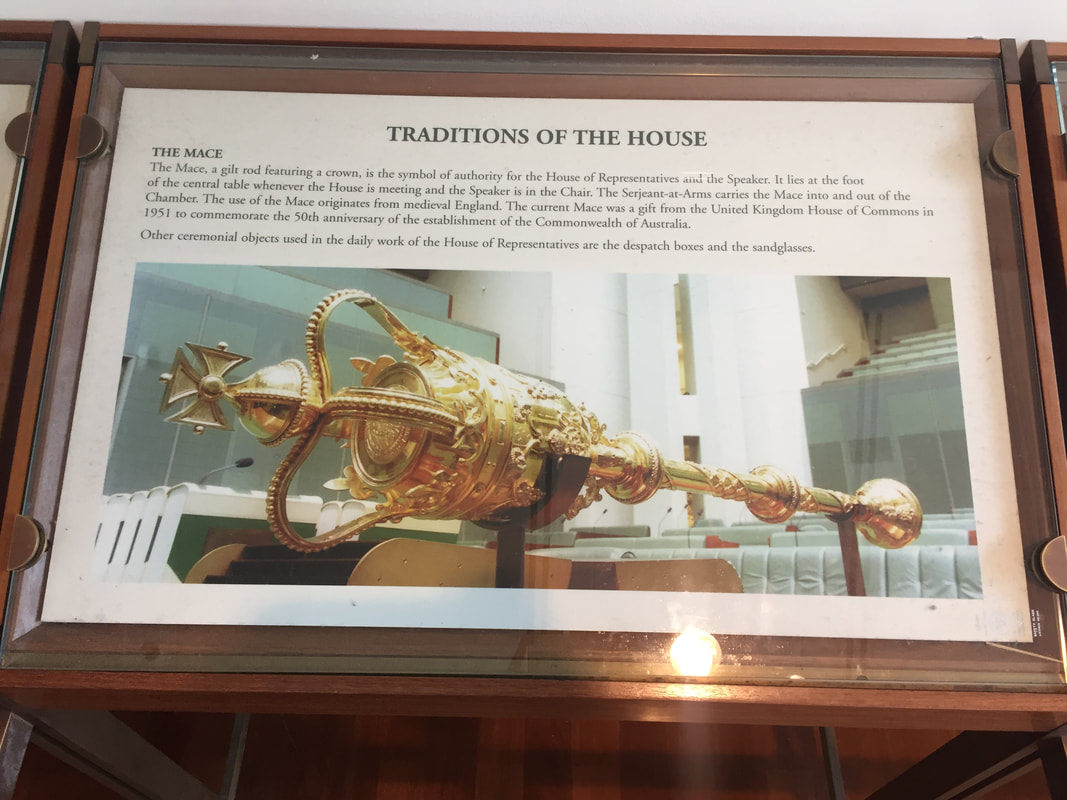
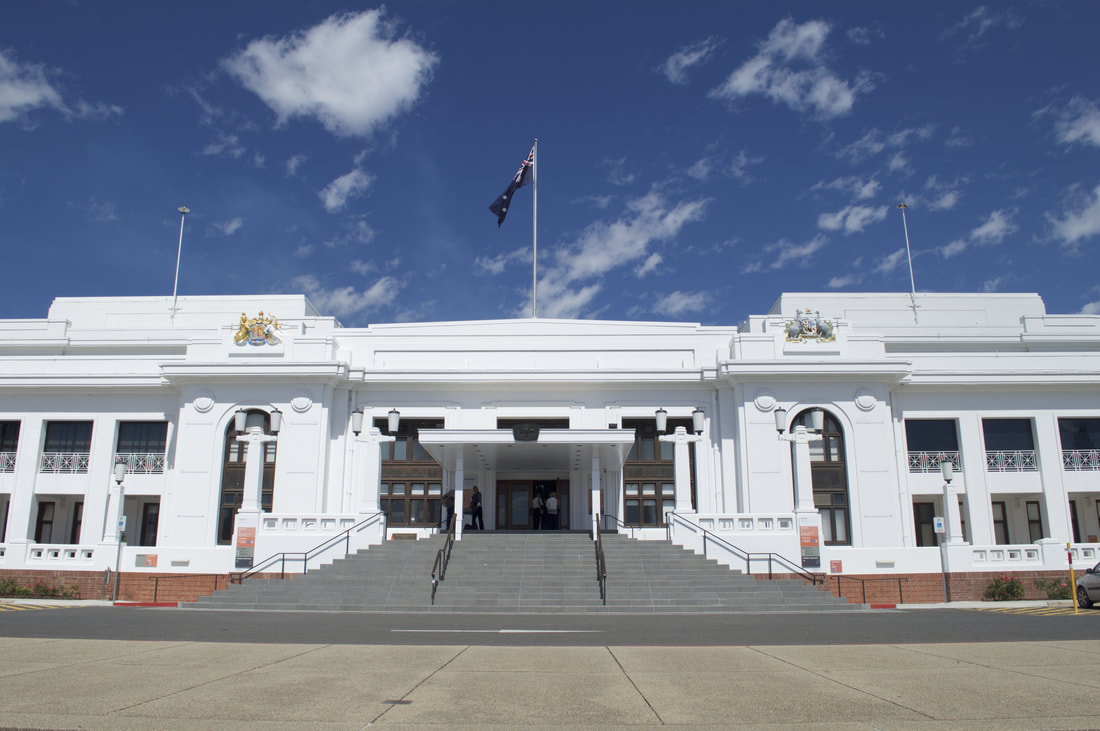
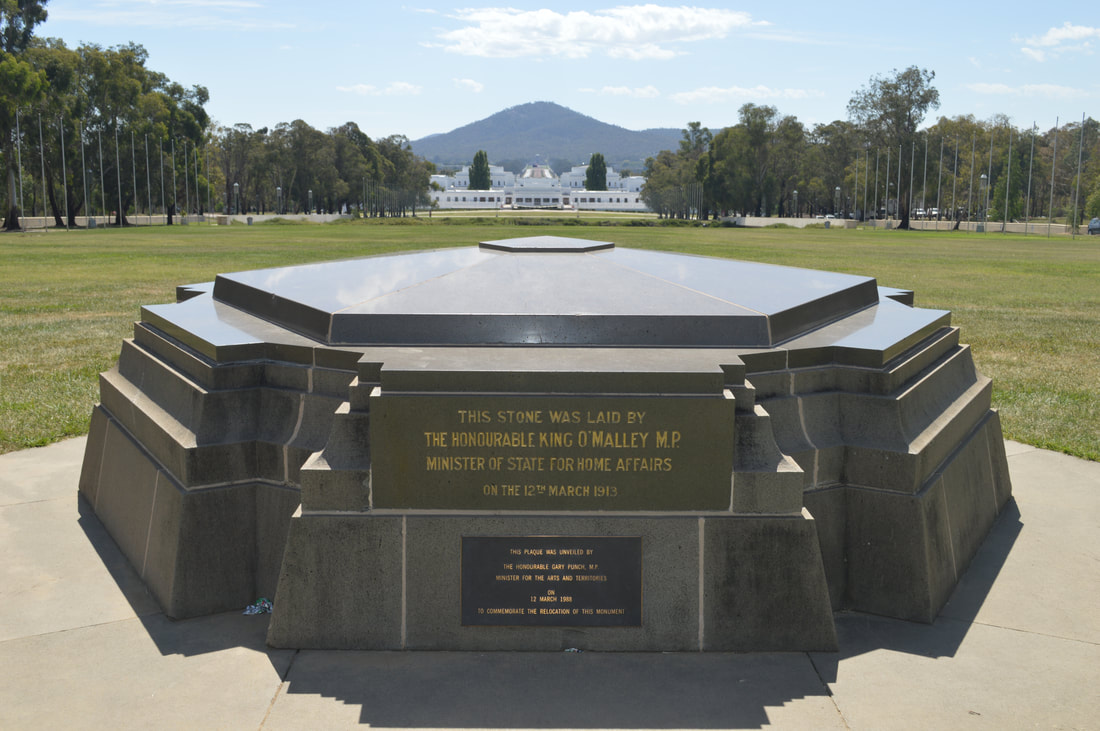
Our next day began with a tour in the Parliament House of Canberra, the meeting place for members of parliament. The building was completed in 1988 being only a very recent structure, prior to that all parliament meetings were held in the “Old Parliament Building” from 1927 to 1988 which sits between Parliament house and the Australian war memorial. Television doesn’t do the Parliament House’s architecture any justice. The structure was uniquely designed to sit under the ground, architectural firm Mitchell/Guirola and Thorp explained that the building could not be built on top of the hill, as it would impose on the people. The front of the building feels like a welcoming place, the forecourt is made of red Christmas bush granite and a 196 square foot Aboriginal art mosaic, the boomerang shape of the structure in the ground tops off the Australiana feel. Walking inside takes you to a large foyer made up of marble and limestone with white, green and gold colours to represent the flora and fauna of Australia. The tour took us around the great hall, house of representative’s chamber and the senate chamber. Our tour guide took us through the history and structure of Australian politics, and how everything functions when members of parliament meet up in the house. Another highlight of the parliament house was the hallway filled with art, mostly with well-detailed portraits of prime ministers in the past. The most intriguing painting was Tom Roberts’ “The Big Picture”, a painting of his that was completed in 1903. This 3x5 metre painting depicts the opening of the first parliament of the Commonwealth of Australia, which included separate portraits of 269 members including the Duke and Duchess of Cornwall and York, the Governor General, each State Governor, Members of the new Commonwealth Parliament and other distinguished guests. Without seeing the picture its difficult to appreciate but imagine 269 people detailed right down to age, height, weight, place of birth and even hat size inside a dark building on a canvas it would be difficult to know where to start. After our tour of Parliament house we strolled past old Parliament house and further down to the Canberra Contemporary Art Museum, which entertained us with many diverse works of modern art. We run into a great collection of Torres Strait Island art, which was nice to see it getting recognition and appreciation in the galleries throughout the country. We saw the rest of the day out in the Canberra botanical gardens, its wide variety of plant life made it the perfect place to unwind and read a book with the company of a few magpies. 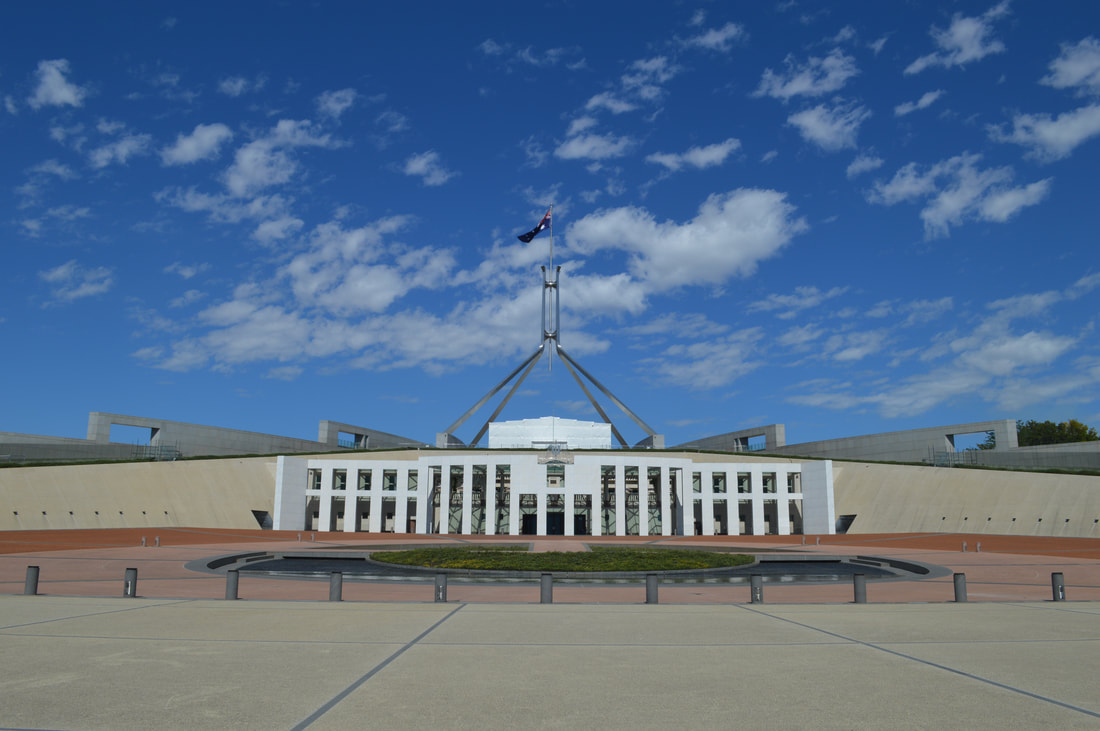
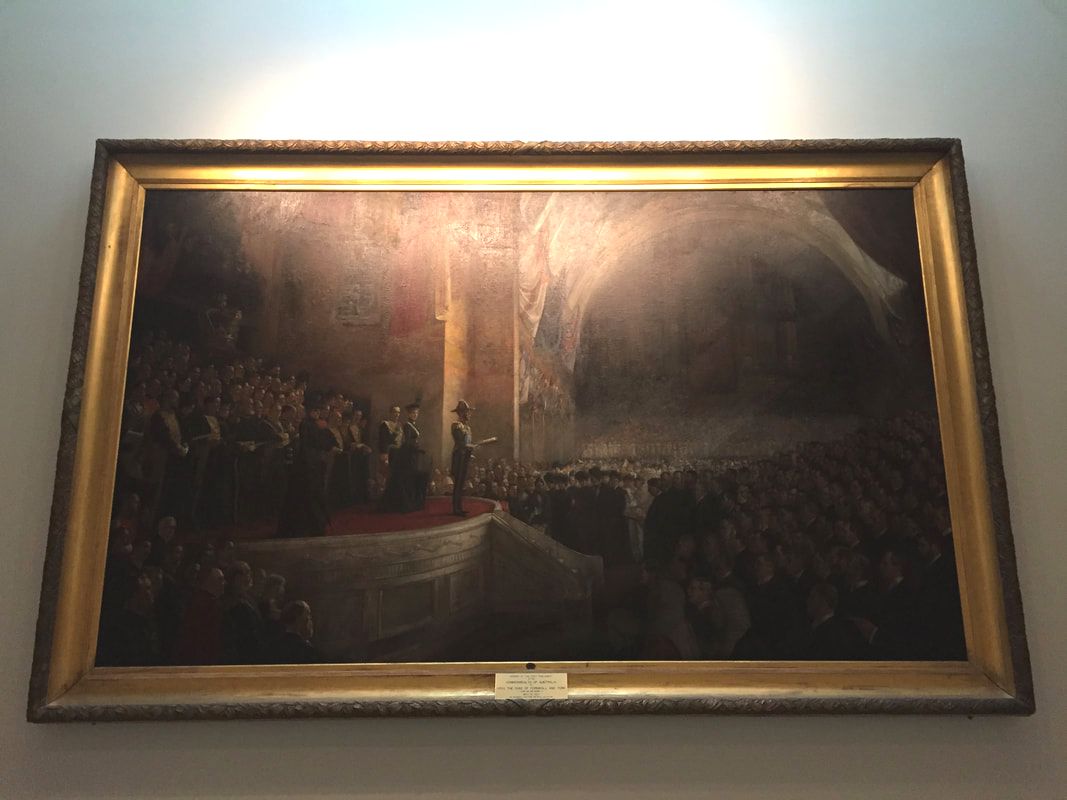 Tom Roberts (1856–1931) Opening of the First Parliament of the Commonwealth of Australia by H.R.H. The Duke of Cornwall and York (Later King George V), May 9, 1901, 1903, oil on canvas. 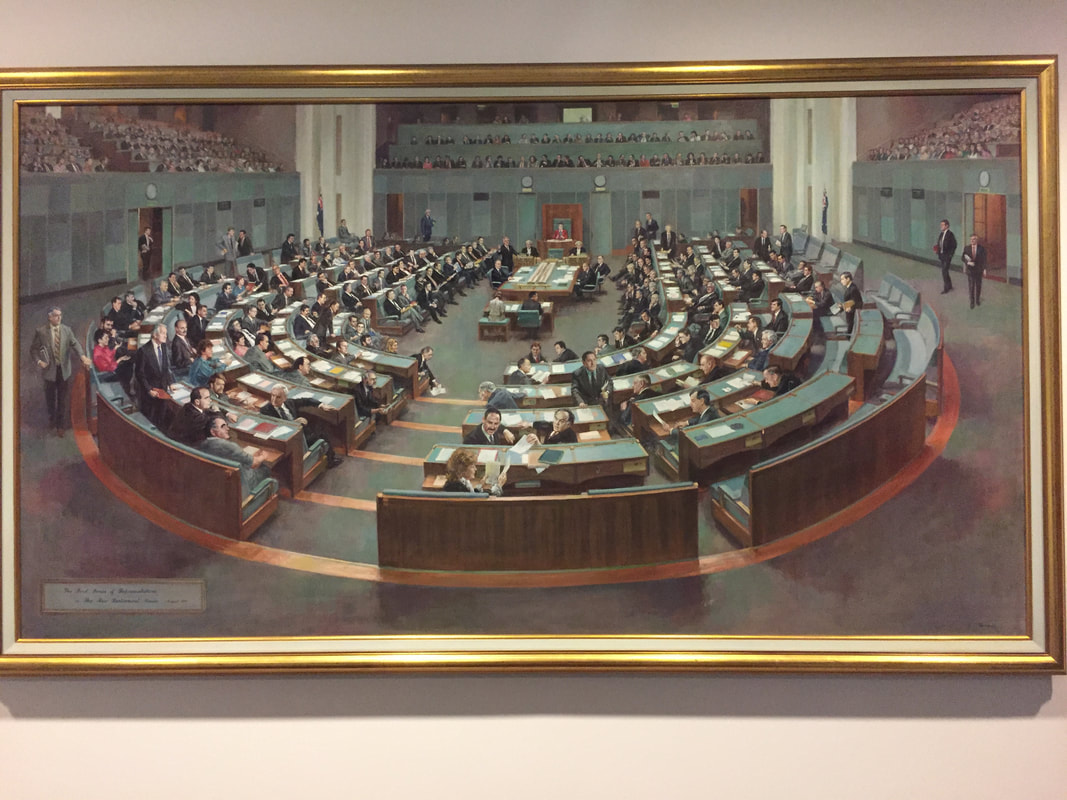
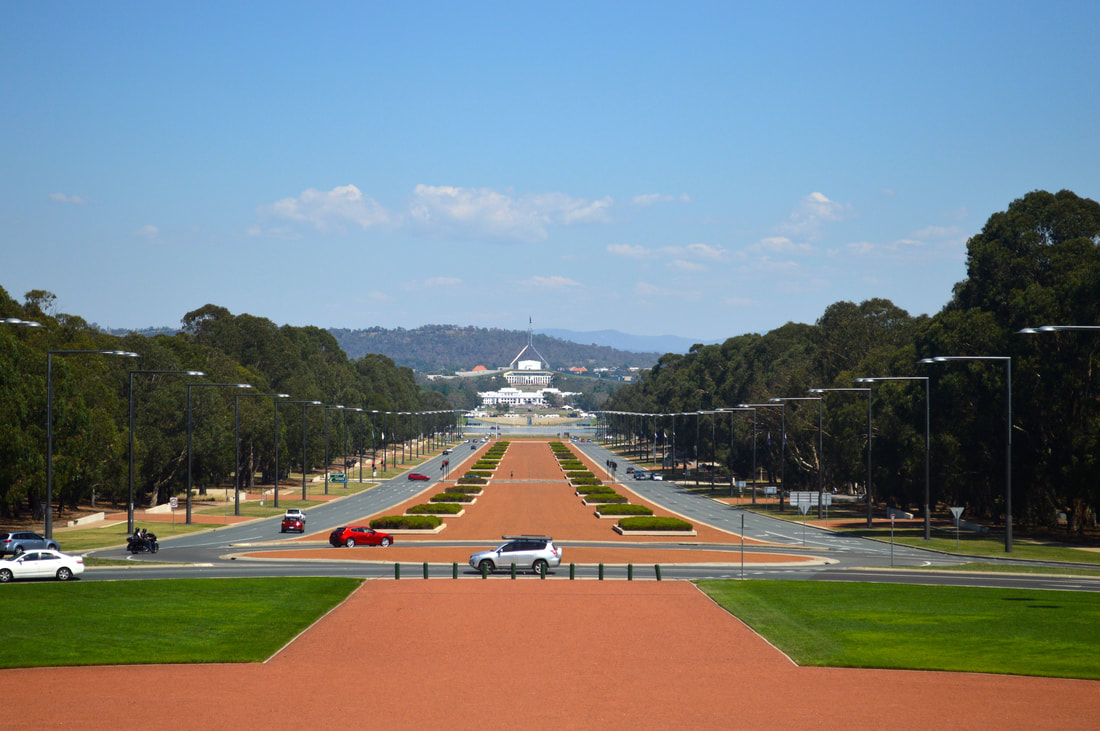 Both world wars and the great depression held back Canberra’s development for many years, although things looked up after World War Two. After the wars, Australia's Prime Minister Sir Robert Menzies backed developments for the nation’s capital and transformed it into a thriving city. Canberra’s thriving trends still live on with unemployment rates well below the national average and more disposable income than any other capital city in Australia. Its largest industry is an obvious one, public administration, alongside a large military workforce and a few software vendors that have made Canberra Home. Our two days in the nations capital were jam packed with things to see and do. The Australian War Memorial is a must when you’re there, we only had a day but you could spend a week just looking around, whether its history, antiques, aviation, reading or movies its just got everything and a truly heart warming last post ceremony at the end of the day. Our second day at the Parliament House was an informative experience, appreciation of it all is limited at times when you hear about politics in the media but taking a tour around and learning about it all gives you an understanding of its importance in our country. Its modern architecture is also a beautiful representation of a functional design to Australia’s climate. We loved Canberra, not just for the touring around but the active vibe, despite the four seasons in one day weather, the locals are out making the most of their day cycling, rowing or running.
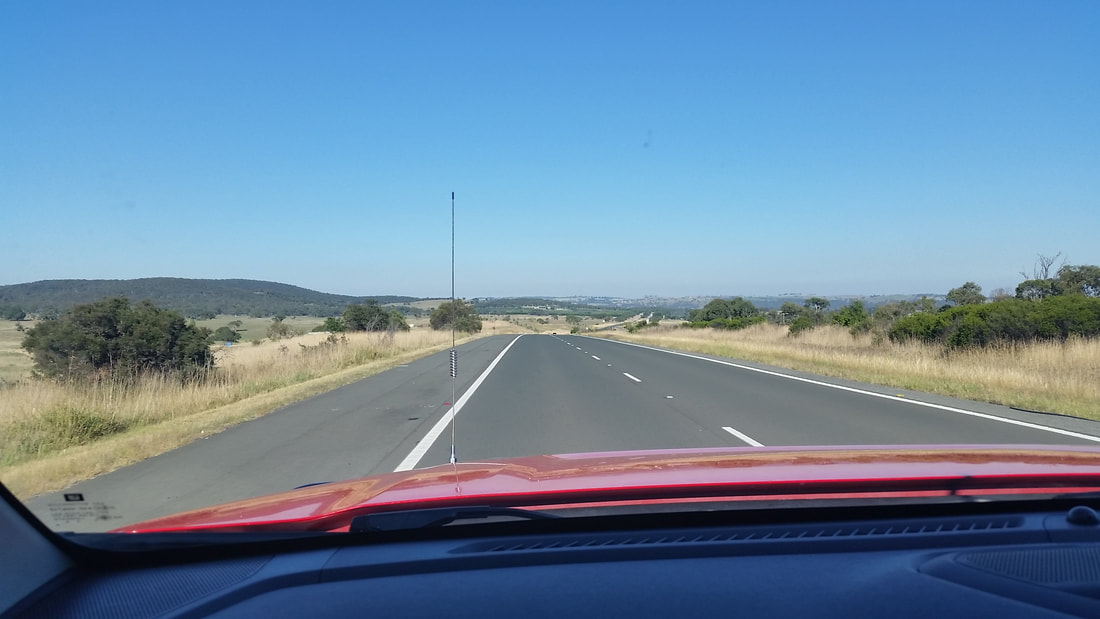
 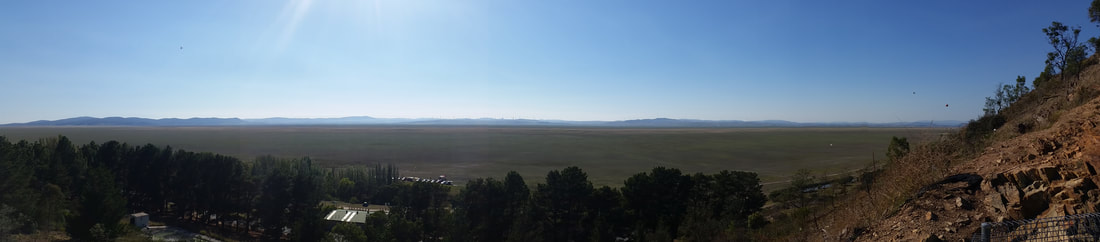 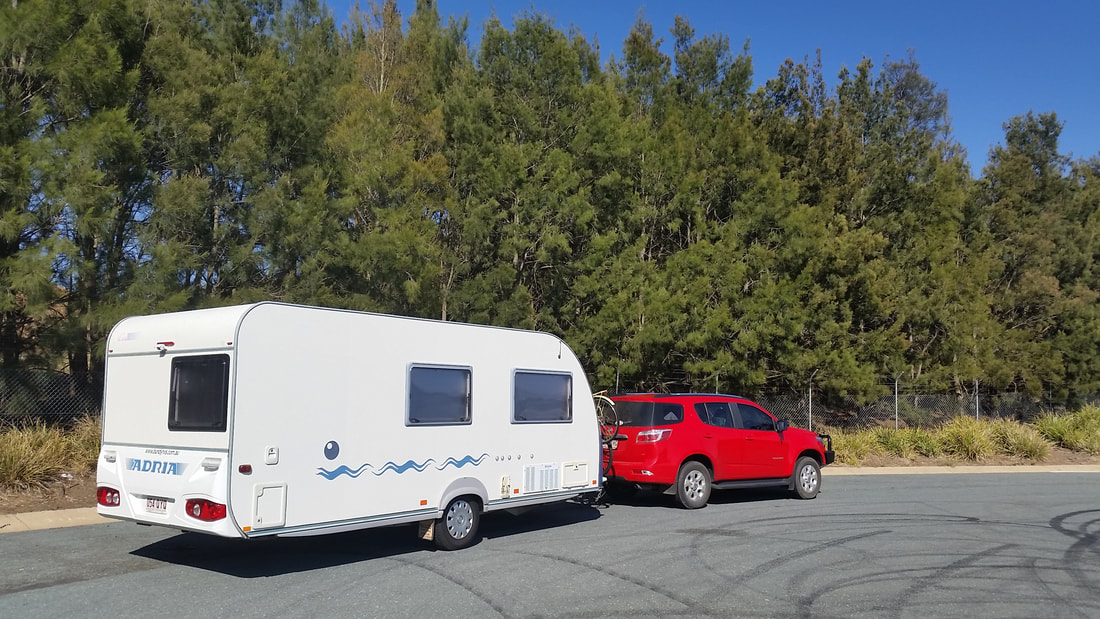
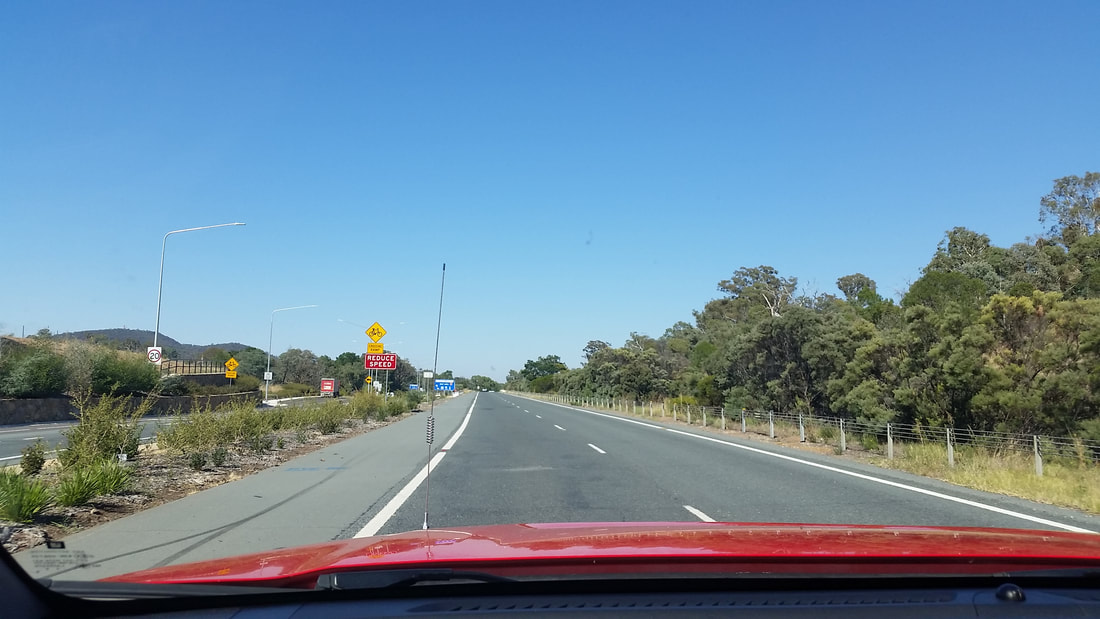
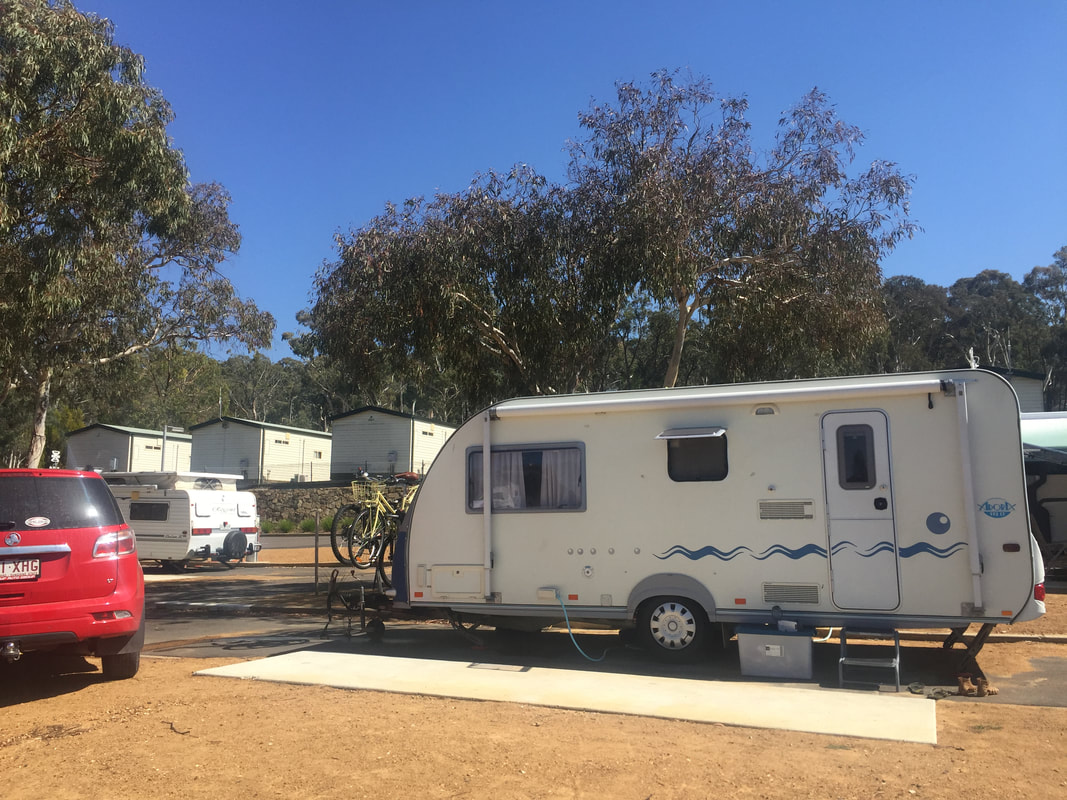
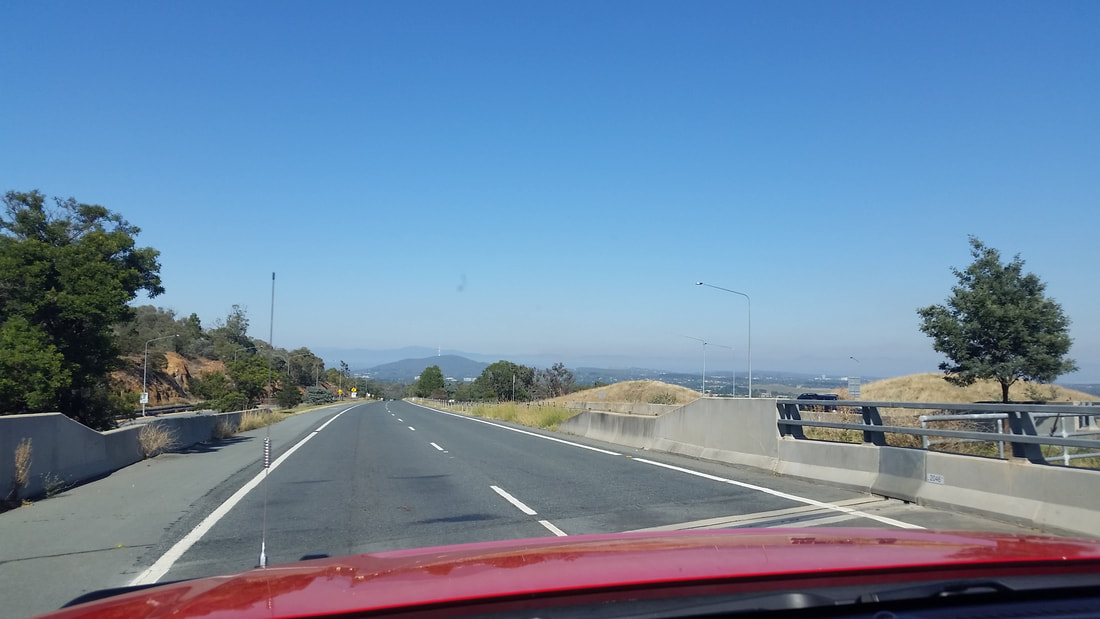
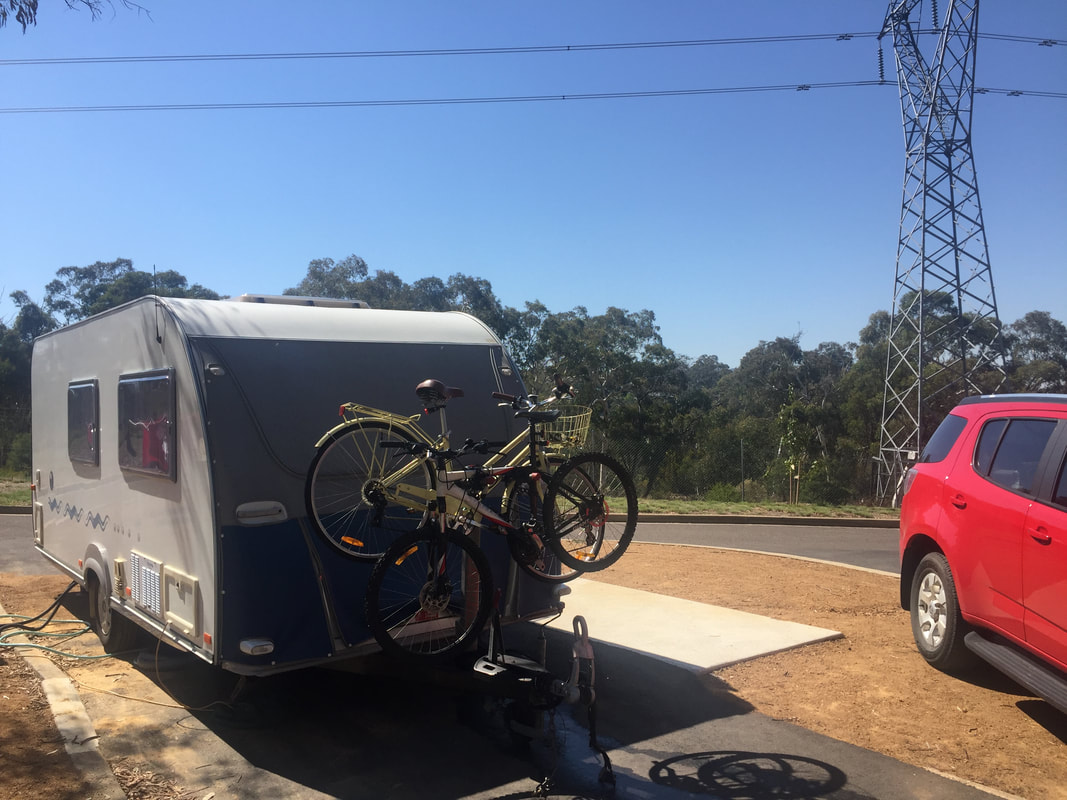
A beautiful crisp clear morning greeted us as we set off on a very short journey of only 90 kilometres along the Federal Highway from Goulburn to our next destination, Canberra. A stop at a look out gave us the opportunity to watch for gliders and appreciate the drier air further from the coast. The caravan park in Canberra was our most expensive to date at $53 per night, but an easy drive through site, modern, clean amenities and the close proximity to the city made it worth the money.
|
The JourneyChoose Curiosity The Catalogue
November 2023
The Tags
All
|

 RSS Feed
