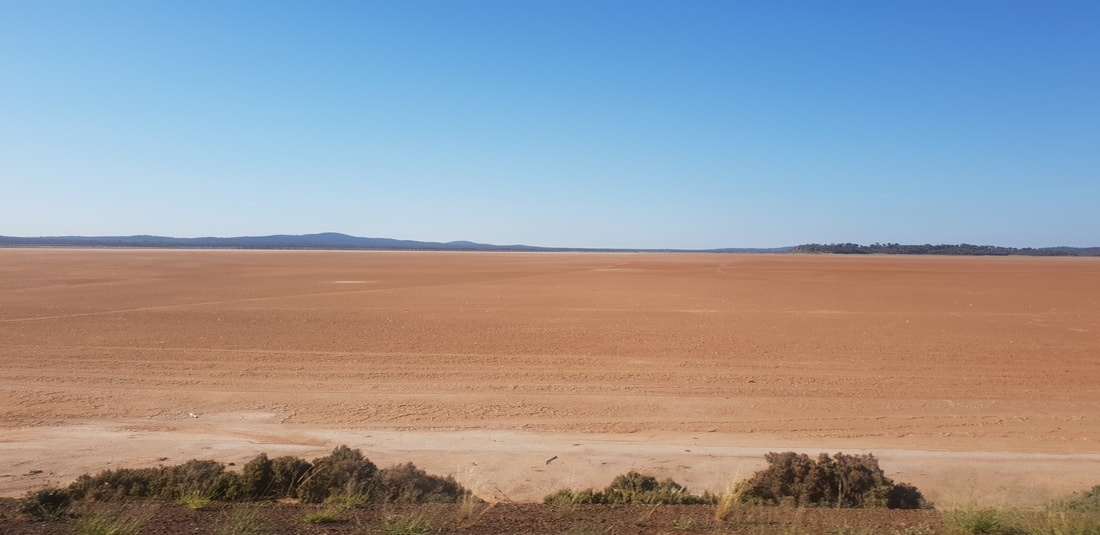
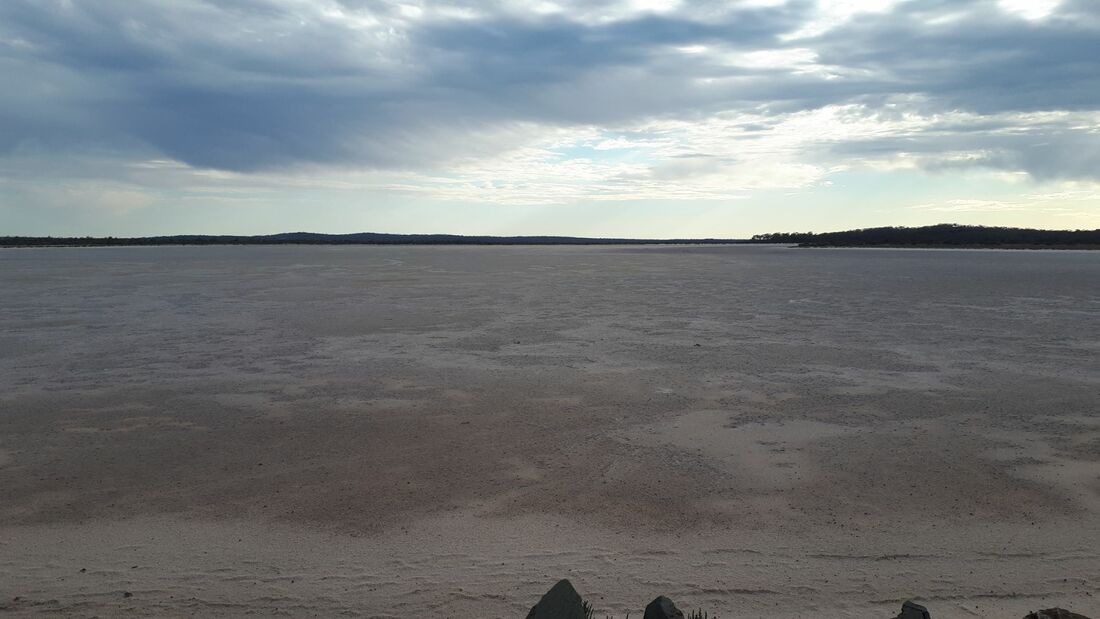
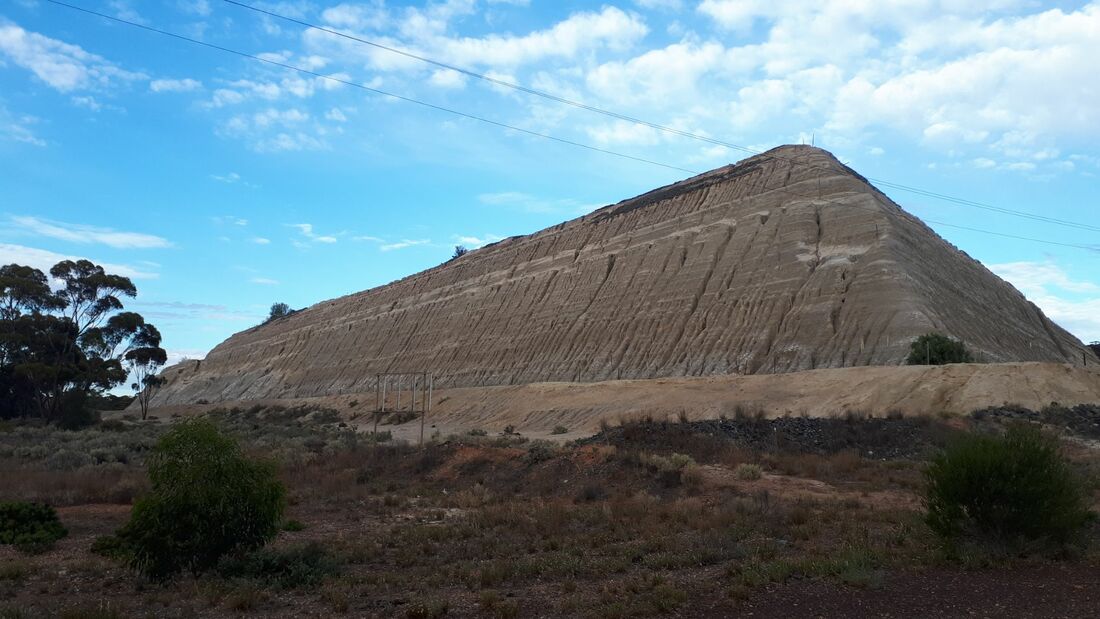
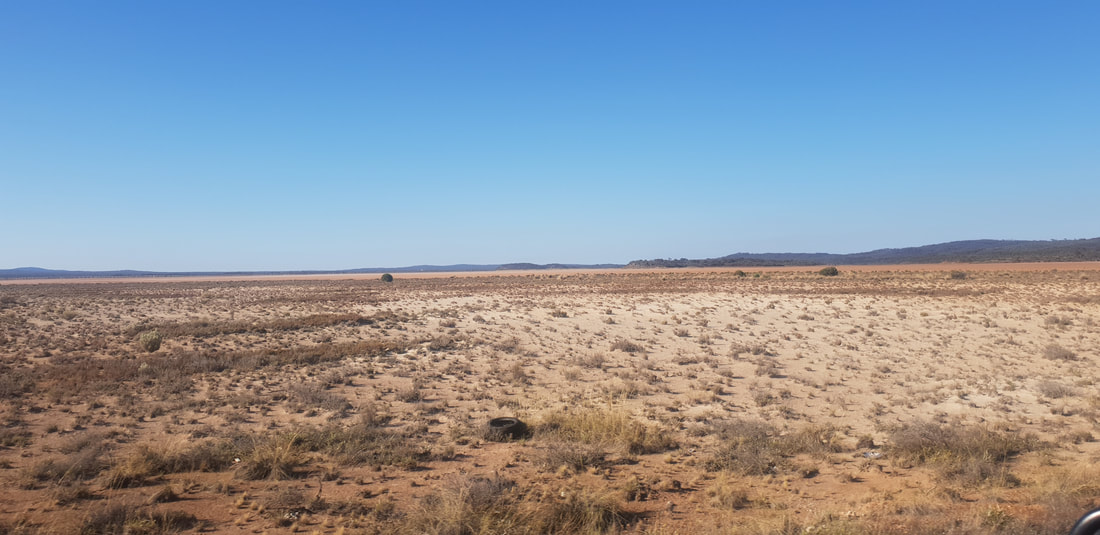
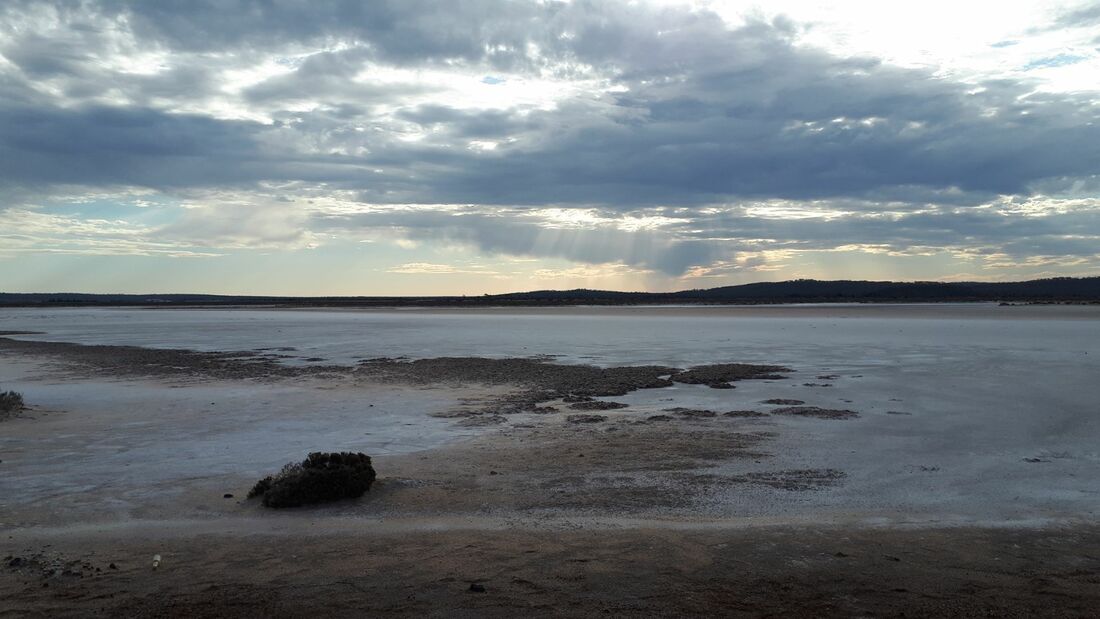
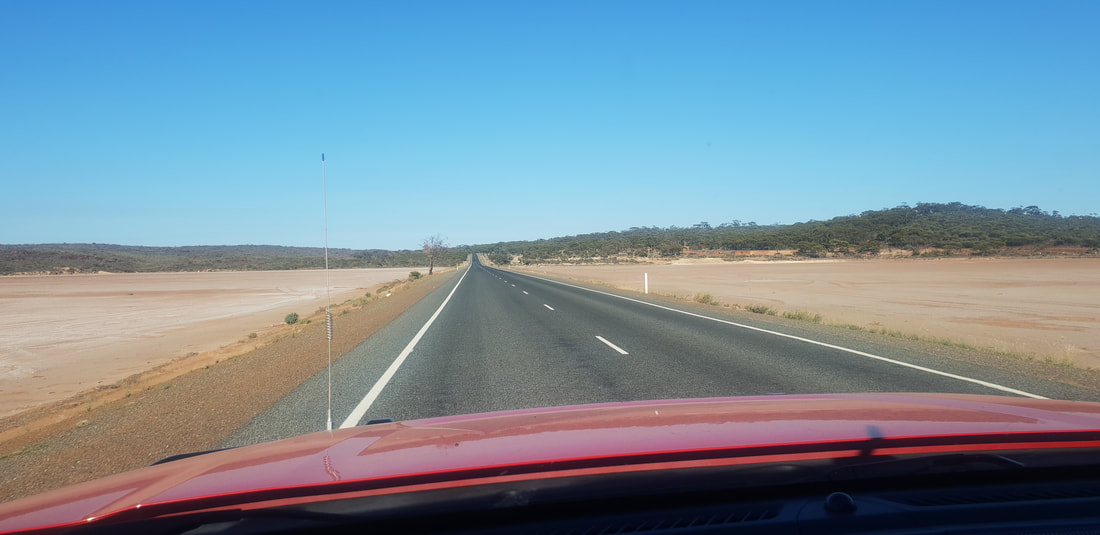
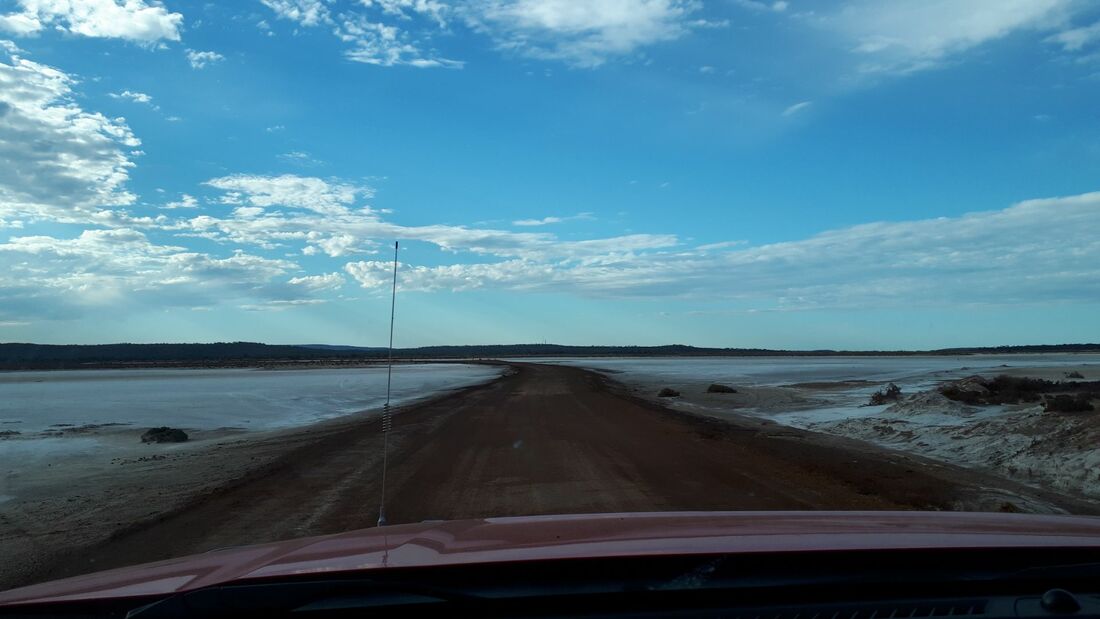
  "The mountain of things we throw away are much greater than the things we use." John Steinbeck 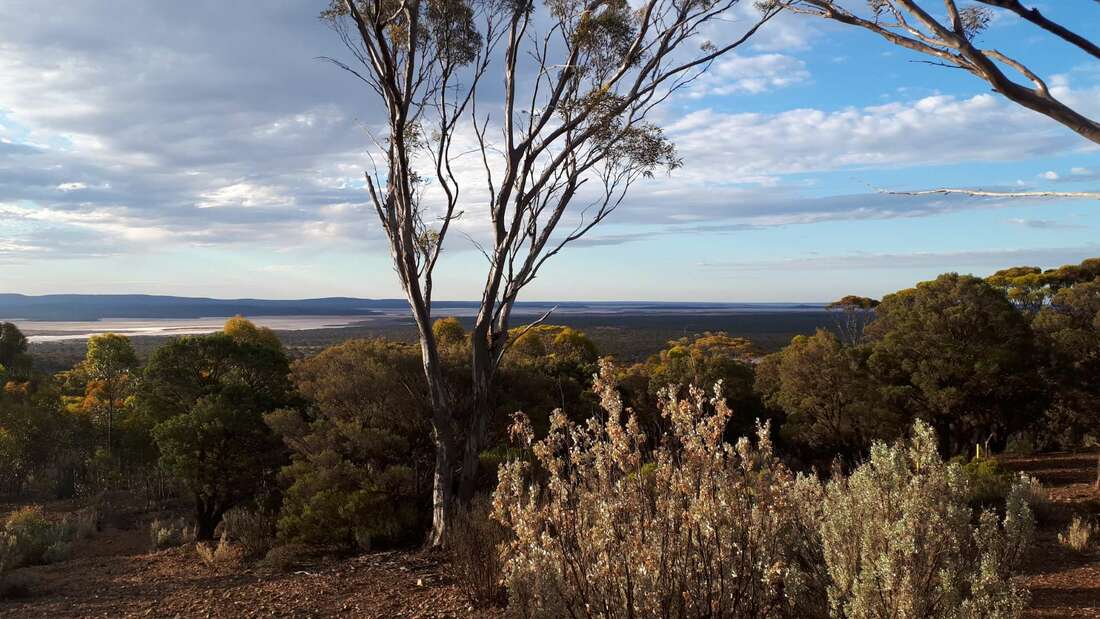 Gold was originally discovered in 1894 by Laurie Sinclair and the deposit was named after his horse, Hardy Norseman. The subsequent township fluctuated in population until 1935 when Western Mining invested heavily in the town's development. The Norseman Gold Mine, owned by Western Mining until 2002 when it was sold to Croesus Mining, which consists of the Central Mine closest to town and the Harlequin Mine, was sold to Central Norseman Gold/Tulla Group for $60 million in 2007 after being in administration for eleven months. In 2014 the Central Mine was placed into a state of Care and Maintenance. The Central Mine, which is currently for sale is now a waste land of discarded mining equipment and the town remains dominated by a massive tailings slump. It's a bit strange driving past the disused mine as you make your way to the town's lookout, with information boards erected in 2001 promoting the economic viability of the town and its prosperous future. After the closure of the Central Mine and the death of a miner at the Harlequin mine in 2014, many of the residents abandoned the town leaving a current population of only about 500 residents. We also ventured to nearby Lake Cowan, an extensive salt-pan that was impressive to see, before having a dinner of red emperor at the local Norseman pub.
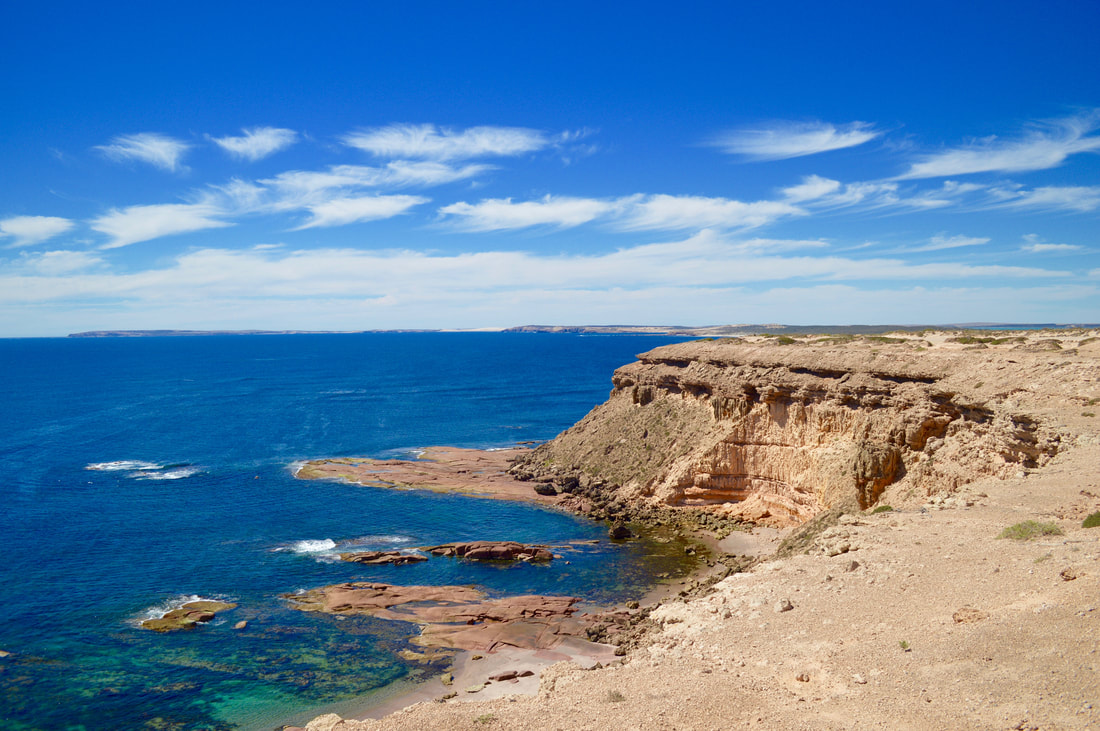
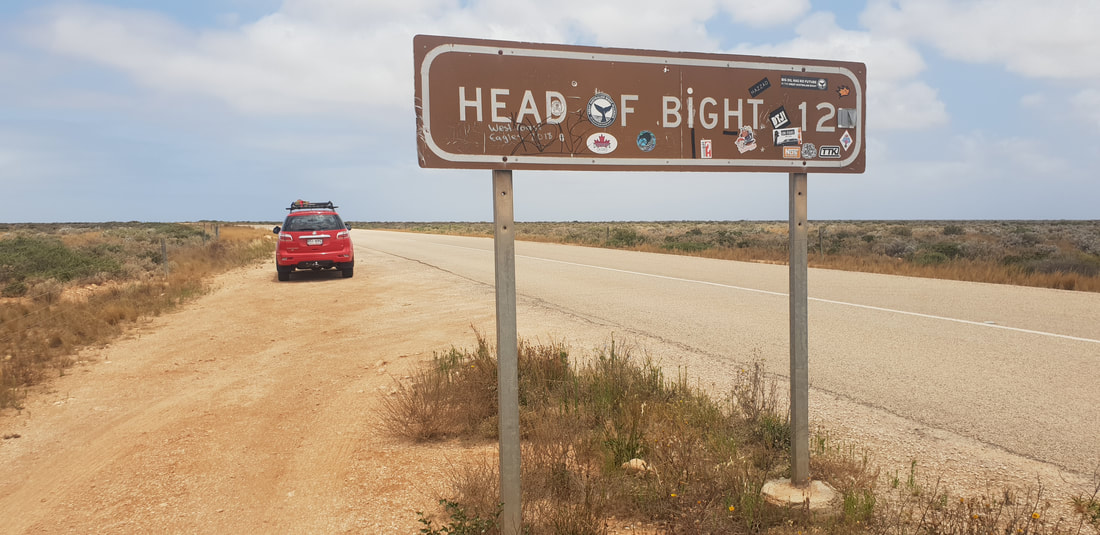
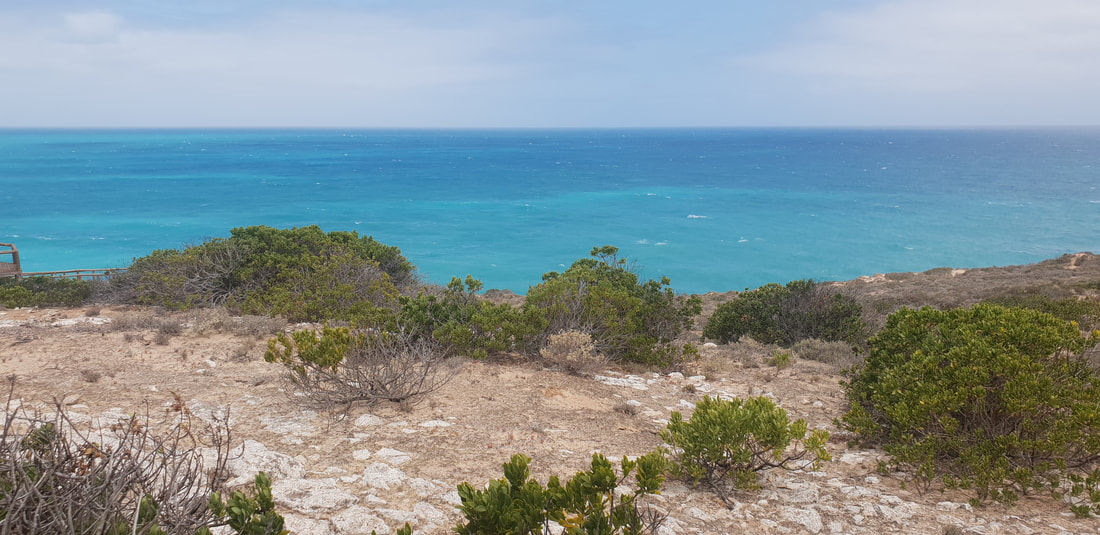
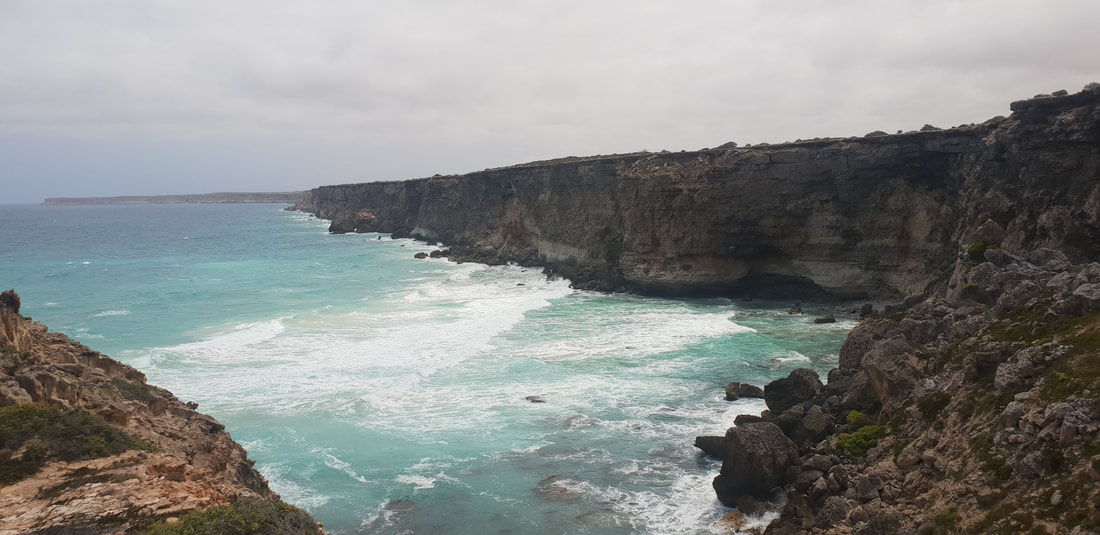
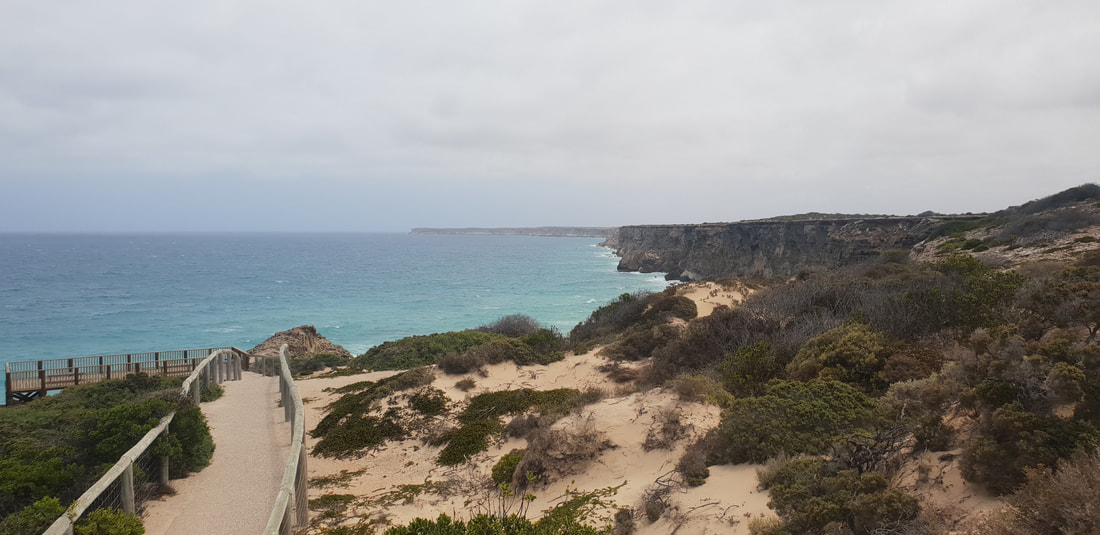
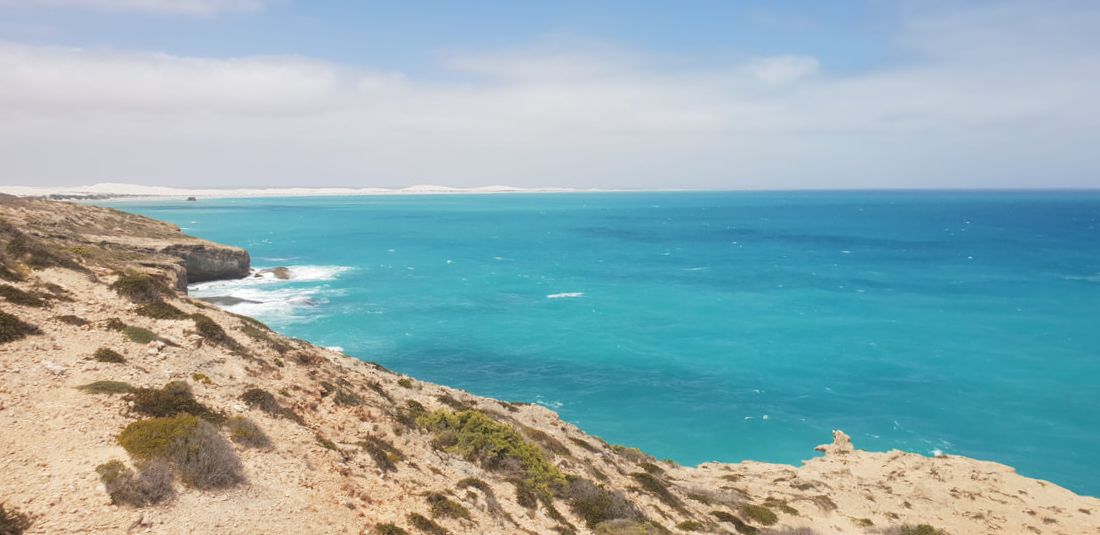
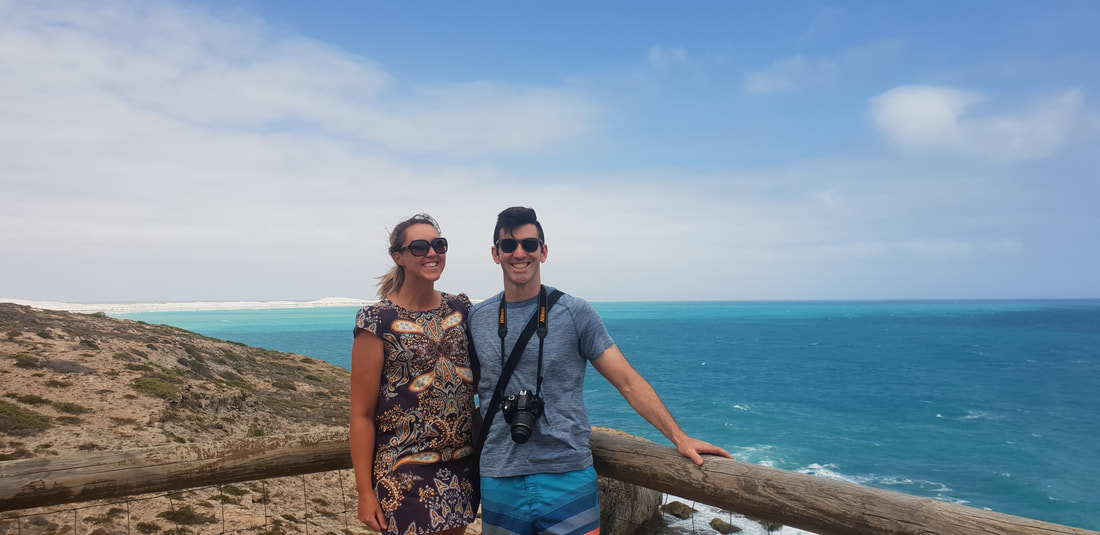
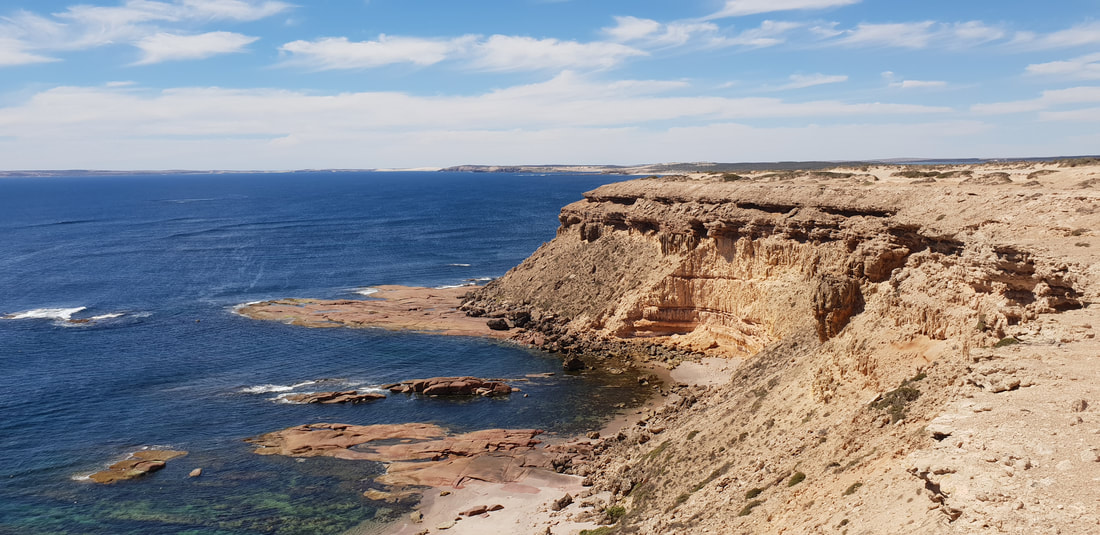
The head of the Great Australian Bight is most well known as a popular vantage point for whale watching, however even sans whales the indigenous run Head of Bight facility is one to put on the list. Walking out of the visitor centre in the direction of the ocean my mouth literally dropped as the expanse of turquoise blue penetrated my eyes. The view is in a word STUNNING and the beauty difficult to capture in photographs. The Bunda Cliffs that begin at the Head of Bight and extend the length of the Nullarbor Plain are made up of three distinct types of limestone. The first layer at the base is called Wilson Bluff Limestone, formed by the skeletons of decomposed marine organisms when the oceans were much higher than they are today. The second layer in the middle is called Nullarbor Limestone and began forming from sedimentation about 25 million years ago. The third and final layer on the top is called Bridgewater Formation and is windblown calcareous sand formed between 1.6 million years and 100,000 years ago. Nature is amazing and incredibly awe inspiring.
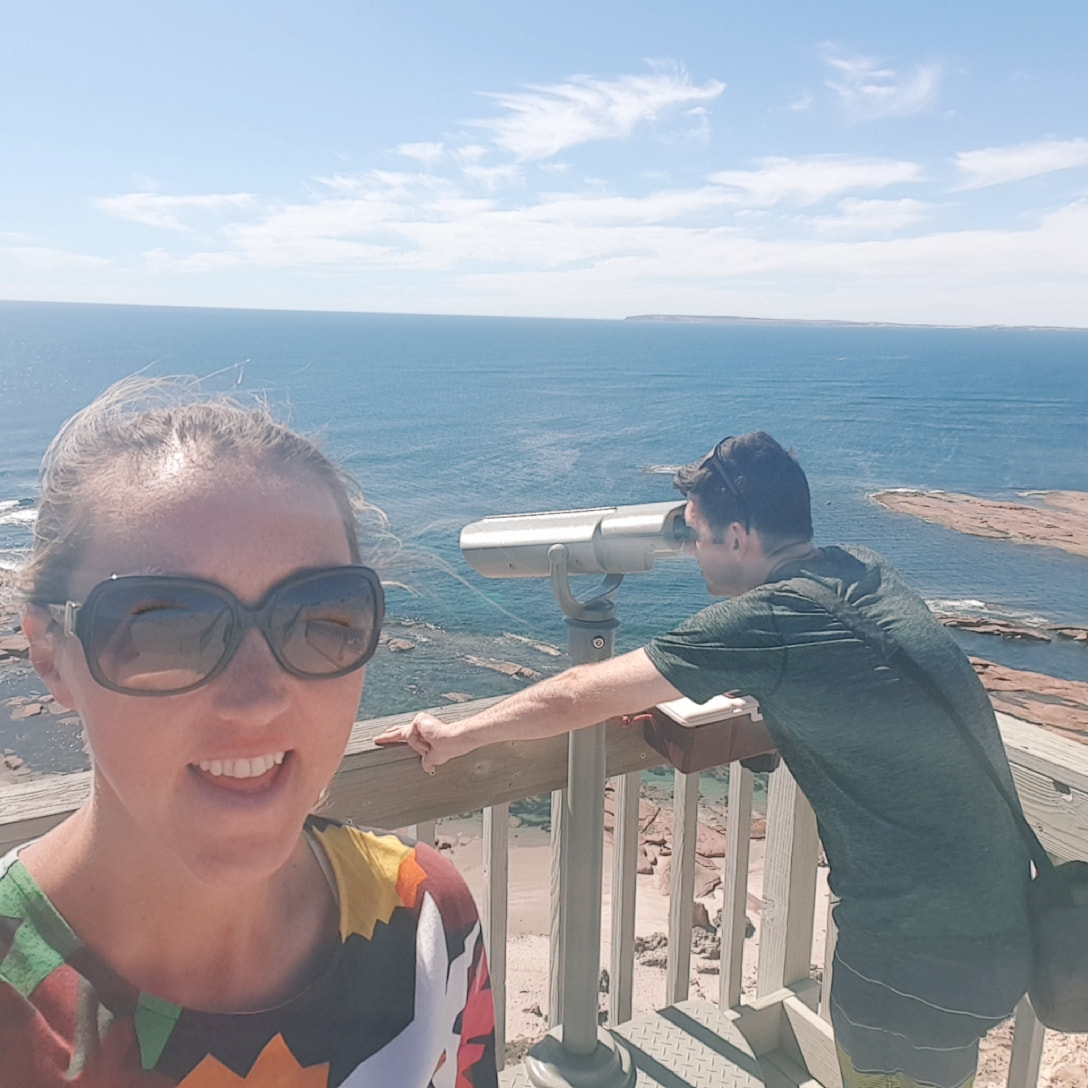
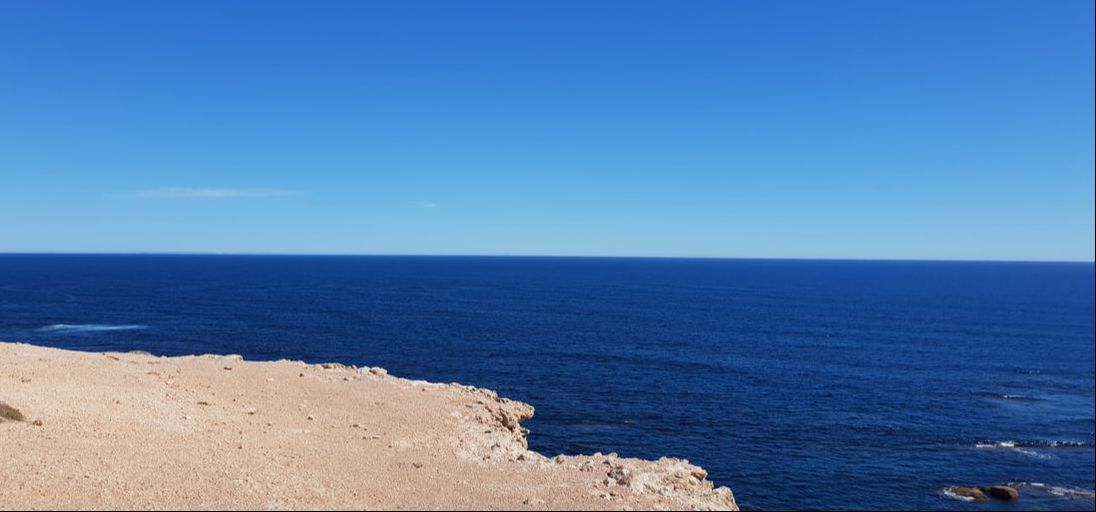
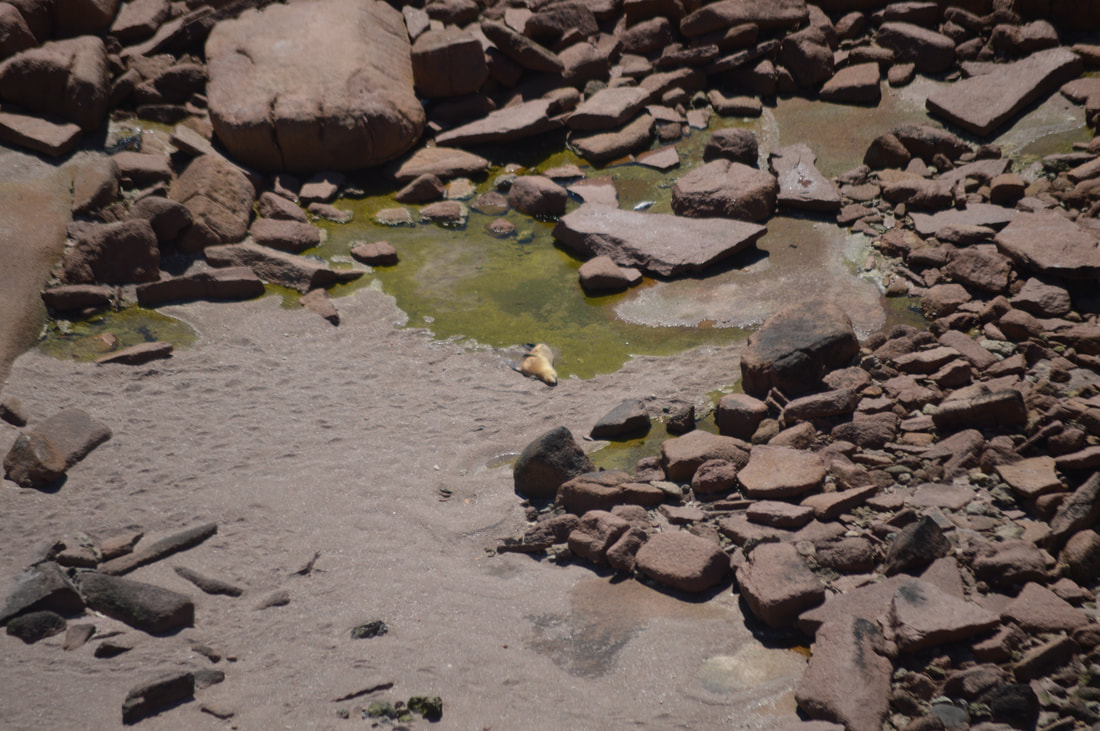
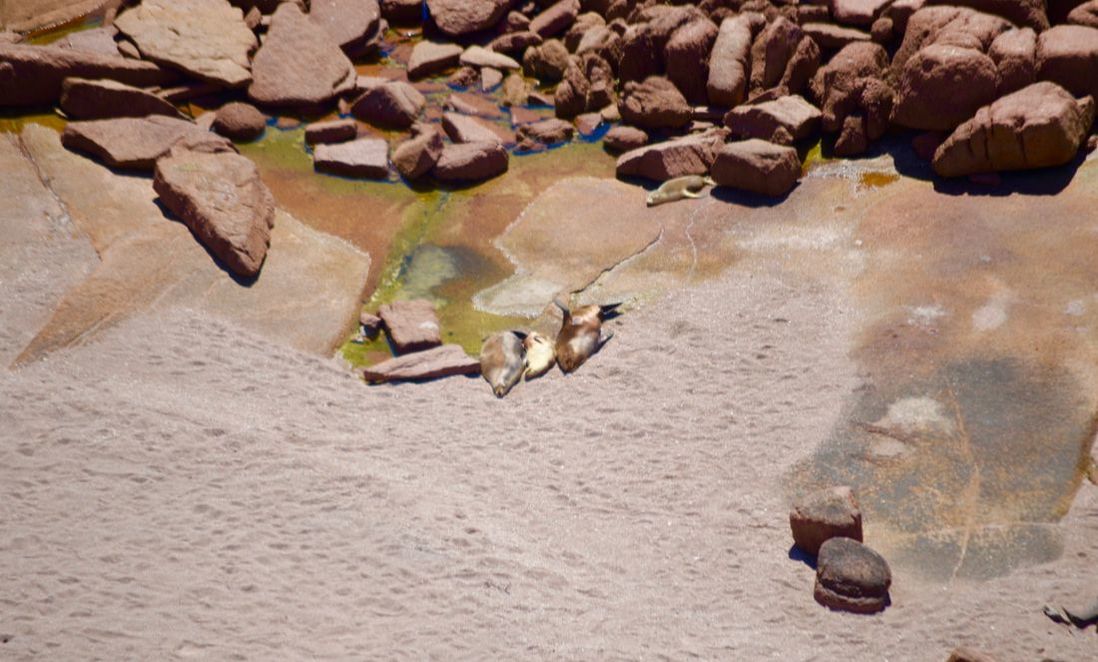
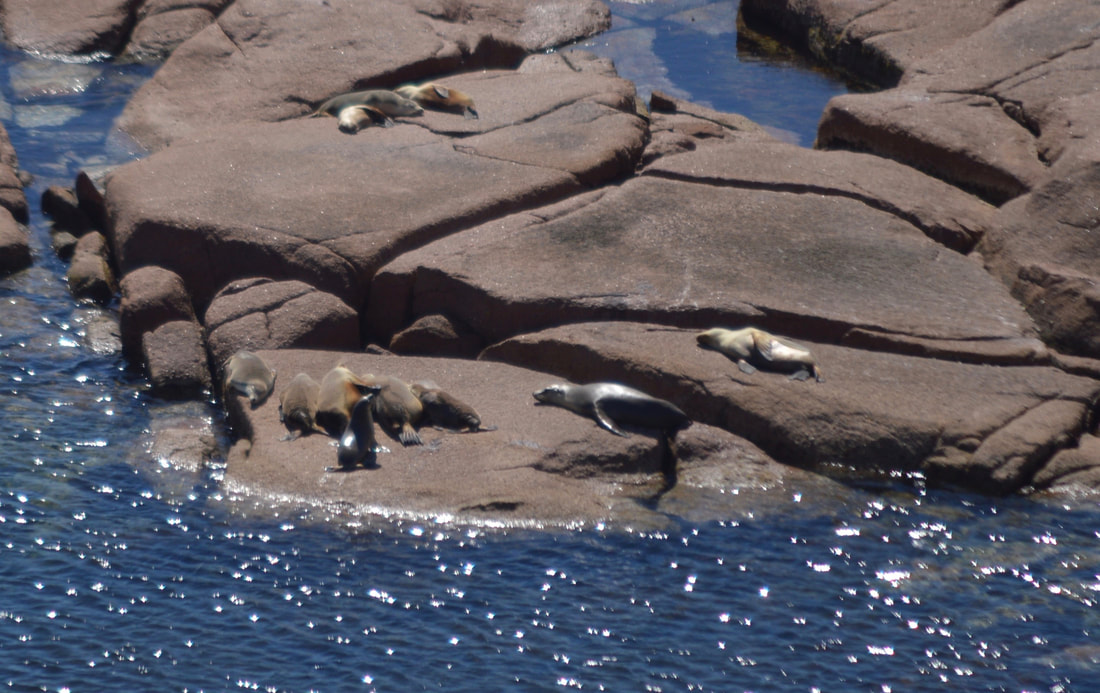
The location is amazingly incredible in itself, stepping out of Cherry and looking around I said to Shovel, 'honestly I'm not even bothered if we don't see a sea lion, this landscape is breathtaking.' We were grateful to be the only visitors to the site and had the viewing platform and telescope all to ourselves. Initially, upon searching the coast line and rocks below we could only see about half a dozen or so lazing sea lions, but on closer inspection we started to notice, a dozen, then two dozen until we lost count. It was absolutely wonderful to witness these stunningly cute blubbery mammals gracefully glide through the shallows of the rock pools, navigate what appeared to be treacherous rock climbs with their flippers and laze sleepily on the sand or smooth rocks, occasionally rolling other to change sides. It was a pure delight to observe this magnificent, but threatened species in their natural habitat.
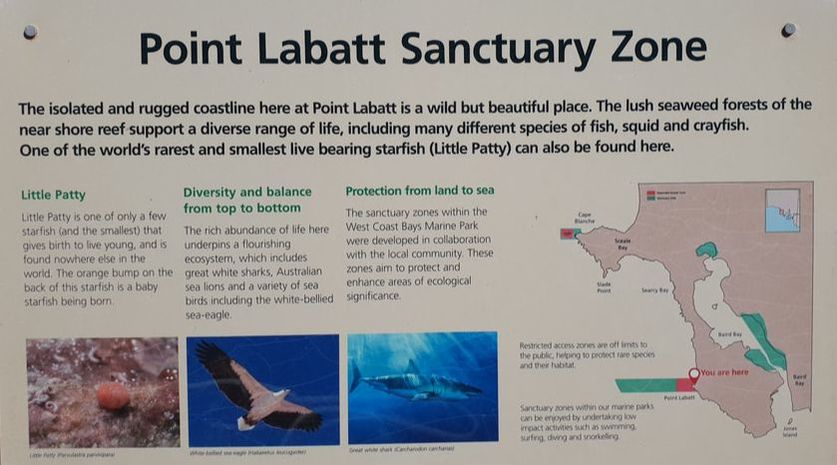
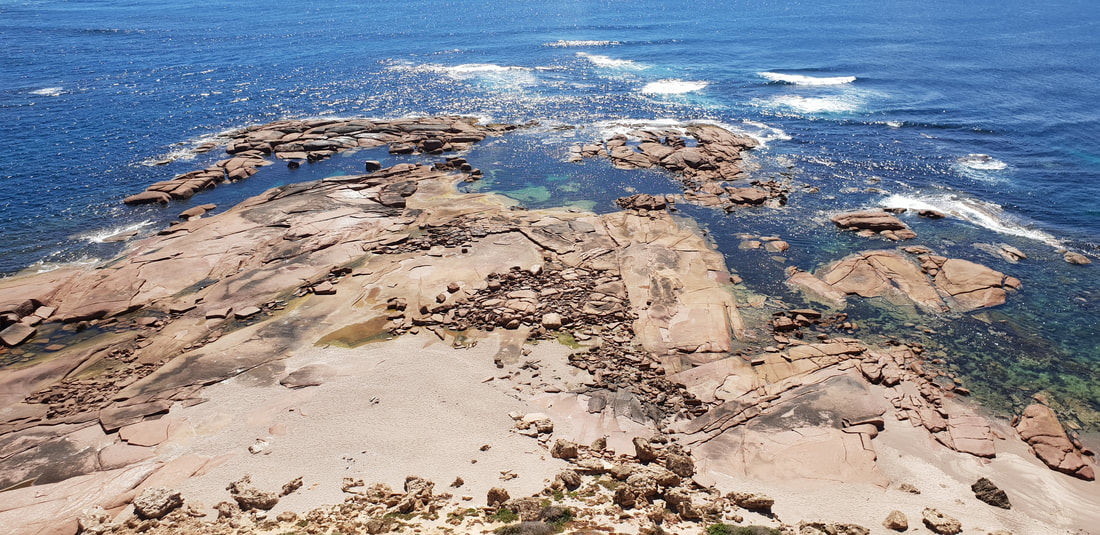 Point Labatt is home to the largest breeding colony of Australian Sea Lion in the World. Unfortunately due to over zealous poaching by First Europeans, Sea Lions were hunted almost to extinction in the 1800's, and although they are protected now, their numbers have never fully recovered and are still listed as threatened. Female Sea Lions can grow up to 1.5 metres long, weighing up to 120 kilograms and spend most of their lives pregnant. The gestation period, unlike other mammals can be up to 18 months, at which point upon the birth of the next pup the previous pup is weened. Males can grow up to 2 metres long, weighing up to 400 kilograms and spend most of their time fighting with other males over the females. Due to this aggressive behaviour there is a high death rate among new born pups. Females are grey/cream in colour whilst males are dark brown. Sea Lions are opportunistic hunters, feeding off a variety of fish, squid, cuttlefish, lobster and penguins.
 The Wirangu Dreaming Story speaks of a Wombat (Wardu) and a Seal (Balgurda). Wombat is fascinated by the sea (Warna) but Seal warns Wombat about the dangers of entering the sea as Wombat is not a sea animal. Wombat ignores Seal and enters the sea anyhow, only to start drowning. Seal nudges Wombat out of the perilous sea and saves Wombat. Wombat thanks Seal and apologies for ignoring Seal's advice. In a show of gratitude and respect Wombat gives Seal his front legs for digging and Seal gives Wombat his flippers for swimming.
Our Happy Place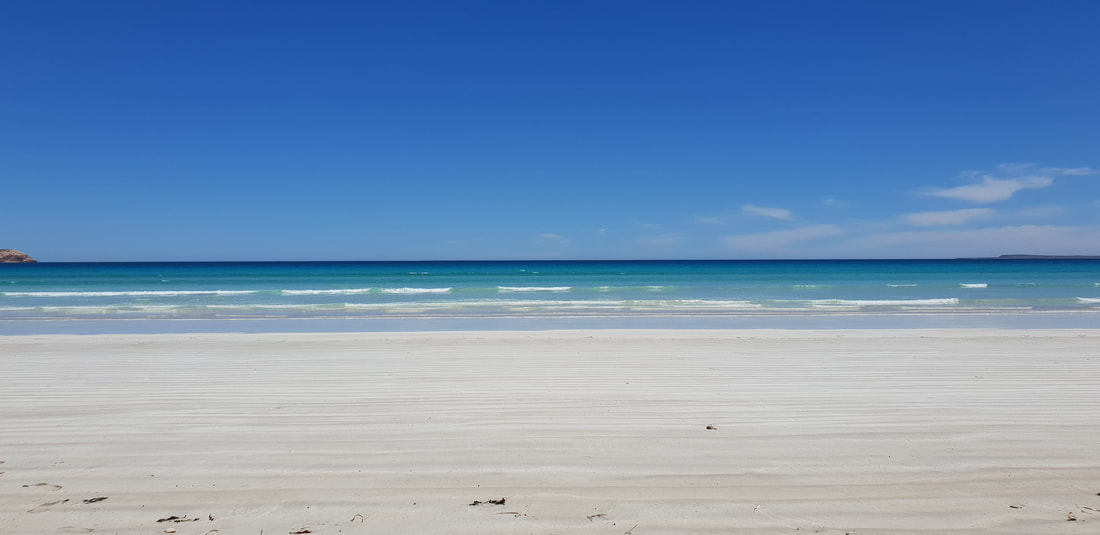
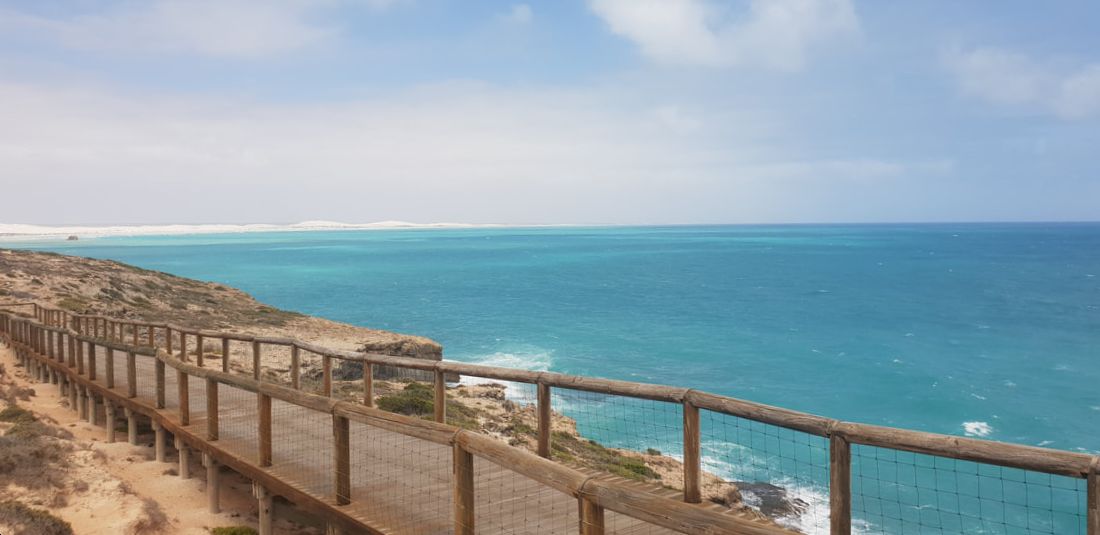
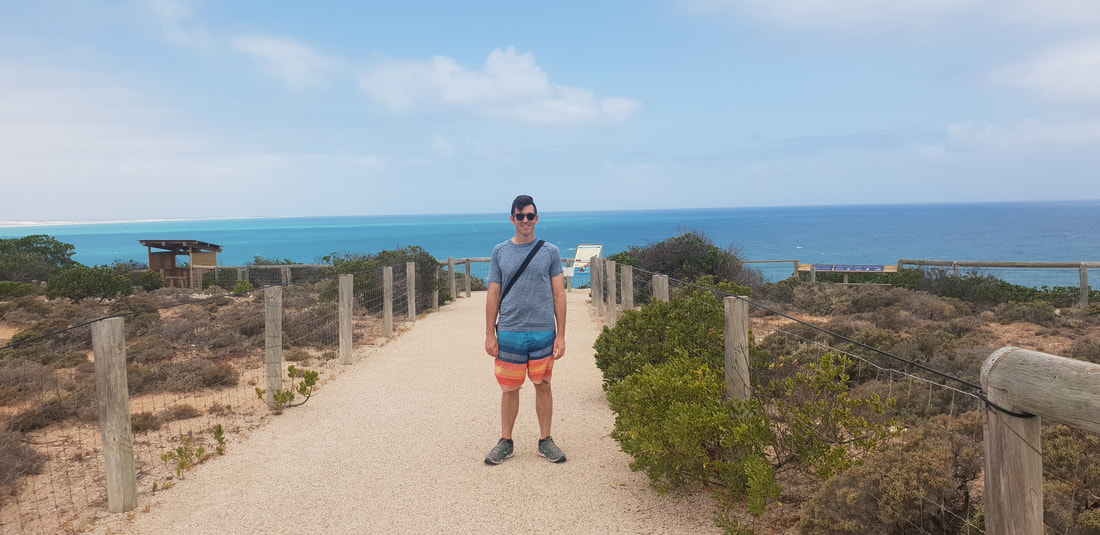
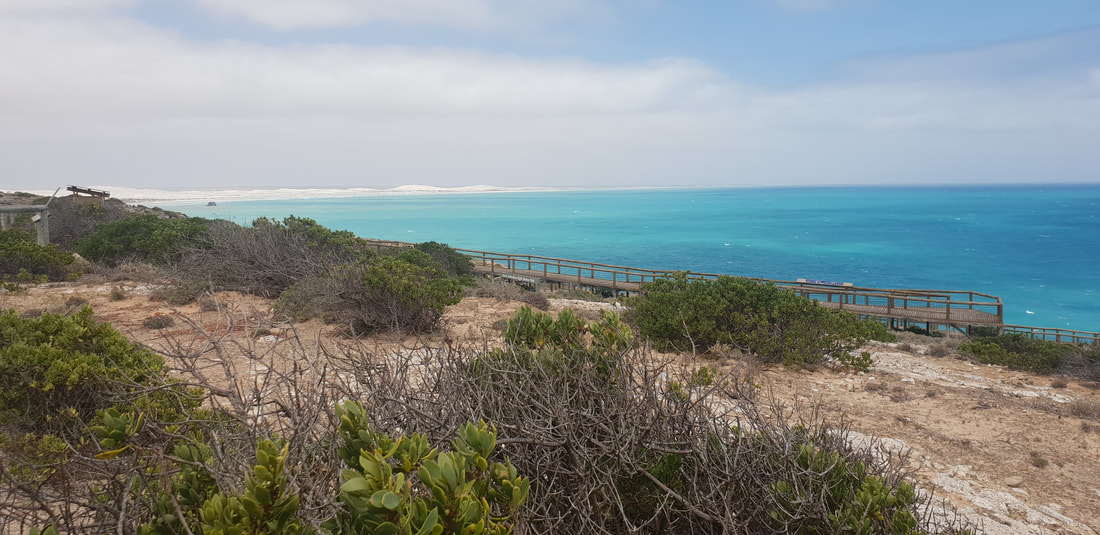
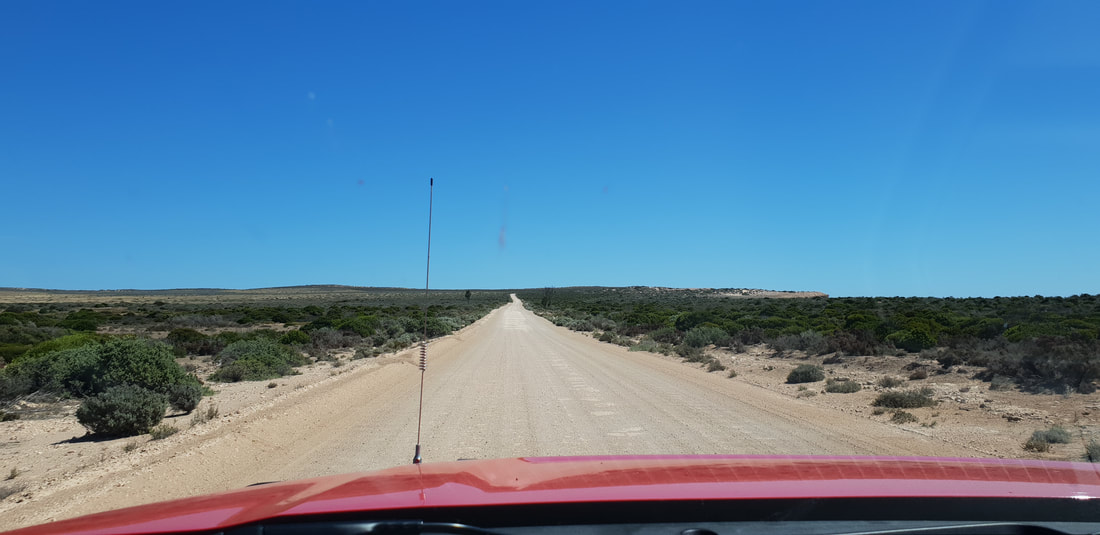
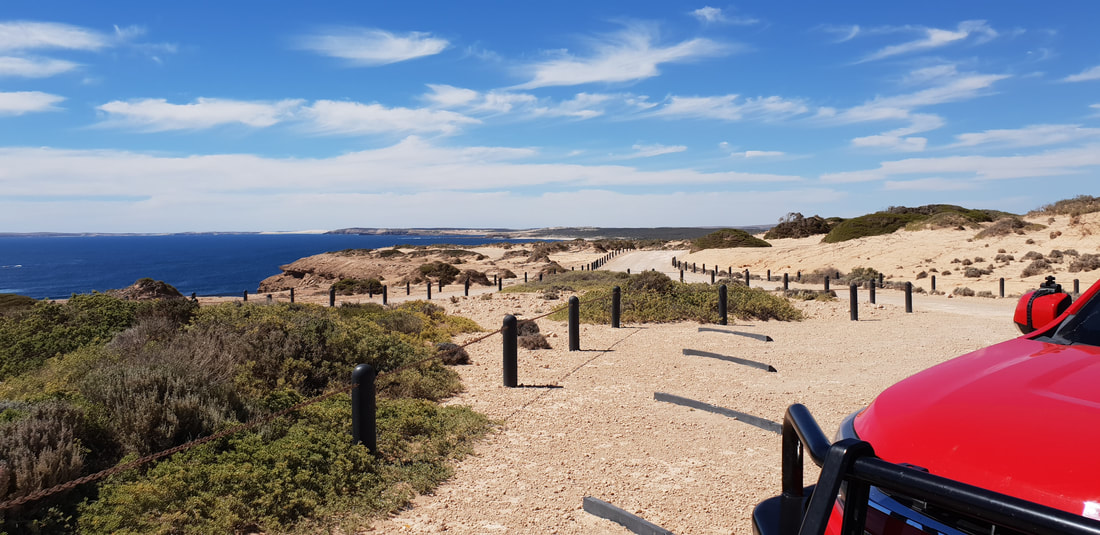
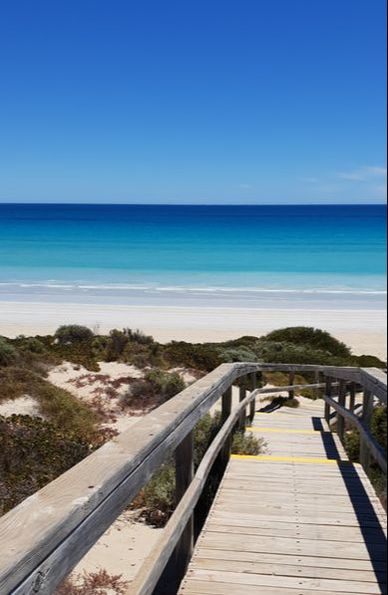
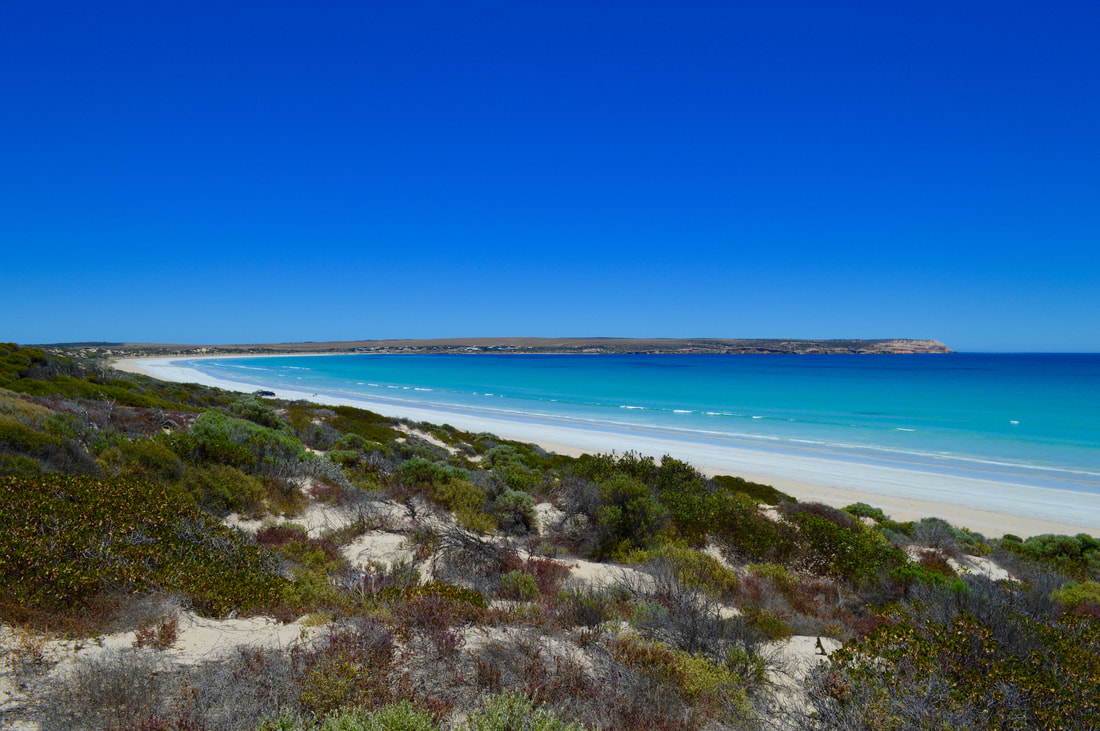 On the 50 odd kilometre drive from Streaky Bay to the Point Labatt Conservation Park, Shovel made a detour onto an inconspicuous dirt road that lead to a small carpark. We ventured out of Cherry and onto a timber staircase that lead directly to heaven....
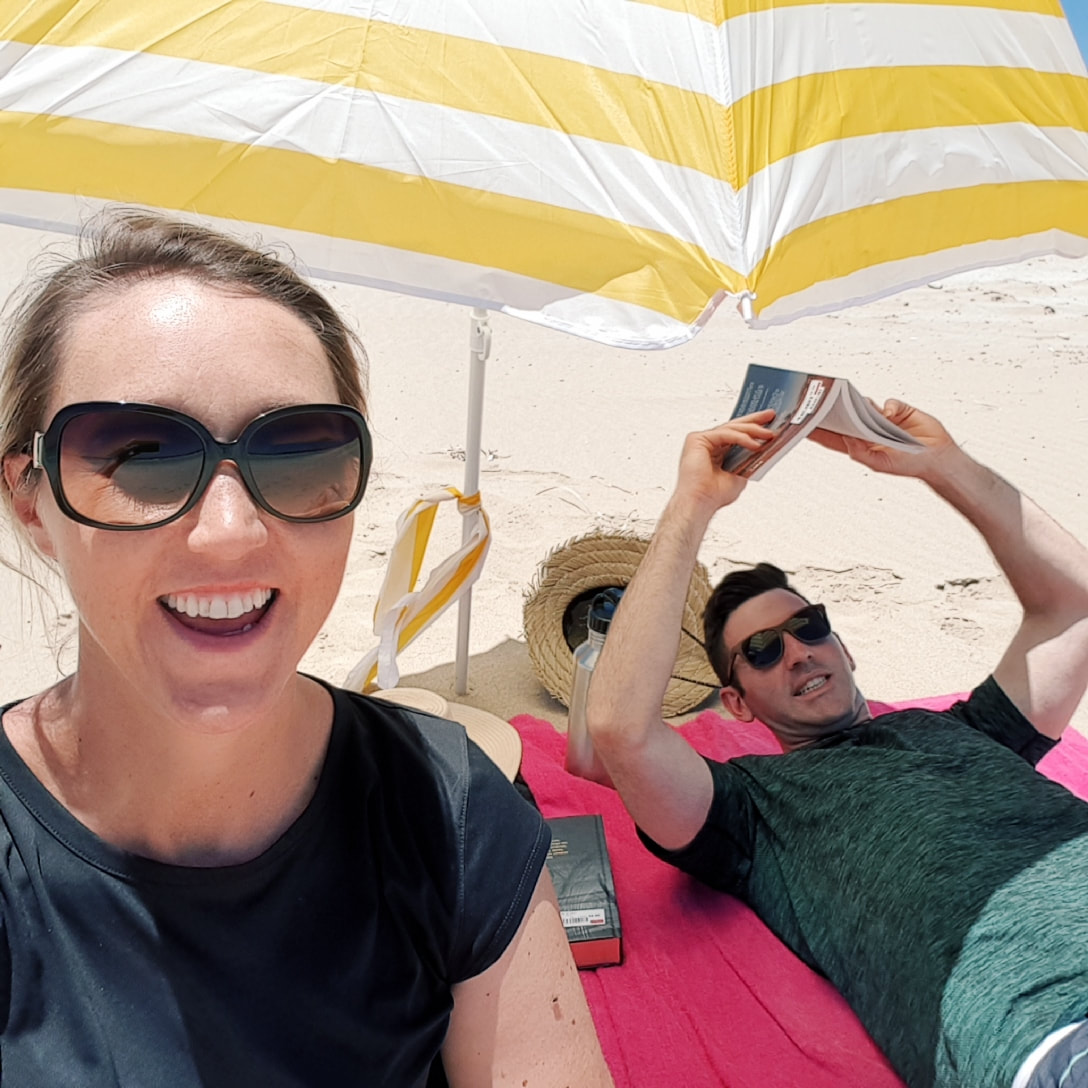
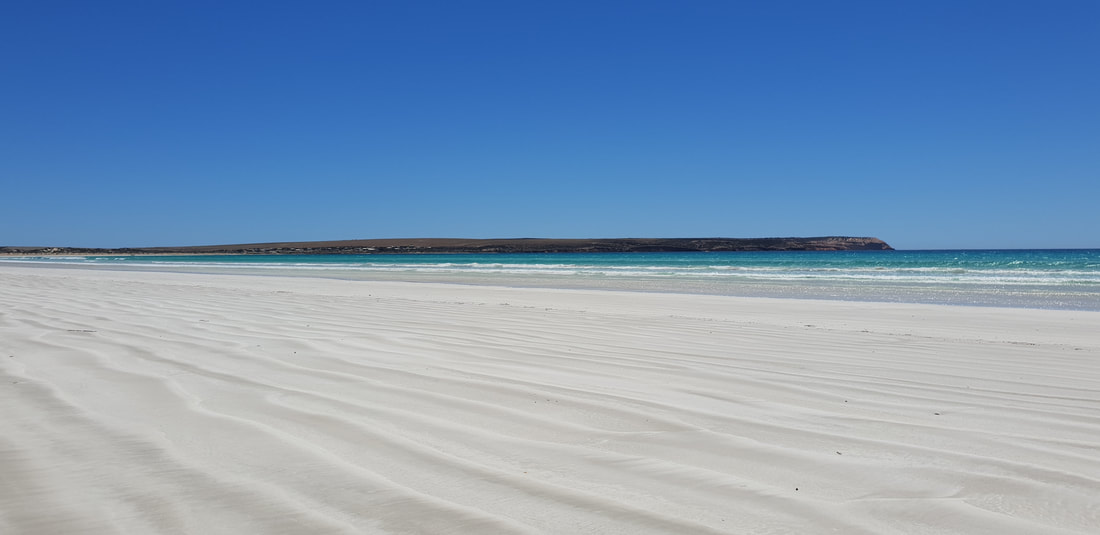
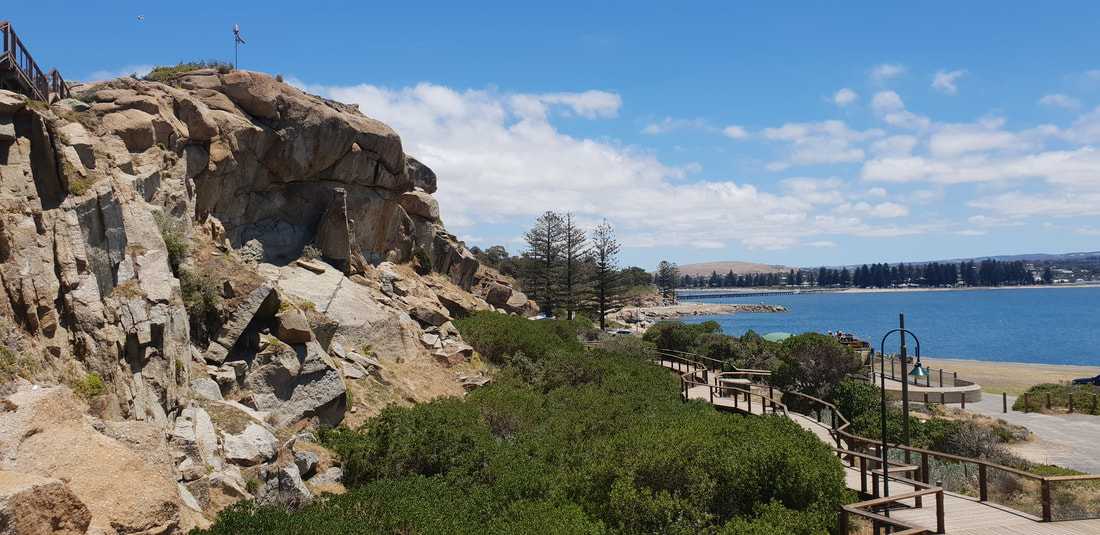
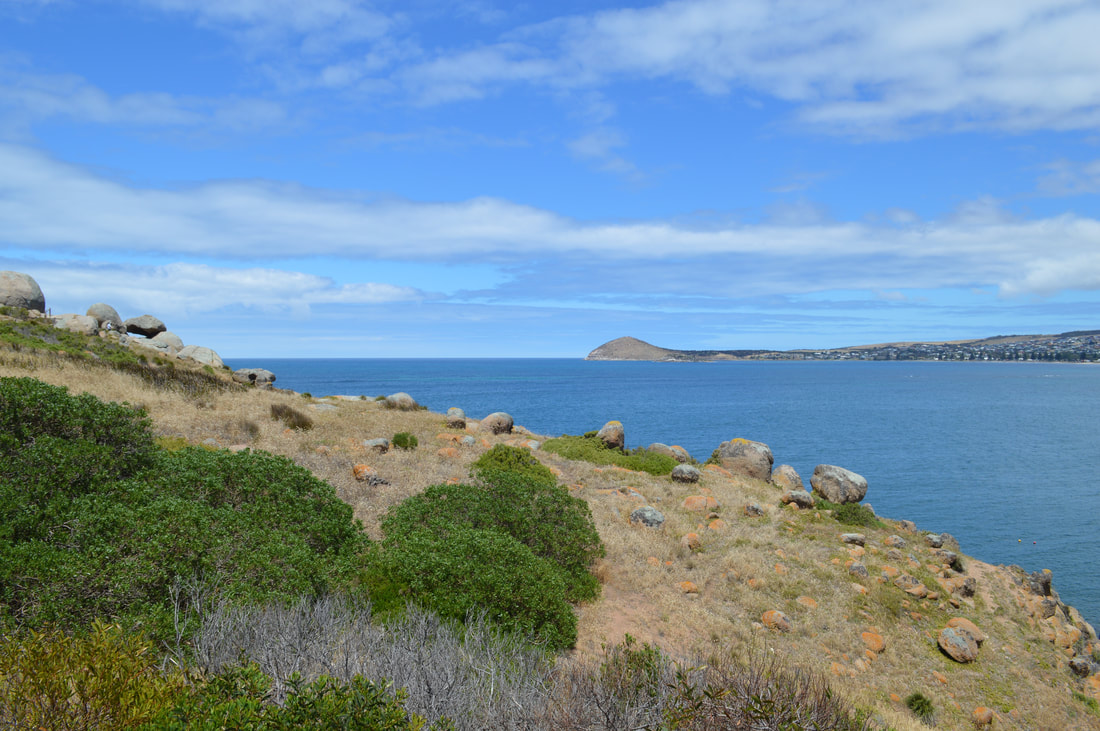
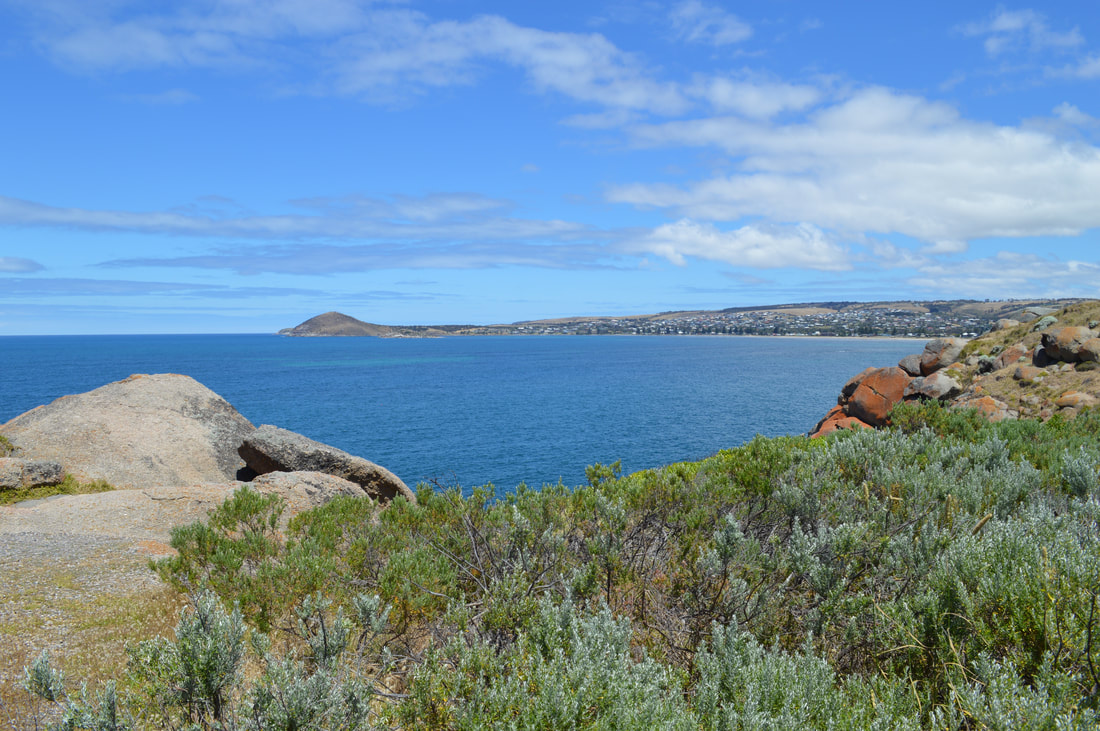
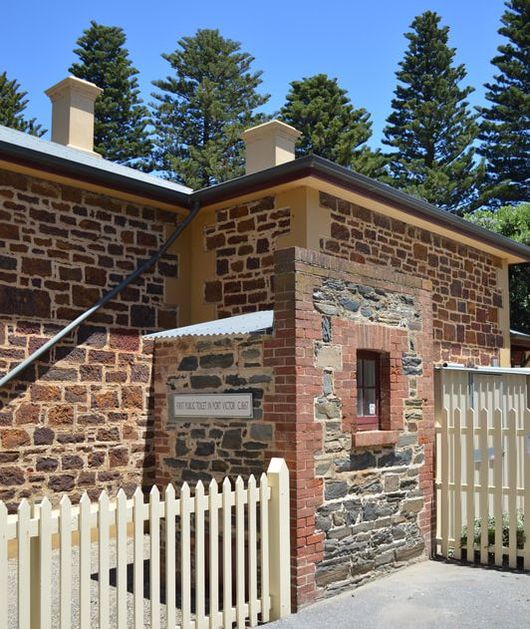
Not since Ellis Beach, had I experienced the 'I've made it' sensation until now... white powdery sand lapped by feathery waves, a gentle ocean breeze and crystal clear salt water... I said to Shovel 'get the beach towels, we've made it' On one of our days in Adelaide, we took a short 60 kilometre drive to Victor Harbor. It's a town with quite an interesting history, which all began at Encounter Bay. The bay that Victor Harbor sits on was first discovered by Matthew Finders in April 1802 while he was surveying the southern coast of Australia from the west. The most interesting part is he spotted French explorer Nicolas Baudin in Le Georgraphe near the Murray Mouth several kilometres away. The French and the English were at war during that time, both ships had documentation from each other's nation’s government stating they were not ships of war and were purely on scientific missions. The ships banked ashore and shared paperwork. From that day where they banked, it was named Encounter Bay by Matthew Flinders. In 1837 Captain Richard Grozier anchored off Granite Island just across shallow waters of where the town is today. He named the isolated waters Victor Harbor, after his ship HMS Victor. Not long after, two whaling stations kicked off at Rosetta Head and Granite Island, putting South Australia on the map for whale oil exports. The town of Victor Harbor was laid out on the beach in 1863 after the horse drawn tram extended it’s services from Goolwa. Hindmarsh Falls
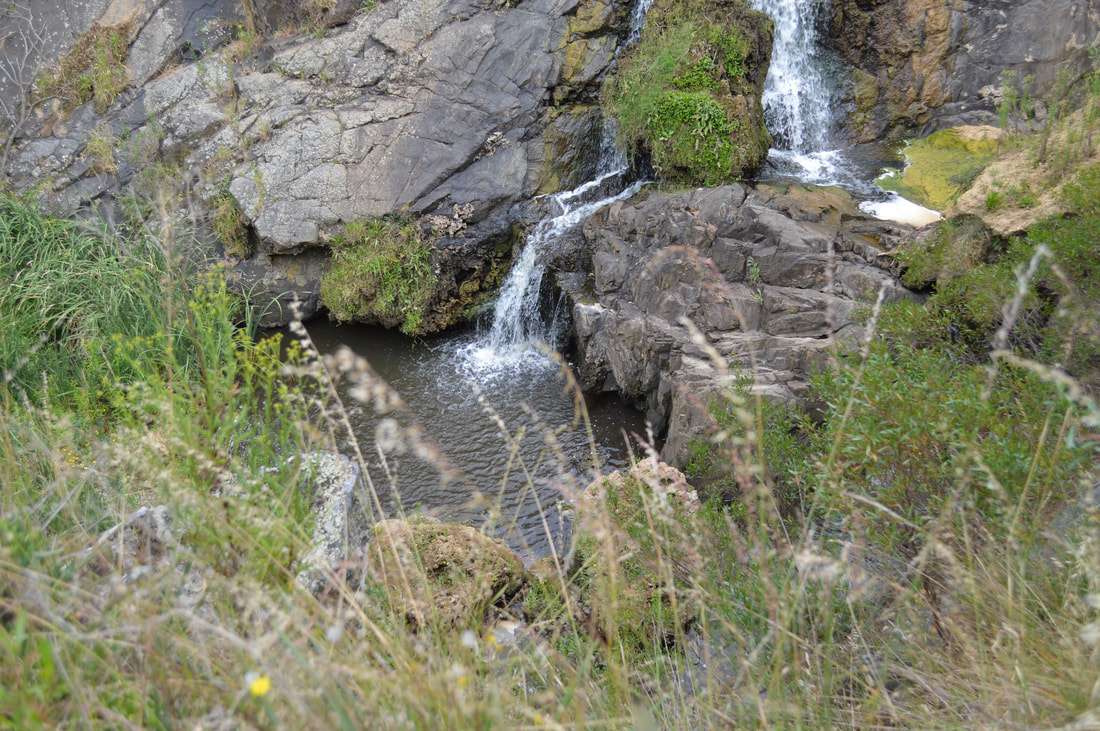
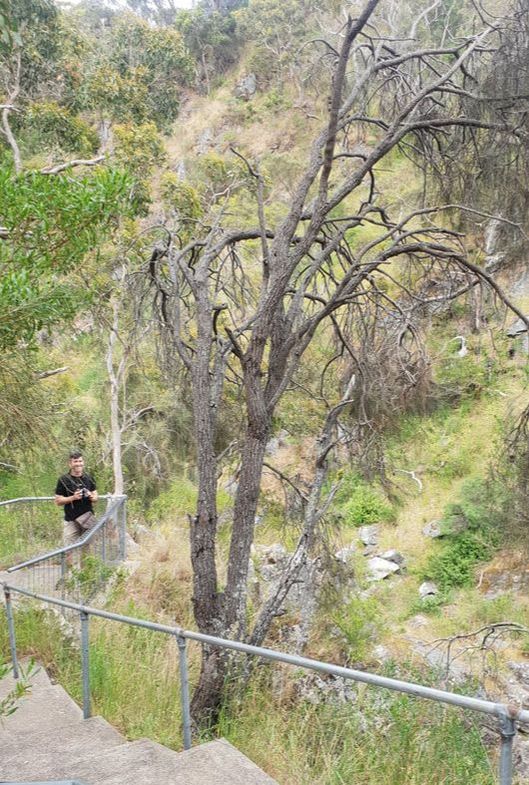
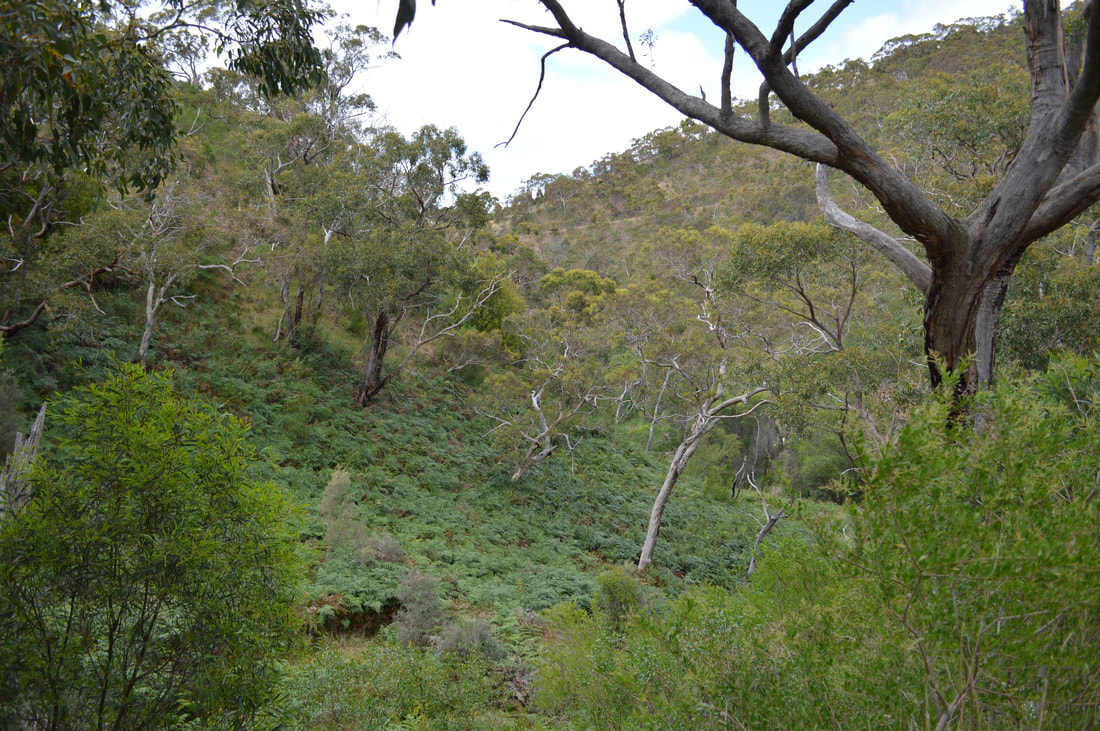
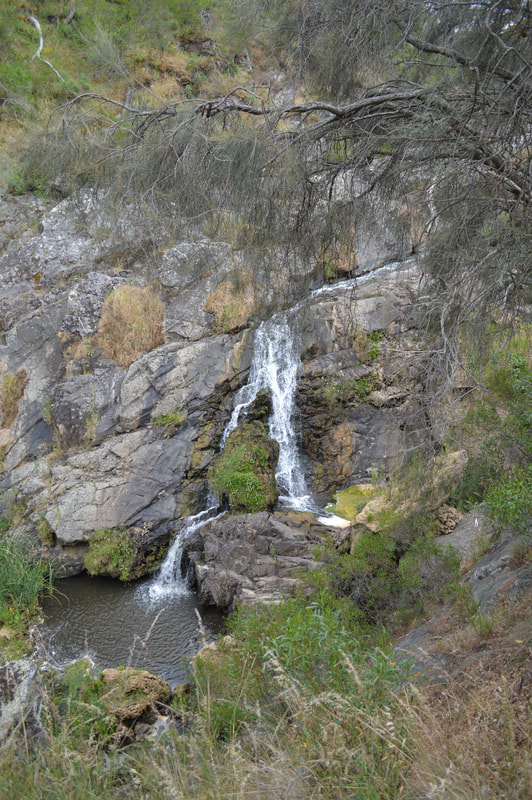
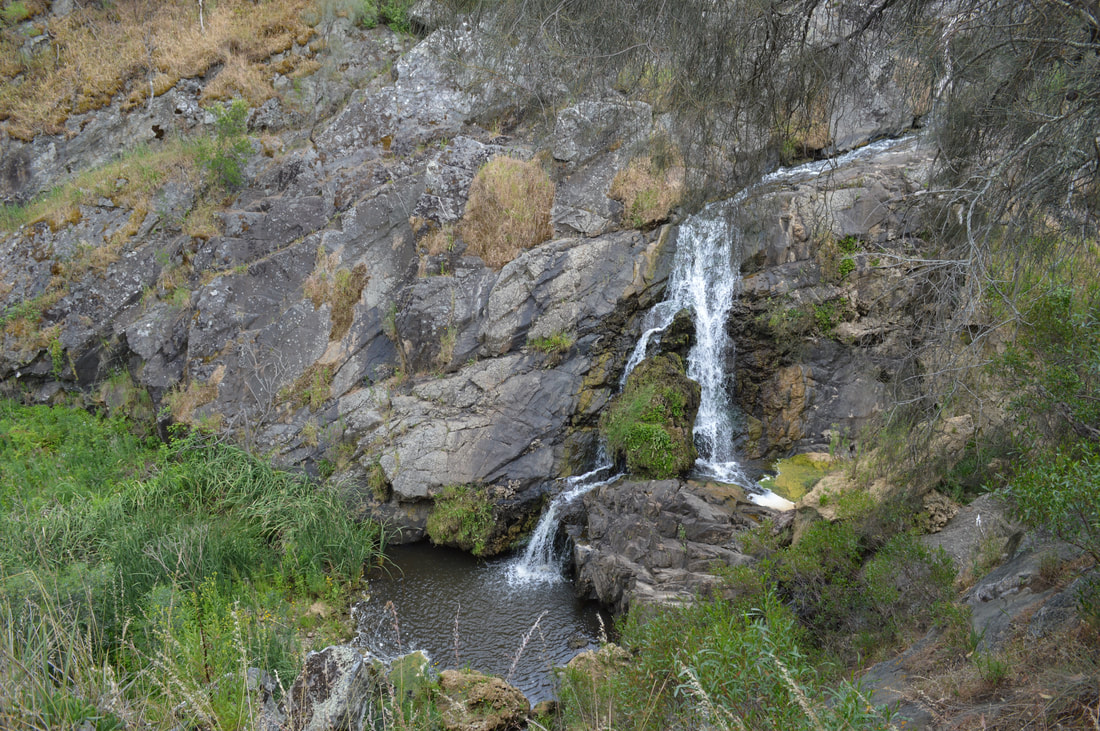
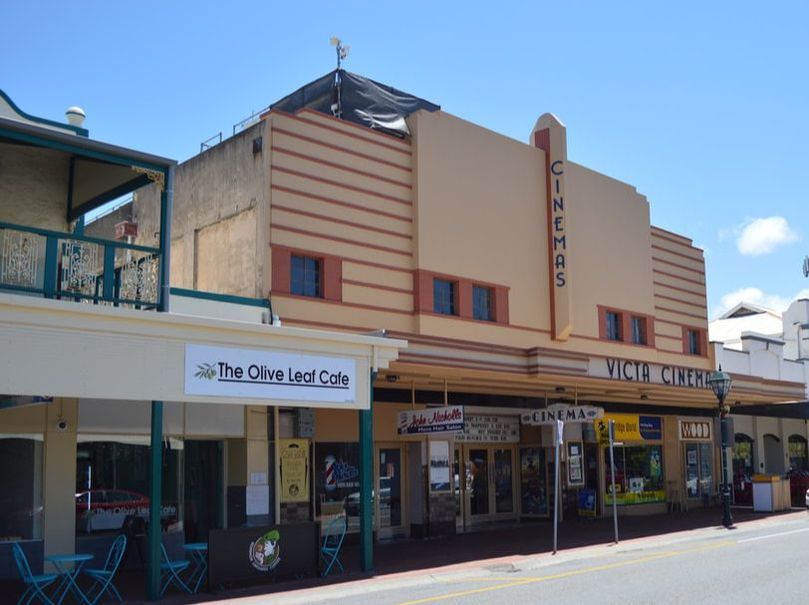
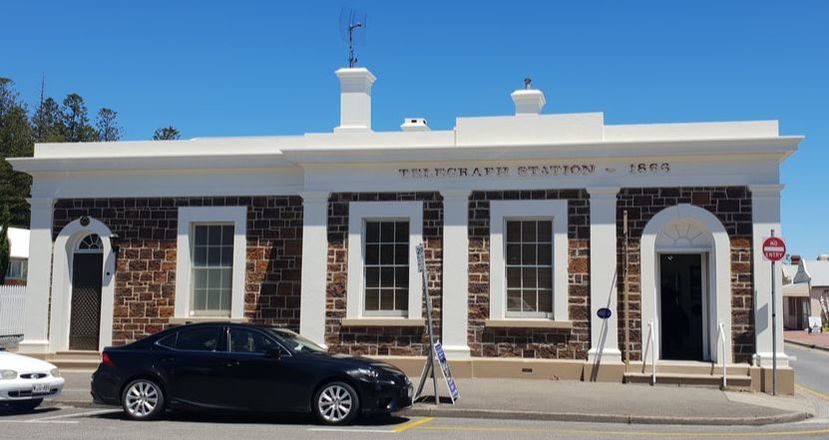
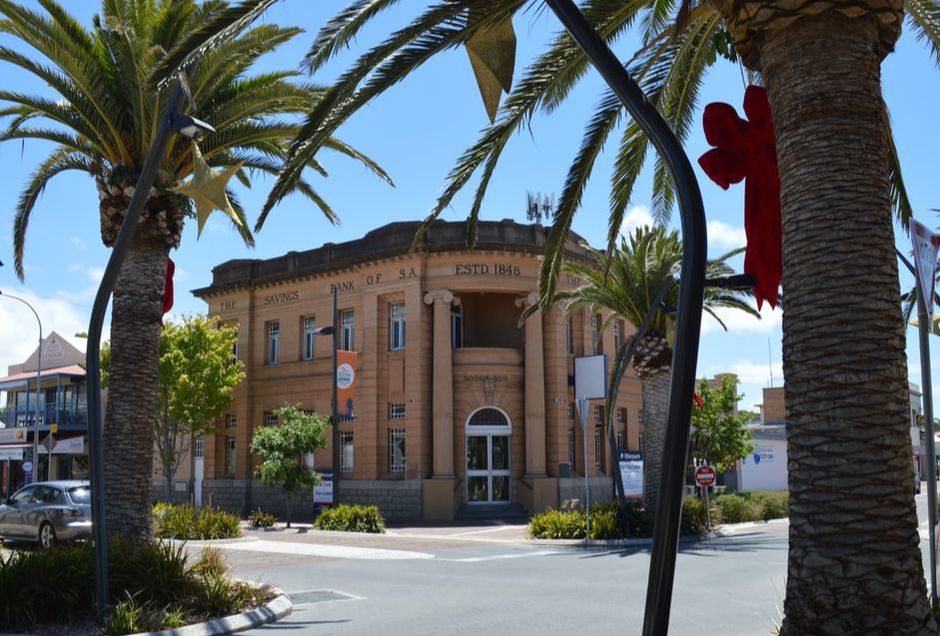
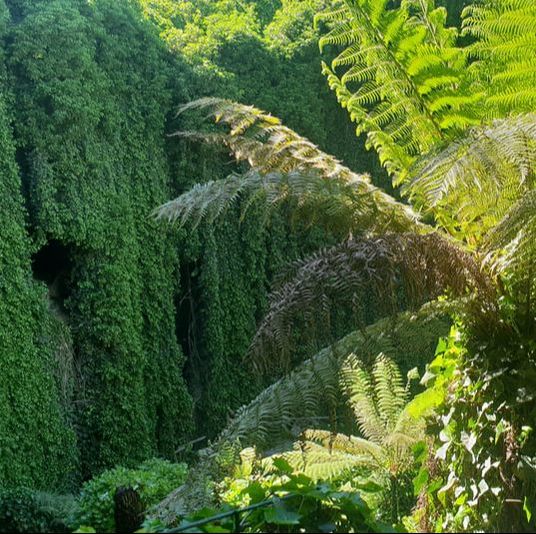
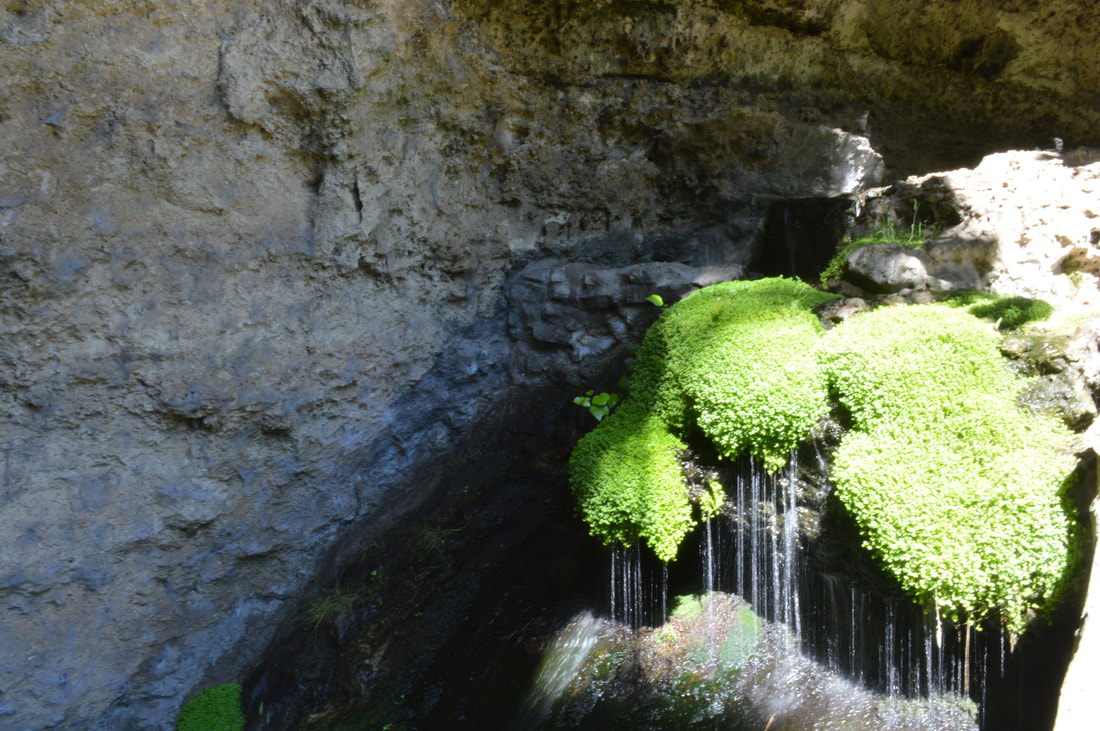
On the drive towards Victor Harbor, we pulled in for a look at the Hindmarsh falls. A short drive off the Hindmarsh - Tiers Road takes you to a hidden gem in the dry country. Dark green vegetation and running water make for a pleasant water fall. We made our way into Victor Harbor, parked up at the esplanade and went for a stroll around the town. Heritage listed buildings like the savings bank, telegraph office, cinema and railway stations aide you to imagine what the town was like back in those days. Its a tidy town and a breeze to walk around with its relaxed atmosphere. Granite Island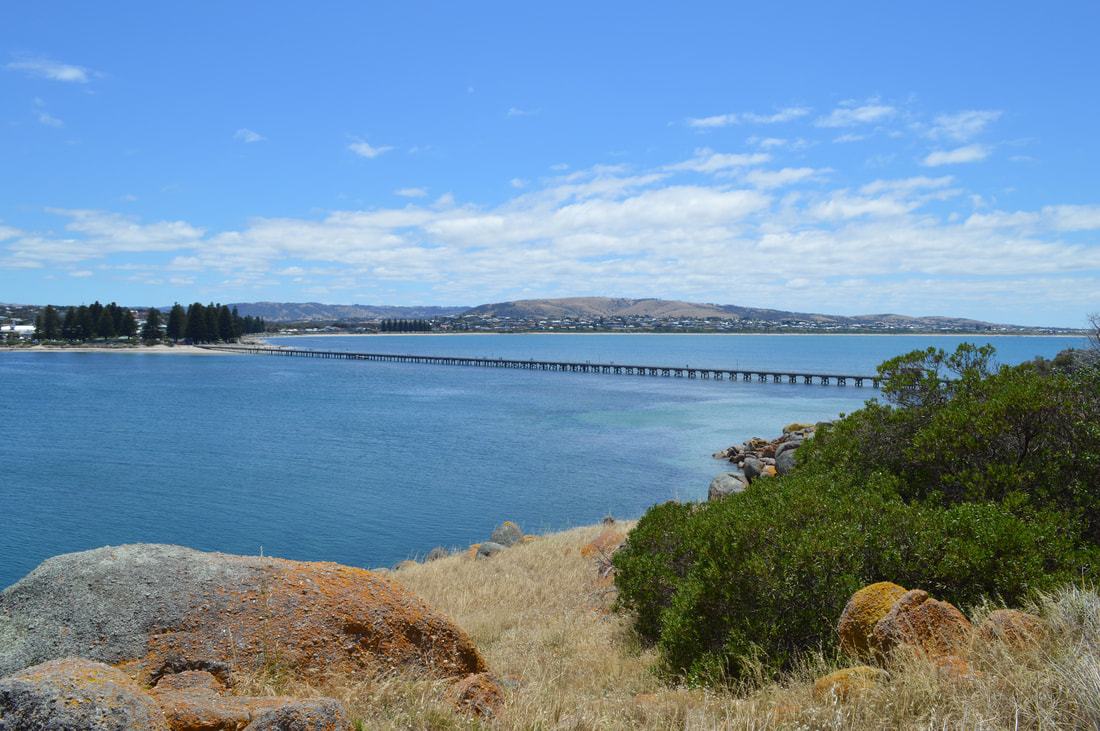
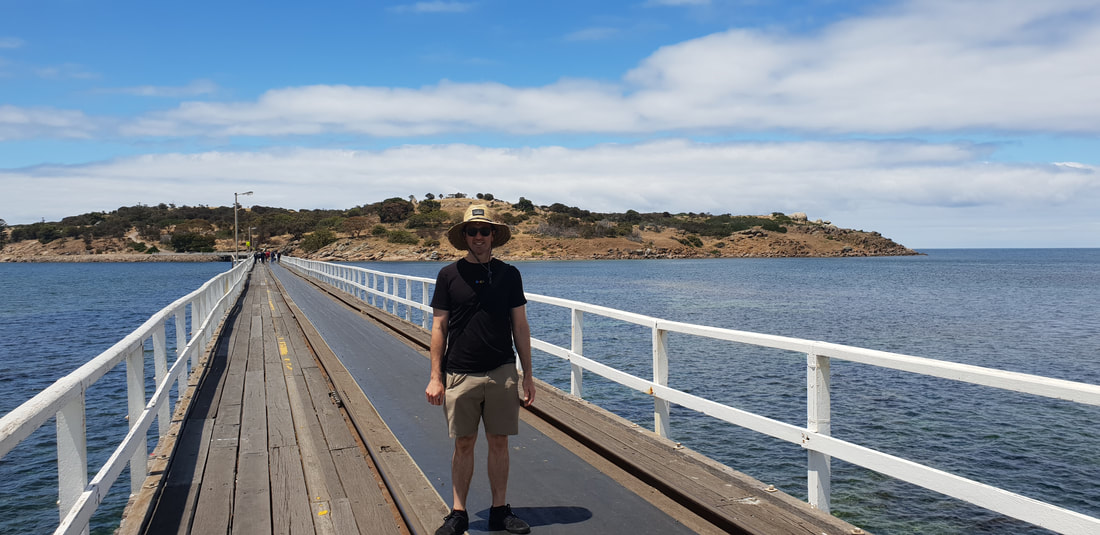
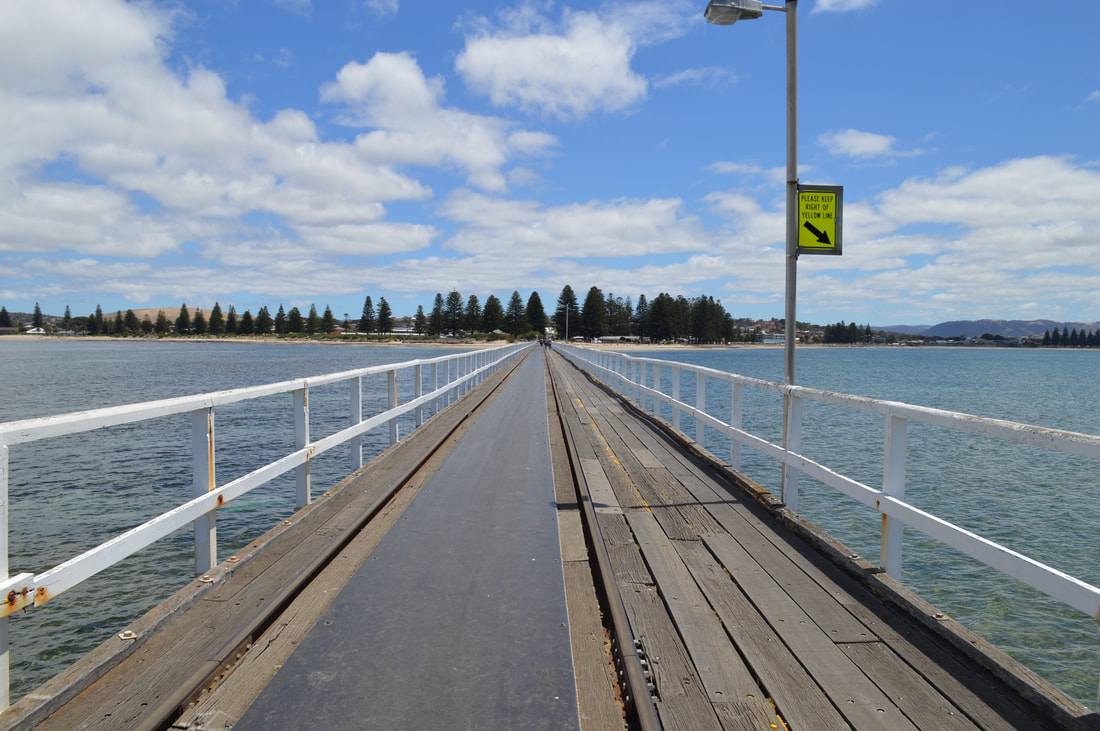
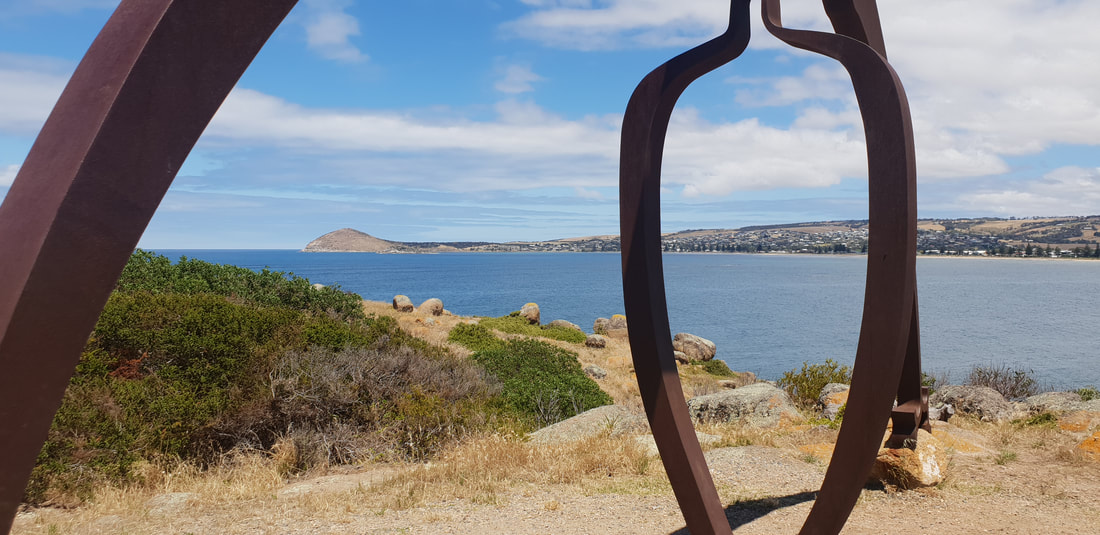
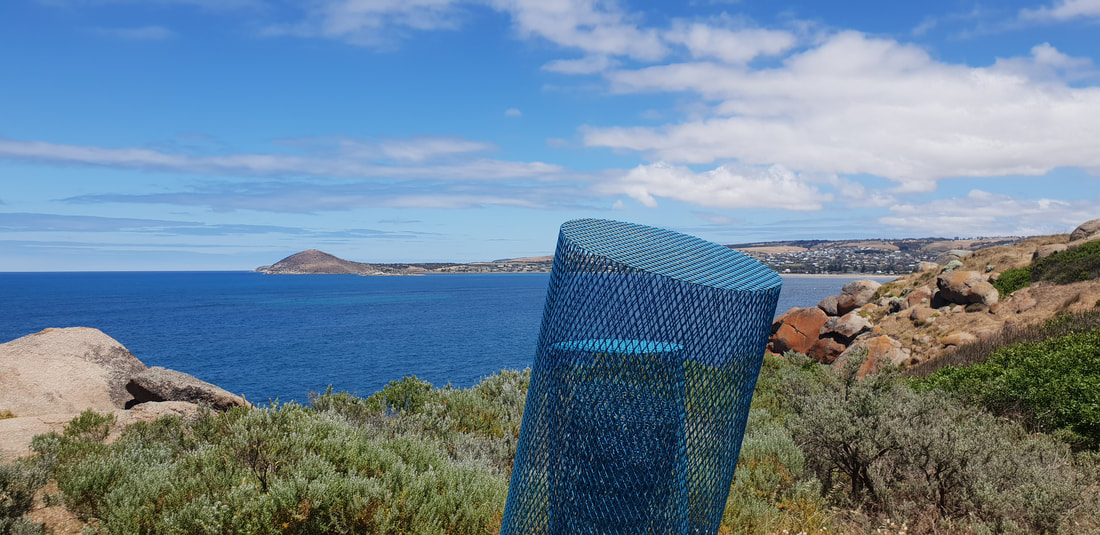
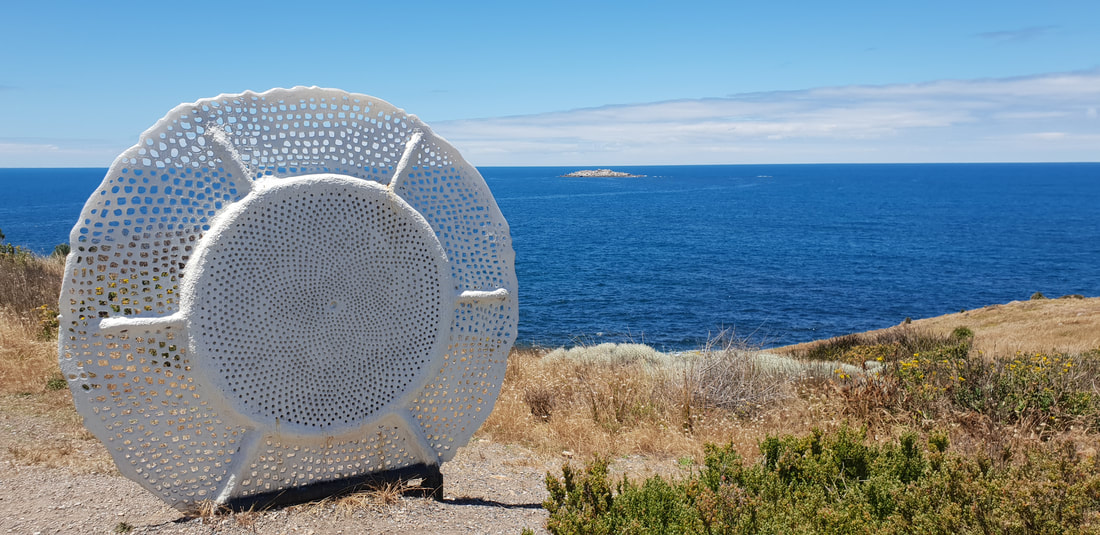
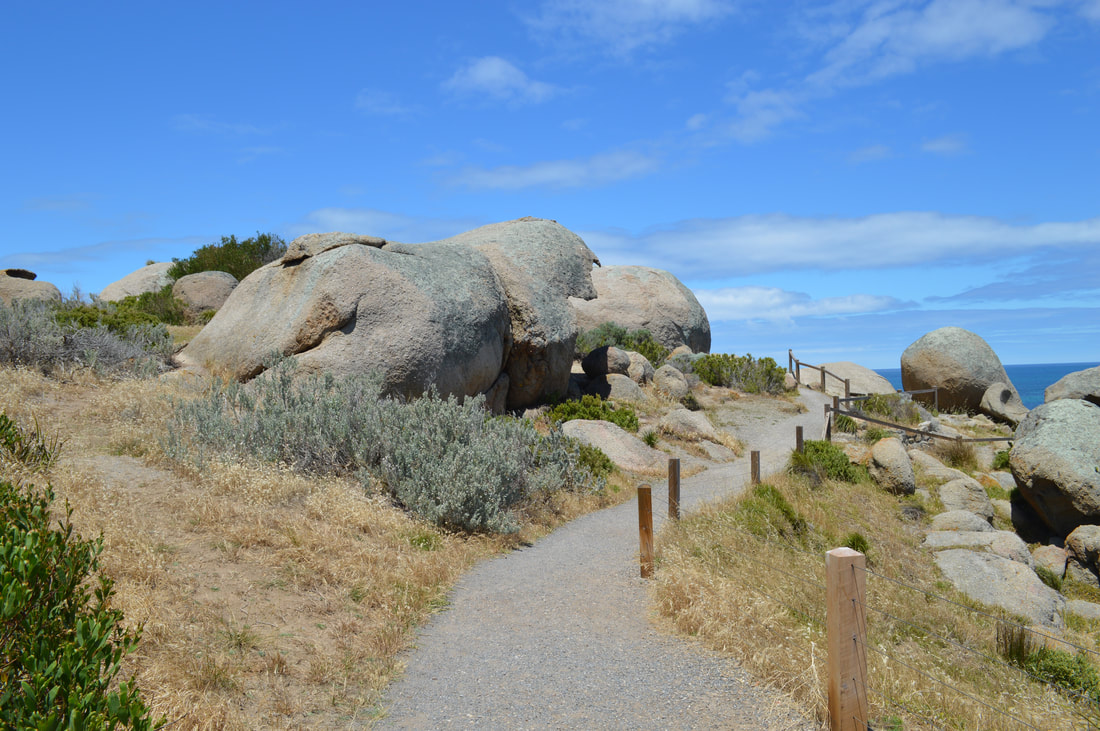
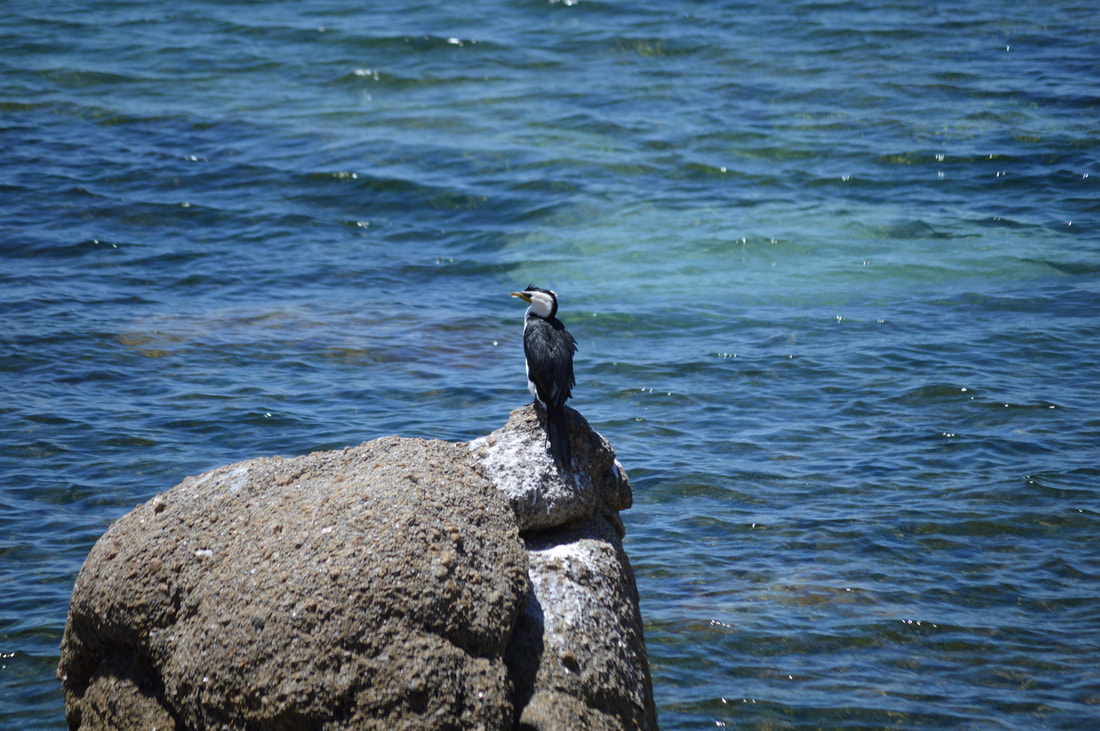
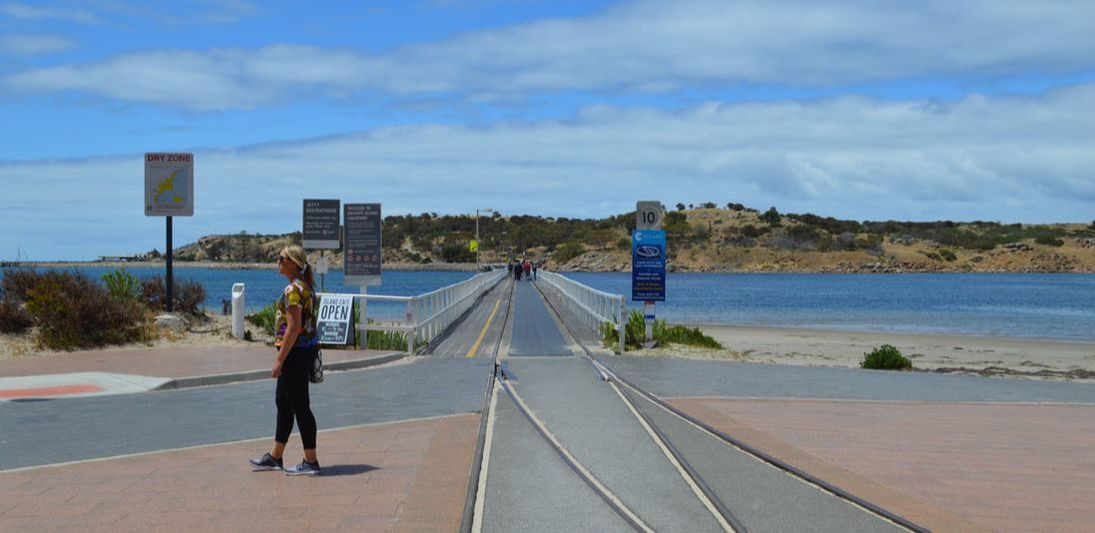
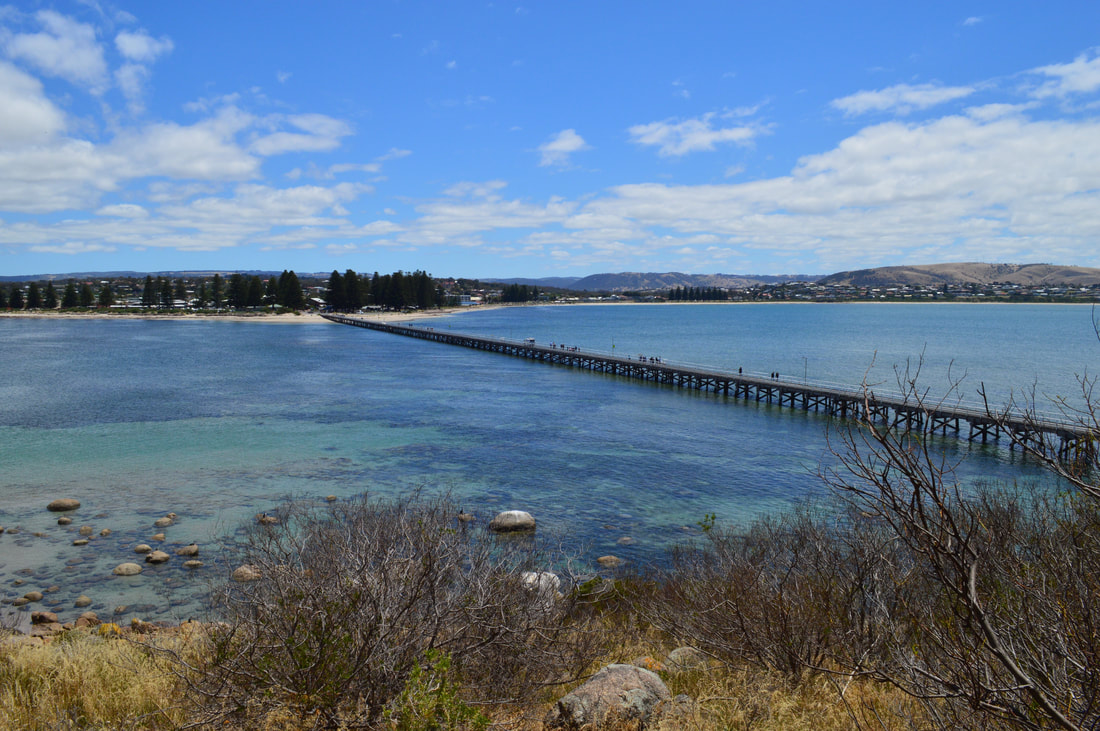
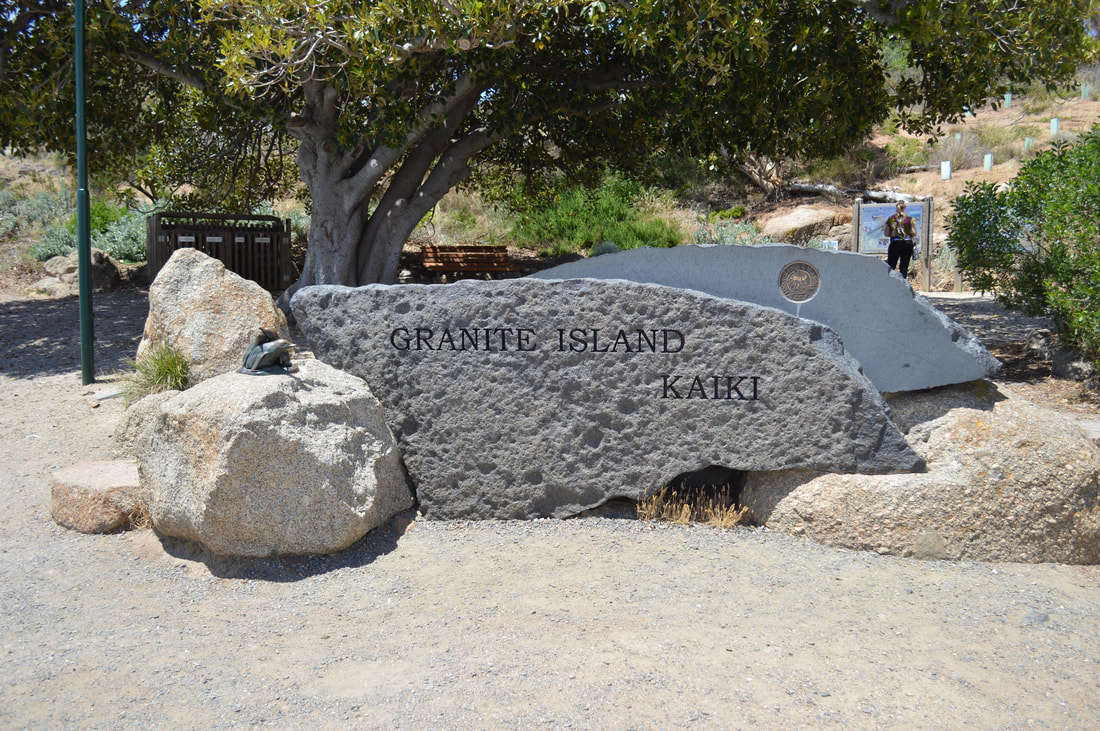
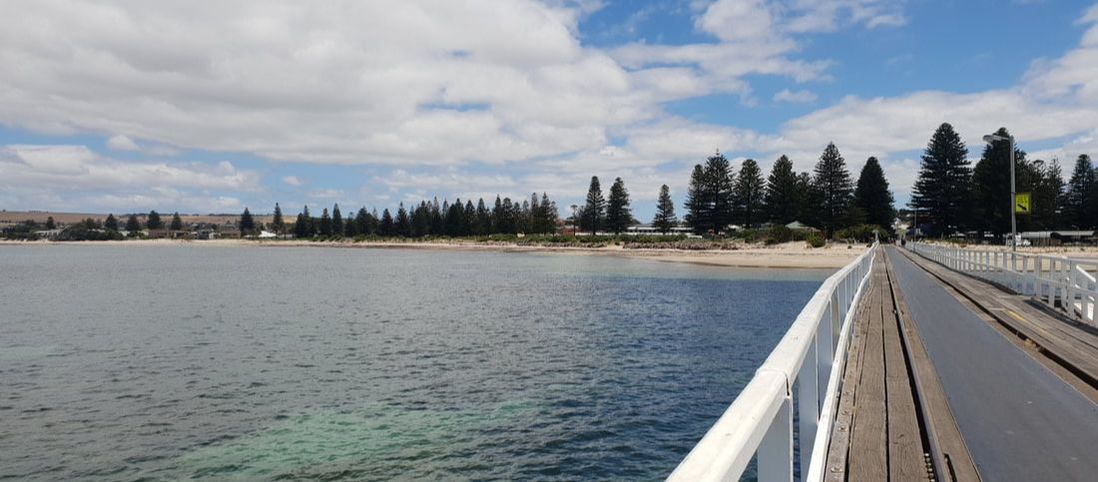
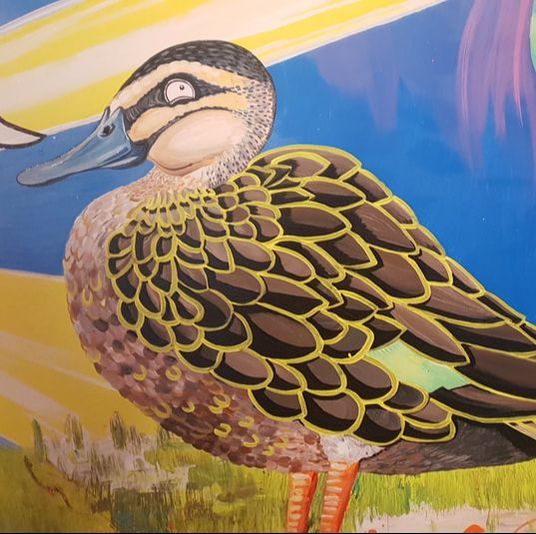
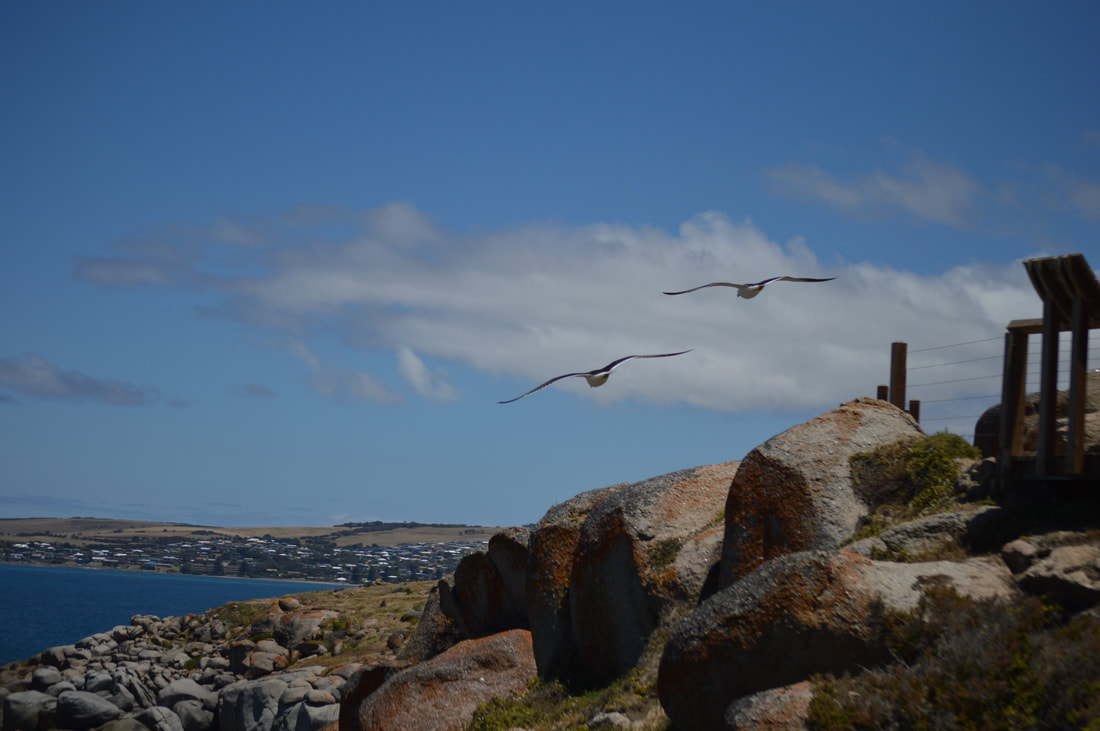 We headed out for a walk across the bridge to Granite Island and were quite shocked to see the horse drawn cart still happening. This idea of transport worked great for back in times without electricity or internal combustion to transport granite and whale products. To be using this primitive idea now to move sloths across the bridge who couldn’t be bothered walking is completely impractical. The horse looks like it breaks it’s back towing the tram along the tracks, it wouldn’t be good to know how bad it was for them when they were dragging granite and other goods around. We walked around Granite island on the walking track. The leisurely stroll makes for splendid views across the waters of Victor Harbor back into the town. Some artworks on the way kept us entertained alongside some of the birdlife doing their daily routine. On the easterly side of the island was some more views out towards sea eventually bringing us back to the bridge. We also noticed a couple of penguin chirps on our walk, a colony used to beach on Granite Island, over the years the numbers have declined drastically to a growing New Zealand seal population and vandals. We finished off the day with a delicious sweet potato fritter from McLaren Vale and made our way back to Florence. We did enjoy parts of Victor Harbor, pleasant heritage buildings and a walkable island were certainly the highlights. A few of the tourist attractions seemed well past its prime, the penguin viewing area looked like it hasn’t been used for years and the Horse Drawn tram feels like Victor Harbor’s last tourism hope, which looked a little depressing. The easy going pace made for a relaxing day in Victor Harbor, not a bad place to visit, but not again. Around Town
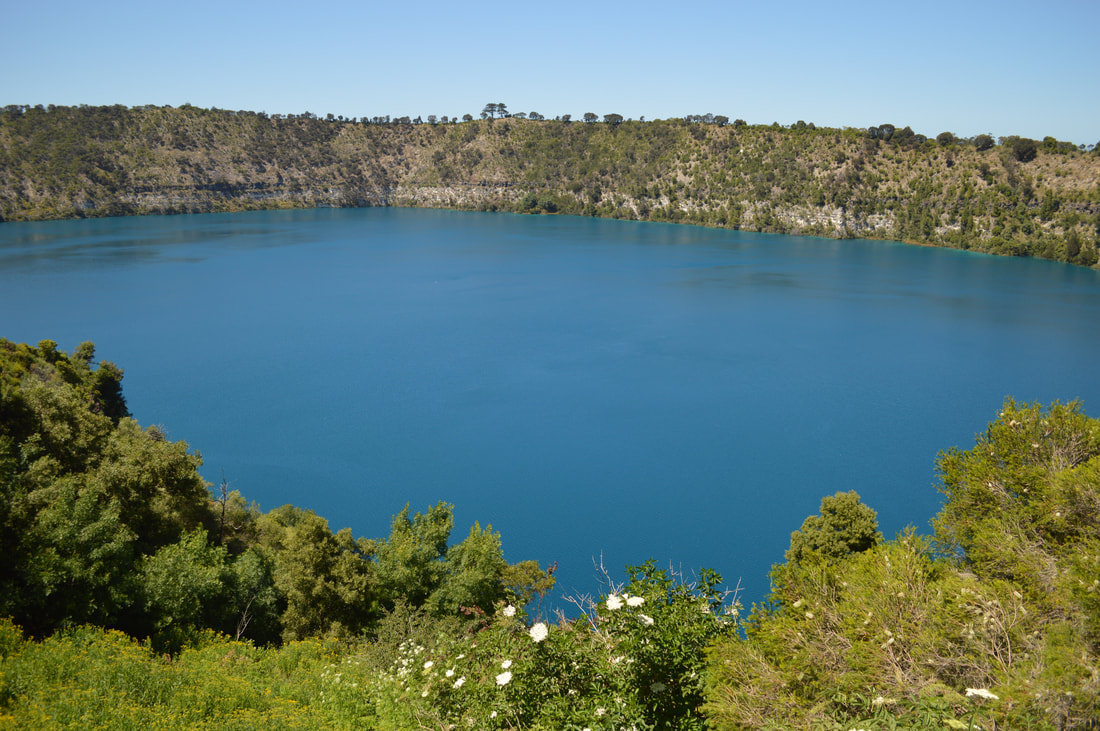
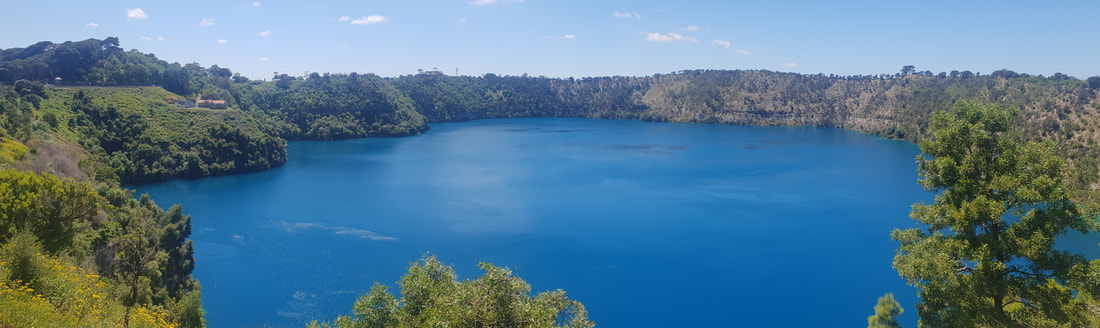
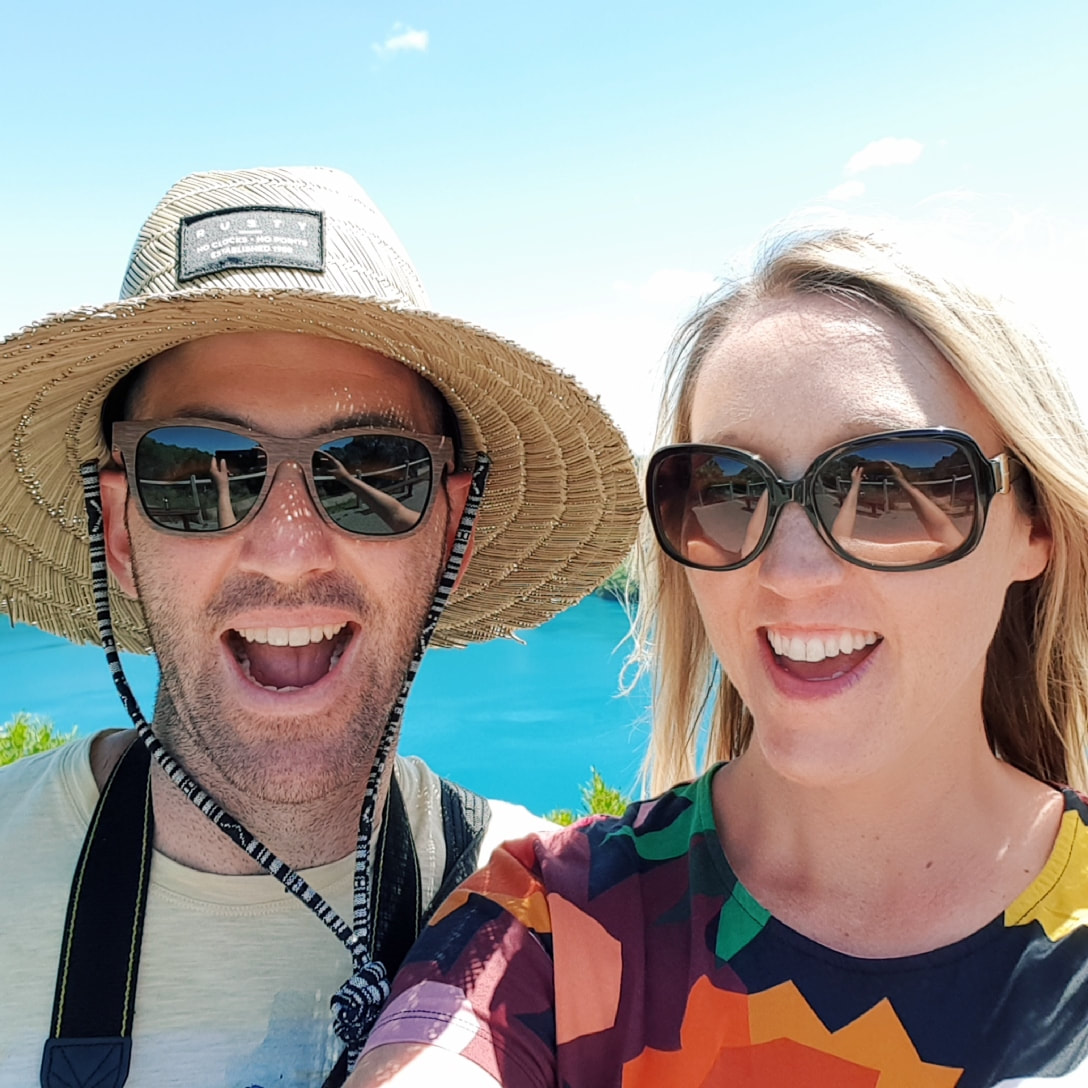
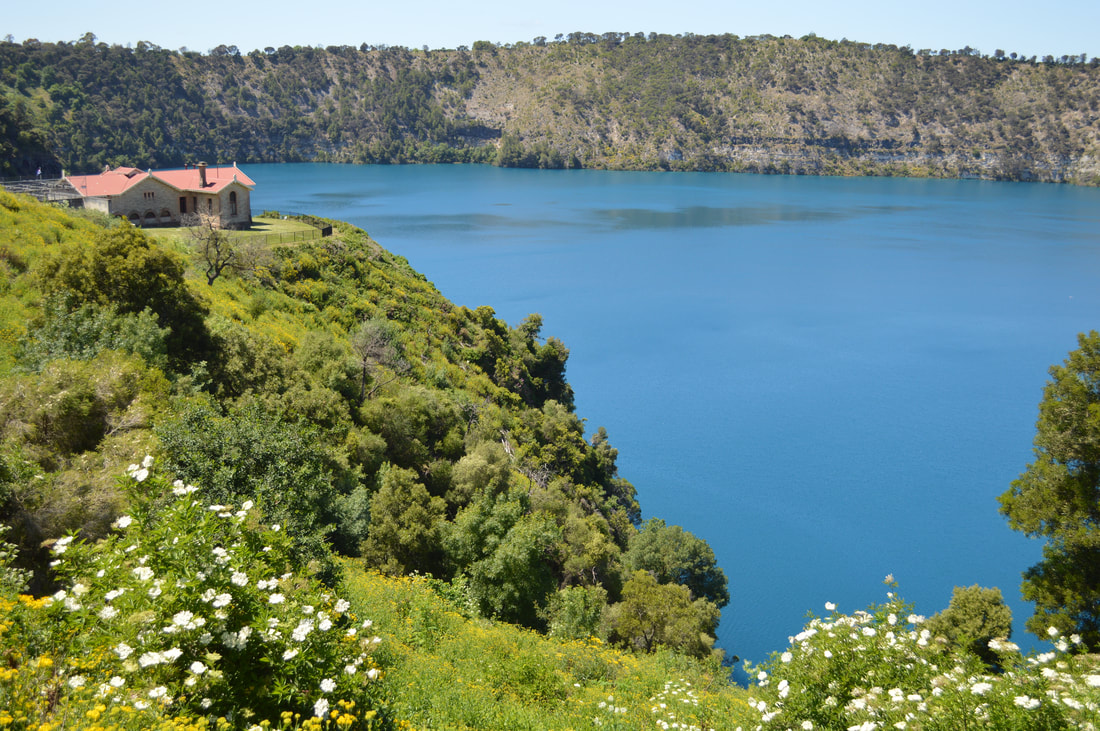
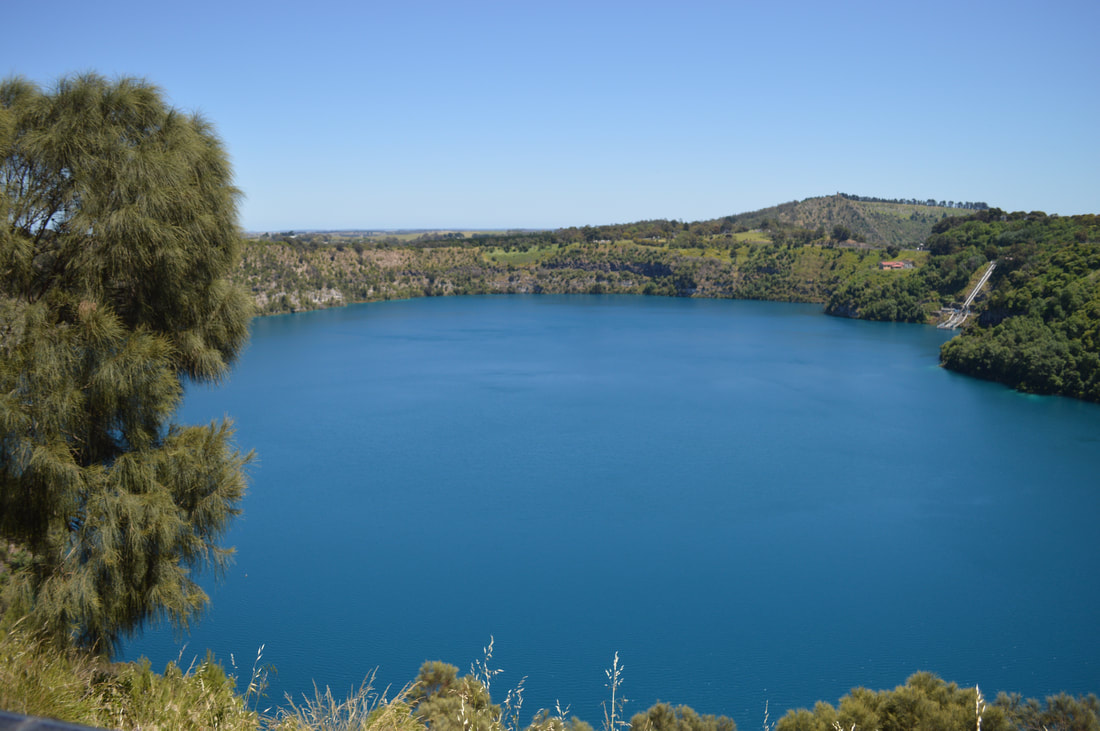
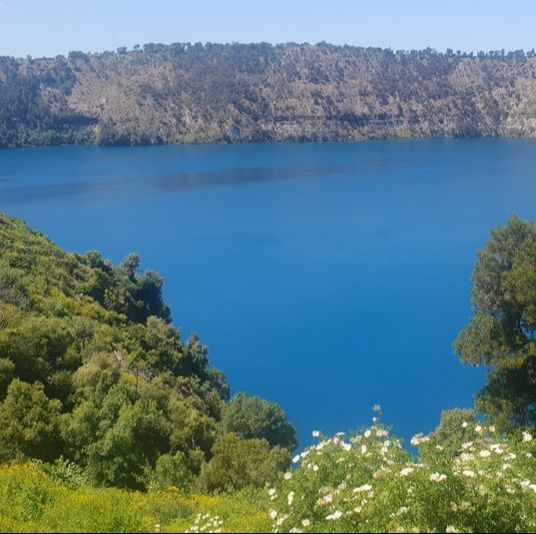
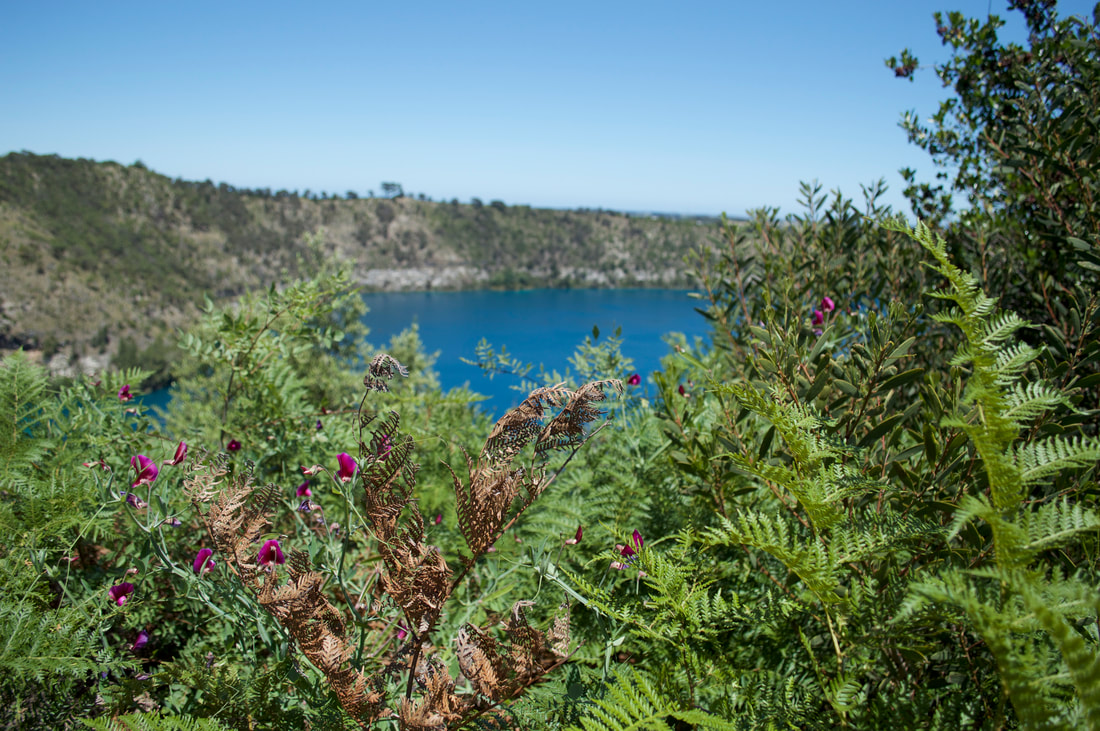
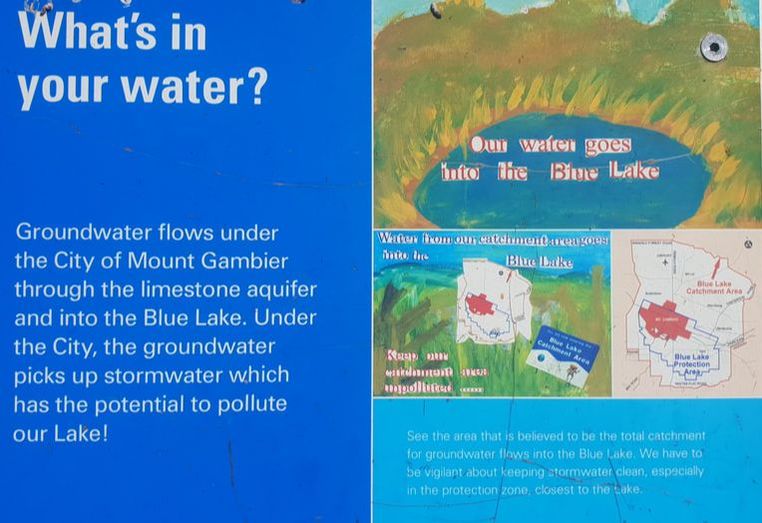
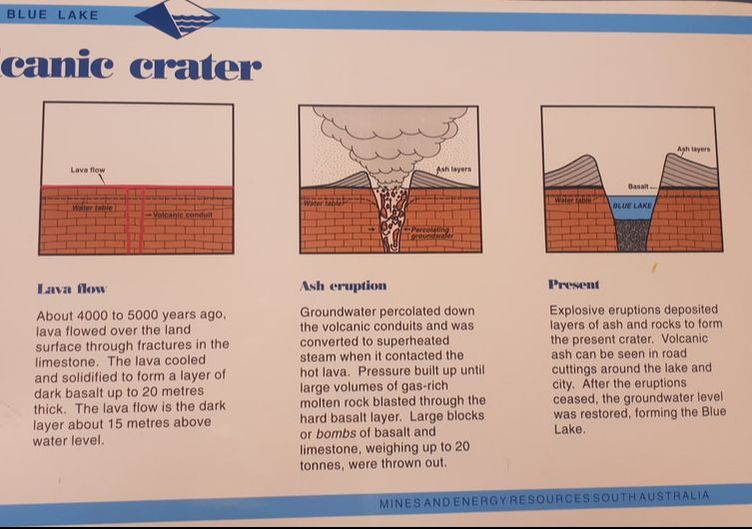
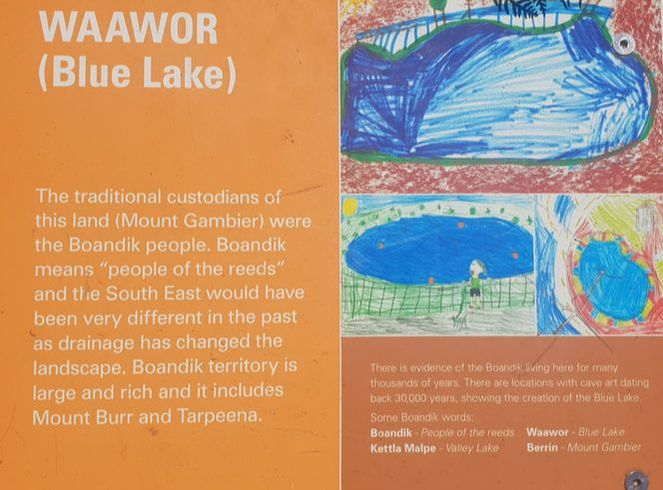
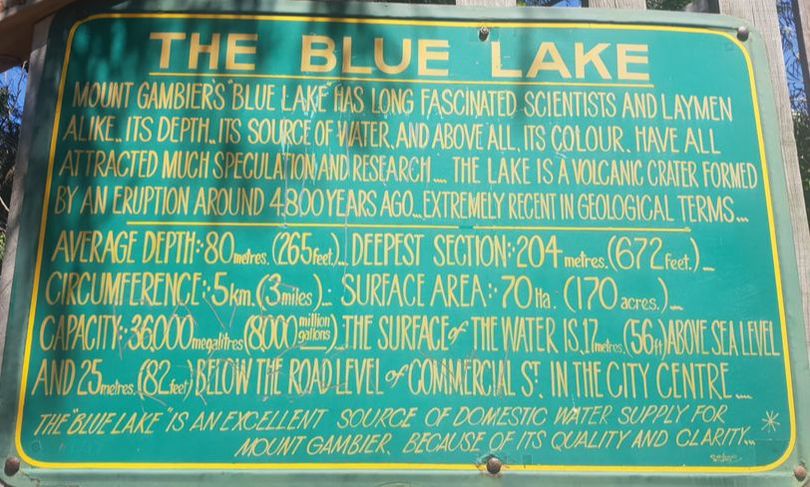
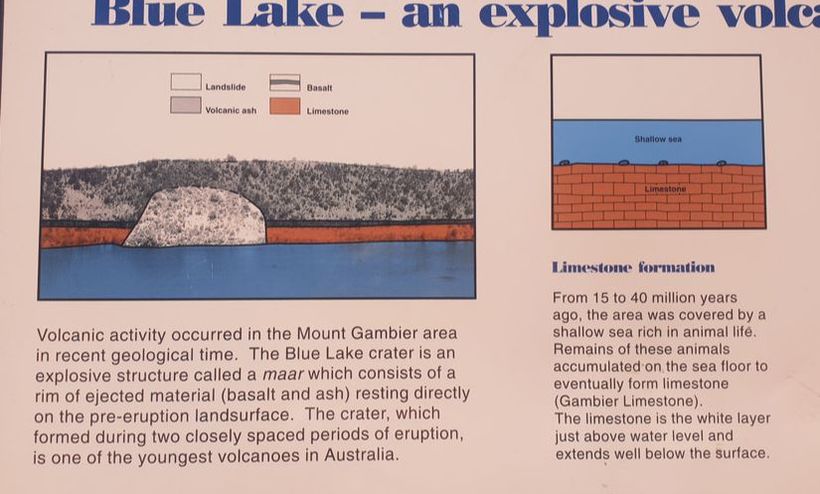
Blue LakeAs far as we can learn no one exactly knows why the blue lake in Mount Gambier turns blue, apparently it's only this consistently rich cobalt blue colour during the months of November and December, so we've timed our visit coincidently as during the other months the lake appears apparently dark grey in colour. At it's deepest point this volcanic crater lake plummets about 200 metres and is on average about 80 metres in depth. This is the town's water supply and is of a high quality and purity. The colour reminded us of the Mary Kathleen mine, an old abandoned uranium mine between Mount Isa and Cloncurry that is filled with water very similar in colour to the blue lake in Mount Gambier. Although the purity I'm sure wouldn't be of the same quality... We ventured around the 3.8 kilometre circumference of the lake taking in the gorgeous blue from every angle and were thankful to feel the sun's rays.
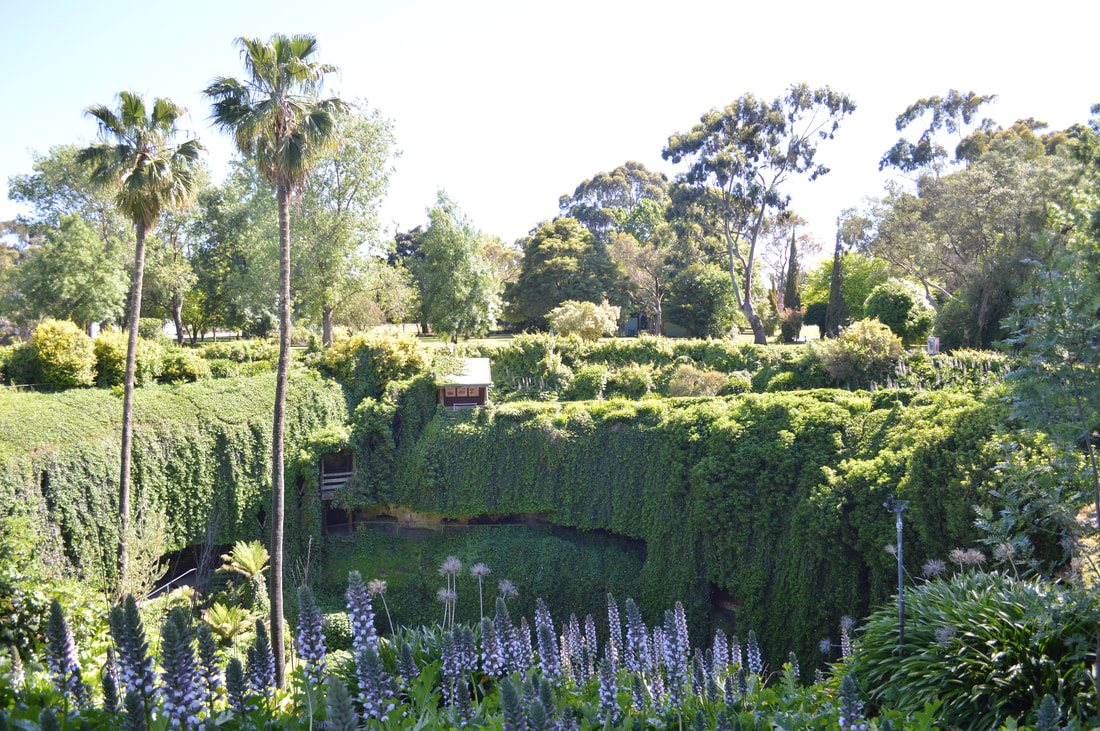
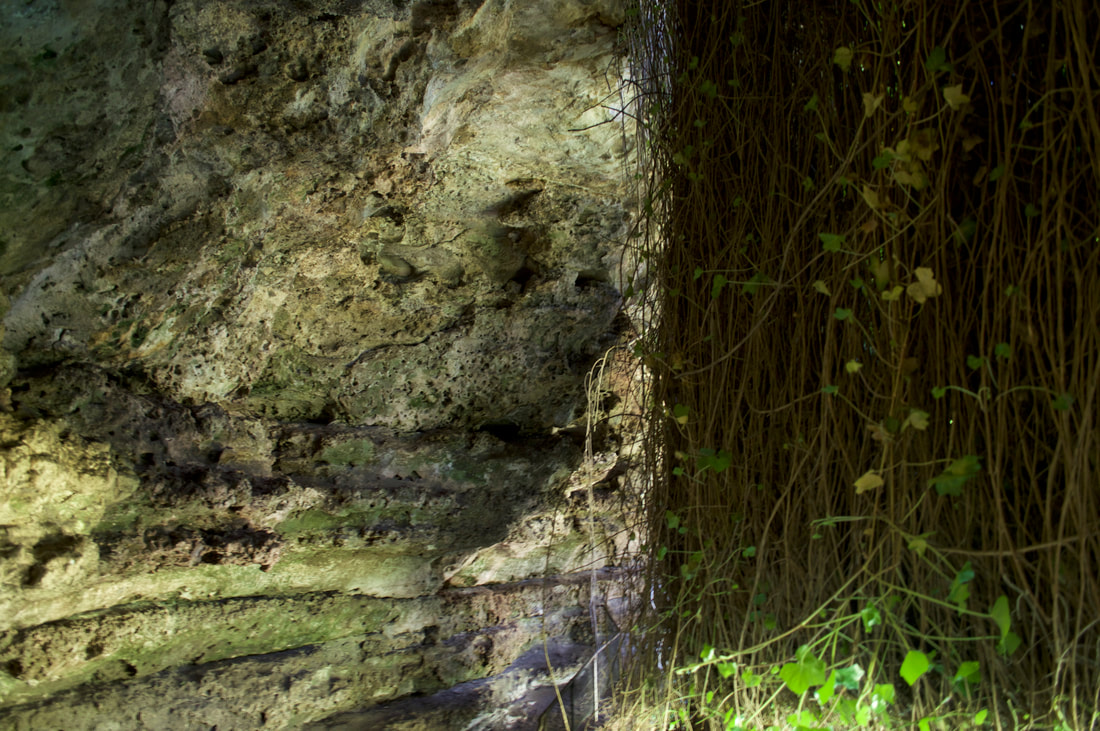
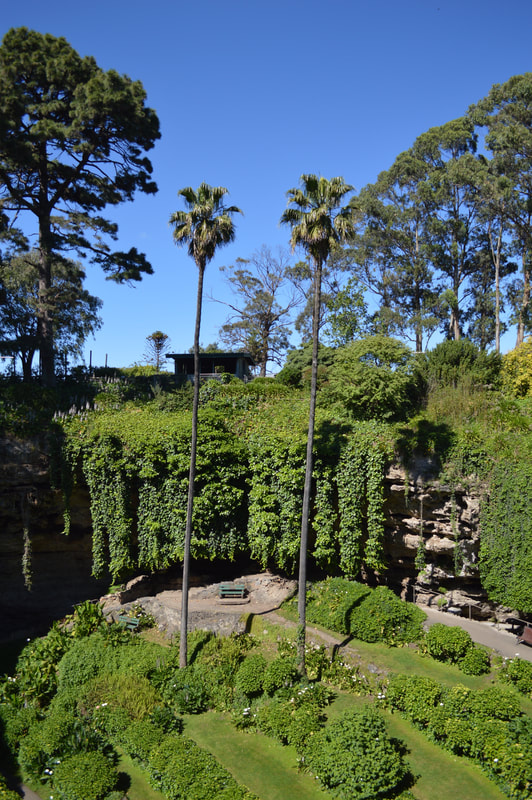
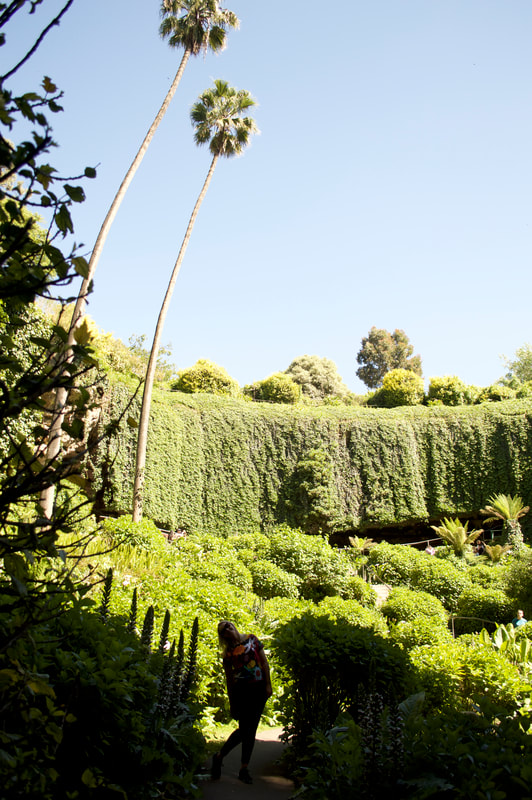
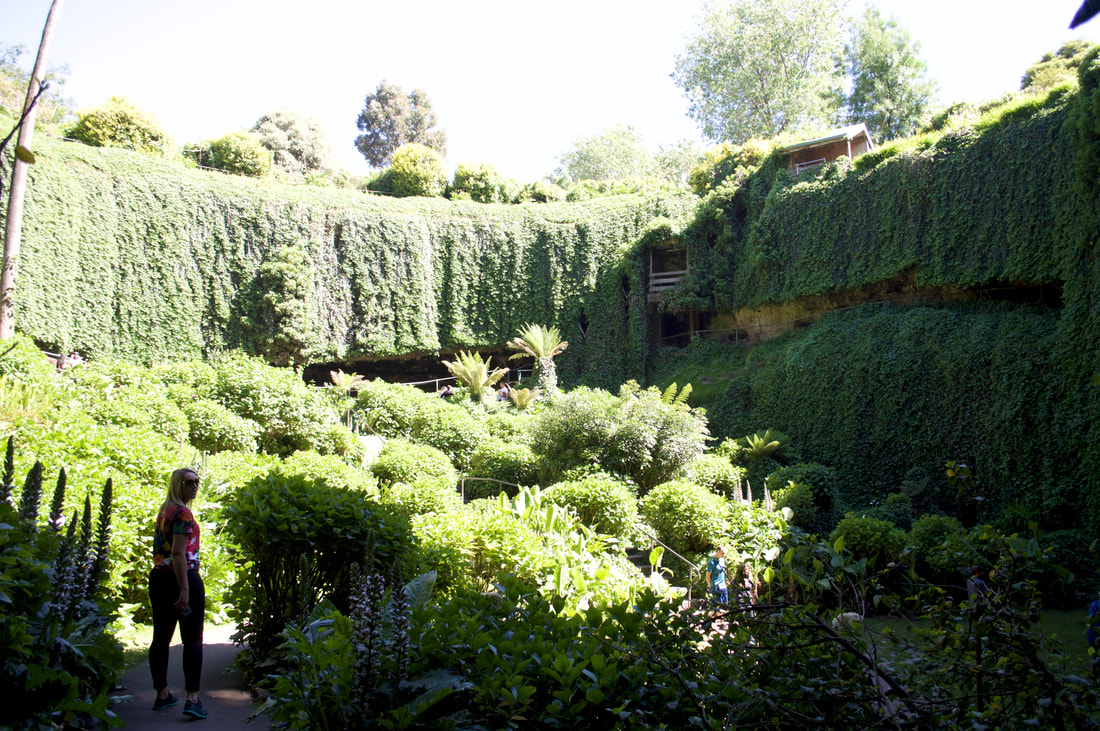
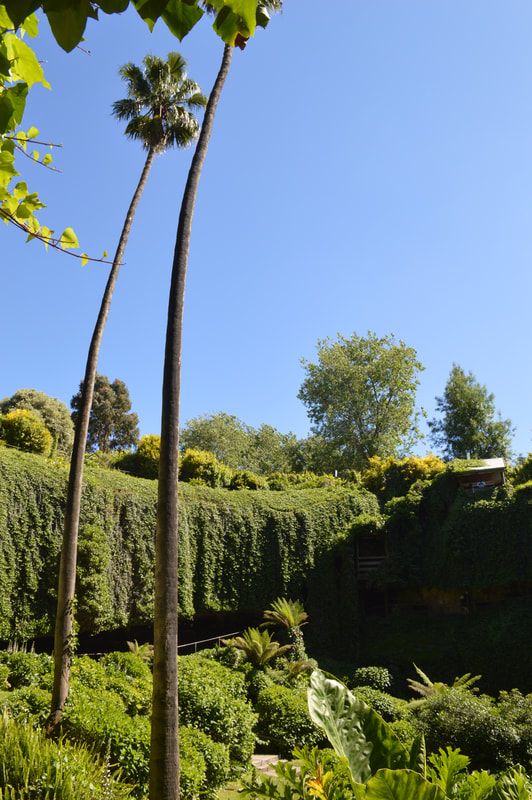
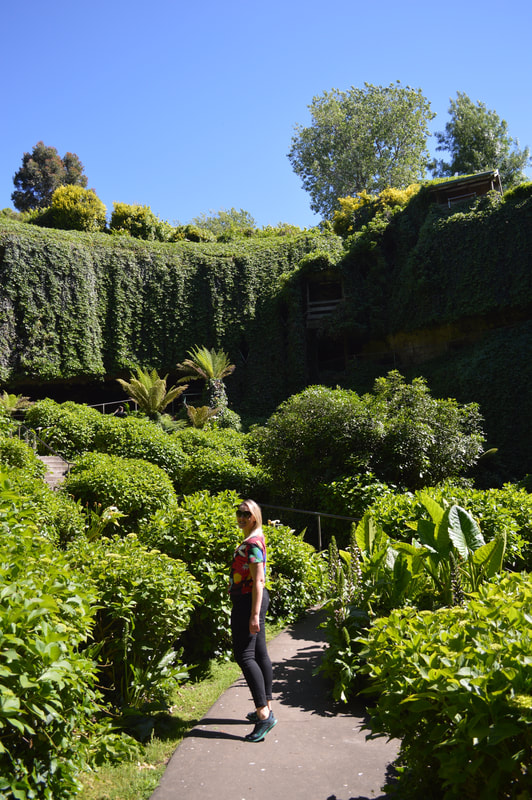
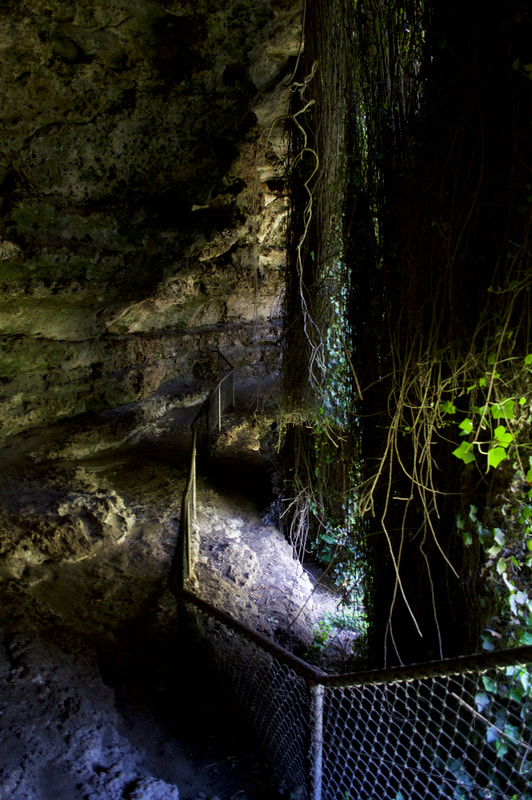
Umpherston SinkholeThis sunken garden was created in 1886 by the then owner of the land, James Umpherston in a sink hole. There was a residence on site, however this was demolished in 1964 after the Department of Woods and Forestry purchased the site constructing a timber mill behind the garden on the site of residence. The Mount Gambier council now maintain the garden as a tourist attraction.
Lady Nelson Visitor Centre
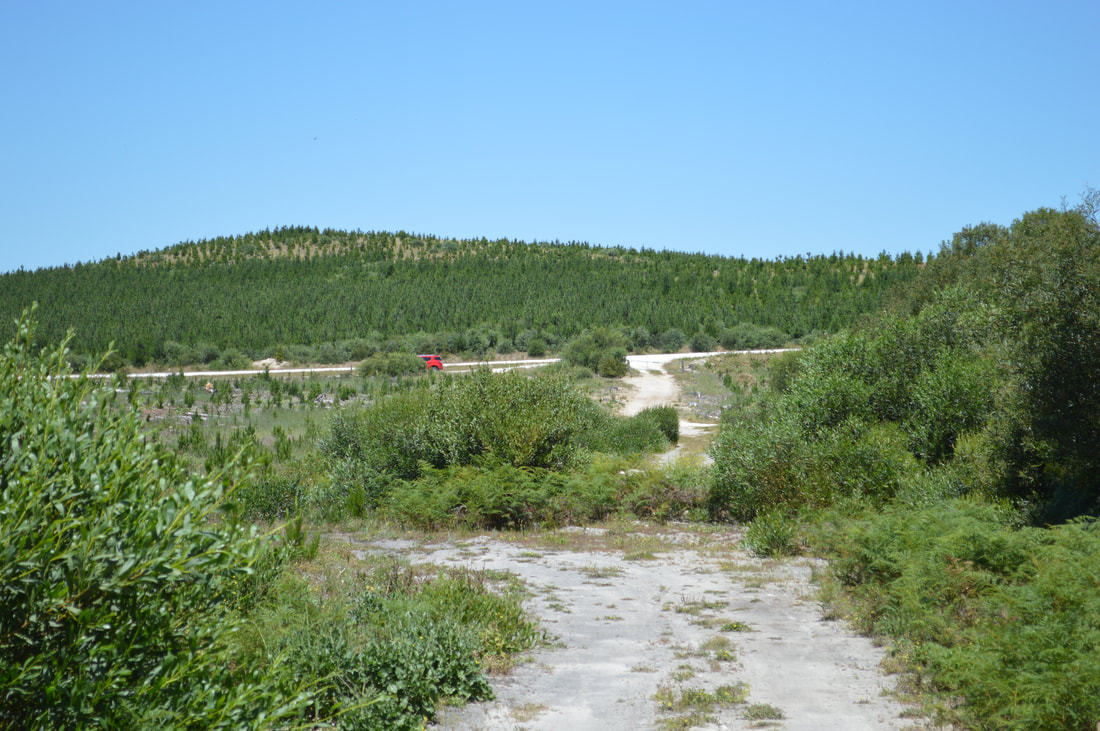
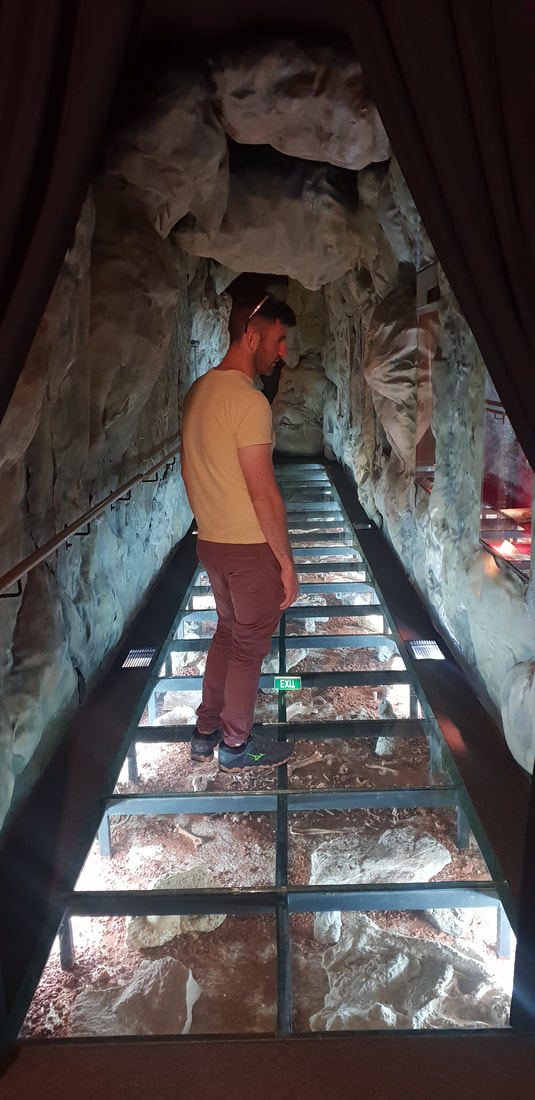
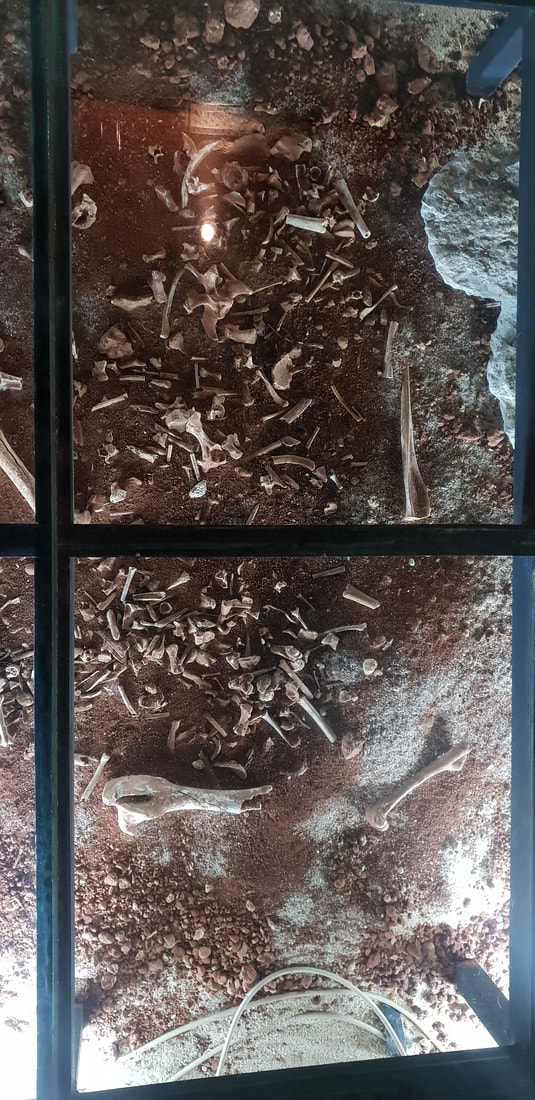
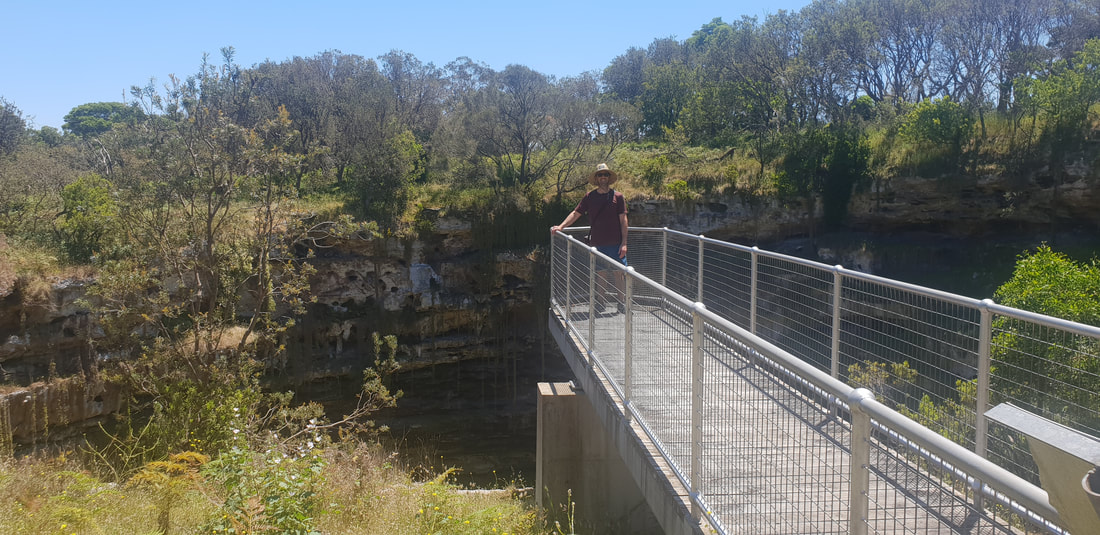
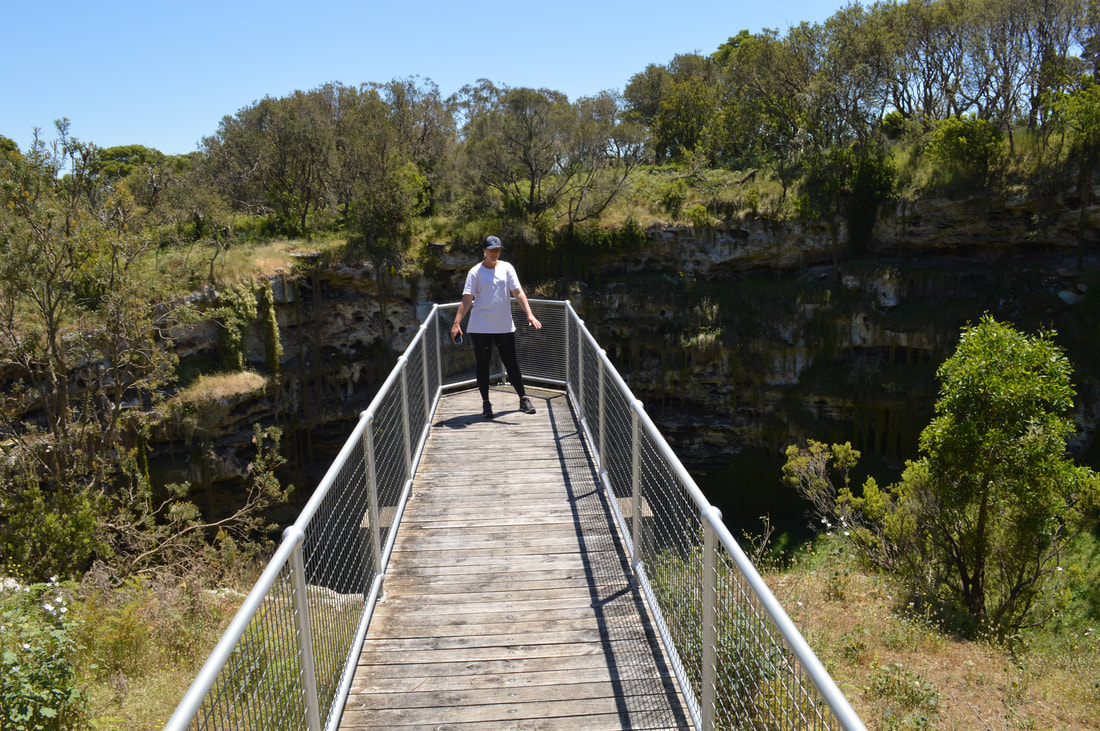
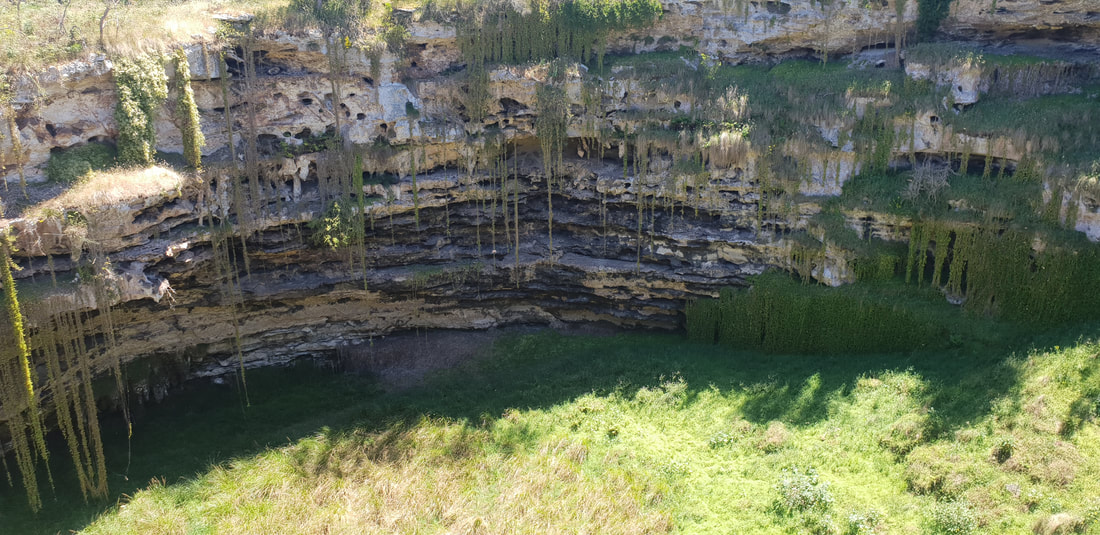
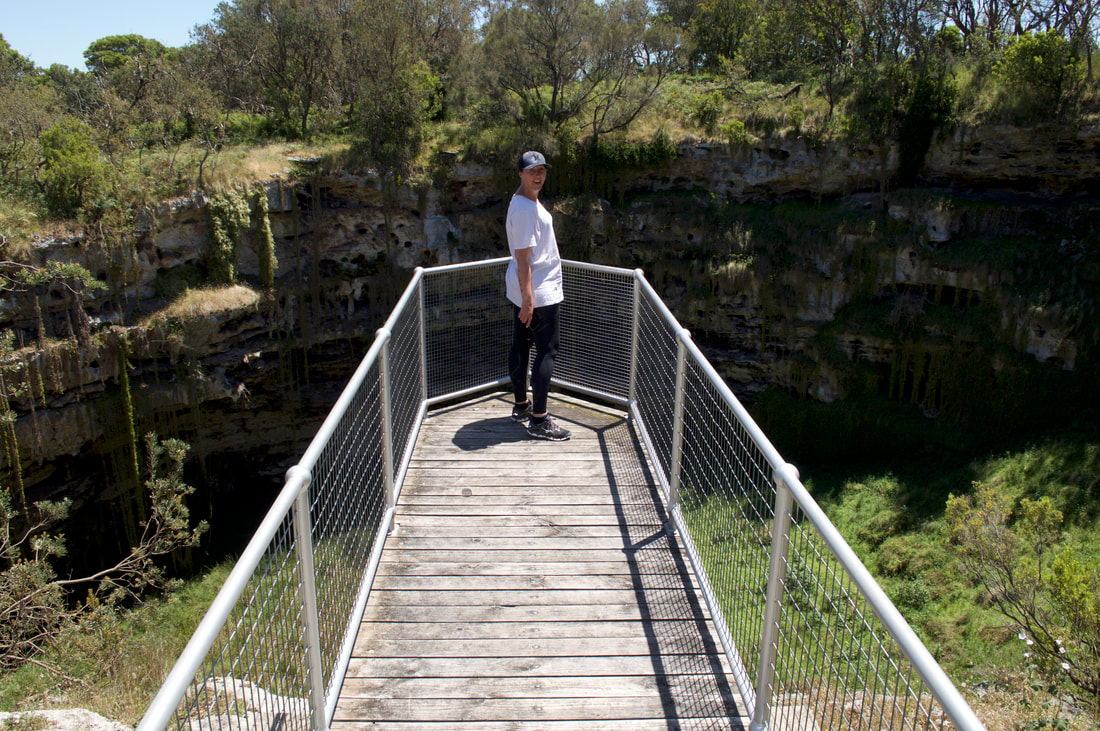
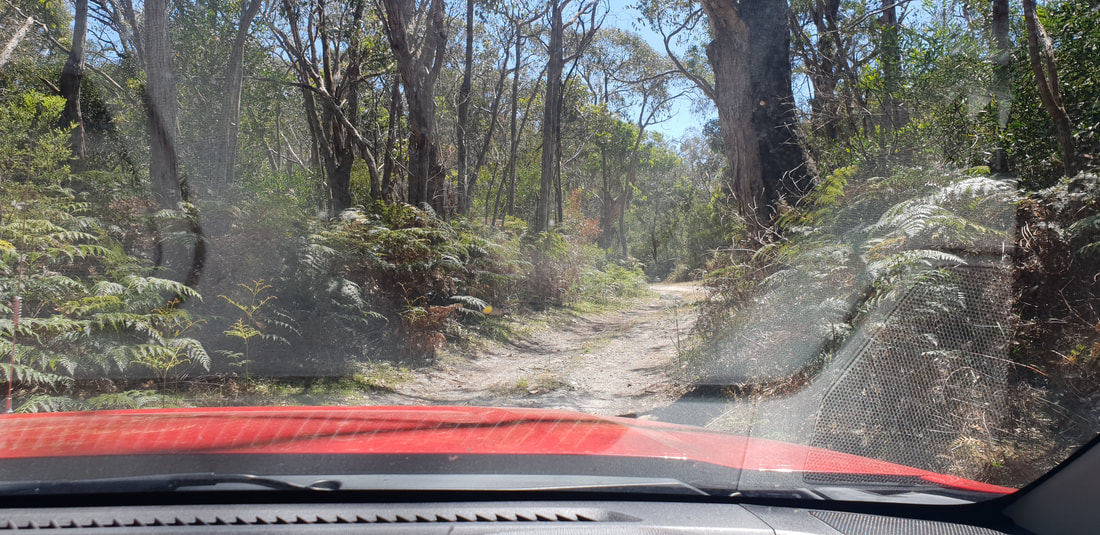
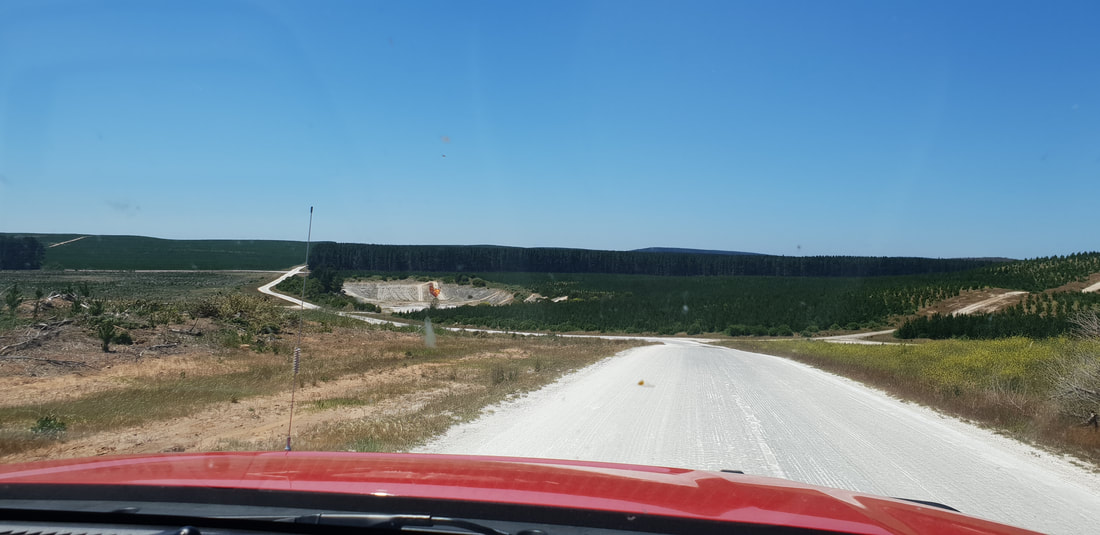
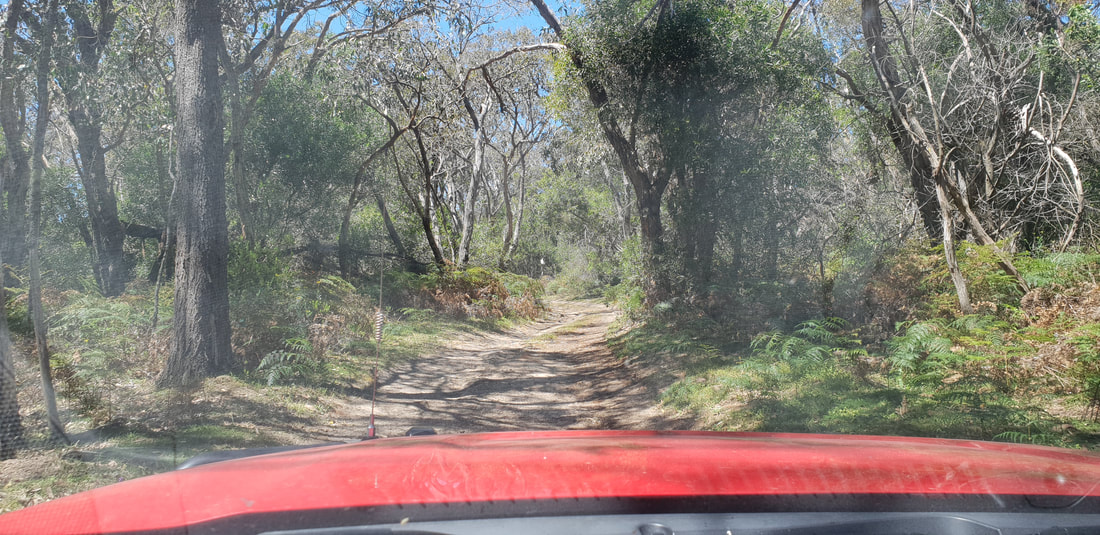
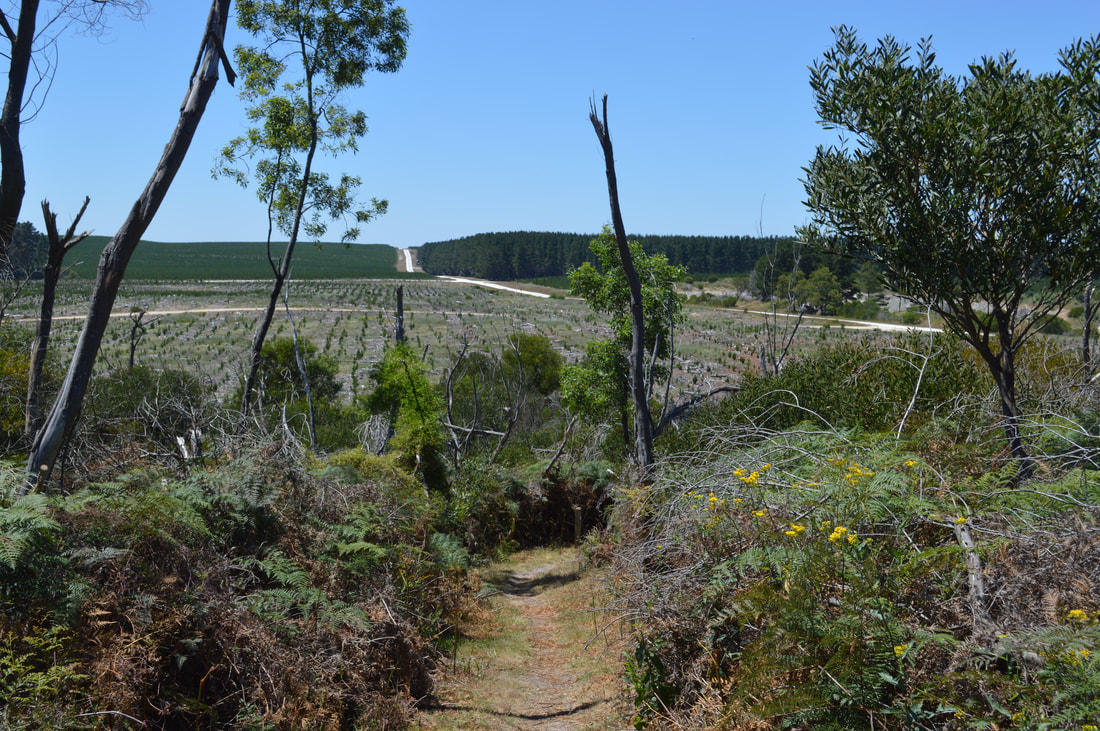
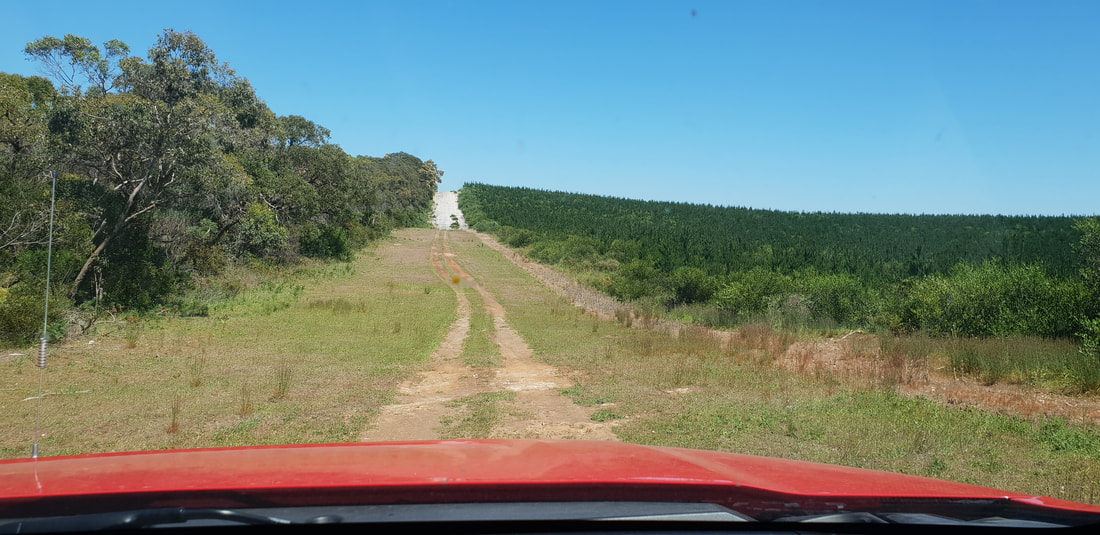
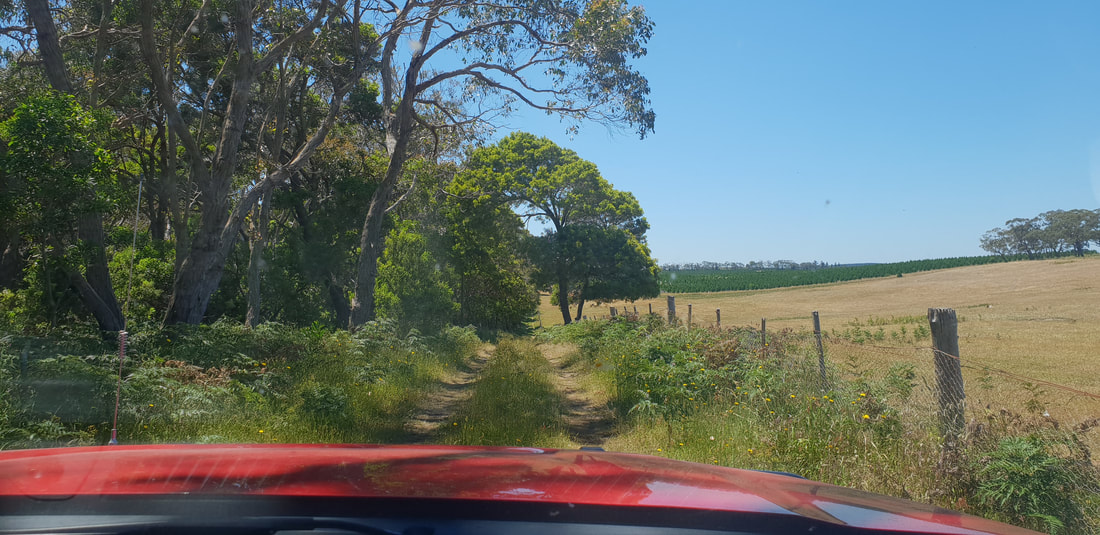
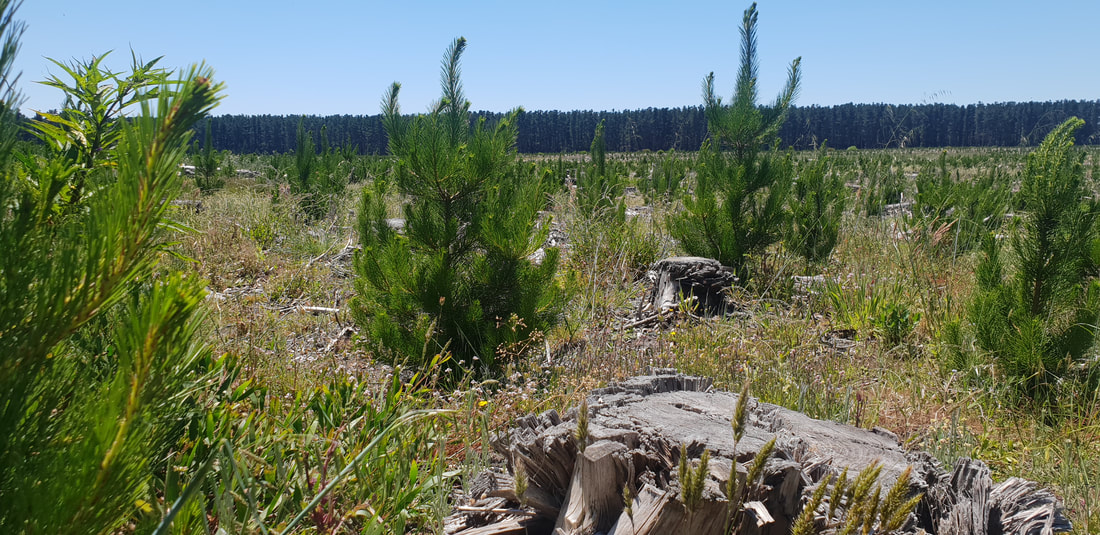
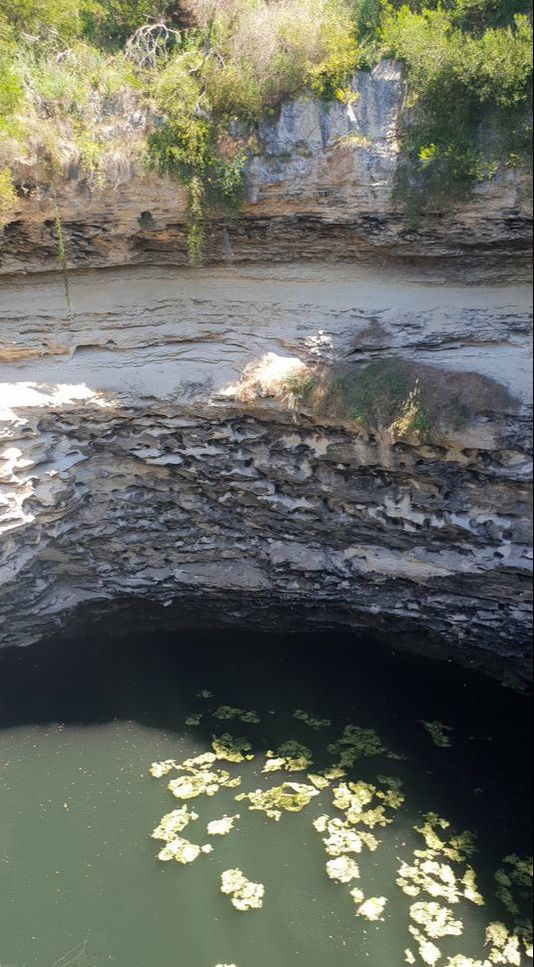
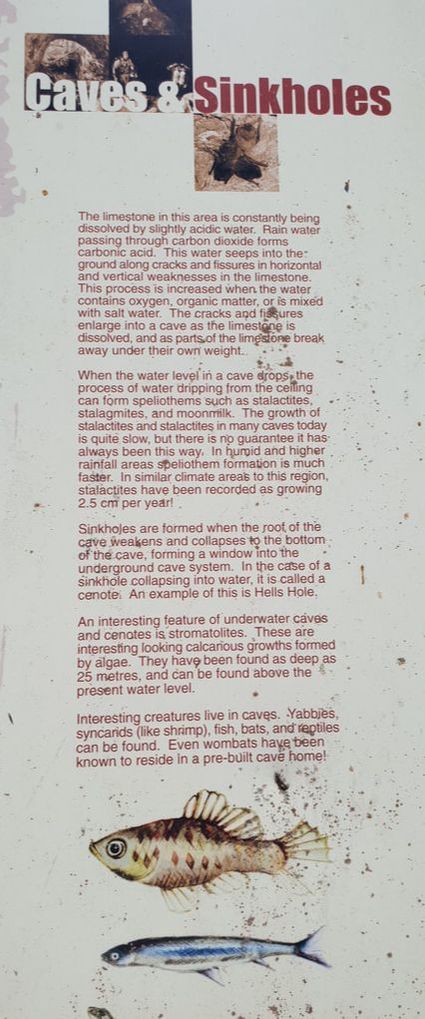
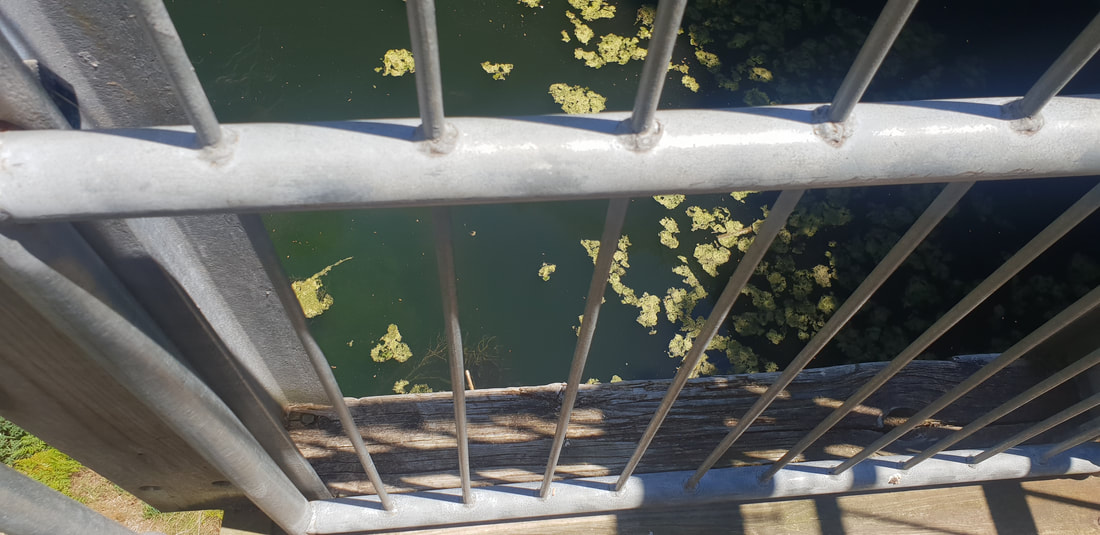
This quirky info centre museum definitely reminded us of the Riversleigh Fossil Centre in Mount Isa. I wouldn't be surprised if they were designed back in the 1980's by the same curators. Penambol Conservation Park - Caroline Sink HoleFor the record from what we've seen so far South Australia do not do National Parks well. We've definitely been spoilt experiencing amazing National Parks in both Queensland and Victoria, yet South Australia despite their half-arsed attempts appear to be more focused on industry than conversation. We saw a lot more forestry plantations than we did native fauna, but having had my rant what he we did find near Mount Gambier was visually impressive and worth making the effort to track down, literally. Limited navigational information had us make a wrong turn and end up 4WDriving it until we reached sand turning around and heading back to the main road to get our bearings and have another crack on a different road. The attractions are not well sign posted, which meant we had to do a bit of guess work, but found two sinkholes with viewing platforms and a bit of forestry propaganda convincing us they are doing their bit for nature. Honestly though had these sinks hole not been there, the native bushland wouldn't be either, as both sink holes are surrounded by forestry plantations making for an eerie, desolate and war like environment.

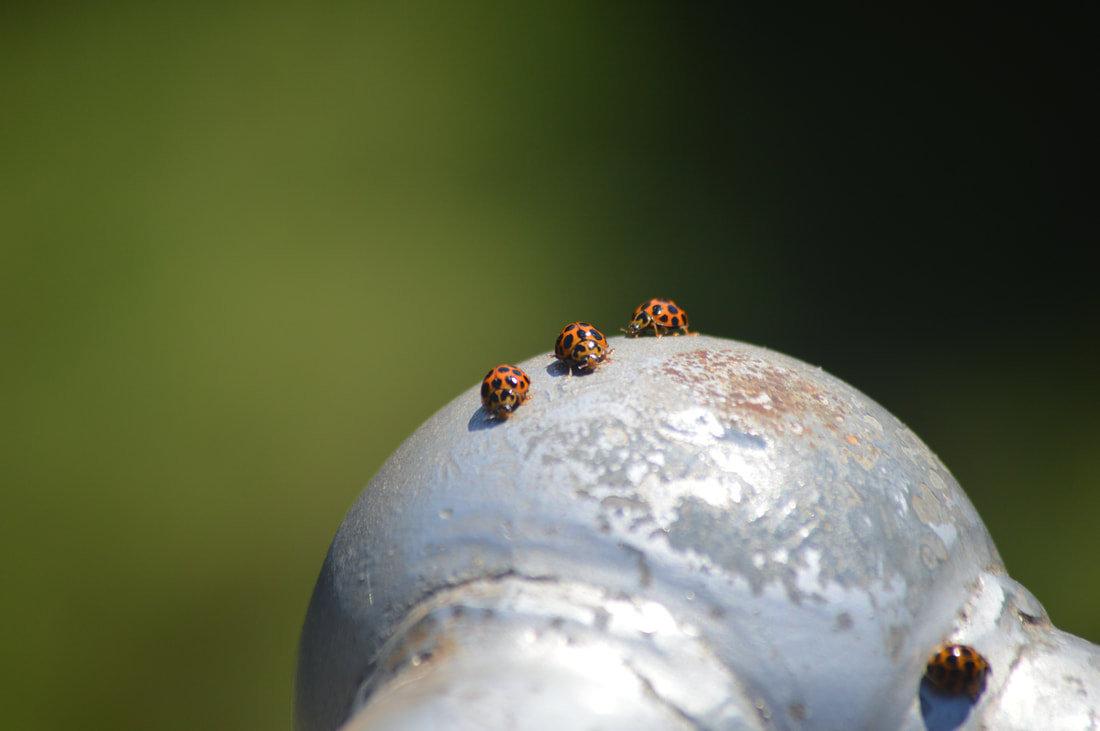
These gorgeous lady bugs were flying all around us, landing on us and walking over our arms. It was quite the experience. I've never seen lady bugs so big either
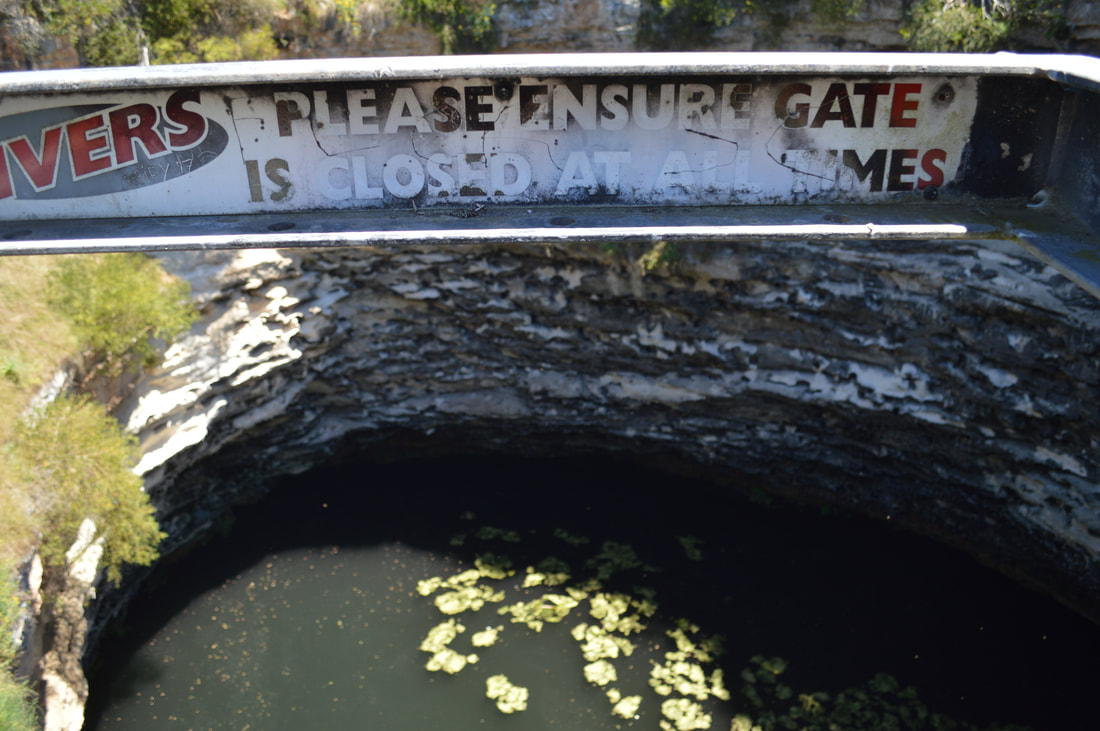
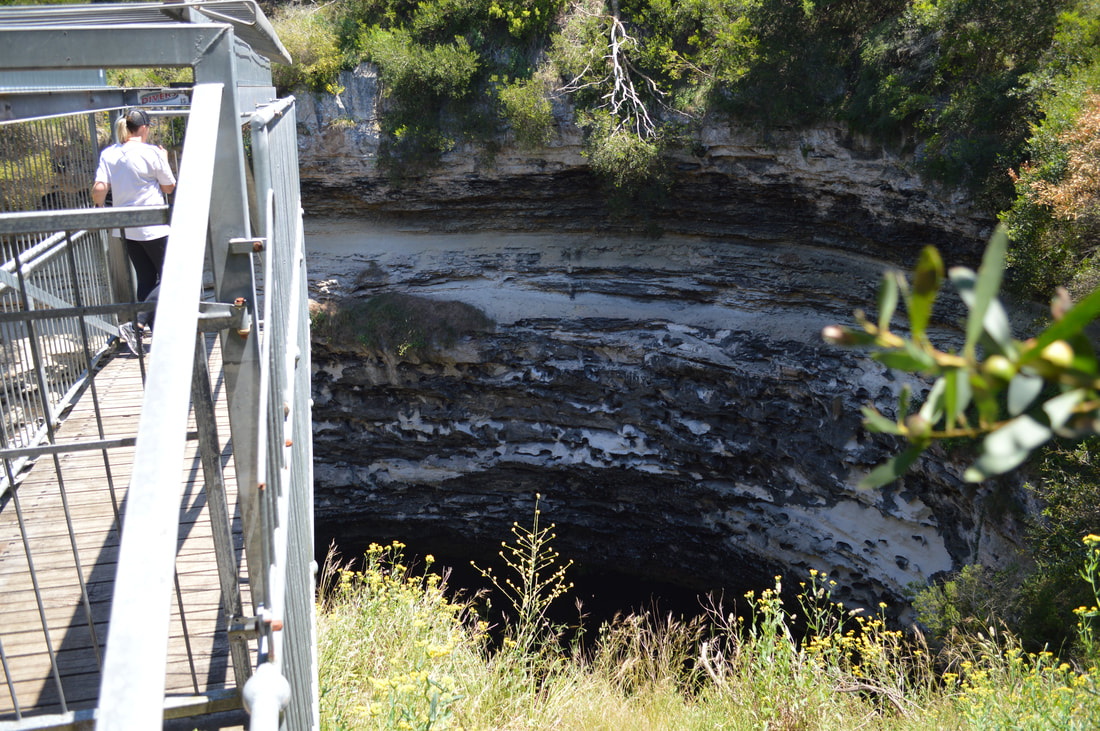
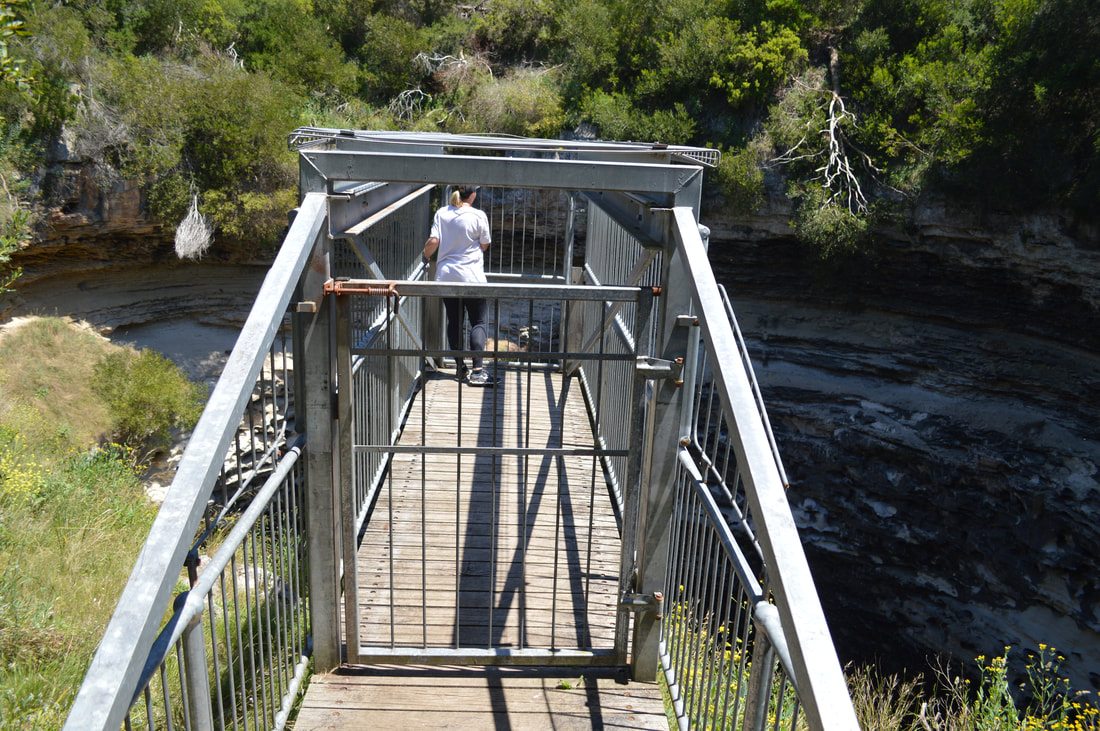
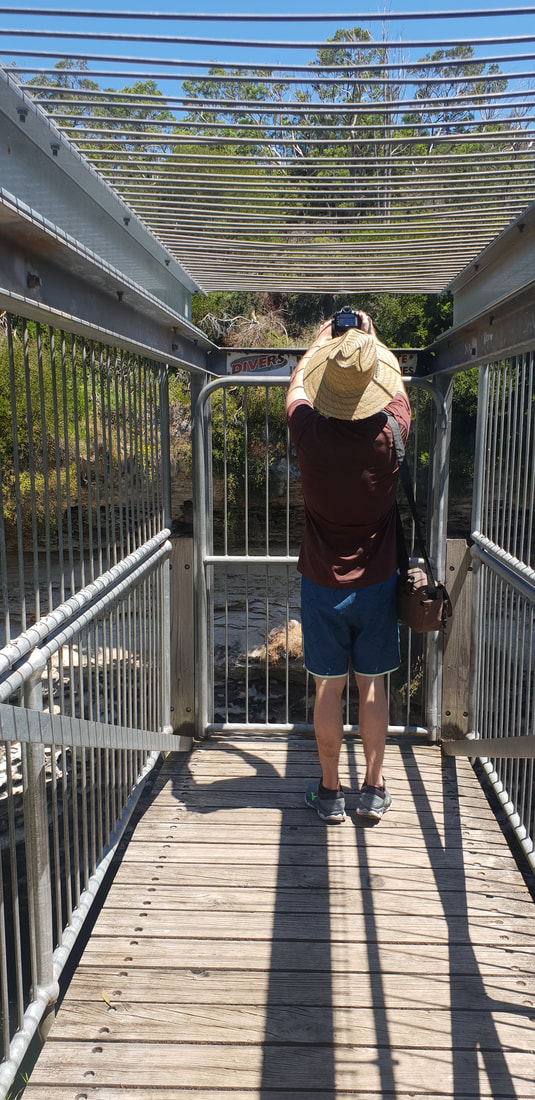
Penambol Conservation Park - Hells Hole
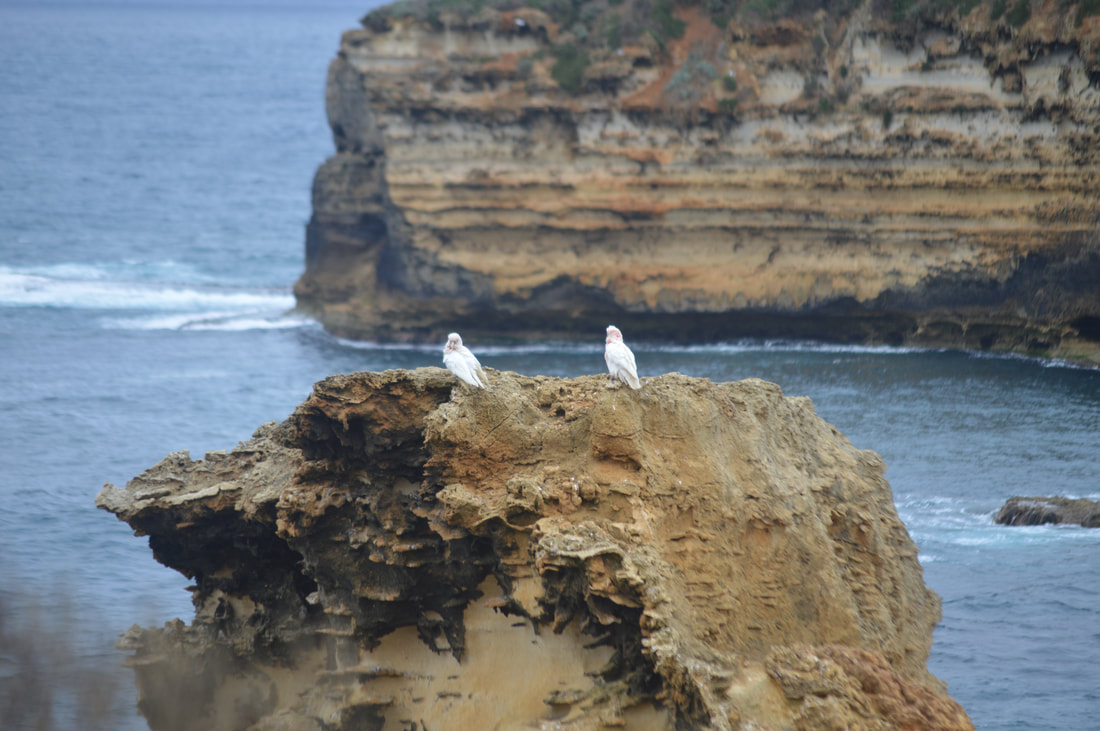
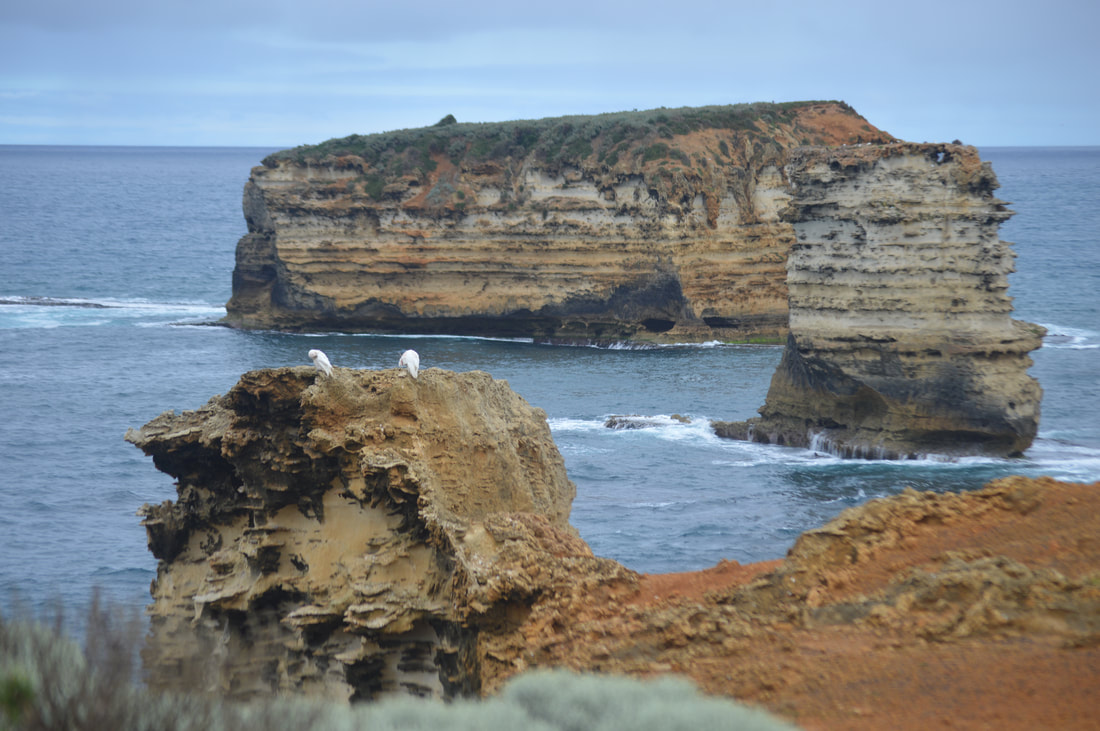
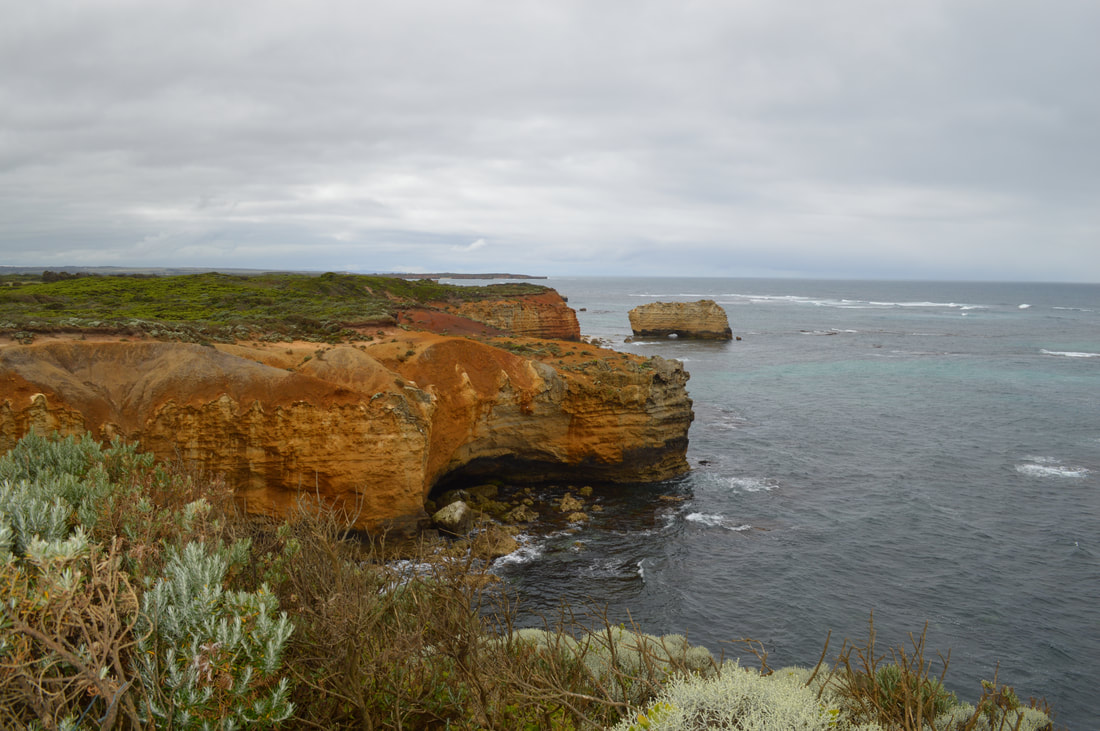
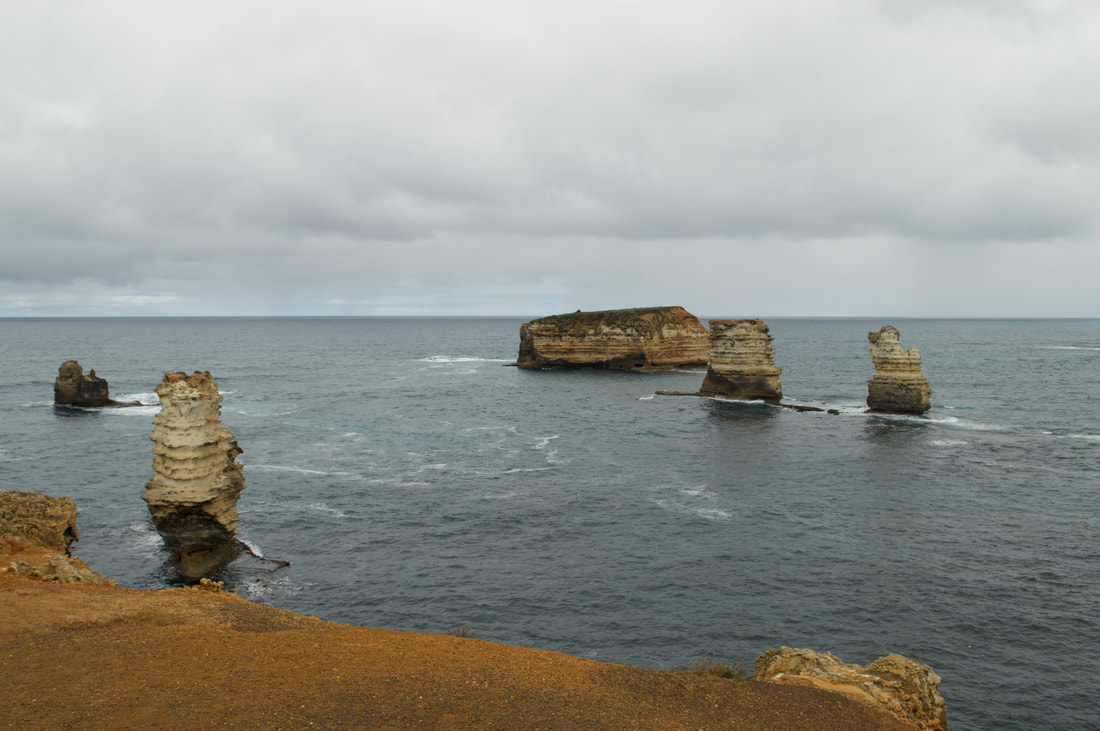
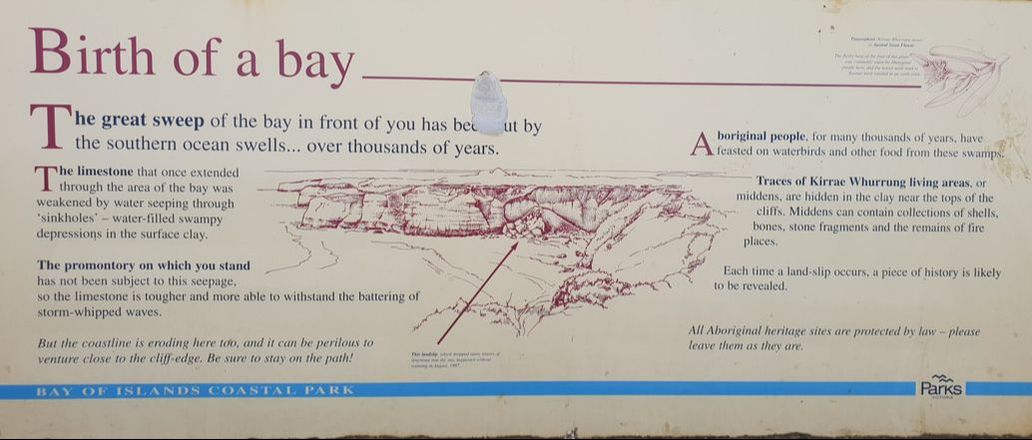
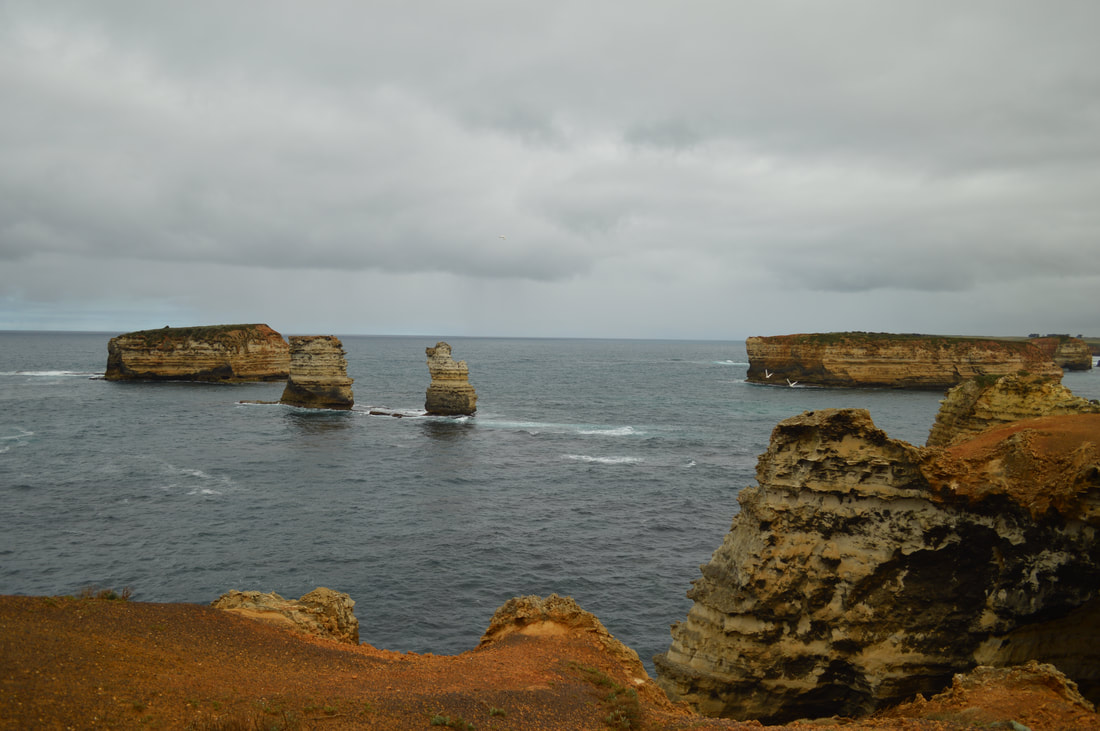
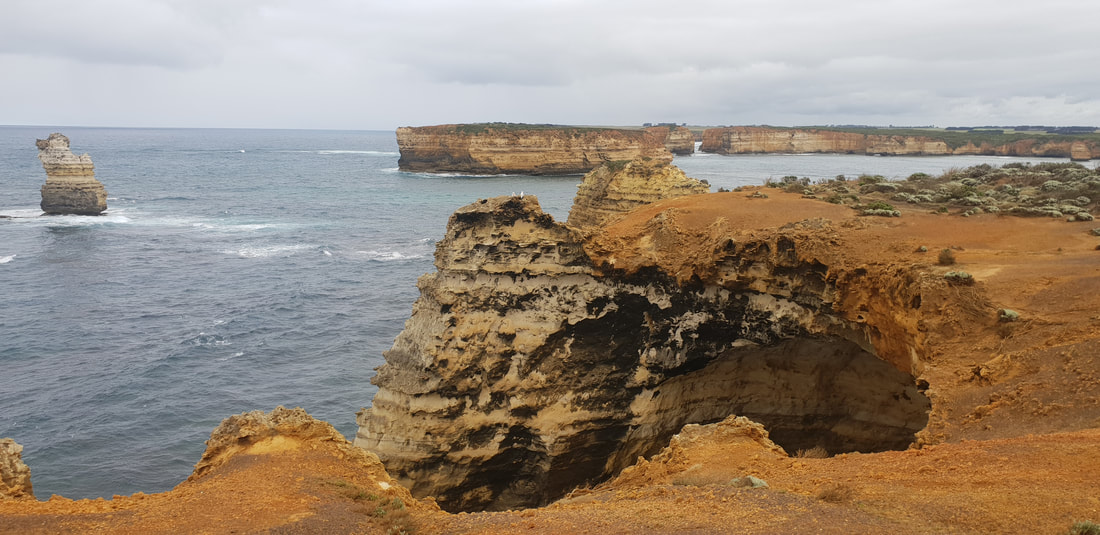
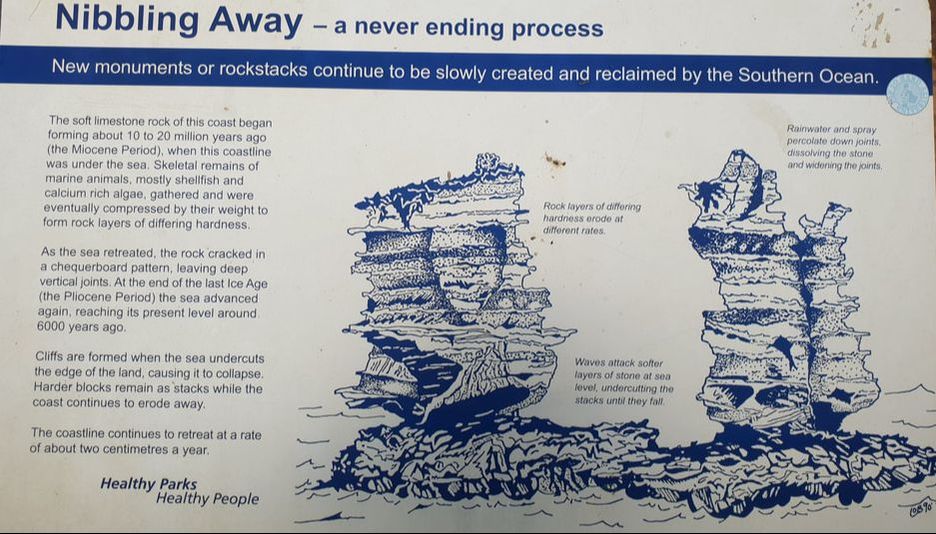
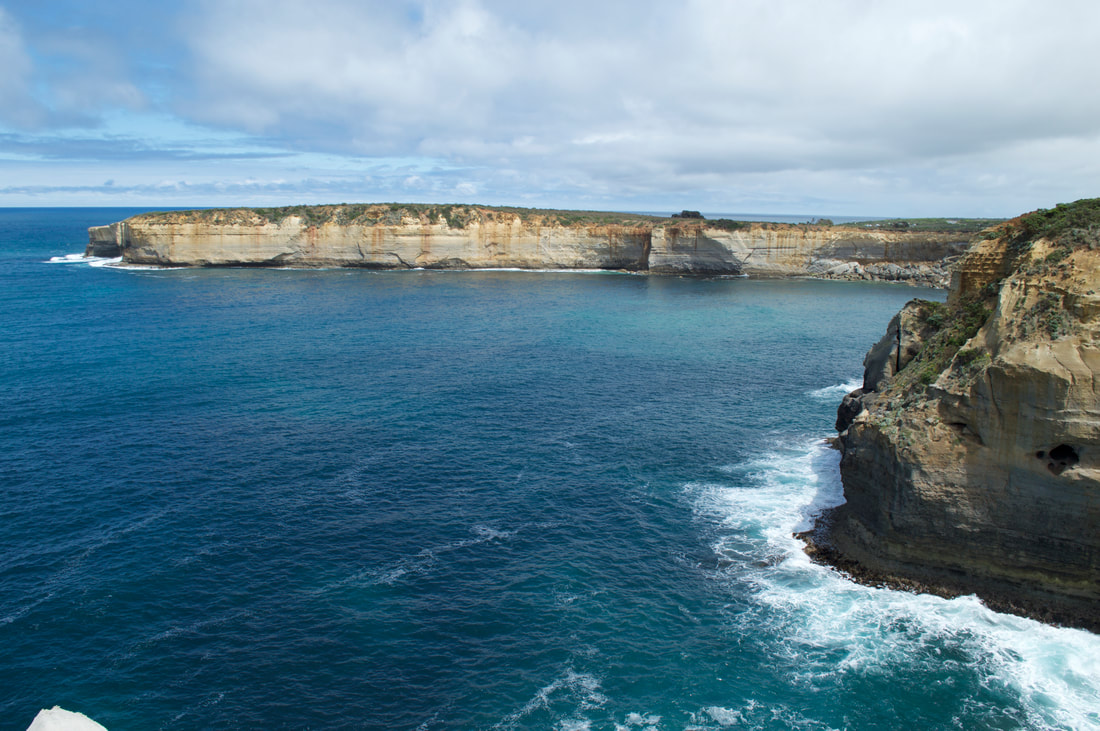
Bay of Islands
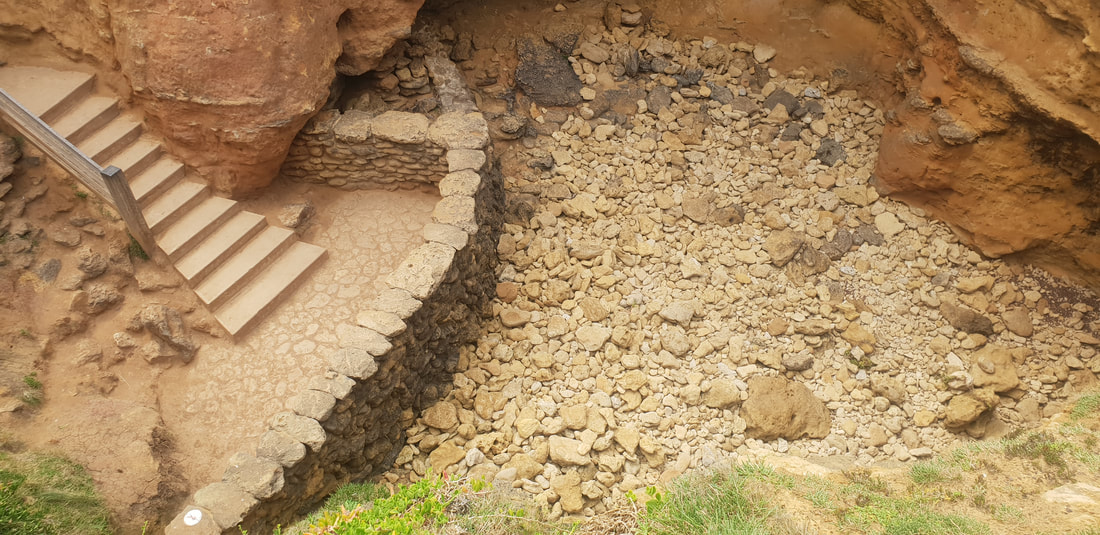
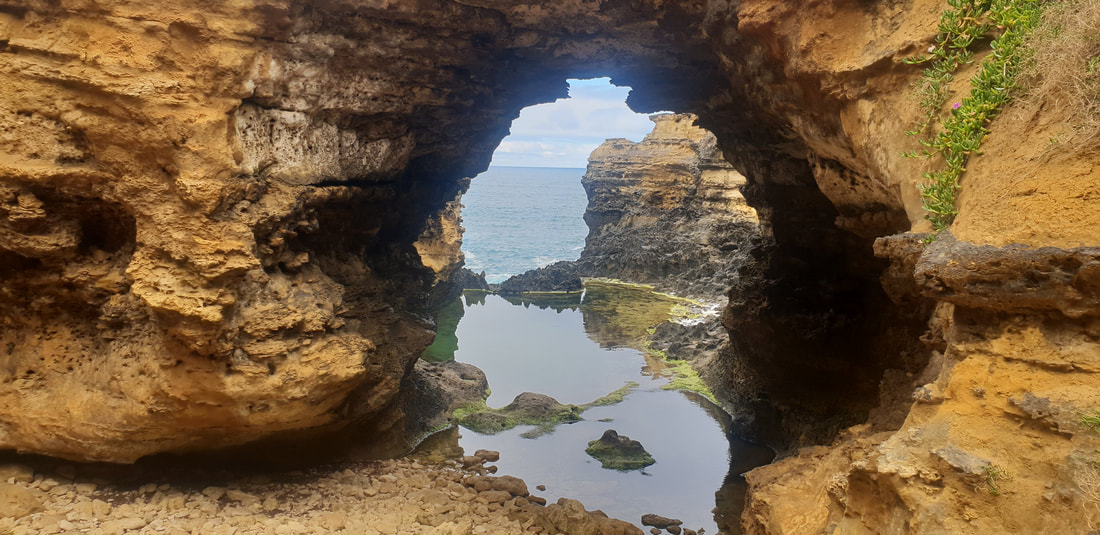
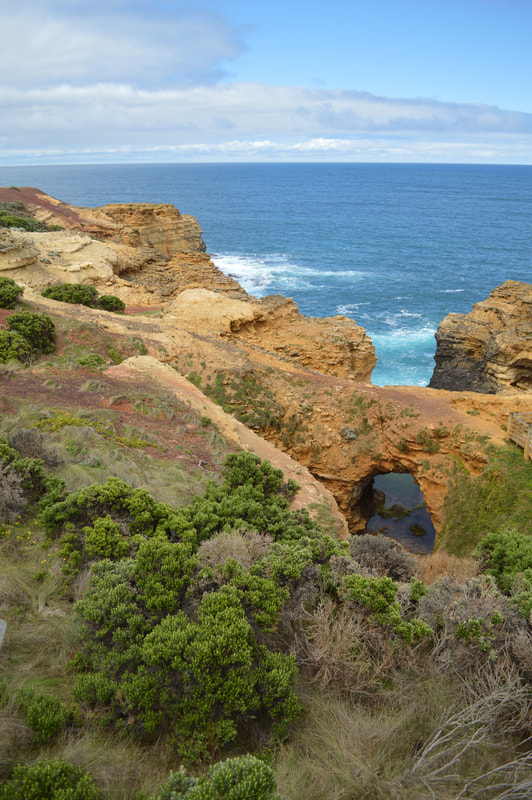
The Grotto
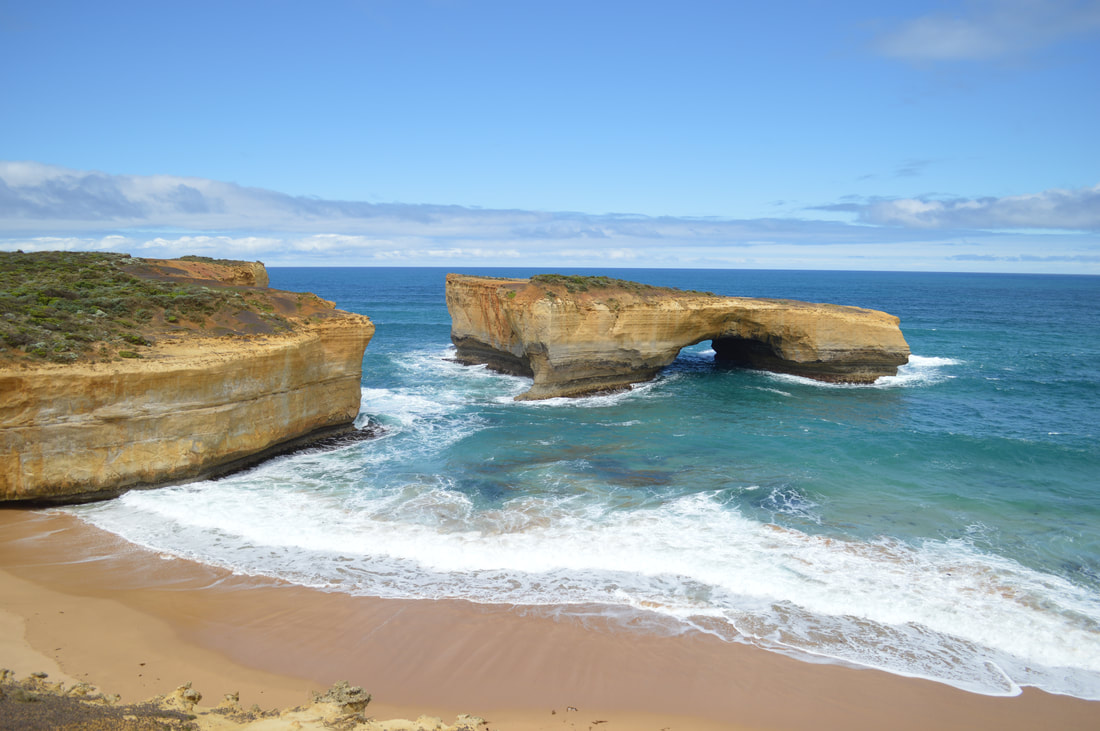
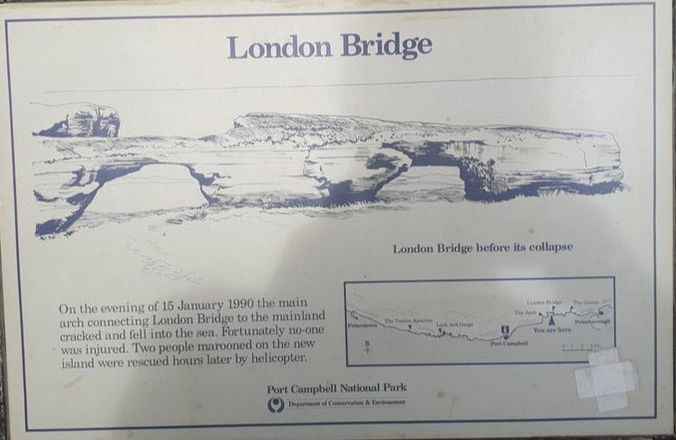
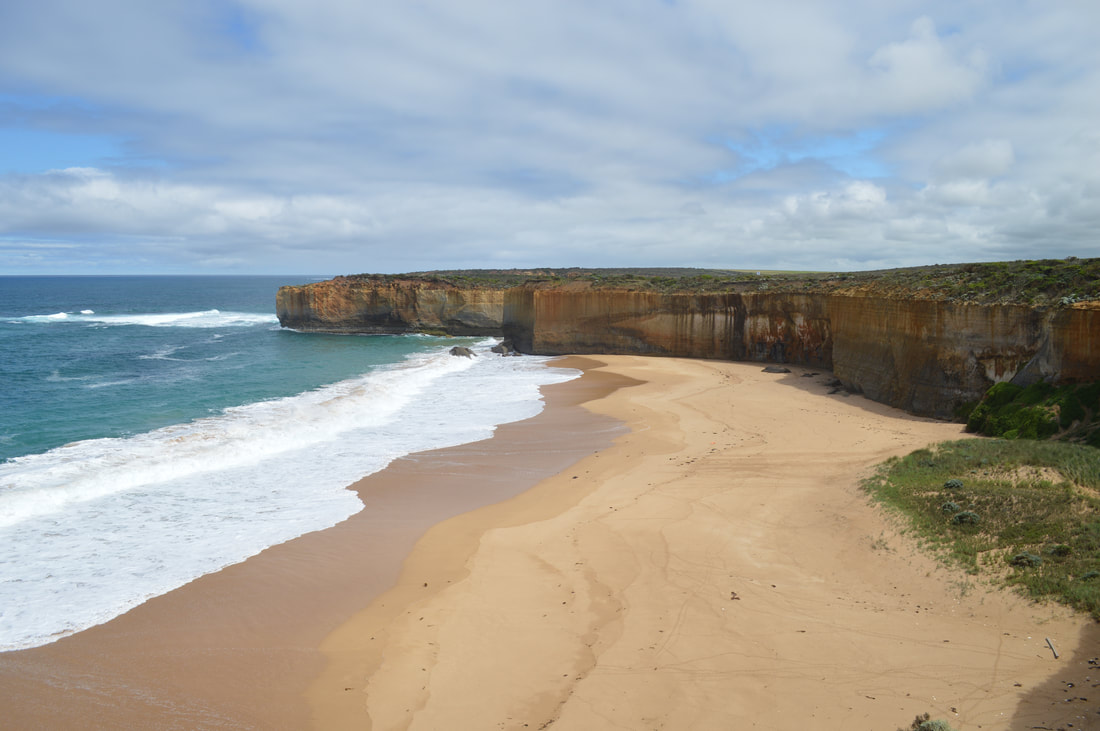
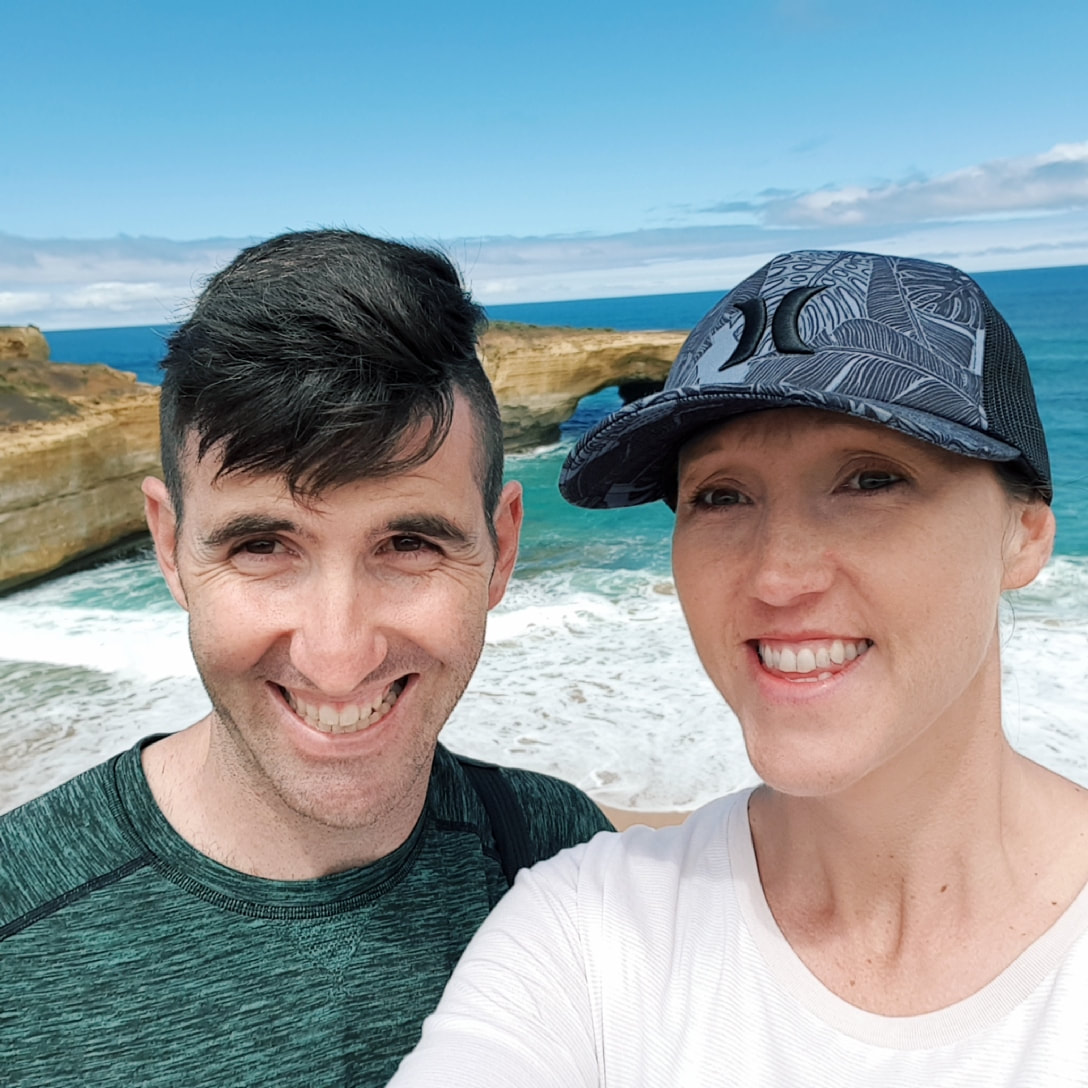
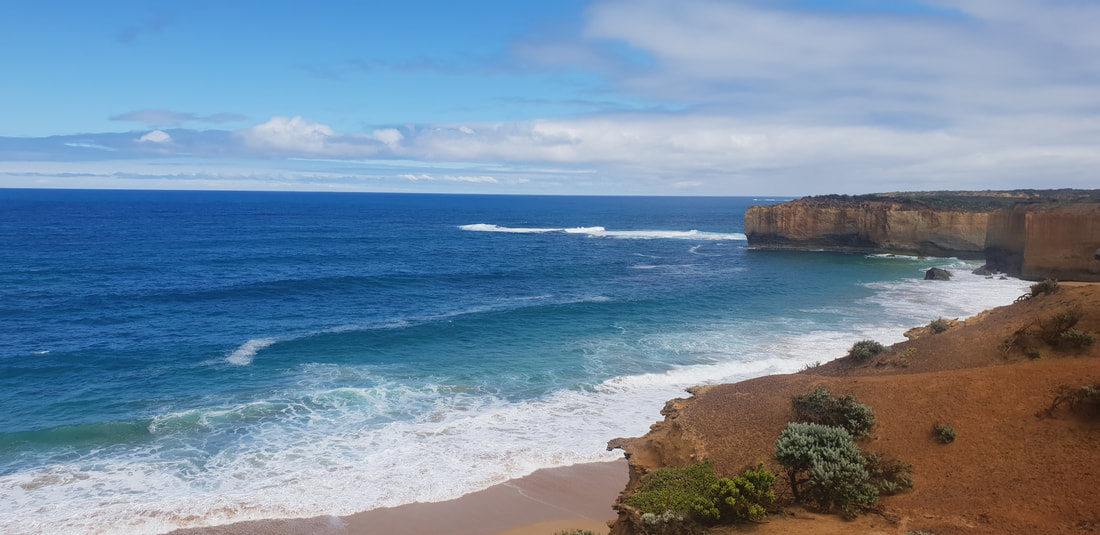
London Bridge
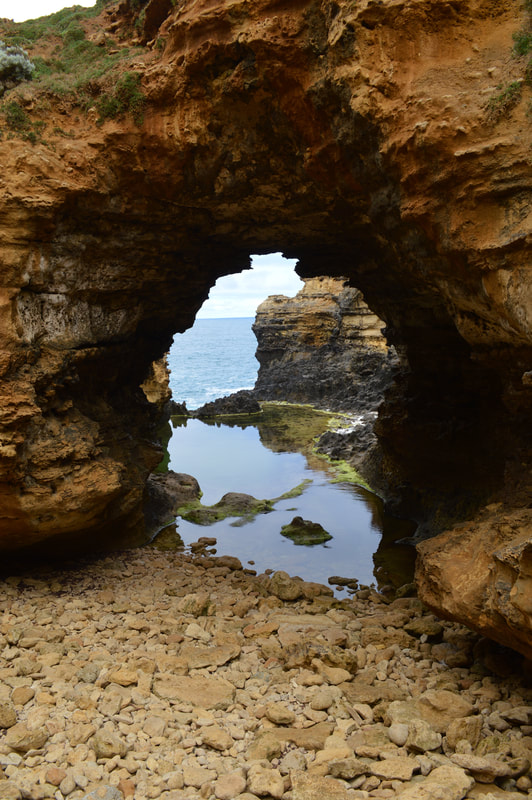
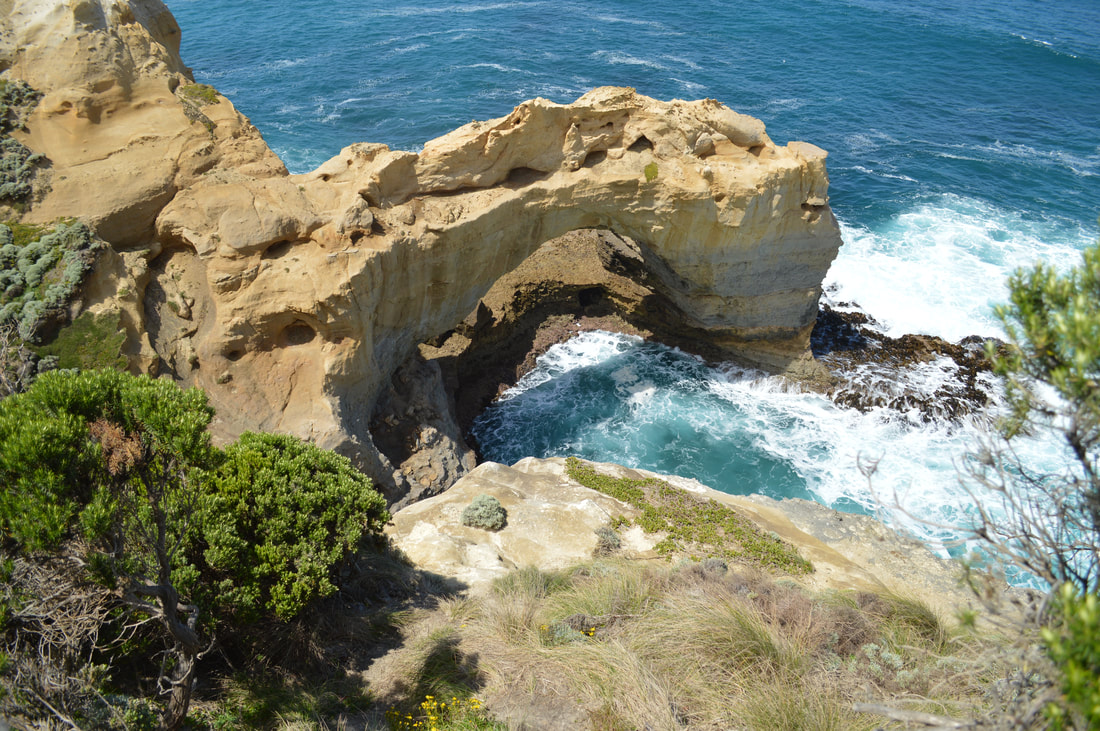
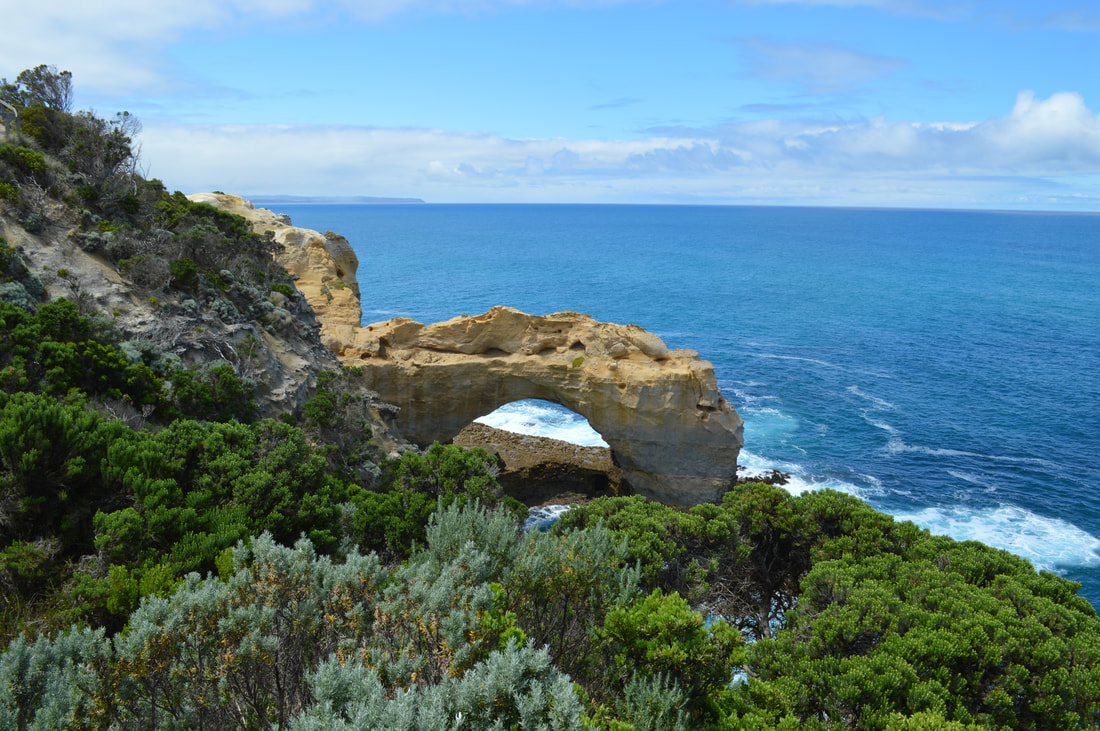
The Arch
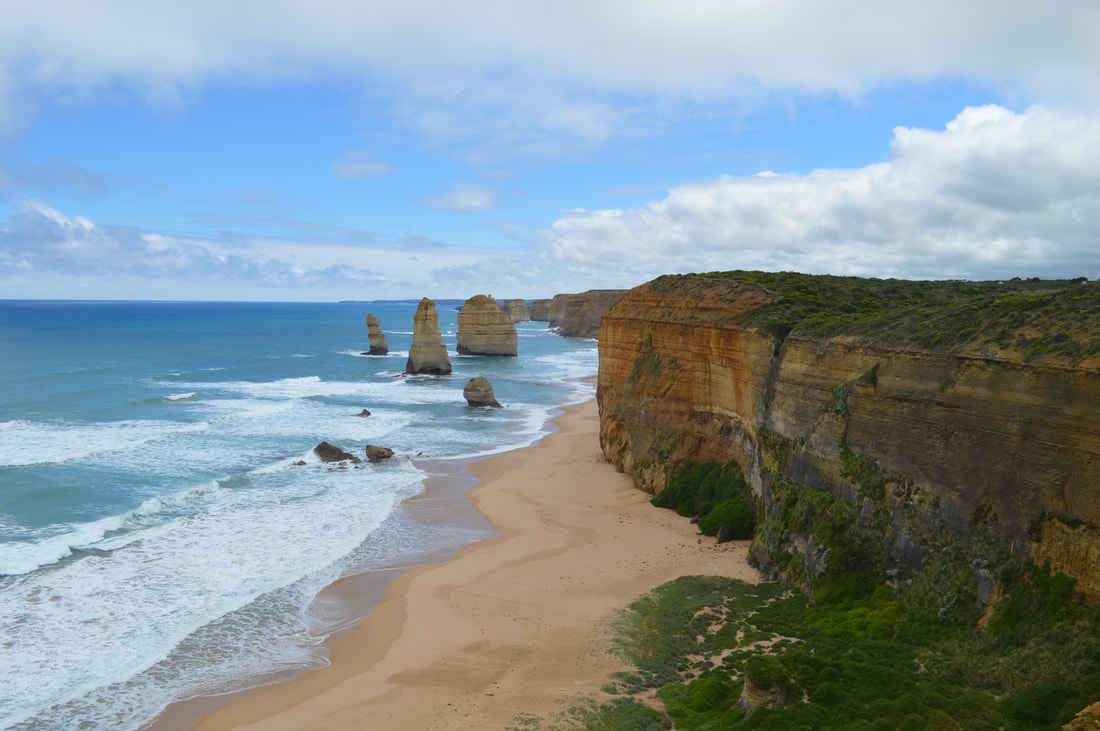
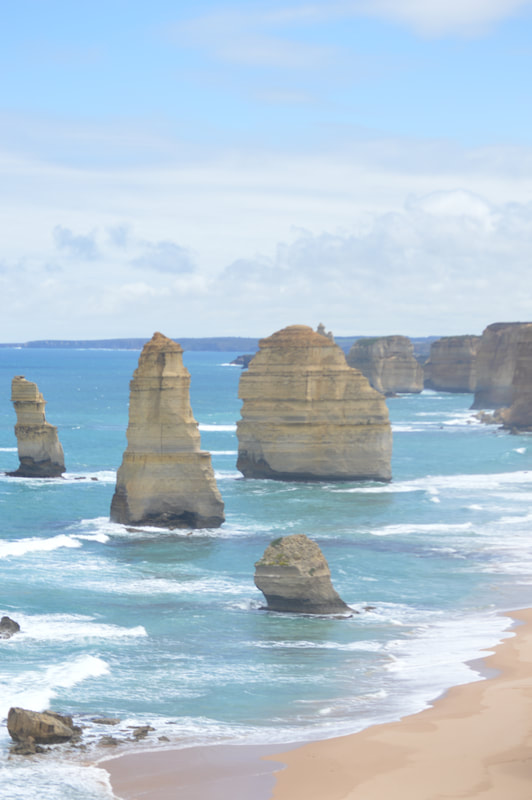
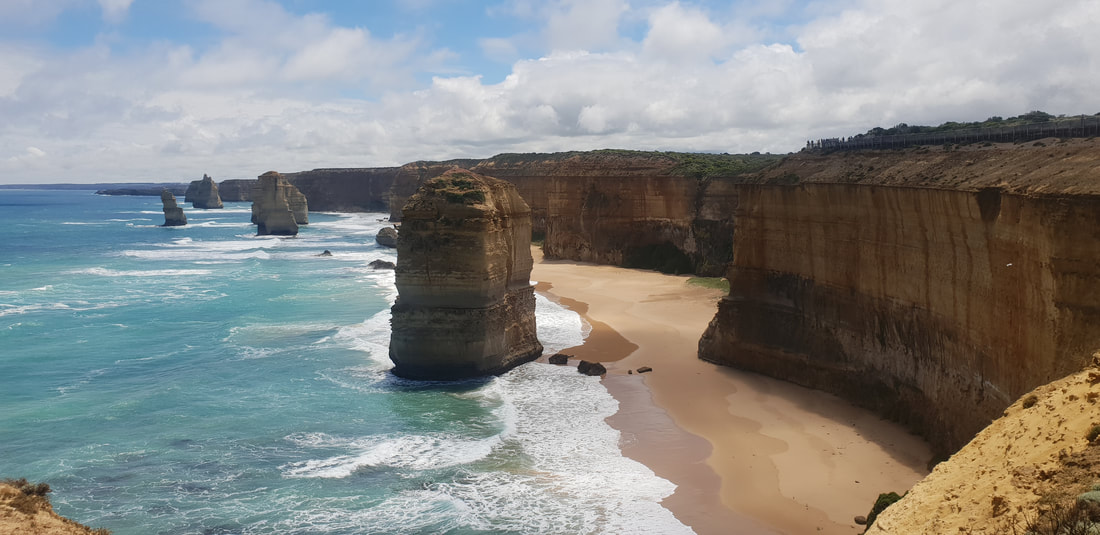
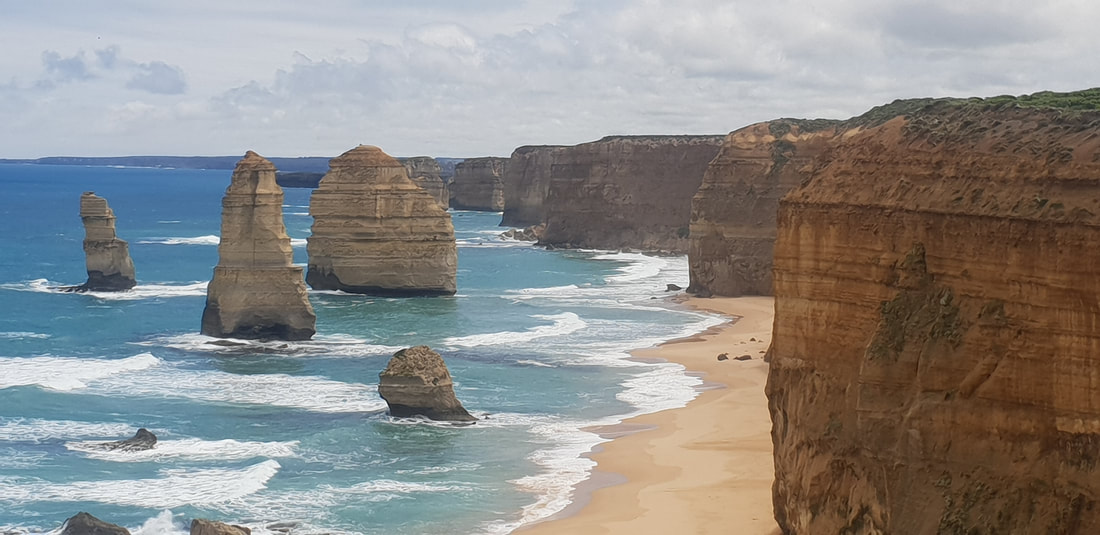
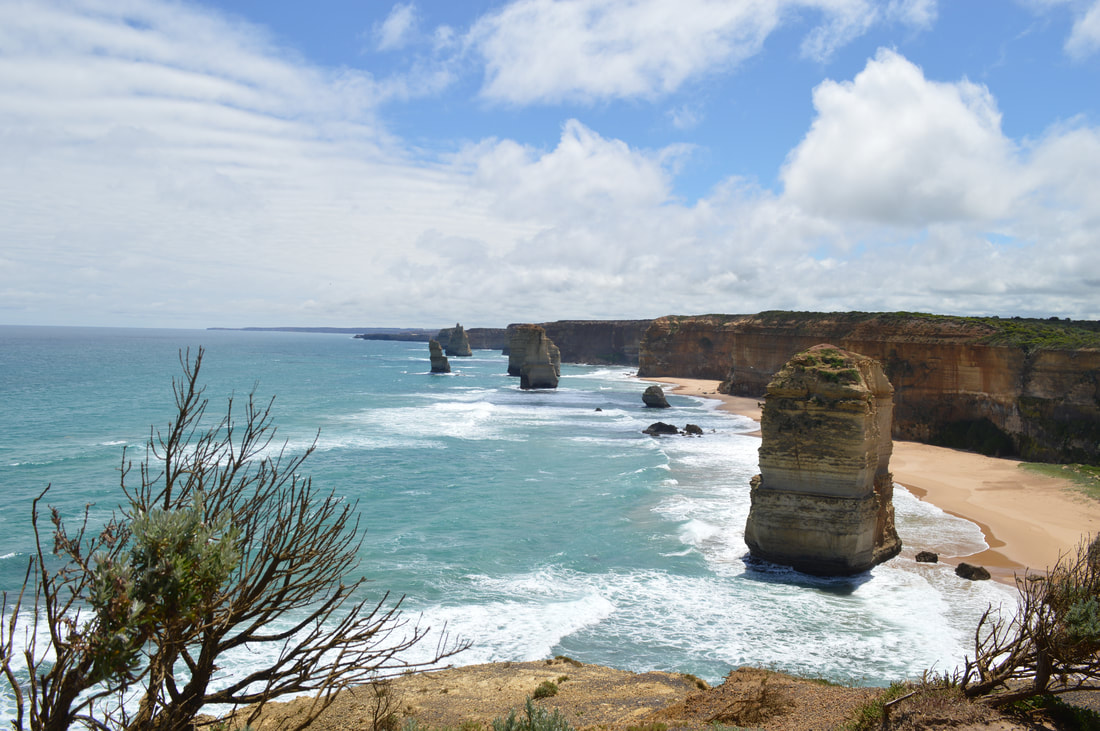
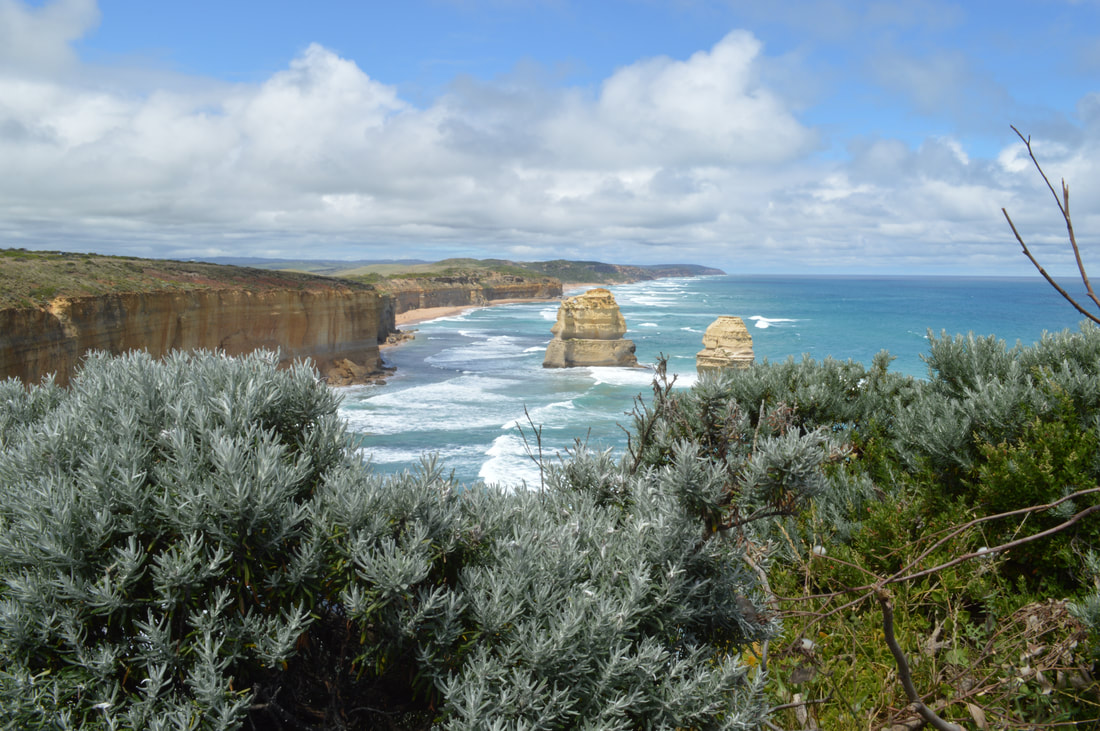
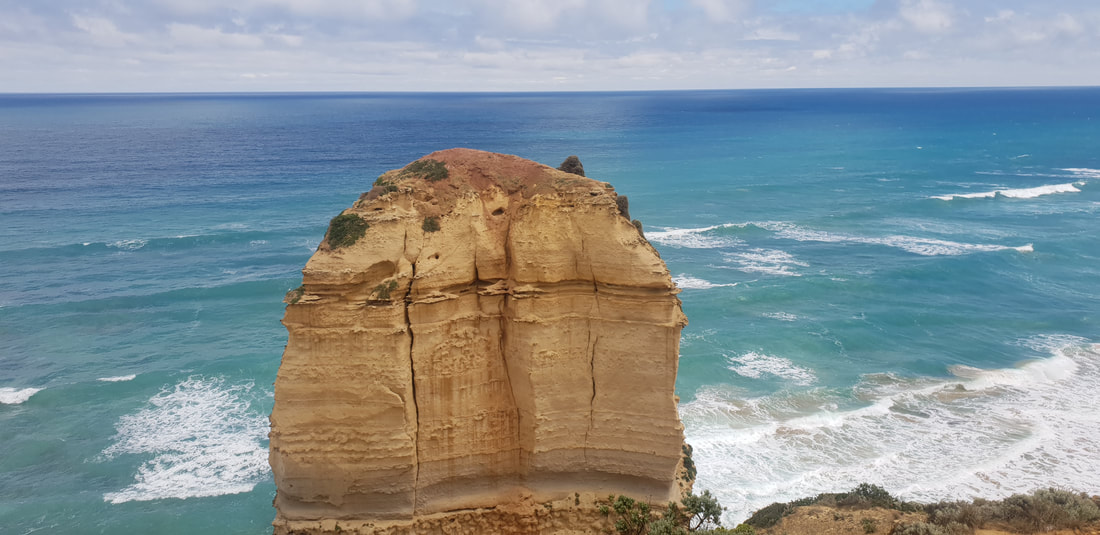
The Twelve Apostles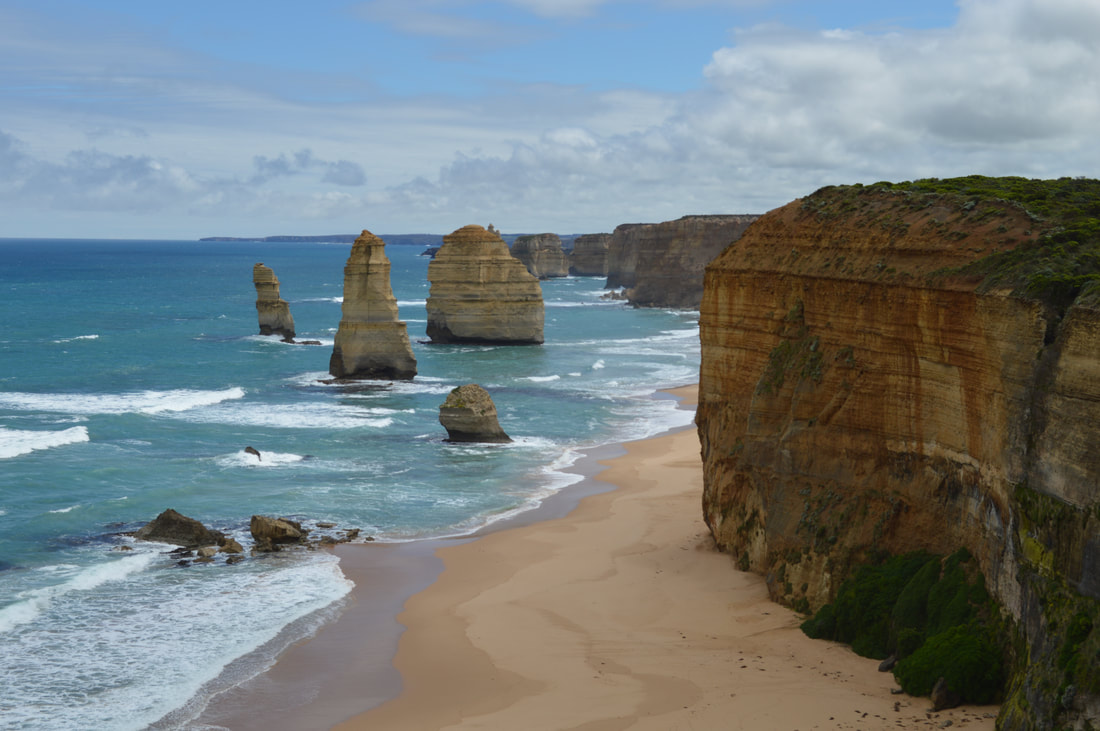
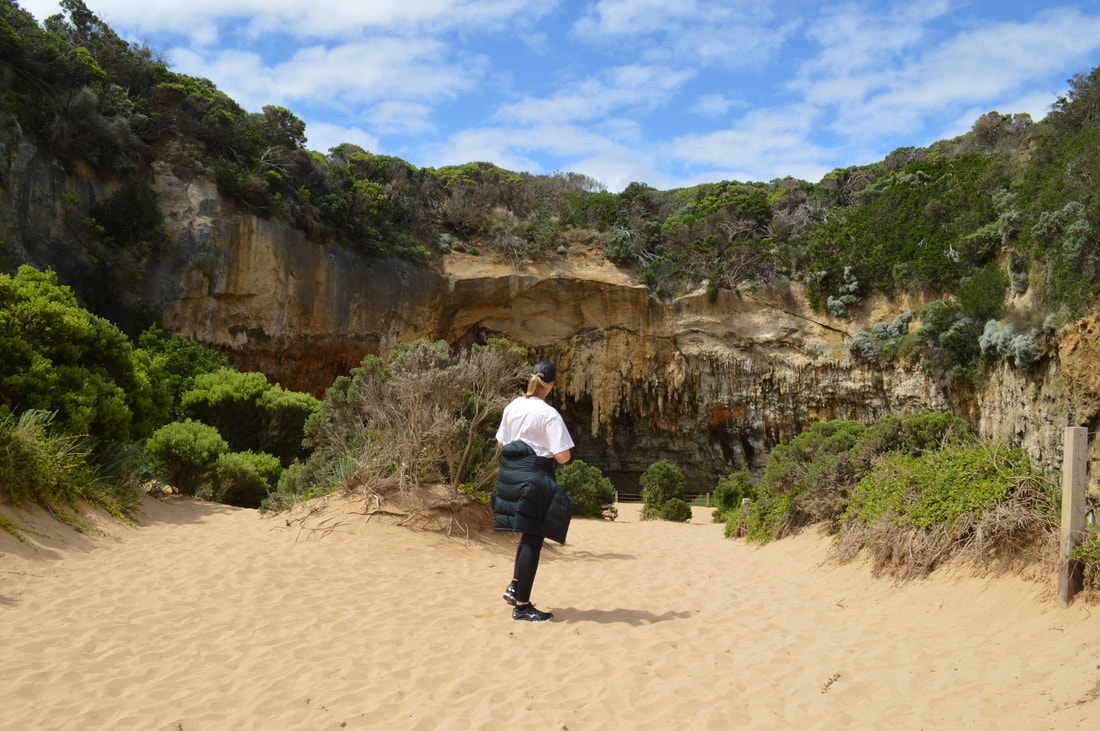
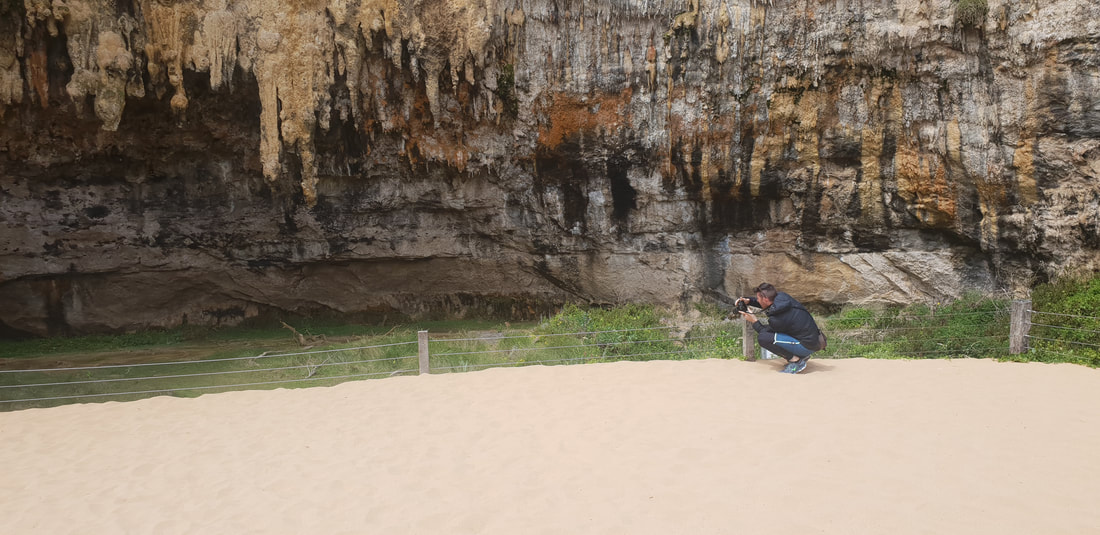
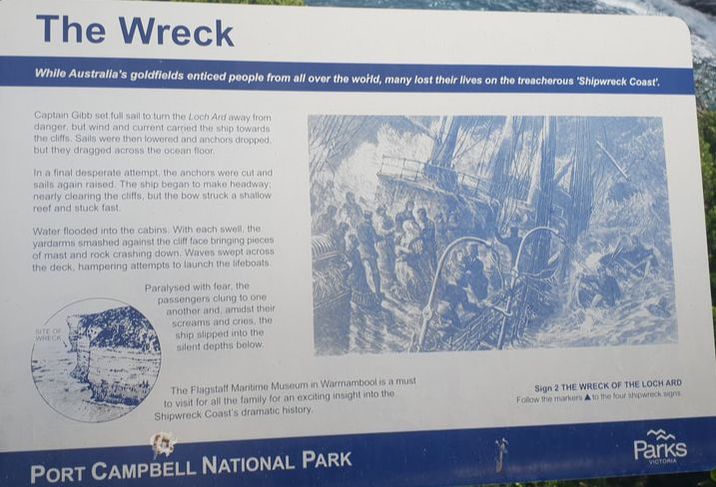
Loch Ard Gorge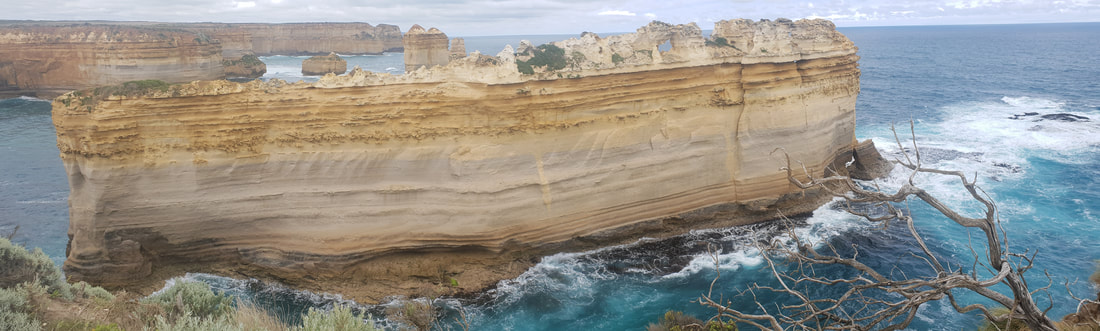
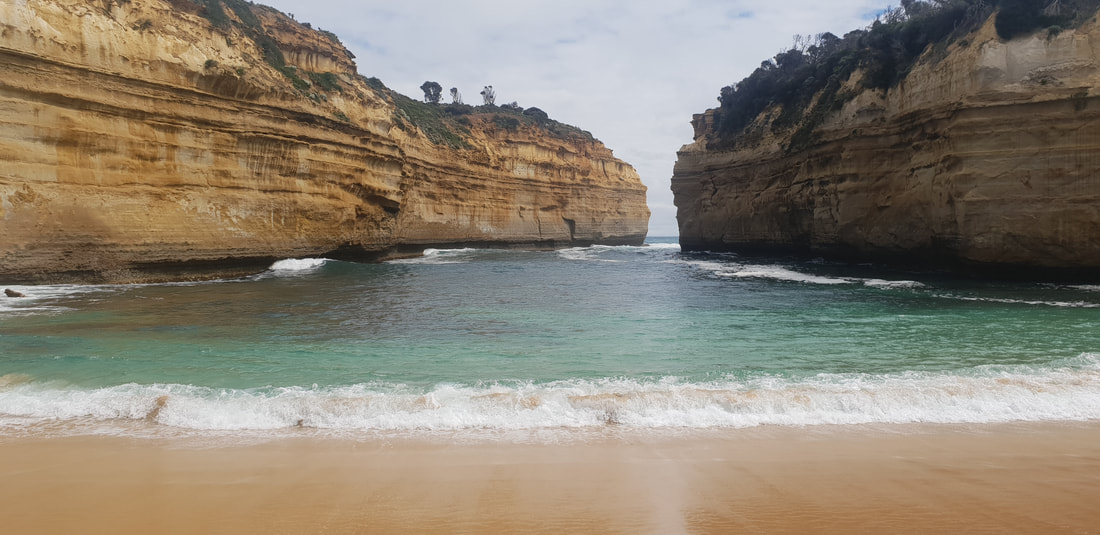
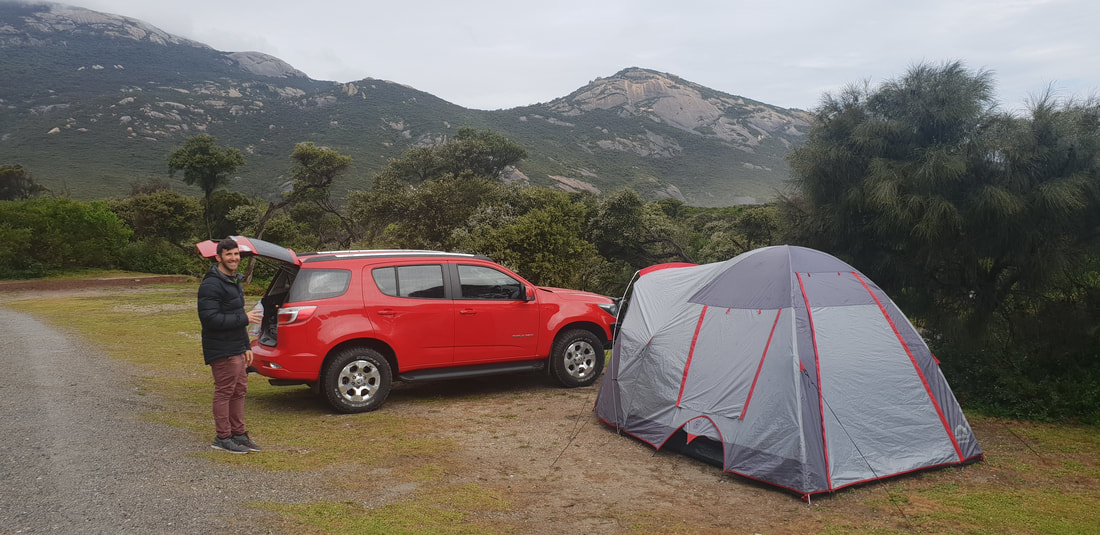
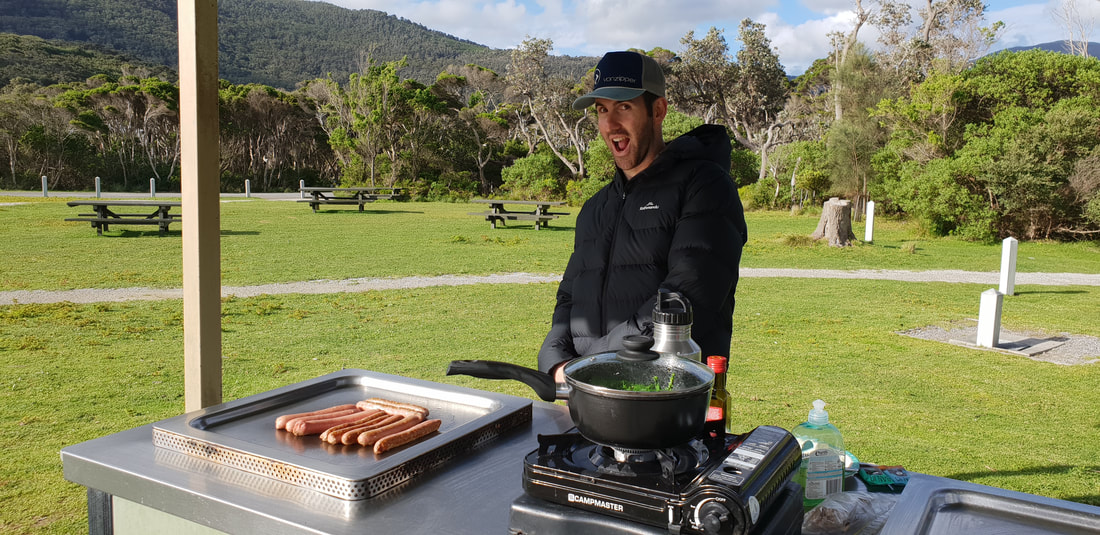
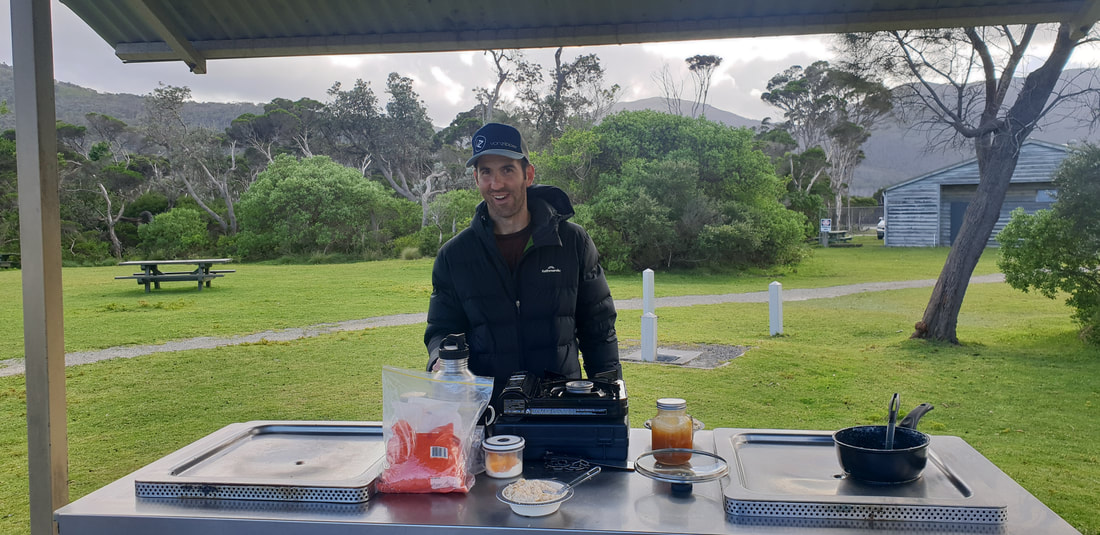
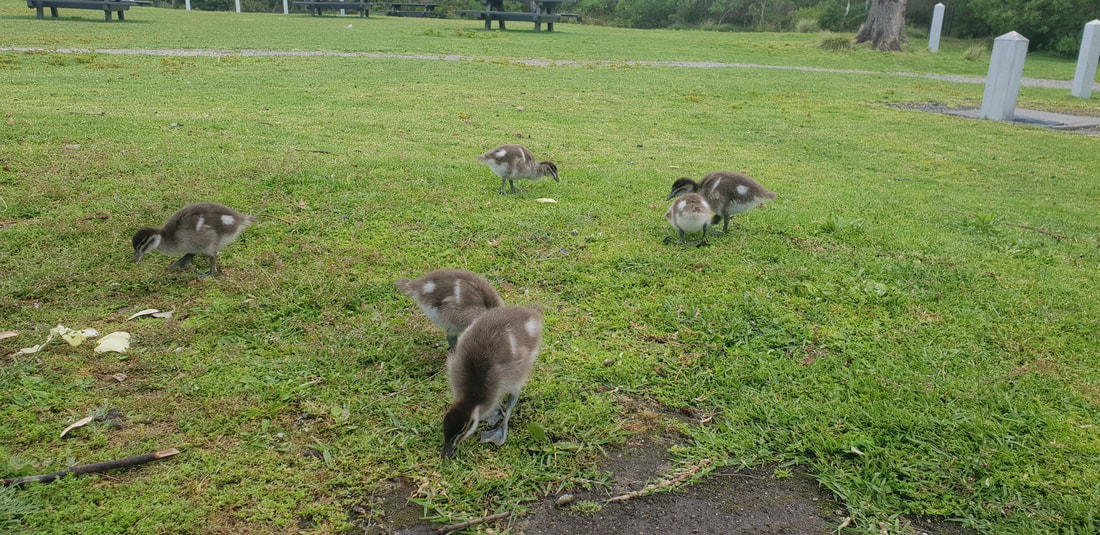
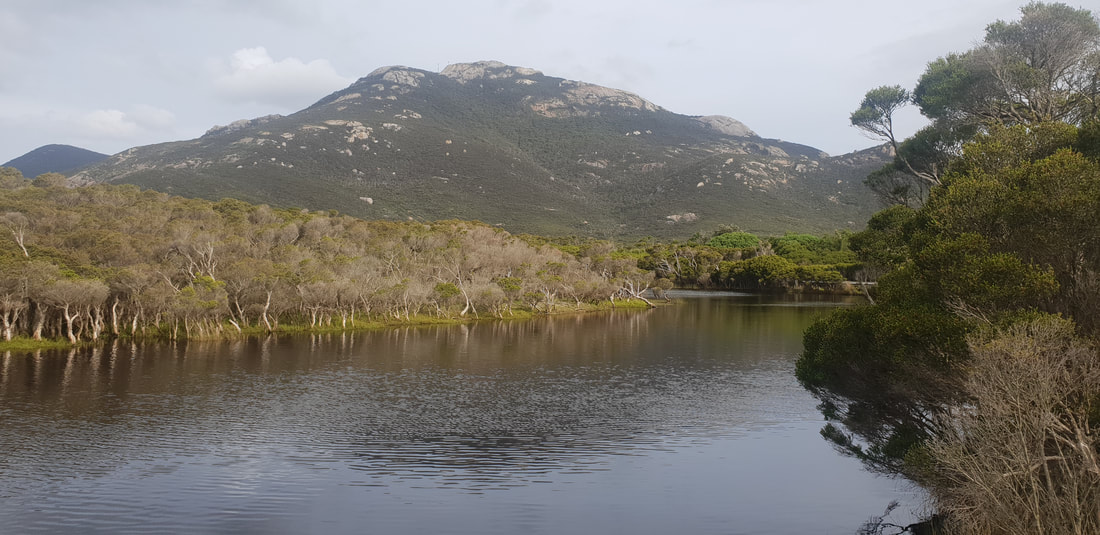
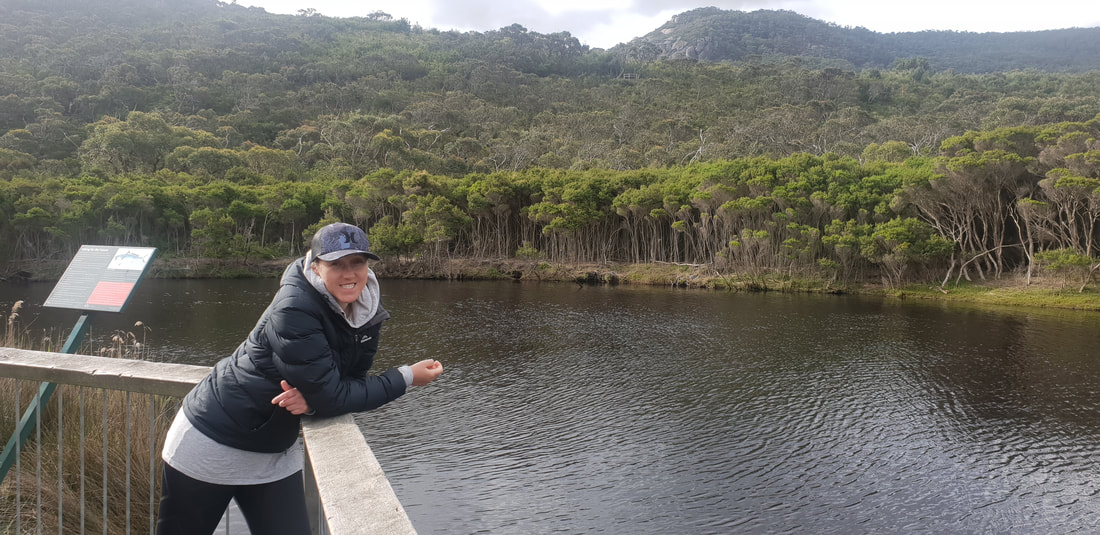
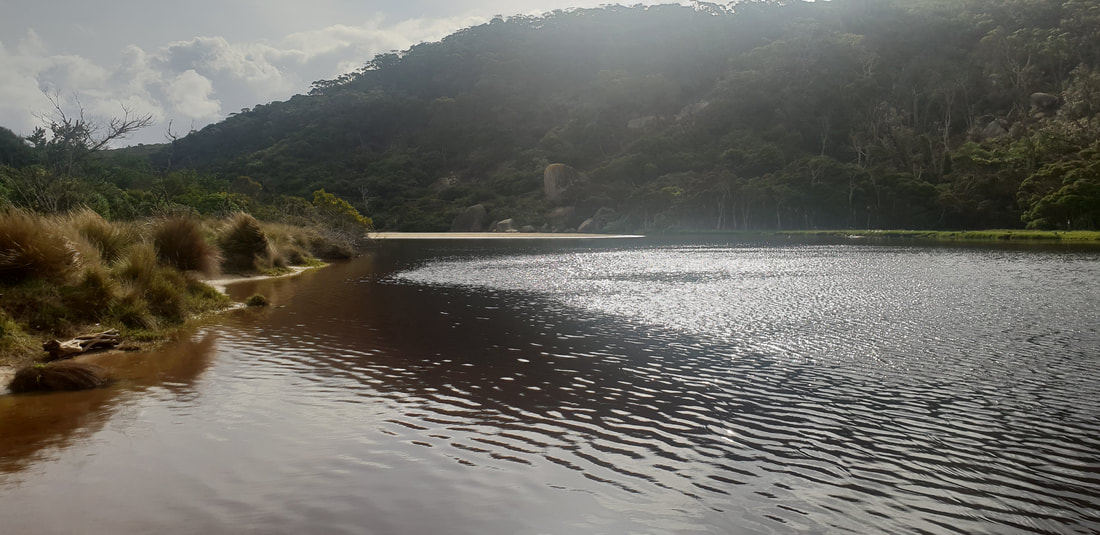
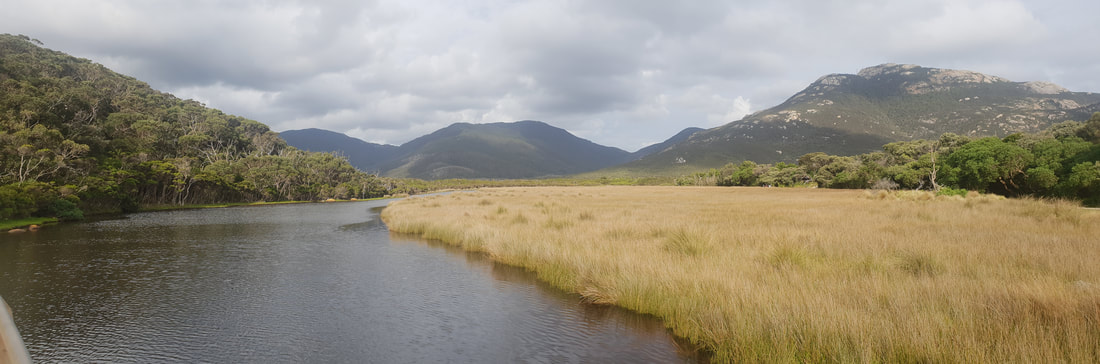
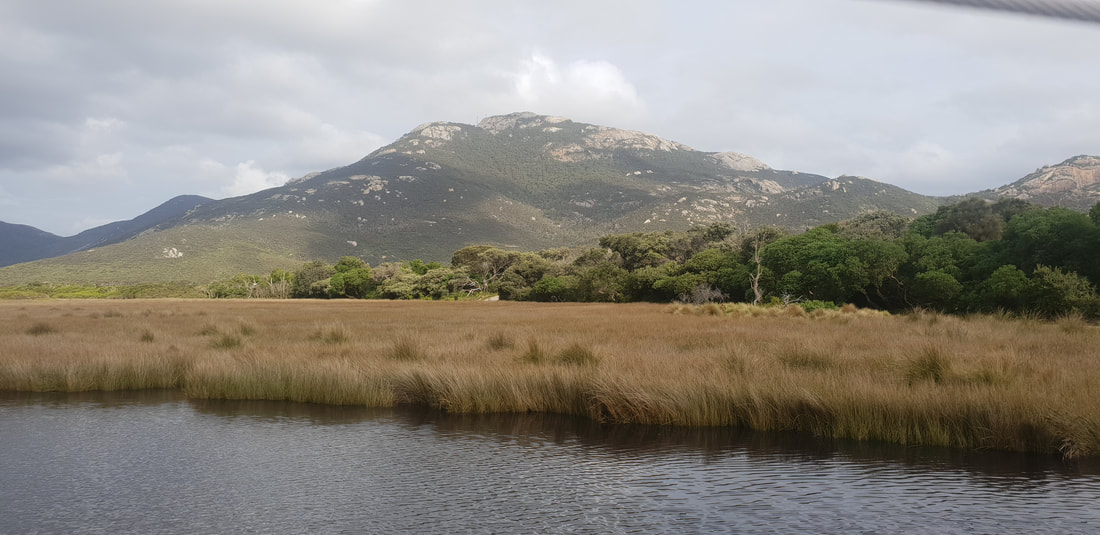
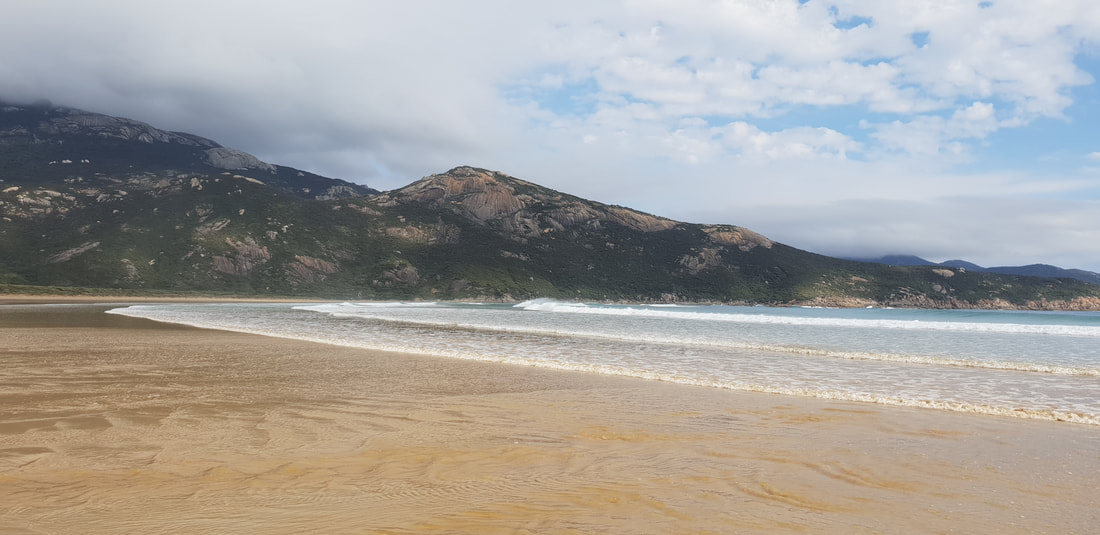
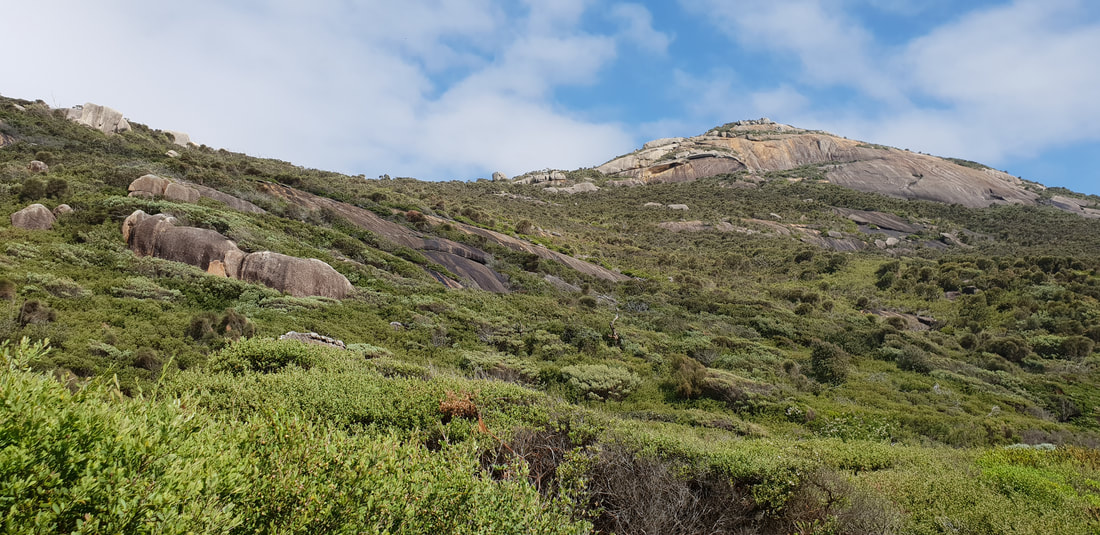
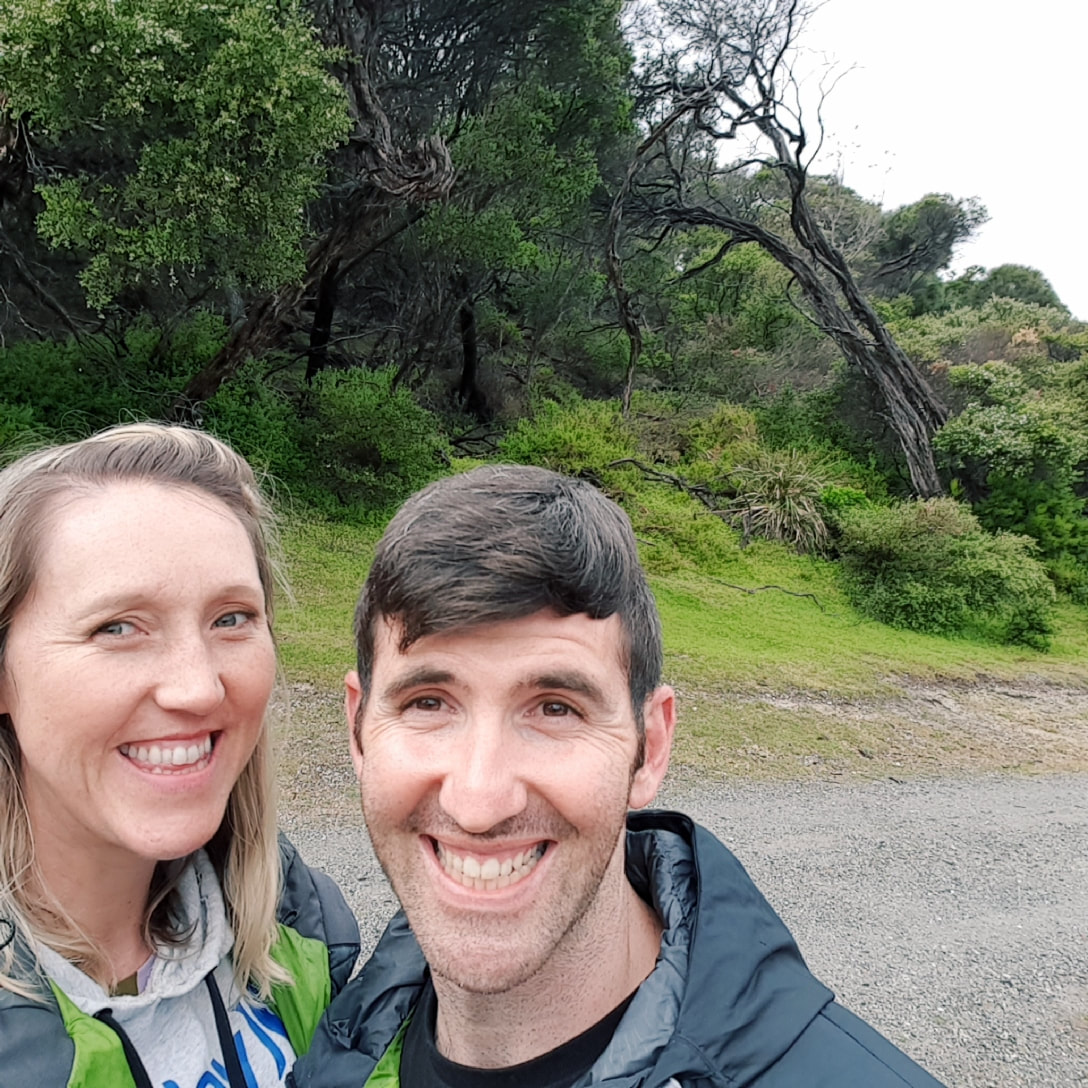
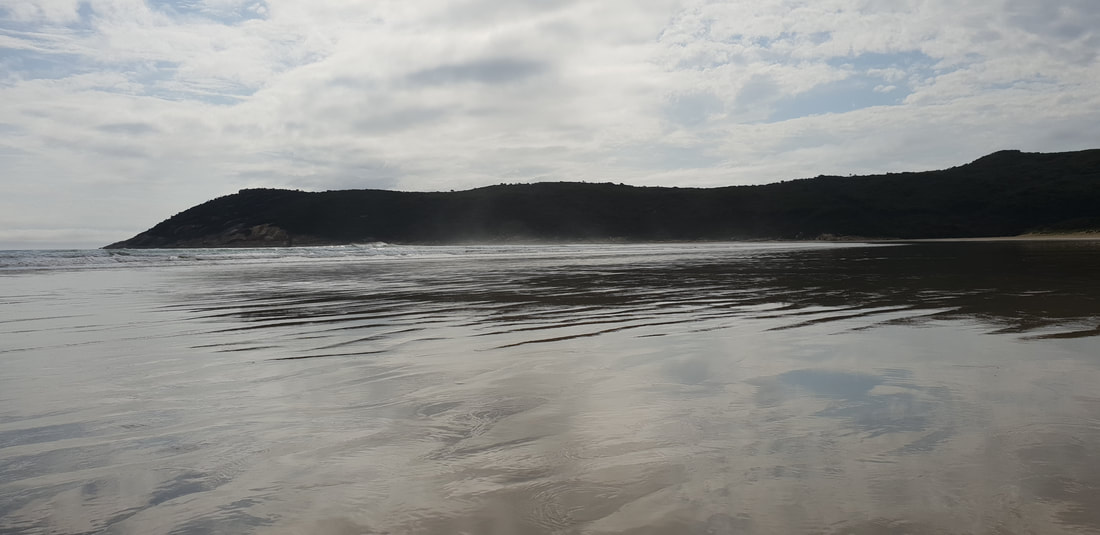
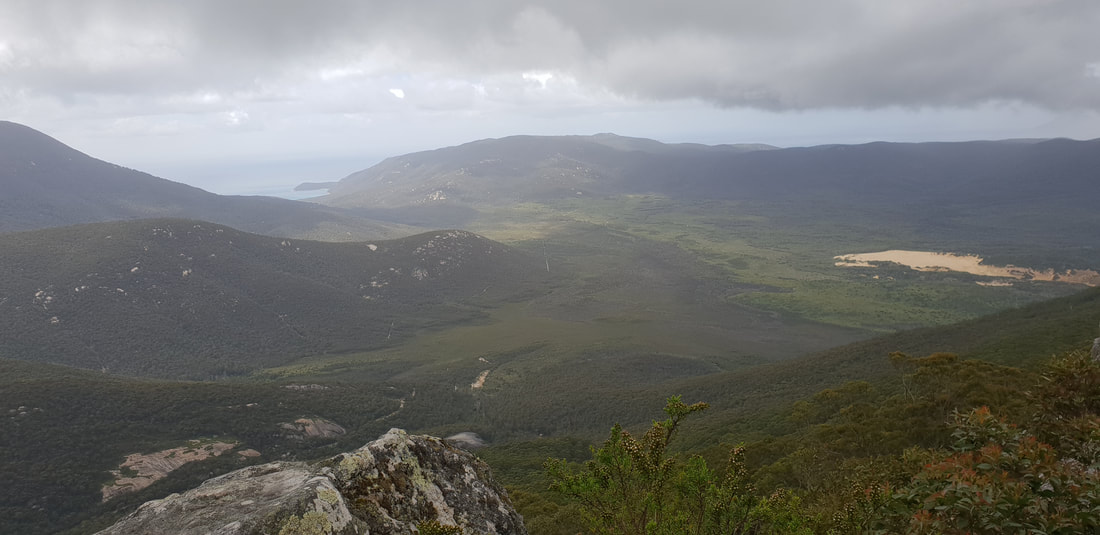
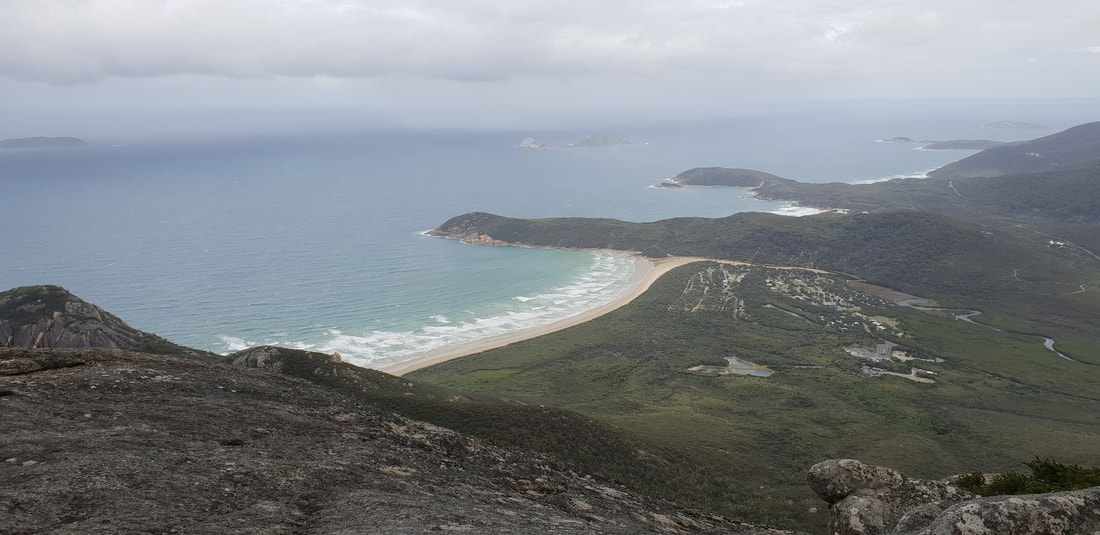
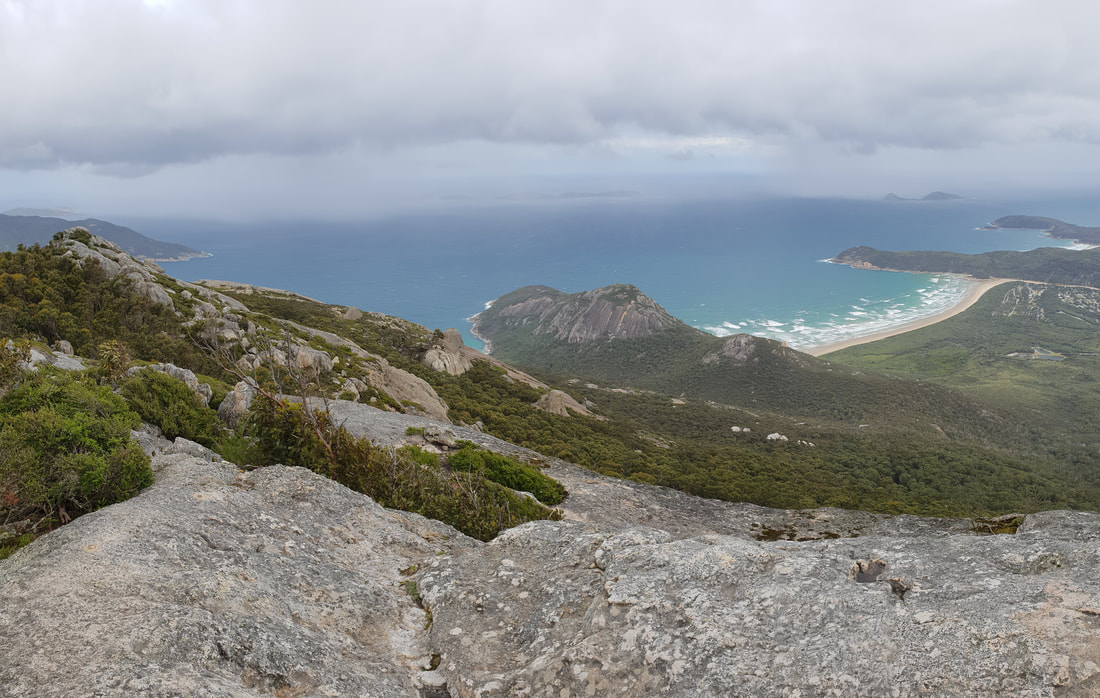
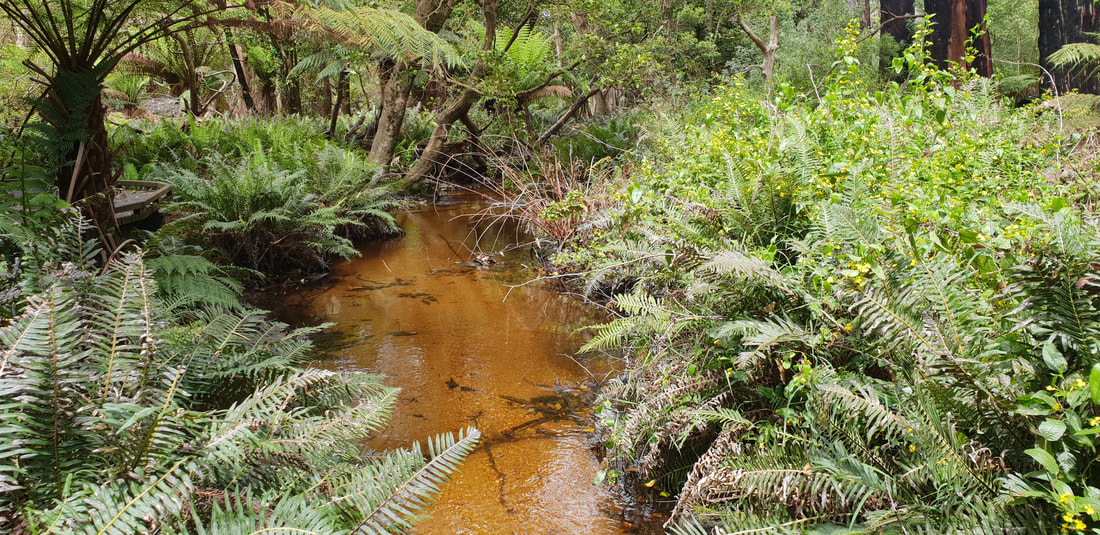
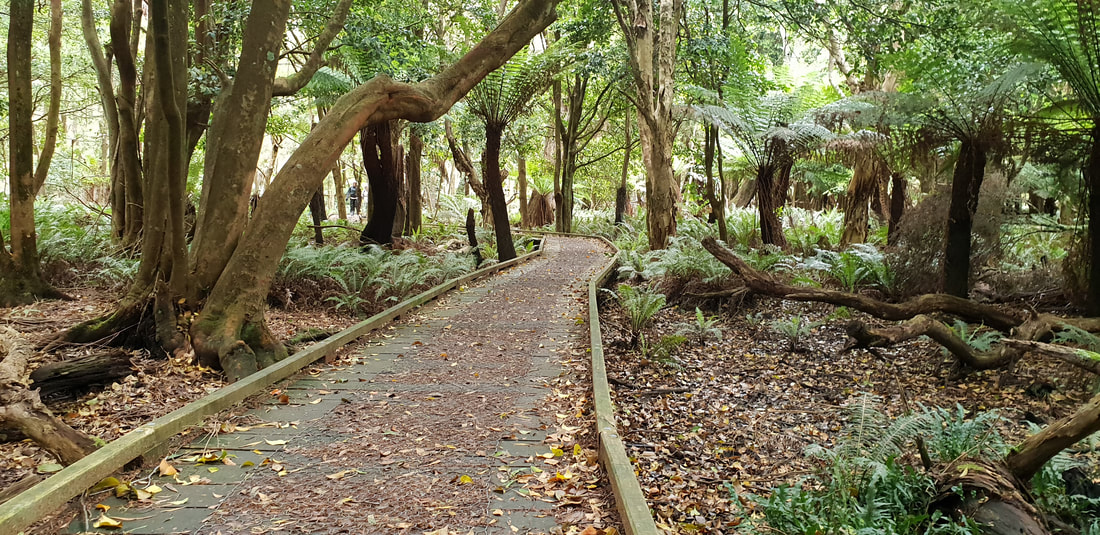
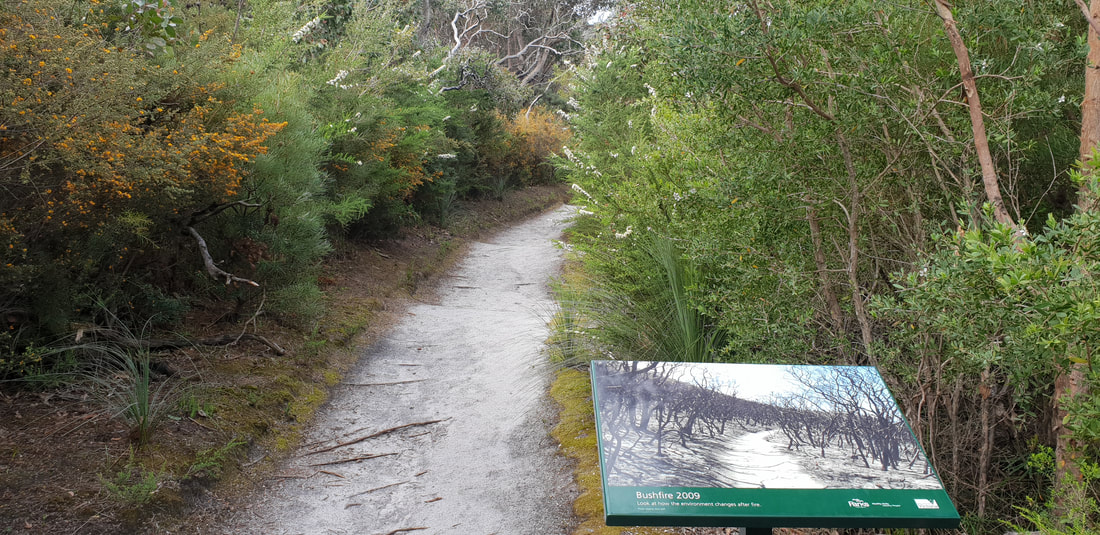
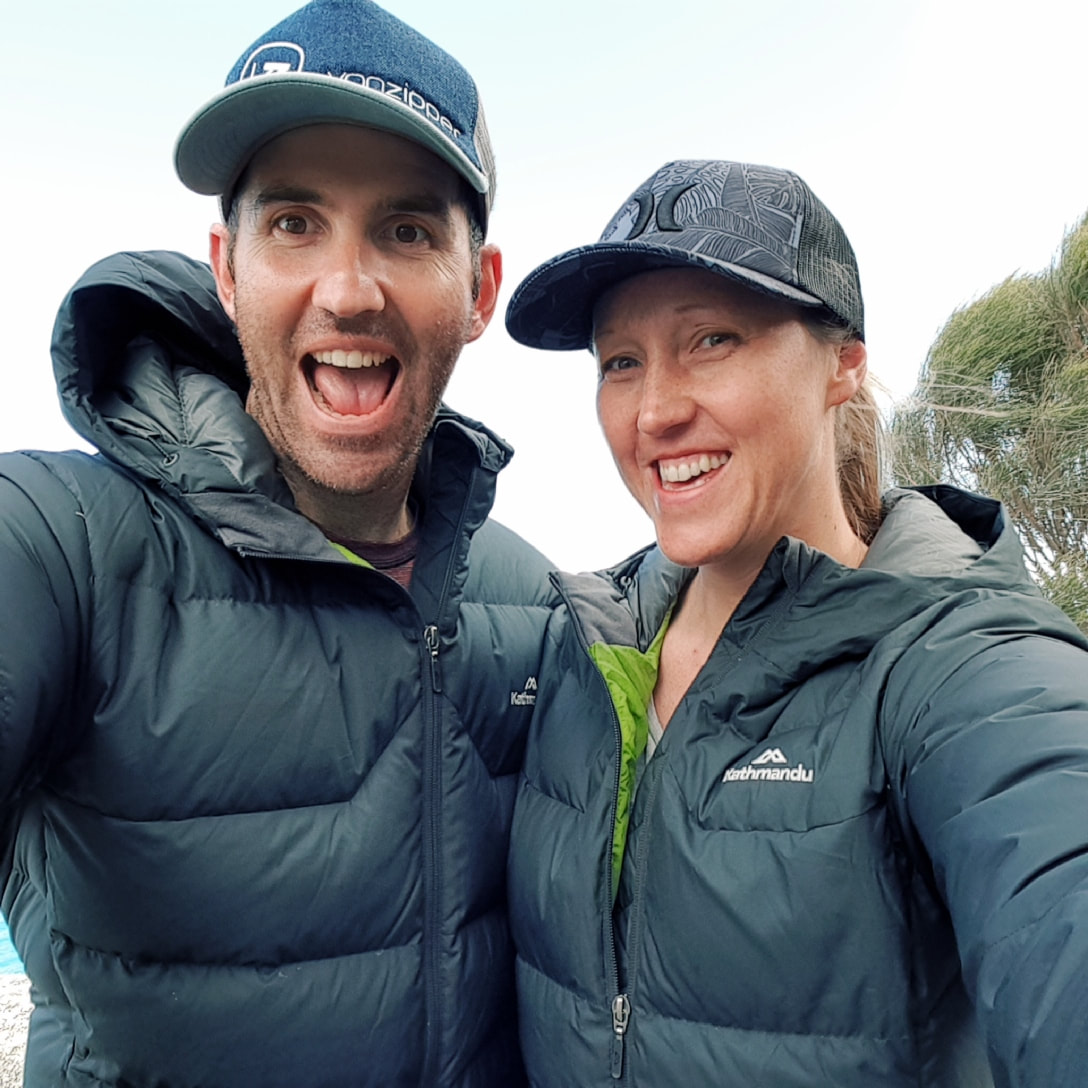
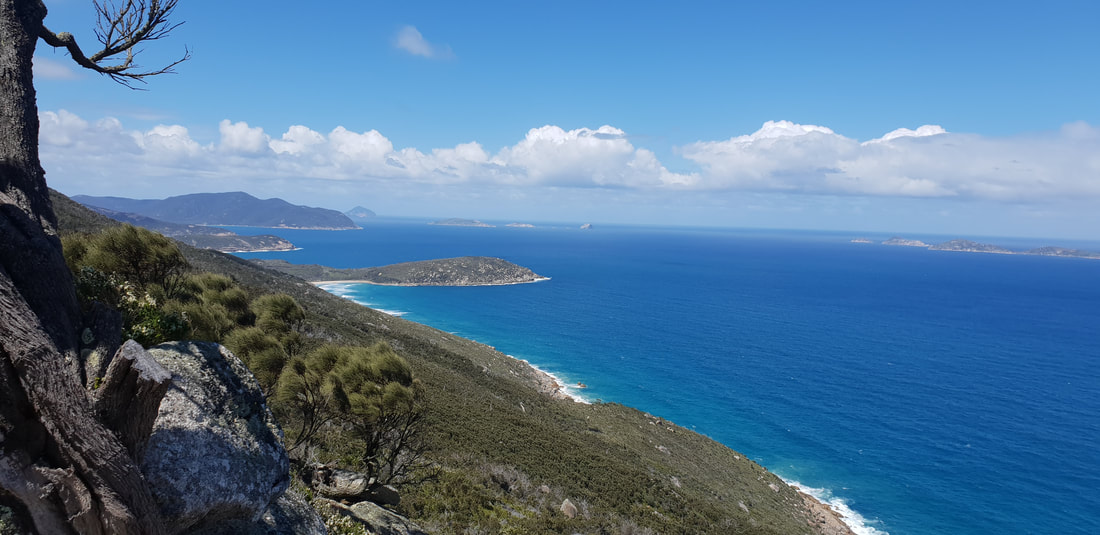
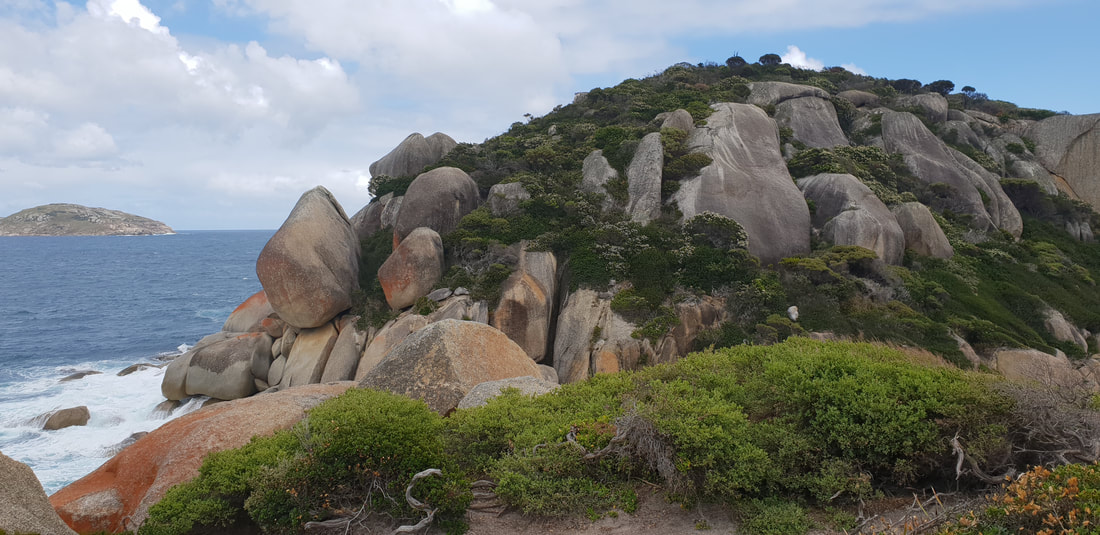
Tidal River Camp GroundCampsite 319 on 31st Avenue near the Hill Block Amenities: Our tent 'Rex' is an absolute beast, withstanding two consecutive days and nights being pummelled by 70 kph winds, inconsistent and heavy rain and scatterings of hail. Our nights were sleepless as we laid awake watching 'Rex' literally sway, collapse and retract, as wind howled around us, but we "wouldn't be dead for quids" and had an amazing few days in this pristine rugged windswept paradise. George Bass sailed past the Promontory in 1798 and presumed upon spotting the mountainous peaks, he was passing an island. It was not until later in the year when he returned with Matthew Flinders he realised what he had thought was an island was actually a promontory, a mass of protruding land connected to the mainland. Although originally named, Furneaux Land by Bass, it was renamed, Wilson's Promontory after a friend of Matthew Flinders, Thomas Wilson, a London based merchant who traded with the new colony of New South Wales. During this time the Nautilus a sealing vessel moved in on the area, it is believed culling over 9,000 seals for their fur. After this expedition the seal industry took off in the region going strong between 1800 and 1830, when declining and unsustainable seal numbers saw the demise of the industry. The whaling industry also went gangbusters in the region in the early 1800's lasting up until 1847 when again declining numbers ground the industry to a halt. By the mid 1800's Wilson's Promontory was starting to become a tourist destination for botanists and anyone keen to experience the area's rich natural beauty. Two towns were proposed for the Promontory, one called, Yanakie situated where the Promontory connects with the mainland and one called, Seaforth at Freshwater Cove. Despite the land at Seaforth being surveyed and allotments sold in 1892 neither town actually developed, although a pub was built at Seaforth that operated for many years afterwards and Yanakie has in more recent times been developed. Tin was discovered in the 1870's, but it was not until 1915 during WWI that a tin mine was constructed, operating until 1936 when the ore ran out. In 1905 Wilson's Promontory was awarded National Park status, but was closed to the public from 1941 to 1946 during WWII for use as training ground for the Australian and New Zealand armies.
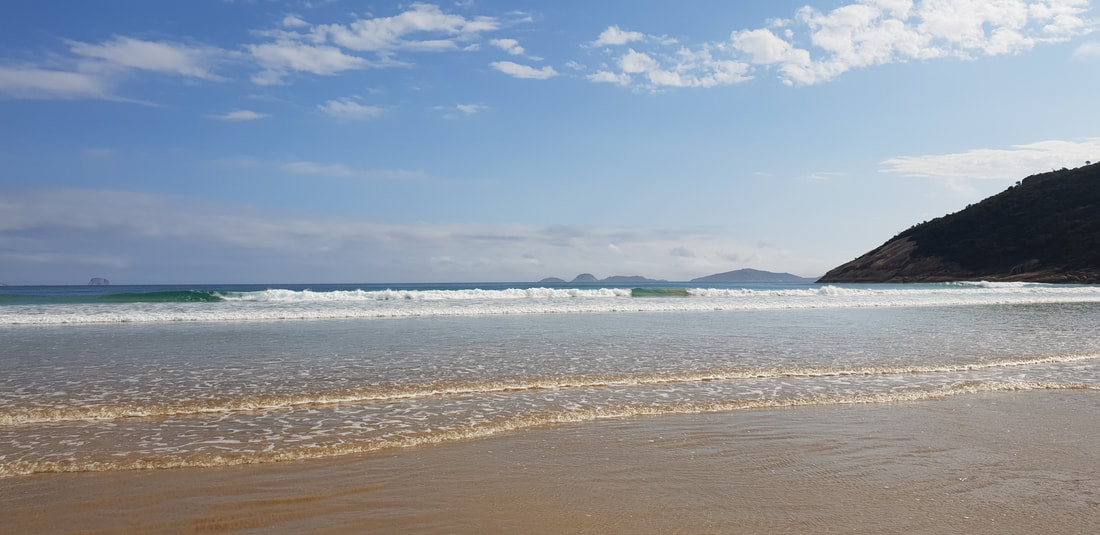
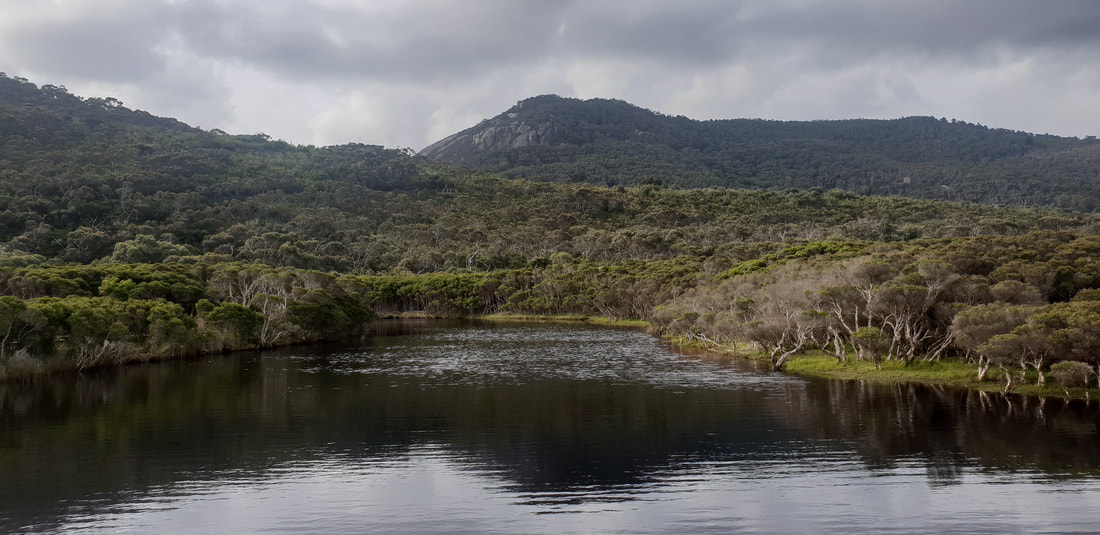 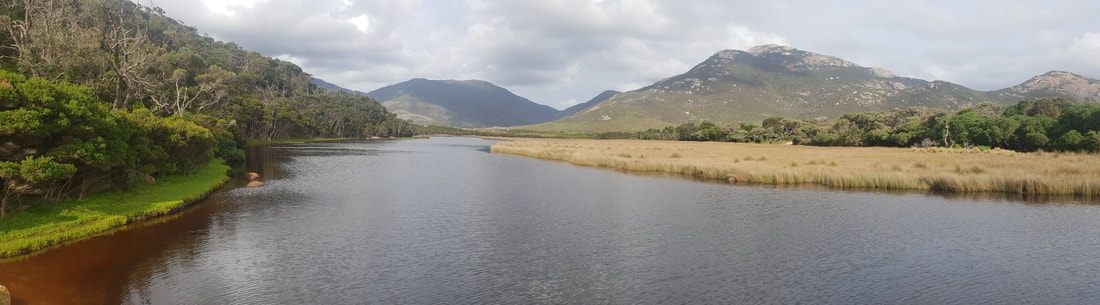 Norman Beach
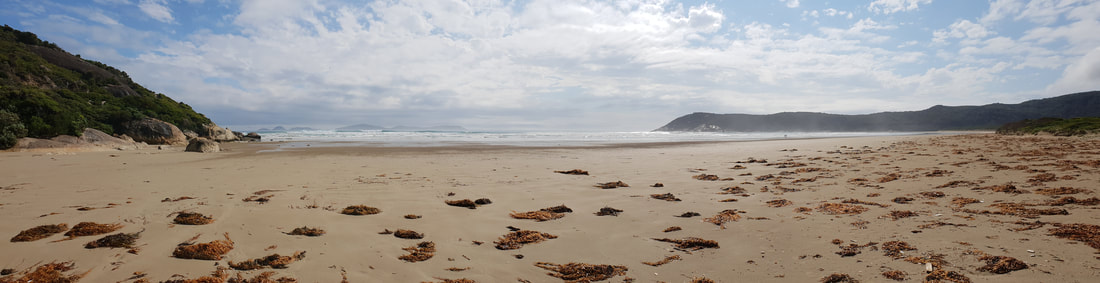
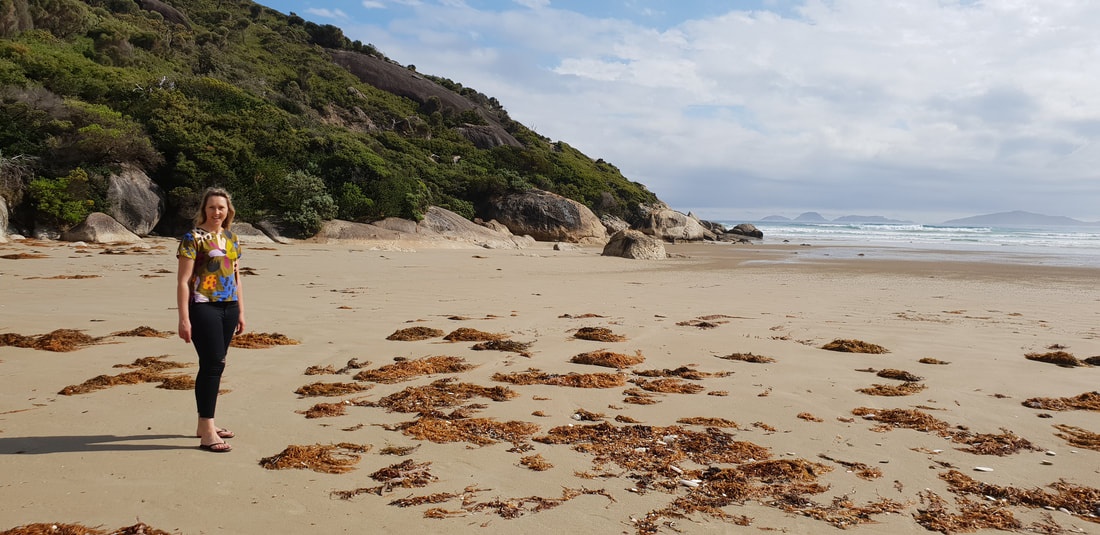
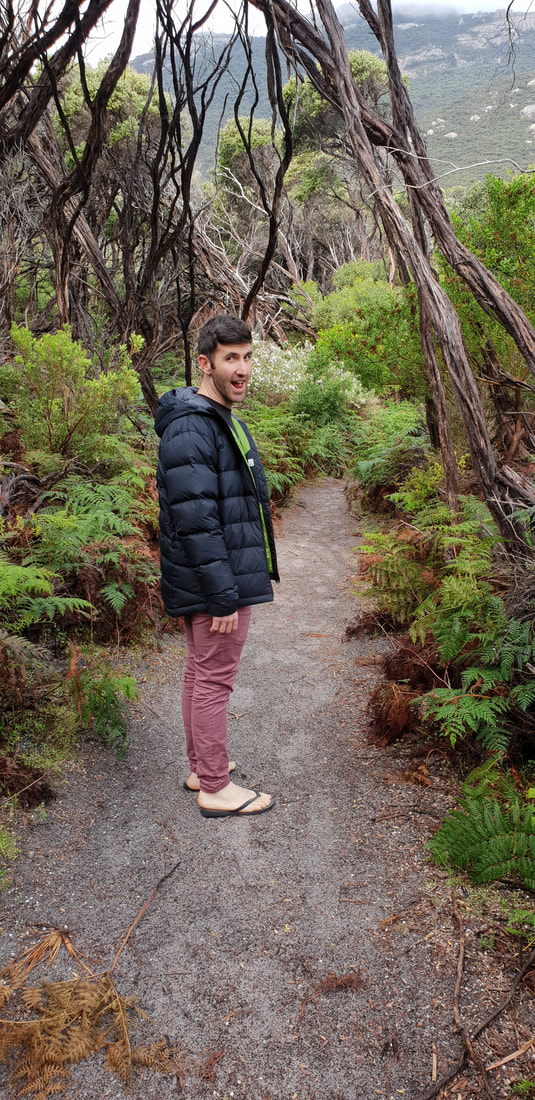
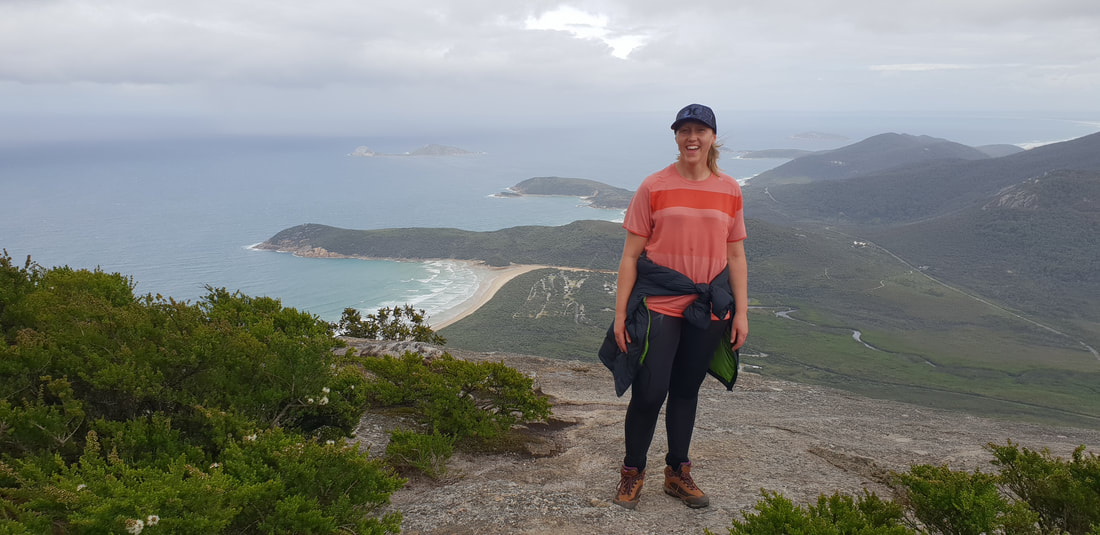
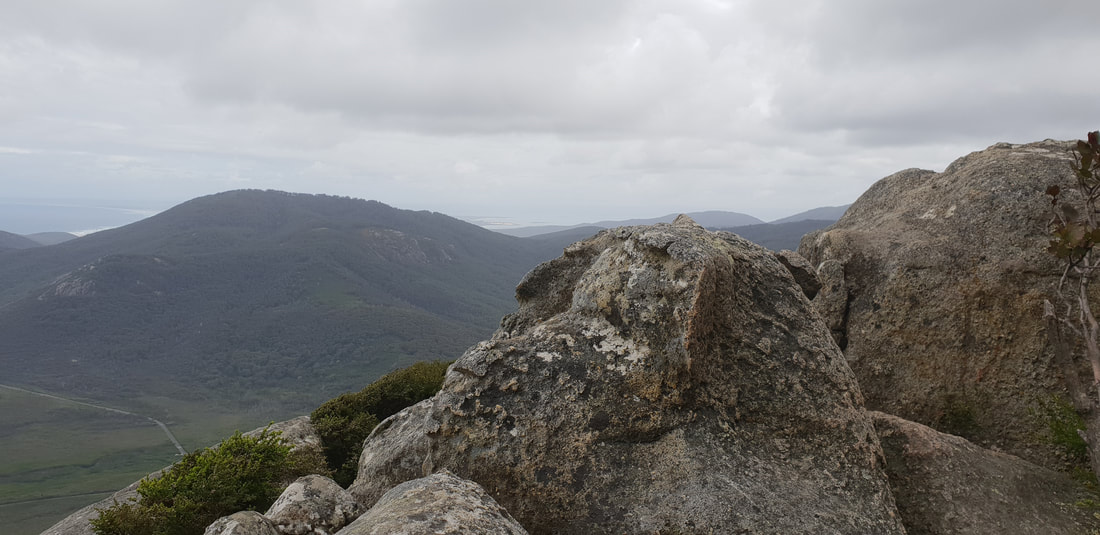
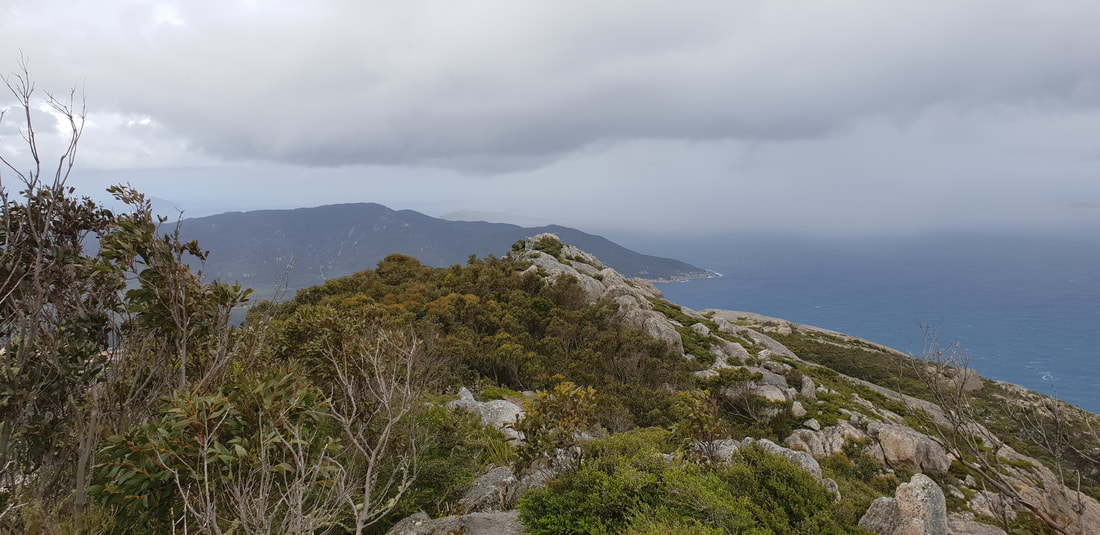
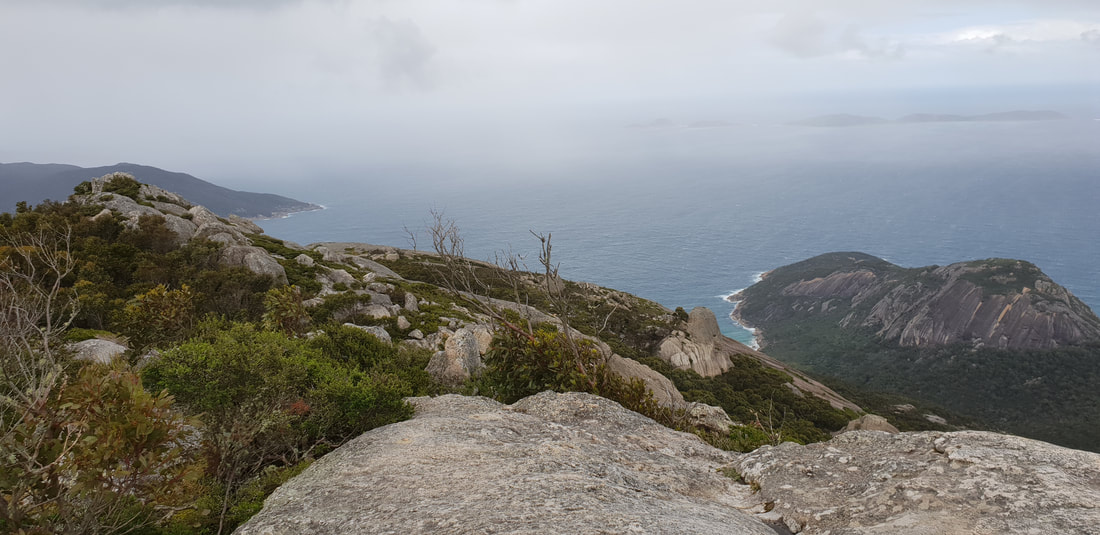
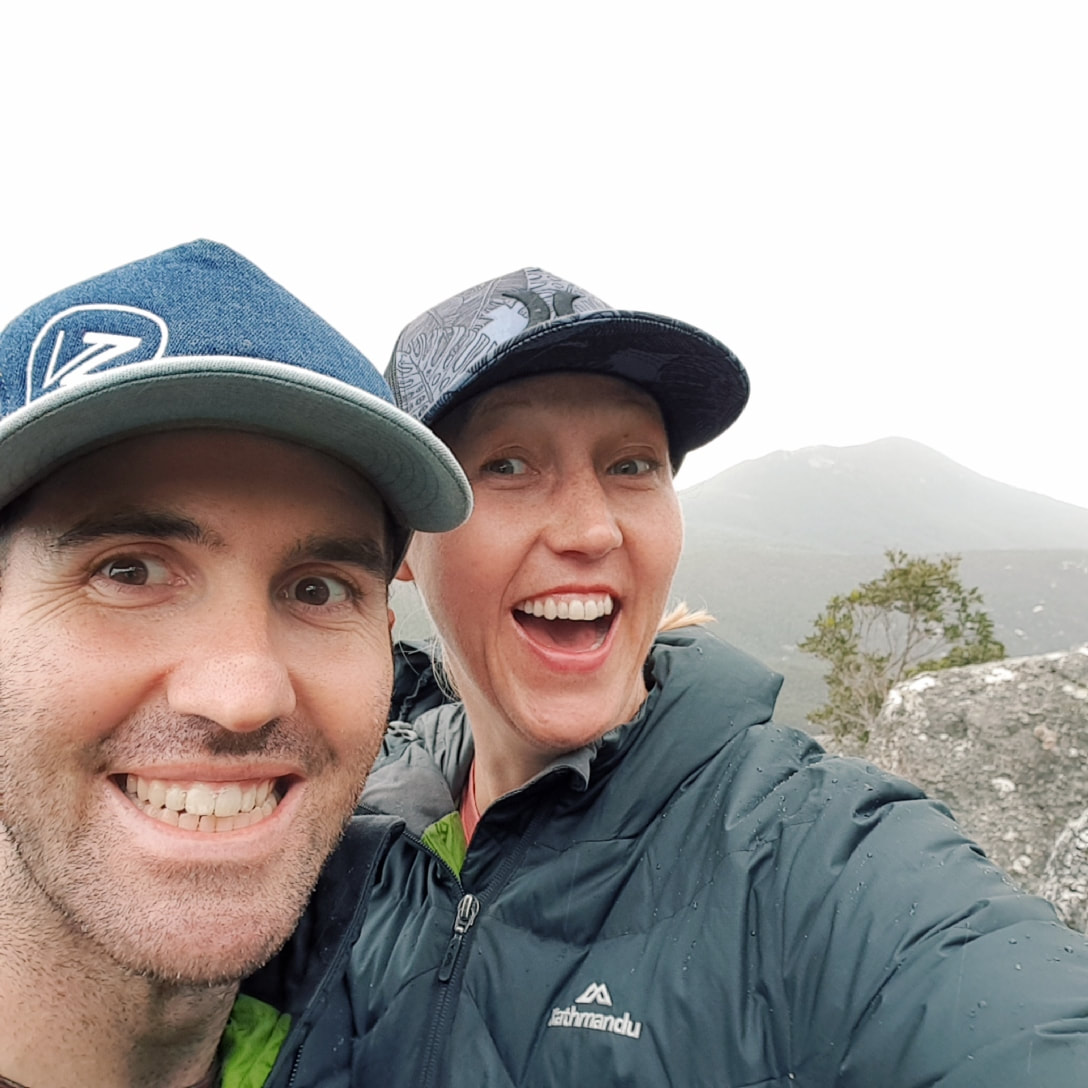
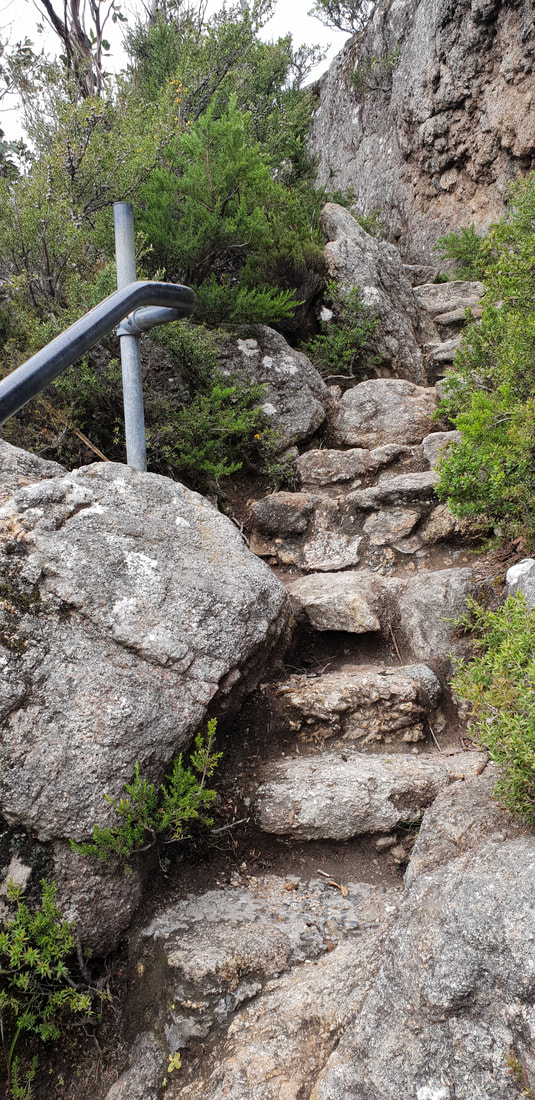
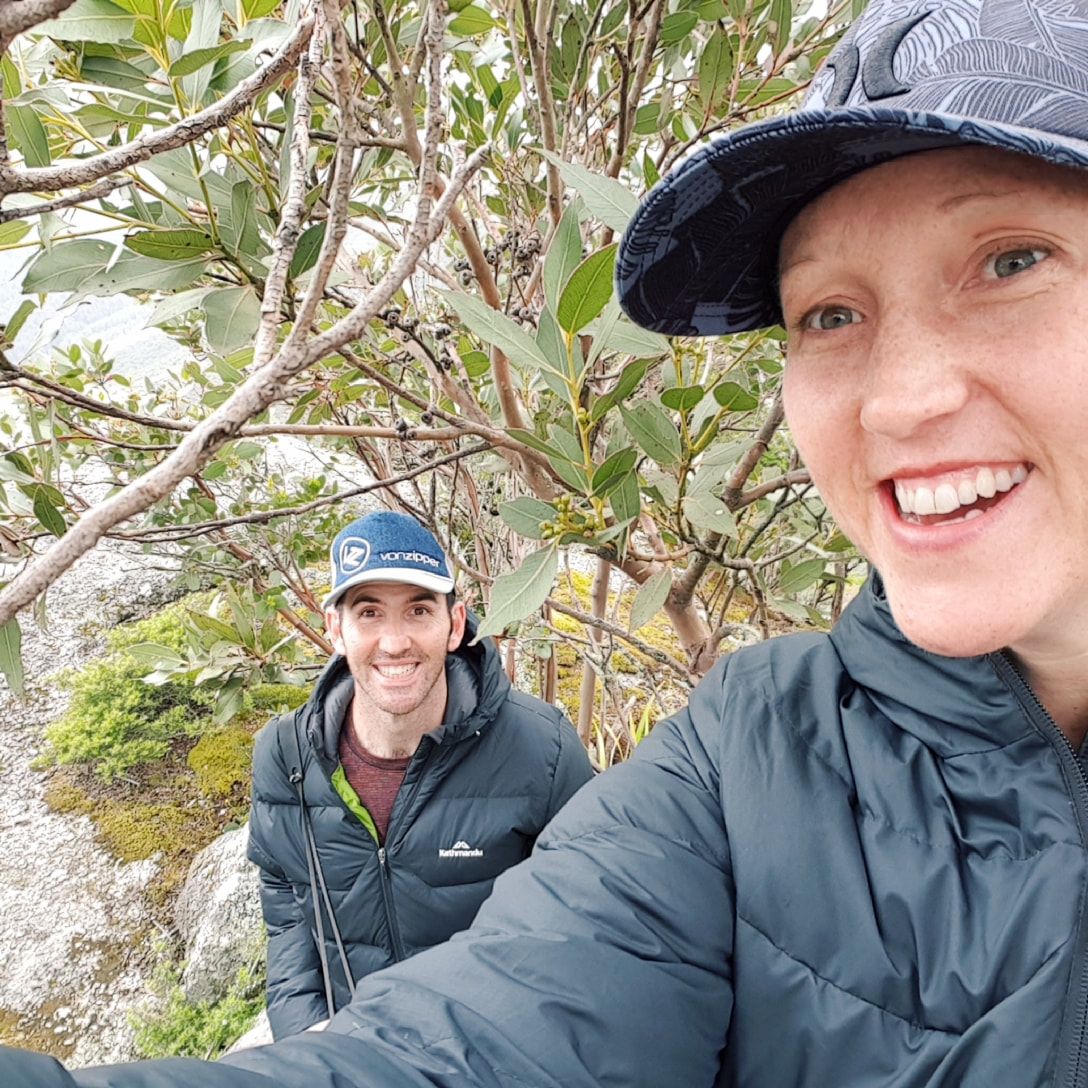
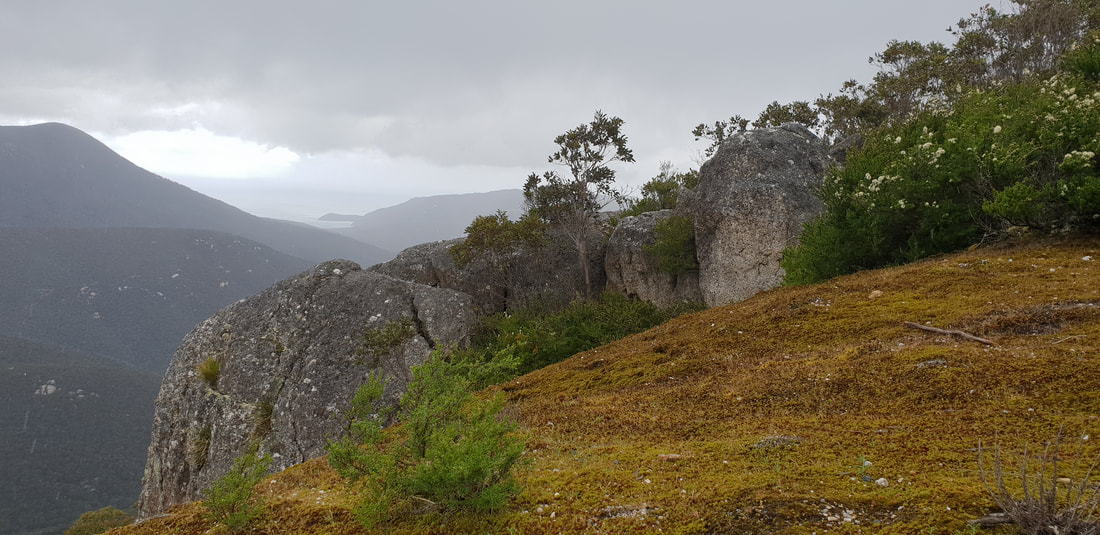
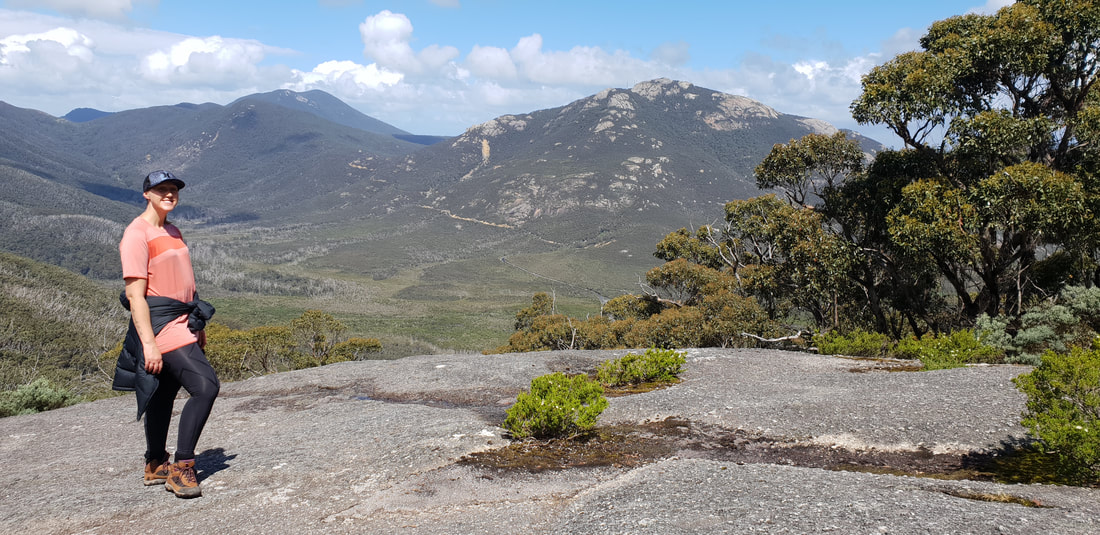
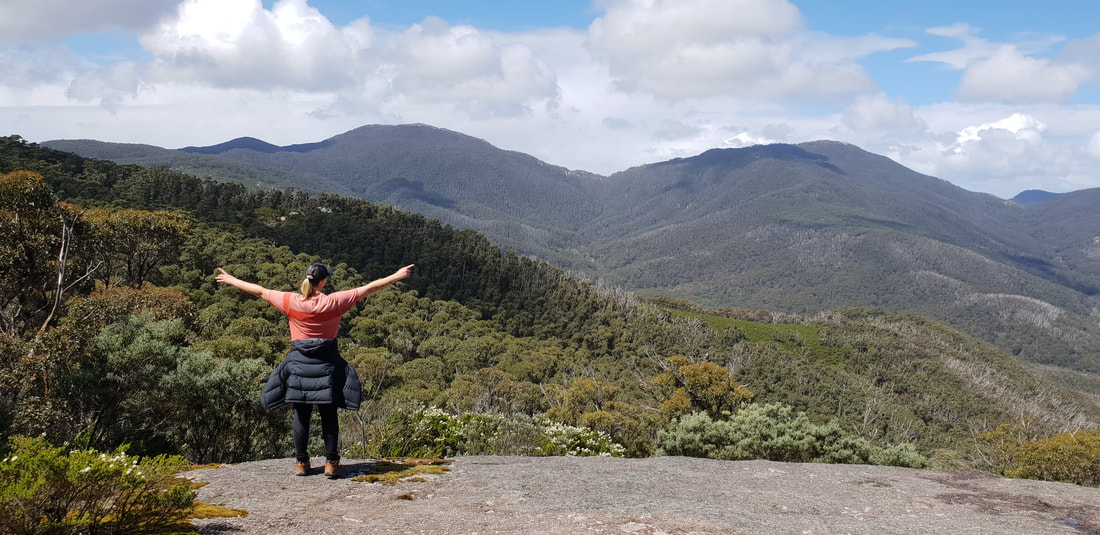
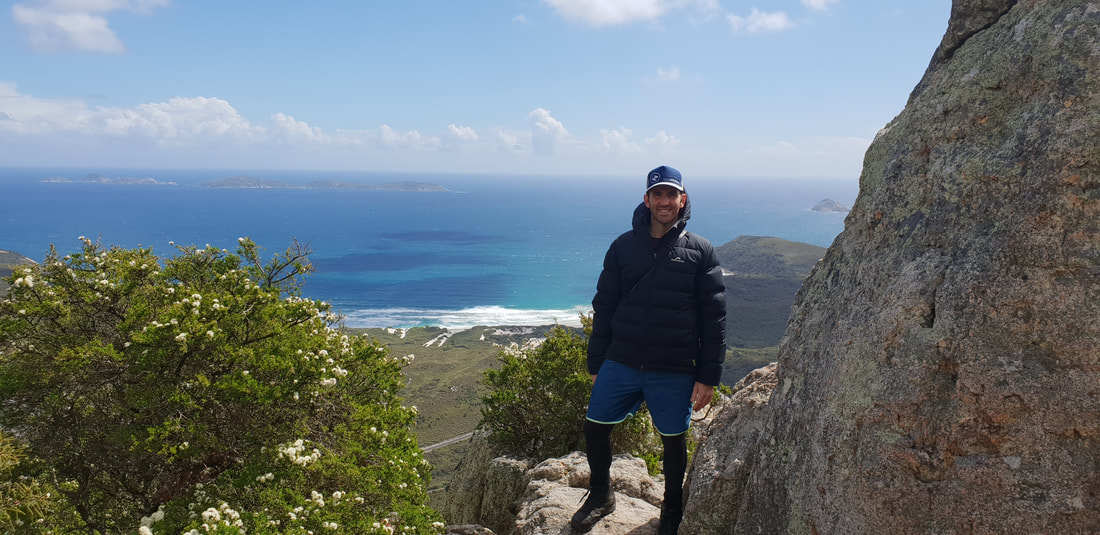
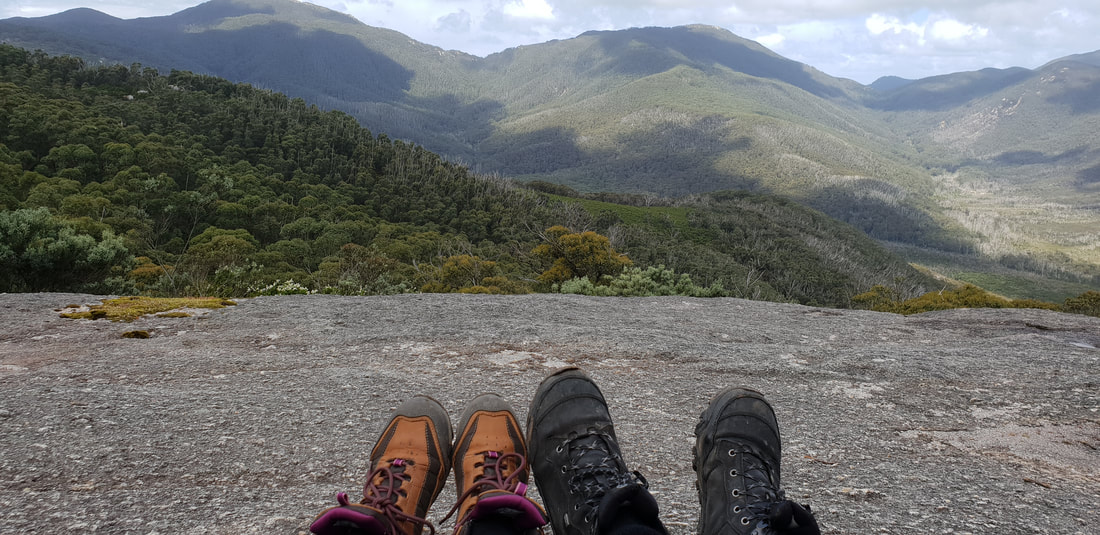
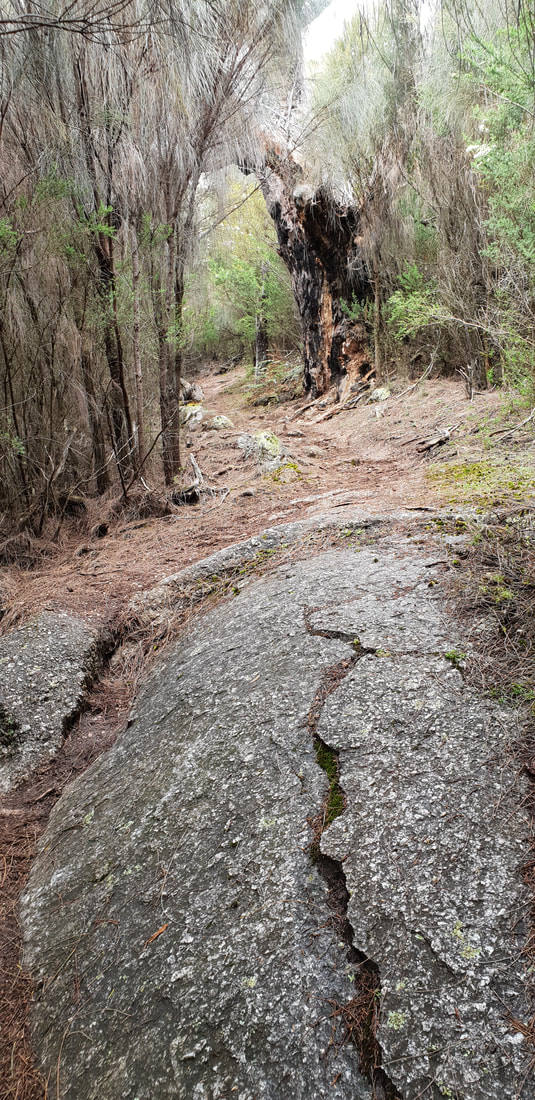
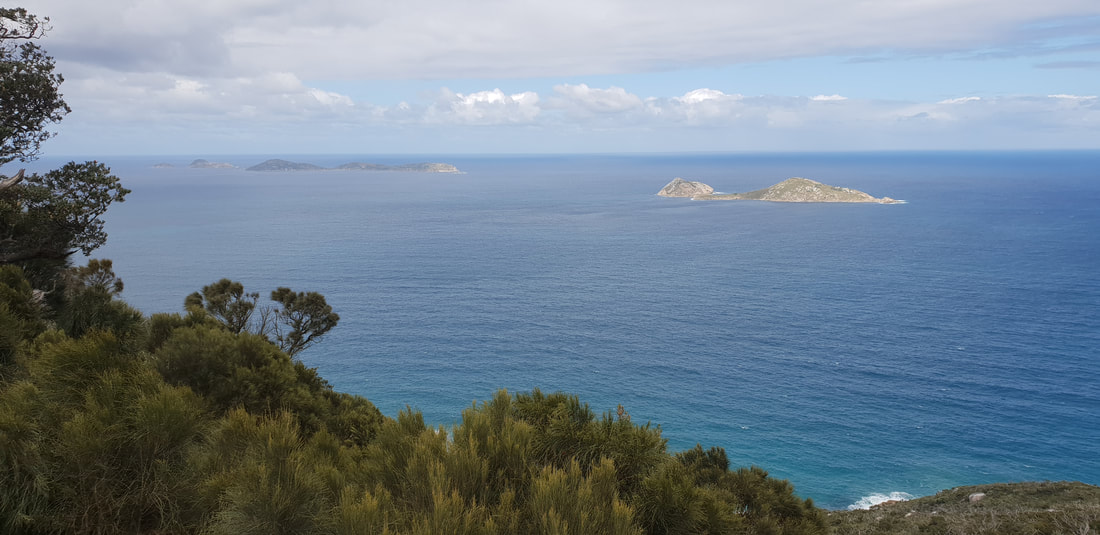
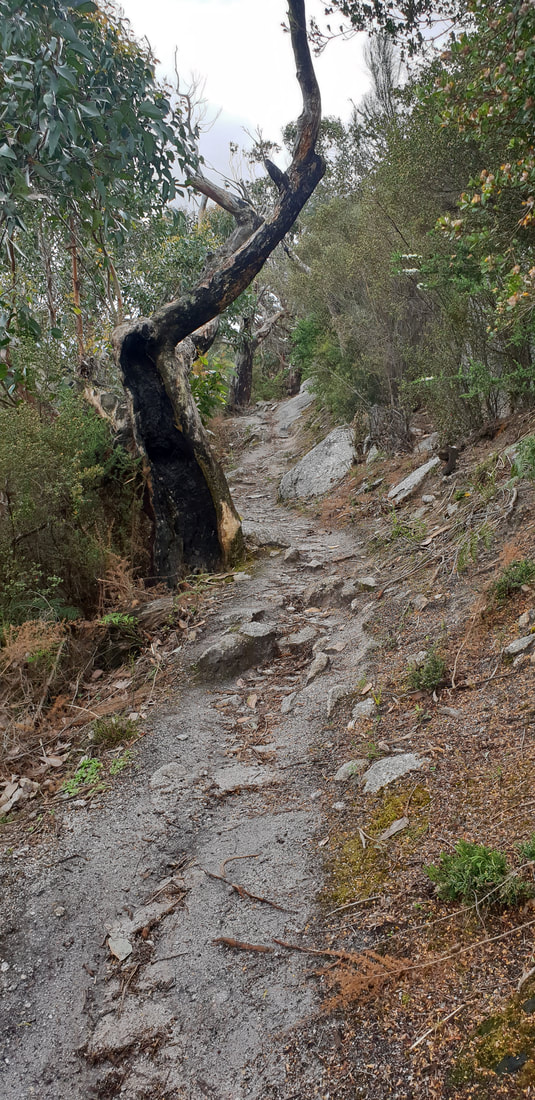
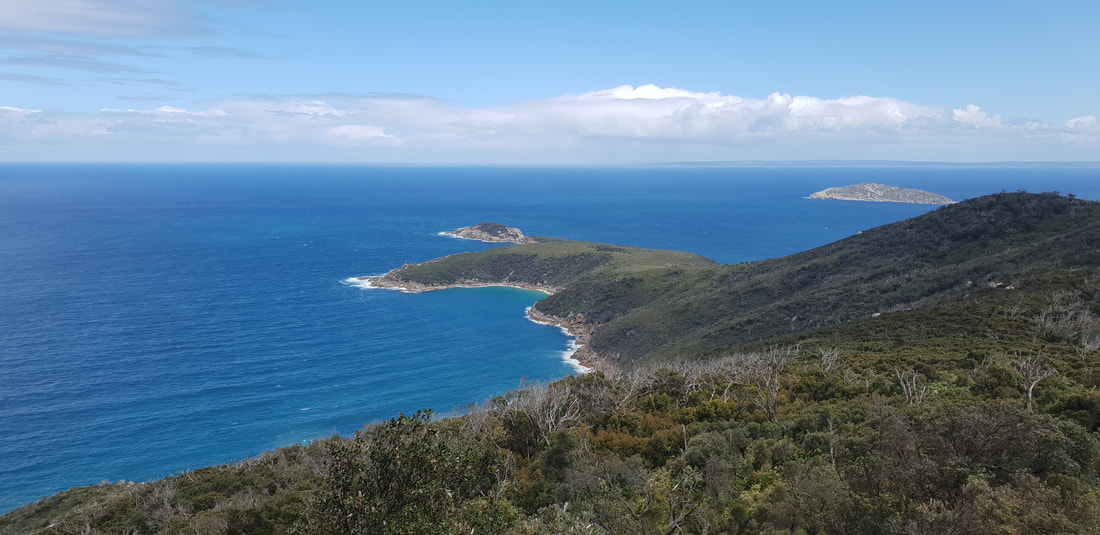
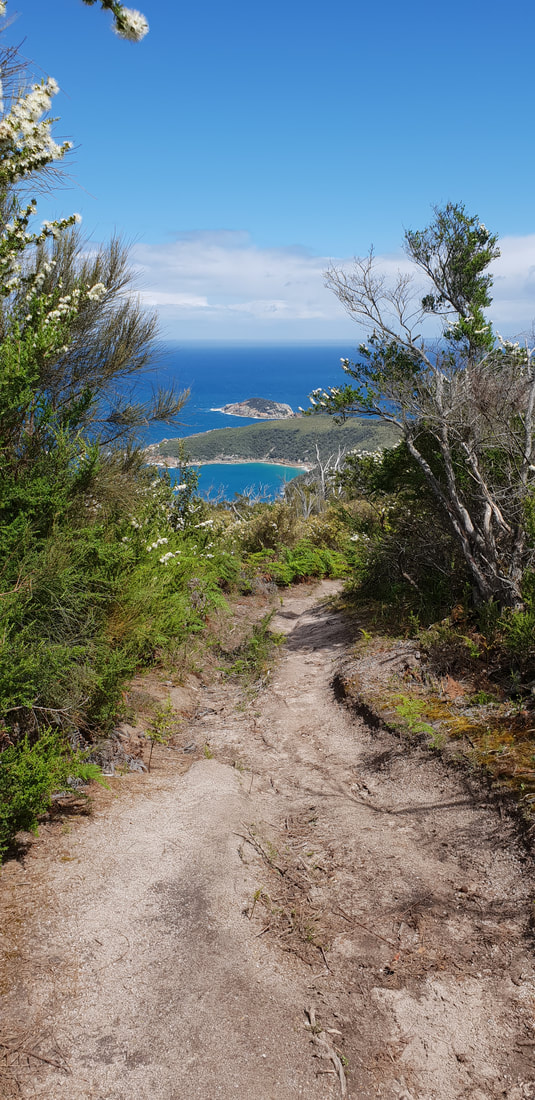
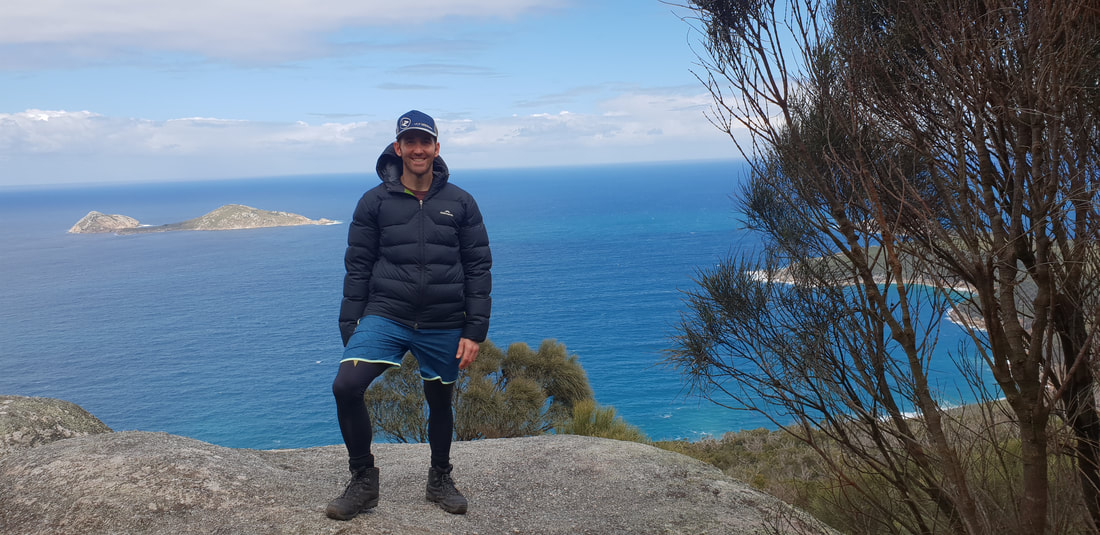
Mt. Oberon Summit Walk, 6.8kms return
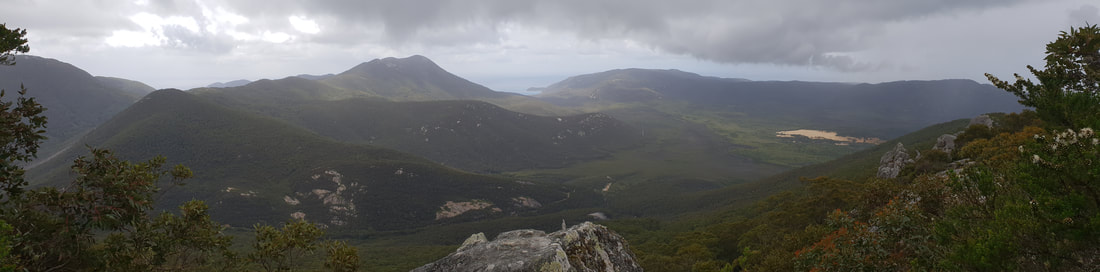
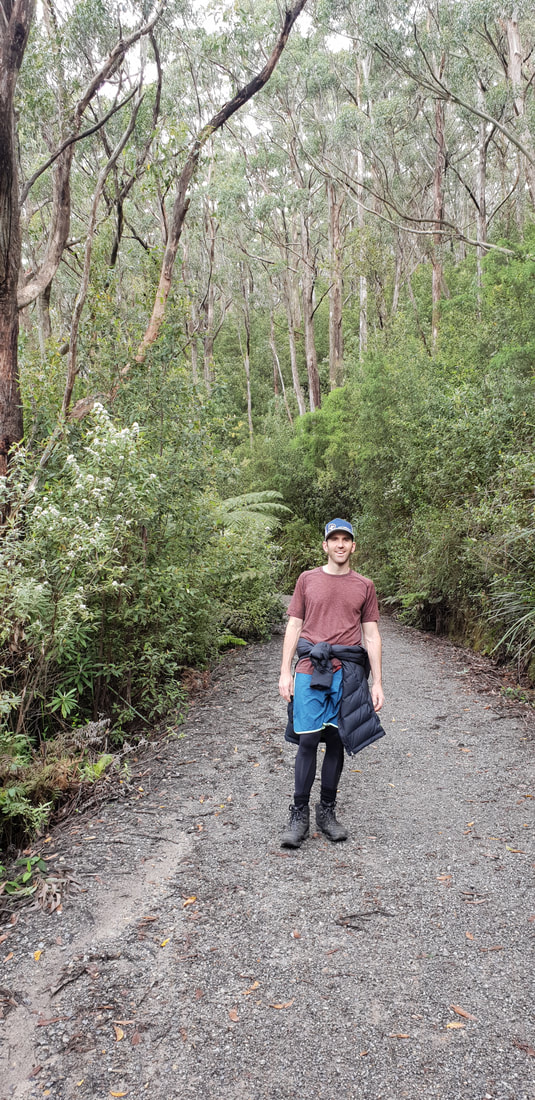
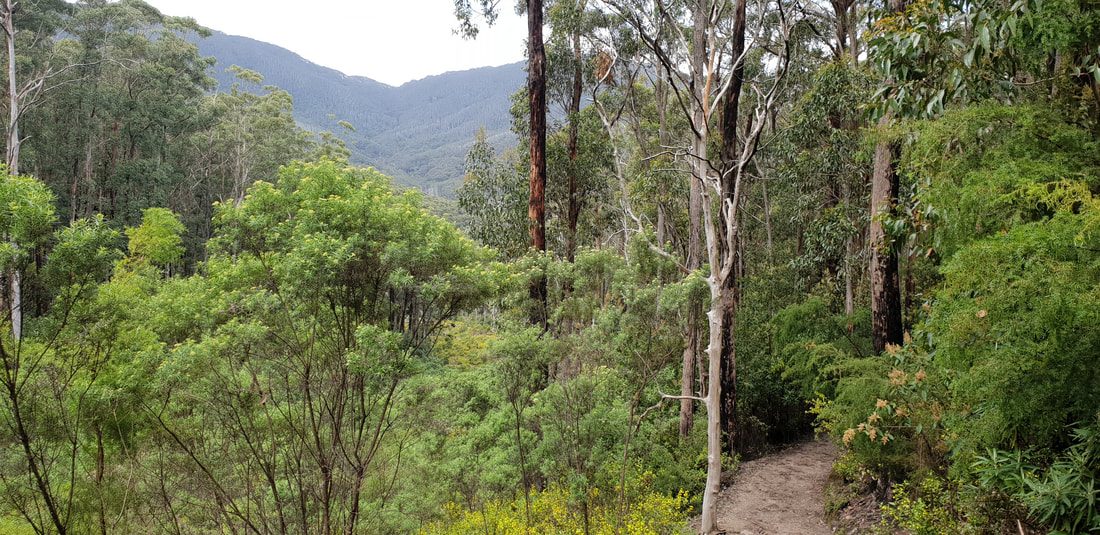
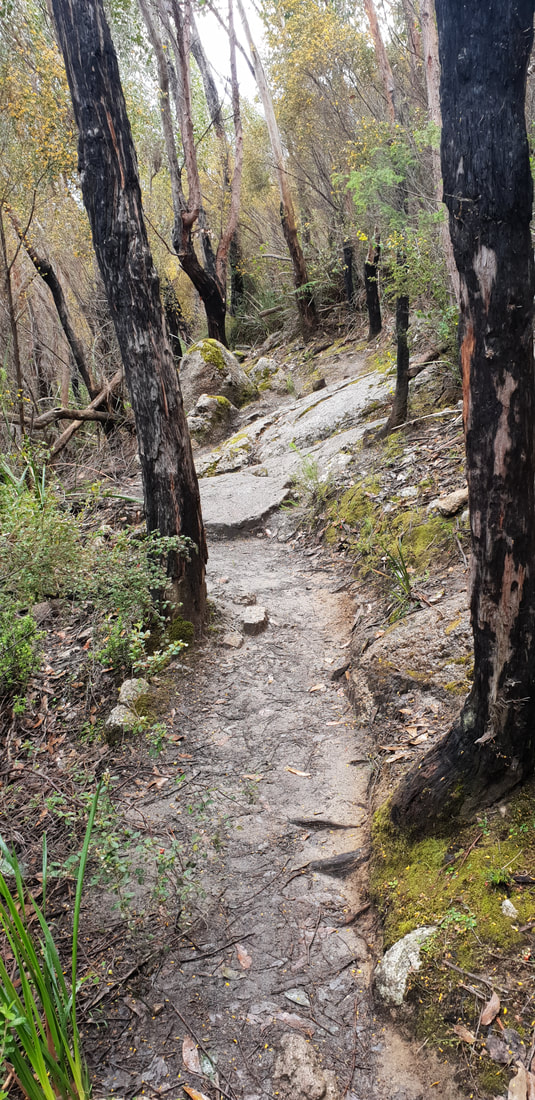
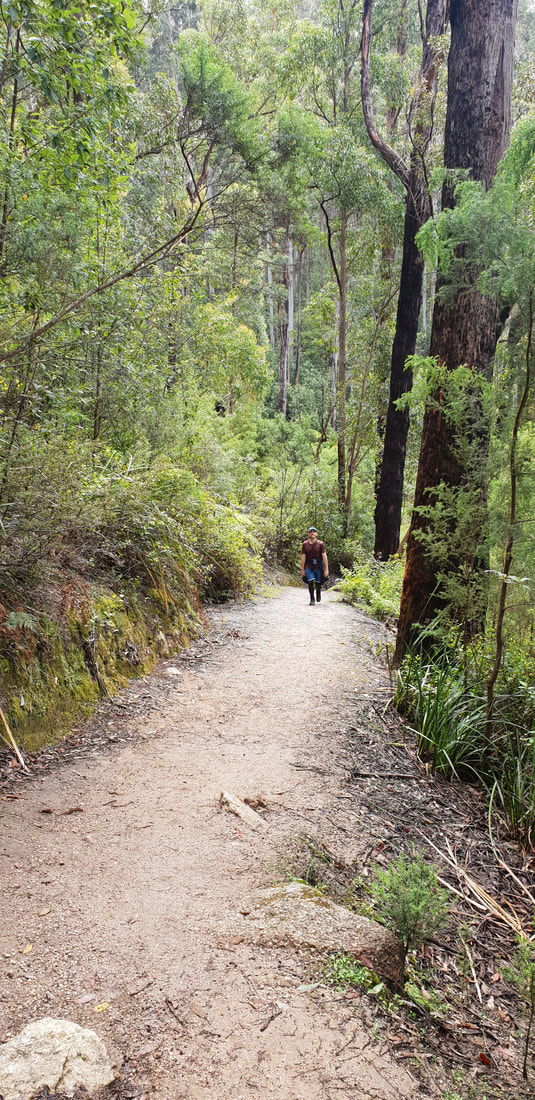
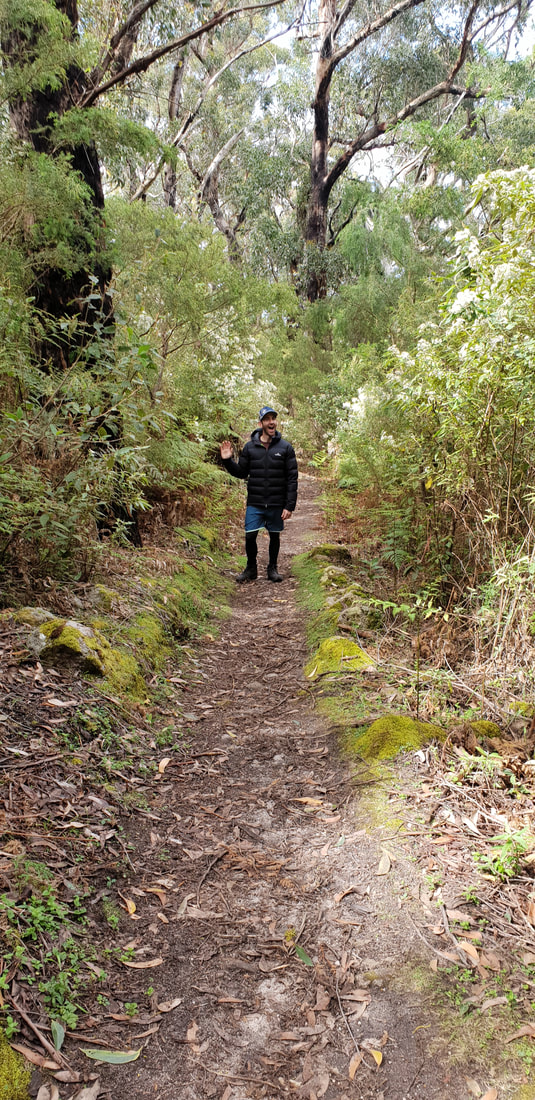
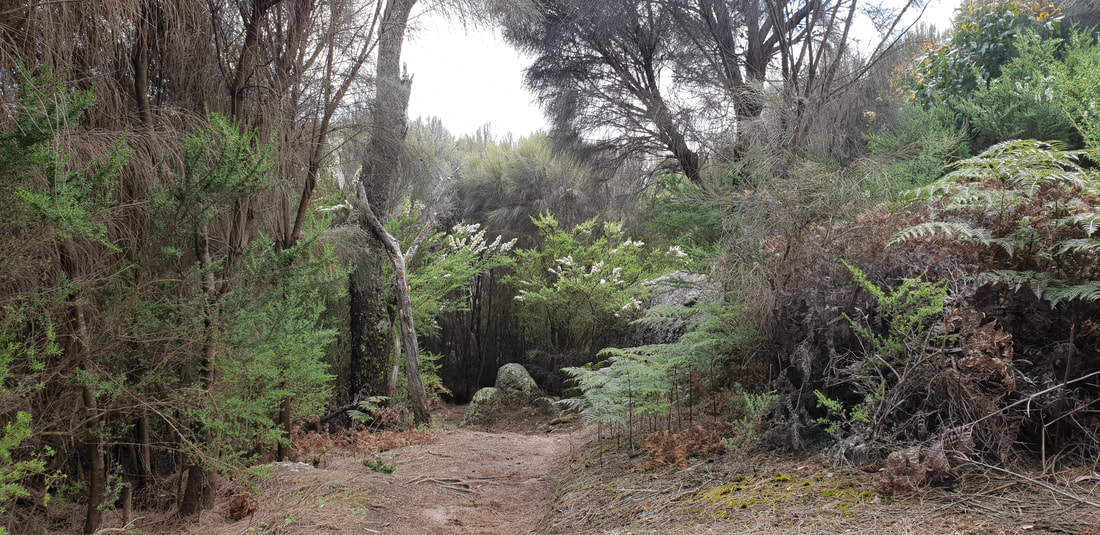
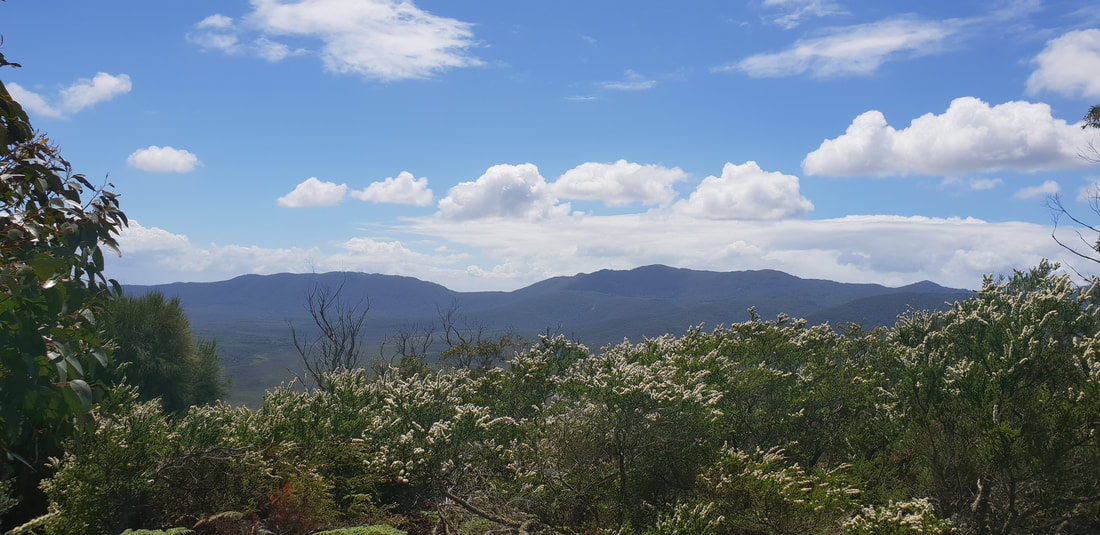
Mt. Bishop Summit Track & Lilly Pilly Circuit, approx. 10kms return, through stringy-bark forest
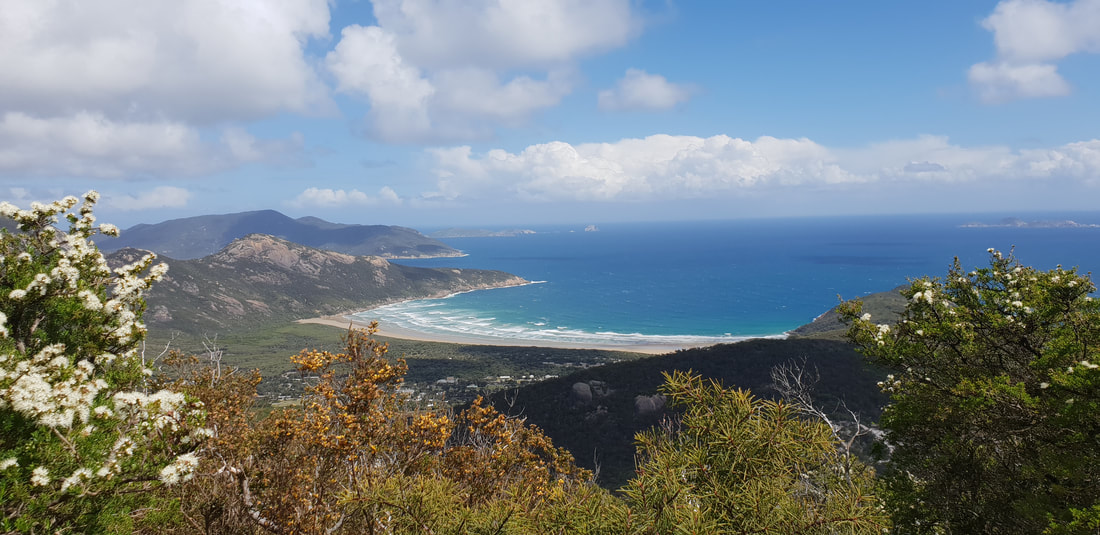
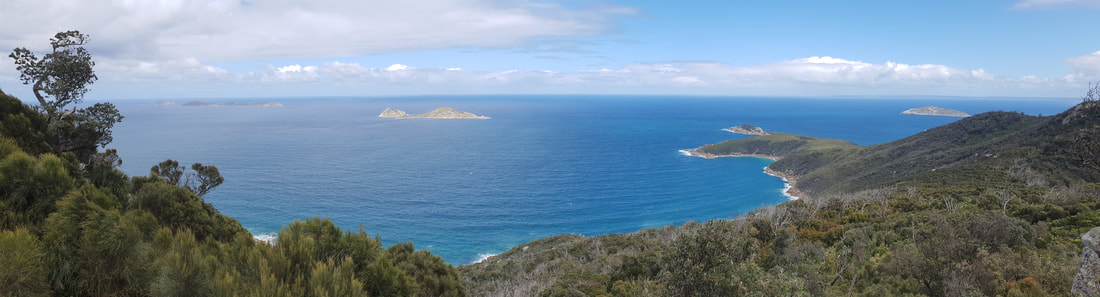
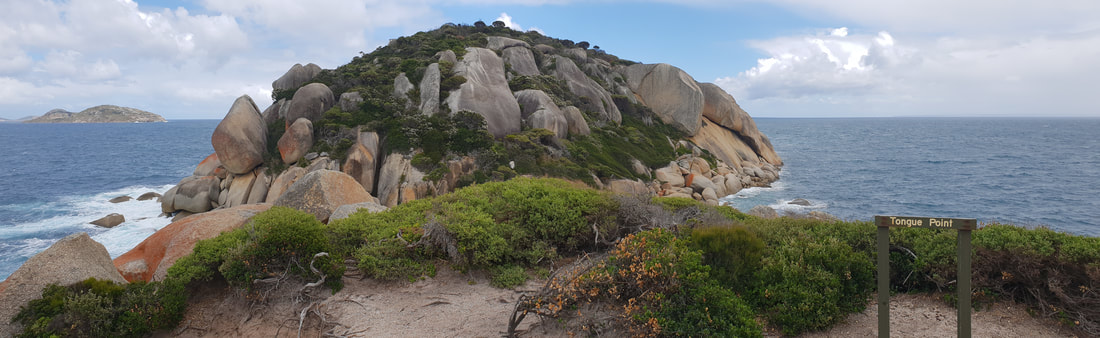
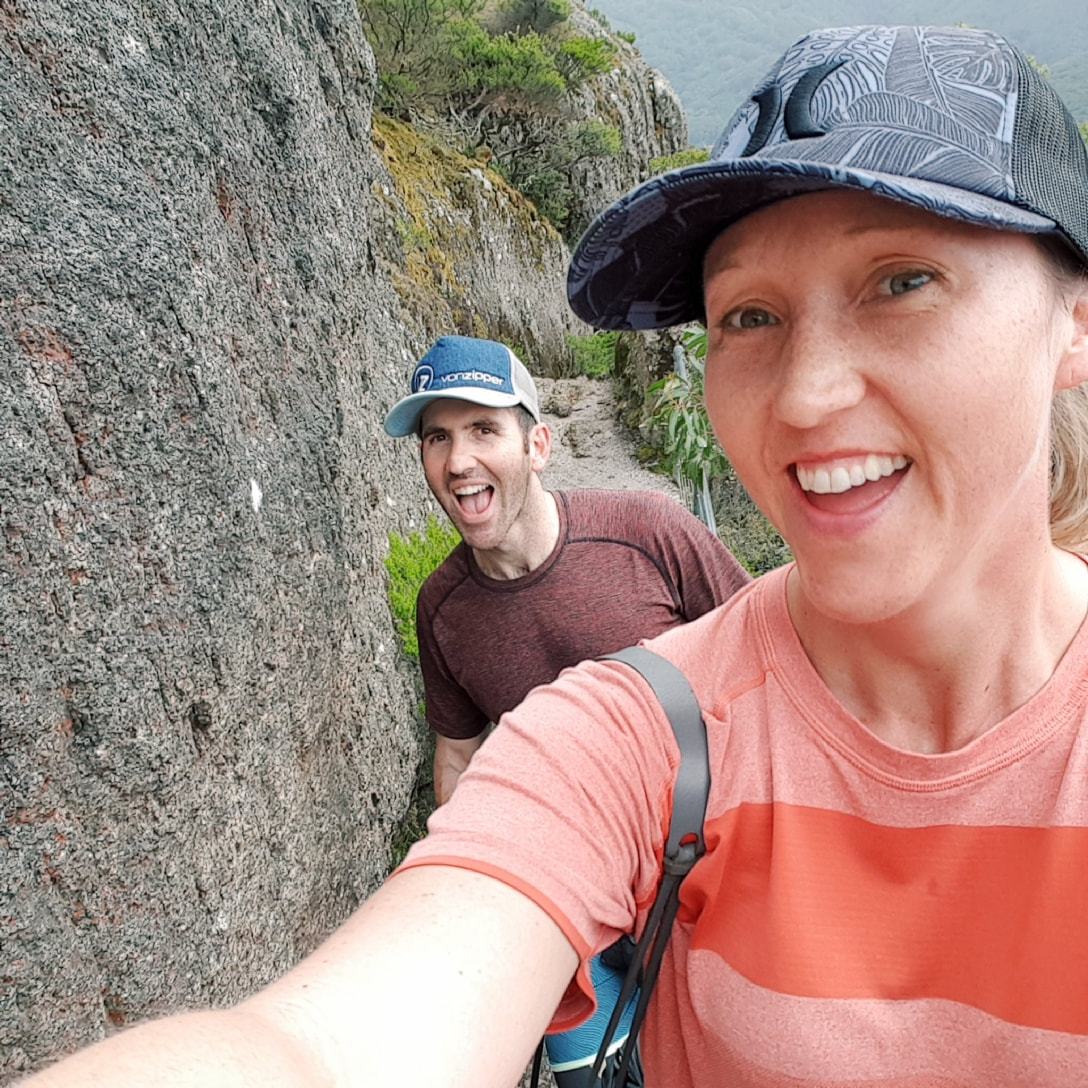
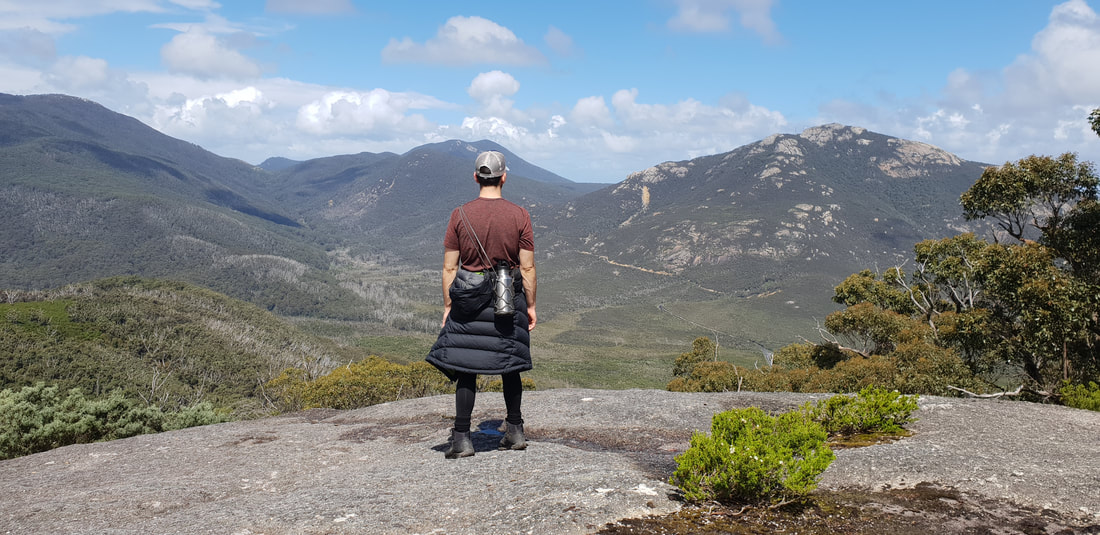
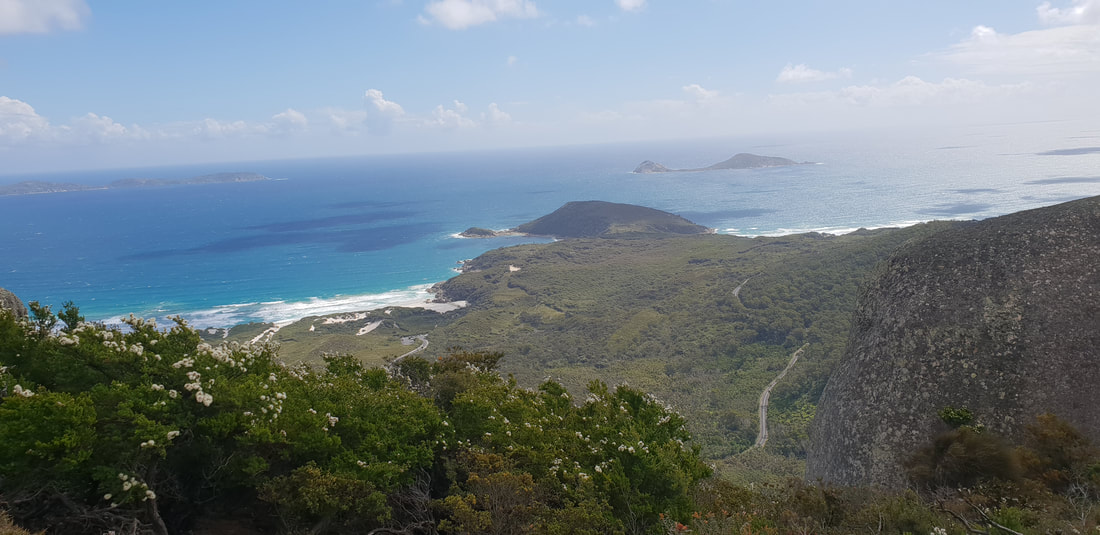
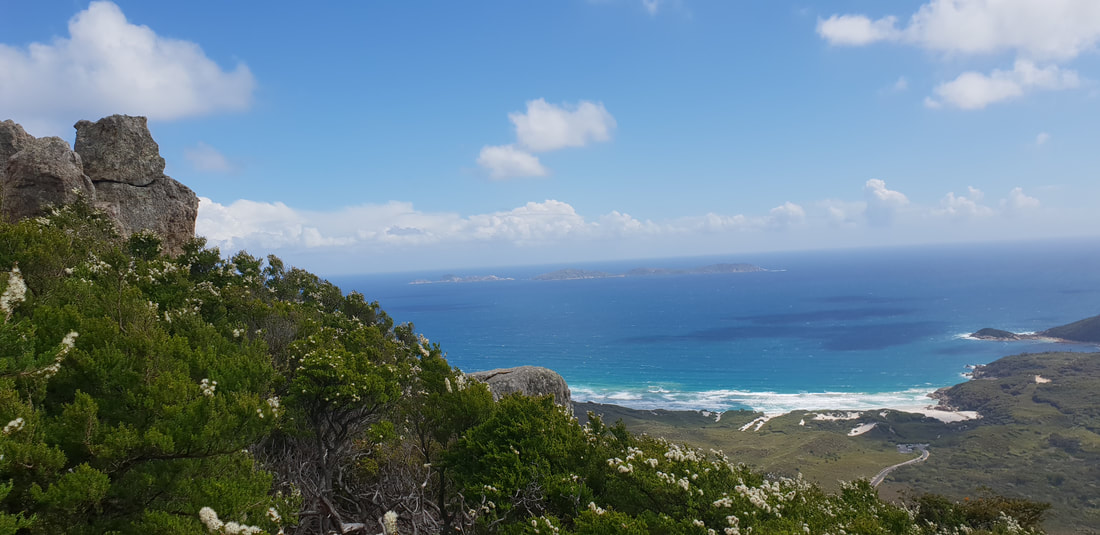
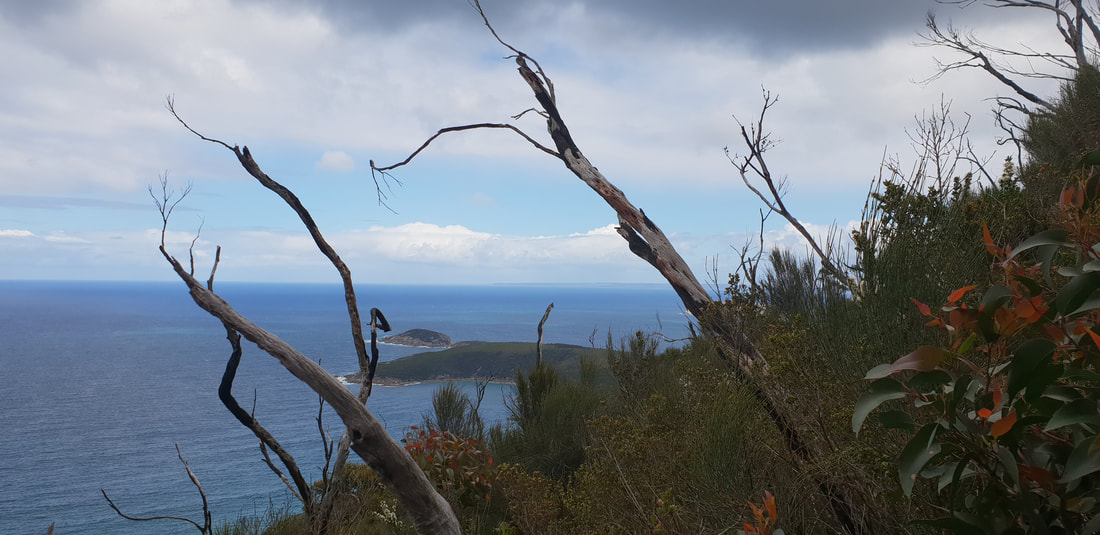
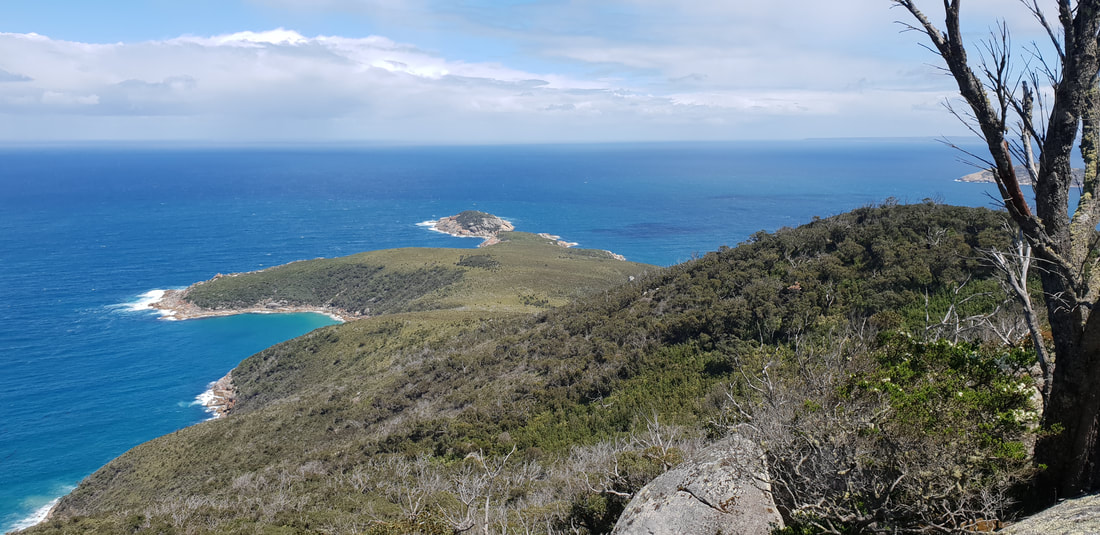
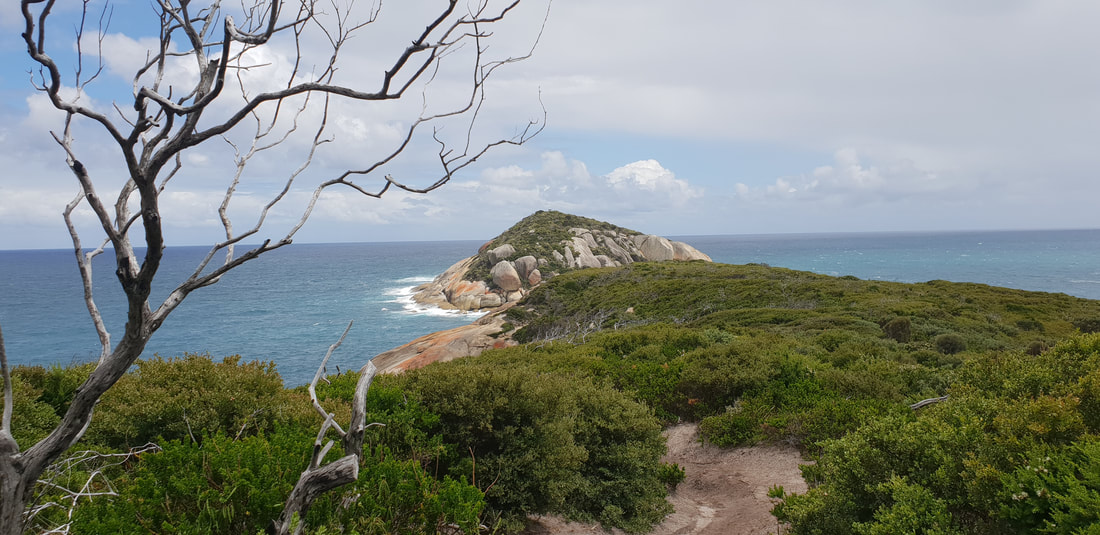
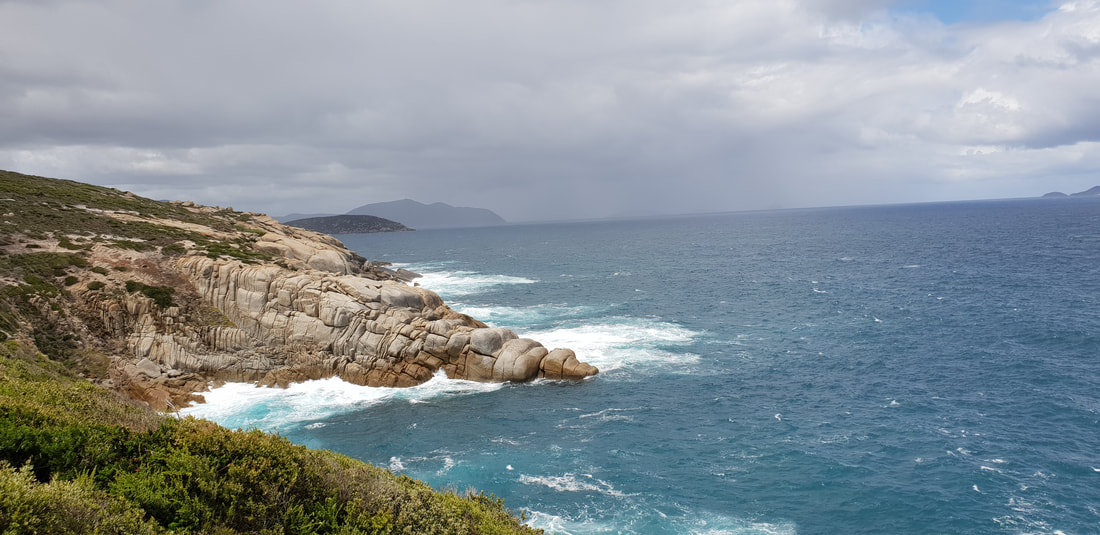
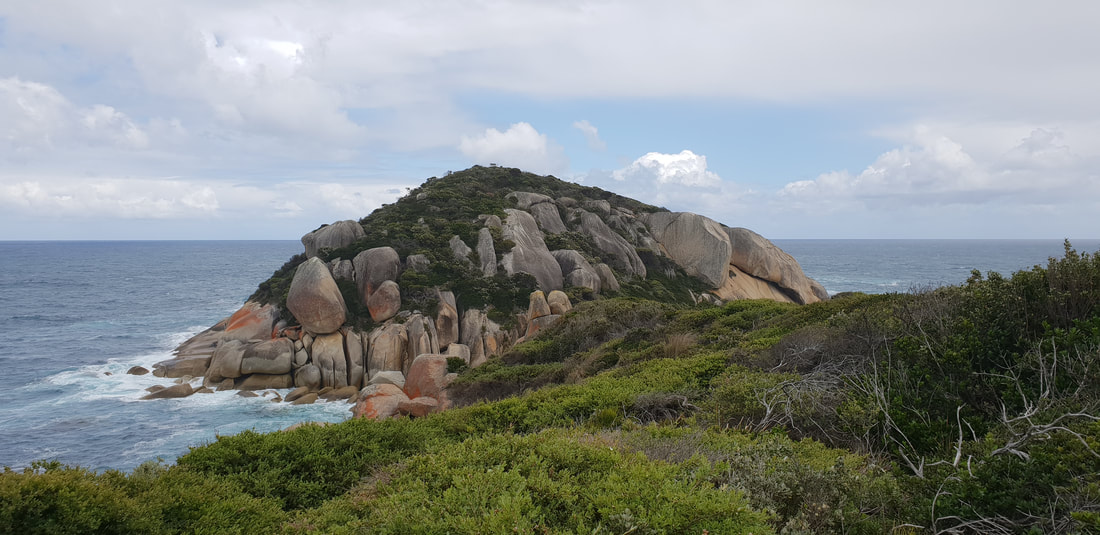
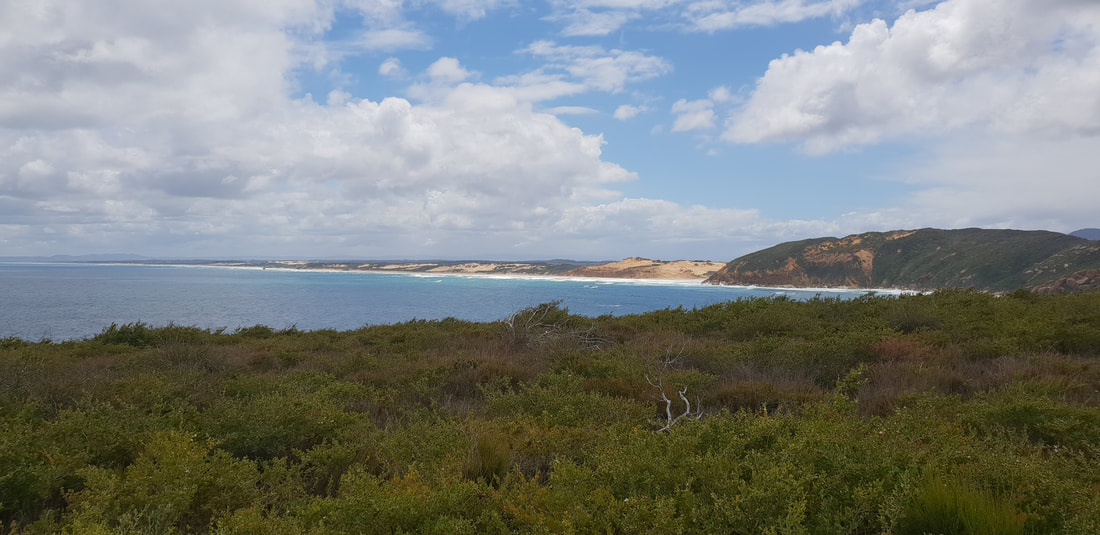
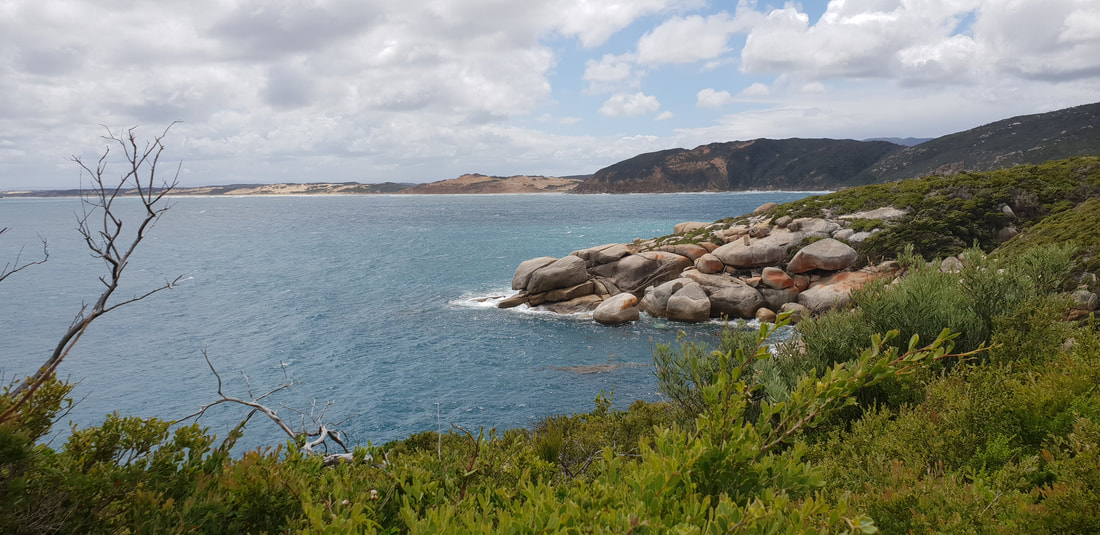
Tongue Point from Darby Saddle, past Sparkes Lookout, 11.2kms return
|
The JourneyChoose Curiosity The Catalogue
November 2023
The Tags
All
|
 RSS Feed
